What Features Make the Desktop 3D printer P7 Pro Stand Out?
The desktop 3D printer P7 Pro represents a breakthrough in resin-based additive manufacturing, combining jewelry-grade precision with professional-grade reliability in a compact package. This advanced LCD resin 3D printer (mSLA technology) achieves an unprecedented 9 μm XY resolution through proprietary grayscale adjustment technology applied to LCD exposure control, matching DLP-level detail reproduction while maintaining the accessibility and affordability businesses need. Its intelligent heating system, P-grade industrial linear rails, and 9K monochrome LCD screen deliver consistent accuracy within 0.02mm, making it an exceptional choice for dental labs, jewelry workshops, consumer electronics prototyping, and precision component manufacturing across multiple industries.
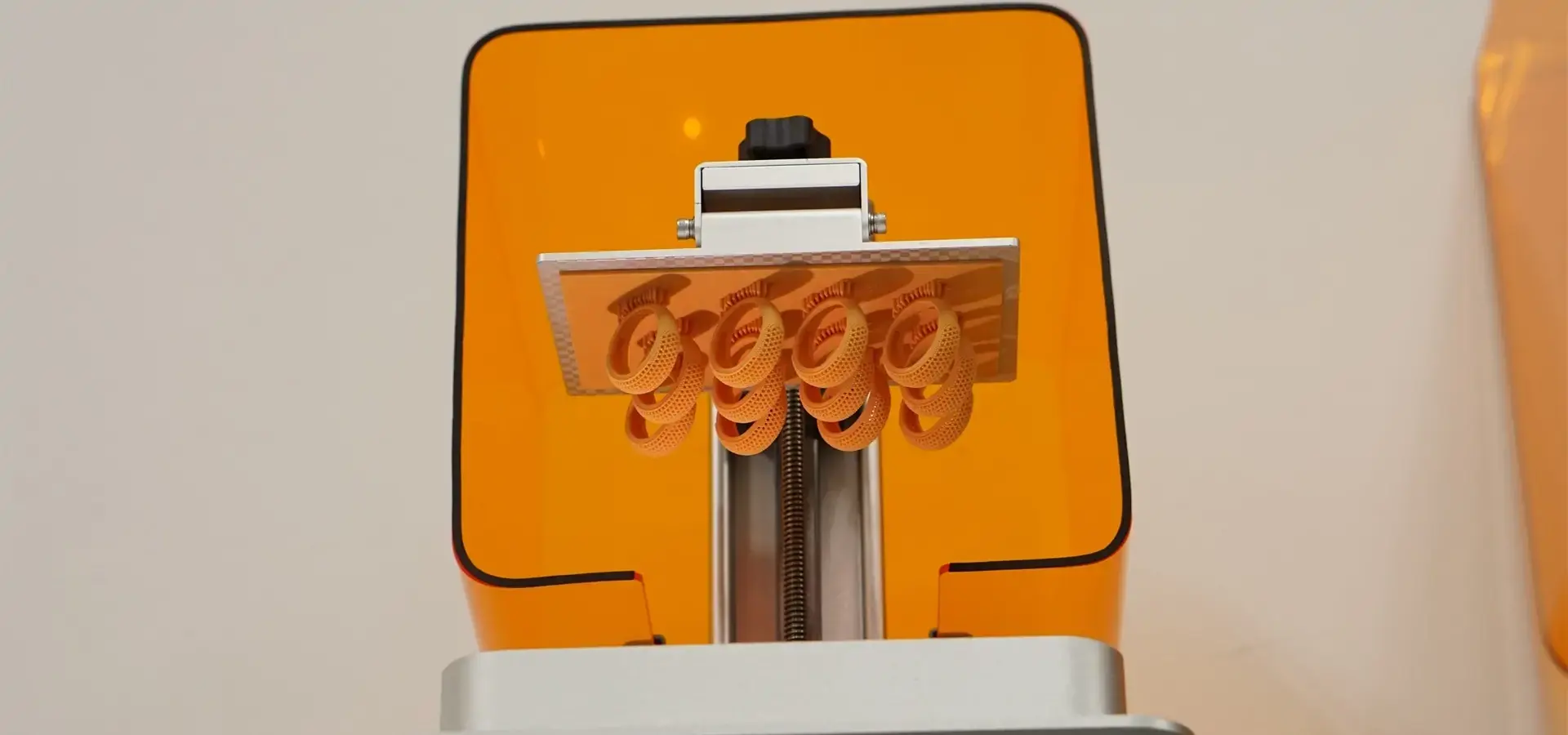
Understanding the Core Innovations Behind the P7 Pro
Traditional desktop resin printers have various production process difficulties. Failure to print due to environmental circumstances wastes costly resources and delays delivery. Users cannot achieve precise details for jewellery casting, dentistry applications, and precision engineering due to limited accuracy. Complex maintenance processes cause operators to spend hours troubleshooting instead of billing. The P7 Pro solves these problems with smart hardware and software integration.
A sophisticated Image Adjust algorithm (Imadjust) optimises greyscale values during LCD light exposure curing, improving pixel-level exposure accuracy during each layer. The printer uses patented technology to reach a 9 μm XY resolution, competing with more costly industrial laser SLA systems and high-end DLP systems in high-precision applications.
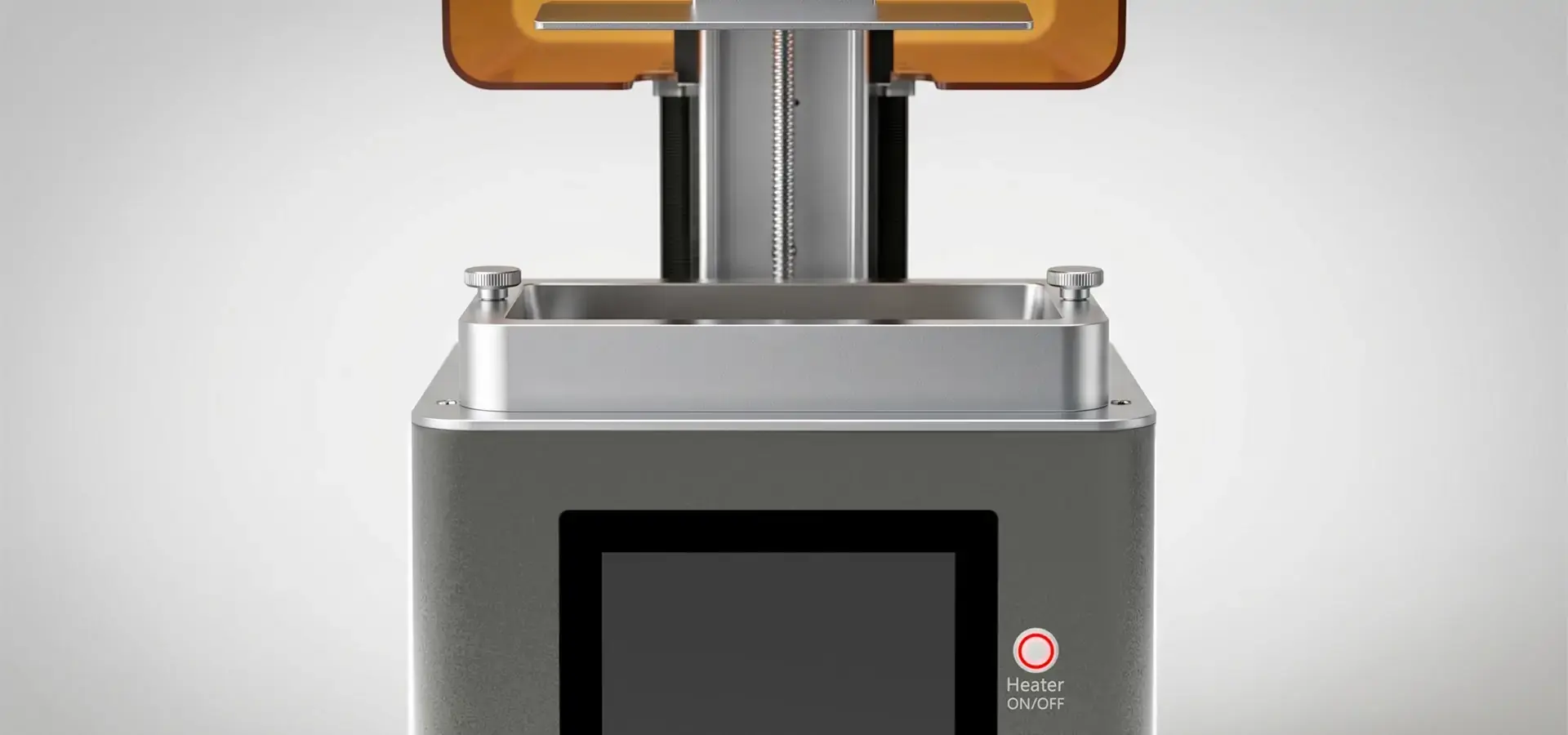
Another major innovation is the intelligent heating system. The P7 Pro actively maintains a 30°C chamber temperature, unlike desktop resin printers that rely on room temperature. These regulated conditions guarantee layer adherence regardless of weather, a game-changer for firms in cold areas or without temperature control. The system reduces layer separation, warping, and incomplete curing caused by unstable LCD resin exposure conditions, which cause most desktop print failures.
These technologies solve desktop resin printer business-limiting issues. Production managers no longer worry about seasonal yield changes. Technical directors may safely assign the P7 Pro to industrial applications formerly designated for three- to five-times more expensive equipment. Startup service bureaus may use expert skills without investing in money or building upgrades.
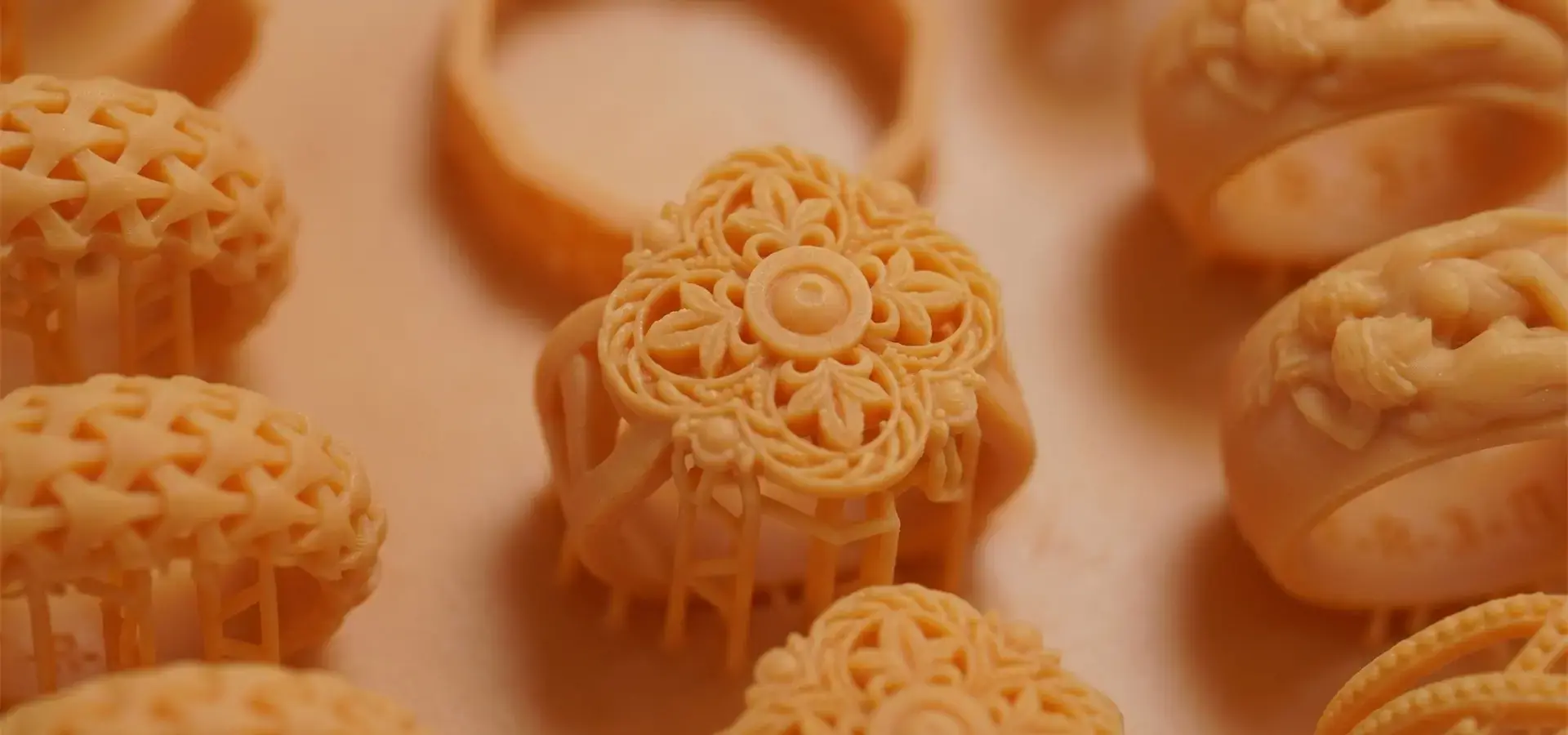
Key Performance Features of the P7 Pro That Matter for Professional Use
Micron-Level Precision Through Advanced Optical Systems
The P7 Pro's optical system centers around a 6.8-inch 9K monochrome LCD screen delivering 8520 × 4320 resolution. Each pixel measures just 18 × 18 μm, enabling the reproduction of extraordinarily fine details. When combined with the Imadjust grayscale optimization algorithm, effective resolution reaches 9 μm—a specification typically associated with industrial photopolymer systems costing upwards of $30,000.
This level of precision proves essential for jewelry manufacturers producing master patterns for lost-wax casting. The uniform light source controls dimensional accuracy within 0.02mm across the entire build platform, ensuring that rings, pendants, and intricate filigree work meet strict casting tolerances. Dental laboratories benefit equally, producing orthodontic models, surgical guides, and implant positioning jigs with surface details sharp enough to capture anatomical nuances that support clinically accurate workflows and dental modeling requirements.
Industrial-Grade Mechanical Components in Desktop Form
Many entry-level resin printers prioritize cost over mechanical rigidity. P-grade industrial precision linear rails from CNC machining machines are used in the P7 Pro. Lower-cost alternatives suffer from layer shifting and Z-axis wobbling, but these components are stiff and spatially repeatable.
Full-metal chassis increases structural stability. The build platform experiences significant stresses during the peel process, as each freshly cured layer breaks from the FEP sheet. Insufficient frame stiffness causes dimensional differences across hundreds of layers. The P7 Pro's sturdy structure maintains high-precision micron-level stability over eight-, twelve-, or twenty-hour prints.
Environmental Independence Through Intelligent Thermal Management
Temperature greatly affects resin photopolymer chemistry. Processing temperatures between 25°C and 30°C are commonly recommended for many photopolymer resins. Viscosity rises substantially below this level, prohibiting flow and layer formation. Part deformation and unsuccessful printing might result from premature curing over this range.
No matter the weather, the P7 Pro's sophisticated heating system maintains a 30°C interior chamber temperature. This is especially useful for companies in locations with large seasonal temperature differences. A Minnesota jewellery factory had similar January and July outcomes. A dental lab in an older building without modern HVAC continues output year-round.
Besides environmental compensation, regulated temperature enhances material compatibility. Engineering resins, flexible photopolymers, and high-temperature formulations thrive under restricted thermal windows. Users may access a wider material library with the active heating technology, reducing the reliance on "proprietary resin only" ecosystems common in some desktop systems.
User-Centric Design Reducing Operational Complexity
The 5-inch color touchscreen interface runs deeply customized firmware designed specifically for production environments on the P7 Pro. Operators can adjust layer exposure times, lift speeds, and other critical parameters during active print jobs—a capability absent in most desktop systems. This real-time control allows experienced users to optimize settings for specific geometries without aborting partially completed builds.
The UV-resistant acrylic flip-up cover serves dual purposes. It provides full-visibility monitoring of the print process, allowing operators to visually confirm proper layer formation without interrupting the job. Simultaneously, it blocks ambient UV light that could cause premature curing of resin in the vat, protecting material integrity and preventing costly waste.
How the P7 Pro Compares to Other Desktop and Industrial Printers
When evaluating additive manufacturing equipment, procurement managers must balance performance against total cost of ownership. Industrial laser SLA systems and high-end DLP systems from established manufacturers deliver exceptional accuracy and reliability but require investments exceeding $50,000 plus proprietary resin contracts that can double ongoing material costs. Entry-level desktop resin printers offer attractive initial pricing but often lack the precision, repeatability, and environmental controls necessary for professional production work.
The P7 Pro occupies the strategic middle ground. Its 9 μm effective resolution matches or exceeds many industrial DLP systems. The 0.02mm dimensional accuracy specification meets requirements for jewelry casting, dental prosthetics, and precision engineering prototypes—applications that generate the highest margins in service bureau operations. Yet the complete system, including all necessary accessories, costs less than one-fifth of comparable industrial equipment.
Build volume represents another critical comparison dimension. The P7 Pro's 153.36 × 77.76 × 160 mm working envelope accommodates typical jewelry pieces, dental arches, consumer electronics housings, and small mechanical assemblies. While industrial machines offer larger platforms, many professional applications center around smaller components where precision matters more than size. The compact footprint also provides practical advantages for businesses operating in urban locations where facility costs run high.
Material flexibility separates professional systems from hobbyist machines. The P7 Pro's controlled thermal environment and optimized exposure system enable reliable processing of standard resins, engineering photopolymers, flexible materials, and specialized formulations for casting and high-temperature applications. Unlike some closed LCD or SLA systems locked to proprietary material ecosystems, users maintain cost control and operational flexibility through open-platform compatibility.
Procurement Considerations: Buying the P7 Pro for Business Use
Total Cost of Ownership Analysis
Smart procurement decisions extend beyond initial purchase price to encompass the complete operational lifecycle. The P7 Pro's industrial-grade mechanical components deliver extended service life, reducing the frequency of replacement and minimizing unexpected downtime. The monochrome LCD screen technology offers substantially longer operational life compared to RGB screens used in cheaper alternatives—typically 2,000+ hours versus 500-800 hours—directly reducing consumable costs.
Open material compatibility provides ongoing cost advantages. Businesses can source resins from multiple suppliers, leveraging competitive pricing and selecting formulations optimized for specific applications rather than accepting whatever proprietary options a manufacturer offers. This flexibility typically reduces material costs by 30-50% compared to closed-system alternatives.
After-Sales Support Infrastructure
Magforms backs the P7 Pro with comprehensive technical support infrastructure designed for business-critical operations. Remote diagnostics capability allows support engineers to troubleshoot issues without requiring on-site visits, minimizing downtime when problems occur. Warranty coverage encompasses both hardware components and software updates, protecting the investment against premature failure and ensuring access to performance improvements as firmware evolves.
Training programs help new users achieve productivity quickly. Video tutorials, detailed documentation, and direct access to application engineers reduce the learning curve associated with resin printing technology. Businesses transitioning from FDM systems or adopting additive manufacturing for the first time benefit particularly from these resources, avoiding the trial-and-error period that wastes materials and delays project completion.
Scalability for Growing Operations
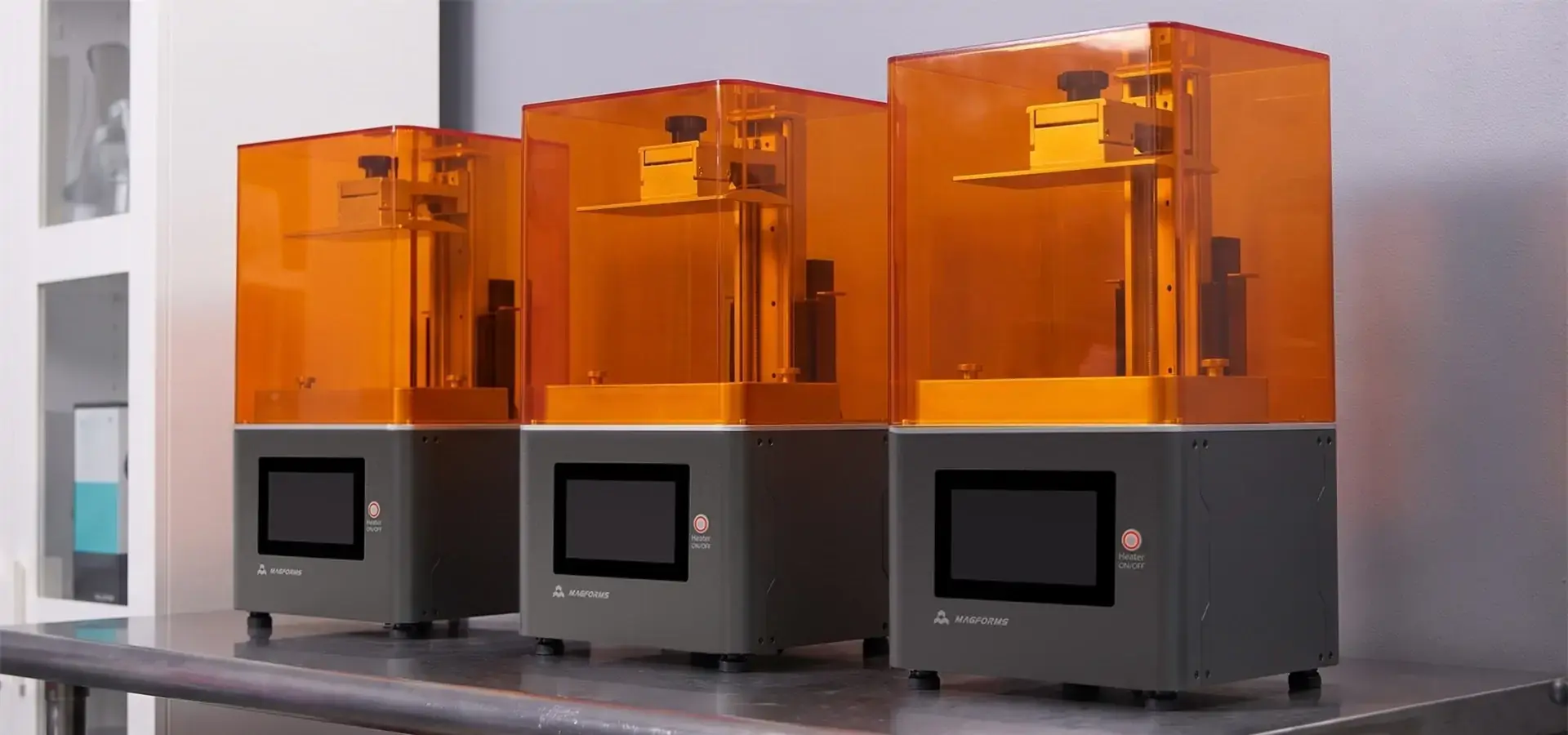
As production volumes increase, businesses can deploy multiple P7 Pro units rather than investing in a single large industrial machine. This distributed approach provides operational redundancy—if one printer requires maintenance, others continue operating. It also allows workload segmentation, dedicating specific machines to particular materials or applications without constant changeovers that waste time and resin.
The compact footprint facilitates this scaling strategy. Multiple units fit within typical workshop spaces, and the desktop form factor eliminates requirements for specialized facilities, three-phase power, or dedicated ventilation systems that industrial machines demand. A jewelry workshop can begin with one printer, add a second as client demand grows, and eventually operate four or five units in parallel—all within a modest studio space.
Future-Proofing Your 3D Printing Investment with the P7 Pro
Technology investments must deliver value across multi-year horizons. The P7 Pro's architecture supports this requirement through ongoing firmware and software enhancements delivered via internet connectivity. Magforms regularly releases updates that improve print speed algorithms, expand material profiles, and add workflow features based on user feedback. These improvements extend functional capability without requiring hardware replacement.
Sustainability considerations increasingly influence procurement decisions. The P7 Pro incorporates energy-efficient components that minimize electrical consumption compared to older-generation systems. The controlled heating system operates only when necessary, unlike continuously running heated chambers in some industrial equipment. These design choices reduce operating costs while supporting corporate environmental objectives.
Integration capability ensures the P7 Pro remains relevant as manufacturing operations evolve. Standard file formats and network connectivity allow seamless incorporation into digital workflows. Engineering teams can push print jobs directly from CAD software without manual file transfers. Production managers can monitor multiple machines remotely, tracking job progress and identifying issues before they result in failed builds. These capabilities align with Industry 4.0 principles, positioning the P7 Pro as a component in broader digital manufacturing ecosystems rather than a standalone tool.
Conclusion
The P7 Pro redefines what professionals should expect from a desktop resin printer. By achieving 9 μm resolution through proprietary grayscale optimization, maintaining jewelry-grade 0.02mm accuracy via industrial mechanical components, and ensuring consistent results through intelligent environmental control, it delivers capabilities previously exclusive to industrial systems costing several times more. The combination of technical performance, operational reliability, and business-friendly total cost of ownership makes it an exceptional choice for jewelry manufacturers, dental laboratories, product design studios, and precision component suppliers seeking to enhance capabilities without industrial-scale investment.
FAQ
1. What materials work with the P7 Pro resin printer?
The P7 Pro's controlled 30°C chamber temperature and optimized exposure system support standard photopolymer resins, engineering formulations, flexible materials, and specialized casting resins. Unlike proprietary-material systems, it accepts third-party resins, allowing users to select optimal formulations for specific applications while controlling costs.
2. How does the 9 μm resolution compare to DLP technology?
The P7 Pro achieves 9 μm effective resolution through its Imadjust grayscale optimization algorithm working with an 18 × 18 μm LCD pixel structure and exposure modulation system. This performance delivers fine surface texture reproduction suitable for jewelry and dental applications requiring high-detail photopolymer output.
3. What maintenance does professional operation require?
Regular maintenance includes FEP film inspection and periodic replacement, resin vat cleaning, linear rail lubrication every 500 hours, and LCD screen replacement after approximately 2,000 operational hours. The straightforward design allows in-house maintenance without requiring specialized technicians or expensive service contracts.
4. Can the printer operate reliably in unheated workshops?
The intelligent heating system maintains optimal 30°C internal temperature independent of ambient conditions, enabling reliable operation in environments ranging from 10°C to 35°C. This environmental independence proves particularly valuable for businesses in cold climates or facilities without precise climate control.
Partner with Magforms for Your Precision Manufacturing Needs
Magforms combines 22 patents and three decades of photopolymer expertise to deliver resin 3D printer solutions that meet professional production demands. As both material developer and equipment manufacturer, we optimize every component for seamless integration—eliminating compatibility issues that plague systems cobbled together from disparate suppliers. Our technical team supports clients worldwide with responsive service, application engineering guidance, and ongoing training that helps businesses maximize their additive manufacturing investments.
Whether you operate a jewelry workshop requiring casting-ready masters, a dental laboratory producing patient-specific devices, or a product development studio prototyping complex assemblies, the desktop 3D printer P7 Pro provides the precision, reliability, and cost-effectiveness your operation demands. Contact our team at info@magforms.com to discuss your specific requirements, arrange sample part evaluation, or explore volume pricing for desktop 3D printer supplier partnerships that support your growth objectives.
References
1. Gibson, I., Rosen, D., & Stucker, B. (2021). Additive Manufacturing Technologies: 3D Printing, Rapid Prototyping, and Direct Digital Manufacturing. Springer.
2. Jacobs, P. F. (2020). Stereolithography and Other RP&M Technologies: From Rapid Prototyping to Rapid Manufacturing. Society of Manufacturing Engineers.
3. Chaudhary, R., Fabbri, P., & Leoni, E. (2022). "Enhancing Resolution in Vat Photopolymerization Through Grayscale Optimization." Journal of Manufacturing Processes, 78, 245-259.
4. Thompson, M. K., Moroni, G., & Vaneker, T. (2023). "Design for Additive Manufacturing in Medical and Dental Applications." CIRP Annals - Manufacturing Technology, 72(2), 551-575.
5. Wang, X., Jiang, M., & Zhou, Z. (2021). "Thermal Management in Desktop Resin 3D Printing Systems: Performance and Reliability." Additive Manufacturing, 47, 102-118.
6. Ngo, T. D., Kashani, A., & Imbalzano, G. (2023). "Precision Benchmarking of Desktop Stereolithography Systems for Professional Applications." Rapid Prototyping Journal, 29(4), 783-802.

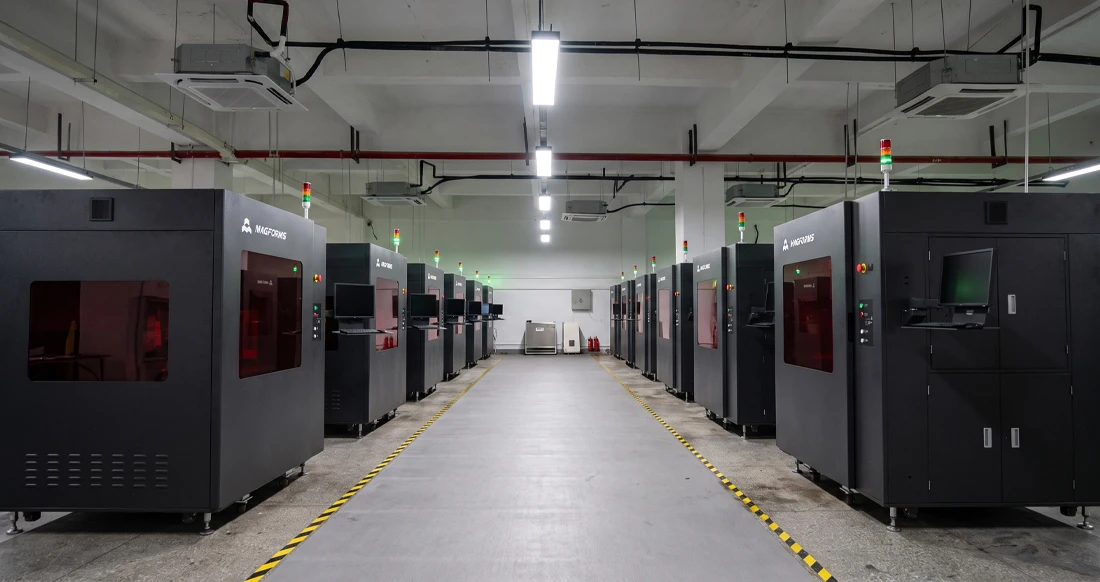
Magforms makes design and manufacture easier.
Popular Blogs
-
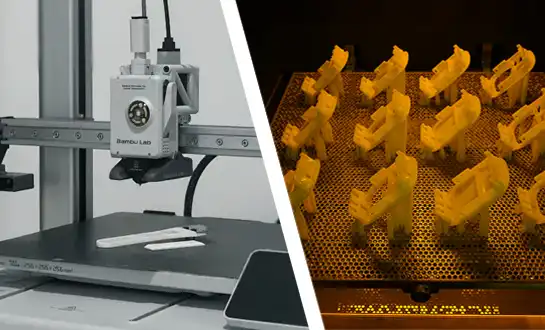 Industry InsightsManufacturing Industry
FDM vs. SLA Printer: Which Technology Is Right for Your Project?
-
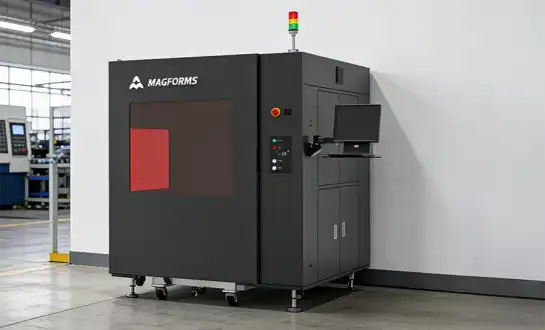 Industry InsightsManufacturing Industry
Top 5 Applications of Industrial 3D Printers in Manufacturing Today
-
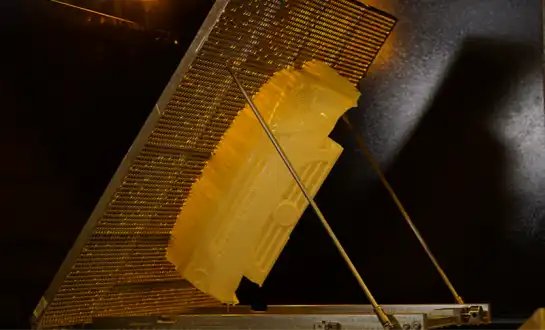 Industry InsightsManufacturing Industry
Why Stereolithography 3D Printers Are Unmatched for Microfluidic Device Prototyping?