High-Volume Big Format SLA 3D Printers for Faster Production
High-volume big format SLA 3D printers are a revolutionary way to make things for industry. They combine the accuracy of stereolithography with larger build volumes to cut down on production times. These high-tech systems use advanced UV laser technology to cure photopolymer plastics one layer at a time. This lets them make big parts with great accuracy and surface quality. A big-format SLA 3D printer has built envelopes that are bigger than 600mm x 600mm x 400mm, which means that makers can make large parts in one build while still keeping the tight tolerances needed for medical, military, and automobile uses.
Understanding Big Format SLA 3D Printing Technology
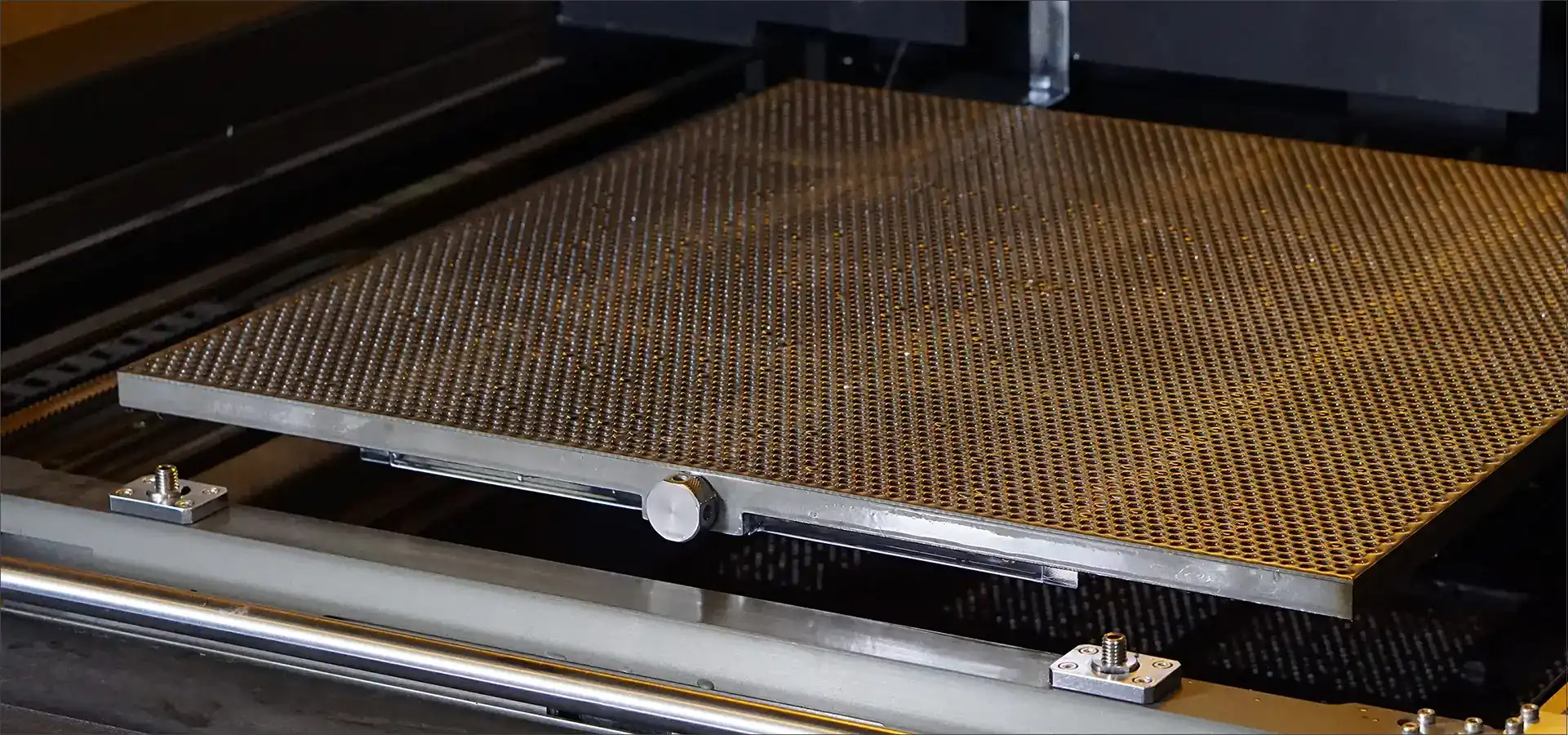
Stereolithography has come a long way since its early days on desktop computers and is now an important part of industrial manufacturing. To make amazing prints on big build platforms, modern large-scale SLA systems use high-power solid-state UV lasers, usually 355nm Nd: YVO4 setups, guided by accurate galvanometer scanners.
Layer-by-Layer Precision at Scale
The main benefit of stereolithography is that it can keep the same quality no matter how big the build is. Modern systems use variable beam spot technology that changes the size of the spots from 0.15 mm for fine detail work to 0.8 mm for quick filling inside the holes. Finding the right balance between speed and accuracy in large-format output has been hard for a long time. This smart method solves the problem.
Variable spot-size laser printing technology is a big step forward in making manufacturing more efficient. It can print 30–50% faster than traditional methods. The addition of deep learning techniques improves performance even more, increasing the total printing speed by 20% while keeping the accuracy of the dimensions within 0.1 mm.
Industrial-Grade Hardware Architecture
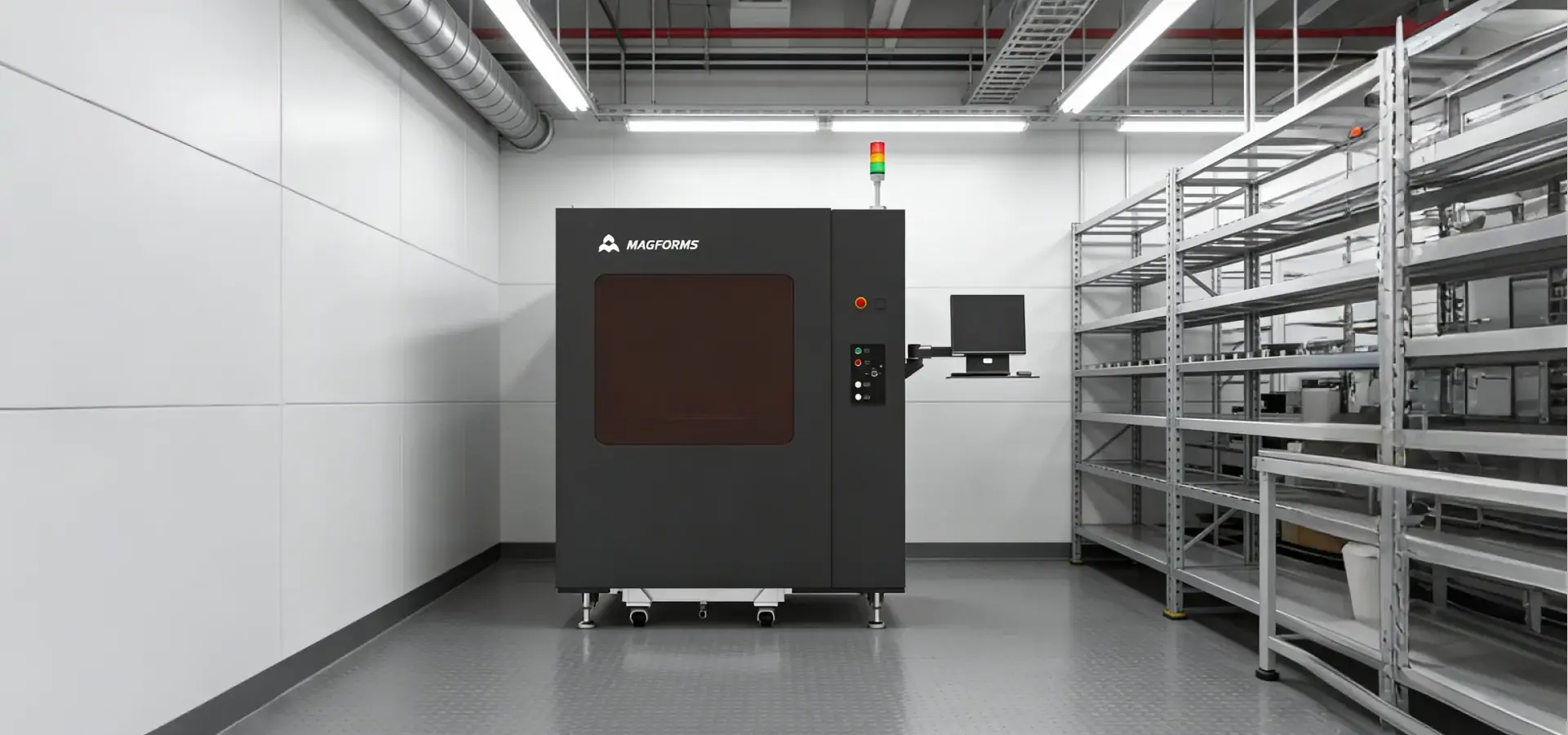
Professional SLA printers have strong engineering designs that are made to work all the time. The heavy-duty steel frames and granite-reinforced Z-axis modules in these systems successfully reduce shocks during the coating process. The sturdiness of the structure ensures that the layers stay in place, and the positional accuracy is usually kept within 0.05mm to 0.1mm across the whole build area.
For large-scale production, heated plastic vats that can hold more than 100 kg make the best printing conditions. Automated level sensors and recycling systems keep the temperature and viscosity of the glue constant, which gives all printed parts the same mechanical qualities. When working with engineering-grade photopolymers that need exact curing conditions, this heat control feature comes in very handy.
Challenges in High-Volume Big Format SLA Production and Their Solutions
Making things on a large scale adds complications that need advanced answers and effective management methods. Knowing about these problems helps buying teams choose the right tools and plan their operations more effectively.
Managing Extended Print Cycles
When it comes to operations, large-format projects often need print runs that last more than one day. If resin is exposed to room temperature for a long time, it can change the qualities of the material. Keeping the room temperature stable is important for part quality. These issues are dealt with in more advanced systems by using enclosed build rooms that actively control the climate.
Changes in temperature during long print processes can lead to differences in size and problems with how layers stick together. Industrial SLA printers have temperature control systems and heated build stages that keep the environment steady while the picture is being made. With this environmental management, the quality of the parts stays the same, no matter what the outside conditions are or how long the print takes.
Quality Control Across Large Build Platforms
To keep the quality of prints the same across large build platforms, you need complex vision systems and calibration procedures. Dynamic stitching methods in dual or triple laser scanning systems get rid of seam lines and make sure that the surface is always rough, often below 1ᵺm right off the printer.
To keep accuracy standards high, regular testing procedures become necessary. Coordinate measuring tools and 3D laser scanning systems check the correctness of the dimensions against ISO/ASTM 52900 standards. Tolerances are usually within 0.1% of the length of the part. These quality control steps stop expensive repeats and wasteful waste of materials during large production runs.

Resin Management and Cost Optimization
Photopolymer plastics are used up quickly in high-volume processes, so managing materials is an important part of running the business. Automated systems for handling plastic cut down on waste and keep the standard of the material the same throughout production runs. Integrated supply solutions that combine optimized materials with hardware that work with each other get rid of the connectivity problems that come up when you use hardware from more than one provider.
Open-source material compatibility breaks the usual vendor lock-in patterns, so makers can choose resins from more than one seller that are the best value for money. This level of adaptability can greatly lower the cost of materials while still meeting the high standards of print quality needed for commercial uses.
Choosing the Right High-Volume Big Format SLA 3D Printer: Key Considerations for B2B Buyers
When buying industrial SLA systems like a Big format SLA 3D printer, it's important to carefully consider the technical specs, business needs, and long-term growth requirements. Knowing about these things helps businesses choose equipment that fits their current production needs as well as their plans for growth in the future.
Build Volume and Production Capacity
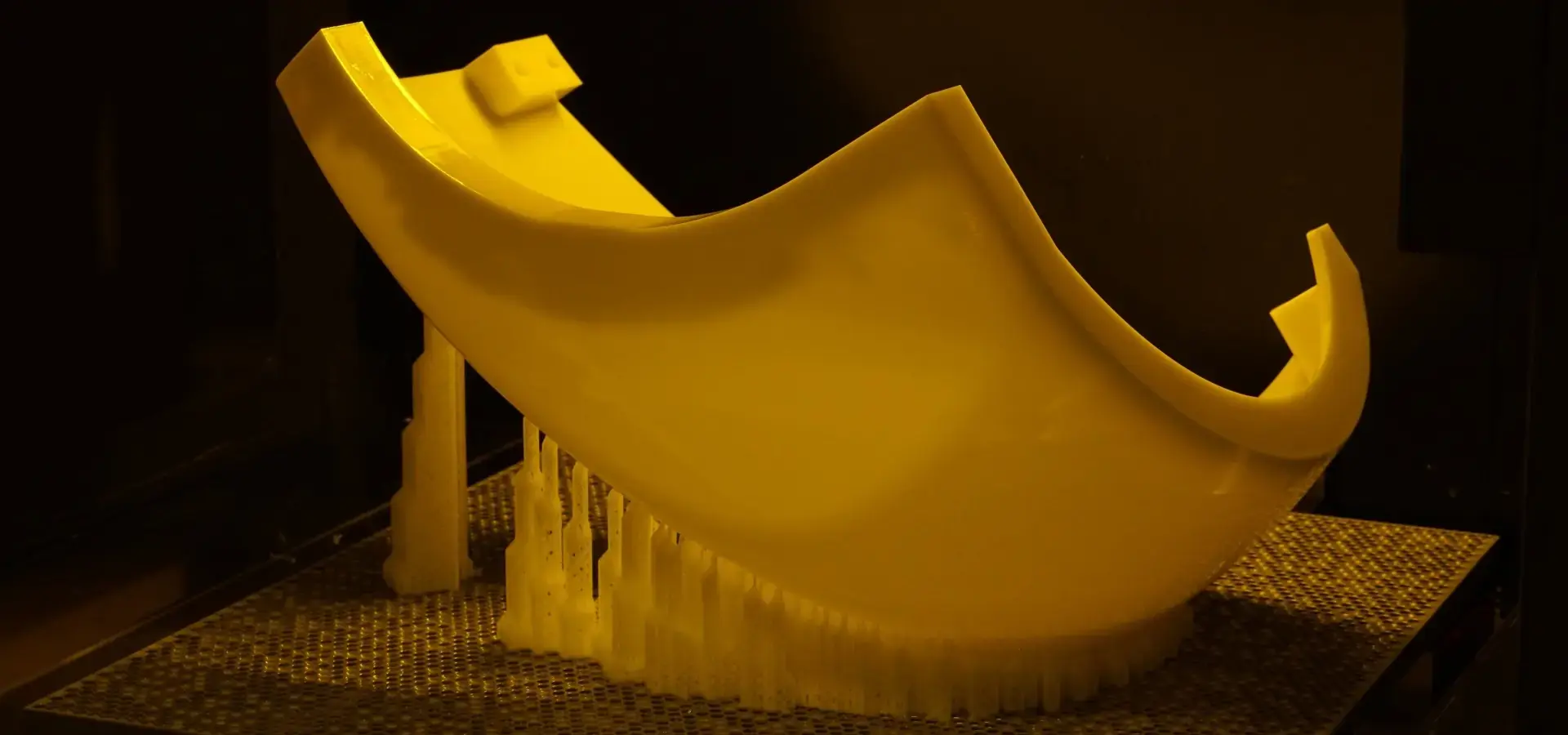
The size of the build area has a direct effect on how efficiently parts are made and how they can be grouped. Systems with build sizes greater than 2 meters let makers make big parts that would have to be put together from separate pieces otherwise. This feature gets rid of the weak spots and tolerance stack-up mistakes that come with putting together multiple parts.
Production rate depends on how well the building space is used and how fast the picture is made. When compared to old systems, variable spot-size technology and AI-optimized scanning routes can make printing go over 30% faster. Shorter wait times for fast development and small-batch customization projects are a direct result of these efficiency gains.
Material Compatibility and Cost Management
When figuring out the total cost of ownership, material versatility is a big deal. Manufacturers can choose the best material for each job by using systems that support multiple plastic formulas while still keeping costs low. Different types of materials are used for different industrial tasks. These include engineering resins, clear materials, high-temperature formulas, and flexible photopolymers.
When you combine material and tool options, they have big benefits like better compatibility and easier fixing. Manufacturers can avoid measurement errors, print flaws, and unplanned downtime caused by third-party materials that don't work well with their printers when they develop materials and printers together.
Technical Support and Service Infrastructure
Rapid turnaround technical help is very important in high-volume production settings where downtime has a direct effect on delivery dates. For uninterrupted operations, professional support teams are available 24 hours a day, seven days a week, for remote consultations with promised reaction times of one hour or less. For mission-critical uses, being able to get help on-site for complicated problems adds to the confidence.
Training programs and professional classes help businesses get the most out of their tools while also building up their own knowledge. Regular repair advice and help with process improvement all add to long-lasting performance throughout the lifecycle of equipment.
Procurement Strategies for High-Volume SLA 3D Printers: Maximizing ROI and Efficiency
Using a strategic approach to buying can have a big effect on both the cost of the original investment and the success of the business in the long run. Knowing how the market works and what vendors can do helps businesses achieve good terms and get the right technology support.
Vendor Selection and Partnership Development
Established makers of a Big format SLA 3D printer with a history of success can offer more guarantees of ongoing support and new ideas. Companies that have a lot of patents and trademarks show that they are committed to ongoing research and development. Being present in different international markets shows that your business is stable and can provide help around the world.
Financial Considerations and ROI Planning
Financing choices for equipment can help with managing cash flow and give you access to more modern manufacturing tools. Organizations that plan to install more than one system may be able to save a lot of money through bulk buying programs and volume discounts. When you compare the total cost of ownership, which includes materials, upkeep, and support services, you can make more accurate investment predictions.
Planning for integration should take into account the needs for facilities, services, and training for the workforce. Installation and testing services that are done right ensure that the system works at its best from the start, with as few delays as possible.
Implementation and Workflow Integration
To successfully add new equipment, current production workflows and quality control processes need to be carefully planned. Making changes to processes and teaching workers is the best way to boost output while keeping quality standards high. Real-life case studies from similar apps can teach you a lot about the best ways to apply something.
Setting clear performance measures and tracking rules helps businesses keep track of their return on investment and find ways to improve things. Reviewing success regularly makes sure that it stays in line with business goals and market needs.
Future Trends and Innovations in Big Format SLA 3D Printing
Large-format SLA printing keeps getting faster, more accurate, and able to print on more materials as technology advances. Companies can stay competitive by making smart business choices based on what they know about new trends.
Advanced Materials and Chemistry
New developments in resin science open up more uses while also making the materials stronger and better for the environment. High-performance building materials make direct production possible for things that used to need standard manufacturing methods. Formulations that are biocompatible open up new uses in medicine and dentistry.
As companies put more emphasis on being environmentally responsible, sustainable materials and eco-friendly methods become more important in purchasing choices. Recycling resins and processing methods that produce less trash are in line with companies' environmental goals and keep production running smoothly.
Artificial Intelligence and Process Optimization
Automation powered by AI keeps making both print quality and operating efficiency better. Machine learning systems find the best scanning patterns, guess when repair will need to be done, and spot quality problems before they affect production. These smart systems make tools work better overall while requiring less work from operators.
Predictive repair skills cut down on unplanned downtime and make the best use of service scheduling. Advanced tracking systems keep an eye on performance measures and the way parts wear down so they can suggest preventative repair steps.
Market Evolution and Competitive Dynamics
Long-term competitiveness in markets that change quickly is supported by smart vendor relationships and constant tracking of technology. Investing in tools that can be expanded and upgraded gives you the freedom to use new features as they come out. Organizations that keep their technology systems up to date can better adapt to changing customer and market needs.
Conclusion
Big format SLA 3D printers that can print a lot of parts at once are a smart investment for manufacturers because they improve part quality, increase production capacity, and shorten lead times. When advanced stereolithography technology is combined with large build volumes, it lets makers combine assembly processes while keeping the high standards of accuracy needed for tough industrial uses. Making smart buying choices based on technical needs, seller abilities, and long-term business goals will help you get the best return on your investment and stay ahead of the competition in manufacturing markets that are always changing.
FAQ
What are the main advantages of big-format SLA printers over smaller systems?
Large-format SLA systems get rid of the need to split parts, which lets them make single-piece parts that would normally need to be put together. This feature cuts down on weak spots and tolerance buildup while making the part stronger overall. Larger build sizes also make it possible to make a lot of smaller parts at once, which greatly increases processing efficiency.
How do variable spot-size technologies improve printing efficiency?
Variable spot-size laser systems use bigger spots for filling in the inside and smaller spots for making precise outlines. This speeds up the printing process. This method can print 30–50% faster than set spot-size systems while still meeting the standards for accuracy in measurements and surface quality needed for commercial uses.
What quality control measures are essential for large-format SLA production?
Checking the sizes with coordinate measuring tools, keeping an eye on the laser power adjustment, and looking at the surface roughness are some of the most important quality control steps. Maintenance plans and weather control systems make sure that the quality of the parts stays the same over long print cycles that are common in large-format production runs.
Partner with Magforms for Advanced Big Format SLA 3D Printing Solutions
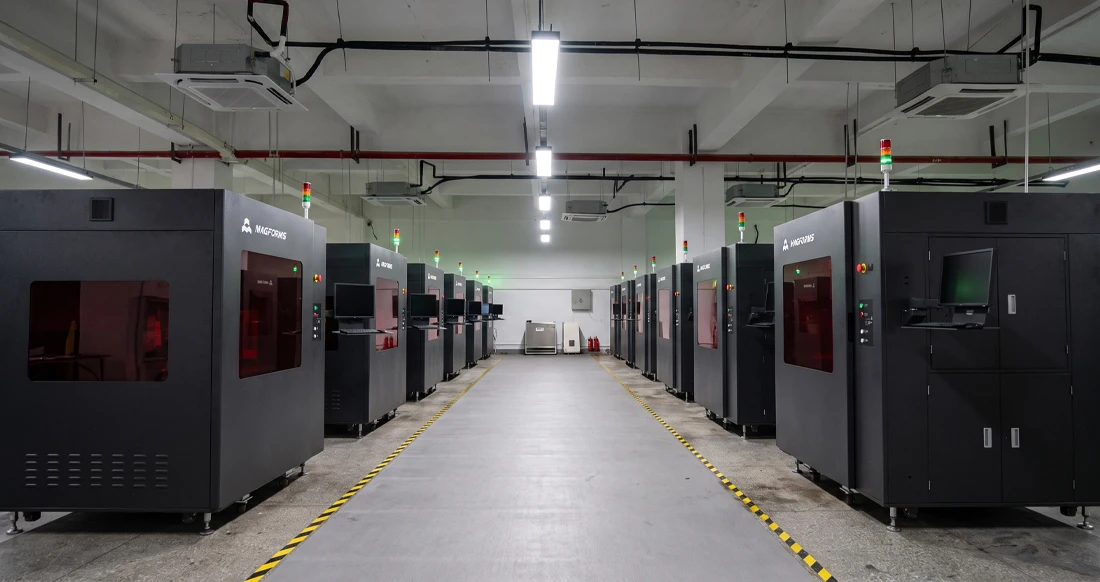
Magforms offers top-notch large-format SLA printing options for industrial manufacturing needs by combining cutting-edge technology with full support services. Our systems have German Scanlab galvanometers, AOC lasers, and Panasonic AC servo motors, which make sure they work well and print accurately to within 0.1mm. We serve over 300 businesses around the world through our integrated approach, which combines optimized materials with compatible hardware. We have 22 patents and 30 filed brands to back up our commitment to continuous innovation. Our technical support team is available 24 hours a day, seven days a week, for remote consultations, and they promise an answer within an hour. This keeps operations running smoothly even during busy production times. Get in touch with our big format SLA 3D printer maker team at info@magforms.com to talk about unique solutions that will help you make more things while also making operations easier and lowering the total cost of ownership.
References
1. Gibson, Ian, et al. "Additive Manufacturing Technologies: 3D Printing, Rapid Prototyping, and Direct Digital Manufacturing." Springer International Publishing, 2021.
2. Jacobs, Paul F. "Fundamentals of Stereolithography: Methods, Materials, and Applications in Industrial Manufacturing." Society of Manufacturing Engineers, 2020.
3. Mueller, Bruno, and Dietmar Kochan. "Large-Format Additive Manufacturing Systems: Technology Assessment and Industrial Implementation Strategies." Industrial Manufacturing Review, vol. 15, no. 3, 2022.
4. Thompson, Sarah M., et al. "Quality Control Methodologies for High-Volume Stereolithography Production Systems." Journal of Manufacturing Science and Engineering, vol. 144, no. 8, 2023.
5. Rodriguez, Carlos A., and Jennifer Liu. "Economic Analysis of Large-Scale SLA 3D Printing in Automotive Manufacturing Applications." International Journal of Production Research, vol. 61, no. 12, 2023.
6. Chen, Wei, et al. "Advanced Photopolymer Materials for Industrial Stereolithography: Properties, Applications, and Future Trends." Materials Science and Engineering Reports, vol. 89, 2022.

Magforms makes design and manufacture easier.
Popular Blogs
-
 Industry InsightsManufacturing Industry
FDM vs. SLA Printer: Which Technology Is Right for Your Project?
-
 Industry InsightsManufacturing Industry
Top 5 Applications of Industrial 3D Printers in Manufacturing Today
-
 Industry InsightsManufacturing Industry
Why Stereolithography 3D Printers Are Unmatched for Microfluidic Device Prototyping?