How an Industrial SLA 3D Printer Can Reduce Prototyping Time by Up to 80%
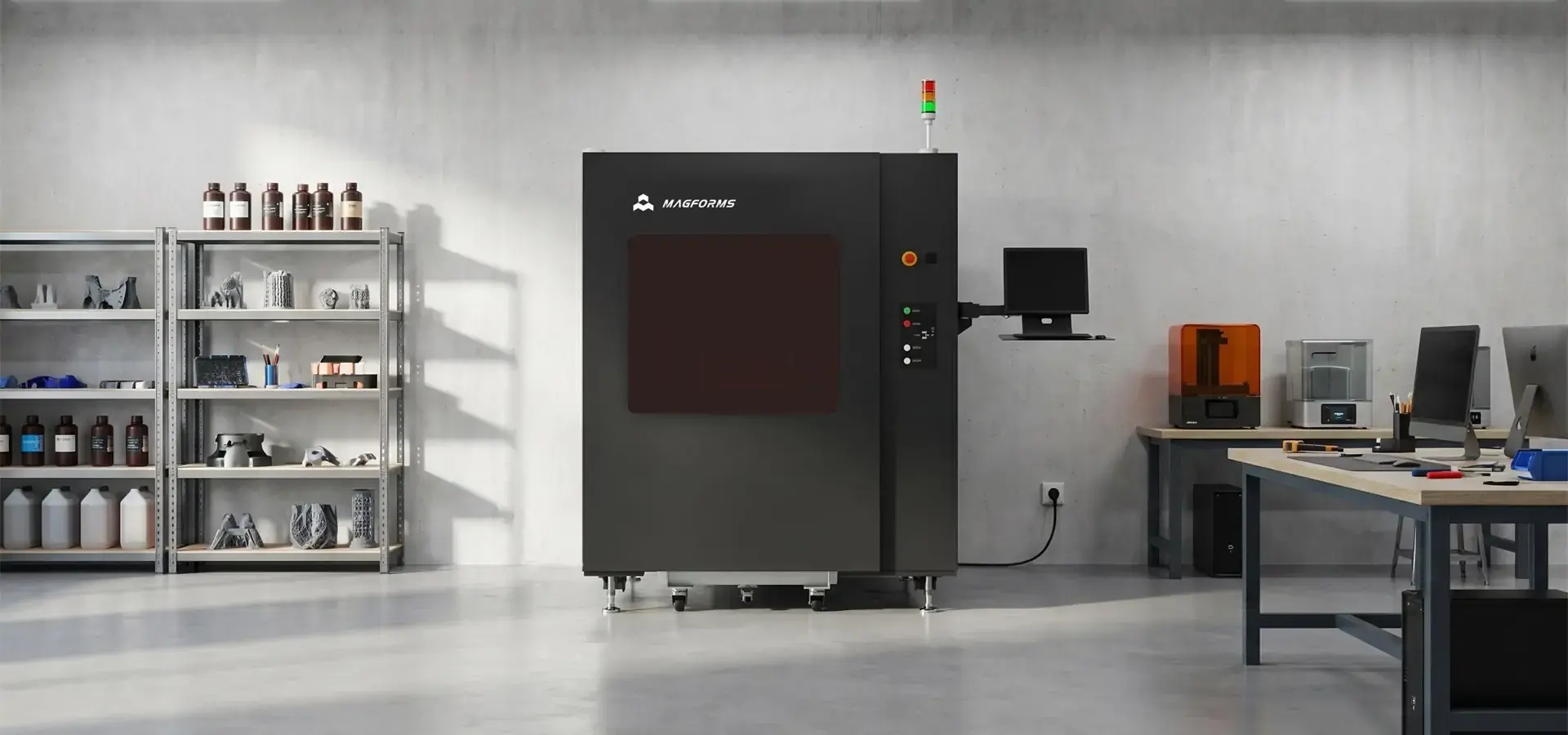
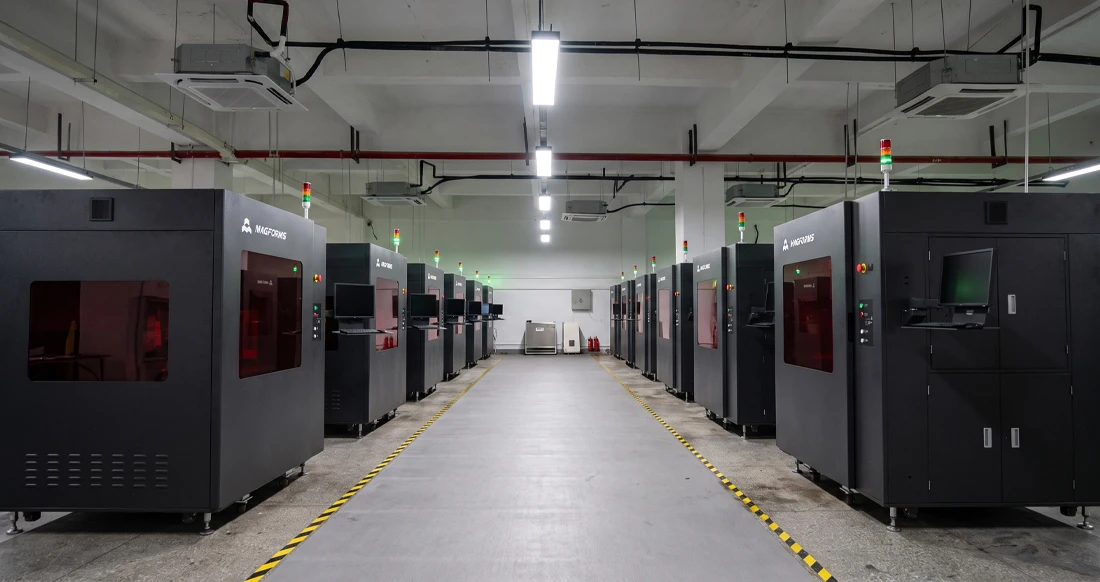
Advanced photopolymerization technology, variable laser spot scanning, and optimized workflows in an Industrial SLA 3D Printer can significantly reduce prototype development time, with some applications achieving time savings of up to 80% compared with traditional manufacturing methods. Unlike traditional machining or FDM systems, this stereolithography equipment cures liquid resin layer by layer using a precision laser scanning process, enabling high-resolution parts with excellent dimensional accuracy and surface quality. This eliminates the need for dedicated tooling in many prototype applications and reduces delays caused by repeated machining setup and design changes. Because of this, functional prototypes can be made quickly and tested within hours instead of weeks. This changes how products are developed in industries like automotive, aerospace, medicine, and consumer electronics.
Understanding Industrial SLA 3D Printing Technology
Core Working Principles
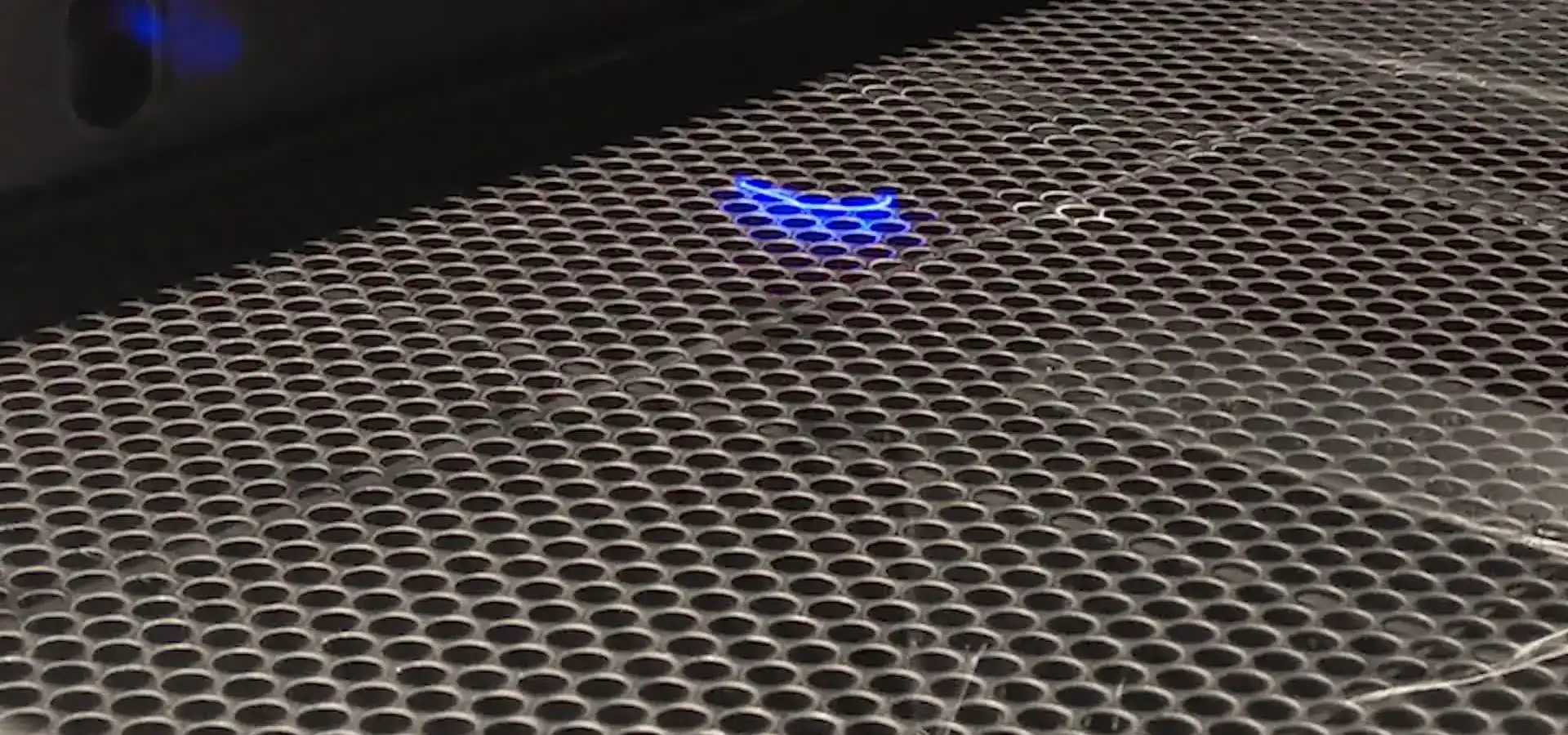
Photopolymerization is how stereolithography works. A precision laser selectively cures very thin layers of liquid photopolymer resin. The process begins when the build platform is positioned within the resin vat, allowing the laser to selectively cure each layer according to the digital model. The laser beam is precisely guided across the resin surface by a high-performance galvanometer scanning system, such as those supplied by Scanlab, with scanning speeds reaching up to 10 meters per second in industrial systems. Each layer is typically between 0.05 mm and 0.20 mm thick, depending on the resin, application requirements, and selected printing parameters.
The technology stands out because it can create different types of laser spots. Larger laser spot sizes (for example, around 0.5–0.6 mm in some industrial systems) can be used during bulk area scanning to improve productivity, while smaller spot sizes are applied for detailed features and contour accuracy. When printing supports or fine contours, the laser spot can be adjusted to smaller sizes, such as 0.15–0.2 mm, to improve detail reproduction and edge accuracy. This dynamic spot adjustment can improve productivity compared with fixed-spot scanning approaches, depending on part geometry and printing conditions.
👉 Learn more about stereolithography technology and how laser-based photopolymerization works.
Key Components Driving Performance
Industrial-grade systems use high-quality parts that make them reliable even when they're running all the time. AOC laser systems provide stable laser output designed for demanding industrial production environments, and Panasonic servo motors contribute to precise Z-axis positioning and stable platform movement during long-duration builds. The recoating system maintains consistent resin distribution and layer thickness during the printing process, helping ensure stable print quality across large builds. The machine enclosure uses rigid metal structures, and low-expansion build platforms help maintain mechanical stability during long-duration printing. This keeps the platform stable even when the laser is working, which causes temperature changes.
Temperature control systems in advanced industrial SLA machines help minimize viscosity fluctuations that could affect printing consistency. Built-in heating helps maintain suitable resin viscosity and flow behavior under different operating conditions. This is especially important for clear and engineering-grade mixtures. This temperature stability contributes to higher print consistency and improved production reliability.
Comparing SLA to Alternative Technologies
When comparing stereolithography with PolyJet, Selective Laser Sintering (SLS), and Fused Deposition Modeling (FDM), each technology offers different advantages. Industrial SLA 3D Printer systems are particularly suitable for applications requiring high resolution, smooth surface finishes, and accurate prototype validation. SLS is widely used for functional polymer parts and complex geometries without support structures. However, its powder-based process typically produces a different surface texture compared with SLA and may require additional finishing depending on application requirements. FDM systems generally offer lower equipment costs and a broad material range. Layer-by-layer extrusion may result in visible layer lines and directional mechanical properties, depending on printing parameters and material selection. PolyJet can achieve excellent surface quality and multi-material capabilities. However, material costs can be higher, and the available material options may differ from SLA when specific engineering performance requirements are needed.
An Industrial SLA 3D Printer offers a balanced combination of speed, accuracy, surface quality, and material flexibility, making it a strong choice for many industrial prototyping applications. Parts produced by Industrial SLA systems typically feature smooth surfaces with significantly reduced layer visibility, and optimized processes can achieve very low surface roughness depending on material and post-processing conditions. With open material compatibility, many industrial SLA platforms allow users to select suitable 355nm photopolymer resins based on application requirements. This is why stereolithography is widely used for automotive prototypes such as dashboard components and, with qualified biocompatible materials and validated workflows, for medical applications such as surgical guide development.
👉 Explore real-world Industrial SLA applications across automotive, medical, and consumer electronics industries.
Challenges in Traditional Prototyping & How Industrial SLA Solves Them
Traditional Method Limitations
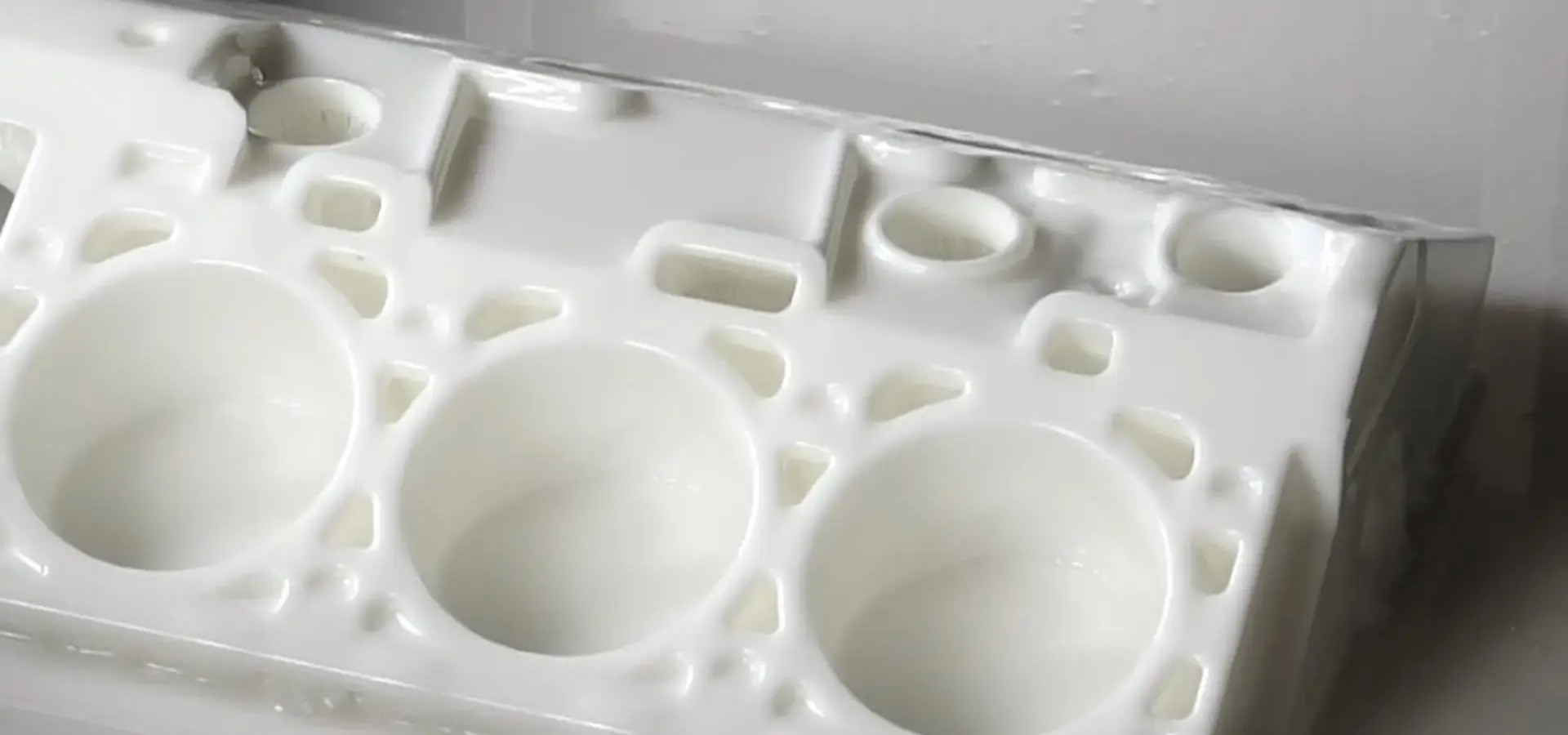
CNC machining is a big part of traditional prototyping, but it needs a lot of programming, tool path optimisation, and operator input. For highly complex geometries, CNC machining may require significant programming time, multiple setups, and specialized tooling, which can increase lead times for prototype development. Tooling costs can't be spread out over a large number of production runs, so costs go up quickly for small runs. When the design changes, the whole process has to start over, which can take weeks longer than planned.
Another option is vacuum casting, but it takes longer and has its own problems. Each stage of creating a master model, mold, and final casting can add additional lead time depending on part complexity and production requirements. The choice of materials is still limited compared to the growing library of industrial plastics that can be used for stereolithography. These time costs get worse as the project goes on, especially when multiple parties need real samples to test at the same time.
Speed Through Automated Workflows
With stereolithography, many prototype applications can be completed without dedicated manufacturing tooling or molds. To change a design, all that needs to be done is to update the CAD file and start a new print job. There is usually no need for new tooling or major equipment setup changes, which helps shorten iteration cycles. The software can assist with support generation and build orientation optimization, reducing preparation time while allowing engineers to adjust parameters when needed. Magforms' iBuild 2.0 software simplifies this workflow with intuitive preparation tools that help reduce job setup time while maintaining professional control over printing parameters.
Advanced scanning optimization algorithms can improve laser paths and printing parameters based on process analysis, helping increase efficiency while maintaining print quality. These optimization technologies can improve printing efficiency by reducing unnecessary scanning movements and refining process parameters. When flight engineers need to confirm the shapes of connectors or when car designers need to make sure that dashboards fit, they can get parts that are exactly the right size in hours instead of the weeks that traditional methods take.
Precision That Eliminates Rework
High accuracy in measurements has a direct effect on how quickly prototypes can be made. When printed parts achieve consistent dimensional accuracy for critical features, engineers can perform assembly validation with greater confidence while accounting for material behavior and process conditions. Combining a high-quality laser source with a precision galvanometer scanning system helps maintain stable laser positioning and consistent curing performance across large build areas. Panasonic servo motors provide stable Z-axis movement and accurate positioning control during long-duration printing processes.
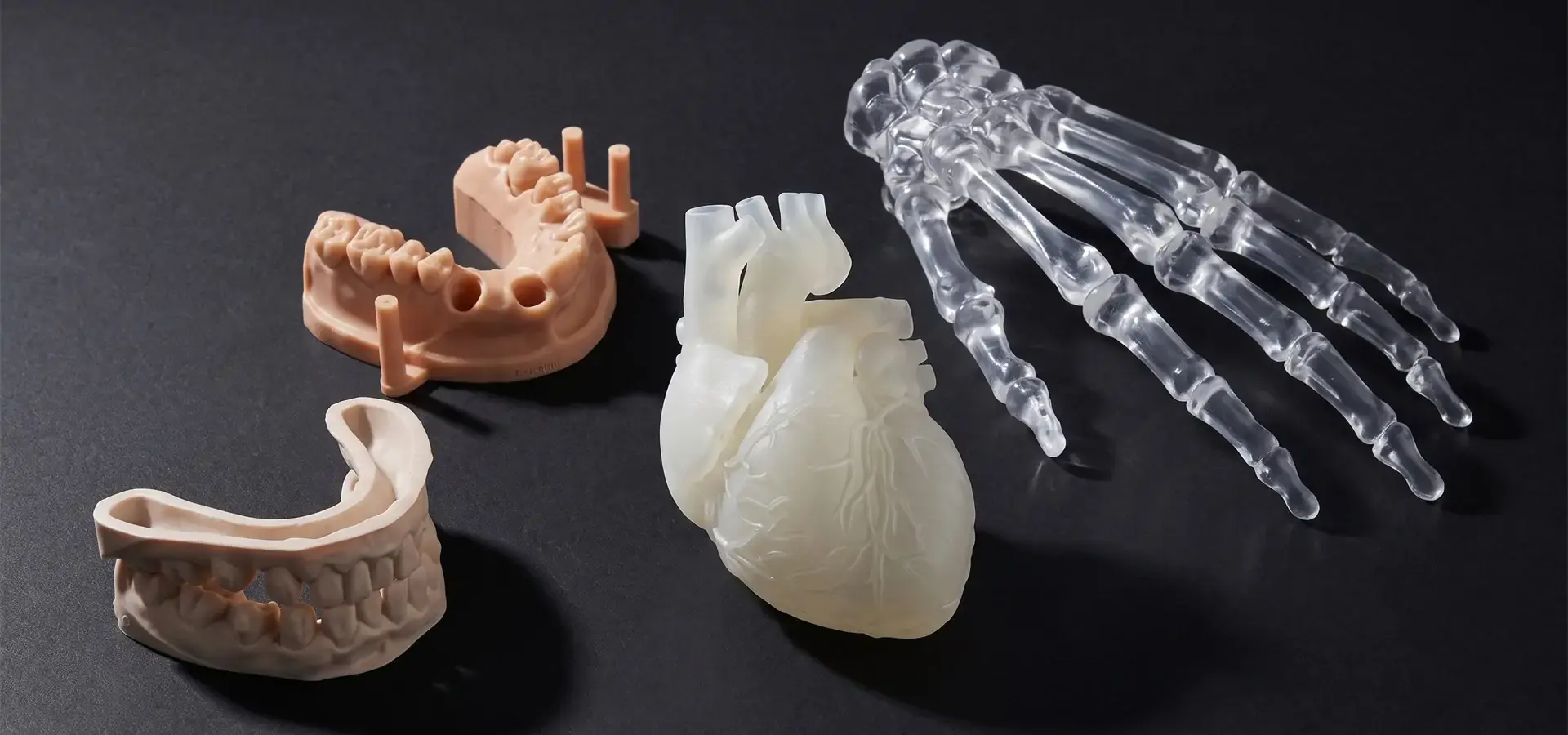
Managing material worry is very important. The engineers at Magforms optimize laser scanning strategies to help reduce internal stress during photopolymerization and improve dimensional stability. Paying attention to how materials behave cuts down on part bending and dimensional distortion that would require new prints otherwise. Medical device companies developing surgical guides and dental laboratories producing orthodontic models rely on this level of accuracy because these applications require strict dimensional control.
Key Benefits Driving Procurement Decisions for Industrial SLA 3D Printers
Superior Accuracy Enabling Direct Functional Testing
Equipment capable of producing functional prototypes for direct testing often receives greater attention from procurement teams. Industrial stereolithography systems can achieve dimensional tolerances around ±0.1mm for smaller features and approximately ±0.1% × L for larger dimensions, depending on material, geometry, and process conditions. This level of accuracy lets you test the mechanical fit, confirm fluid flow, and check the ergonomics using real sample hardware instead of rough models.
The variable spot module enables smaller laser spot sizes around 0.15–0.2mm for capturing fine details such as textures, snap-fit features, and complex contours. Optimized laser scanning strategies and precise exposure control help reduce visible layer transitions and improve surface quality on curved geometries. Companies that make consumer electronics prototyping housings for wearable tech and auto suppliers, validating clip assemblies, can both benefit from surface quality that closes the gap between how a prototype looks and how it will be made.
Material Versatility Across Applications
A persistent B2B pain point can be solved by open material systems that don't use proprietary locks. An industrial SLA 3D printer with broad 355nm resin compatibility gives purchasing teams more flexibility when selecting materials based on performance requirements and application needs. Standard-purpose photopolymer resins are commonly used for checking shape and fit, while ABS-like photopolymer resins provide improved toughness and impact resistance for functional prototype testing. High-temperature resins with HDT values above 100°C can support functional testing of automotive components in elevated-temperature environments.
This material's adaptability cuts down on development times by getting rid of the wait times that come with moving between different testing technologies. Medical teams can use the same equipment to make biocompatible surgical guides, shoe designers can use it to make custom insole moulds, and cultural product developers can use it to copy intricate handicraft details. The investment is safe because it can be used to test new material formulas without any limits on the tools. This is because plastic science is always getting better.
Operational Reliability Minimizing Downtime
Total cost of ownership is a key factor in deciding whether to buy something, and unplanned downtime has a big effect on ROI estimates. Systems that are put together with parts that are known all over the world have much lower failure rates. Using AOC lasers, Scanlab galvanometers, Panasonic servos, Schneider electrical parts, and Philips UV-blocking lamps together makes a reliable system suitable for demanding industrial prototyping, low-volume production, and continuous development environments.
Long-term security is helped by structural design. HIWIN linear guides and motion components contribute to stable Z-axis movement and long-term mechanical reliability. High-flatness build platforms with controlled surface tolerances help improve first-layer stability and reduce the risk of print failures during large-format builds. The well-designed internal layout and sturdy enclosure keep the dimensions the same even during long printing sessions.
Professional help after the sale makes operations more reliable. Magforms provides technical support services designed to respond quickly and help customers minimize production interruptions. This keeps production from being held up while equipment problems are being fixed. This support infrastructure, along with thorough training programs, makes sure that operators get the most out of their equipment's uptime and keep print quality standards high throughout the system's lifecycle.
How to Select the Best Industrial SLA 3D Printer for Your Business
Evaluating Technical Specifications
Build volume is one of the key specifications that determines whether an Industrial SLA 3D Printer is suitable for a specific application. Small product design teams testing consumer electronics components may find Lab300 platforms suitable, while automotive R&D departments working on larger components may benefit from SL600 or SL800 large-format systems. Check not only the current prototype's size, but also what the expected future needs will be, so that the equipment doesn't become useless too soon.
Specifications for printing speeds need to be carefully interpreted. Maximum scanning speeds of 12 m/s sound fast, but how much work gets done depends on how well the Industrial SLA 3D Printer system moves between layers, handles support structures, and finds the best filling patterns. Systems that use variable spot technology and self-learning path optimisation are more productive than systems that just show speed numbers. Ask for standard prints of common shapes to check real processing times instead of just believing what the maker says.
Tolerances for the product must match up with the precision specs. For medical device development and aerospace prototype validation, the dimensional accuracy offered by high-end stereolithography systems can support precise fit checks and functional evaluations. Cultural product replicas and creative industrial design models may be able to handle a little less accuracy, which lets us think about equipment tiers that are most cost-effective. It's just as important to look closely at how well the materials work together. Open material systems that support different 355nm photopolymer resins can provide greater flexibility for selecting materials based on application requirements.
👉 Industrial SLA 3D Printer types and solutions
Software Ecosystem and Integration
These days, stereolithography is more than just a tool; it includes the whole digital process. Software should have easy-to-use interfaces that don't need as much training for new users while still giving advanced options to techs with more experience. This balance is shown by Magforms' iBuild 2.0, which provides an intuitive interface and optimized workflow management features, helps improve daily printing efficiency.
Integration with CAD and PLM systems that are already in use makes engineering work easier. Direct file compatibility with common CAD workflows can reduce conversion issues and improve data transfer efficiency. Automated support creation methods cut down on the time it takes to prepare a job, but human override features are still needed to optimise complex shapes. Remote monitoring capabilities, when available, can help production teams track print progress and manage workflows across different locations.
After-Sales Support Infrastructure
Equipment downtime costs more than just the money to fix it. They also include missed deadlines, late product launches, and engineering teams that are upset. When making purchases, technical specifications and a company's after-sales infrastructure should both be taken into account. Long-term operating success is affected by response time promises, the supply of parts, the skill level of technicians, and the quality of the training program.
Magforms provides professional after-sales support and technical assistance to help customers maintain stable equipment operation. They are backed up by commissioning engineers who have experience in a wide range of industrial settings. This support goes beyond immediate fixing and includes proactive maintenance advice, help with software updates, and suggestions for how to make applications run better. Companies that are entering new markets or making new uses can benefit from this joint approach, which sees the purchase of tools as the start of a long-term relationship.
Future Trends and Innovations in Industrial SLA 3D Printing
Advanced Material Development
The nature of resins is always changing to meet the needs of new applications. Newer resin formulations continue to improve mechanical properties, helping SLA-printed parts approach the performance requirements of many functional prototype applications. Some advanced engineering resins offer improved tensile strength and elongation performance, depending on formulation and application requirements. Biocompatible materials evaluated according to standards such as ISO 10993 can support medical device development and validated healthcare applications. Flame-retardant resin formulations with ratings such as UL 94 V-0 can support applications where fire performance requirements are important, subject to industry-specific validation.
Continuous improvement is especially good for transparent plastic technology. In the past, getting optical clarity required a lot of post-processing work, like sanding, polishing, and coating. Modern formulas and optimised print settings now make it possible to produce highly transparent parts with reduced post-processing requirements compared with traditional workflows. Magforms' systems are the best at printing with transparent resin because they cut down on post-processing time while keeping the accuracy needed for optical prototyping.
Process Improvements Driven by AI
AI-assisted optimization and data-driven process analysis are emerging trends in additive manufacturing, helping improve parameter selection and workflow efficiency. Future intelligent systems may increasingly assist with optimizing parameters such as laser power, scanning speed, and layer settings based on part requirements. Predictive maintenance technologies are being developed to monitor equipment performance and identify potential issues before production interruptions occur.
IoT connection makes it possible to watch and control a group of devices from afar, which is useful for businesses that have multiple units in different buildings. Centralised screens show the progress of the build, the amount of materials used, and the rate at which equipment is being used in real time. This data-driven approach helps with efforts to improve processes all the time and makes capacity planning easier when the number of prototypes needed changes.
Industry 4.0 Integration
Stereolithography technology is becoming more and more a part of larger Industry 4.0 manufacturing ecosystems. When design validations need actual samples, automatic workflows can be set off by direct links between PLM systems and printing tools. Digital twin workflows can combine digital models, production data, and physical prototypes to improve design validation and manufacturing decisions.
Stereolithography is a good way to support regional production methods as the industry moves toward being spread out. If you put an Industrial SLA 3D Printer close to the design teams, you can make changes quickly without having to wait for logistics, which can happen at centralised testing sites. This regional adaptability is especially useful for international companies that need to coordinate development across many time zones and governmental areas.
Conclusion
With advanced photopolymerization technology, high-quality component integration, and smart process automation, an Industrial SLA 3D Printer can completely change how quickly and easily prototypes are made. Significant time savings are not achieved through a single breakthrough, but through reducing tooling requirements, shortening iteration cycles, and improving prototype workflows.
Accelerated development timelines give companies in the automobile, aircraft, medical, consumer goods, cultural products, and industrial design sectors a real edge in the market. The technology allows for multiple daily design revisions that would be too expensive to do with traditional methods. This encourages innovation while lowering the pressure to get products to market faster. Material versatility, accurate measurements, and operational dependability all help to make ROI arguments stronger for buying decisions made by everyone from small design studios to large manufacturing companies.
FAQ
1. How does stereolithography compare to CNC machining for prototype accuracy?
While CNC machining traditionally offers tighter tolerances, industrial stereolithography systems achieve ±0.1mm accuracy sufficient for functional testing and assembly validation. The technology excels at complex internal geometries and undercuts impossible or economically impractical to machine. For most prototyping applications, stereolithography precision meets functional requirements while delivering dramatically faster turnaround.
2. What post-processing do stereolithography parts require?
Parts require support removal, solvent cleaning to eliminate uncured resin, and UV post-curing to achieve final mechanical properties. Post-processing time varies depending on part size, geometry, resin type, and required surface finish. Advanced systems with optimized support generation and efficient resin drainage minimize post-processing labor compared to earlier-generation equipment.
3. Can these systems operate in standard office environments?
Industrial units require adequate ventilation due to resin odors and should be located in temperature-controlled spaces. Built-in temperature management maintains print quality across typical manufacturing floor conditions. Laser safety features, including optical protective covers and acrylic glass doors, ensure operator safety without requiring dedicated safety enclosures.
4. What is the expected ROI timeline for stereolithography equipment?
ROI timelines vary based on utilization rates and application value. ROI timelines vary significantly depending on utilization rate, application value, outsourcing costs, and production requirements. The analysis should account for time-to-market advantages and reduced iteration costs beyond simple per-part production expenses.
Partner with Magforms for Your Industrial SLA 3D Printer Needs
Magforms stands as a trusted Industrial SLA 3D Printer manufacturer, combining two decades of materials science expertise with advanced equipment engineering. Our integrated approach addresses compatibility challenges in multi-vendor systems. Integrated printer and resin development can help improve process consistency and reduce the risk of dimensional variation and failed prints.
The technical advantages are substantial: variable spot technology increasing speeds by 30–50%, advanced optimization systems designed to improve printing efficiency and process consistency, and component quality featuring AOC lasers, Scanlab galvanometers, and Panasonic servos ensuring reliability during continuous operation. Our 22 patents and 30 registered trademarks represent genuine innovation rather than incremental refinements, while service to over 300 enterprises across dozens of countries demonstrates proven performance across diverse applications.
Procurement teams appreciate our open material system philosophy—no proprietary locks restricting resin sources—and our professional after-sales infrastructure responding within 24 hours to prevent production disruptions. Whether you're a startup design studio requiring cost-effective prototyping capabilities or a multinational automotive supplier demanding large-format precision, Magforms offers tailored Industrial SLA 3D Printer solutions aligned with specific operational requirements.
Contact our technical team at info@magforms.com to discuss how stereolithography technology can compress your development timelines. We provide sample printing services, equipment demonstrations, and detailed ROI analyses supporting informed procurement decisions. As a reliable Industrial SLA 3D Printer supplier, we're committed to optimizing your product development cycles through cutting-edge additive manufacturing technology backed by genuine partnership.
References
1. Gibson, I., Rosen, D., & Stucker, B. (2021). Additive Manufacturing Technologies: 3D Printing, Rapid Prototyping, and Direct Digital Manufacturing (3rd ed.). Springer International Publishing.
2. Jacobs, P. F. (2019). Stereolithography and Other RP&M Technologies: From Rapid Prototyping to Rapid Tooling. Society of Manufacturing Engineers.
3. Gebhardt, A. (2020). Understanding Additive Manufacturing: Rapid Prototyping, Rapid Tooling, Rapid Manufacturing. Carl Hanser Verlag.
4. Chua, C. K., & Leong, K. F. (2022). 3D Printing and Additive Manufacturing: Principles and Applications (6th ed.). World Scientific Publishing.
5. Hopkinson, N., Hague, R., & Dickens, P. (2018). Rapid Manufacturing: An Industrial Revolution for the Digital Age. John Wiley & Sons.
6. Lipson, H., & Kurman, M. (2020). Fabricated: The New World of 3D Printing. Indianapolis: John Wiley & Sons.

Magforms makes design and manufacture easier.
Popular Blogs
-
 Industry InsightsManufacturing Industry
FDM vs. SLA Printer: Which Technology Is Right for Your Project?
-
 Industry InsightsManufacturing Industry
Top 5 Applications of Industrial 3D Printers in Manufacturing Today
-
 Industry InsightsManufacturing Industry
Why Stereolithography 3D Printers Are Unmatched for Microfluidic Device Prototyping?