Industrial SLA 3D Printer Maintenance Tips for 24/7 Operation
It takes more than just pressing the start button to keep an industrial SLA 3D printer running 24 hours a day, seven days a week. Whether your production line achieves stable output or experiences unexpected downtime is directly related to how effectively its maintenance plans are implemented. Businesses can get the most out of stereolithography systems while keeping downtime to a minimum by using smart care routines, managing temperatures, and keeping an eye on parts. These care tips are all about keeping things accurate, making tools last longer, and making sure that every print meets the high-quality standards needed in the aircraft, medical device, and automobile industries.
👉 What is stereolithography technology
Key Maintenance Dimensions for Industrial SLA 3D Printers
For continuous operation to work, many different areas of upkeep must be paid attention to. Each of these areas affects the total dependability and quality of the output.
Cleaning Protocols for Resin Systems
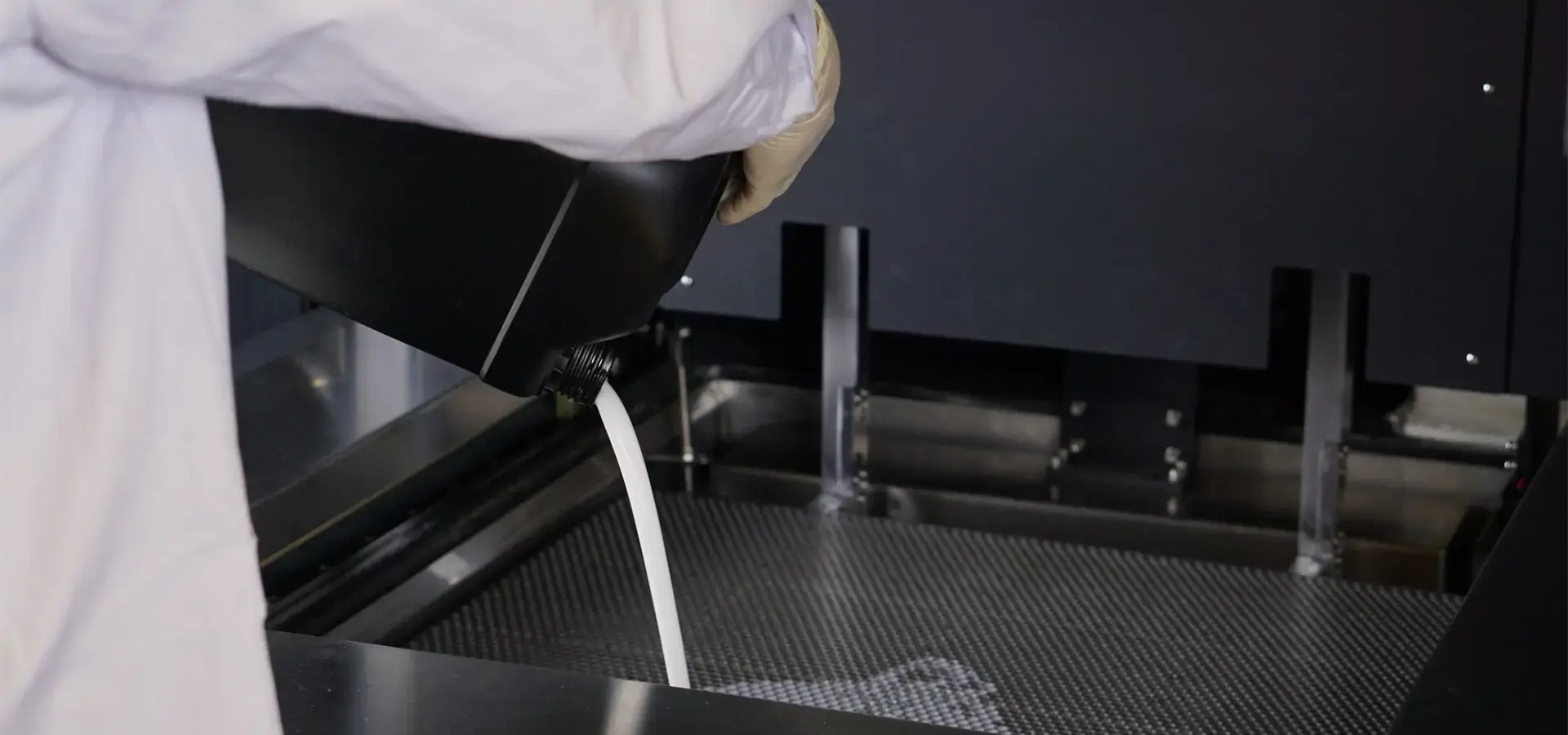
Maintaining the resin vat of an Industrial SLA 3D Printer is essential for stable printing quality. Regular inspection helps identify contamination, cured resin particles, or material degradation that could affect recoating and laser curing performance. A daily inspection finds contamination early, so it can be cleaned up quickly before the particles harden into permanent flaws. When the machine operates continuously, resin management procedures such as filtration or resin circulation may be performed during scheduled maintenance intervals, depending on the machine configuration and material requirements.
Care for optical components needs to be done with great care. Optical components such as lenses, mirrors, and galvanometer scanning assemblies must be maintained carefully to ensure stable laser transmission and positioning accuracy. Using lint-free optical wipes and manufacturer-approved cleaning solutions helps prevent dust accumulation. Periodic inspection of galvanometer systems helps detect calibration drift, abnormal operation, or positioning accuracy issues. These precision components help maintain accurate laser positioning, which contributes to overall part accuracy together with mechanical calibration, resin properties, and process optimization.
Calibration and Accuracy Verification
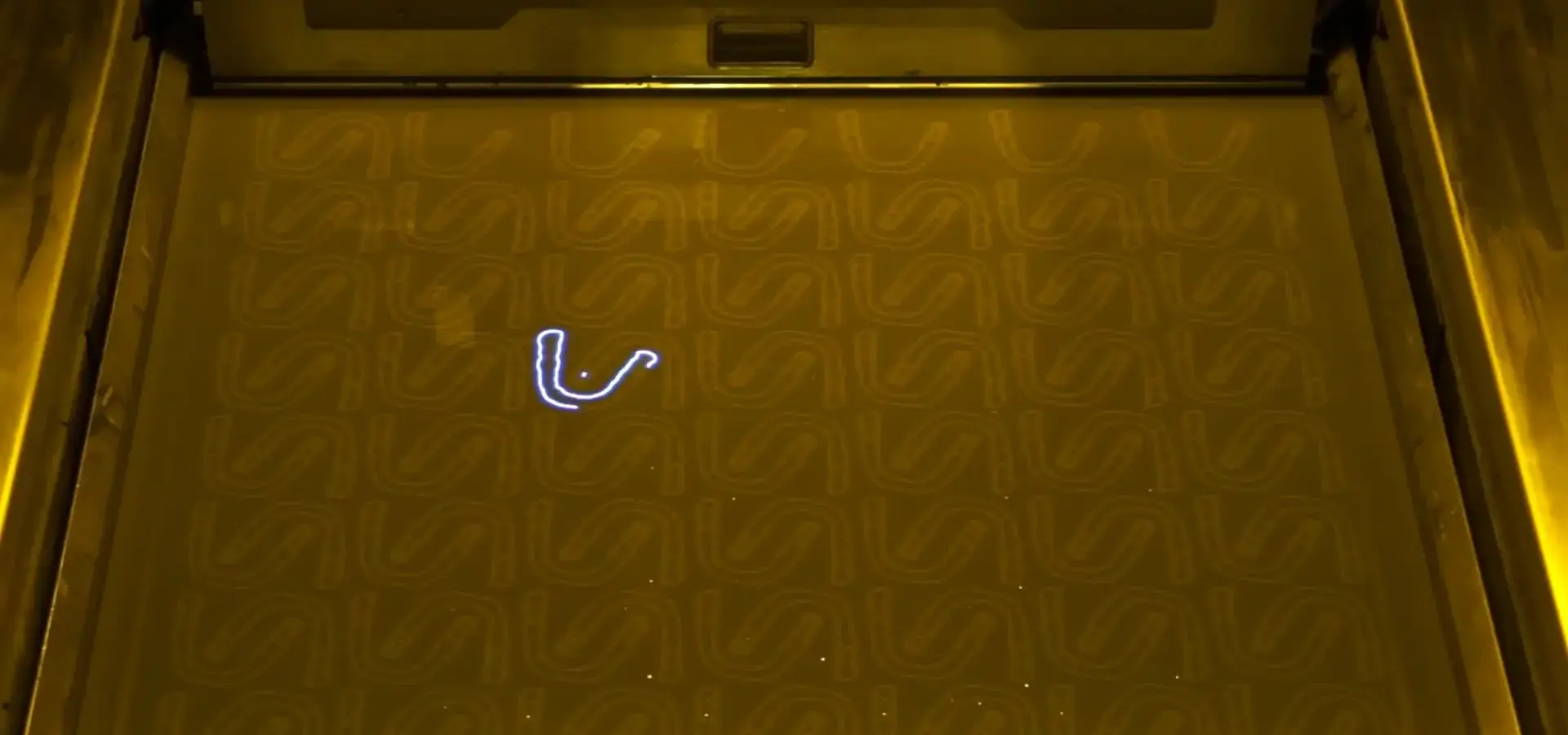
The dimensional accuracy required for professional production systems is maintained through regular mechanical verification and calibration. Platform calibration and positioning checks should be performed regularly according to equipment usage, production requirements, and manufacturer recommendations. High-precision industrial SLA systems equipped with advanced servo motion systems can achieve micron-level positioning accuracy, depending on mechanical design, calibration, and control systems.
Laser power calibration makes sure that the build area gets the same amount of energy. Modern industrial SLA 3D printers often use high-stability laser sources, such as AOC laser systems in some platforms, to support consistent production performance. Monitoring laser performance through software diagnostics and periodic measurements can help identify gradual output changes before they affect part quality. Laser power meters are used once a month to make sure that the output stays within the acceptable range. Regular laser power monitoring helps ensure output remains within the manufacturer's recommended operating range.
The recoater blade system needs to be checked and adjusted on a daily basis. The condition of the recoating system directly affects layer consistency. For blade-based recoaters, damaged edges may cause uneven resin distribution and surface defects. Edges that are broken cause streaking that shows up as surface flaws on finished parts. Linear guides and motion components should be lubricated according to the manufacturer's maintenance schedule to ensure smooth operation and reduce wear.
Material Management Best Practices
Proper resin storage helps maintain material stability and reduce unnecessary waste. Photopolymer resins are still affected by the environment even when they are stored in containers that are closed. Keep unopened resin containers away from direct sunlight and store them according to the manufacturer's recommended temperature range. Resin should be stored and used according to the manufacturer's recommended shelf life and storage conditions.
Printing issues caused by unstable resin viscosity or incomplete curing can be reduced through proper temperature management. Thermal management systems that help maintain suitable resin viscosity can improve printing consistency in demanding production environments. Active thermal management systems help maintain more stable resin properties under changing environmental conditions. This gives consistent curing results and lowers the number of print failures caused by changes in seasonal temperatures.
👉 Industrial SLA 3D Printer types and solutions
Proactive Scheduled Maintenance Protocols for Continuous Operation
Structured maintenance plans turn fixing problems when they happen into regular operations that can be planned for. These protocols make sure that the amount of maintenance done matches how much the equipment is used. This keeps small problems from getting worse and stopping production.
Daily Maintenance Checklist
Systematic equipment checks should start each work shift. Operators check the levels of resin in both the main tanks and the supply bottles to make sure that the material doesn't run out in the middle of a print. By looking at the build platform with the naked eye, you can see any dust or damage that needs fixing before you can start new jobs. By quickly going through old print logs using easy-to-use software like Magforms iBuild 2.0, you can find any error codes or notes that need to be looked into.
The cover for the optical protection needs to be checked every day. This protective enclosure helps prevent environmental contamination and provides laser safety protection during operation. Clean the outside to keep it visible and check the strength of the seal to keep dust out. Laser safety systems, including protective covers and interlock mechanisms, should be checked regularly to ensure proper operation.
Weekly and Monthly Routines
As part of your weekly chores, you need to rotate and check the resin tank thoroughly. Facilities that get a lot of use take care of multiple tanks by moving them to spread out wear and tear and increase the tanks' useful life. Thoroughly cleaning recoater components removes cured resin residues or material buildup that may affect layer recoating performance. Verification prints using calibration test shapes make sure that the accuracy of the dimensions stays within the limits set. This is especially important for precise tasks like medical device development or aircraft component validation.
Both mechanical and electrical systems get maintenance every month. Check all the cable connections for looseness and wear, especially the power cables that connect to the heaters and the leads for the servo motors. Inspect structural components such as precision platform bases, which improve mechanical stability and reduce vibration during printing. Lubricating linear motion parts with lubricants recommended by the manufacturer stops wear before it starts and keeps the machine running smoothly.
Environmental Monitoring Integration
Temperature and humidity monitors give constant information that helps support maintenance decisions. Maintaining a controlled environment, commonly around room temperature with moderate humidity levels, helps improve resin stability and printing consistency. Sensor data logs show trends that are related to changes in print quality, which allows changes to be made ahead of time. IoT-enabled monitoring features are increasingly integrated into modern industrial SLA 3D printers. This enables remote monitoring and status tracking that lets technical teams know about changes in the environment before they affect production.
Strategic Spare Parts Management
To keep downtime to a minimum, you need to keep a list of important extra parts. Resin tank assemblies, recoater blades, optical windows, and common wear items like seals and filters are all important parts. Working with reliable suppliers ensures that replacement parts are available when needed. Magforms has a professional after-sales team that answers questions within 24 hours, so there aren't any long breaks in production.
Building ties with authorised providers ensures that the parts you buy are original and meet the requirements of the system. Replacement parts that are fake or not very good can't give industrial applications the precision they need. Industrial SLA systems using high-quality components such as Schneider electrical systems, Scanlab galvanometers, and Panasonic servo motors require proper maintenance and compatible replacement parts to maintain long-term performance.
Advanced Solutions and Technologies Enhancing Maintenance Efficiency
Technology evolution brings sophisticated tools that transform maintenance from manual inspection to data-driven prediction. These innovations reduce operational costs while improving uptime metrics critical for production scheduling.
Remote Monitoring and Predictive Analytics
IoT-enabled industrial SLA 3D printers transmit real-time operational data to centralized monitoring systems. These platforms track print progress, component temperatures, laser power output, and resin consumption patterns. Advanced analytics can analyze historical operational data to identify performance trends that may indicate potential issues. Predictive alerts notify technicians when components approach end-of-life thresholds, enabling scheduled replacement during planned maintenance windows rather than unexpected failures during critical production runs.
Remote diagnostic capabilities prove invaluable for multi-site operations. Technical specialists access equipment remotely, reviewing error logs and sensor data to diagnose issues without travel delays. This capability particularly benefits international operations where time zones complicate coordination. Software updates deploy remotely, ensuring all systems operate with current firmware optimizations and security patches.
Automation in Maintenance Workflows
Automated monitoring systems reduce reliance on manual inspection, capturing data continuously rather than during periodic checks. Resin level sensors prevent material depletion mid-print, automatically alerting operators when refills become necessary. Temperature monitoring systems activate climate control adjustments, maintaining optimal operating conditions without human intervention.
Self-diagnostic routines execute during idle periods, verifying calibration status and flagging deviations requiring attention. Some advanced industrial SLA 3D printers provide automated monitoring functions for laser performance and motion system status. These capabilities prove essential in regulated industries like medical device manufacturing, where documentation requirements demand comprehensive process validation.
Material and Component Innovations
Recent material science advances can reduce maintenance frequency for Industrial SLA 3D Printers through improved durability. Next-generation resin formulations exhibit enhanced shelf stability and broader operating temperature ranges, reducing failures attributed to material degradation. Improved resin formulations and optimized material systems can help extend maintenance intervals and improve printing stability.
Build platform innovations include modular designs, simplifying removal and replacement. Optimized build platform designs simplify part removal and post-processing workflows in industrial production environments. High-flatness build platforms improve dimensional consistency and help maintain accuracy between calibration cycles.
Choosing the Right Industrial SLA 3D Printer with Maintenance in Mind
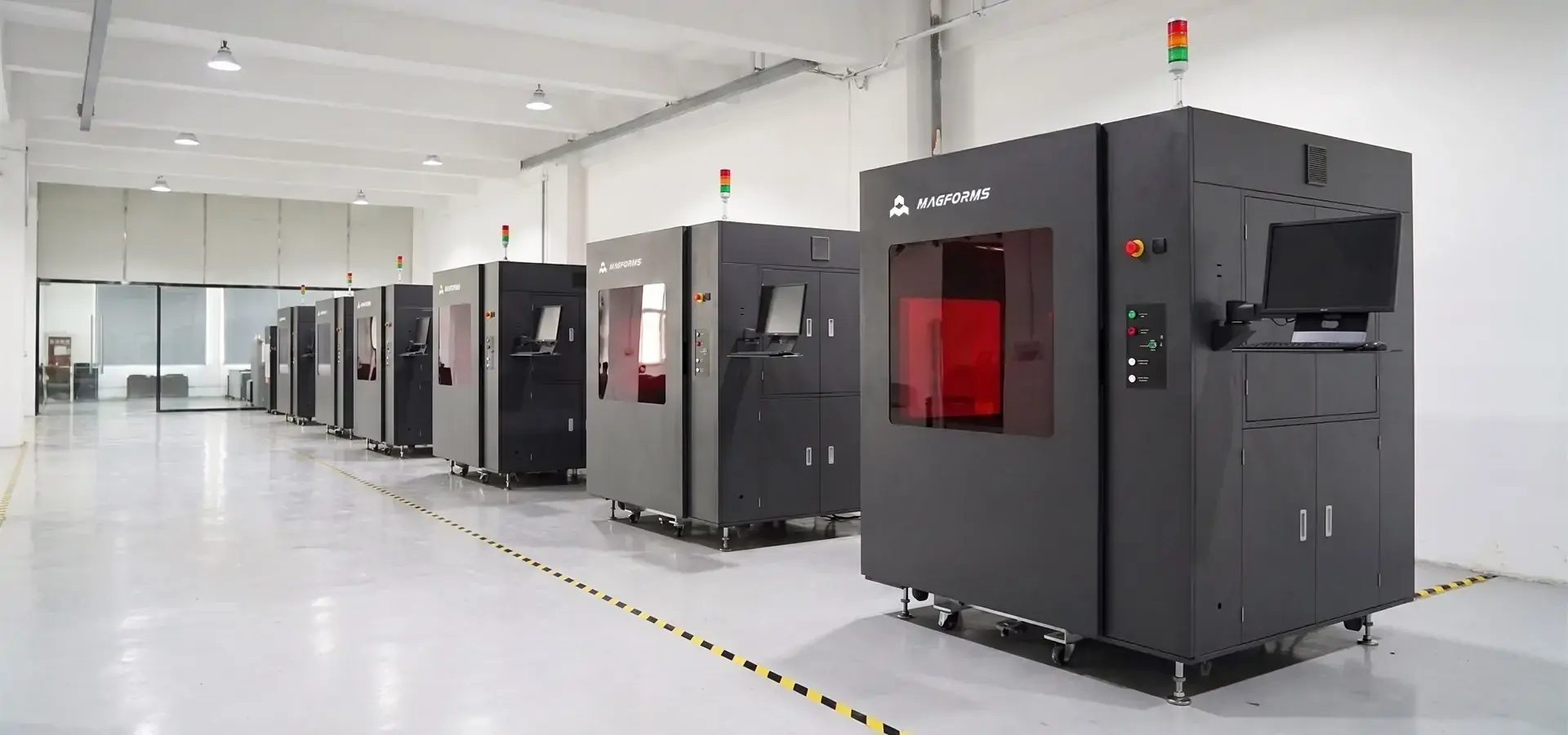
Equipment selection significantly impacts long-term maintenance requirements and operational costs. Procurement decisions should evaluate maintenance accessibility alongside technical specifications.
Design Features Simplifying Maintenance
Modular construction enables rapid component replacement without specialized tools or extensive disassembly. Systems featuring accessible optical assemblies allow routine cleaning and inspection without voiding warranties or requiring factory service. User-replaceable consumables, including resin tanks, recoater blades, and platform assemblies, reduce dependency on external service providers and minimize downtime.
Control software interfaces significantly affect maintenance efficiency. Intuitive systems like Magforms iBuild 2.0 provide clear diagnostic information, maintenance schedules, and troubleshooting guidance accessible to operators without extensive training. Mobile device optimization allows technicians to monitor equipment status and respond to alerts remotely, supporting flexible operational models.
Temperature control systems distinguish industrial-grade equipment from basic models. Built-in heating maintains resin viscosity within optimal ranges regardless of ambient conditions. This feature proves critical for facilities lacking climate control or operating in regions experiencing seasonal temperature variations. Consistent thermal conditions reduce print failures and material waste, improving operational efficiency and profitability.
Evaluating Manufacturer Support Infrastructure
Leading manufacturers are different from cheap alternatives because they offer full after-sales support. Check the response times for service, the availability of technical support, and the dependability of the parts supply chain. Downtime risks are kept to a minimum by manufacturers who keep large inventories of spare parts and global service networks. Training programs that make sure operators and maintenance staff know what the equipment can do and how to keep it in good shape help it be used to its fullest.
Service agreements and warranties protect you financially in case something breaks down unexpectedly. Options for longer warranties that cover wearable parts lower the variability of operational budgets. Service-level agreements that promise response times give mission-critical applications peace of mind because downtime has a direct effect on revenue.
Material Compatibility Considerations
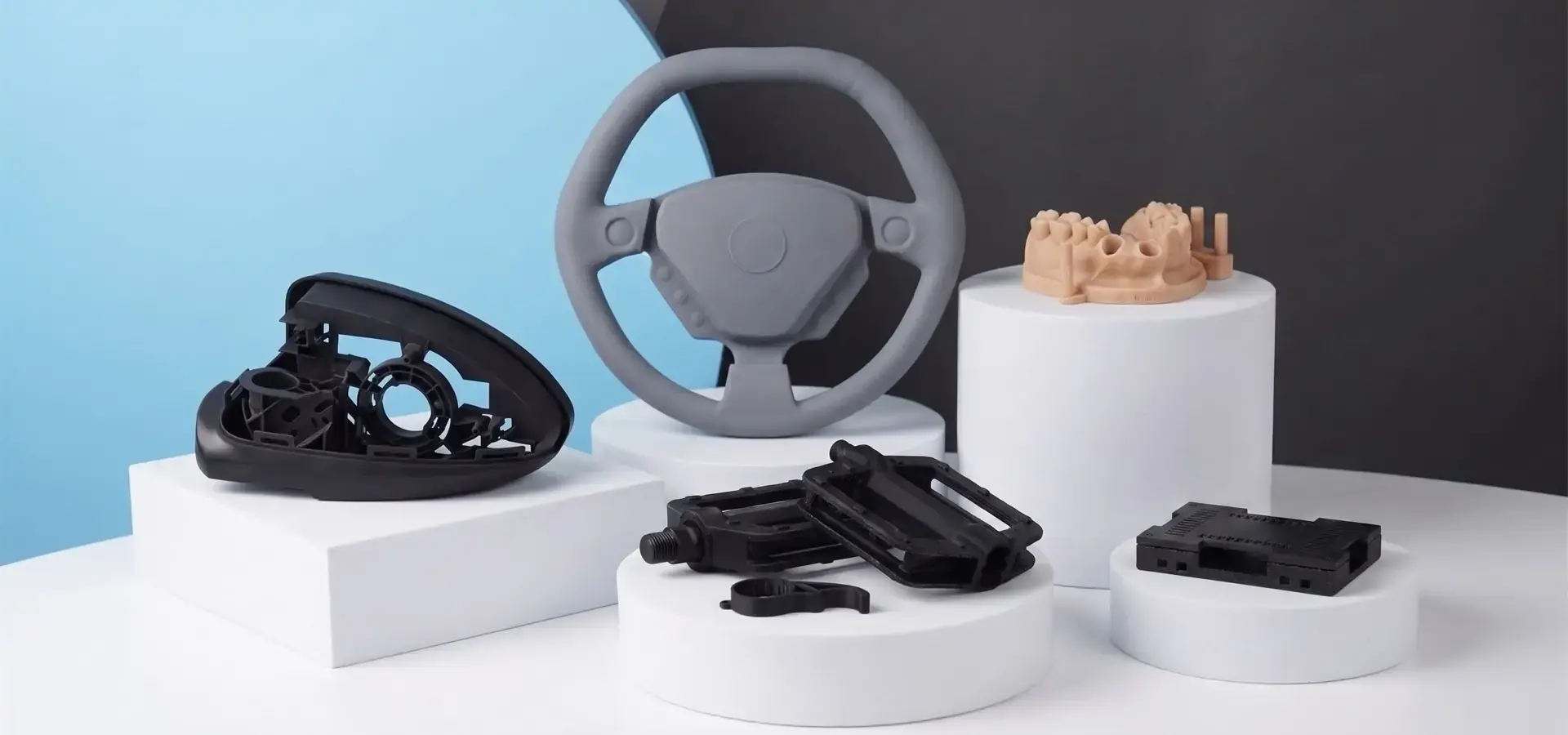
Operational flexibility and cost control are provided by open material systems that can support a wide range of resin formulations. Users are limited to materials specified by the manufacturer in proprietary systems, which makes them dependent and hurts their ability to compete. Equipment compatible with a wide range of 355nm photopolymer resins provides greater flexibility for different applications. This flexibility allows testing advanced formulations as they enter markets, maintaining technical leadership in rapidly evolving industries.
Magforms equipment exemplifies an open-system design philosophy, supporting material experimentation and application development without artificial restrictions. Users freely test emerging resin technologies, adapting to customer requirements and market opportunities without equipment replacement or expensive material lock-in arrangements.
Conclusion
Maintaining an industrial SLA 3D printer for continuous operation requires systematic attention across multiple dimensions—from daily cleaning protocols to strategic spare parts management and emerging predictive technologies. Environmental control, precise calibration, and proactive component replacement form the foundation of reliable 24/7 production. Equipment selection emphasizing maintenance accessibility, manufacturer support quality, and material system flexibility determines long-term operational success. Through disciplined maintenance practices and appropriate technology choices, businesses transform stereolithography systems into dependable production assets delivering consistent quality and competitive advantage.
FAQ
1. How often should calibration occur during continuous operation?
Calibration frequency depends on equipment quality and operating conditions. Industrial SLA systems equipped with high-precision galvanometer scanners and servo motion systems can maintain accuracy longer when properly calibrated. However, regular calibration checks are still recommended based on usage intensity, environmental conditions, and manufacturer recommendations. However, weekly verification prints confirming dimensional accuracy provide early warning of calibration drift, allowing intervention before tolerances exceed acceptable limits.
2. What extends resin tank lifespan most effectively?
Consistent filtration prevents contamination accumulation that damages tank films. Resin filtration frequency depends on printing volume, material characteristics, and contamination levels. Regular inspection helps determine the appropriate maintenance interval. Avoid exposing tanks to temperature extremes and store them covered when not actively printing. Proactive replacement based on operating hours rather than waiting for visible damage prevents print failures and maintains quality consistency.
3. Does remote monitoring truly reduce downtime?
IoT monitoring systems can help manufacturers reduce unplanned downtime by enabling earlier detection of potential issues and faster maintenance responses. Real-time alerts enable rapid response to developing issues, while predictive analytics schedule maintenance during planned production gaps. Remote diagnostics eliminate travel time for technical support, accelerating problem resolution, particularly for geographically distributed operations.
Partner with Magforms for Superior Industrial SLA 3D Printer Solutions
Magforms delivers integrated stereolithography solutions combining precision equipment with responsive support infrastructure optimized for demanding production environments. Our systems incorporate internationally recognized components—AOC lasers, German Scanlab galvanometers, Panasonic servo motors—ensuring stability and performance meeting 24/7 operational requirements. With compatibility with a wide range of 355nm resin formulations, open material systems provide the flexibility procurement managers demand for cost control and application development.
Our professional after-sales team responds to technical inquiries within 24 hours, preventing extended production interruptions that compromise delivery schedules. Comprehensive training programs ensure operators and maintenance personnel maximize equipment capabilities while minimizing wear and consumable costs. As an industrial SLA 3D printer manufacturer serving customers across multiple industries and regions, we understand the operational challenges facing automotive prototyping facilities, medical device manufacturers, aerospace component suppliers, and professional service bureaus.
👉 Explore how Industrial SLA technology is applied in real production environments through our Industrial SLA 3D printing application cases.
Contact info@magforms.com today to discuss your specific production requirements and discover how Magforms industrial SLA 3D printers deliver the reliability, precision, and support infrastructure your operations demand. Request sample parts demonstrating our industrial SLA printing capabilities or schedule equipment demonstrations at our facilities or yours.
References
1. Gibson, I., Rosen, D., & Stucker, B. (2021). Additive Manufacturing Technologies: 3D Printing, Rapid Prototyping, and Direct Digital Manufacturing (3rd ed.). Springer.
2. Jacobs, P. F. (2019). Stereolithography and Other RP&M Technologies: From Rapid Prototyping to Rapid Tooling. Society of Manufacturing Engineers.
3. Schmid, M., & Levy, G. (2022). Quality Management in Additive Manufacturing: Challenges and Best Practices for Industrial Implementation. Hanser Publishers.
4. Wohlers, T. (2023). Wohlers Report 2023: 3D Printing and Additive Manufacturing Global State of the Industry. Wohlers Associates.
5. Pham, D. T., & Gault, R. S. (2020). Maintenance Strategies for Additive Manufacturing Equipment in Production Environments. International Journal of Advanced Manufacturing Technology.
6. American Society for Testing and Materials. (2021). ASTM F2792-12a: Standard Terminology for Additive Manufacturing Technologies. ASTM International.

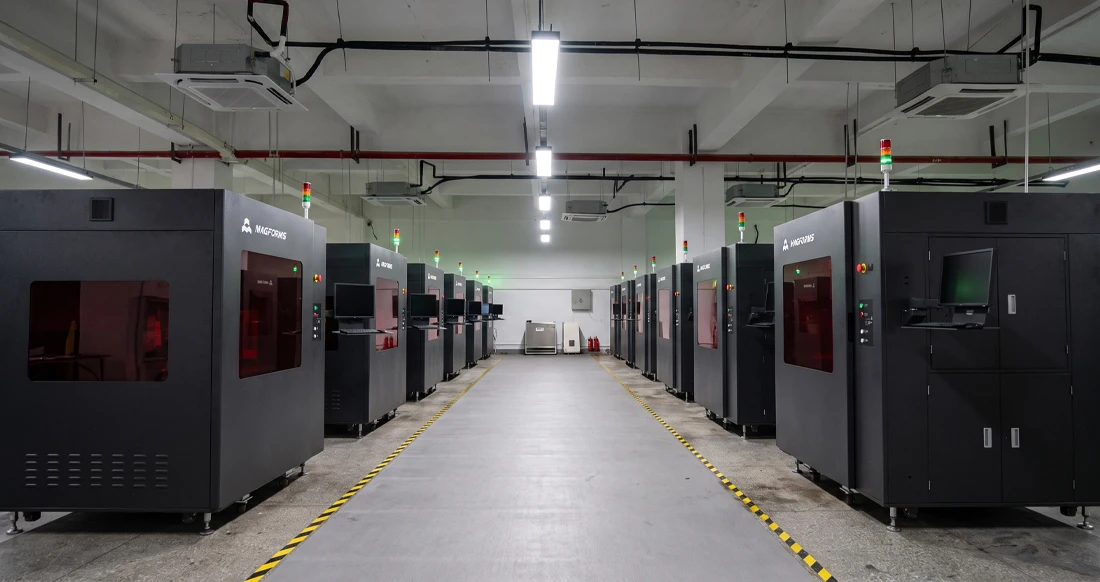
Magforms makes design and manufacture easier.
Popular Blogs
-
 Industry InsightsManufacturing Industry
FDM vs. SLA Printer: Which Technology Is Right for Your Project?
-
 Industry InsightsManufacturing Industry
Top 5 Applications of Industrial 3D Printers in Manufacturing Today
-
 Industry InsightsManufacturing Industry
Why Stereolithography 3D Printers Are Unmatched for Microfluidic Device Prototyping?