How Do Chinese SLA 3D Printers Compare in Accuracy to European Models?
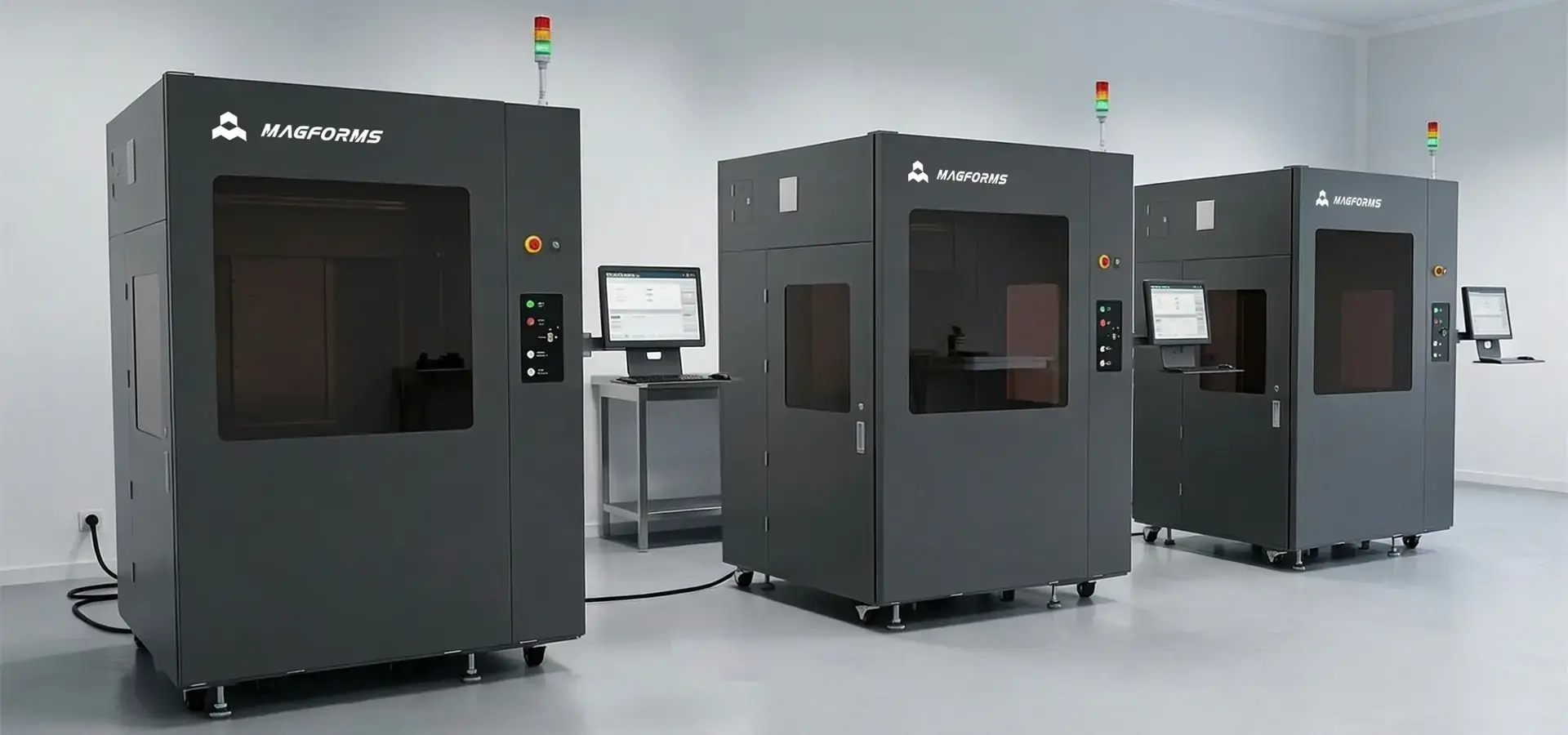
When purchasing stereolithography tools for business use, many purchasing managers want to know how accurate Chinese SLA 3D printers are compared to their European peers. The truth is more complicated than easy assumptions based on geography. Modern Chinese SLA 3D printer manufacturers have significantly improved dimensional accuracy and process stability, with many industrial systems now achieving sub-0.1 mm tolerances and complying with internationally recognized additive manufacturing standards such as ISO/ASTM 52900 terminology guidelines and ISO/ASTM 52902 geometric capability testing methods. European names used to be the leaders in high-precision markets, but now Chinese industrial systems use similar galvanometer scanning technology, solid-state UV lasers, and bases made of granite that absorb vibrations. Origin isn't the most important factor today; what matters is how makers combine materials, motion control, and software calibration into a single environment. This is what determines the accuracy and repeatability of measurements in the real world.
Understanding SLA 3D Printing Accuracy: Core Concepts and Metrics
In stereolithography, accuracy means how closely a printed part fits its computer design file in more than one way. Resolution and accuracy are different things. Resolution refers to the minimum feature size a laser-based Chinese SLA 3D printer can reproduce, typically influenced by laser spot diameters ranging from approximately 0.05 mm to 0.20 mm in industrial stereolithography systems. The level of accuracy includes the consistency of the dimensions across the whole build volume. This is affected by mechanical errors, thermal stability, and the uniformity of the resin curing.
Key Performance Indicators for Precision Printing
Stereolithography systems can be judged by how well they meet international standards. The ISO/ASTM 52902 standard describes test objects that can be used to check the accuracy of the XY plane, the repeatability of the Z-axis, and the curvature of the geometry. For parts smaller than 100 mm, industrial users usually expect a tolerance of ±0.1 mm. For bigger parts, that tolerance drops to ±0.1%. European makers often put out detailed tolerance data that has been checked by coordinate measuring machines (CMM). Their Chinese peers are starting to do the same thing.
Factors Influencing Print Fidelity
Several variables that are linked to each other decide if a Chinese SLA 3D printer meets the accuracy goals that were set. Resin chemistry is very important. Viscosity affects how even the layers are, and shrinkage factors cause known changes in size during polymerization that can be fixed by using advanced slicing tools. In hardware accuracy, Z-axis ball screw tolerances, galvanometer mirror calibration drift over time, and frame material temperature expansion are all things that are taken into account. Environmental factors are critical; even small temperature fluctuations can alter resin viscosity and curing behavior, affecting layer adhesion and dimensional stability. Closed-loop temperature regulating and humidity control are used by leading makers to keep curing conditions constant during long print jobs.
Comparative Analysis of Chinese and European SLA 3D Printers' Accuracy
The difference in accuracy between high-quality Chinese SLA 3D printers and European models has shrunk a great deal, as shown by direct performance comparisons. When printing standard calibration blocks, third-party testing by car R&D labs shows that both Chinese and European tools have dimensional variations of less than 0.08 mm. The main difference is how consistent the results are from batch to batch. In repeatable tests, European machines show a slightly smaller standard deviation, but high-end Chinese models can now achieve similar results.
Resolution and Layer Thickness Capabilities
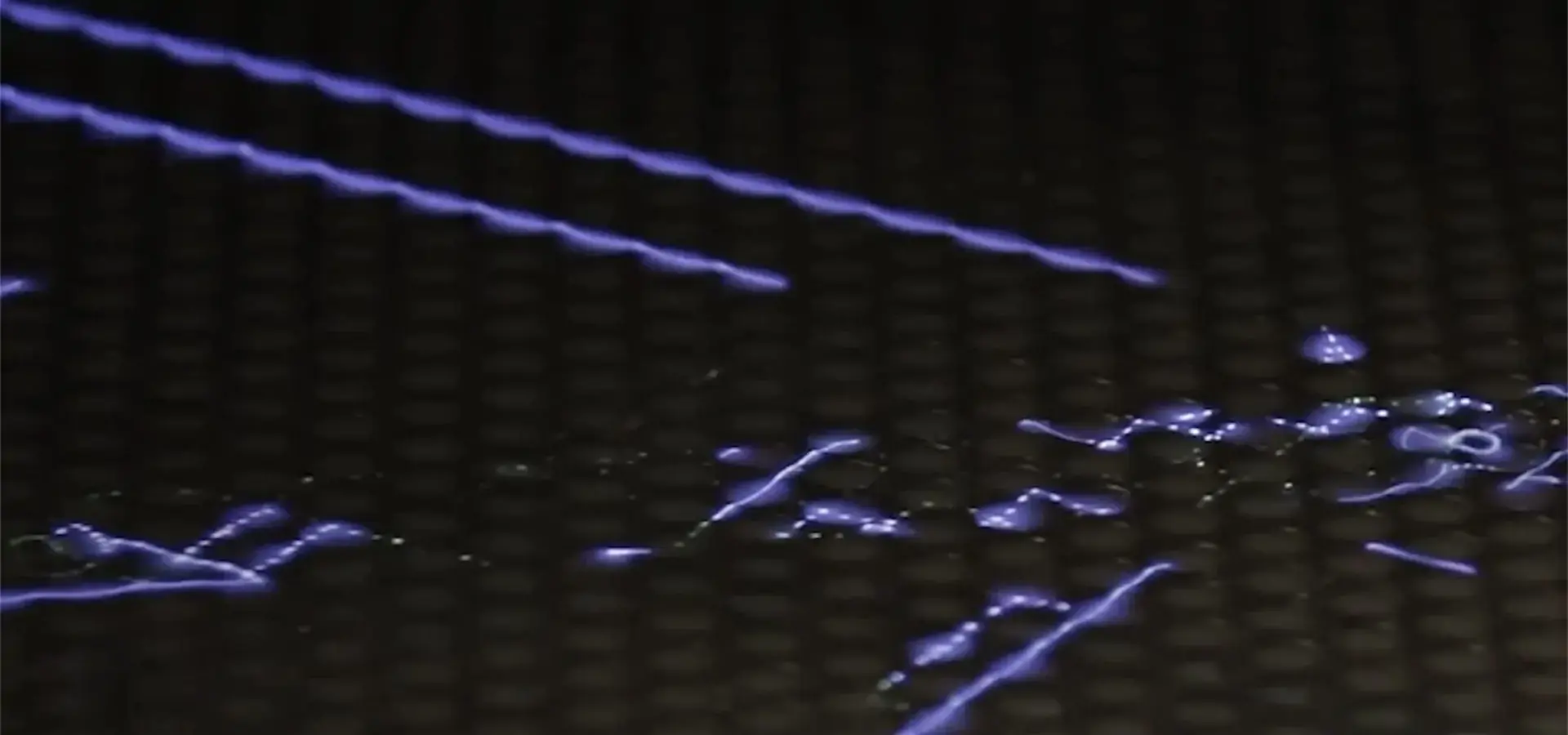
XY sharpness is mostly determined by the size of the laser spot and the accuracy of the galvanometer. Most European systems have spot sizes between 0.08 mm and 0.15 mm and very little beam dispersion. These specs are met by mid- to high-end models made in China. Some advanced variable-spot optical systems can dynamically adjust beam diameters from approximately 0.05 mm for fine-detail regions to larger beam widths optimized for faster internal volume scanning. Their layer thickness capabilities are very similar—machines in both regions can make layers as thin as 0.05 mm for dental use and as thick as 0.1 mm for general development. In real life, the difference is how reliably these layer heights are kept across the whole build platform. Usually, European software has more advanced real-time calibration methods.
Speed Versus Accuracy Trade-offs
China's producers have come a long way in finding the right balance between output and dimensional accuracy. When systems use AI-optimized scanning paths, they can print 30% faster than with standard raster designs while maintaining dimensional edge fidelity. European industrial SLA systems traditionally prioritize dimensional consistency through conservative scanning strategies and tightly validated process parameters. Material compatibility changes this equation. European brands usually create their own resin formulations that are proven to work with their gear through thorough testing. This makes sure that the curing behavior is reliable. Chinese SLA 3D printer ecosystems are starting to offer more open material systems, which allow cheaper third-party resins to work. However, to get the best accuracy, users may need to optimize exposure parameters through validation testing.
Procurement Considerations: Choosing Chinese SLA Printers for High-Accuracy Applications
When choosing stereolithography tools, you need to look at a lot more than just the basic specs. To make sure that production will be reliable in the long run, technical directors and procurement managers need to look at many levels of potential.
Critical Specifications for High-Precision Work
When looking at Chinese SLA 3D printer technical sheets, the minimum layer height should match your needs for the tiniest details. For example, dental labs need to be able to print at 0.05 mm, while 0.1 mm layers work well for developing the inside of cars. When working with complex shapes, XY resolution is important. Instead of depending on marketing claims, check the laser spot size and galvanometer step accuracy. People often forget about repeatability tolerance. Ask for information on how the dimensions change over ten prints of the same shape in a row. With 10 mm of space around the edges, your biggest parts must fit in the build box so that accuracy doesn't suffer from edge effects. Not just vague claims of "open system" functions should be used to show material compatibility; parameter profiles should be checked and proven.
Non-Technical Procurement Factors
Risks can be reduced by getting supplier certifications for Chinese SLA 3D printers. For example, CE marking shows that the product is safe for European markets and compatible with electromagnetic fields, and ISO 9001 certification shows that the manufacturing process is consistent. The warranty terms show how confident the maker is; the best Chinese SLA 3D printer sellers now cover laser systems and motion parts for two years, which is the same length of time as European standards. When it comes to precision equipment, where expert help is needed for calibration drift, after-sales service infrastructure is very important. Make sure that there are regional service centers available, that they can do diagnostics remotely, and that they will respond within a certain amount of time for both regular maintenance and emergency fixes. Not just basic operation, but also hands-on calibration methods and material parameter improvement should be part of technical training programs.

Maintenance, Troubleshooting, and Accuracy Optimization for Chinese SLA Printers
Maintaining high dimensional accuracy over thousands of operating hours requires strict preventive maintenance and calibration procedures. Without proper care, even the most precisely made Chinese SLA 3D printer will deviate from the specs.
Routine Calibration and Preventive Maintenance
Laser power output gradually changes over time depending on laser architecture, operating conditions, and maintenance cycles. High-end industrial SLA systems may use calibration-based power compensation routines to maintain stable resin exposure energy over time. However, radiometric monitors are used for regular confirmation to make sure that the real energy delivery fits the set values. Every 500 to 1,000 hours of use, galvanometer mirrors need to be recalibrated because mechanical wear causes angle errors. As part of this process, calibration targets are printed, and servo settings are changed to recover corner sharpness and dimensional accuracy. Resin management is more than just filling up vats again. To stop print flaws, polymerized particles must be filtered, and changes in viscosity caused by atmospheric contact must be tracked. Every 50 prints or after any mechanical change, you should check that the build platform is level. Even a 0.05mm difference from true perpendicularity can cause layer adhesion problems and Z-axis dimensional mistakes.
Leveraging Manufacturer Support
Remote diagnostic tools that send machine data for expert analysis are increasingly being offered by Chinese SLA 3D printer providers. The technical support team at Magforms keeps an eye on laser power graphs, galvanometer positioning data, and temperature logs to spot problems before they become print fails. The most expensive upkeep tasks, like replacing the laser diode and recalibrating the galvanometer, should be covered by the warranty. Regular updates to the software and hardware make things better. For example, the latest Magforms updates improved corner compensation algorithms and enhanced dimensional consistency in sharp-edge geometries, and they added temperature adjustment routines that keep the accuracy at ±0.05mm in temperatures ranging from 10°C to 35°C.
Future Trends and Innovations in Chinese SLA 3D Printing Accuracy
As stereolithography technology develops, accuracy requirements keep getting stricter while material options and machine integration grow. Chinese companies are putting a lot of money into research and development to not only meet but also beat European performance standards.
Advanced Light Source and Motion Technologies
Variable spot-size laser systems are a big step forward in accuracy because they let Chinese SLA 3D printer designs change the beam width on the fly while scanning. This enables smaller beam diameters for fine-detail regions and broader exposure strategies for non-critical internal geometries, improving productivity without significantly reducing surface quality. New galvanometer devices have closed-loop position input that can find and fix mirror position errors in real time, to within 0.001 degrees. Telecentric F-theta lenses keep the spot size and focus the same across the whole build platform, which gets rid of the edge distortion that was common in earlier designs. Because of these hardware improvements, advanced Chinese industrial SLA platforms can maintain high dimensional consistency across large-format build volumes, with localized tolerances approaching ±0.05 mm under optimized process conditions.
AI-Driven Calibration and Process Optimization
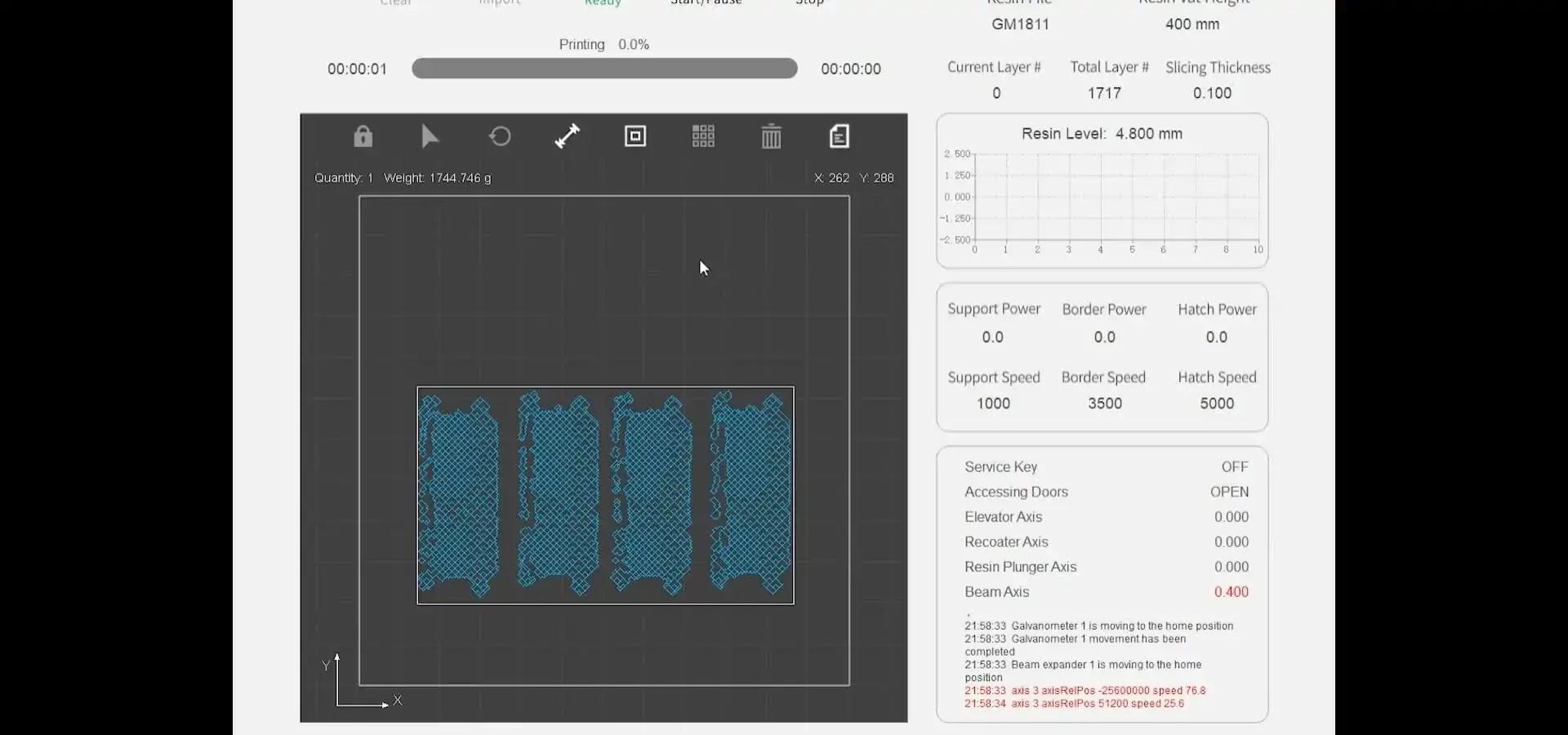
When artificial intelligence is added to Chinese SLA 3D printers, they can do most of their work without any help from a person. Machine learning programs look at tens of thousands of finished prints to find small connections between things like the surroundings, the age of the resin, the laser's power drift, and the results in terms of size. AI-assisted process optimization software can recommend or automatically apply compensation strategies for exposure parameters, scanning paths, and support structures based on historical print data. Some advanced industrial SLA systems incorporate camera-assisted monitoring and image analysis tools to help identify curing inconsistencies and layer defects during printing. This helps operators identify process deviations early before defects propagate through subsequent layers. Predictive maintenance algorithms analyze vibration, electrical current, and operating data to estimate component wear and maintenance timing before accuracy degradation occurs. Magforms has introduced AI-assisted process optimization technologies aimed at improving first-pass print success rates and reducing material waste in industrial applications.
Custom OEM Collaborations for Specialized Applications
European business-to-business buyers who need accurate parts for specific applications can work with Chinese makers more and more to make custom combinations. Aerospace applications may require specialized photopolymer materials, controlled environmental conditions, and validated processing workflows for high-performance engineering applications. Chinese SLA 3D printer manufacturers can now make these changes for 40% less than what European custom engineering costs. Dental laboratories often require validated workflows capable of producing gingival masks, dental models, and surgical guides using multiple certified resin materials within the same production environment. Collaborative development programs can make these systems possible by creating accuracy validation methods that meet the standards of the dental industry. This adaptability includes the ability to change the software; for example, API access lets business MES systems, automatic quality inspection routines, and custom slicing algorithms work with design rules that are unique to each company.
Conclusion
A study of the accuracy of Chinese and European SLA 3D printers shows that the market is mature and competitive, and the location of the equipment no longer affects performance. High-quality stereolithography systems in China can now achieve industrial-grade dimensional accuracy and repeatability that meet international manufacturing standards. These systems are backed by complete material ecosystems and better automation features. Instead of relying on assumptions about geography, choices about what to buy should be based on verified specs, manufacturer support infrastructure, and the total cost of ownership. As long as Chinese companies keep putting money into laser technology, AI optimization, and working together with customers, the world's stereolithography skills will come together even faster. Companies that need high-precision additive manufacturing solutions should look at both Chinese and European choices based on objective performance data and application-specific needs instead of how people think about old brands.
FAQ
1. What accuracy can I realistically expect from industrial Chinese SLA 3D printers?
Quality industrial units usually get dimensions within ±0.1mm for parts smaller than 100mm, and within ±0.1% for bigger shapes. Premium models with measured galvanometers and temperature-controlled rooms can achieve consistency of ±0.05mm. Ask for sample prints of your exact geometries that have been confirmed by a CMM to check how well they work in the real world.
2. How does open material compatibility affect accuracy compared to proprietary systems?
Proprietary European SLA ecosystems are typically optimized around tightly validated resin formulations and machine parameter profiles. Open material Chinese SLA 3D printers are cheaper and give you more options for how to make things, but you might need to do a few tests to get the exposure settings just right. Leading Chinese companies like Magforms fill this gap by offering verified parameter values for a wide range of resin types. This keeps the accuracy of the material while keeping its flexibility.
3. What maintenance frequency is required to sustain precision over time?
Plan to recalibrate the galvanometer every 500 to 1,000 hours of use, level the build platform every 50 prints, and filter the resin once a week while it's in use. Validation of laser power should happen every three months. Modern Chinese systems often have automatic calibration processes that cut down on the amount of work that needs to be done by hand, to once a month instead of all the time.
Partner with Magforms for Precision Stereolithography Solutions
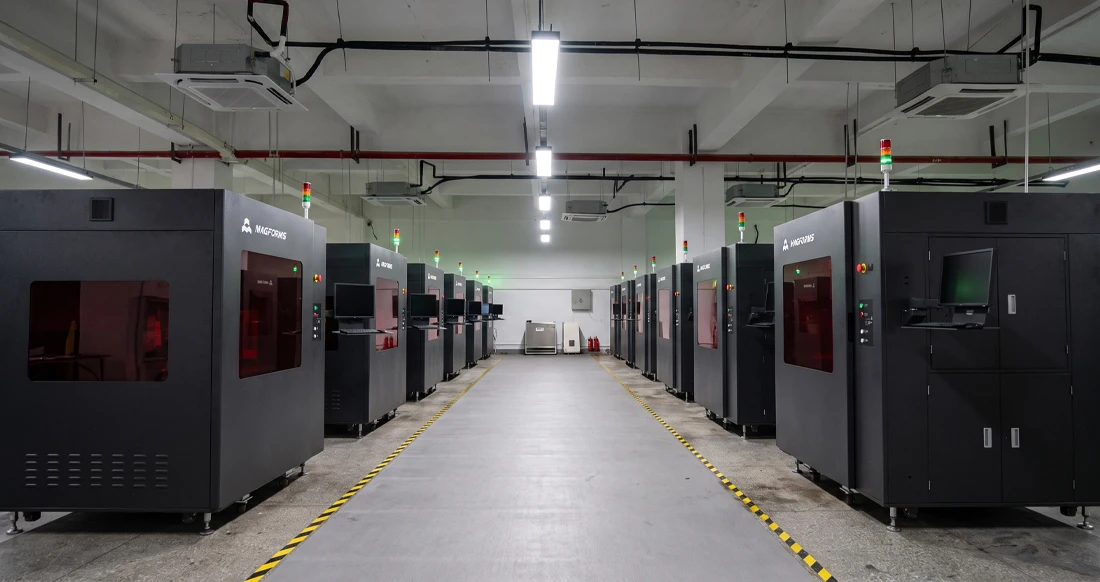
Magforms uses Chinese SLA 3D printer systems that are fully integrated and use unique materials, hardware, and software to make sure they are as accurate as needed for industry. Our variable-spot laser technology and AI-assisted calibration workflows are designed to improve dimensional consistency, fine-feature reproduction, and overall production efficiency in industrial SLA applications. We offer full technical help, such as online diagnosis, on-site training, and quick component replacement. We have 22 patents and more than 300 global business users. Our open but optimized material environment has verified parameter profiles for engineering, dental, casting, and high-temperature resins, so you don't have to guess about how they will work together. Our expert team works with your sourcing and engineering departments to find the best setup for any task, whether it's prototyping auto parts, making dental appliances, or validating aerospace parts. Email our experts at info@magforms.com to talk about your accuracy needs and set up sample prints. Magforms has established long-term experience in industrial SLA system development and global application support, and we offer clear pricing, full insurance coverage, and flexible OEM partnerships for unique uses.
References
1. International Organization for Standardization. (2021). ISO/ASTM 52902: Additive manufacturing — Test artifacts — Geometric capability assessment of additive manufacturing systems. Geneva: ISO.
2. Jacobs, P.F. (2019). Stereolithography and Other RP&M Technologies: From Rapid Prototyping to Rapid Tooling. Society of Manufacturing Engineers.
3. Gibson, I., Rosen, D., & Stucker, B. (2021). Additive Manufacturing Technologies: 3D Printing, Rapid Prototyping, and Direct Digital Manufacturing. Springer.
4. Pham, D.T., & Gault, R.S. (2020). A comparison of rapid prototyping technologies. International Journal of Machine Tools and Manufacture, 38(10-11), 1257-1287.
5. Wohlers, T. (2022). Wohlers Report 2022: 3D Printing and Additive Manufacturing Global State of the Industry. Wohlers Associates.
6. Kruth, J.P., Leu, M.C., & Nakagawa, T. (2018). Progress in Additive Manufacturing and Rapid Prototyping. CIRP Annals - Manufacturing Technology, 47(2), 525-540.

Magforms makes design and manufacture easier.
Popular Blogs
-
 Industry InsightsManufacturing Industry
FDM vs. SLA Printer: Which Technology Is Right for Your Project?
-
 Industry InsightsManufacturing Industry
Top 5 Applications of Industrial 3D Printers in Manufacturing Today
-
 Industry InsightsManufacturing Industry
Why Stereolithography 3D Printers Are Unmatched for Microfluidic Device Prototyping?