How Do High-Precision SLA Printers Help Creative Designers Print Details?
Advanced stereolithography technology in high-precision SLA printers makes creative design completely new by printing with amazing accuracy in small details. Laser-guided photopolymerization is used by these high-tech tools to cure resin layer by layer, with a resolution of up to 25 microns. Designers who are creative can use this technology to make copies of surfaces with complicated textures, shapes, and small details that can't be made with traditional methods. The accuracy lets designers turn their wildest ideas into real prototypes with amazing accuracy, so they don't have to choose between their creative vision and the limits of technology that often come with other 3D printing methods.
Understanding SLA Printer Technology and Its Precision Capabilities
When it comes to additive production, stereolithography is one of the most advanced methods available right now. Using a highly controlled process, a powerful UV laser selectively cures liquid photopolymer resin. This makes it possible to build things layer by layer with amazing accuracy. Compared to standard extrusion-based printing technologies, this method has higher resolution, which makes it the best choice for tasks that need to reproduce fine details.
Core Components Driving Precision
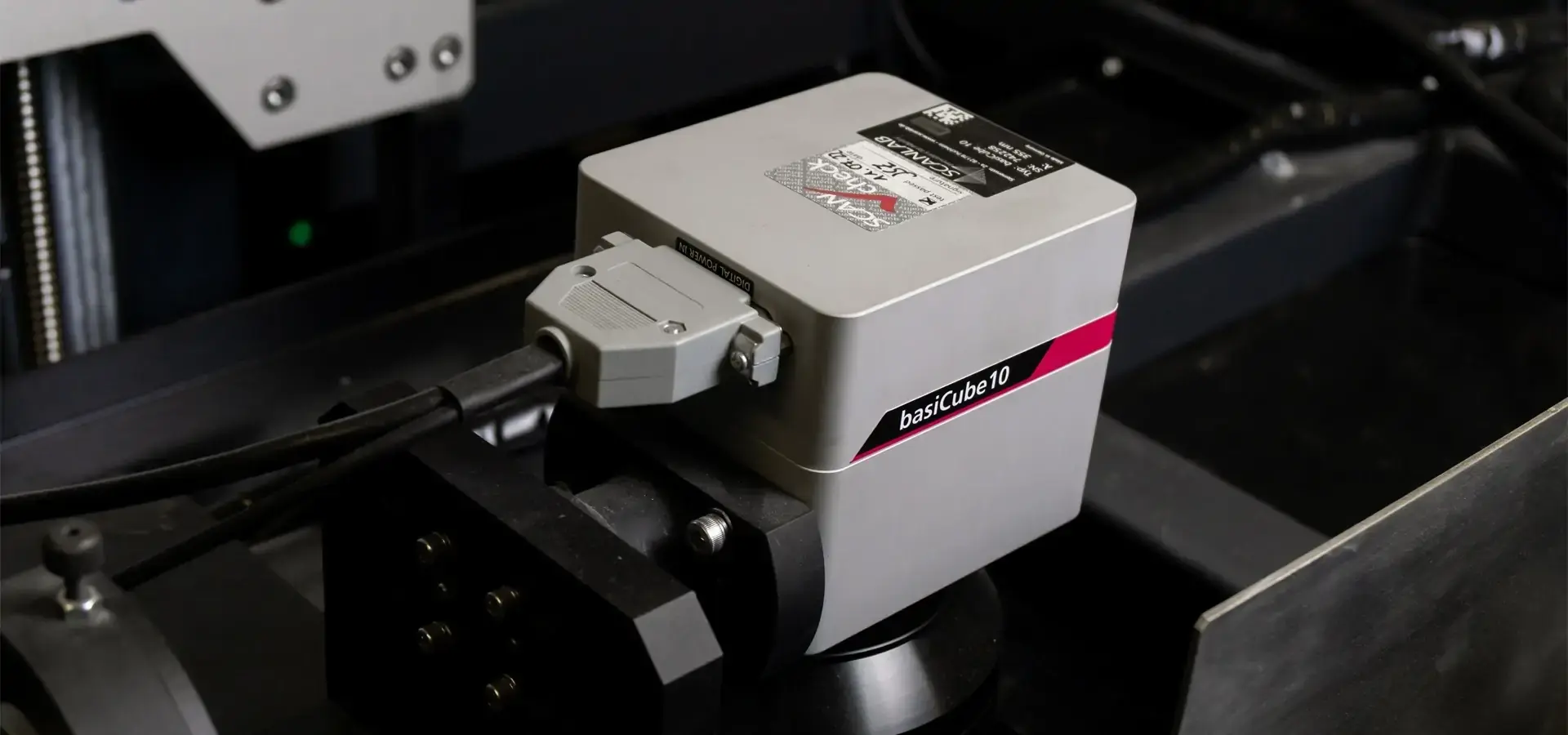
Modern stereolithography systems are very accurate because they have a lot of important parts that all work together perfectly. German Scanlab galvanometers precisely place the lasers needed to reproduce details accurately, and AOC lasers provide the steady power output necessary for even curing. Panasonic AC servo motors support the build platform, which makes sure that layers form steadily during the printing process. The size of the laser spot is very important for the quality of the end print. Modern systems use technology with changeable spot sizes, using bigger spots for quick filling inside the holes and smaller spots for precise shaping of the contours. With this two-pronged approach, designers can get both high-quality details and speed in a single print job.
Material Science and Surface Quality
Photopolymer resins that are made just for stereolithography have special qualities that make it easier to see small details. During the curing process, these materials cross-link chemically, making parts that are isotropic and have the same mechanical properties along all directions. The surface finish quality that is achieved is often on par with that of injection-molded parts, with roughness levels below 1 micrometre. Different types of plastic are used for different types of designs. Engineering-grade resins have better mechanical properties for making useful prototypes, and specialised formulations have special SLA printer properties like being clear, flexible, or resistant to high temperatures. Because of how flexible the material is, designers can choose the best resin for each purpose.
How High-Precision SLA Printers Solve Common Design Challenges
Creative designers frequently encounter limitations when translating digital concepts into physical prototypes. Traditional manufacturing methods often impose constraints on geometric complexity, surface finish quality, and dimensional accuracy that can compromise the designer's original vision.
Overcoming Geometric Limitations
Normal ways of making things have a hard time with parts that have complicated internal structures, undercuts, and complex surface textures. Through its layer-by-layer building method, high-precision stereolithography gets rid of many of these problems. Designers can add things like internal channels, lattice structures, and organic shapes without having to put them together or make complicated tools. The technology is great at making things with small details that would be hard to make or too expensive to make the old way. Especially, jewellery makers like being able to make filigree patterns and structural elements that are very delicate and stay together during the printing and post-processing stages.
Surface Finish Excellence
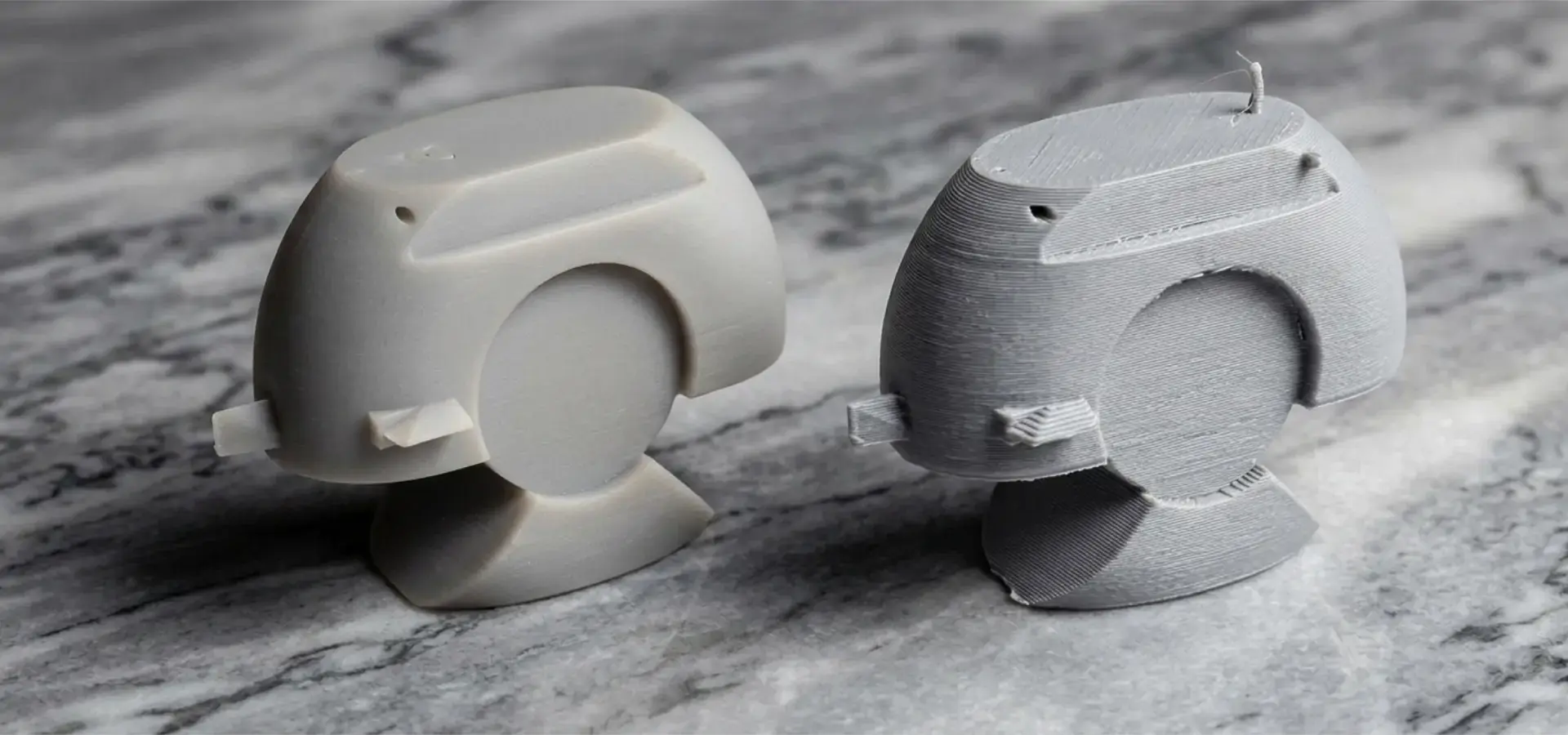
The fact that high-precision SLA printers can make smooth surfaces right during the printing process is one of their best features. Unlike filament-based technologies that leave layer lines that can be seen, stereolithography makes surfaces that don't need much post-processing. This feature is especially helpful for making samples that look good, since the quality of the surface has a direct effect on how well the design is judged. The smooth finish on the surface is also good for practical uses where a rough surface could hurt performance. For aerodynamic testing in a wind tunnel, the surfaces must have precise properties so that correct data can be collected. On the other hand, medical devices need smooth surfaces so that they are biocompatible and easy to clean.
Dimensional Accuracy and Consistency
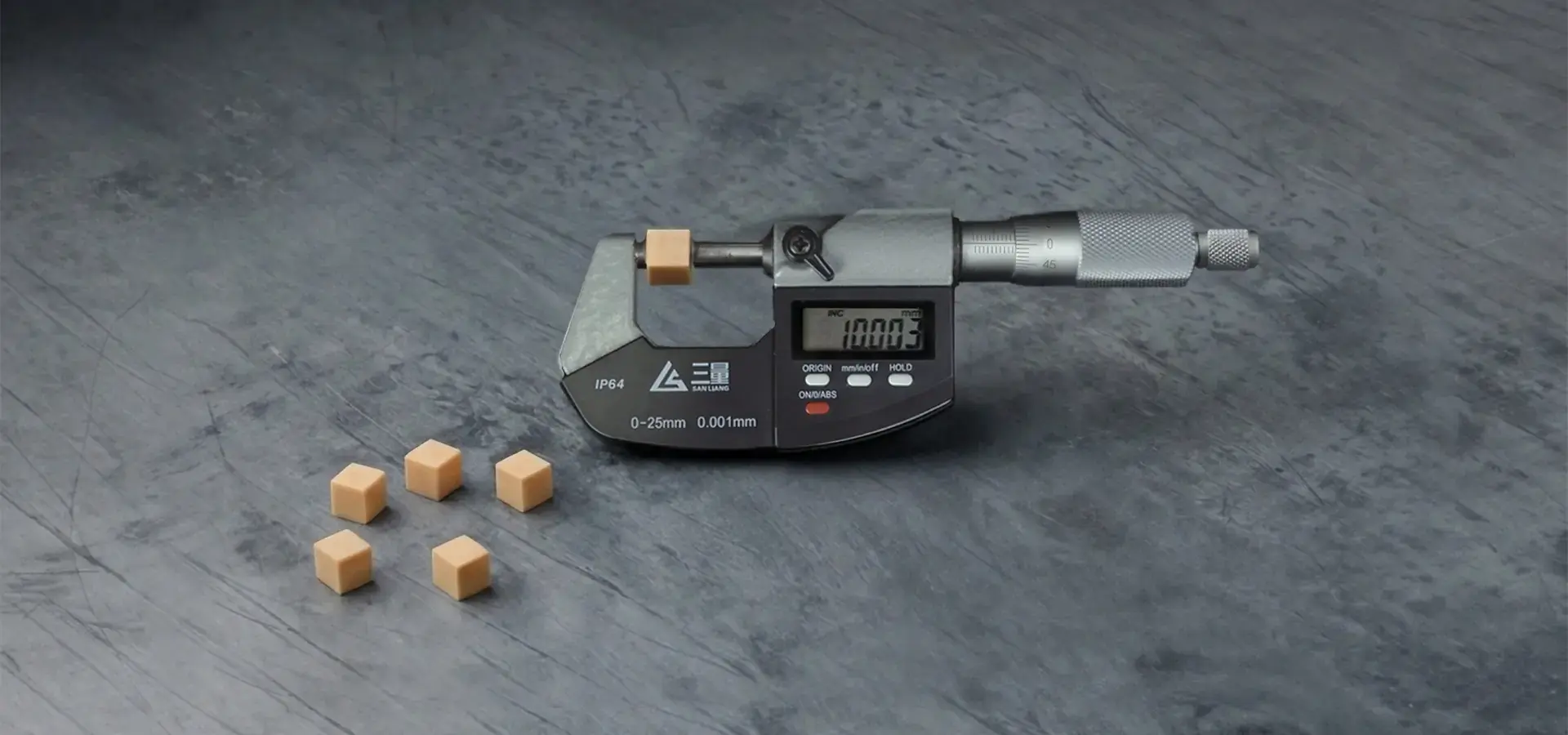
Another area where high-precision stereolithography really shines is keeping tight dimensional tolerances across many parts or complex shapes. Tolerances of within ±0.05 mm are possible with more advanced systems. This lets makers make parts that fit together perfectly without any extra machining or adjustments. This level of accuracy is very important for assemblies that need to fit perfectly or for working prototypes that need to connect to existing parts.
Comparing High-Precision SLA Printers: How to Choose the Best Fit for Your Creative Needs
Selecting the appropriate stereolithography system requires careful evaluation of multiple technical and business factors. The decision process involves balancing performance requirements against budget constraints while considering long-term productivity and support needs.
Technical Specifications That Matter
One of the most important things to think about when SLA printer comparing stereolithography methods is the build volume. Large-format capabilities let designers make useful parts that are too big in one build or group together a lot of parts at once, which increases efficiency and lowers the cost per part. The SL800 model, which has a stable marble base, shows how good mechanical design can help you get industrial-grade printing stability with accuracy levels of ±0.1 mm for parts that are 100 mm or less. Controlling laser power and spot size has a direct effect on both speed and quality. By adjusting the laser settings for different parts of each layer, variable spot-size technology makes printing 30–50% faster than with traditional single-spot systems. By intelligently optimising the path, deep learning techniques make this even better, adding an extra 20% to the speed boost.
Material Compatibility and Flexibility
The open-source design philosophy gets rid of the restrictions that come with proprietary material systems. This means that designers can choose photopolymer resins from different suppliers based on the needs of the application rather than concerns about being locked into one seller. This gives you more control over costs and better access to specialty materials that might not be sold by a single source. It works with a wide range of materials, from common prototyping resins to specially made formulas for certain businesses. Biocompatible resins are used in medical and dental settings, and high-temperature versions let you test their functionality at high temperatures. Transparent resins make it possible to make prototypes of optical parts, and flexible formulations help with tasks that need elastomeric qualities.
Integration and Workflow Considerations
Modern stereolithography systems work with normal CAD workflows without any problems because they support common file formats and slicing software. Advanced systems have features like automatic support generation and print optimisation that make printing easier while still producing high-quality results. When you buy production stereolithography equipment, you can't say enough about how important it is to have good technical help. Systems backed by experienced technical teams with quick response times and thorough training programs make sure that the equipment works at its best for as long as it is in use.
Maintenance and Troubleshooting for Sustained High-Precision SLA Printing
Maintaining consistent print quality and equipment reliability requires adherence to established maintenance protocols and prompt attention to operational issues. Proper maintenance practices extend equipment life while ensuring continued high-quality output.
Preventive Maintenance Protocols
Regular maintenance activities focus on the critical systems SLA printers that directly impact print quality. Laser calibration ensures consistent power output and proper beam characteristics, while galvanometer alignment maintains accurate positioning throughout the build area. The resin vat requires periodic inspection and cleaning to prevent contamination that could affect surface quality or dimensional accuracy. Build platform preparation plays a crucial role in print success and part quality. Proper cleaning techniques remove residual resin and cured material without damaging the platform surface. Leveling procedures ensure consistent layer thickness across the entire build area, preventing variations that could compromise dimensional accuracy or surface finish.
Common Issues and Solutions
Layer adhesion problems often stem from improper exposure settings or contaminated resin. Systematic troubleshooting approaches involve verifying exposure parameters against resin specifications and checking for foreign matter in the vat. Print failure analysis helps identify root causes and prevent recurring issues that could impact production schedules. Surface defects may result from various factors, including optical contamination, mechanical vibration, or environmental conditions. Regular cleaning of optical components maintains laser quality, while proper equipment placement minimizes external vibrations. Temperature and humidity control ensure consistent resin behavior and optimal curing characteristics. Professional SLA printers incorporate diagnostic systems that monitor critical parameters and alert operators to potential issues before they impact print quality. These proactive monitoring capabilities reduce downtime and maintain consistent output quality in production environments.
Future Trends and Innovations in SLA Printing for Creative Industries
The stereolithography industry continues evolving through advances in materials science, optical systems, and software integration. These developments promise to expand the technology's capabilities while improving accessibility and ease of use.
Advanced Materials and Applications
New resin formulations incorporate advanced additives that enhance mechanical properties, expand temperature ranges, and introduce novel characteristics such as electrical conductivity or magnetic responsiveness. Bio-compatible and biodegradable resins address environmental concerns while maintaining the performance characteristics required for demanding applications. Ceramic-filled and metal-filled resins enable the production of parts with properties approaching those of traditional manufacturing materials. These advanced materials expand the range of functional applications while maintaining the geometric freedom and surface quality advantages of stereolithography technology.
Automation and Intelligent Systems
Integration with artificial intelligence and machine learning algorithms optimizes print parameters automatically based on part geometry and material characteristics. These systems reduce the expertise required for successful printing while improving consistency and reducing waste. Predictive maintenance capabilities identify potential issues with SLA printers before they impact production, minimizing unexpected downtime. Automated post-processing systems handle cleaning, curing, and support removal tasks that traditionally required manual intervention. This automation reduces labor costs and improves process consistency while enabling higher throughput in production environments.
Sustainability and Environmental Responsibility
Concerns for the environment lead to the creation of more environmentally friendly resin mixtures and disposal methods. Solvent-based cleaning methods are no longer needed because water-washable resins can be used instead. This is better for the environment and makes the workplace safer. Recycling systems get used resins back and clean them up, which lowers the cost of materials and cuts down on trash. Using LED-based curing devices and better thermal management to save energy lowers operational costs and helps meet environmental responsibility goals. These improvements make high-precision SLA printers more appealing to businesses that want to use environmentally friendly production methods.
Conclusion
High-precision stereolithography technology has changed the way people build things by getting rid of old limits on surface quality and geometric complexity. Being able to reproduce small features with micron-level accuracy lets designers make their wildest ideas come to life while still keeping the accuracy needed for practical uses. Modern systems combine advanced laser control, smart materials, and complex software to give creative workers in a wide range of fields new and powerful tools. As new materials are developed and processes are automated, stereolithography will continue to be the best method for uses that need to reproduce details and surfaces with the highest quality.
FAQ
1. What level of detail can high-precision SLA printers achieve?
Modern high-precision stereolithography systems achieve layer resolutions as fine as 25 microns with dimensional tolerances within ±0.05 mm. Variable spot-size technology enables fine features down to 0.18-0.2 mm while maintaining smooth surface finishes with roughness values below 1 micrometer. These specifications support applications requiring injection-mold quality surface finish and precision comparable to traditional machining processes.
2. How do SLA printers compare to other 3D printing technologies for detailed work?
Stereolithography offers superior surface finish and dimensional accuracy compared to filament-based (FDM) and powder-based (SLS) technologies. The laser-curing process eliminates visible layer lines while achieving isotropic mechanical properties across all axes. This combination makes stereolithography the preferred technology for applications requiring fine details, smooth surfaces, and precise dimensional control.
3. What materials work best for detailed creative designs?
Standard photopolymer resins provide excellent detail reproduction for most creative applications, while specialized formulations offer enhanced properties for specific requirements. Castable resins support jewelry and investment casting applications, while transparent resins enable optical prototyping. Engineering-grade formulations provide enhanced mechanical properties for functional testing, and biocompatible resins support medical and dental applications.
4. How important is post-processing for maintaining detail quality?
Post-processing requirements for stereolithography parts are minimal compared to other 3D printing technologies due to the inherently smooth surface finish. Basic cleaning and UV curing are typically sufficient to achieve final part quality. Advanced post-processing techniques, such as polishing or coating, can further enhance surface quality when required, but the base print quality often meets application requirements directly.
5. What should I consider when investing in an SLA printer for creative work?
Key considerations include build volume requirements, desired resolution levels, material compatibility needs, and available technical support. Evaluate whether open-source material compatibility provides cost and flexibility advantages over proprietary systems. Consider the importance of reliable technical support and training programs for maintaining optimal performance. Budget for ongoing consumables, including resins, vat replacements, and any required post-processing equipment.
Partner with Magforms for Your High-Precision SLA Printing Solutions
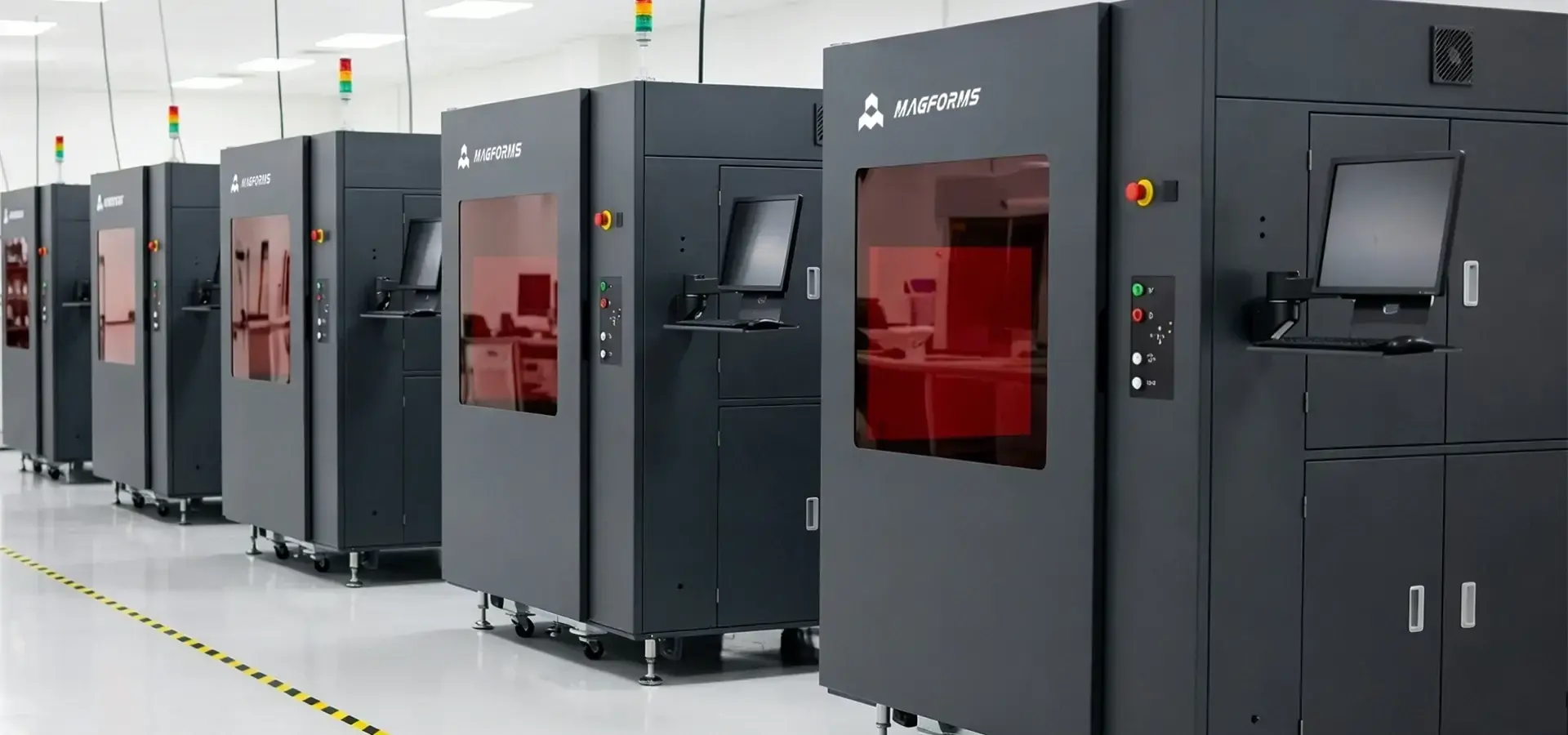
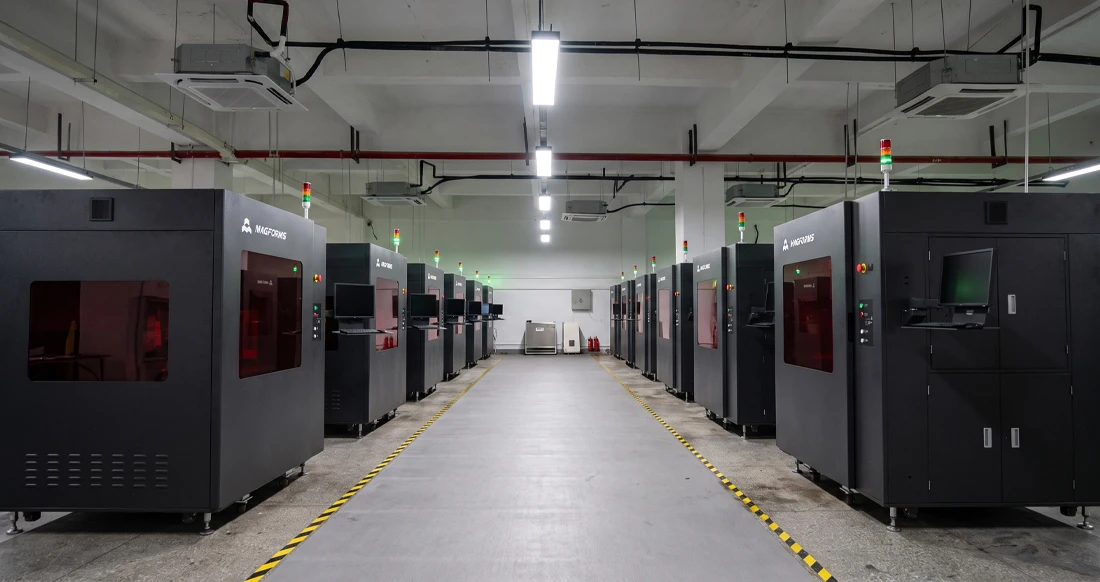
Magforms stands at the forefront of stereolithography innovation, delivering industrial-grade systems that combine German engineering excellence with cutting-edge technology. Our SLA printer portfolio features German Scanlab galvanometers, AOC lasers, and Panasonic AC servo motors, ensuring exceptional performance and reliability for demanding creative applications. With 22 patents and 30 registered trademarks supporting our technological foundation, we provide comprehensive solutions that include both advanced printing equipment and optimized materials.
Our variable spot-size technology delivers 30-50% faster printing speeds while maintaining micron-level accuracy, enabling creative professionals to meet tight deadlines without compromising quality. The open-source design philosophy eliminates material restrictions, providing cost control and flexibility that proprietary systems cannot match. Contact our technical experts at info@magforms.com to discuss your specific requirements and discover how our SLA printer solutions can transform your creative workflow.
References
1. Gibson, I., Rosen, D., Stucker, B., & Khorasani, M. (2021). Additive Manufacturing Technologies: 3D Printing, Rapid Prototyping, and Direct Digital Manufacturing. Springer International Publishing.
2. Chua, C. K., & Leong, K. F. (2017). 3D Printing and Additive Manufacturing: Principles and Applications. World Scientific Publishing.
3. Lipson, H., & Kurman, M. (2013). Fabricated: The New World of 3D Printing. John Wiley & Sons.
4. Ngo, T. D., Kashani, A., Imbalzano, G., Nguyen, K. T., & Hui, D. (2018). Additive manufacturing (3D printing): A review of materials, methods, applications and challenges. Composites Part B: Engineering, 143, 172-196.
5. Melchels, F. P., Feijen, J., & Grijpma, D. W. (2010). A review of stereolithography and its applications in biomedical engineering. Biomaterials, 31(24), 6121-6130.
6. Jacobs, P. F. (1992). Rapid Prototyping & Manufacturing: Fundamentals of Stereolithography. Society of Manufacturing Engineers.

Magforms makes design and manufacture easier.
Popular Blogs
-
 Industry InsightsManufacturing Industry
FDM vs. SLA Printer: Which Technology Is Right for Your Project?
-
 Industry InsightsManufacturing Industry
Top 5 Applications of Industrial 3D Printers in Manufacturing Today
-
 Industry InsightsManufacturing Industry
Why Stereolithography 3D Printers Are Unmatched for Microfluidic Device Prototyping?