How Do You Select the Right 3D Printing Machine for Your Needs?
Your application needs, output rate, material suitability, and budget limits are just a few of the important factors to consider when choosing a 3D printing machine. To make the right choice, you need to know about different types of technology like SLA, FDM, and SLS, make sure the build volume is right for the size of the part, and make sure the equipment gives you accurate results every time. When making your choice, you need to think about both short-term costs and long-term operating efficiency. This is especially important for business-to-business applications where downtime directly affects profits and production plans.
Understanding the Fundamentals of 3D Printing Machines
Figuring out how 3D printing machines work is important. Before you make any decisions about what to buy, you should know how additive manufacturing technologies work so that you can accurately examine tools. Different printing methods are used for different business tasks. Being aware of these differences keeps skills and needs from not matching up, which can be expensive.
Core Printing Technologies Explained

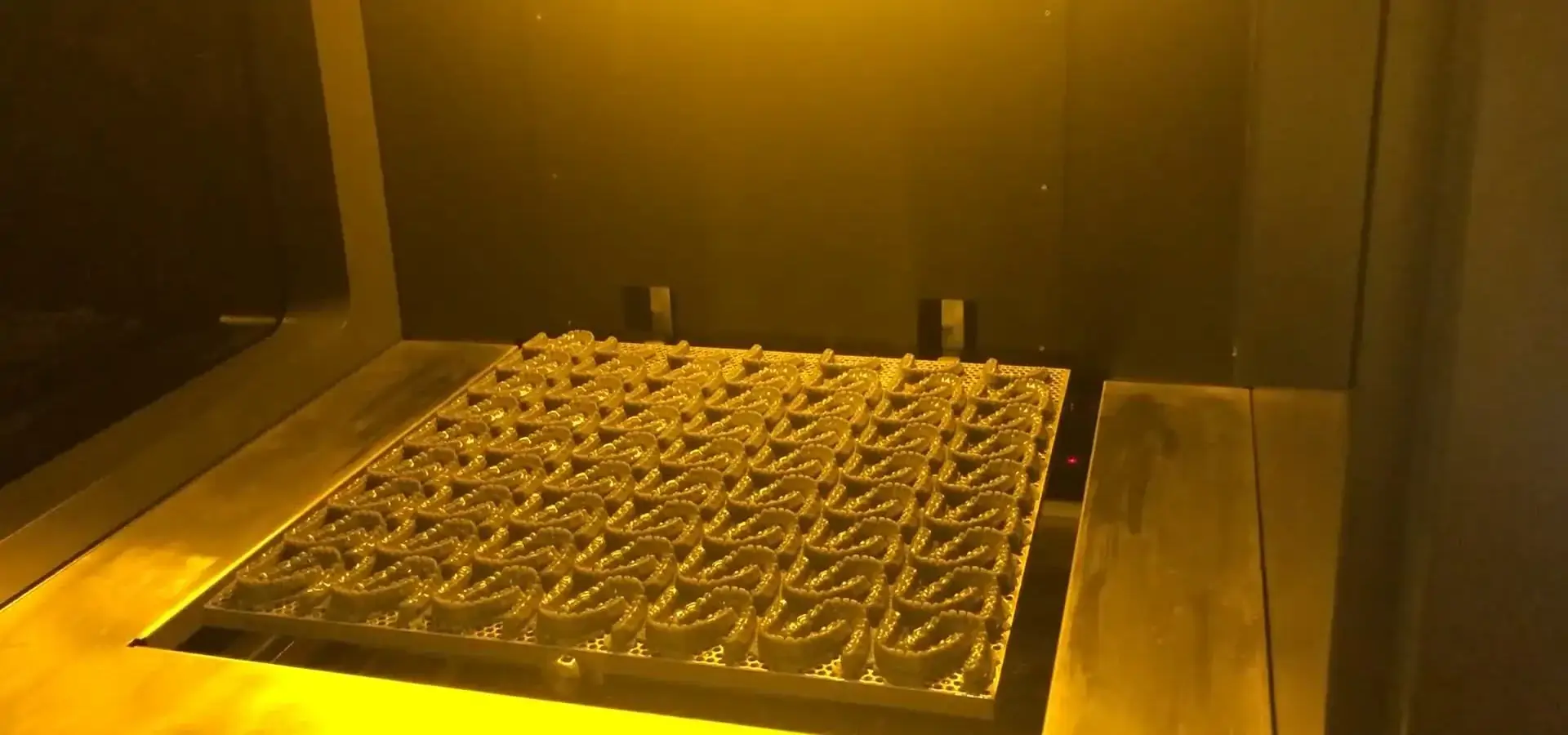
Stereolithography (SLA) uses ultraviolet lasers to fix liquid photopolymer plastics one layer at a time. This creates beautiful surfaces with few obvious layer lines. When surface quality and fine detail are very important, like in dentistry, jewelry prototyping, and precision tools, this method works very well. Parts produced through photopolymerization generally offer excellent surface consistency and fine feature resolution, although mechanical properties can still vary slightly depending on print orientation and post-curing conditions. Fused Deposition Modeling (FDM) uses a heated nozzle to extrude thermoplastic filament layer by layer to build parts. This method can be used with a wide range of materials, from simple PLA to engineering-grade plastics like PEEK and carbon-fiber reinforced composites. FDM works best for useful development and low-volume production where longevity over looks is more important. Selective Laser Sintering (SLS) uses powerful lasers to join powder particles together, making strong parts that don't need any support structures. The aerospace and car industries like SLS because it can make complicated shapes with good mechanical qualities. This is especially true when working with nylon-based materials or special powder blends.
Material Selection and Performance Characteristics
How useful your machine is for different jobs is directly related to how well the materials work together. Standard photopolymer resins are good for making visual samples, but engineering resins are better for harsh settings because they are stronger, can handle higher temperatures, and are more chemically stable. High-performance thermoplastics such as PEEK and PEI can withstand elevated operating temperatures, making them suitable for demanding aerospace, automotive, and industrial applications. With a Shore A hardness range of 50 to 90, flexible resins can be used to make gaskets, seals, and soft-touch consumer goods. Transparent resins are used for sight purposes and to see how fluids move during the creation of new products. How many different kinds of materials are available affects whether one machine can meet all the different needs of output, or whether more than one machine is needed.

Defining Your Procurement Needs: Segmenting User Requirements
If you know exactly what you need for your operations, you won't have to buy a 3D printing machine that either goes beyond what you need or doesn't meet your production needs. A thorough needs assessment saves money and makes sure that the new technology works well with the way things are already done.
Application Scenarios and Production Scale
When you use rapid prototyping, you need speed and the ability to change things quickly instead of maximum longevity. Fast turnaround times are important to design studios and product development teams, who often print several versions of a design every day to make ideas better. Service companies that work on projects for clients in many different industries need tools that can keep up with long production runs and different material needs. Customized medical devices and custom consumer gadgets often use small-batch production, which needs repeatable accuracy and material certifications that meet regulatory standards. Companies that make customized interior parts for cars can use bigger build sizes that can hold full-size parts instead of sectioned pieces that need to be glued together after printing.
Budget Analysis Beyond Purchase Price
The total cost of ownership is much higher than the starting cost of buying the tools. Resins, build platforms, and filter systems are all examples of consumables that have ongoing costs that add up over the machine's useful life. Different technologies use very different amounts of energy. For example, SLA systems usually use less power than large SLS units. Maintenance plans affect the cost of workers and the amount of work that can be done. Equipment that needs to be calibrated or parts that need to be replaced often cause operating stress that throws off schedules and slows deliveries. Proprietary material systems force buyers to buy from a single source and give them little negotiating power. On the other hand, open-platform machines let buyers choose where to buy materials, which, according to industry research, lowers long-term material costs by 20–40%.
Performance Metrics That Drive ROI
Industrial SLA systems commonly achieve dimensional tolerances within ±0.05–0.15 mm depending on part geometry, resin behavior, and post-processing control. Parts meet physical standards without a lot of post-processing if the printing accuracy is measured in microns. Tolerances of within ±0.1mm are common in medical and military uses. This means that the equipment needs to be able to consistently achieve micron-level accuracy across the full build volume. Looser standards may be okay for consumer goods, which allows cheaper tools to be used. How fast you can print affects how much you can print at once and how quickly you can handle important requests. When compared to traditional systems, variable spot-size laser technology and optimal scanning lines can boost output rates by 30%. This cuts down on wait times and makes customers happier. Metrics for reliability, such as the average time between failures and the success rate stated by the maker, show whether tools will support reliable production or cause annoying breaks.
Comparing 3D Printing Machines: Brands, Technologies, and Features
There are a lot of well-known names in industrial additive manufacturing, and each one uses technology and markets itself in a different way. To make an informed comparison of a 3D printing machine, you need to look at more than just marketing claims. You also need to look at real performance data and user experiences.
Technology and Build Volume Considerations
Industrial SLA systems produce superior surface quality, sharper feature definition, and higher dimensional consistency compared with most filament-based printers. Modern industrial SLA machines can achieve laser spot sizes below 100 microns and layer thicknesses as low as 25 microns, enabling highly detailed surfaces and precision geometries. This feature is very important in things like dental braces, where the smoothness of the surface affects both the patient's comfort and the success of the treatment. The build volume is one of the most important factors that limit the size of parts and the speed of batch production.
Operational Intelligence and User Experience
Modern industrial printers have smart features that make work easier and less stressful for operators. Direct parameter adjustment through device connections gets rid of the need for external computers to make regular changes. This means that techs can stay busy on the shop floor instead of moving back and forth between workstations. Network interruptions can't stop work in progress because built-in storage lets you print even when the internet isn't connected. Users can improve processes for certain materials or uses without having to wait for software changes from the maker, with open-system designs that have parts that can be changed. These small changes to how things are done add up to big productivity gains over hundreds of print jobs every year. In the real world, where temperature control may not be perfect, environmental flexibility changes how well things work. Advanced thermal management systems help maintain stable chamber temperatures, improving resin consistency and reducing the risk of warping or layer separation during large-format printing. This keeps the temperature fixed so that layers stick together even when it's cold outside. This design solves a common problem where changes in the temperature outside can cause big parts to bend or separate.
Maintenance, Troubleshooting, and Safety Considerations for B2B Users
For output to stay high, it needs regular upkeep, quick fixing, and thorough safety rules that protect both people and the 3D printing machine.
Routine Maintenance Protocols
Cleaning on a regular basis keeps plastic from getting dirty and keeps laser-based systems clear. Build platforms need to be checked for wear and proper bonding. The amount of time between replacements depends on how rough the material is and how much release force is needed. High-efficiency air filter systems remove toxic organic compounds that are released when photopolymers cure. This keeps the air clean and protects the health of operators. Inspection of parts should be done according to the manufacturer's instructions. Usually, motion systems should be checked every three months, linear rails should be oiled, and laser power output should be checked. When you change goods before they break, you avoid breaks in the middle of a job that waste materials and cause supplies to be late.
Troubleshooting Common Issues
A lot of the time, print problems are caused by calibration drift, bad design of the support structure, or material degradation. When parts don't fit together right, checking the build platform leveling, laser spot alignment, and plastic properties on a regular basis quickly finds the problems. A lot of problems can be fixed by changing parameters instead of modifying hardware. Resin-related print failures are often associated with contamination, improper resin viscosity, insufficient mixing, or unstable environmental temperatures. Temperature and humidity can change stickiness and hardening properties, so some resins may require preheating or thorough mixing before printing to maintain stable curing performance. By understanding these connections, workers can keep quality high without having to escalate help too much.
Safety Standards and Compliance
European safety rules for electrical systems, electromagnetic compatibility, and material handling are followed by equipment that has CE approval. In the US, OSHA rules set safety standards for the workplace when it comes to chemical exposure, machine guarding, and what to do in an emergency. Compliant equipment has the right protection, air integration points, and safety labels that are easy to read. Photopolymer plastics need to be handled carefully and with the right safety gear, like rubber gloves and safety glasses. Uncured resin can make skin more sensitive, so keeping it clean and avoiding contamination are important parts of doing business safely.
Making the Final Decision: How to Choose and Purchase Your 3D Printing Machine
To turn academic knowledge into a confident purchase choice for a 3D printing machine, you need to do an organized evaluation and pay attention to the system for after-sales help that ensures long-term success.
Decision Framework and Evaluation Criteria
Make a weighted score grid that ranks possible tools based on your most important needs. Give things like accuracy, build volume, material suitability, and total cost of ownership important numbers. This mathematical method gets rid of emotional bias and makes a good case for approving purchases. The application area tells you which type of technology will best meet your goals. Machines that can handle a wide range of materials are useful for service bureaus that do work for a variety of clients. Specialized makers that only make certain types of parts may put the best performance for their main use ahead of a lot of different options.
Sourcing Strategy and Supplier Relationships
Buying from approved sellers and well-known makers protects your guarantee, gives you access to expert help, and makes sure you get real parts. While buying used items may seem like a good way to save money, they come with risks like hidden damage, out-of-date software, and support eligibility that has ended, which can turn what seemed like a good deal into an expensive problem. Bulk purchasing negotiations may yield favorable pricing for companies committing to buying a lot of units or making long-term deals to sell materials. When buyers buy in bulk, they can get service level promises and special support, which comes in handy when production dates are coming up. Strategic supplier ties include more than just buying tools. They also include ongoing professional teamwork. Manufacturers with a lot of knowledge in the field can help you improve your processes, choose the right materials, and get in touch with application experts who can help you with tough projects. Over years of working together, this relationship value grows as your team learns new skills and takes on more difficult tasks.
Conclusion
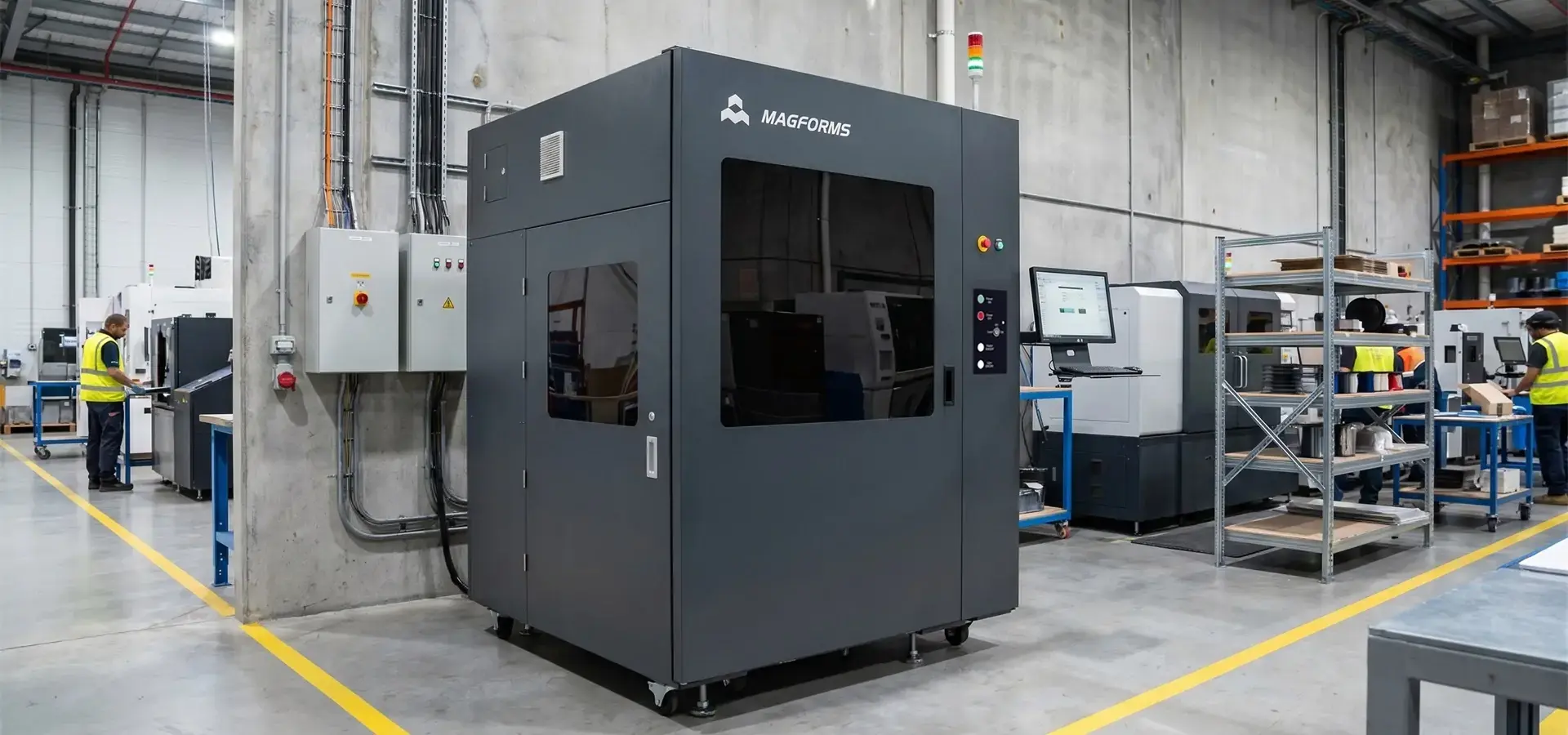
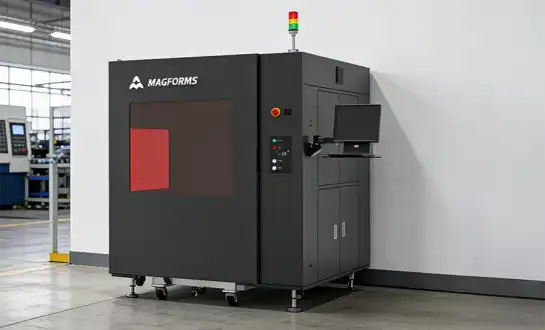
The right 3D printing machine must be chosen after careful consideration of your application needs, output rate, and long-term business objectives. Understanding the main differences between SLA, FDM, and SLS technologies helps you match skills to needs. Thinking about build volume, material compatibility, and operations intelligence makes sure the equipment works well with your processes. The Magforms Helios-P600 is a strong example of a modern industrial SLA 3D printer capable of supporting large-format, high-precision manufacturing applications in fields such as medical equipment and footwear by combining a large build capacity with smart operation and reliable performance. Your company is set up for long-term success in additive manufacturing if you use organized criteria for a thorough review and build strategic relationships with your suppliers.
FAQ
How do material costs compare across different technologies?
Depending on how well it works, resin costs anywhere from $50 to $300 per liter. Engineering and custom resins cost more than other types. When compared to private systems, open-system platforms give you more options for where to get materials, which lowers your material costs. The real picture of production numbers can be seen when you look at the cost per part instead of the material unit price.
What maintenance schedule should I expect?
Regular upkeep includes cleaning once a week, inspecting parts once a month, and calibration and optical alignment checks every three months. Interventions are needed less often when equipment is of high quality and well-built.
Can one machine handle multiple material types?
Many modern SLA systems support multiple resin families through validated print parameters, although resin tank cleaning and process recalibration are typically required between material changes. However, to keep things clean between material changes, they need to be cleaned very well. Open-architecture systems provide the greatest material flexibility. Think about whether the ability to work with multiple materials helps your production or whether specific tools for main uses are better for optimizing it.
Partner with Magforms for Your 3D Printing Machine Needs
Magforms offers complete additive manufacturing solutions that include their own tools and specially designed materials that don't have the interface problems that many production settings have. We understand the operating realities you face and offer quick technical help backed by years of industry knowledge as an experienced 3D printing machine maker serving over 300 businesses globally. Our team can help you with everything, from choosing the right tools to improving the production process and keeping up with it. Email us at info@magforms.com to talk about how our solutions can help you solve your unique manufacturing problems and speed up your production.
References
1. Gibson, I., Rosen, D., Stucker, B., & Khorasani, M. (2021). Additive Manufacturing Technologies: 3D Printing, Rapid Prototyping, and Direct Digital Manufacturing (3rd ed.). Springer.
2. Redwood, B., Schöffer, F., & Garret, B. (2022). The 3D Printing Handbook: Technologies, Design and Applications. 3D Hubs B.V.
3. Diegel, O., Nordin, A., & Motte, D. (2019). A Practical Guide to Design for Additive Manufacturing. Springer Series in Advanced Manufacturing.
4. ASTM International. (2021). ASTM F2792-12a: Standard Terminology for Additive Manufacturing Technologies. ASTM International Committee F42.
5. Ngo, T. D., Kashani, A., Imbalzano, G., Nguyen, K. T., & Hui, D. (2018). Additive Manufacturing (3D Printing): A Review of Materials, Methods, Applications, and Challenges. Composites Part B: Engineering, 143, 172-196.
6. Wohlers, T., Campbell, I., Diegel, O., Kowen, J., & Mostow, N. (2023). Wohlers Report 2023: 3D Printing and Additive Manufacturing Global State of the Industry. Wohlers Associates, Inc.

Magforms makes design and manufacture easier.
Popular Blogs
-
 Industry InsightsManufacturing Industry
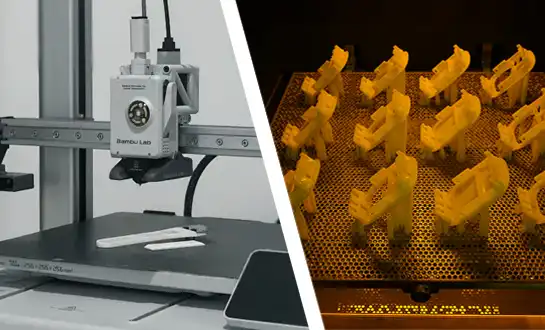
FDM vs. SLA Printer: Which Technology Is Right for Your Project?
-
 Industry InsightsManufacturing Industry
Top 5 Applications of Industrial 3D Printers in Manufacturing Today
-
 Industry InsightsManufacturing Industry
Why Stereolithography 3D Printers Are Unmatched for Microfluidic Device Prototyping?