Can Stereolithography 3D Printers Handle Complex Models Efficiently?
Stereolithography 3D printers are very good at making complex models quickly and easily, which makes them essential for fields that need accuracy and dependability. These systems use laser-based photopolymerization to fix liquid resin one layer at a time. SLA printers can achieve layer accuracies typically within 0.01–0.05 mm, depending on laser calibration, resin properties, and mechanical precision, producing surfaces comparable to injection molding for most prototyping and small-batch production needs. The technology solves important problems in production by getting rid of layer lines, making sure that measurements are correct, and making complex shapes with undercuts, lattices, and fine features that are hard for other additive methods to regularly make.
Understanding How Stereolithography 3D Printing Works
In Stereolithography 3D printing, ultraviolet lasers carefully trace each cross-section of your CAD model onto a liquid photopolymer plastic as part of a complex photopolymerization process. Focused laser energy starts a chemical process that turns liquid material into a solid polymer with precise depth control.
The Core Photopolymerization Process
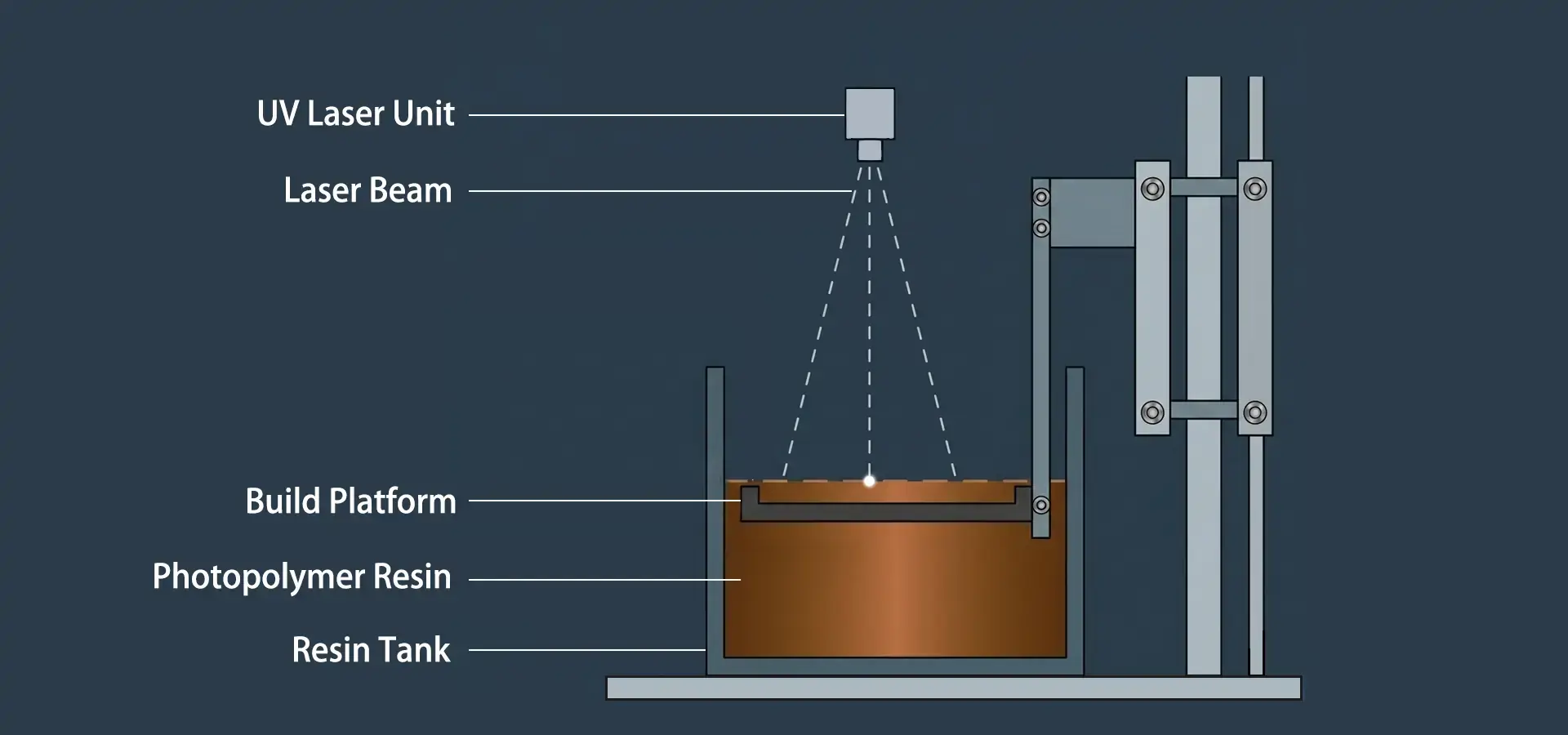
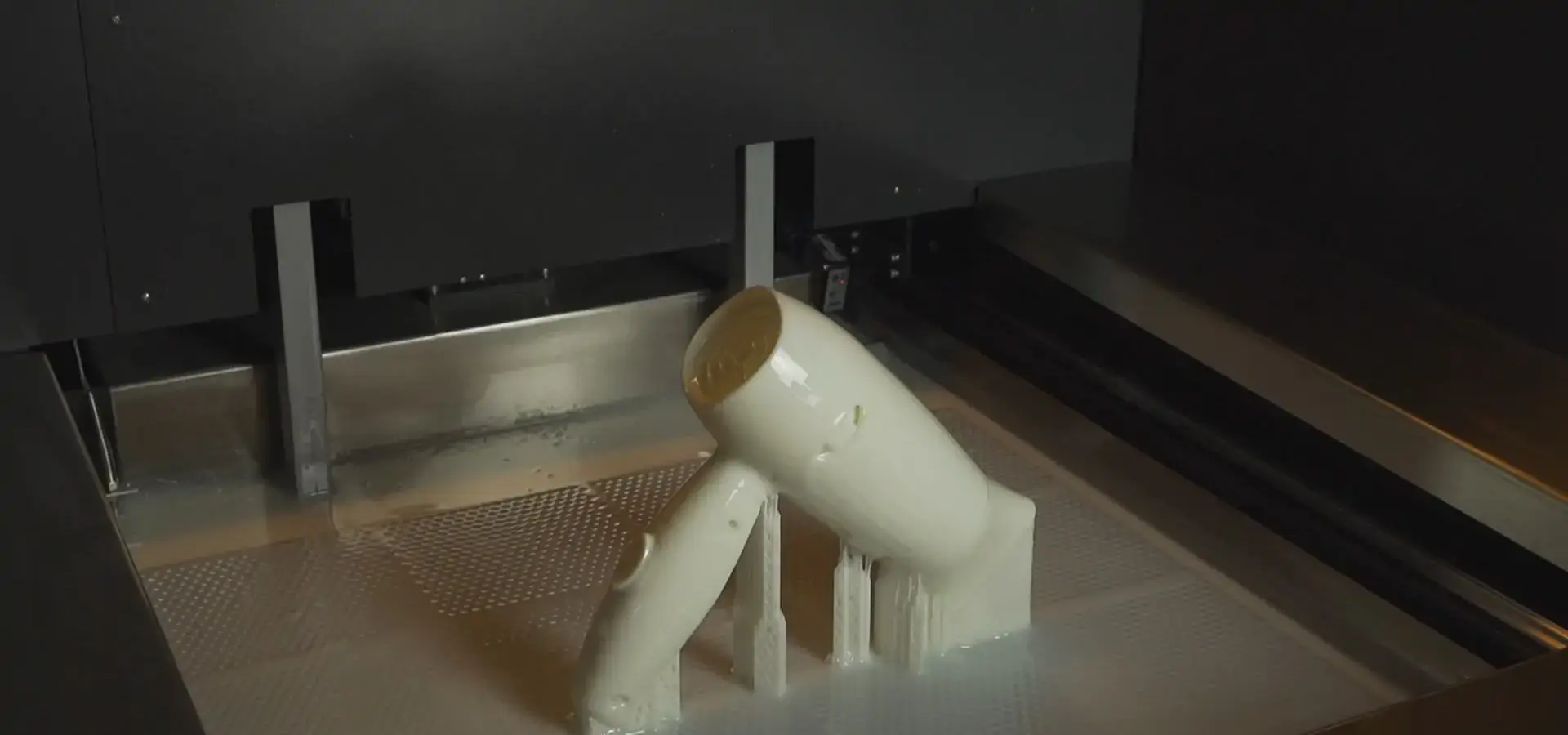
When the print starts, the build base is just below the plastic surface. The laser creates the design for the current layer by hardening the resin to the thickness you want, which is usually between 25 and 100 microns, but can be different based on your quality needs. Once a layer is finished, the base slowly moves down, letting new glue flow over the hardened surface. This cycle will keep going until your part is done. Stereolithography 3D printing is perfect for making dental models, aircraft connectors, and consumer electronics housings because it can accurately copy features smaller than 0.1mm thanks to galvanometer-controlled mirrors that direct the laser beam.
Material Chemistry and Performance
Choice of resin has a direct effect on its mechanical qualities and fitness for use. Standard photopolymer resins provide a balance of strength, cost-effectiveness, and ease of processing for general-purpose modeling. Engineering and flexible resins allow functional testing, high-temperature resistance, chemical stability, or rubber-like elasticity. Dental-grade resins meet biocompatibility standards. Because this material is so flexible, makers can fit the resin chemical to the needs of the final product. This makes sure that samples exactly mimic how the final product will behave during validation testing.
SLA vs Other 3D Printing Technologies for Complex Models
When looking at different additive manufacturing technologies for complicated shapes, knowing the main differences helps purchasing teams buy the right tools to meet output goals.
Comparing Precision Across Technologies
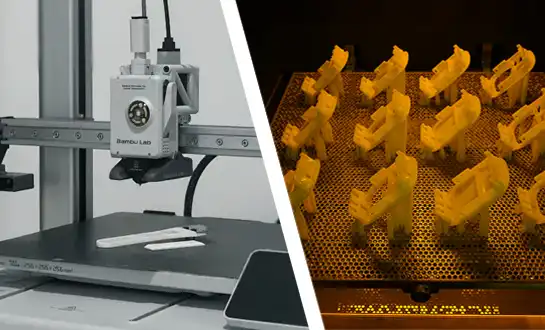
Using Fused Deposition Modeling, hot polymer fiber is pushed through a tube to build parts layer by layer. Even though it's cheap, FDM usually gets layer heights of 100 to 300 microns, and on curved surfaces, you can see steps. In contrast, stereolithography 3D printers produce layers that are 25 to 50 microns thick with laser spot sizes that are less than 140 microns, resulting in finishes that are glass-smooth without the need for additional processing. Digital Light Processing (DLP) cures an entire layer at once using projected light. Pixel size typically ranges from 50–100 microns, limiting precision. LCD-based mSLA printers also project entire layers, with precision constrained by screen resolution, although monochrome screens and high-intensity LEDs can improve speed and reduce exposure times. Selective Laser Sintering melts powder bits together to make strong parts. However, the surfaces are harder, so they need a lot of work to be ready for presentations.
It's easy to see the benefit when making thin-walled parts, threaded parts, or snap-fit parts. A stereolithography 3D printer method can keep measurements accurate even when the shape is complicated, while FDM would need a lot of support material and post-processing. Multi Jet Fusion is great at making lots of the same thing, but it doesn't have the surface quality that medical device makers need for surgery guides. The fine detail needed for jewelry masters or orthodontic braces can't be achieved with metal printing, even though it is strong. Because of this, resin-based laser systems are the best option when precise measurements and a high-quality finish are needed for complicated shapes. This is true in many fields, from making quick prototypes for cars to copying cultural artifacts.
Industry-Specific Applications
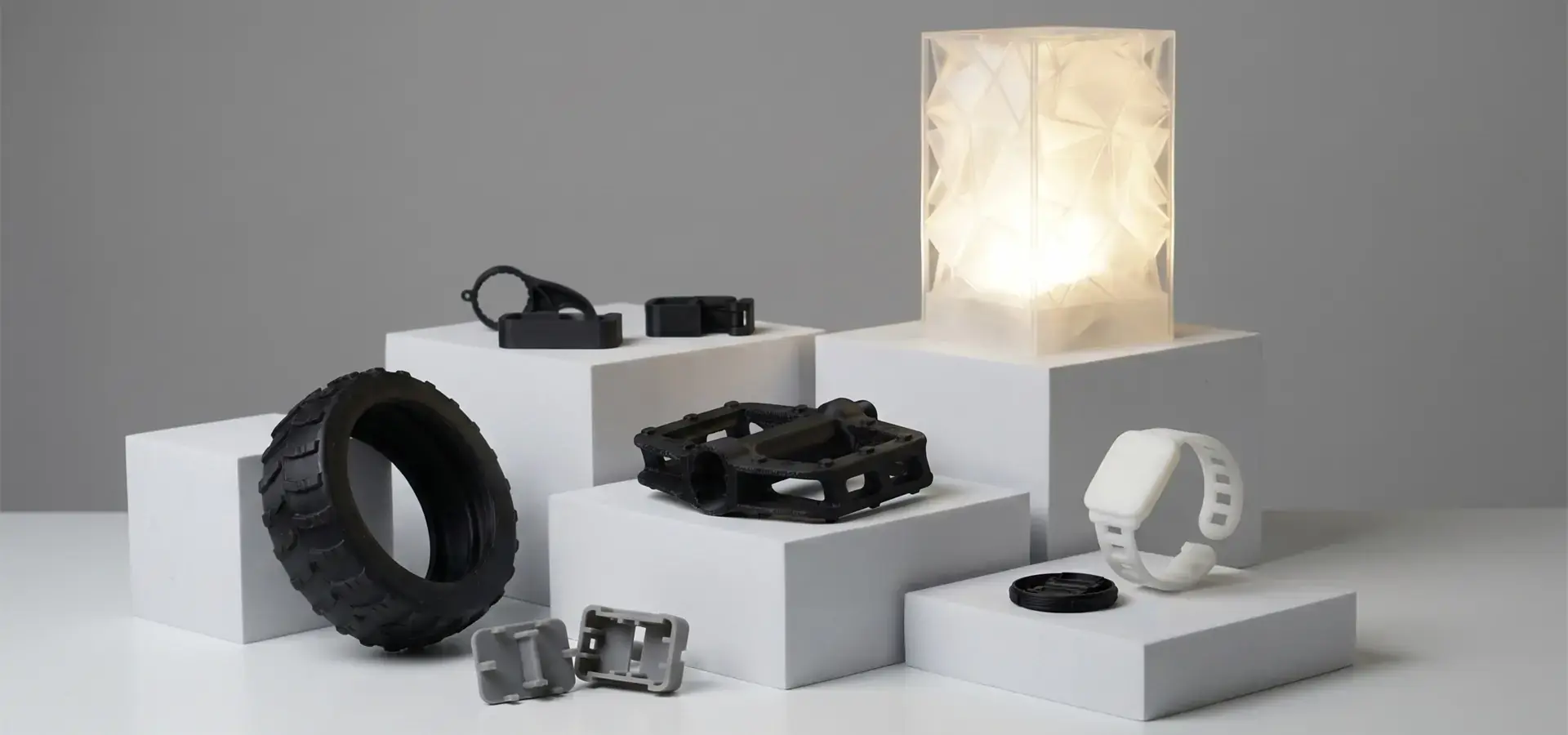
Before buying expensive tools, aerospace engineers use stereolithography 3D printers and SLA technology to make sure that complex airflow paths and lightweight lattice structures work. Design teams for cars make models of useful interior trim that have the same surface textures as the final injection-molded parts. Medical workers print surgery guides that are specific to each patient and have accurate anatomy, which improves the result of the procedure. Manufacturers of consumer electronics go through multiple design processes for the housings of smart devices in days instead of weeks. One thing that all of these uses need is the ability to consistently reproduce fine features at high production speeds without losing their shape.
Optimizing SLA 3D Printer Performance for Complex Models
To get reliable results with complex shapes, you need to pay attention to a number of technical factors that affect how well the prints go and how good the parts are.
Strategic Support Design
Support structures do two things: they hold parts to the build base and keep them stable during the peeling process that happens after each layer cures. Not enough supports can cause bending or separation, and too many supports waste more material and take longer to handle afterward. These issues can be balanced by placing supports in a way that spreads them out along stress points and keeps them from touching exposed surfaces as little as possible. Modern slicing software figures out the best support density by changing the cross-sectional area and the angle of the overlap. Placing parts at precise angles cuts down on the need for supports on important areas and makes it easier for uncured resin to drain from inside holes.
Material Handling Protocols
The thickness of the resin affects how it flows and how evenly the cures. Changes in temperature can affect stickiness, which could lead to uneven drying or changes in size. Keeping the glue between 25°C and 30°C makes sure that it behaves consistently over multiple hours of printing. Filtering the glue between layers gets rid of bits that are only partly hardened and could cause flaws. When stored properly in closed cases, natural light contact doesn't cause the cure to happen too soon. These ways of handling have a direct effect on the 99% success rate that systems can reach when they are well taken care of.
Calibration and Maintenance
Leveling the build base creates the important first-layer binding that affects the success of the print as a whole. To keep the laser power supply and focus quality high, optical parts need to be cleaned every so often. The clear film that covers the bottom of the resin tank gradually fogs up over time, making it harder for light to pass through and making the fix less effective. By replacing this film according to the manufacturer's instructions, the accuracy of the measurements will not slowly decrease over time. Mechanical pointing systems need to be calibrated on a regular basis to make sure they keep the 0.01mm accuracy needed for complicated structures with parts that fit together perfectly.

Selecting the Right SLA 3D Printer for Complex Model Requirements
The process of choosing equipment includes matching the technical specs to your production volume, complicated needs, budget, and long-term operating costs.
Critical Technical Parameters
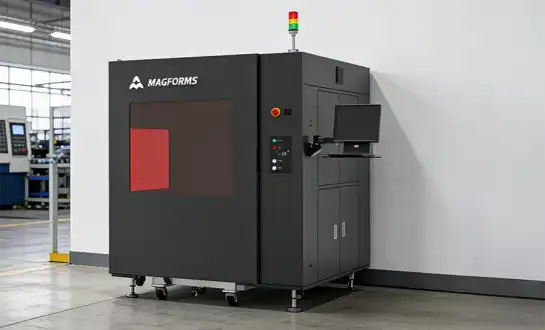
The highest part size and batch number are set by the build volume. Magforms' Helios-P450 has a build volume of 450×450×400mm (17.7×17.7×15.75in), allowing it to accommodate larger parts or multiple components simultaneously, which increases production efficiency. Resolution capability tells you the smallest feature size that can be reproduced, which is important for fine text, thin walls, or complex surface textures. The general detail rendering is based on the laser spot width and the accuracy of the placement. Timelines for projects and the return on investment (ROI) of tools are affected by printing speed. More advanced systems use varying spot sizes to combine outline accuracy with area fill efficiency.
The Helios-P450 Advantage for Industrial Applications
Helios-P450 features industrial-grade components and design optimized for stable, precise, and fast production:
- Stability: Key components are international brands, ensuring minimal downtime. AOC laser output is stable for 24/7 industrial use, Scanlab galvanometers work perfectly with the laser, and Panasonic servo motors drive the control plate, scraper, and resin level block with high precision. Machine layout and a 2mm thick metal casing minimize vibrations.
- High Accuracy: Build plate positioning ±8μm, resin level ±0.03mm, scraper platform precision <0.02mm. Scanlab galvanometers and AOC laser achieve near-perfect circular spot shapes for precise forming.
- High Speed: Scan speeds up to 12 m/s (typical 6–10 m/s) with variable spot technology: large spot 0.5–0.6mm for infill, small spot 0.15–0.2mm for supports and contours, accelerating print speed by 30–50% vs traditional SLA.
- Fine Detail: ±0.1 mm for parts ≤100mm, ±0.1%×L for parts >100mm. Variable spot and built-in grayscale algorithms reduce layer stair-stepping for smooth surfaces.
- Material Compatibility: Open system for most 355nm resins.
- 6–10. Human-Centered & Safety Designs: Easy resin tray replacement, support structure assistance, optical protection cover, safety interlocks, and SGS/CE certified electrical and mechanical safety features.
Procuring SLA 3D Printers: What B2B Clients Should Know
When you buy tools strategically, you should think about more than just the price. You should also think about the total cost of ownership, stereolithography 3D printers, how reliable the seller is, and how long-term expert help will keep your production going.
Vendor Evaluation Criteria
Authorized makers only sell original parts that are designed to meet the original specs. This makes sure that the equipment works the same way for as long as it's supposed to. Magforms has 22 patents and 30 protected logos, which show that they are always coming up with new ideas and protecting their intellectual property. The fact that the company exports to over 30 countries and works with over 300 businesses shows that it can be trusted in a wide range of workplace settings. By attending European and Asian industry shows, you can talk directly to technical experts who know the rules and requirements for making things in those regions.
Integrated Solutions and Technical Support
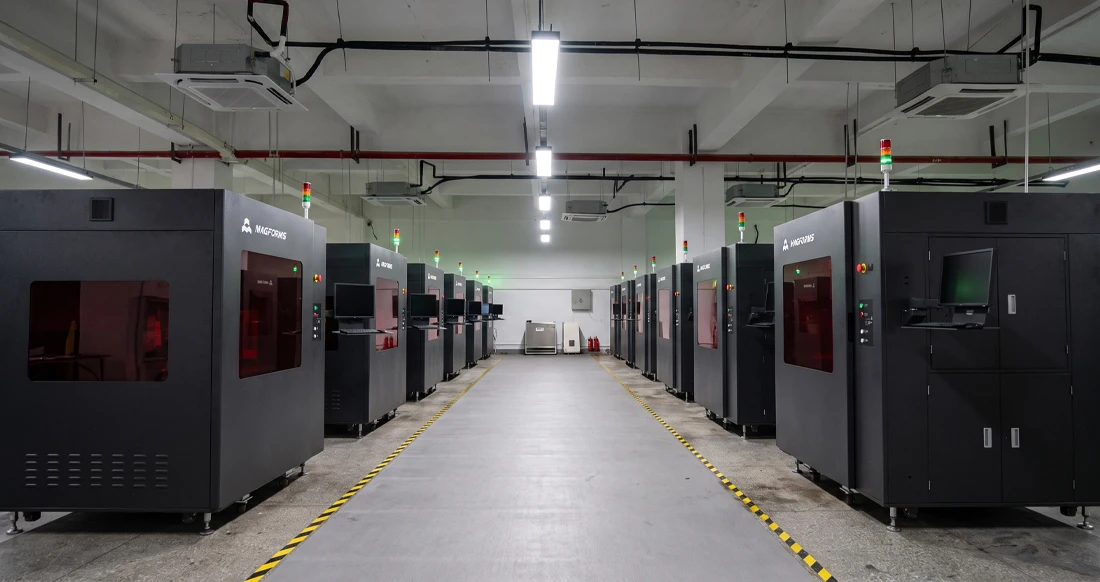
Integrated solutions take away the worry of connectivity issues, unlike providers who sell tools or materials separately. When the same company makes both the printer gear and the plastic chemistry, the system as a whole is deeply optimized. This vertical integration stops the size changes and unexpected downtime that come from third-party materials not working with open-platform systems, which is a problem that procurement managers often face. When you mix variable spot-size laser technology with AI-optimized scanning paths, printing speeds go up by over 30% compared to industry rates. This means you can respond faster to rush orders or design changes. Professional providers are different from people who just sell tools because they offer full after-sales help.
Technical training programs make sure that your employees know how to choose the best parameters for a variety of shapes and materials. Software updates keep it compatible with new CAD forms and add features that make work easier without having to change hardware. When repair needs to be done, responsive service keeps production as steady as possible. These support elements are especially helpful for tiny businesses that want to start 3D printing but don't have a lot of technical know-how on staff, as well as for medium- to large-sized makers whose delivery promises are directly affected by equipment downtime.
Financial Considerations
Financing choices for equipment let you spread out the cost of the investment over the time it takes to pay for itself, while still keeping enough cash on hand for things like supplies and training for operators. Longer warranties protect against unexpected repair costs in the early stages of production, when methods are being tested and proven to work. When comparing in-house production to outsourcing, it's more accurate to look at the total cost per part, which includes labor, material use, and machine wear and tear. Rapid prototyping tools that can build parts 30% faster lower the cost of each part and allow for shorter testing cycles, which shorten the time needed to develop a product.
Conclusion
In conclusion, stereolithography 3D printers are very good at making copies of complicated models because they can achieve micron-level accuracy and surface quality that is close to that of injection molding. The technology solves important problems in the automobile, aircraft, medical, and consumer electronics industries, where reproducing details and making sure measurements are correct have a direct effect on testing products and making factories run more efficiently. Strategically choosing tools based on technical factors, material suitability, and seller support infrastructure ensures that it fits in well with production processes. Systems like the Helios-P450 demonstrate how industrial-grade design, precise material compatibility, and human-centered features provide B2B clients with reliable, repeatable output for complex production demands.
FAQ
What types of complex models benefit most from stereolithography printing?
The best results come from parts that have complex internal shapes, thin walls, fine surface textures, or tight assembly standards. The best places to use it are in dental implants, aircraft ducts with internal channels, automobile trim with texture patterns, and consumer electronics housings that snap together. The technology is very good at making undercuts and overhangs that would need complicated tools to make in the old way.
How does SLA integrate into existing production workflows?
Modern Stereolithography 3D printer systems can read standard STL and OBJ files from any CAD program, which makes it easy to move designs from one system to another. Depending on the size, parts dry in hours and are ready to be handled. This means that design changes can be physically tested the same day they are made. Post-curing and finishing are done in the same way that normal workshop work is done. A lot of companies use SLA for prototypes and making models, but stick to standard production methods for mass output. This makes a mixed process that is fast and cheap.
What are the ongoing operational costs compared to other technologies?
Depending on the type of resin, the cost of the material ranges from $50 to $200 per liter. Most parts use between 50 and 500ml. This is better than FDM material for making detailed things that don't need a lot of post-processing. It costs $30 to $100 to change tank films on a regular basis, based on the size of the system. Laser systems need to have their optics cleaned every so often, but they don't have the tip wear problems that extrusion printers do. During usage, it only uses 150 to 400 watts of electricity. Total cost per part varies a lot with build density—the cost per unit drops by a huge amount when the build space is filled with multiple parts.
Partner with Magforms for Your stereolithography 3D Printer Needs
Select Magforms as your partner for all of your stereolithography 3D printer needs. Magforms can help your company set up stereolithography 3D printer solutions that meet your complex modeling needs. They have years of experience with 3D printing and offer full technical support. Our combined method combines precise tools like the Helios-P450 with the best plastic chemistry. This gets rid of problems with compatibility and gives us the best success rates in the industry at 99%. Whether you're starting to make prototypes or increasing the number of products you can make, our team can help you choose the right tools, train your operators, and provide ongoing technical support. Get in touch with us at info@magforms.com to talk about your unique application needs with experts who know what service providers, automakers, aerospace manufacturers, and medical device companies face in global markets.
References
1. Hull, C. W. (1986). "Apparatus for Production of Three-Dimensional Objects by Stereolithography." United States Patent Office, Patent Number 4,575,330.
2. Gibson, I., Rosen, D., & Stucker, B. (2021). "Additive Manufacturing Technologies: 3D Printing, Rapid Prototyping, and Direct Digital Manufacturing." Springer International Publishing, Third Edition.
3. Jacobs, P. F. (1992). "Rapid Prototyping and Manufacturing: Fundamentals of Stereolithography." Society of Manufacturing Engineers, Dearborn, Michigan.
4. ASTM International (2021). "ASTM F2792-12a: Standard Terminology for Additive Manufacturing Technologies." ASTM Technical Committee F42 on Additive Manufacturing.
5. Melchels, F. P., Feijen, J., & Grijpma, D. W. (2010). "A Review on Stereolithography and Its Applications in Biomedical Engineering." Biomaterials, Volume 31, Issue 24, Pages 6121-6130.
6. Stansbury, J. W., & Idacavage, M. J. (2016). "3D Printing with Polymers: Challenges among Expanding Options and Opportunities." Dental Materials, Volume 32, Issue 1, Pages 54-64.

Magforms makes design and manufacture easier.
Popular Blogs
-
 Industry InsightsManufacturing Industry
FDM vs. SLA Printer: Which Technology Is Right for Your Project?
-
 Industry InsightsManufacturing Industry
Top 5 Applications of Industrial 3D Printers in Manufacturing Today
-
 Industry InsightsManufacturing Industry
Why Stereolithography 3D Printers Are Unmatched for Microfluidic Device Prototyping?