How Does a China Resin 3D Printer Compare with Global Brands?
When buyers compare a China resin 3D printer to well-known global names, they find that the Chinese printer performs just as well at a much lower cost.Modern Chinese companies have closed the technology gap by aggressively developing mSLA systems capable of achieving fine feature detail and high dimensional consistency, open material compatibility, and strong industrial-grade construction. These printers can now compete directly with European and American brands in challenging fields like dental prototyping, aircraft, and automobile prototyping. They offer appealing total cost of ownership benefits for professional use without sacrificing resolution, stability, or the ability to print on a variety of materials.
Understanding China Resin 3D Printers: Technology and Advantages
Core Technology Architecture
A modern China resin 3D printer typically uses LCD-based mSLA technology with monochrome LCD screens ranging from 4K to 16K resolution. Actual XY pixel size depends on both screen resolution and display dimensions, with professional systems commonly achieving pixel sizes from approximately 20 to 50 microns. This technology base is on par with the best global brands, and it takes advantage of the fast iteration benefits that come with concentrated manufacturing clusters. Advanced LCD systems often incorporate COB or matrix LED light sources combined with collimating lens arrays to improve light uniformity across the build area, helping ensure consistent curing and dimensional accuracy. This makes sure that the cure is the same from edge to edge, which has a direct effect on the accuracy of the dimensions and the quality of the surface.
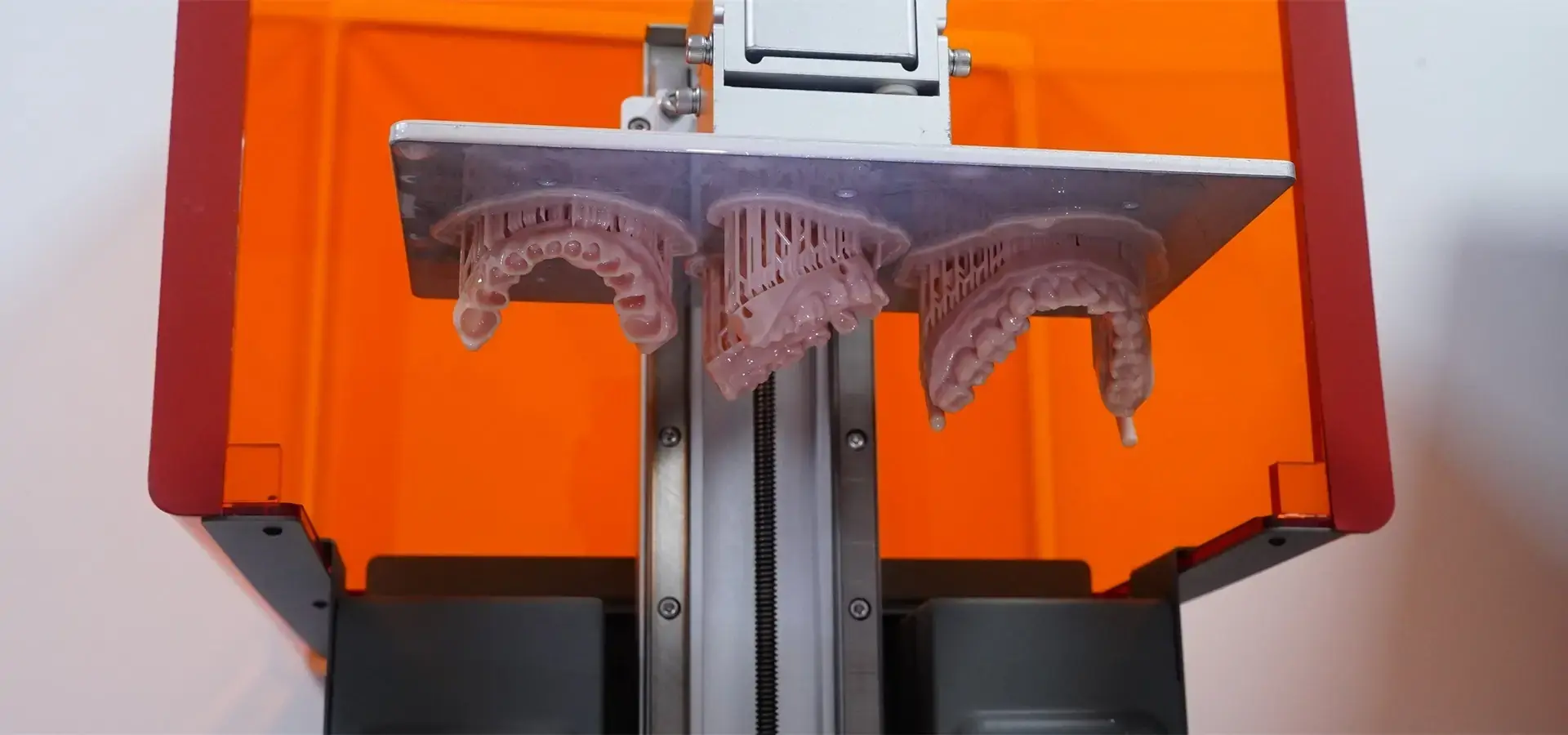
Dual linear guide rails and reinforced Z-axis structures improve mechanical stability during long print jobs, helping reduce layer shift and maintain dimensional consistency. These specs are very important for making dental models because dental applications often require highly accurate model reproduction to support the fit and verification of dental restorations and surgical guides, and they are also important for jewellery casting patterns that need burnout qualities that don't produce ash.
Material Ecosystem Advantages
The idea of an open material system is a strategic advantage. Most Chinese LCD resin printers support third-party photopolymer materials through adjustable exposure parameters and open slicing workflows, allowing users to optimize settings for different resin formulations. This is different from private ecosystems that force users to use expensive brand-name resins. Because of this, buying teams can find engineering-grade, biocompatible, or speciality plastics based on the needs of the project and the available budget, rather than hardware limits.
Material suitability includes clear resins for fluidic prototypes, high-temperature formulas for parts under the hood of cars, and flexible resins for developing wearable tech. Depending on printer design, release film technology, resin characteristics, and layer settings, some advanced LCD systems can achieve significantly higher print speeds than conventional resin printers. This meets the needs of fast iteration in consumer electronics development cycles.
Manufacturing Scale and Innovation Velocity
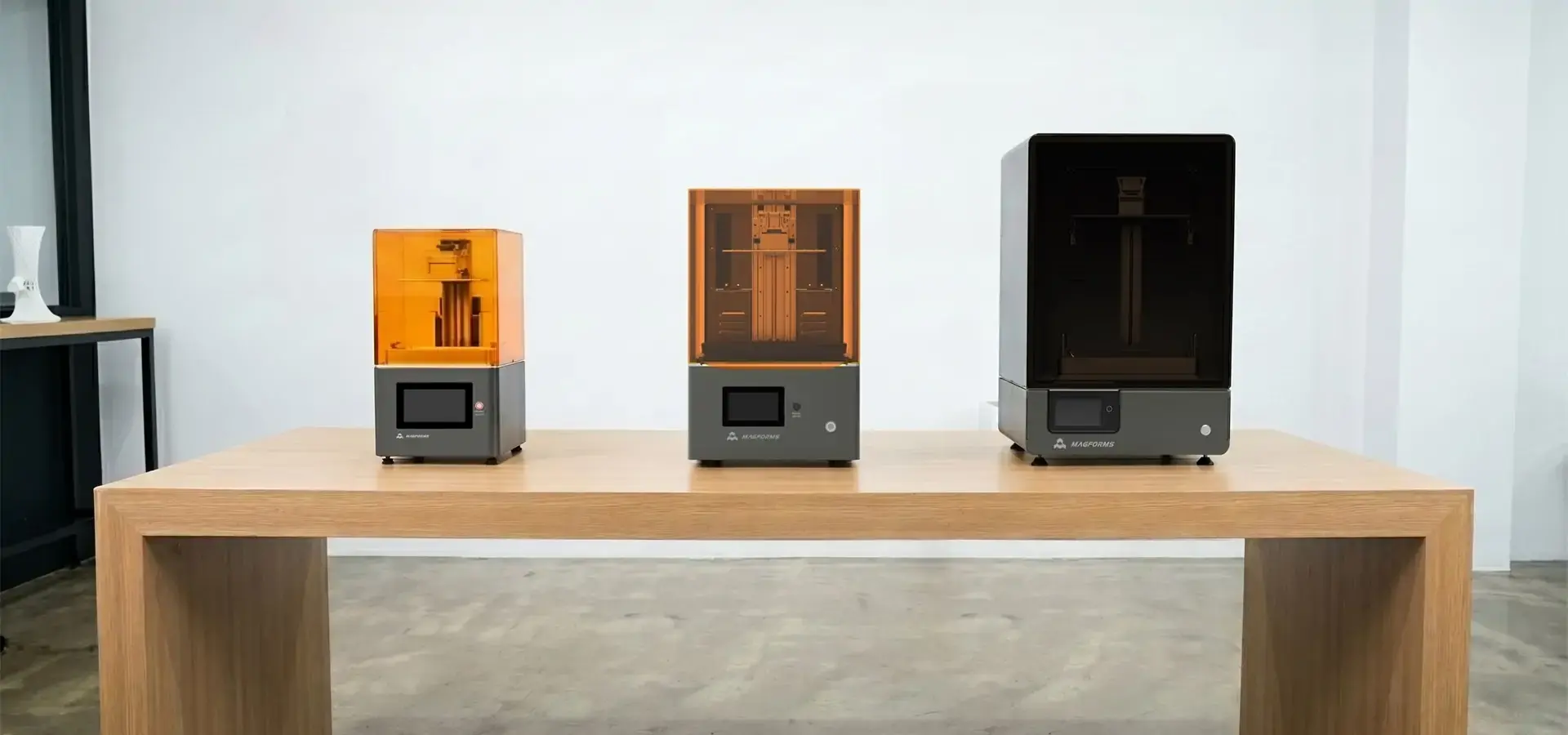
Vertical integration across the supply chain helps Chinese companies because they can handle everything from optical parts to motion control systems. Because of this integration, innovation processes are sped up. Now, many Chinese manufacturers introduce new product generations and feature upgrades at a relatively rapid pace, supported by highly integrated supply chains. Improvements in optical systems, motion control design, and slicing algorithms have contributed to higher printing efficiency and improved production throughput compared with earlier-generation systems. This has a direct effect on the output of service companies that are working on multiple client projects at the same time.
Comparing China Resin 3D Printers with Global Brands
Print Quality and Precision Metrics
A comparison of resolution specifications reveals a high degree of technical parity. High-end Chinese LCD resin printers commonly offer XY pixel sizes around 20–30 microns and support layer thickness settings as low as 10 microns, placing them in a similar technical range to many established global brands. When the exposure is calibrated correctly and the right material is chosen, the surface finish quality on complex shapes is about the same, which is important for tiny production and dental uses.
The difference shows up in how consistent it is over long production runs. Concerns about the quality control of Chinese manufacturing have gone down a lot since major makers started using IQC and FQC procedures. Optical integrity testing with UV meters checks for even light strength across nine build plate points. Z-axis alignment checks with dial indicators make sure the axes are straight and remove slack. These quality control practices help manufacturers maintain more consistent product quality and reduce batch-to-batch variation.
Technology Differentiation and Innovation
LCD duration is a clear example of a performance measure where Chinese companies do exceptionally well. Modern monochrome LCD screens typically provide service lives ranging from approximately 2,000 to 5,000 printing hours, significantly longer than earlier RGB LCD technologies. This component's reliability has a direct effect on business costs and production uptime, which is especially important for service providers who work multiple shifts.
Pricing and Total Cost Analysis
Entry-level Chinese units start at price points 60-70 percent below comparable Western alternatives, democratizing access for small design studios and startup service providers operating on constrained capital budgets. Mid-tier professional systems offering large format capabilities and enhanced material compatibility typically price 40-50 percent below American and European equivalents, delivering compelling ROI calculations for medium-scale manufacturers.
Total cost of ownership extends beyond purchase price. Maintenance accessibility favors Chinese systems through readily available spare parts—LCD screens, FEP films, mainboards—often warehoused regionally for international markets. Warranty coverage has standardized around 12-month terms with progressive manufacturers offering extended plans, while comprehensive technical documentation and online support resources have improved substantially over the past three years.
Reliability and Customer Confidence
Many reputable manufacturers perform extended operational testing and quality inspections before shipment to reduce the risk of component failures during deployment. This quality gate identifies motherboard and power supply failures before logistics, reducing DOA rates that previously undermined buyer confidence. The implementation of universal switching power supplies handling 110V-240V AC simplifies deployment across different regional electrical standards, eliminating voltage-related complications.
China resin 3D printer systems show comparable uptime percentages to established Japanese brands when proper maintenance protocols follow manufacturer guidelines. The key differentiator lies in after-sales responsiveness, where distributed service networks and English-language technical support have become competitive necessities for export-focused manufacturers.
Criteria for Choosing a China Resin 3D Printer for B2B Procurement
Technical Specification Alignment
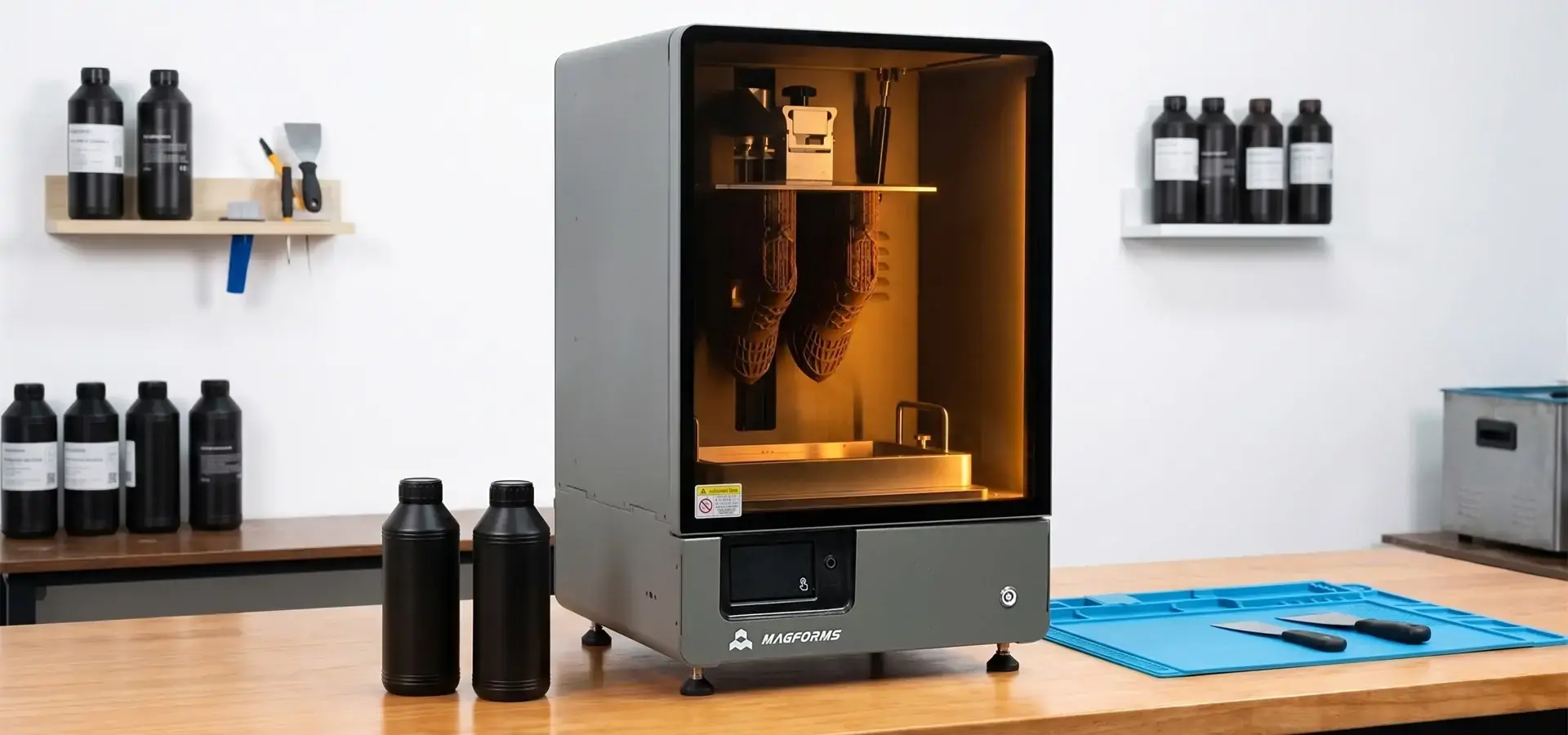
Procurement evaluation begins with matching build volume requirements to production needs. Automotive prototyping often demands larger format capabilities that Chinese manufacturers have addressed with large-format LCD systems offering substantial build volumes for dashboard component mockups and interior trim validation. Medical device developers prioritize micron-level accuracy for surgical guide production, requiring verification through sample test programs that validate dimensional consistency across anatomical geometries.
Material compatibility assessment extends beyond marketing claims to actual exposure setting flexibility. Engineering resins, bio-compatible formulations, and high-temperature materials each demand specific UV wavelength optimization—typically 405nm across most systems—but practical compatibility depends on exposure parameter flexibility, slicing profile optimization, and material validation by the manufacturer. The ability to develop custom material profiles represents a significant operational advantage for organizations working with proprietary resin formulations.
Supplier Verification and Risk Mitigation
Authorized dealer status verification protects against counterfeit hardware and ensures access to legitimate warranty services. International certification review should confirm CE, FCC, and RoHS compliance documentation, particularly important for medical and aerospace applications requiring regulatory traceability. After-sales service infrastructure evaluation includes response time commitments, spare parts availability, and technical training program access—capabilities that separate serious manufacturers from opportunistic exporters.
Quality control documentation requests should yield optical integrity test results, Z-axis linearity measurements, and LCD endurance data for specific serial number ranges. Reputable suppliers provide this transparency routinely, while reluctance indicates inadequate QC implementation. Bulk purchase negotiations should address MOQ requirements, lead time commitments, and logistics coordination for cross-border shipments, with particular attention to packaging standards that protect delicate optical components during international transit.
Operational Integration Considerations
Software ecosystem compatibility matters significantly. Most Chinese LCD resin printers support commonly used slicing formats such as CTB and other industry-standard file types, ensuring compatibility with popular software platforms including Chitubox and Lychee Slicer. This open architecture integrates smoothly with existing CAD workflows from Solidworks, Fusion 360, and similar design environments common in automotive and consumer electronics development.
Training requirements and operational learning curves affect deployment timelines. User-friendly interfaces and comprehensive English-language manuals reduce onboarding friction, while manufacturer-provided technical workshops accelerate proficiency development for production staff. The availability of application-specific parameter libraries—pre-configured settings for dental, jewelry, and engineering applications—shortens the optimization phase that typically delays full production deployment.
Trends and Innovations Driving China Resin 3D Printer Market
Smart Manufacturing Integration
AI-powered process monitoring represents the cutting edge of Chinese innovation. Some advanced industrial systems are beginning to integrate machine vision and process monitoring technologies that help detect printing anomalies and improve production reliability. This capability prevents material waste and reduces the supervision burden on operators managing multiple machines simultaneously, addressing a core pain point for service bureaus maximizing asset utilization.
IoT connectivity enables remote monitoring dashboards accessible via mobile devices, providing production managers visibility into job progress, resin levels, and machine status across distributed facilities. Predictive maintenance algorithms analyze motor current draw, temperature patterns, and operational hours to forecast component failures before they cause unplanned downtime—a sophisticated feature previously exclusive to premium industrial systems.
Sustainable Material Development
Eco-conscious resin formulations have emerged as a differentiation strategy. Bio-compatible photopolymers suitable for medical device prototyping now meet ISO 10993 biocompatibility standards, opening opportunities in surgical planning models and patient-specific implant development. Research into more sustainable photopolymer materials is ongoing, with manufacturers exploring lower-VOC formulations and improved material recycling strategies.
The regulatory environment increasingly favors sustainable manufacturing practices. Chinese manufacturers responded by developing low-VOC formulations and exploring waste reduction initiatives and improved material management practices, addressing environmental concerns that influence purchasing decisions among European and North American procurement teams committed to corporate sustainability mandates.
Market Expansion and Application Diversity
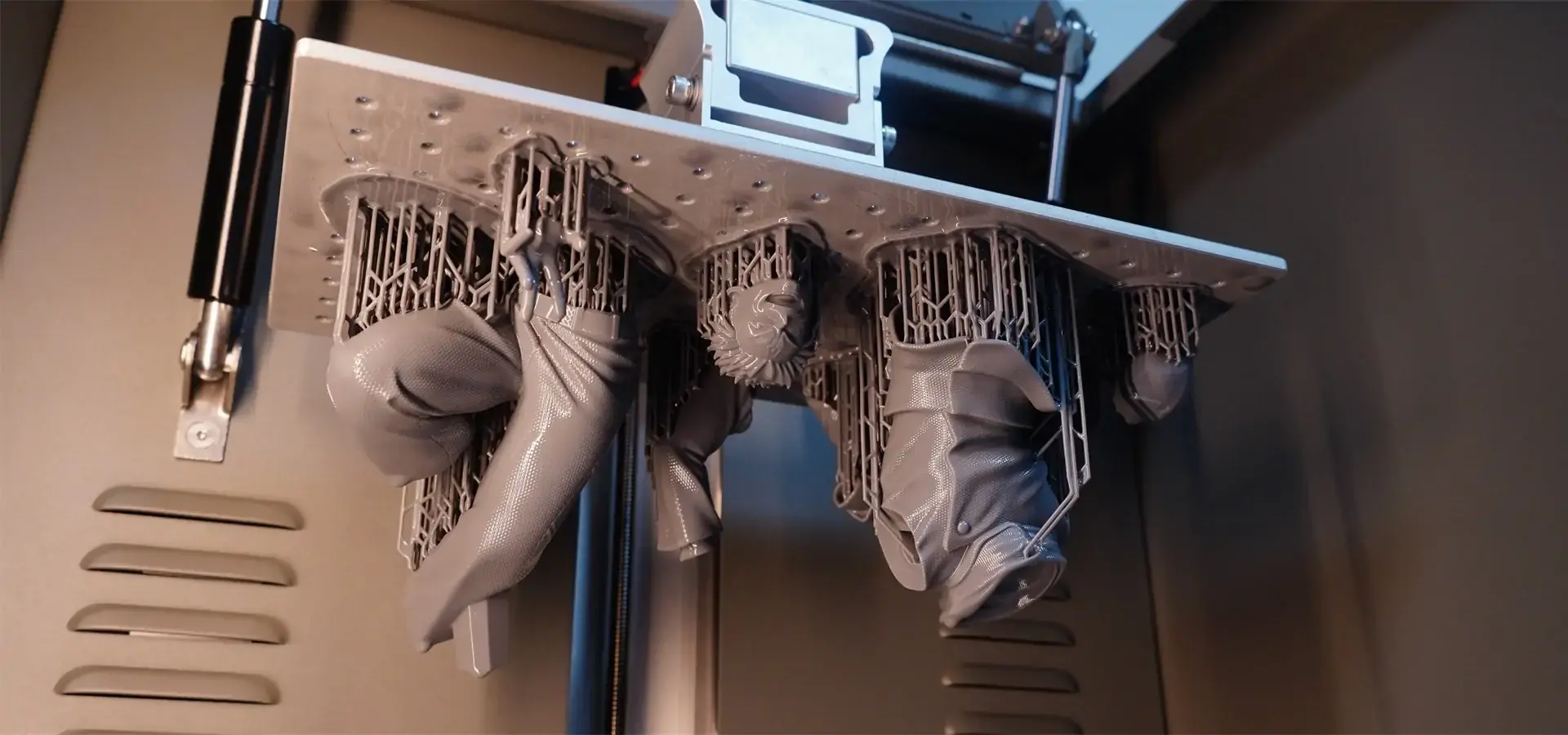
Cultural and creative industries have increasingly adopted China resin 3D printer technology for figurine production, collectibles, and artistic reproduction. The hobbyist segment drives volume sales that subsidize R&D investments benefiting industrial users through technology trickle-down effects. This market breadth creates ecosystem stability that supports long-term supplier viability—an important consideration when evaluating multi-year procurement partnerships.
Footwear prototyping represents an emerging application where Chinese manufacturers collaborated with athletic brands to develop shoe mold printing workflows. The ability to iterate sole designs rapidly using flexible resins shortened development cycles from months to weeks, demonstrating application-specific innovation that extends beyond traditional prototyping scenarios into specialized manufacturing support roles.
Maintenance, Troubleshooting, and Support for China Resin 3D Printers
Preventive Maintenance Protocols
Routine maintenance schedules directly impact reliability outcomes. Resin vat inspection should occur before each print session, checking FEP film clarity and tension to prevent adhesion failures. LCD screen cleaning using isopropyl alcohol and microfiber cloths removes cured resin residue that causes uneven light transmission, while build plate leveling verification every 50 print hours maintains first-layer adhesion consistency critical for high-aspect-ratio parts.
Component replacement intervals vary by usage intensity. FEP films typically require replacement every 30-50 print hours depending on part geometries and peeling forces involved. LCD screen lifespan monitoring through exposure test prints identifies diminishing UV output before it affects part quality. Linear rail cleaning prevent mechanical wear that introduces Z-axis artifacts, extending hardware longevity beyond initial warranty periods.
Common Issue Resolution
LCD faults manifest as unexposed areas or geometric distortions in printed parts. Diagnostic procedures involve running exposure test patterns to identify dead pixel clusters or uneven brightness zones, followed by screen replacement from spare parts inventory. Curing inconsistencies often trace to resin temperature variations, resolved through ambient temperature control or installation of vat heating accessories for temperature-sensitive engineering materials.
Layer adhesion problems typically result from incorrect exposure settings or contaminated release films. Systematic troubleshooting adjusts base layer exposure times, transition layer counts, and normal layer exposure durations based on resin manufacturer recommendations. Support structure optimization through slicer software parameter adjustment prevents part detachment during printing, particularly important for overhanging geometries in aerospace component validation.
After-Sales Support Effectiveness
Manufacturer support quality varies significantly across the Chinese supplier landscape. Premium providers offer 24-hour technical hotlines staffed by English-speaking engineers capable of remote diagnosis through video consultation. Comprehensive warranty programs cover parts and labor for 12-24 months, with expedited shipping for replacement components that minimizes production interruption.
Technical training programs distinguish serious manufacturers committed to customer success. On-site commissioning services ensure proper installation and initial calibration, while follow-up workshops teach advanced techniques for material profiling and application-specific optimization. Detailed user manuals with troubleshooting flowcharts and maintenance checklists enable operator self-sufficiency, reducing dependency on external support for routine issues.
Conclusion
The performance gap between Chinese photopolymer systems and established global brands has narrowed substantially through focused engineering investment and manufacturing sophistication. Modern units from reputable Chinese manufacturers deliver comparable precision, material versatility, and operational reliability at price points that fundamentally alter ROI calculations. Procurement decisions increasingly hinge on specific application requirements, supplier support capabilities, and total ownership costs rather than origin-based quality assumptions. Organizations willing to conduct thorough supplier evaluation and implement proper maintenance protocols discover compelling value propositions that accelerate innovation timelines while controlling capital expenditure.
FAQ
Do Chinese photopolymer systems meet international safety standards?
Reputable manufacturers obtain CE, FCC, and RoHS certifications for export models, ensuring compliance with electrical safety and electromagnetic compatibility requirements in North American and European markets. Medical and dental applications may require additional ISO 13485 quality management system certification, which leading Chinese suppliers maintain for biocompatible material compatibility.
How do print speeds compare between Chinese and Western brands?
Modern monochrome LCD technology can achieve short layer exposure times, often within a few seconds per layer depending on resin chemistry, layer thickness, and printer configuration, matching or exceeding speeds from premium global brands. Total print duration depends on part height, layer thickness settings, and lift/peel speeds, with advanced Chinese systems can achieve significantly higher productivity through optimized motion systems, release film technologies, and high-speed resin formulations—competitive with any manufacturer regardless of origin.
What factors determine operational lifespan?
LCD screen longevity—typically 2,000-3,000 hours for monochrome panels—represents the primary consumable component. Proper maintenance, including regular cleaning, appropriate resin selection, and environmental temperature control, extends mechanical system life beyond five years of continuous operation. Build quality in motion components and power supplies separates premium units from budget alternatives across all manufacturers.
Partner with Magforms for Advanced Resin Printing Solutions
Magforms stands as a trusted China resin 3D printer manufacturer with 22 patents and 30 registered trademarks supporting continuous innovation. Our integrated materials and equipment approach eliminates compatibility issues that plague mixed-vendor setups, delivering high productivity through optimized LCD optical systems, uniform light distribution, and carefully validated printing parameters. With micron-level accuracy validated across aerospace, dental, and automotive applications, our systems provide the stability your production demands. Our technical team offers comprehensive support from installation through advanced optimization, backed by years of industry expertise serving over 300 enterprises globally. Contact info@magforms.com to discuss your requirements and discover how our one-stop solution enhances efficiency while controlling costs.
References
1. Chen, W., & Liu, H. (2022). Comparative Analysis of Photopolymerization Technologies in Global Additive Manufacturing Markets. Journal of Industrial Engineering and Manufacturing, 18(3), 145-162.
2. European Additive Manufacturing Association. (2023). Global Market Report: Resin-Based 3D Printing Systems Performance Benchmarking Study. Brussels: EAMA Publications.
3. Nakamura, T., Schmidt, F., & Wong, K. (2021). Quality Control Protocols in International 3D Printer Manufacturing: A Cross-Continental Study. International Journal of Production Research, 59(12), 3678-3695.
4. Patel, R., & Anderson, M. (2023). Total Cost of Ownership Analysis for Industrial Stereolithography Systems. Manufacturing Technology Review, 41(2), 88-104.
5. Zhang, L., Müller, S., & Kim, J. (2022). Material Compatibility and Open Architecture Systems in Professional 3D Printing. Additive Manufacturing Technologies Quarterly, 15(4), 201-218.
6. Zhou, X., Thompson, D., & Rossi, A. (2023). Emerging Markets Impact on Global Photopolymer 3D Printing Innovation Cycles. Technology Innovation Management Review, 28(1), 56-73.

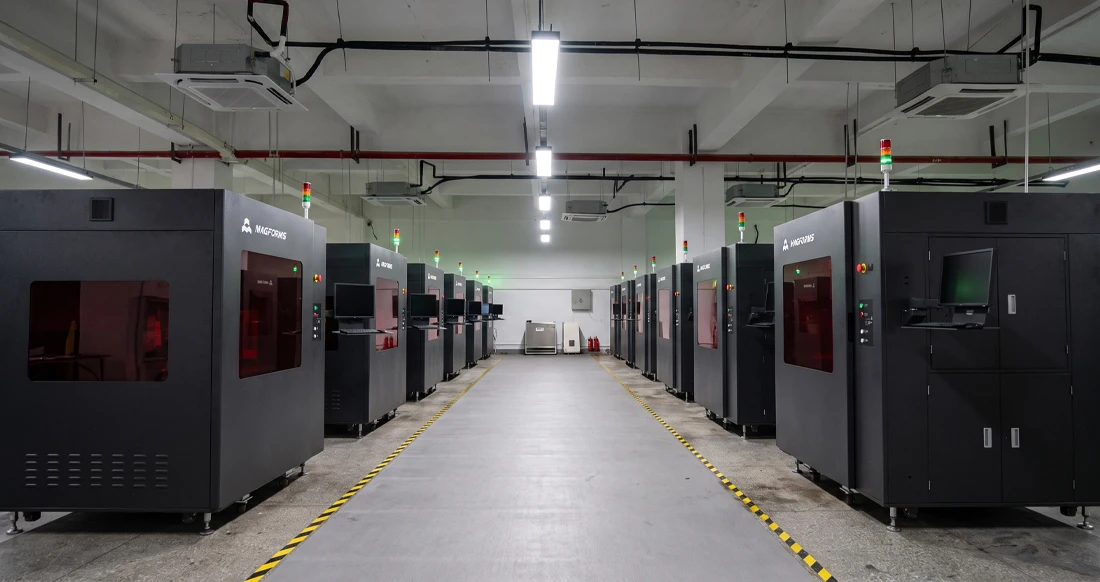
Magforms makes design and manufacture easier.
Popular Blogs
-
 Industry InsightsManufacturing Industry
FDM vs. SLA Printer: Which Technology Is Right for Your Project?
-
 Industry InsightsManufacturing Industry
Top 5 Applications of Industrial 3D Printers in Manufacturing Today
-
 Industry InsightsManufacturing Industry
Why Stereolithography 3D Printers Are Unmatched for Microfluidic Device Prototyping?