P7 Pro Desktop 3D Printer: Precision Manufacturing at Your Desk
When it comes to turning complex CAD designs into real, high-precision parts without having to leave your desk, the P7 Pro desktop 3d printer is the clear winner. This compact LCD-based resin 3D printer brings industrial-level accuracy to your desk. It's great for casting jewellery, making dental models, and producing detailed prototypes. Unlike big industrial printers, this desktop 3d printer is affordable and accurate to the micron level. It can produce results on par with DLP technology while fitting easily into small workshops, design studios, and school labs as a reliable desktop 3d printer.
Understanding the P7 Pro Desktop 3D Printer and Its Technology
The P7 Pro represents a significant leap in resin printing technology, specifically engineered to meet the demanding standards of professionals who can't compromise on detail or reliability.
Advanced Grayscale Adjustment Technology
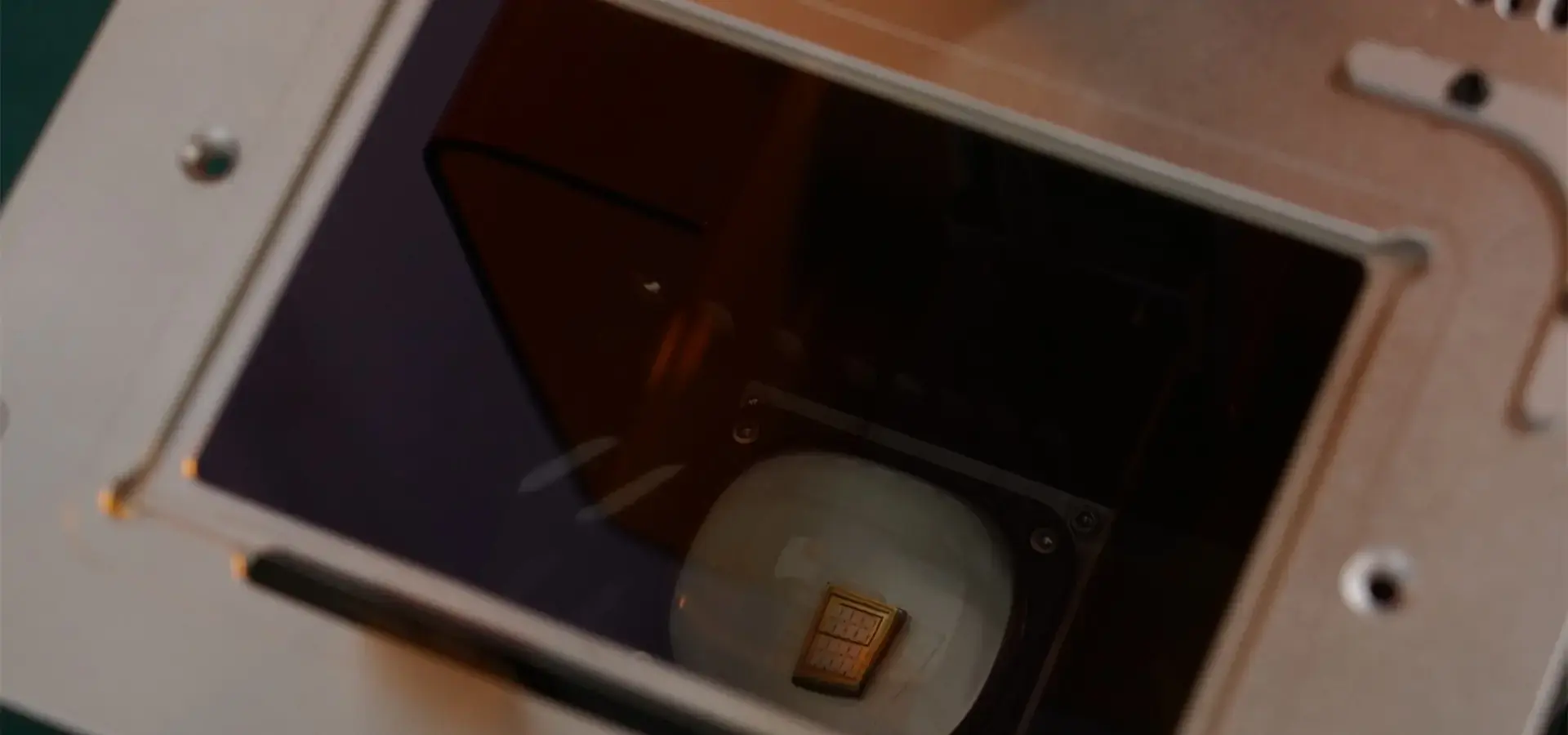
At its core, Imadjust, the P7 Pro's proprietary grayscale adjustment tool, fine-tunes light exposure to achieve an XY precision of 9 μm. With this level of accuracy, the printer can copy surface details like holes, patterns, and fine carvings that are usually only possible with more expensive DLP systems. The technology works by carefully changing the brightness of every pixel on the 6.8-inch 9K monochrome LCD screen, which features an ultra-high resolution of 8520 × 4320 pixels and a pixel size of 18 × 18 μm. This produces jewellery casting patterns that meet strict production standards and dental restorations with precisely fitting occlusal surfaces.
Intelligent Climate Control System
One problem that often comes up with resin printing equipment is that it is sensitive to changes in the environment, especially temperature fluctuations that can cause poor layer adhesion or complete print failure. The P7 Pro solves this problem with a smart heating system that maintains the build chamber at a constant 30℃, regardless of external temperature fluctuations. This function is very helpful in the winter or in places that don't have climate control because it keeps printing success rates high even when the temperature drops. The system prevents viscosity fluctuations that can cause layer separation, warping, or incomplete curing, which are issues that have previously been common with desktop resin printers.
Mechanical Precision and Stability
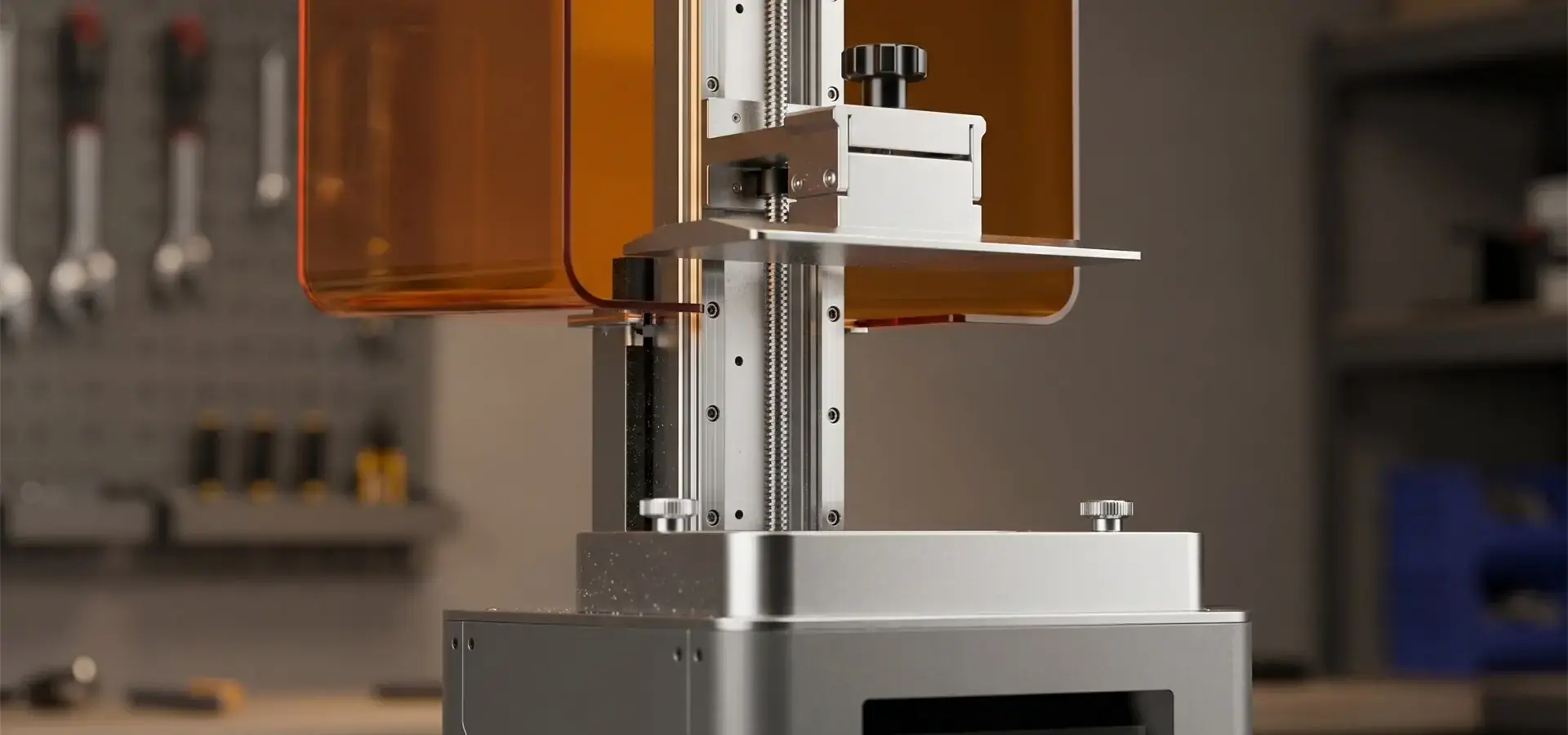
The printer's full-metal frame makes it very stable in all dimensions, and it eliminates the micro-vibrations that degrade print quality on plastic-bodied alternatives. The build platform is guided by P-grade industrial precision linear rails with minimal backlash. This keeps the accuracy within 0.02 mm across the whole 153.36 × 77.76 × 160 mm build volume. This level of mechanical rigour directly leads to repeatability, which is very important when making many similar parts for small-batch production or master moulds for making jewellery copies.
Comparing the P7 Pro with Other Desktop and Industrial 3D Printers
Selecting the right additive manufacturing solution requires understanding how different technologies and models stack up against your specific production needs.
Resin Printing Versus FDM Technology
Resin-based systems like the P7 Pro desktop 3D printer excel at producing highly detailed models with smooth surface finishes, whereas FDM (Fused Deposition Modelling) desktop units are typically used for functional thermoplastic prototypes and end-use parts. The P7 Pro focuses on superior surface finish and dimensional accuracy. FDM printers deposit layers of material through heated nozzles, leaving visible layer lines that often require post-processing. The P7 Pro can print layers as thin as 25µm, so it can make parts with smooth surfaces right off the build platform. This is important for jewellery models that don't need much finishing before they are cast.
Cost-Performance Analysis
Industrial DLP printers can have the same quality as the P7 Pro, but they cost three to five times as much, making them out of reach for small design studios and freelancers. Traditional desktop epoxy printers in the same price range often skimp on build quality or don't have temperature control, which makes the output less constant. The P7 Pro fills this gap by offering industrial-grade components, such as P-grade linear rails and a 9K LCD screen, at a desktop-accessible price point. This means that small and medium-sized businesses that need accurate measurements but don't want to spend a lot of money on capital can get it.
Operational Flexibility
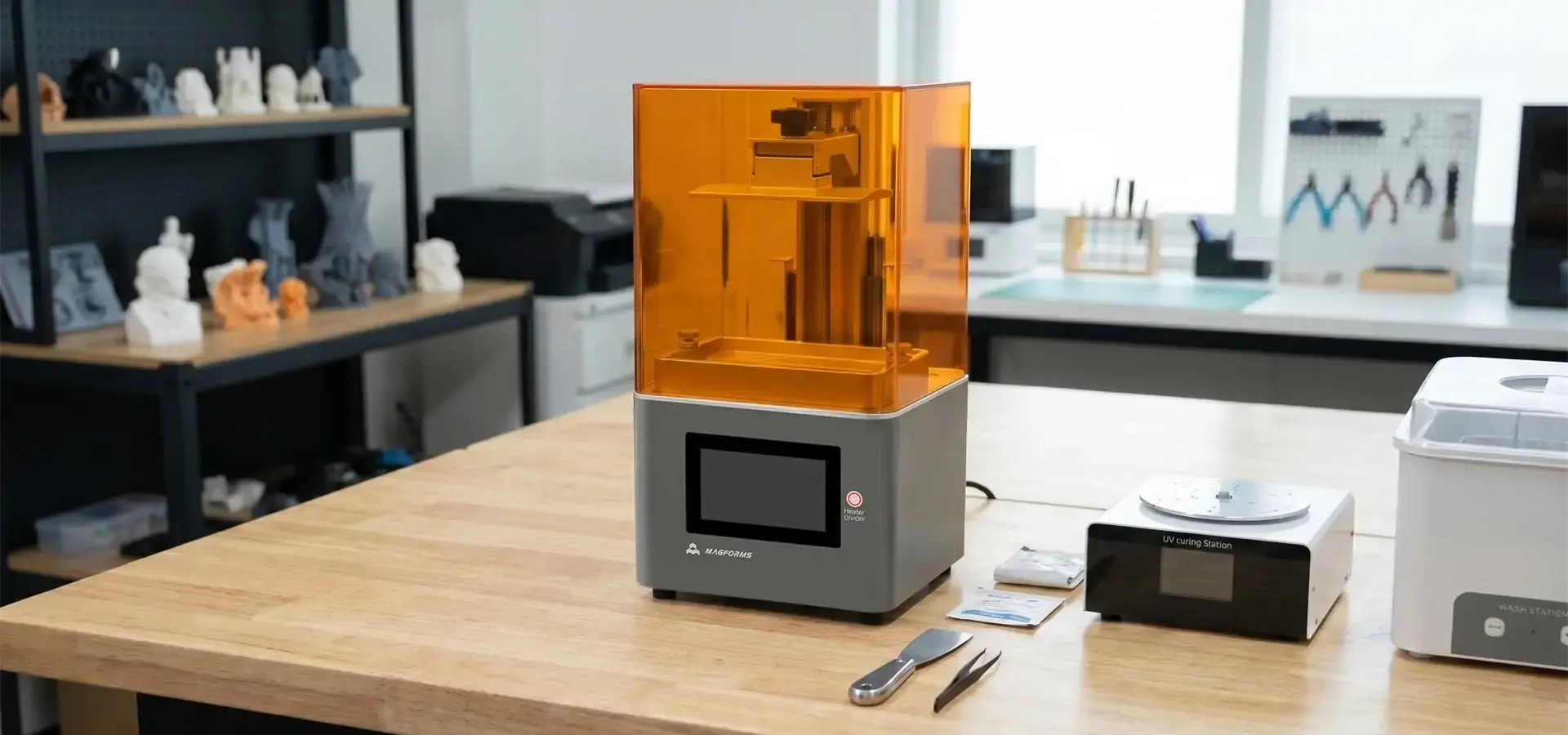
Many desktop units are limited to proprietary resins, which limits the materials you can use and raises the cost of ownership over time. The P7 Pro's 5-inch tablet display lets workers make real-time changes to the machine's parameters, which lets them find the best settings for a variety of third-party resins. The UV-resistant glass flip-up cover lets you see everything clearly while printing and prevents accidental exposure to ambient light that could cure the resin prematurely. This way, workers can keep an eye on things without messing up the photopolymerization process.
Key Considerations When Purchasing the P7 Pro Desktop 3D Printer
Procurement decisions extend beyond specifications; understanding total ownership costs and supplier reliability protects your investment.
Investment and Return Analysis
The P7 Pro is aimed at businesses that want to reduce outsourcing costs for prototyping and small-batch production. When jewellery makers make their own casting models, they don't have to wait for outside help or pay extra per piece. The printer has a high success rate, which cuts down on material loss, which is a big cost factor with specialty resins. When looking at prices, you should think about the big savings you can get through Magforms' official channels as well as the finance choices that let you spread out the original investment over several budget cycles.
Supplier Credentials and Support Infrastructure
Magforms protects the P7 Pro with 22 patents and 30 registered trademarks, showing a strong intellectual property base that allows for ongoing product development and stops people from copying the design. Because they do business with over 300 companies in dozens of countries around the world, you can be sure that parts will always be available and that expert help will be quick to respond. When you buy from authorised sources, you can be sure that you are getting real parts and that you can access Magforms' technical training programs, which have helped technology transfer efforts along the Belt and Road.
After-Sales Service and Warranty Coverage
Comprehensive service agreements should cover more than just hardware failures. They should also cover software changes that add features and make printing better. Confirm the availability of consumable parts, including FEP release films, LCD screens, and linear rail components. When the printer becomes an important part of your production process, being able to quickly get parts locally or through efficient shipping routes is very important to keep downtime to a minimum. As part of technical support, you should be able to get help fixing print errors, getting help with calibration, and finding the best parameters for new resin formulations.
Maximising P7 Pro Performance: Maintenance and Troubleshooting
Consistent maintenance practices extend equipment lifespan and preserve the micron-level accuracy that justifies the investment.
Routine Maintenance Schedule
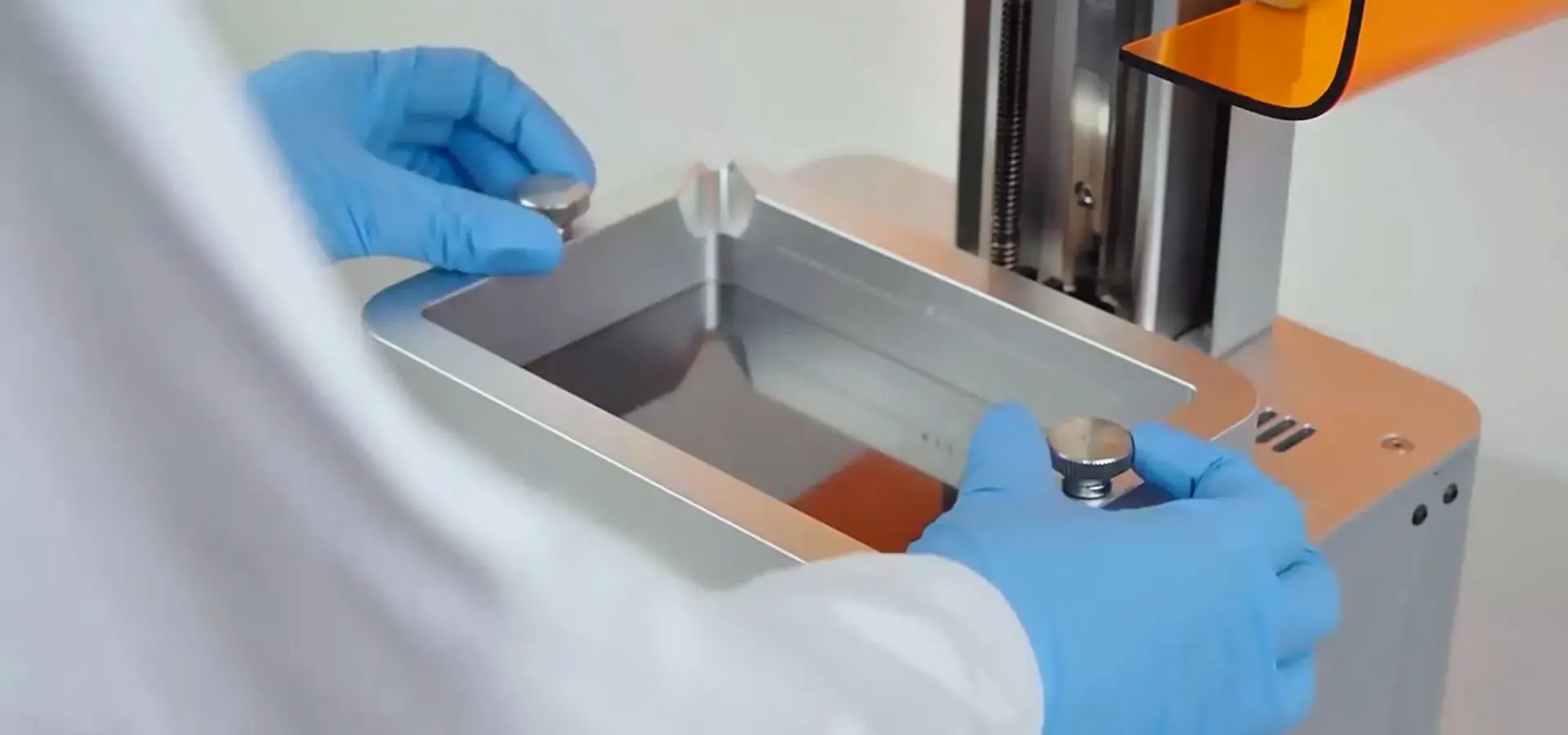
As part of your weekly tasks for a desktop 3D printer, you should clean the surface of the LCD screen with isopropyl alcohol to get rid of the resin dust that causes cure shadows. You should also check the FEP film for cloudiness or holes, and verify that the build platform is properly leveled. PTFE-based lubricants should be used once a month to keep the Z-axis lead screw and linear rails from sticking and to make sure smooth motion. Every 500 hours of printing, you need to recalibrate the exposure settings using test grids to account for LCD damage, which causes cure times to increase over time.
Common Issues and Solutions
Most of the time, print breakdowns are caused by poor support systems instead of technical issues. If parts come apart during the print process, make the support denser in the overhang areas and ensure the resin temperature remains stable. Layer lines or uneven drying are usually signs of contaminated resin. Filter the resin regularly to remove any partially cured particles. If the smart heating system doesn't get to 30℃, check the connections between the chamber temperature sensors and the heating elements before calling technical help.
Professional Support Escalation
Magforms' expert team helps with problems that can't be resolved by standard troubleshooting, like when LCD uniformity decreases, linear rail alignment issues arise, or software conflicts happen. Keeping track of print factors, resin batch numbers, and ambient conditions helps the troubleshooting process go faster. Their years of experience in the field mean that the support staff knows how to deal with problems that are unique to each application, whether you're making dental surgery guides or detailed filigree jewellery parts.
Future Trends in Desktop 3D Printing and How the P7 Pro Stays Ahead
Additive manufacturing technology continues evolving rapidly, driven by materials science breakthroughs and Industry 4.0 integration.
Multi-Material and Speed Advancements
Next-generation printers will be faster and be able to work with more than one material, so qualities can change within a single part. As faster-curing resins become available, the P7 Pro can receive firmware updates to optimize exposure strategies and take full advantage of new material properties. With its smart parameter adjustment, users can already move between standard, flexible, and castable resins without having to change any hardware.
Industry 4.0 Connectivity
Smart factory integration for a desktop 3d printer demands equipment that communicates with production management systems. While the current P7 Pro focuses on standalone operation optimised for small workshops, its customizable UI and software architecture position it for future connectivity upgrades. Real-time monitoring and remote parameter adjustment capabilities align with trends toward distributed manufacturing, where production capacity scales by networking multiple compact units rather than investing in single large machines.
Sustainability and Material Innovation
The printing industry increasingly prioritises recyclable resins and energy-efficient curing processes. Magforms' integrated approach—developing both printers and compatible materials—accelerates adoption of bio-based photopolymers and low-energy curing formulations. This vertical integration eliminates compatibility uncertainties that slow innovation when equipment manufacturers and resin suppliers operate independently.
Conclusion
The P7 Pro desktop 3d printer delivers industrial precision in a workspace-friendly package, making micron-level accuracy accessible to jewellery workshops, dental labs, and design studios. Its proprietary grayscale adjustment achieves 9μm resolution, while intelligent temperature control ensures consistent results regardless of environmental conditions. By combining P-grade mechanical components with a 9K monochrome screen and flexible resin compatibility, the system addresses core pain points—inconsistent quality, material lock-in, and environmental sensitivity—that have limited desktop resin printing adoption. Magforms' global support infrastructure and continuous innovation through patents and technical training programs position the P7 Pro as a reliable partner for businesses transitioning precision manufacturing to their own facilities.
FAQ
What industries benefit most from the P7 Pro's precision capabilities?
The printer excels in applications requiring fine detail reproduction. Jewellery manufacturers use it for casting patterns with intricate engravings and stone settings. Dental laboratories produce orthodontic models and surgical guide prototypes. Design studios create presentation models for consumer electronics where surface finish influences client decisions. Educational institutions leverage its combination of professional results and manageable footprint for teaching additive manufacturing principles without industrial facility requirements.
How does the P7 Pro compare to other desktop resin printers in its category?
Standard desktop resin printers typically offer 50μm XY resolution and lack active temperature management. The P7 Pro's 9μm resolution through grayscale optimisation and 30℃ chamber control place it closer to industrial DLP systems in output quality while maintaining desktop affordability and footprint. The full-metal construction and P-grade linear rails provide stability usually found in machines costing significantly more.
What warranty and support options are available for bulk purchases?
Magforms offers customised service agreements for enterprise buyers, including extended warranties covering consumable components like LCD screens and accelerated replacement part shipping. Bulk purchasers access volume pricing and dedicated technical account management. Training packages help teams optimise workflows for specific applications, reducing the learning curve when deploying multiple units across facilities.
Partner with Magforms for Your Desktop 3D Printer Needs
Magforms delivers more than equipment—we provide integrated additive manufacturing solutions optimised through years of materials and hardware co-development. As an established desktop 3d printer manufacturer with 22 patents and a global customer base exceeding 300 enterprises, we understand the precision demands of jewellery casting, dental applications, and detailed prototyping. Our P7 Pro combines 9μm resolution, intelligent climate control, and industrial-grade mechanics at a desktop price point, backed by comprehensive technical support. Contact our team at info@magforms.com to discuss bulk procurement advantages, application-specific parameter optimisation, and how our desktop 3d printer for sale can eliminate outsourcing bottlenecks in your production workflow.
References
1. Gibson, I., Rosen, D., & Stucker, B. (2021). Additive Manufacturing Technologies: 3D Printing, Rapid Prototyping, and Direct Digital Manufacturing. Springer.
2. Quan, H., Zhang, T., Xu, H., Luo, S., Nie, J., & Zhu, X. (2020). Photo-curing 3D printing technique and its challenges. Bioactive Materials, 5(1), 110-115.
3. Stansbury, J. W., & Idacavage, M. J. (2016). 3D printing with polymers: Challenges among expanding options and opportunities. Dental Materials, 32(1), 54-64.
4. Ngo, T. D., Kashani, A., Imbalzano, G., Nguyen, K. T., & Hui, D. (2018). Additive manufacturing: A review of 3D printing processes, rapid tooling, and cost-optimised production. Composites Part B: Engineering, 143, 172-196.
5. Bourell, D., Kruth, J. P., Leu, M., Levy, G., Rosen, D., Beese, A. M., & Clare, A. (2017). Materials for additive manufacturing. CIRP Annals, 66(2), 659-681.
6. Bagheri, A., & Jin, J. (2019). Photopolymerization in 3D printing. ACS Applied Polymer Materials, 1(4), 593-611.

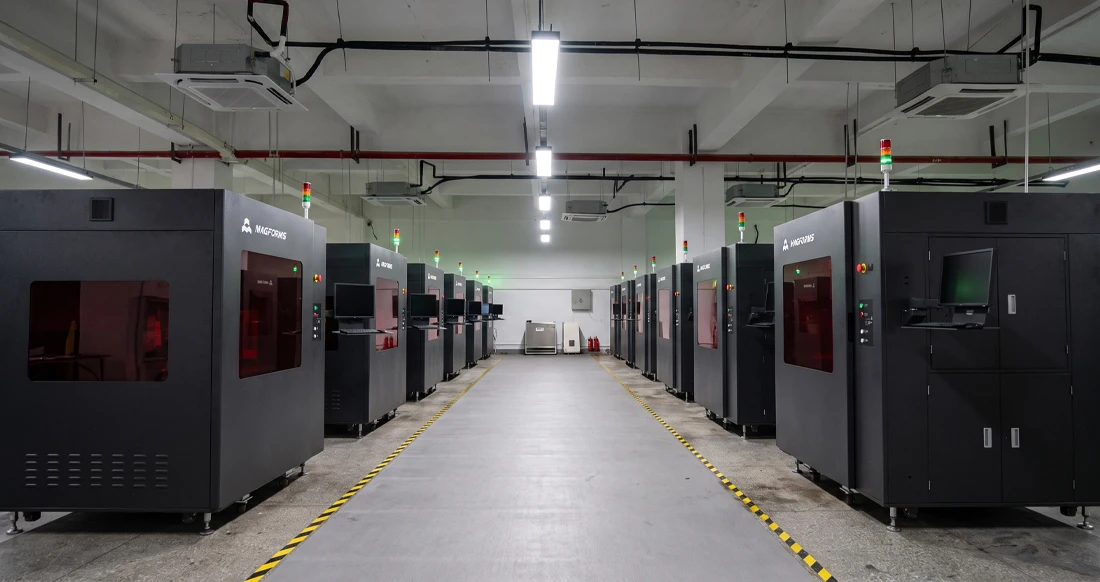
Magforms makes design and manufacture easier.
Popular Blogs
-
 Industry InsightsManufacturing Industry
FDM vs. SLA Printer: Which Technology Is Right for Your Project?
-
 Industry InsightsManufacturing Industry
Top 5 Applications of Industrial 3D Printers in Manufacturing Today
-
 Industry InsightsManufacturing Industry
Why Stereolithography 3D Printers Are Unmatched for Microfluidic Device Prototyping?