How Does an Industrial SLA 3D Printer Achieve Ultra-High Precision?
Through the coordinated use of regulated laser optics, high-precision galvanometer scanning systems, and servo-controlled platform moves, industrial SLA 3D printers achieve extremely high precision. These systems fix liquid photopolymer resin layer by layer with positioning accuracy of ±8 micrometers using laser beams that are very focused (usually at a wavelength of 355nm). German Scanlab galvanometers, AOC lasers, and Panasonic servo motors work together to make sure that every sealed layer stays within very tight size limits. Also, modern resin chemicals keep shrinkage to a minimum. This combination of technologies makes it possible for industrial stereolithography systems to provide the micron-level accuracy needed for medical devices, aerospace parts, and working prototypes in tough factory settings.
Understanding Ultra-High Precision in SLA Technology
When buying teams look at additive manufacturing options, it's important to know what "precision" really means. In stereolithography, precision means that the machine can copy a CAD shape with little change along the X, Y, and Z directions. Resolution, which is measured in microns, shows the tiniest detail that the machine can correctly copy.
👉 What is SLA 3D printing technology
Defining Precision and Resolution Standards
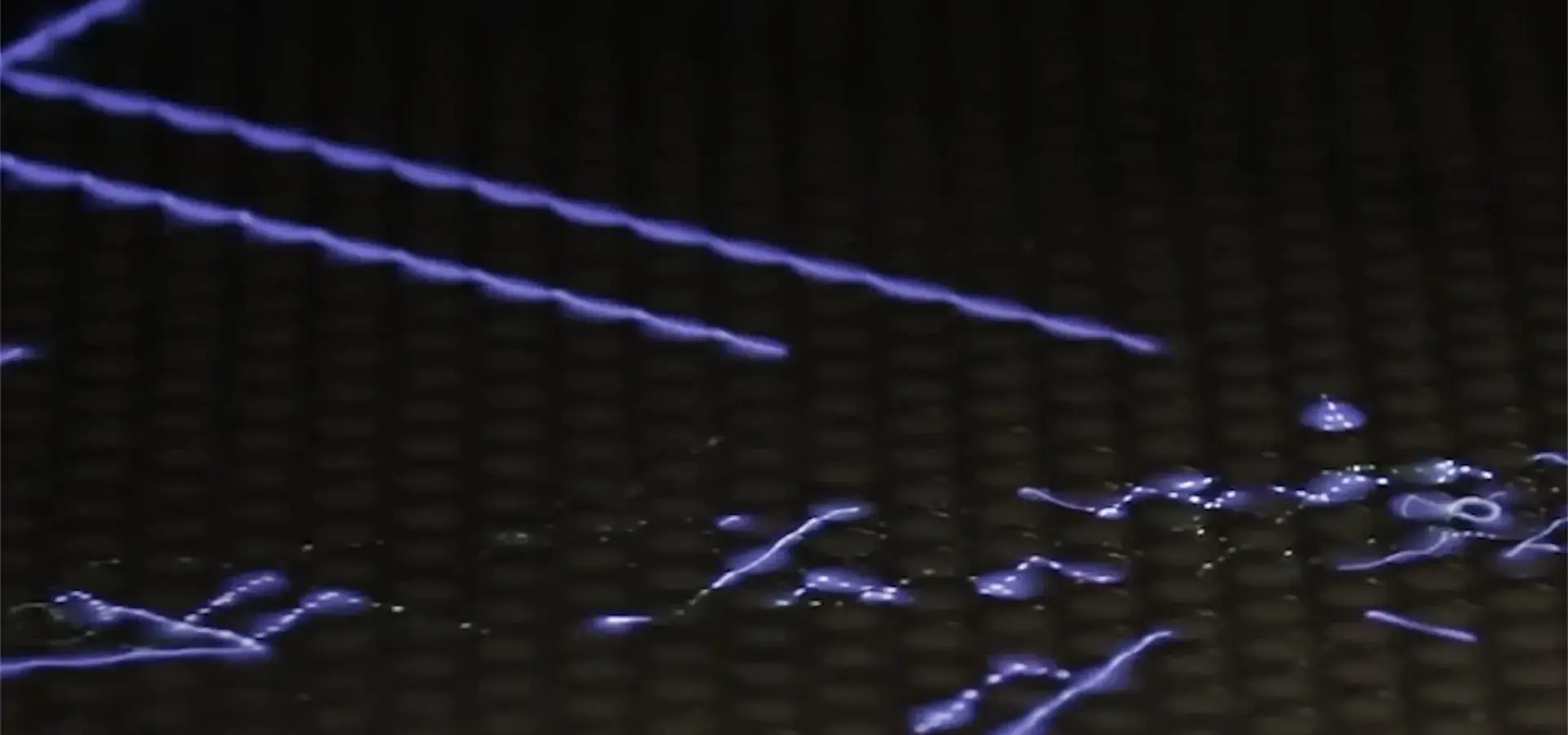
Layer thicknesses of 50 to 100 microns are common for industrial-grade systems, while XY optical spot sizes or effective resolution typically range from approximately 25 to 100 microns depending on optical configuration and system class. This ability comes from three main factors: laser spot quality, recoating accuracy, and thermal stability. A laser spot that is exactly round makes sure that the energy is spread out evenly during polymerization. This stops physical drift that could affect the accuracy of the part. When you combine the German Scanlab galvanometer with AOC laser technology, the spot circularity stays the same across the whole build platform. This is an important feature for making complex shapes accurately.
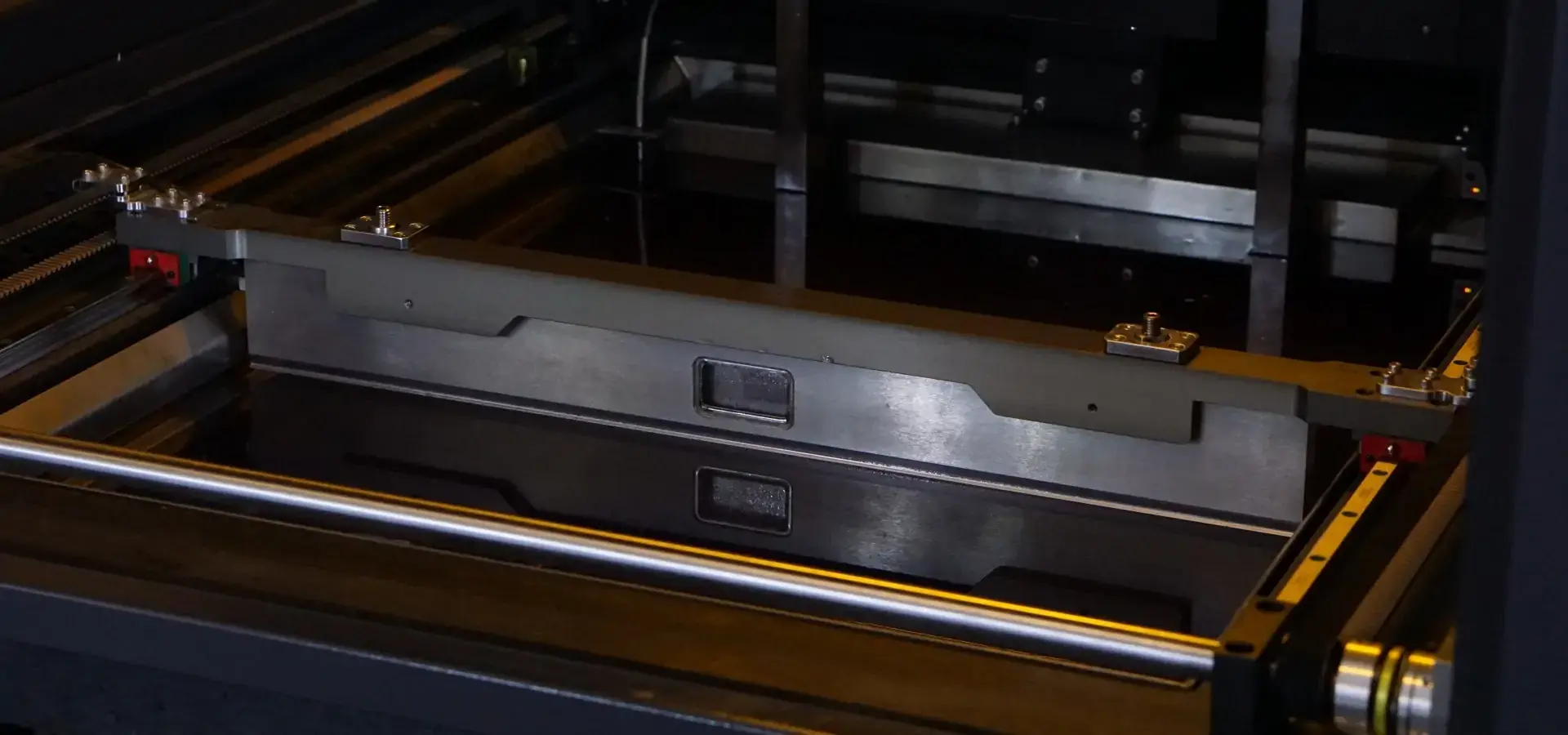
Positioning the platform is another important part of accuracy. High-end servo-driven Z-axis systems can achieve positioning repeatability in the range of approximately ±5–10 μm, ensuring consistent layer-to-layer vertical movement. With layer thickness control accuracy typically within ±0.02–0.05 mm, the resin surface leveling system helps ensure consistent layer formation before laser exposure. With flatness control typically within tens of microns (e.g., ≤0.02–0.05 mm depending on machine size), the recoating platform ensures even resin distribution without visible streaks or gaps.
Environmental Control and Stability Factors
Changes in temperature cause changes in the thickness of the glue, which affects how it flows and how it cures. Built-in temperature control systems fix this problem by keeping the resin's flow at its best, no matter what the outside temperature is. This feature stops print failures caused by too thick a material in the winter or in places without temperature control. The metal enclosure walls that are 2 mm thick and the low-expansion marble platform base give the structure rigidity that stops shaking and heat expansion during long print runs.
Consumer-grade resin printers generally do not include these industrial-grade stability systems. Their smaller frames and consumer-grade motion components cause variations during multi-hour builds, which leads to layers not being aligned correctly and measurements not being accurate. Industrial systems are the only ones that can provide the 24/7 operating stability that manufacturing settings need. This is made possible by careful component selection and engineering.
The Printing Process: Precision at Every Stage
Stereolithography makes parts by covering them with resin, scanning them with a laser, and lowering the base over and over again. For the total accuracy to stay the same across hundreds or thousands of layers, each turn must run like a clock.
Layer-by-Layer Curing Mechanics
The build base of the industrial SLA 3D printer starts one layer below the top of the resin. As the recoater blade moves across, it flattens the liquid into a smooth film. Then, German Scanlab galvanometers guide the laser beam along pre-set paths at high scanning speeds (often reaching several meters per second), curing resin precisely according to the sliced cross-section. When the drying process is done, Panasonic servo motors lower the base by exactly one layer, and the process starts all over again.
Speed and detail are both improved by variable laser spot technology, which allows optimization between throughput and precision. For large infill areas, a larger spot (approximately 0.3–0.6 mm depending on system design) is used to accelerate curing, while finer features such as perimeters and supports may use a smaller spot size (around 0.1–0.2 mm in optimized configurations). This lets you reproduce fine details like thin walls, sharp corners, and complex surface textures. This dynamic change makes build times 30–50% faster than with fixed-spot systems while keeping the quality of the details.
Critical Enabling Technologies
Modern resin mixes reduce the amount of volume loss that happens during polymerization. This lowers the forces inside the resin that cause it to bend. Magforms engineers, who are experts in 3D printing materials, program toolpaths that spread thermal energy widely and stop any one area from getting too hot. During laser scans, they take stress release patterns into account. Advanced software may analyze build data and refine scan parameters over time to improve consistency and reduce deviation in future prints.
During every build, real-time monitoring systems track laser power output and galvanometer positioning to ensure process stability. If deviations happen, the system fixes them right away, before more problems happen. HIWIN (Taiwan) makes high-quality linear guides and lead screws that keep Z-axis moves stable during tall builds. This stops layer changes that ruin parts of hours of production.
A company that makes aircraft parts needed sample turbine blade mounts with cooling channels inside that were only 1.2 mm wide. Consumer-grade printers experienced print failures or dimensional deviations that exceeded acceptable tolerances. When the team switched to an industrial SLA system with micro-spot capability and precise motion control, they were able to make prints with channel diameters that were within the required range of ±0.05 mm. Functional flow testing proved that performance matched CFD models. This reduced design validation time significantly and helped avoid premature tooling investment, saving both time and prototyping costs.
Technical Innovations Elevating Precision Standards
The difference between old and new stereolithography systems is due to many years of improvements in software and hardware. When SLA technology first came out in the 1980s, it didn't have access to or couldn't afford to use certain technologies.
Calibrated Laser Optics and Motion Control
Print uniformity is directly related to the quality of the laser. AOC lasers give off very stable light that meets the needs of constant industrial production. Power changes during multi-hour builds would make it so that different parts had different curing levels and mechanical properties. Stable laser performance makes sure that each layer gets the same amount of energy, which makes isotropic parts with known strengths.
Calibration of the galvanometer needs the same amount of care. During complex builds, these mirror-based beam steering systems have to keep their positions accurate through millions of changes in direction. German Scanlab galvanometers are this reliable because they have closed-loop position tracking and precise bearings. The method gets rid of stair-stepping artifacts on angled surfaces when used with advanced slicing software that has built-in grayscale processing techniques. This lets you get smooth finishes without having to do a lot of work by hand afterward.
Sophisticated Software and Maintenance Requirements
Magforms' iBuild 2.0 software provides a streamlined interface for build management and remote monitoring across supported devices. Operators can keep an eye on builds from afar, change settings between levels, and get alerts if they need to step in. The platform maintains stable performance during large file processing and multi-part nesting workflows.
To keep micron-level accuracy, testing plans need to be followed all the time. At the times suggested by the maker, the platform's level should be checked, the laser power should be tested, and the recoater blade should be inspected. Build platform flatness tolerances typically range from 0.02 mm to 0.05 mm for high-precision systems, depending on machine size and design. Poor welding on competing platforms causes support separation problems that put whole builds at risk.
In work settings, professional service agreements give people peace of mind. Magforms has a large, well-trained team of people who help customers after the sale. They answer questions within 24 hours, so there isn't any long downtime that affects production plans. This support system is very important when the equipment is used as a production bottleneck instead of a tool for testing.
Selecting the Right System for Precision Requirements
When making choices about purchases, you have to weigh technical requirements against business needs and spending limits. Not every application needs the tightest standards, but knowing what the limits of your capabilities are will help you expand in the future.
Essential Evaluation Criteria
Instead of marketing claims, accuracy standards should be based on what the part actually needs to do in the real world. Look for promises of ±0.1 mm accuracy on parts that are 100 mm or less. Larger parts need scale factors, which are usually ±0.1% of the linear length. Ask for sample prints using your own CAD files and use standardized tools, such as coordinate measuring machines, to check the results to see if the seller is telling the truth.
Another important factor is material suitability. Testing unique formulas for specific uses is possible with open plastic systems that don't have proprietary locks. Magforms systems work with most 355 nm resins that are sold around the world. This means that you don't have to stick with one seller, which drives up the cost of consumables and stops process growth. Being able to test new materials in-house speeds up the growth process and makes companies less reliant on outside sources.
Vendor Comparison and Support Infrastructure
Leading companies like 3D Systems, Formlabs, and Prodways each offer unique benefits for industrial SLA 3D printer selection. Established names usually come with large libraries of materials and a history of being reliable, but they usually charge more. Through strategic component buying, new providers may be able to offer better cost-performance rates while still meeting the same technical requirements.
This method is used by Magforms, which uses well-known parts from around the world, such as AOC lasers, German Scanlab galvanometers, Panasonic servo motors, Schneider electrical parts, and Philips UV-blocking lights. This careful choice guarantees stable operation with low failure rates, which can achieve comparable reliability to higher-priced systems when properly configured and maintained. The company has 22 patents and 30 filed logos, which shows that it is really innovative and not just putting together parts.
Check the warranty coverage and the ease of entry to the repair network. When production plans slip and customer promises are broken, equipment failure costs more than just the cost of repairs. Authorized service techs who carry parts and have been trained by the maker can fix problems faster than general repair providers. Magforms has offices in dozens of countries around the world to make sure that foreign operations can get local help.
Flexible choices for buying things help with budgeting. Leasing plans lower the amount of money you need to pay up front and give you ways to upgrade as technology improves. When service companies or manufacturers set up multiple systems across multiple facilities, bulk purchasing deals help them save money. These deals usually include training programs that help operators get better faster and make the best use of the tools.
👉 Industrial SLA 3D Printer categories and system types
Applications Across Precision-Demanding Industries
Ultra-high precision stereolithography is used in fields where accuracy in dimensions has a direct effect on usefulness, safety, or following the rules. These uses show why many producers won't settle for anything less than micron-level control.
Aerospace and Automotive Engineering
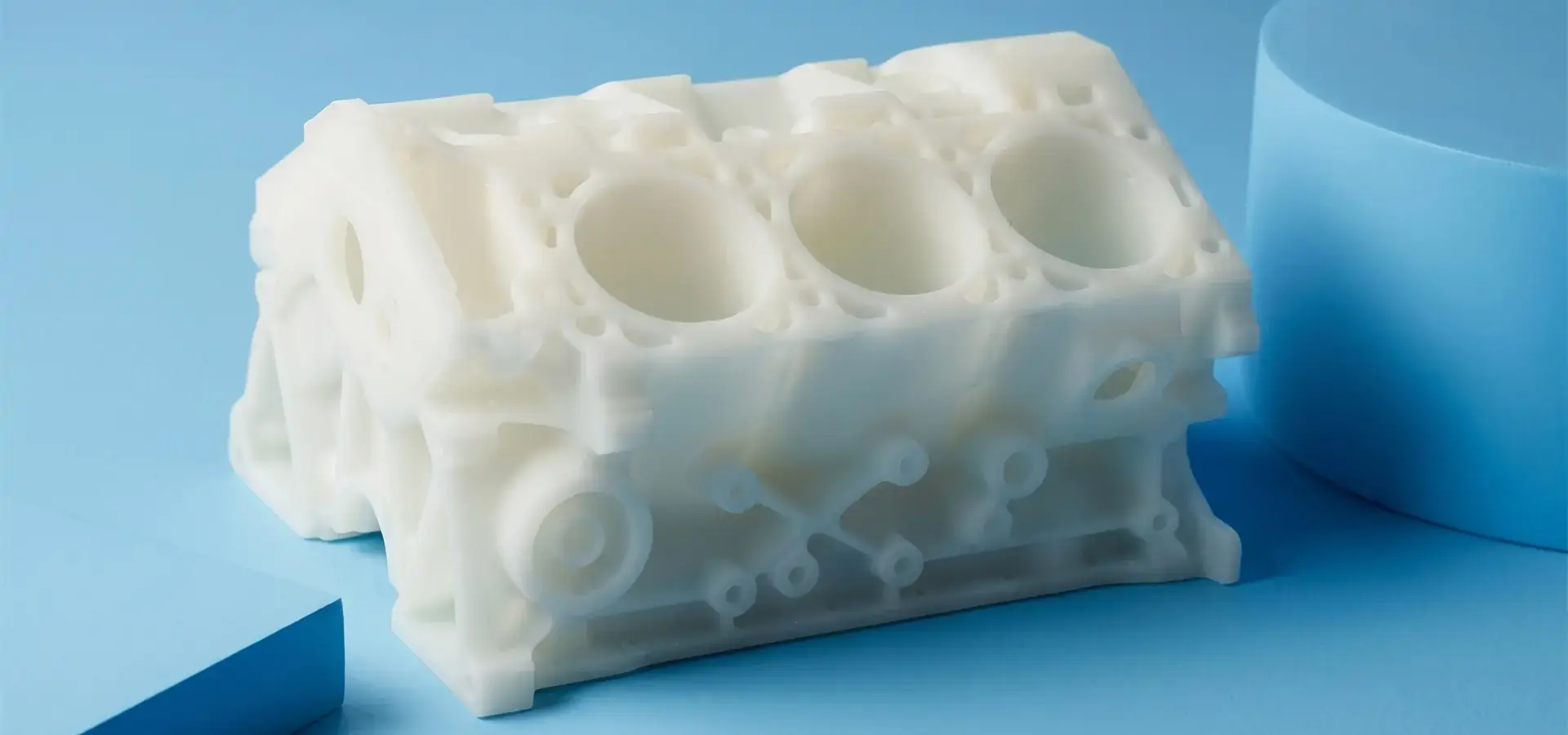
Extreme working conditions and safety-critical tasks mean that aerospace parts can only move a small amount. For fit and performance tests, small precision connectors, mounting brackets, and airflow evaluation models need to be made with an exact geometry replica. Because these parts can be made quickly, engineers can try out different ideas before investing in expensive casting or tooling methods.
Automotive companies use precise prototyping to make customizable inner parts and build special vehicles. Using working samples that exactly match the final production parts, a specialty car designer can check the ergonomics of the dashboard, make sure that trim pieces fit properly, and look at small aesthetic details. This feature cuts down development times from months to weeks, which speeds up the release of limited-edition models on the market when the economics of standard tooling don't support the investment.
Medical and Dental Customization
Every year, dental labs make thousands of orthodontic models that are used to make clear aligners. Each model has to exactly match the patient's teeth as seen on intraoral scanning. Dimensional mistakes directly lead to aligners that don't fit right, which means treatment plans fail and expensive remakes are needed. Magforms systems offer the best performance for printing with clear resin, which guarantees uniform clarity and accuracy across large production runs.
Making surgical guides requires the same level of accuracy. During surgical or implant treatments, guides hold drill bits or other cutting tools at certain angles and depths. Deviations of even one millimeter hurt the results of surgery. Biocompatible resin choices and micron-level accuracy make it possible for medical device makers to make these important tools with confidence that they will meet regulatory requirements and work well in the clinic.
Consumer Electronics and Product Design
Consumer gadgets have short development cycles, which means that designs need to be changed and prototypes need to be made all the time. By making a working sample of a smartphone case with exact button cutouts, camera holes, and connector access using an industrial SLA 3D printer, designers can test the case's ergonomics and assembly before finishing the specs. Grayscale processing methods make surfaces smooth, which cuts down on post-processing time and lets you paint or add texture right away for focus group testing.
Detailed surface recreation is especially helpful for making wearable tech. Surfaces that come into contact with skin need to be smooth and free of layer lines that could be painful. To test assembly ideas, snap-fit features and clip devices must work properly. Advanced industrial systems use variable spot technology to meet both of these needs at the same time: fine detail where it's needed and fast filling where large material is most common.
Emerging Technology Trends
Adding artificial intelligence is the next big step toward accuracy. A lot of finished builds are looked at by machine learning algorithms, which find small links between process factors and product quality. These systems change the laser power, scan speed, and timing of coatings automatically to get the best results for certain shapes or materials. This saves time that would have been spent trying different settings and seeing what works best.
As new glue chemicals come out, their uses keep growing. Functional testing under thermal loads is possible with high-temperature mixtures that have heat deflection temperatures above 200°C. Shore hardnesses that range from 30A to 95A range of flexible materials can be used to make rubber parts like gaskets, seals, and sound dampeners. Through sintering post-processes, ceramic-filled composites make it possible to make high-hardness parts indirectly.
In hybrid production methods, both adding and taking away parts are done in the same system. A part could be printed with extra material, and then go through automatic CNC machining to get important measurements that are too big for stereolithography to handle. This method uses the best features of both technologies—additive for complicated shapes and subtractive for close tolerances—to make parts that could not be made with just one technique.
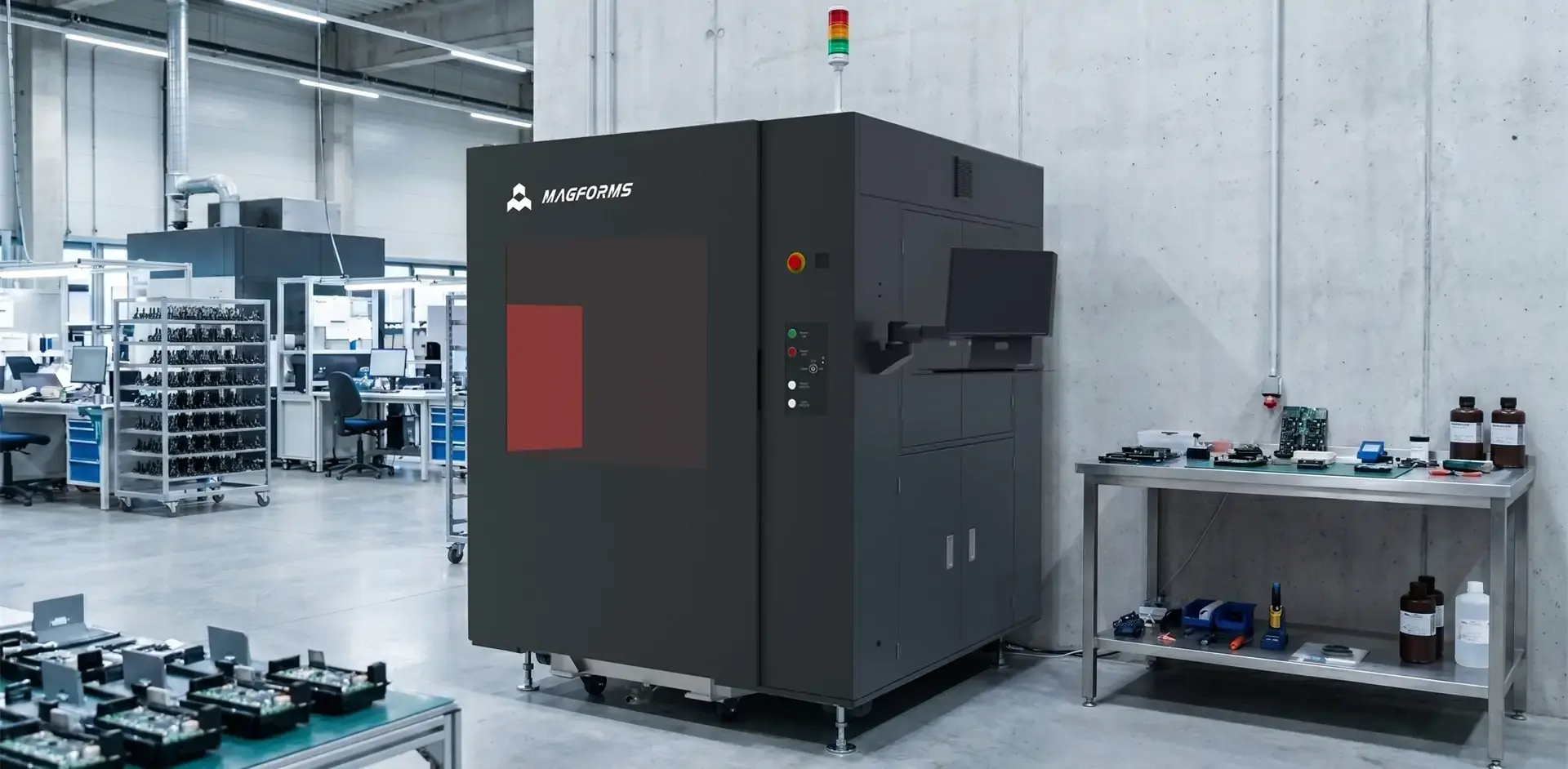
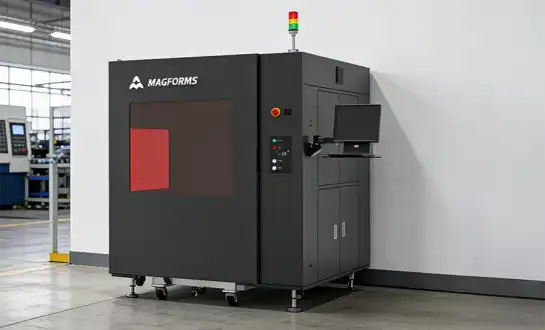
👉 Magforms SL800 Industrial SLA 3D Printer
Conclusion
To get very high accuracy with stereolithography, you have to make sure that dozens of different factors work together smoothly. The quality of the laser, the accuracy of the motion control, the chemistry of the glue, the management of heat, and the complexity of the software are all important factors. Industrial-grade systems differentiate themselves through component quality, structural rigidity, and system-level engineering optimization. Often, the difference between good precision and exceptional precision decides whether samples pass validation testing, whether production parts meet specifications, and whether manufacturing timelines shorten or lengthen. When buying teams understand these technical basics, they can choose equipment that really meets their needs instead of accepting specs that look good but don't work consistently.
FAQ
What resolution can modern industrial SLA systems achieve?
Modern industrial stereolithography systems typically achieve XY spot sizes ranging from approximately 25–100 microns, with layer thickness commonly between 50 and 100 microns, based on the needs of the application. Variable spot or high-resolution optical systems allow feature reproduction down to approximately 0.1–0.2 mm depending on geometry, material behavior, and process settings. What precision is actually possible relies on the properties of the material, the shape of the part, and how well the machine is calibrated.
How often should precision calibration occur?
Maintenance plans depend on the amount of work being done and the setting, but for places with constant output, full calibration should happen every three months. Checks for platform smoothness, laser power, and galvanometer alignment make sure that the precision stays high. Service offices that handle a lot of work may set up monthly verification processes, while facilities that don't get as much work can extend the time between checks. Calibration should always be done after moving tools or making any mechanical changes.
Can these systems process multiple resin types?
Processing almost any photopolymer plastic made for 355 nm lasers is possible with open material design. This includes normal resins that have qualities similar to ABS or polypropylene, clear formulas, materials that can withstand high temperatures, flexible elastomers, and biocompatible choices designed specifically for medical uses. Material versatility lets you create new processes and find the best prices without being locked into one vendor, which limits your business freedom.
Partner with Magforms for Industrial SLA 3D Printer Excellence
Work with Magforms to get the best industrial SLA 3D printers. Magforms offers unified material and equipment options that get rid of the connectivity problems that come up in mixed-vendor setups. With AOC lasers, German Scanlab galvanometers, Panasonic servo motors, and highly optimized glue formulas, our own systems can print 30% faster and with micron-level accuracy in size. We offer reliable services with 22 patents, 30 trademarks, installations in dozens of countries, and expert help that is available 24 hours a day, 7 days a week. Whether you're a dental lab that needs consistent performance from transparent resin, an aerospace supplier that needs to check complex geometries, or a service bureau that needs to increase its capacity, our industrial SLA 3D printer portfolio has solutions that can be scaled up or down to meet your needs for precision and your budget. Email our application engineers at info@magforms.com to talk about your unique needs, ask for model parts that show what we can do, or set up a virtual display. As a well-known company that makes industrial SLA 3D printers, we know that buying teams need more than just promotional claims. They need proven performance data and long-term support promises.
References
1. Gibson, I., Rosen, D., & Stucker, B. (2015). Additive Manufacturing Technologies: 3D Printing, Rapid Prototyping, and Direct Digital Manufacturing. Springer.
2. Jacobs, P. F. (1992). Rapid Prototyping & Manufacturing: Fundamentals of Stereolithography. Society of Manufacturing Engineers.
3. Quan, Z., Wu, A., Keefe, M., Qin, X., Yu, J., Suhr, J., Byun, J.-H., Kim, B.-S., & Chou, T.-W. (2015). Additive manufacturing of multi-directional preforms for composites: opportunities and challenges. Materials Today, 18(9), 503-512.
4. Melchels, F. P., Feijen, J., & Grijpma, D. W. (2010). A review on stereolithography and its applications in biomedical engineering. Biomaterials, 31(24), 6121-6130.
5. Stansbury, J. W., & Idacavage, M. J. (2016). 3D printing with polymers: Challenges among expanding options and opportunities. Dental Materials, 32(1), 54-64.
6. Bourell, D., Kruth, J. P., Leu, M., Levy, G., Rosen, D., Beese, A. M., & Clare, A. (2017). Materials for additive manufacturing. CIRP Annals, 66(2), 659-681.

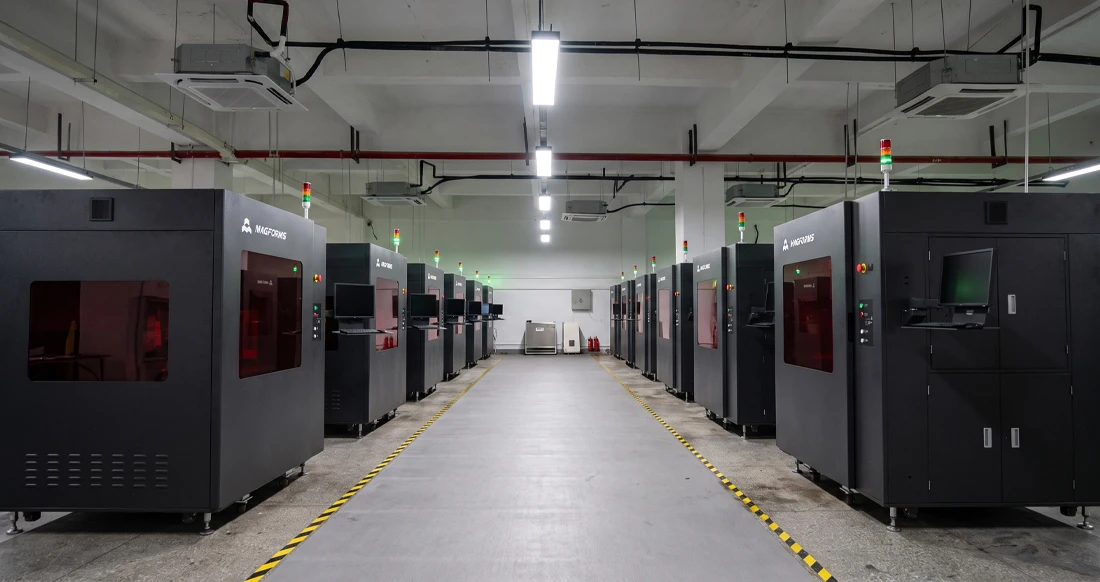
Magforms makes design and manufacture easier.
Popular Blogs
-
 Industry InsightsManufacturing Industry
FDM vs. SLA Printer: Which Technology Is Right for Your Project?
-
 Industry InsightsManufacturing Industry
Top 5 Applications of Industrial 3D Printers in Manufacturing Today
-
 Industry InsightsManufacturing Industry
Why Stereolithography 3D Printers Are Unmatched for Microfluidic Device Prototyping?