Industrial SLA 3D Printer SL800 for High-Detail Industrial Design Validation
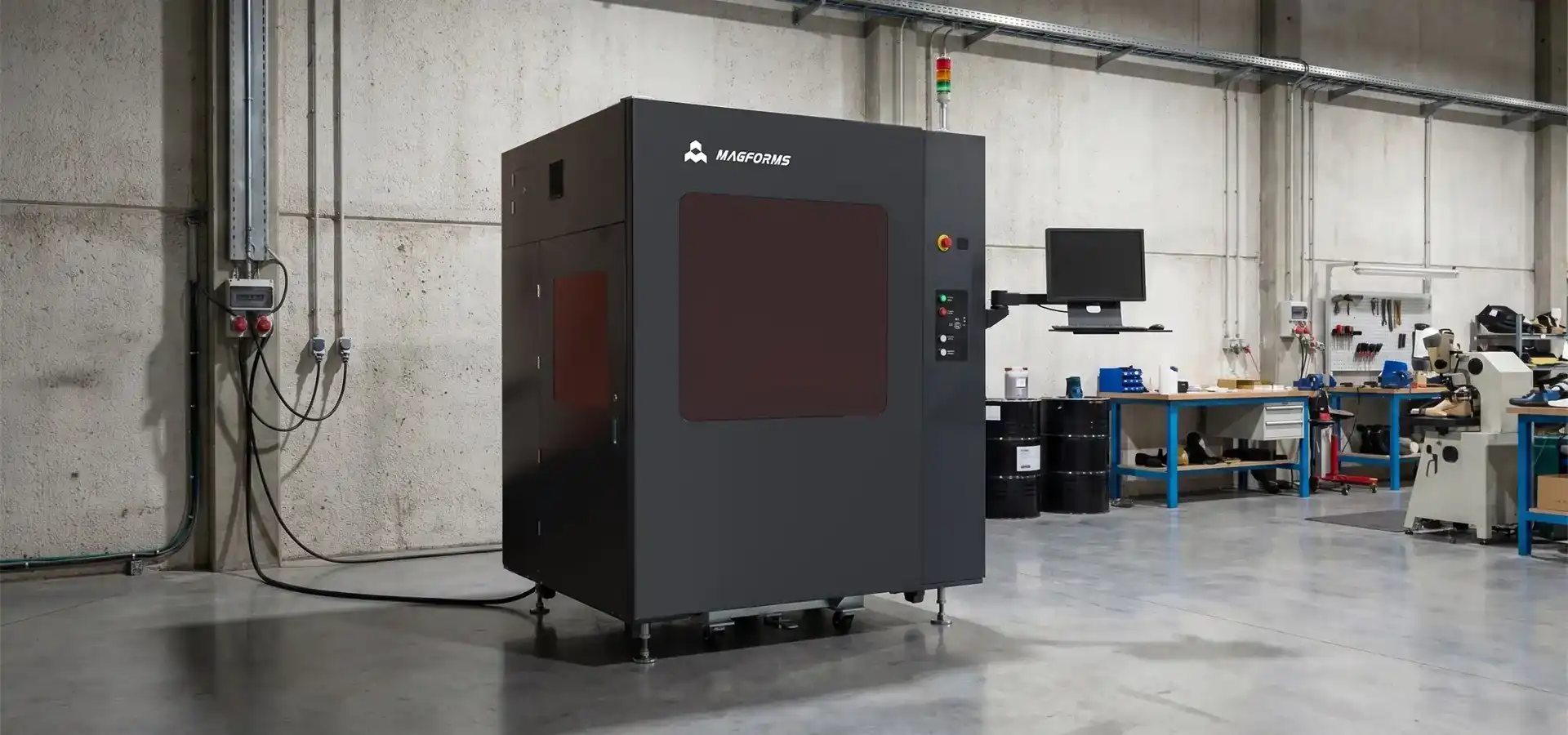
The Magforms SL800 is a big step forward in precision additive manufacturing for businesses that need very accurate design proof. The SL800, an industrial SLA 3D printer, uses advanced stereolithography technology to produce functional prototypes and end-use parts with surface finishes that can approach injection-molding quality under optimized conditions. This method fixes the most important problems that procurement leaders have: print quality that isn't always consistent, limited material options, and slow customer service after the sale, which causes problems with production plans.
Understanding Industrial SLA 3D Printing and the SL800
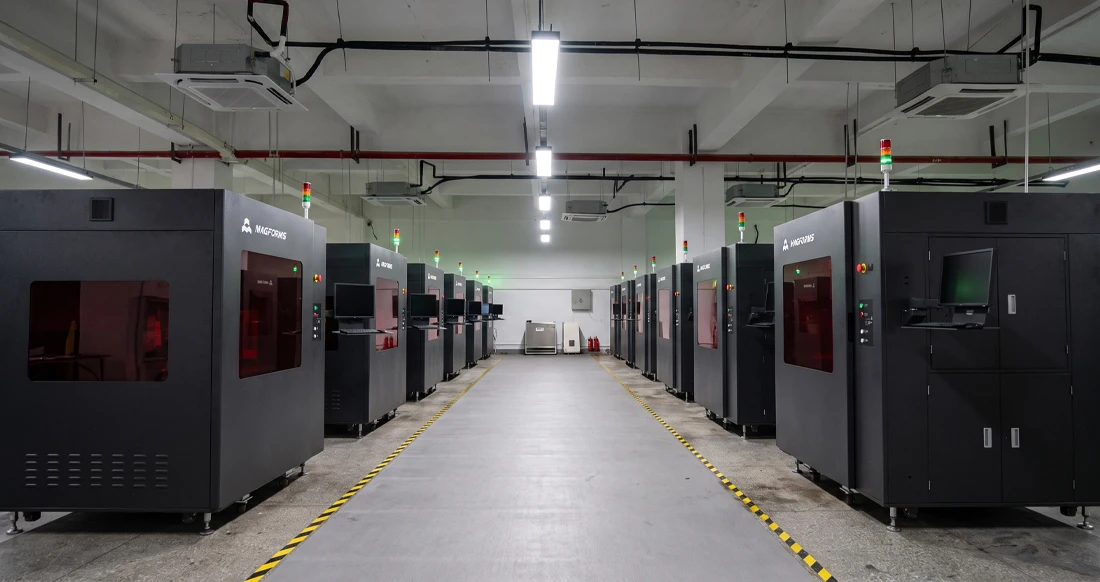
Selective photopolymerization is how stereolithography works. A focused laser beam lines up the cross-section of each layer on top of a wet resin surface. When exposed to the laser, the resin rapidly polymerizes, enabling layer-by-layer fabrication of highly accurate 3D geometries from bottom to top. Unlike desktop SLA units made for hobbyists, the SL800 features an 800mm-class large build envelope, capable of producing large automotive components and integrated assemblies.
👉 What is SLA 3D Printing Technology
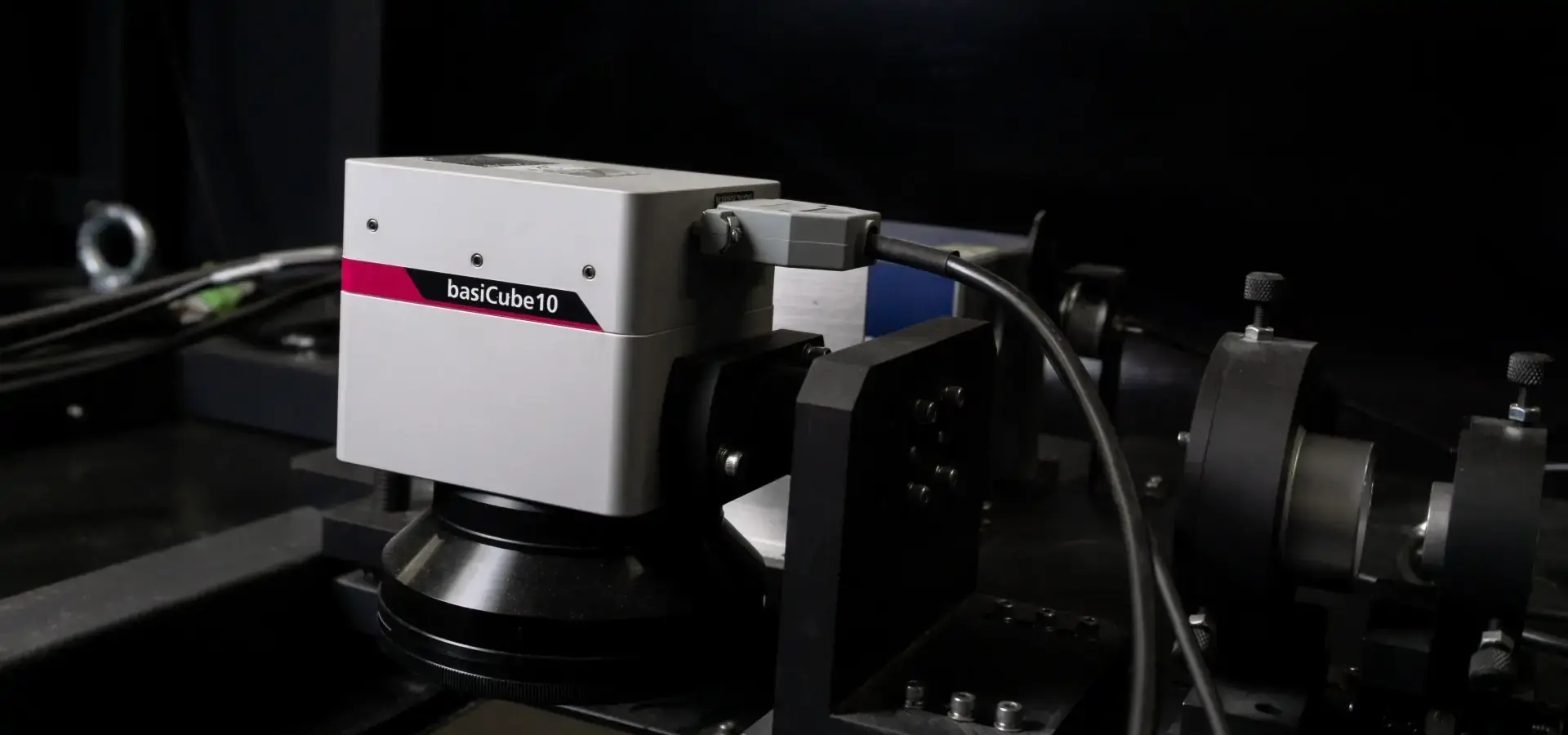
This industrial SLA 3D printer is built on a number of different scientific foundations. The AOC solid-state laser maintains stable power output during long print cycles, helping ensure consistent layer curing quality, so there are no power changes that can damage layers. When paired with a German Scanlab galvanometer system, enabling high-speed laser scanning with optimized spot consistency across the build area. Coordination like this supporting dimensional accuracy of approximately ±0.1 mm for parts smaller than 100mm and to within ±0.1% for bigger parts.
The system is compatible with a wide range of 355nm photopolymer resins. This includes engineering-grade resins with high heat deflection temperatures, clear resins for optical tests, and flexible materials for gasket samples. The open material system gets rid of private resin locks, so users can find materials that are cheap or make their own mixtures that are perfect for their needs.
The SL800's built-in safety procedures are in line with industry norms. The front door, made of plexiglass and the optical protective cover, protects operators from direct laser radiation exposure. Philips UV-blocking lamps keep resin from curing in storage cases without permission. The 2 mm-thick metal case keeps the temperature stable, and the low-expansion marble base keeps the build from shifting during long sessions.
Advantages of the SL800 Industrial SLA Printer Over Competitors
Technical leaders and R&D managers look at a number of factors when choosing prototyping solutions. These include the quality of the surface finish, the ability to repeat dimensions, the processing capacity, and the total cost of ownership. The SL800 does very well in all of these areas because it was carefully designed to deal with problems that come up in real production.
👉 Magforms SL800 Industrial SLA 3D Printer
Traditional CNC machining can hold very tight tolerances, but it requires extensive toolpath programming, multiple tool changes, and generates significant material waste generates significant material removal waste when producing complex geometric structures. The SL800 makes these shapes straight from CAD files without subtractive waste. It can make complex lattice structures and empty parts that aren't possible with regular machining. The surface roughness can reach high-quality surface finishes suitable for functional and aesthetic prototyping in optimized print conditions, typically achieving very low Ra values suitable for functional prototyping.
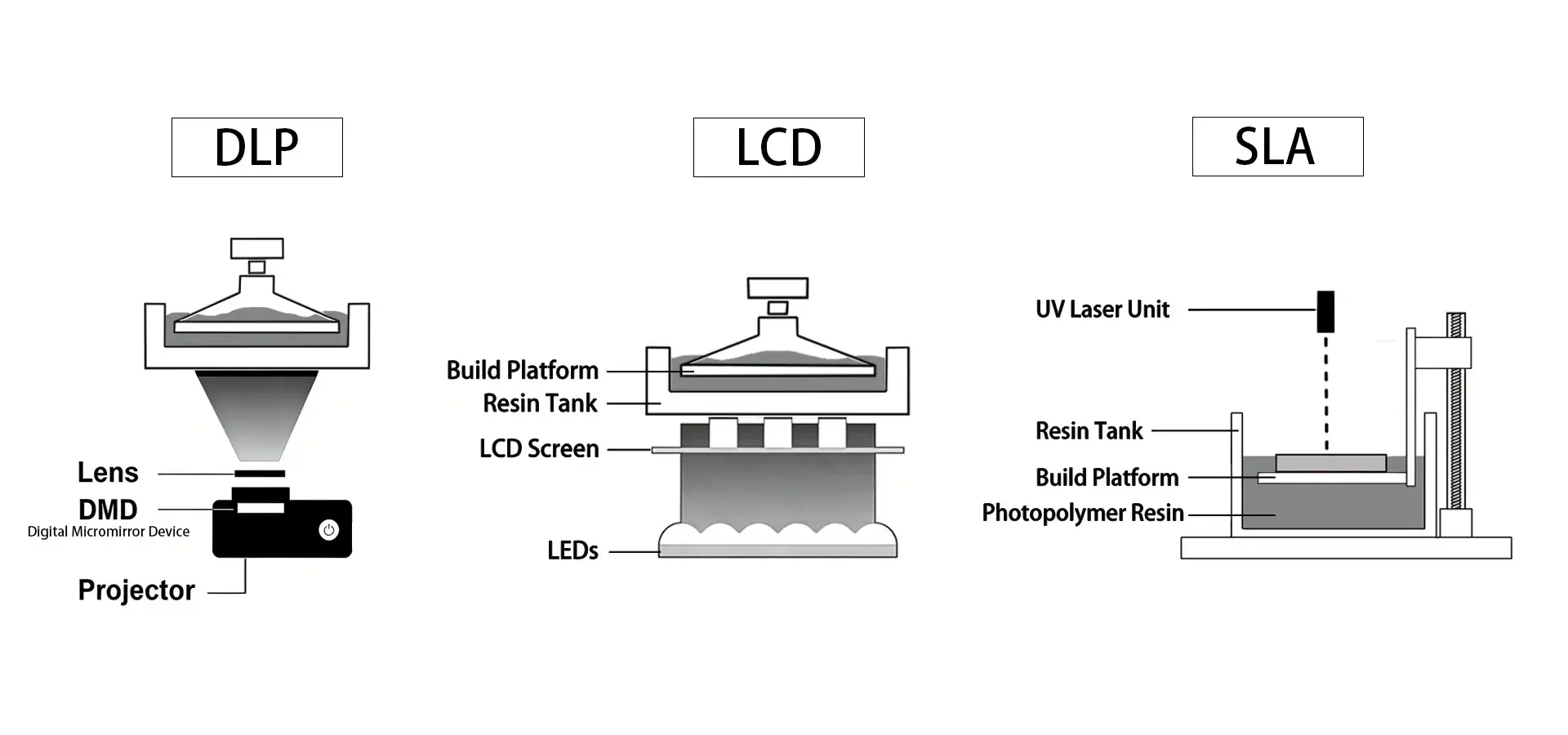
SLS systems fuse powdered materials layer by layer, while SLA technology typically delivers higher fine-detail resolution and smoother surface quality. The SL800 utilizes adjustable laser spot control strategies, enabling finer spot sizes for detailed features and larger exposure profiles for faster internal solidification where applicable, contributing to significantly improved printing efficiency compared with conventional fixed-spot SLA systems. This flexible method keeps the fine details while speeding up the process, which isn't often possible in additive manufacturing.
Digital Light Processing (DLP) printers fix whole layers at once, which should be faster in theory. However, DLP systems are constrained by fixed pixel resolution and potential edge light uniformity variations across large build areas. Vector-based laser scanning helps maintain more consistent accuracy across the build area, and the adaptive scanning optimization algorithms refine toolpath efficiency based on operational feedback. As the system improves its movement tactics, tests show that it can finish tasks 20% faster than well-known equipment makers.
Reliability comes from choosing the right parts. Platform, recoater, and liquid level systems are all powered by Panasonic servo motors. The Z-axis can be precisely placed to within 8μm, and resin leveling can be done to within 0.03mm. Taiwanese HIWIN linear guides make sure that high-Z moves are stable and don't cause problems due to shaking. Industrial-grade electrical components help reduce system failure rates and improve long-term operational stability, and the machine's well-thought-out interior layout and sturdy build keep it running well even after years of nonstop use. Because of these engineering decisions, failure rates are much lower than the average for the industry. This means that there is less unexpected downtime that affects production plans.
Industrial Applications and Case Studies Featuring the SL800
This industrial SLA 3D printer can be used in many different areas where precise testing speeds up product development and cuts down on expensive design changes. Gaining knowledge about these uses helps purchasing teams decide if the SL800 meets their business needs.
Validation of Automotive Components
Automakers are under a lot of pressure to cut down on development times while still meeting safety and quality standards. The SL800 makes full-size dashboard sections, unique interior trim pieces, and special car parts that are used for ergonomic evaluation and aerodynamic pre-validation testing. Design engineers make working models that are very close to the end products. These models have snap-fits, live hinges, and textured surfaces. This feature lets you find problems with assembly before you spend money on steel tools. This saves months of development time and hundreds of thousands of dollars on making changes.
Prototyping of Aerospace Parts
Aerospace applications require high dimensional stability and the ability to validate complex internal geometries. The SL800 prints thin lattice structures for parts that need to be light. It makes samples that are put through strength tests and thermal cycles. The industrial SLA 3D printer gets rid of the need for minimum order numbers that come with traditional manufacturing, which makes it possible to make small batches of custom connections and brackets at a low cost. Parts can survive strict checking procedures, such as CMM measurements and surface roughness analysis.
Customization for medical and dental needs
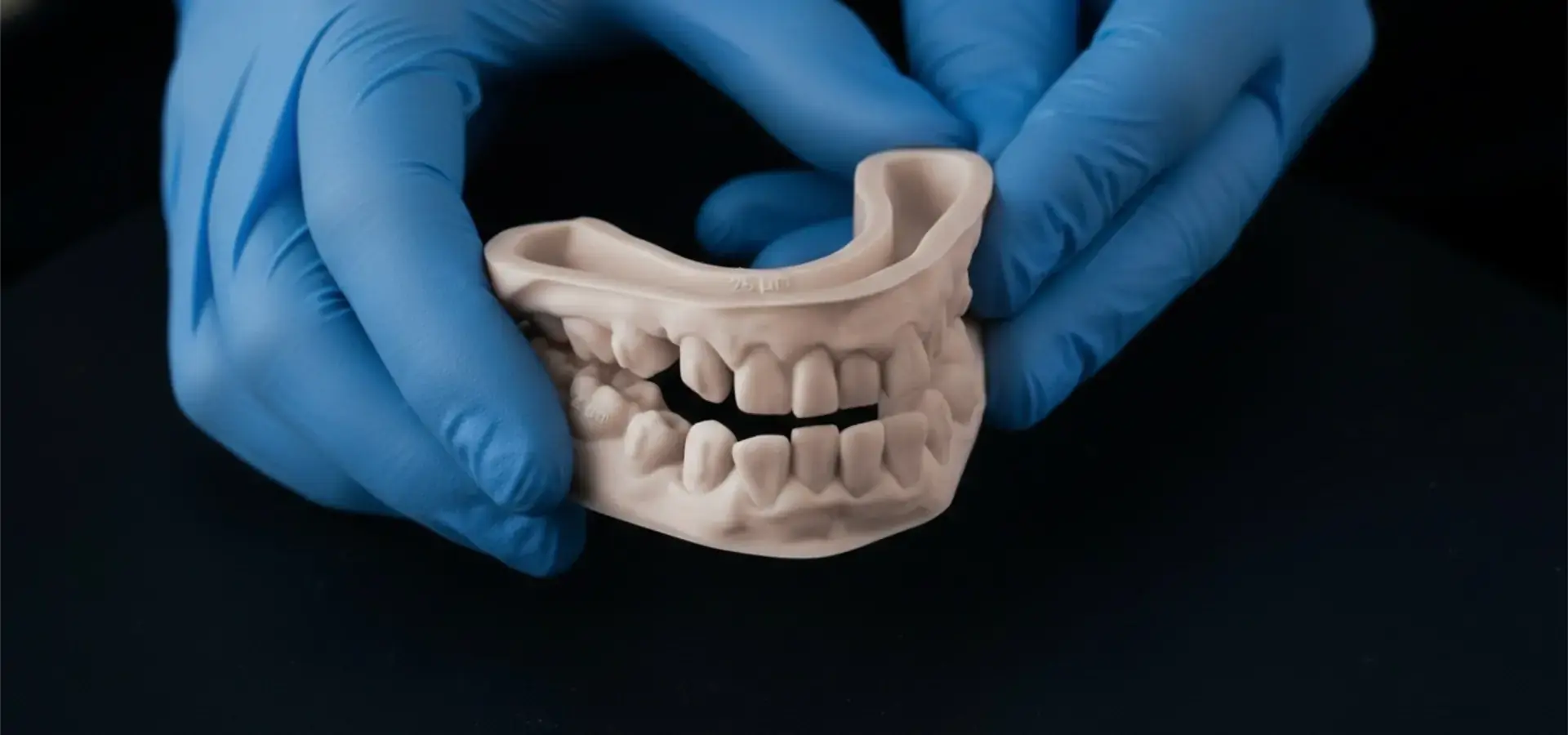
Personalized healthcare depends on making gadgets that are specific to each patient quickly and correctly. Dental labs use the SL800 to print several orthodontic models during each build cycle. This makes aligner thermoforming masters that perfectly position teeth. Surgical guide makers make models that can be cleaned and used to guide drill angles while implants are being placed. When using certified biocompatible resins, these applications may support compliance with relevant FDA regulatory requirements.
Prototyping for consumer electronics
The consumer electronics business moves quickly, so building designs, internal mounting structures, and user interface parts need to be changed quickly too. The SL800 can clearly record small details like button mechanisms, speaker grilles, and plug ports, making it good for photos and focus group testing. Engineers can check the internal LED light pipes and display sight with transparent resin before committing to injection mold production. This speed edge is especially helpful when there are only a few weeks to go before a product launch.
How to Choose and Procure the Right Industrial SLA Printer for Your Business
When choosing capital equipment, you need to think carefully about the technical specs, the seller's support system, and the long-term costs of running the equipment. A structured review system can help procurement directors balance performance standards with budget limits.
Check the Build Volume
Large consolidated structures can fit in the 800mm x 800mm x 550mm build area, which cuts down on the need for printing multiple parts and putting them together afterward. The Lab300 models might be enough for smaller businesses, but the SL800's freedom is great for companies that expect to grow or work on a variety of project sizes. Making a lot of smaller parts at once makes the most of the machines and speeds up the project's finish.
Resolution and Needs for Materials
Make sure that the layer width choices (which are usually between 0.05mm and 0.25mm) for the industrial SLA 3D printer meet your needs for the details. The SL800's micro-spot feature does a good job of handling rough textures and sharp edges. When certain mechanical qualities are needed, like heat resistance for parts under the hood of cars, clarity for optical housings, or flexibility for seals and gaskets, material compatibility is very important. Testing can be done in any way with the open material platform, so you're not tied to one provider.
Cost of Owning Everything
The price of the tools at the start is only one part of the financial equation. Figure out ongoing costs like how much resin is used, how often resin tanks need to be replaced (because they can get cloudy over time), yearly repair contracts, and the cost of any downtime that might happen. These secret costs are kept to a minimum by the SL800's long-lasting parts and Magforms' quick technical help. The professional after-sales team promises to answer questions within 24 hours, which helping maintain production continuity and improve return on investment over time.
Network of vendors and customers who can help
Magforms has a lot of experience with material science from years of focusing on photopolymer plastic formulas before they started making printers. This knowledge helps you fully grasp the science of resins and how stresses change during curing, which leads to better print settings that reduce warping. The fact that the company has 22 patents and works with over 300 businesses around the world shows that it is well-liked by customers.
Practical Things to Think About
Take a look at what the building needs, such as the power supply, air for getting rid of resin fumes, and temperature control in the work area. Despite changes in the environment, the SL800's built-in temperature control maintains optimal resin viscosity and working conditions. The easy-to-use iBuild 2.0 software interface cuts down on the time needed to train operators, and established makers that want to standardize on a chosen industrial SLA 3D printer platform can both use flexible purchasing options, such as leasing agreements and volume purchase discounts.
👉 Industrial SLA 3D Printer Categories
Conclusion
The SL800 industrial SLA 3D printer has the accuracy, dependability, and output needed for tough design validation tasks in the electronics, aircraft, medical, and automobile fields. It uses high-quality parts like AOC lasers, Scanlab galvanometers, and Panasonic servos to make sure that output stays the same during ongoing production. Self-learning algorithms and variable spot technology speed up builds without losing detail, and open material compatibility keeps costs low over time. This printer is more than just tools because Magforms knows a lot about materials, and their technical help is quick to respond. Companies that want to shorten development times, lower the cost of prototyping, and be sure that their ideas work will find that the SL800 meets their main buying needs.
FAQ
What kind of accuracy in dimensions does the SL800 have compared to other stereolithography systems?
The SL800 keeps tolerances of ±0.1mm for parts smaller than 100mm and ±0.1% for parts bigger than 100mm. The German Scanlab galvanometer's circle spot shape and the ±8μm positioning accuracy of the Panasonic servo make this possible. When competing systems use lower-quality parts, they often have circular spot damage at the edges of the build plate, which leads to dimensional drift.
How does the suitability of materials affect the ability to change how things are done?
The open material design works with most 355nm resins and doesn't need any special locks or identification chips. Users can freely test materials from other companies, find the best cost structures, and make their own recipes for specific uses. This is very different from closed systems that require expensive OEM plastic purchases, which make the cost of each part go up.
What maintenance intervals does the SL800 require?
For regular upkeep, the resin tanks require periodic replacement depending on usage volume and resin type, and the laser power needs to be calibrated on a regular basis to keep the energy density high. The strong structure and high-quality parts keep unexpected breakdowns to a minimum. The technical support team at Magforms offers scheduled preventative maintenance and quick repair. Technical support typically responds within 24 hours depending on service agreements to keep output from being interrupted for long periods of time.
Discover Your Precision Manufacturing Partner with Magforms
Magforms is ready to use our SL800 stereolithography system to change the way you create products. As both a maker of industrial SLA 3D printers and an expert in materials, we can offer combined solutions that get rid of the compatibility problems that come up with using more than one provider. Our engineering team gives you personalized talks where they look at your exact validation needs, build number needs, and material performance standards. You can ask for a detailed price that fits your budget or set up a live display to see how accurate the SL800 is at the micron level when making your own CAD models. Get in touch with our experts at info@magforms.com to learn more about our open payment options, discounts for buying in bulk, and full training programs. Work with a source that has tried-and-true technology, a global support network, and a lot of experience with additive manufacturing.
References
1. Anderson, J. (2022). Stereolithography in Modern Manufacturing: Applications and Technical Advances. Industrial Press Publishing.
2. Chen, M., & Roberts, K. (2023). "Comparative Analysis of Additive Manufacturing Technologies for Precision Prototyping." Journal of Manufacturing Science and Engineering, 145(8), 081004.
3. Global 3D Printing Industry Association. (2023). B2B Procurement Guide for Industrial Additive Manufacturing Systems. GPIA Technical Publications.
4. Hoffman, L. (2021). Material Science for Photopolymer Resins: Chemistry, Processing, and Performance. Materials Research Foundation.
5. Peterson, R., & Yamamoto, T. (2023). "Dimensional Accuracy Benchmarking in Large-Format SLA Systems." Additive Manufacturing, 67, 103489.
6. Wilson, S. (2022). Automotive Prototyping Technologies: Accelerating Design Validation Cycles. SAE International Publishing.

Magforms makes design and manufacture easier.
Popular Blogs
-
 Industry InsightsManufacturing Industry
FDM vs. SLA Printer: Which Technology Is Right for Your Project?
-
 Industry InsightsManufacturing Industry
Top 5 Applications of Industrial 3D Printers in Manufacturing Today
-
 Industry InsightsManufacturing Industry
Why Stereolithography 3D Printers Are Unmatched for Microfluidic Device Prototyping?