Industrial SLA 3D Printer Basics: A Complete Beginner’s Technical Guide
If you're looking into choices for precision making, knowing what an industrial SLA 3d printer can really do for you can change the way you make things. Industrial SLA 3D Printers use high-precision UV solid-state lasers to selectively cure liquid photopolymer resin layer by layer through controlled photopolymerization. This makes parts that are very accurate in size and have smooth surfaces. Industrial-grade SLA systems typically integrate high-performance galvanometer scanning systems, bigger build platforms, and closed-loop control systems that are made for settings with ongoing production. These connect digital CAD models to real prototypes, letting you quickly test your idea without having to buy expensive tools for small production runs.
Understanding Industrial SLA 3D Printers
Core Technology and Components
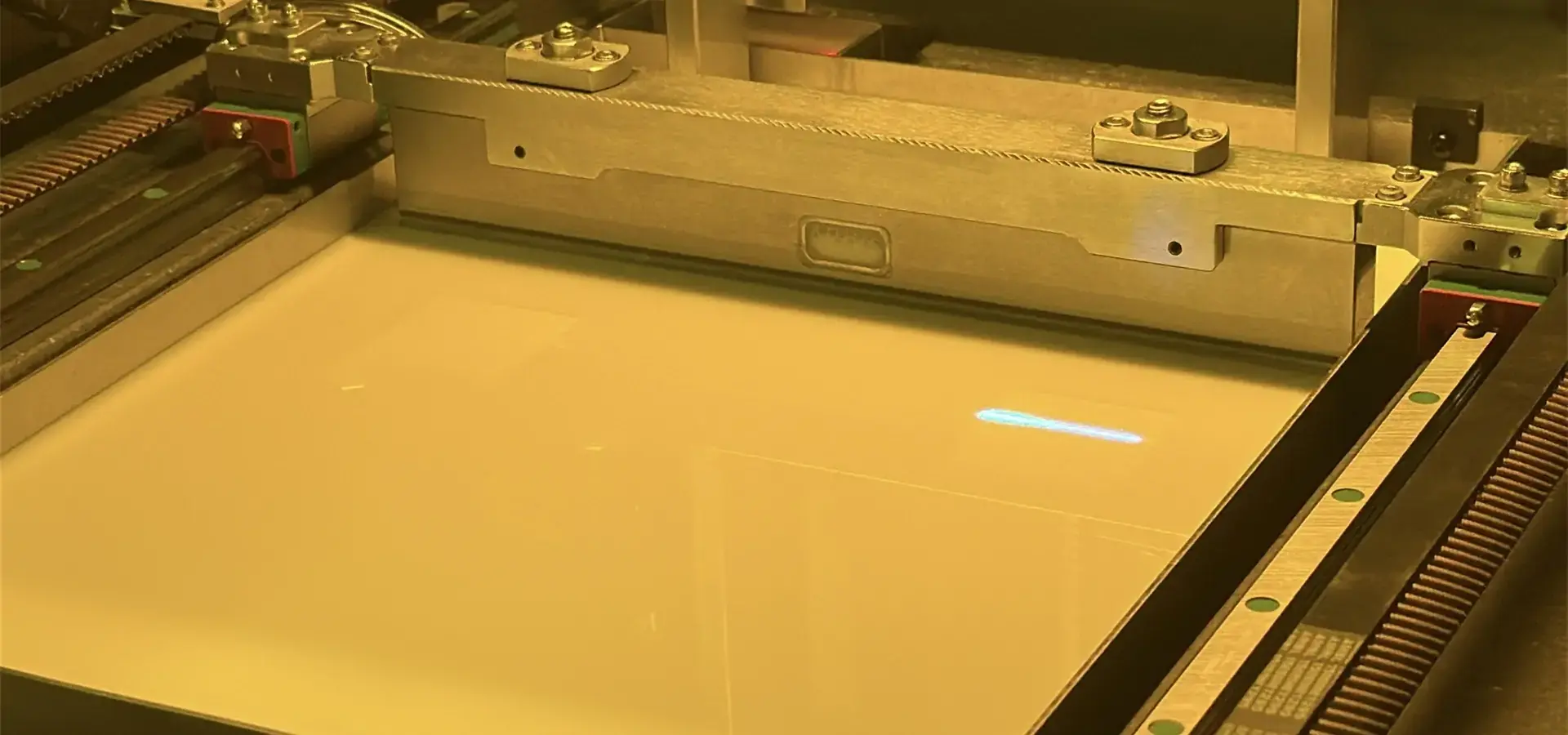
Stereolithography is an old but very well-developed method of additive printing. The photopolymerization of liquid material in an industrial SLA 3d printer is caused by an exact laser exposure. A build platform is lowered into a vat full of photosensitive glue to start the process. A galvanometer mirror precisely directs the laser beam to trace each cross-sectional layer of the CAD model. Once a layer is dry, the base is slightly raised, and a recoater blade goes over the surface with new resin. The process starts all over again.
Key parts affect how well a system works. AOC UV solid-state lasers are designed to provide stable energy output suitable for continuous industrial SLA operation. German Scanlab galvanometers work with the laser to make sure that the beam is positioned correctly across the whole build area. Panasonic servo motors move the platform, recoater, and liquid level controls, and on the Z-axis, they can place things with an accuracy of up to 8 μm. Adding HIWIN linear guides from Taiwan gives the machine a longer life and keeps it stable during high-Z printing so that parts don't get damaged.
Differences from Desktop Systems
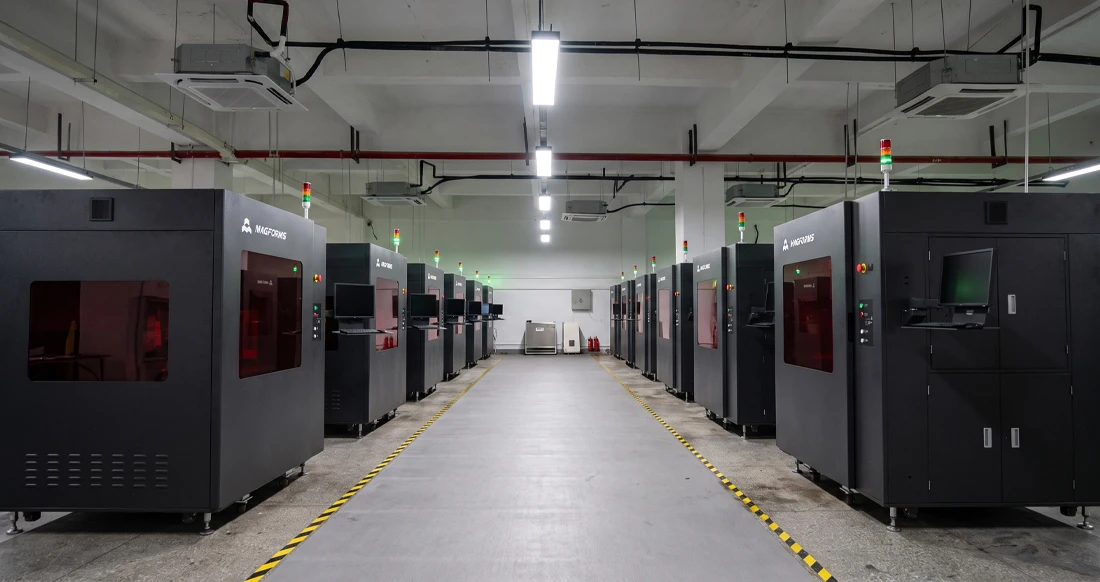
Industrial systems are different based on how many they are built, the quality of their parts, and how reliably they work. Desktop stereolithography printers may work well for hobbyists or design companies, but industrial units can make parts that are 600 mm or bigger all at once. Industrial machines have 2 mm-thick metal enclosure walls and low-expansion marble bases that keep the temperature stable during long print jobs. Changes in the atmospheric temperature don't affect the viscosity of the resin, so the print quality stays the same no matter what the climate is like in the building.
SLA Versus Other Technologies
When buying teams compare different additive manufacturing methods, they can make better decisions. The Industrial SLA 3D printing provides excellent surface quality, with surface roughness often reaching low micrometer levels (Ra), depending on material and exposure parameters. Selective Laser Sintering (SLS) makes parts that work and have good mechanical qualities, but the surfaces are harder. FDM (Fused Deposition Modeling) is generally less suitable for fine features and high surface smoothness due to its layer extrusion process. DLP systems often provide faster layer exposure but may face trade-offs in build volume scalability and material flexibility depending on system design.
👉 Industrial SLA 3D Printer Systems Overview
Key Benefits and Applications of Industrial SLA 3D Printers
Precision and Surface Quality
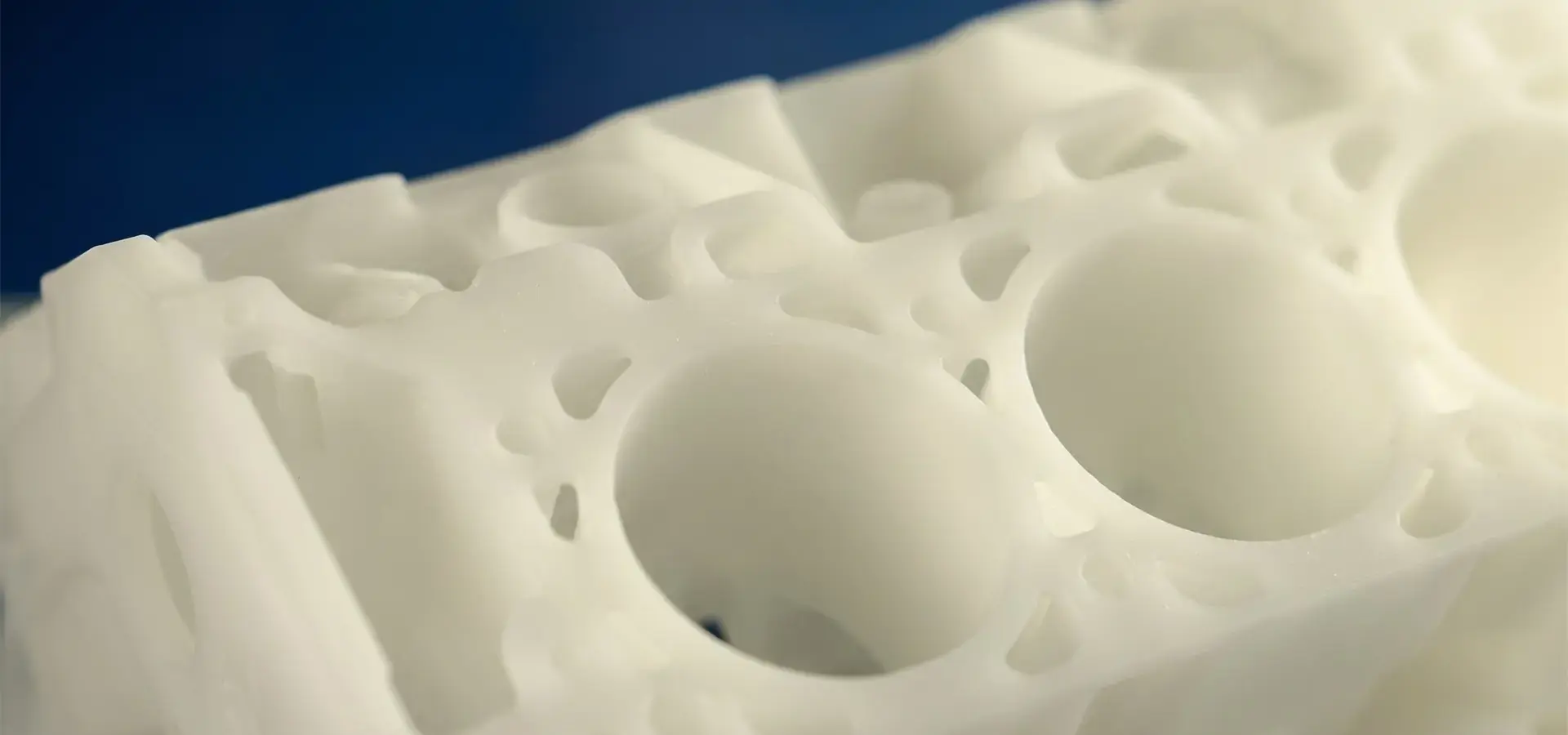
When it comes to producing standards, industrial stereolithography systems meet very high standards for accuracy in size. Magforms systems are designed to achieve dimensional accuracy within ±0.1 mm for smaller parts and approximately ±0.1% × L for larger geometries under optimized conditions. The variable spot technology adjusts laser spot size dynamically to balance speed and precision, using larger spots for filling and smaller spots for fine detailing. This enables accurate reproduction of sharp edges, fine textures, and complex geometries.
Built-in grayscale processing techniques make the stair-step effect between layers less noticeable. This makes parts that don't need much cleaning or sanding. The circle laser spot shape, which is made possible by Scanlab galvanometers and AOC lasers working together, improves the accuracy of the making process even more. These surface features make post-processing much faster and cheaper, which is useful when you need samples that are ready to be painted, plated, or tested directly after assembly.
Speed and Productivity
When development processes get shorter and market windows get smaller, production speed becomes important. An industrial SLA 3d printer with advanced scanning systems can achieve scanning speeds in the range of several meters per second, with peak values depending on optical configuration and material settings. When compared to standard stereolithography methods, variable spot technology speeds up printing by 30–50%. The self-learning scanning system keeps improving print lines based on what it has learned, which makes it up to 20% faster over time.
Magforms integrates custom resin formulations with precisely engineered hardware systems, gets rid of compatibility problems that lead to unplanned downtime. High success rates in printing cut down on wasted materials and avoid costly repeats. This mix of speed and dependability is very helpful when your team needs to make working prototypes quickly or deliver small batches of products on time.
Material Versatility
Magforms' industrial SLA 3d printer models have an open material system that works with most 355 nm photopolymer resins. It doesn't need any special locks or cartridges that are too small to fit. You are able to try engineering-grade mixtures, clear resins, materials that can withstand temperatures above 100°C, and flexible elastomers that can be used for gaskets or seals. This flexibility lets you use more of your applications without worrying about being locked into one provider or having to pay more for materials.
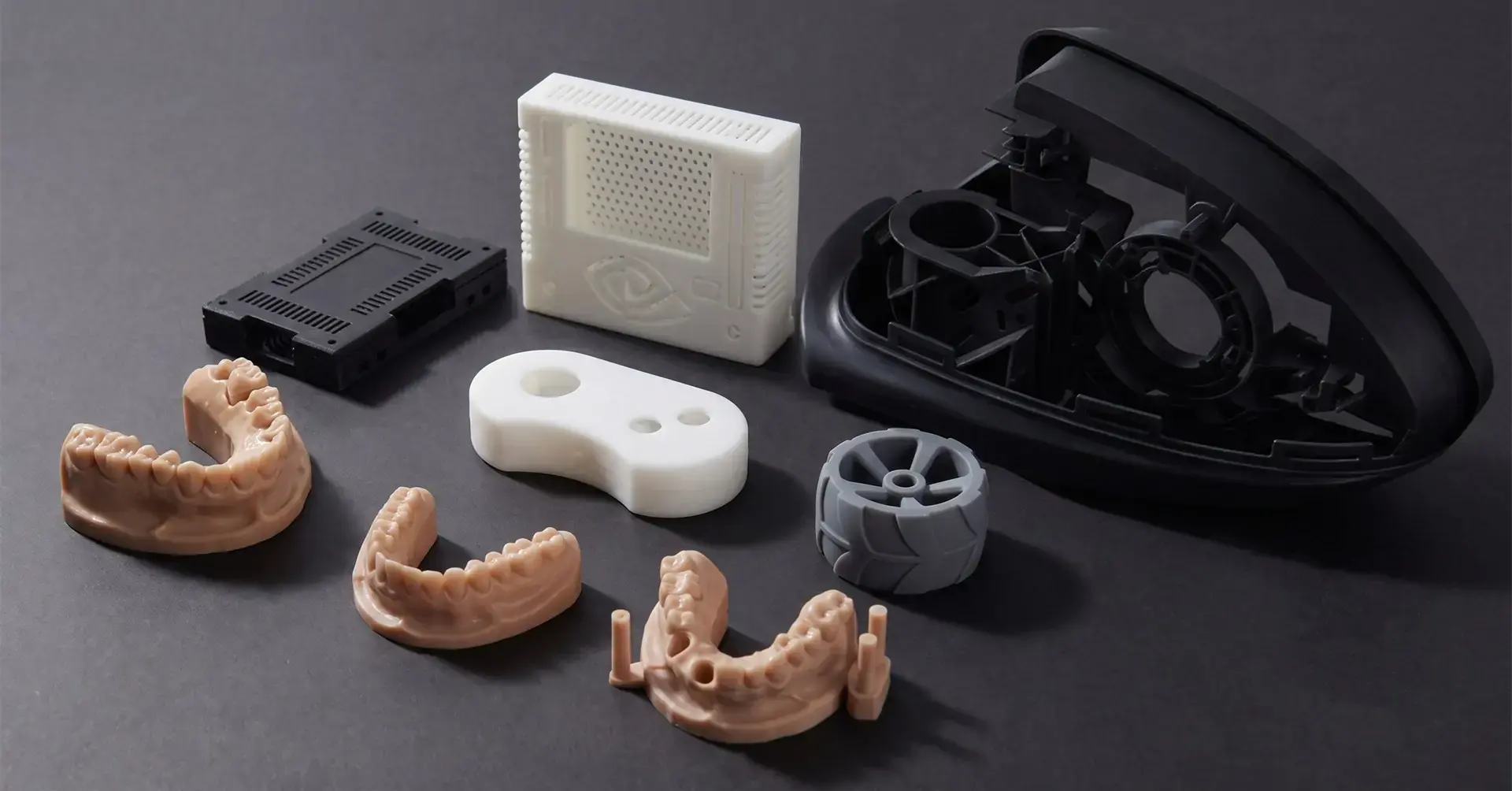
Material variety lets different industries use it in different ways. Teams working on cars make sample dashboards and master models for vacuum casting. Aerospace experts check that parts with tight specs work properly, including complicated joints and parts with odd shapes. Biocompatible resins are used to print the bases for orthodontic aligners and surgery guides in dental labs. Consumer electronics companies make a lot of changes quickly to the housings for smart tech and the parts that go into headphones. Cultural product designers copy complicated handmade items, and footwear makers make models for people to make their own shoes.
Real-World Implementation
Industrial stereolithography technology is an important part of the 3D printing service business. The ability to work with multiple materials and uniform output quality are helpful for service bureaus that handle a wide range of client orders. Medical device companies use the technology to make implant samples that are unique to each patient and anatomy models that are used to plan surgeries. Large-format builds are used in university research labs to test new material combinations and building plans. These real-life examples show how industrial SLA 3d printer technology can be used to solve problems in many fields that need accuracy, repeatability, and operating freedom.
Comparing Industrial SLA 3D Printers with Other Technologies
Performance Evaluation
When thinking about advances in additive manufacturing, it helps to know the technical trade-offs. Compared to powder-based or extrusion techniques, industrial SLA 3d printer systems offer better precision and surface smoothness. The isotropic mechanical properties—strength that stays the same in all directions—come from photopolymerization that happens evenly across all layers. SLA parts generally exhibit low distortion and relatively consistent mechanical behavior, although performance still depends on build orientation and post-curing conditions.
In FDM, on the other hand, layer bonding makes weak spots that are not in the direction of the build. SLS has good mechanical strength, but it takes a lot of work to make the surfaces smooth after the fact. While DLP systems can fix whole layers at once, which allows for fast vertical build speeds, they often limit the build area and have lower XY resolution at bigger scales. In stereolithography, the laser-scanning method strikes a good mix between speed, complexity, and build volume.
Cost Considerations
The cost of buying equipment is one part of the total cost of ownership. Industrial SLA 3D Printer models cost more than desktop models at first, but they cost less per part when they are made in larger numbers than prototypes. When expensive tools aren't needed for short runs and design revision processes are cut down, ROI is quickly achieved. The prices of materials stay low, especially since open plastic systems let you buy from more than one source.
When equipment uses high-quality parts, maintenance costs stay within reach. Panasonic servo motors, Schneider electrical parts, and Philips UV-blocking lights all make it possible for equipment to last longer between repairs and have fewer problems. The German Scanlab galvanometers don't move and stay calibrated even after thousands of hours of use. Because of these design choices, there is less expensive downtime and emergency fixes that cause production plans to be thrown off.
Leading 2026 Models
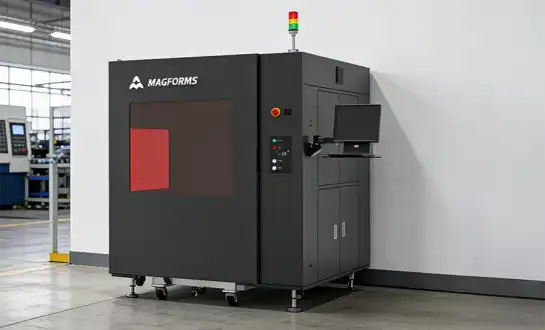
Magforms has a wide range of products that can be used at different operating scales. The Lab300 model has mesh plates that are 0.2 mm flat and is good for small to medium-sized batch production. TheSL600 and SL800 models offer 0.5 mm flatness over big build areas, making them ideal for large parts or high-throughput service centers. As standard, all models come with changeable spot technology, self-learning path optimization, and temperature control built right in.
When you compare specs from different makers, you can see big differences. Some rivals cut corners on the quality of their parts to keep prices low. This makes platform support welds more likely to come loose or inconsistent laser output stability or calibration drift. Magforms only uses well-known names like AOC lasers, Scanlab galvanometers, and Panasonic motors to make sure that their products will last for a long time. With 22 patents and 30 filed brands, the company has a lot of experience with both materials and tools. This makes sure that hardware and resin formulations work well together.
👉 SL800 Large-Format SLA System
Maintenance and Operational Efficiency
Routine Upkeep Tasks
Disciplined upkeep practices are needed to get consistent high-quality output. Every day, the resin level should be checked, the recoater blade should be looked at for edge damage, and the optical components need to be cleaned to maintain stable laser transmission and ensure accurate beam delivery. The optical safety cover and glass front door keep dust from getting into the sensitive lasers and galvanometers, but they do need to be cleaned every so often with lint-free wipes and approved solvents to keep the clarity.
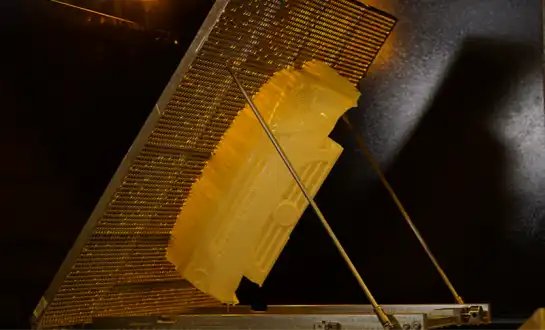
As part of weekly jobs, resin filtering is used to get rid of particles that have hardened, and the build platform is checked for residue buildup. Every month, energy meters are used to check the laser's power output, and test patterns are used to confirm the galvanometer's accurate placement. Magforms' equipment makes these steps easier because it is easy to use. For example, the platform's angled support rods make it easier for resin to drain and flip over for thorough cleaning, which cuts down on downtime between jobs.
Troubleshooting Common Issues
If prints fail or the resin cures too quickly, it can get contaminated and hurt later builds. Filtering the glue through a fine screen before each job keeps mistakes from happening. Laser misalignment shows up as different fix levels or changes in the build plate's dimensions. Using the Magforms iBuild 2.0 software's step-by-step instructions to recalibrate quickly brings back accuracy. The interface works easily on both desktop computers and mobile phones, so techs can quickly figure out what's wrong and change settings.
Build mistakes are often caused by placing the supports incorrectly or not letting enough resin run. The variable spot technology and grayscale processing methods make the printer less sensitive to small changes in parameters, which raises the success rate of the first print. Over time, the self-learning scanning system adjusts to the properties of the object being scanned, naturally finding the best exposure patterns. These smart features cut down on setting by trial and error, which speeds up the process of getting to reliable production.
Workflow Optimization
Strategic preparation is needed to get the most output without sacrificing accuracy. Putting several parts inside of one build makes good use of the platform area. Orienting parts so that they don't need as many support structures cuts down on post-processing work and waste. High scanning speeds of Magforms industrial SLA 3d printer systems, made possible by Scanlab galvanometers working at 6–10 m/s, reduces build times, improving overall throughput within production shifts.
Automated treatment of resin and built-in temperature control cut down on the need for human input. Because of the built-in heaters, viscosity doesn't rise in cooler places, so print quality stays the same all year. Over the course of weeks and months, these operating efficiencies add up, making better use of tools and cutting down on the time customers have to wait for prototypes or production parts.
Procurement Considerations for Industrial SLA 3D Printers
Budget and Financing
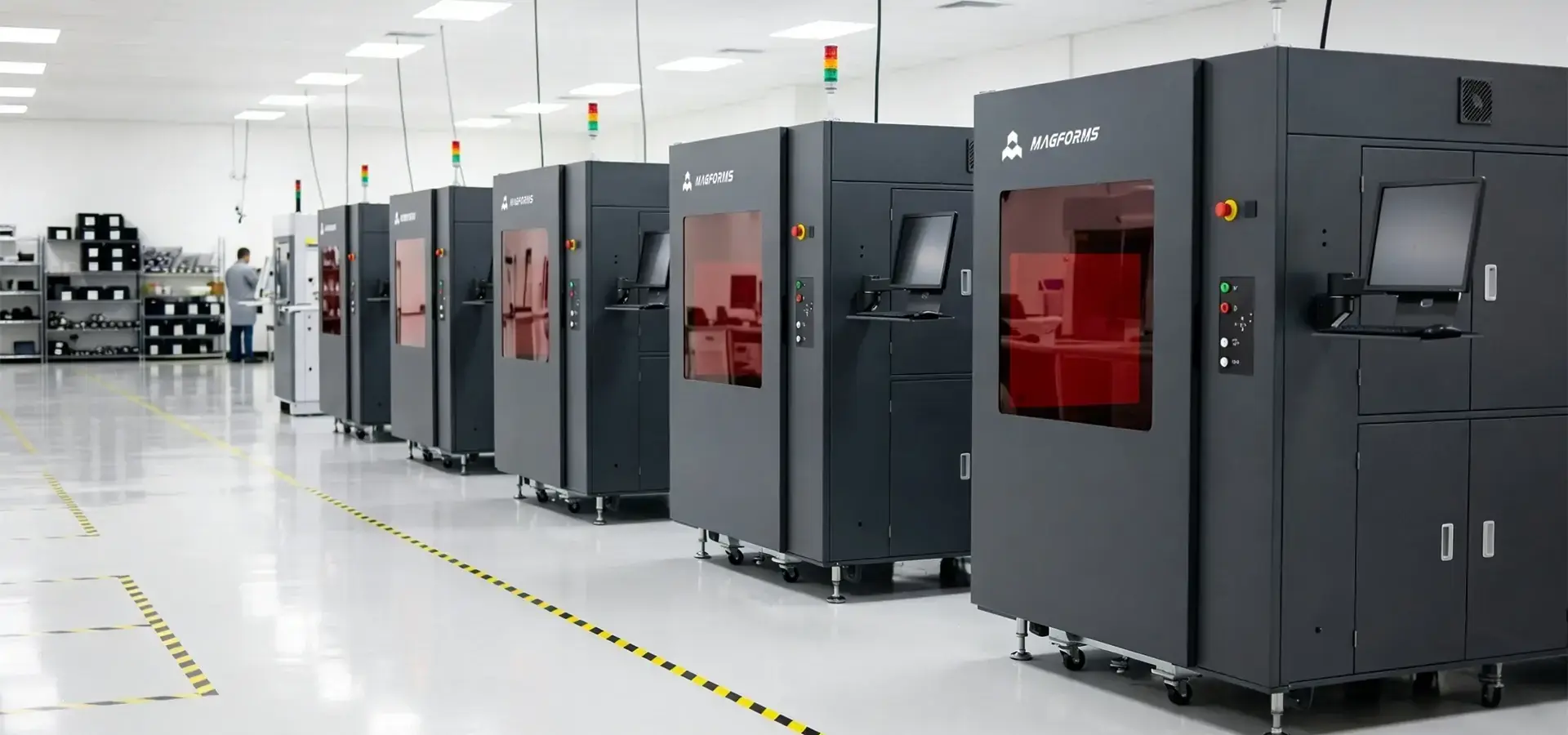
How much you spend on industrial SLA 3d printer tools depends on how much you want to print, what features you want, and how good the parts are. Industrial systems for beginners start around five figures, while high-end large-format models with lots of features cost around six figures. Leasing spreads costs over the life of the tools, so money is saved for things like materials and teaching staff. Long-term savings and ownership of the asset are benefits of buying outright, which makes it appealing to established producers whose production rates are dependable.
The buying price is only one part of the total cost of owning. Think about how much resin is used, how much new parts cost, and how much upkeep work costs. By getting rid of seller lock-in, Magforms' open material method lowers the cost of resin. Using high-quality parts like AOC lasers, Panasonic motors, and Schneider electrical parts lowers the number of failures and increases the time between service visits, which lowers long-term running costs.
Supplier Selection
It takes research to find a trusted industrial SLA 3d printer source. Check the credentials, talk to past clients, and look at the system for aftermarket assistance. Magforms has a foothold in dozens of countries around the world and takes part in industry shows in both Europe and Asia. Over 300 businesses are among the company's many customers, and ongoing expert training programs show that it cares about their success.
After-sales support that is quick and helpful keeps production from stopping. Magforms has a skilled team that can answer technology questions within 24 hours. This quick reaction cuts down on downtime when questions about tuning come up or parts need to be replaced. Local authorized distributors keep extra parts and consumables on hand, which speeds up shipping and cuts down on wait times for urgent fixes.
Scalability and Spare Parts
When you plan for growth, you have to choose tools that can grow with your business. Modular designs let you add features one at a time, like increasing laser power, increasing build sizes, or adding automatic post-processing stations. Magforms' P300 through P800 series of products allow for phased investments that are in line with market demand and income growth.
Strategic handling of leftover parts keeps the supply chain from breaking down. Keeping a stock of important wear items like recoater blades, resin vat films, and optical windows in order guarantees that the business will keep running smoothly. When you buy in bulk from industrial SLA 3d printer makers, you can usually save money and get faster delivery. Having ties with more than one material source spreads out the risk and gives you more negotiating power when buying resin.
Conclusion
Adopting industrial SLA 3d printer technology is a smart way to improve the accuracy of your manufacturing. Accuracy down to the micron level, smooth surface finishes, and a wide range of material compatibility all help solve problems in the automobile, aircraft, medical, and consumer electronics industries. AOC lasers, Scanlab galvanometers, and Panasonic servos are just a few of the well-known parts that make Magforms equipment stand out. Their stability and performance make it perfect for ongoing commercial use. The changeable spot technology, open resin system, and self-learning path optimization make operations more flexible and boost output, which cuts down on time-to-market and per-part costs. Industrial stereolithography systems are flexible solutions that can be used for fast prototyping, design validation, and small-batch production in a wide range of demanding situations. This is because they combine technical needs with total cost of ownership and supplier dependability.
FAQ
What factors influence Industrial SLA 3D Printer costs?
Equipment prices depend on how many units are built, the quality of the parts, how fast they scan, and how much automation they have. Larger bases that can hold 600 mm or 800 mm parts cost more than smaller ones. Premium lasers, galvanometers, and servo motors make systems more expensive at first, but they last longer and fail less often. Variable spot technology and self-learning tracking systems make things more useful, but they cost more.
How does stereolithography accelerate product development?
Industrial SLA 3D Printer technology shortens design processes by letting users make changes quickly. Instead of taking weeks to test, engineers test shape, fit, and function in just a few days. Because the surfaces are so smooth and the sizes are so accurate, printed prototypes can be used instead of made pieces for testing the assembly and getting feedback from stakeholders.
What maintenance challenges should buyers anticipate?
The main upkeep tasks are routine cleaning and checking for damage. Filtration is needed to get rid of finished bits in resin vats, and films need to be replaced every so often as they wear out. When nicks in the edge of a recoater blade cause surface problems, the blade needs to be inspected and replaced. To keep laser communication going and stop power loss, optical parts need to be cleaned.
Elevate Your Manufacturing with a Trusted Industrial SLA 3D Printer Supplier
Magforms blends a deep understanding of materials science with precise engineering to create industrial SLA 3d printer solutions that are perfect for harsh production settings. Our machines have AOC lasers, German Scanlab galvanometers, and Panasonic servo motors built in. This gives us micron-level accuracy and stable operation that works for production plans that run 24 hours a day, seven days a week. The open resin method works with most 355 nm formulas, so you don't have to stick with one source for materials. Self-learning path optimization and variable spot technology speed up builds by up to 50% while keeping the surface quality at a high level. We give responsive technical help and have 22 patents to back us up. We work with over 300 businesses around the world and reply within 24 hours. Get in touch with info@magforms.com to talk about your precise manufacturing needs and get a personalized quote on industrial SLA 3d printer systems that are meant to improve product quality and cut down on time-to-market.
References
1. Gibson, I., Rosen, D., & Stucker, B. (2021). Additive Manufacturing Technologies: 3D Printing, Rapid Prototyping, and Direct Digital Manufacturing (3rd ed.). Springer.
2. Jacobs, P. F. (2019). Stereolithography and Other RP&M Technologies: From Rapid Prototyping to Rapid Tooling. Society of Manufacturing Engineers.
3. Gebhardt, A. (2020). Understanding Additive Manufacturing: Rapid Prototyping, Rapid Tooling, Rapid Manufacturing. Hanser Publications.
4. Chua, C. K., & Leong, K. F. (2018). 3D Printing and Additive Manufacturing: Principles and Applications (5th ed.). World Scientific Publishing.
5. Guo, N., & Leu, M. C. (2022). "Process Parameters Selection for Stereolithography Based on Dimensional Accuracy and Surface Roughness." Journal of Manufacturing Processes, 68(2), 445-458.
6. Stansbury, J. W., & Idacavage, M. J. (2020). "Photopolymer Resins for Stereolithography: Chemistry and Performance Characteristics." Progress in Polymer Science, 101, Article 101197.

Magforms makes design and manufacture easier.
Popular Blogs
-
 Industry InsightsManufacturing Industry
FDM vs. SLA Printer: Which Technology Is Right for Your Project?
-
 Industry InsightsManufacturing Industry
Top 5 Applications of Industrial 3D Printers in Manufacturing Today
-
 Industry InsightsManufacturing Industry
Why Stereolithography 3D Printers Are Unmatched for Microfluidic Device Prototyping?