How Does the Desktop 3D printer P7 Pro Support Innovation?
The desktop 3D printer P7 Pro supports innovation by delivering micron-level precision and reliable stability in a compact form, enabling businesses across industries to accelerate prototyping, reduce iteration cycles, and achieve production-quality results. With advanced features like image grayscale adjustment achieving 9 μm XY resolution and an intelligent heating system maintaining consistent print success rates, the P7 Pro empowers R&D teams, dental labs, jewelry manufacturers, and electronics designers to transform concepts into tangible, market-ready products faster and more affordably than traditional methods.
Understanding Desktop 3D Printing and Its Role in Innovation
Desktop 3D printing technology has redefined how businesses approach product development, moving from concept sketches to functional prototypes in hours rather than weeks. At the heart of this transformation lies the ability to produce complex geometries without tooling costs, offering unmatched agility in responding to market demands.
The Fundamentals of Resin-Based Desktop 3D Printing
Masked Stereolithography (mSLA) resin-based additive manufacturing powers the P7 Pro. This printer cures liquid photopolymer resin layer by layer utilising a high-resolution 9K monochrome LCD screen and homogeneous UV light, unlike extrusion-based FDM 3D printers. This method avoids filament printing flaws like visible layer lines and anisotropic strength.
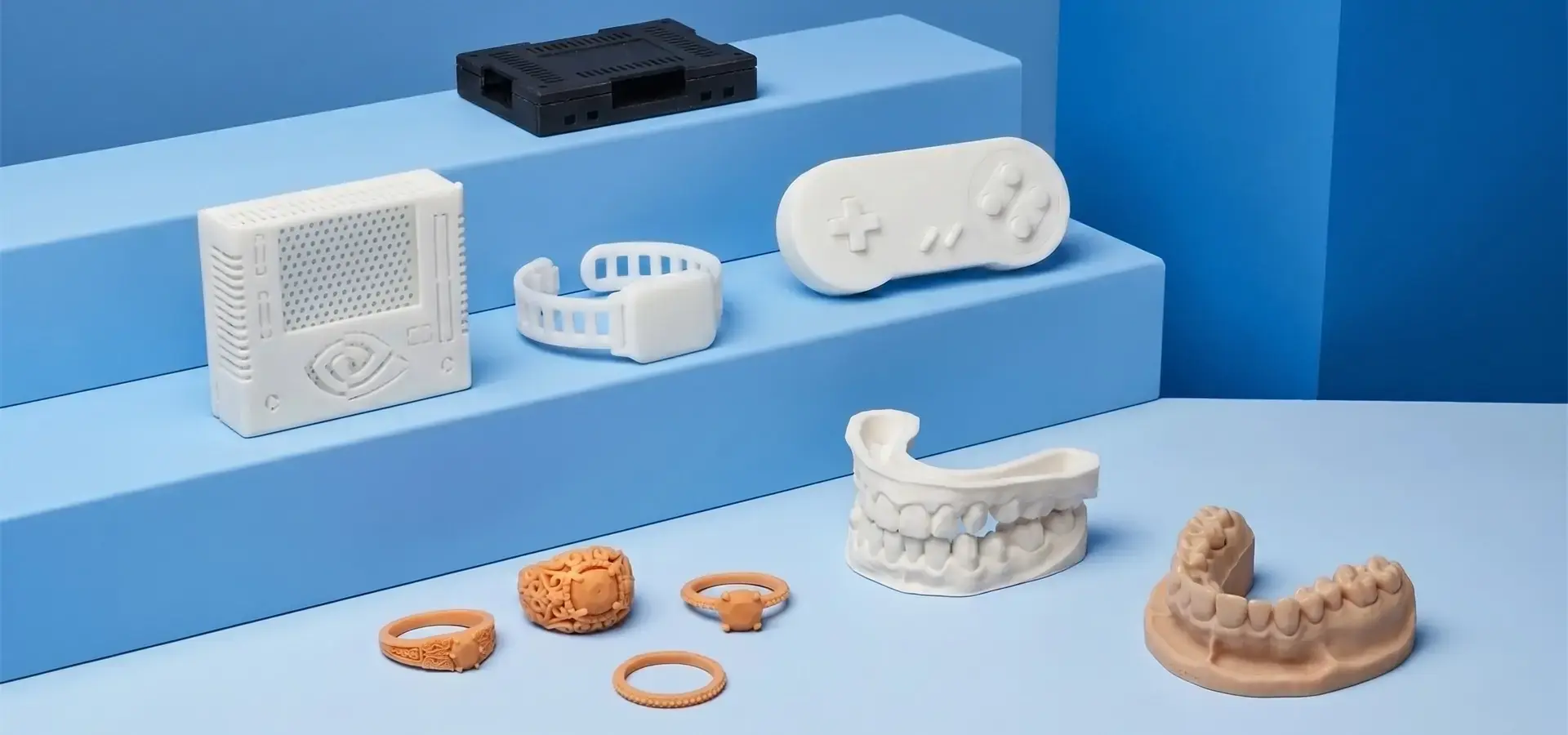
The P7 Pro is distinguished by its exclusive Imadjust™ picture greyscale adjusting software. This program optimises light exposure at the pixel level, with an effective pixel size of approximately 18 μm, with grayscale exposure optimization improving perceived detail fidelity, comparable in surface detail quality to higher-end industrial resin systems in its category. Surface finishes and dimensional integrity satisfy jewellery casting model, dental appliance, and precision mechanical component standards.
Meeting Diverse Industrial Needs with Compact Precision
Business owners must decide whether to buy pricey industrial gear or use low-quality equipment. The P7 Pro brings industrial-grade performance to a compact build volume of 153.36 × 77.76 × 160 mm, suitable for small-batch manufacturing and iterative design without taking up important floor space.
This compact system addresses a wide range of cross-industry applications. For quick prototyping of customised interior trim elements, automotive engineers cut R&D cycles from months to days. Dental labs provide precise orthodontic aligner bases and surgical guide prototypes for personalised therapy. Consumer electronics designers confirm complex wearable and earbud housing designs to meet quick product launch timeframes. Cultural creatives produce detailed handmade models and personalised decorations with efficient material usage and minimal waste compared to traditional sculpting methods.
The economic benefit is evident when compared to typical outsourcing. A service bureau may charge $200–$500 for a one-week high-precision prototype. The P7 Pro in-house lets teams iterate ideas many times a day at about $10 each print, revolutionising creativity.
Performance and Technical Advantages of the P7 Pro
Procurement professionals evaluating additive manufacturing solutions focus on three critical performance indicators: resolution, reliability, and versatility when assessing the P7 Pro. The P7 Pro delivers exceptional results across all three dimensions, making it a strategic asset for organizations committed to competitive innovation.
Precision That Rivals Industrial Systems
The technical specifications reveal why the P7 Pro stands apart in its category. The 6.8-inch 9K monochrome LCD screen features an 8520 × 4320 resolution with an 18 × 18 μm pixel size. Combined with P-grade precision linear rails and grayscale exposure optimization, the system helps maintain consistent dimensional accuracy of approximately ±0.02 mm under properly calibrated conditions.
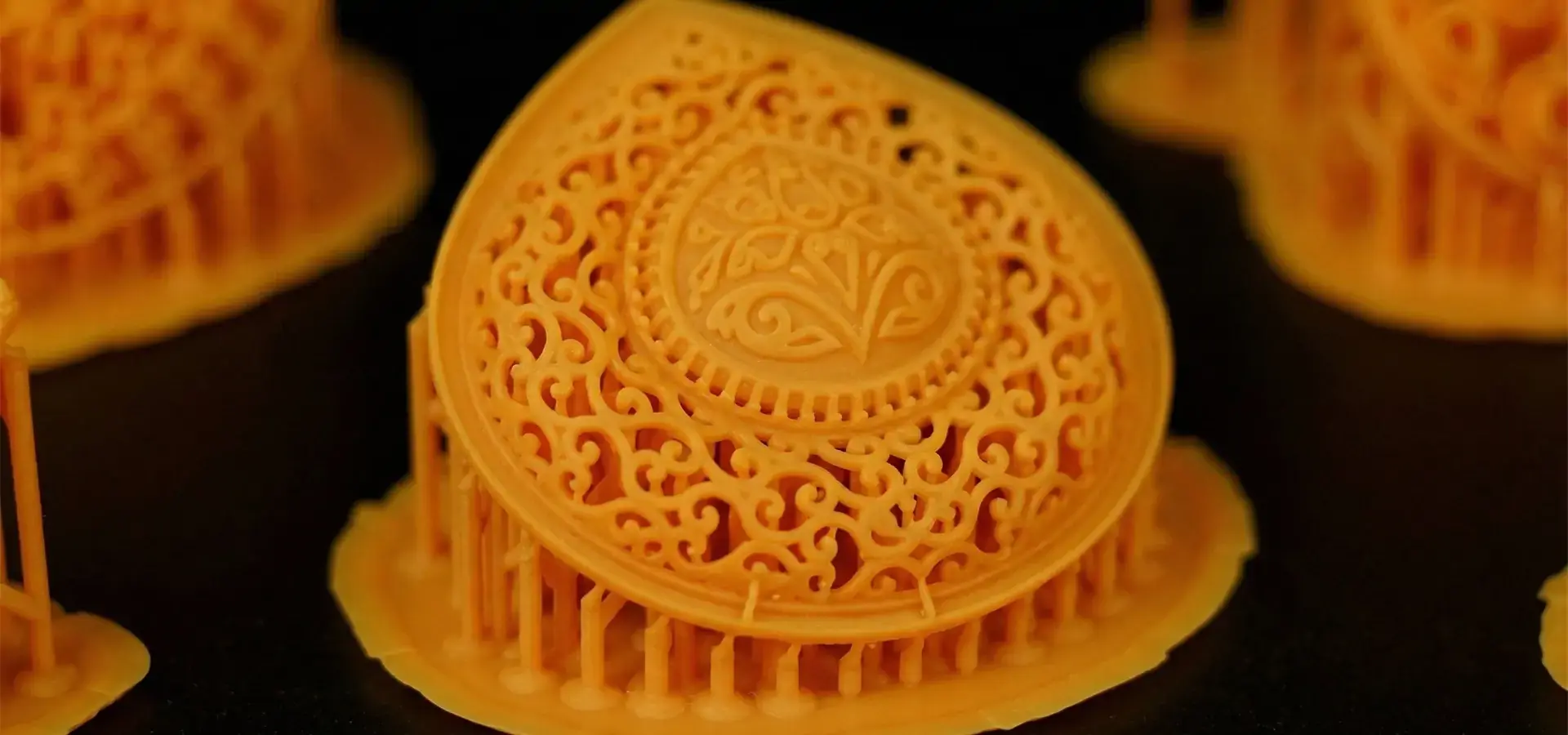
This level of precision matters profoundly in practical applications. Jewelry designers creating master patterns for lost-wax casting depend on capturing fine filigree work and precise stone settings—details measured in tens of microns. Medical device prototypers require accurate surface textures for ergonomic testing and regulatory approval processes. Aerospace component validation demands tight tolerances to ensure proper fit with existing assemblies. The P7 Pro handles these challenges consistently, producing parts that require minimal post-processing before functional use.
Layer thickness flexibility ranging from 25 to 150 μm allows users to balance speed against surface quality. Presentation models benefit from 25 μm layers that eliminate stair-stepping artifacts, while functional prototypes print efficiently at 100 μm without sacrificing structural integrity.
Intelligent Systems Ensuring Consistent Output
Reliability concerns plague many organizations considering in-house additive manufacturing. Equipment downtime during critical project phases creates cascading delays and erodes the business case for capital investment. The P7 Pro addresses these concerns through multiple engineered safeguards.
The intelligent heating system represents a breakthrough for maintaining print success rates across varying environmental conditions. Traditional resin printers suffer failure rates may increase significantly when ambient temperatures drop below 20°C, due to higher resin viscosity and reduced layer adhesion. The P7 Pro uses a built-in heating system to help stabilize chamber temperature (around 30°C under controlled conditions), improving print consistency across different environments. This feature proves invaluable for businesses in colder regions or facilities lacking sophisticated HVAC systems.
Material compatibility extends beyond proprietary formulations. While Magforms offers optimized resins developed specifically for the P7 Pro, the open resin platform supports a range of compatible third-party photopolymer resins, including engineering-grade formulations, high-temperature resistant materials, flexible formulations, and castable resins. This flexibility protects procurement budgets from vendor lock-in while enabling exploration of specialized materials as application needs evolve.
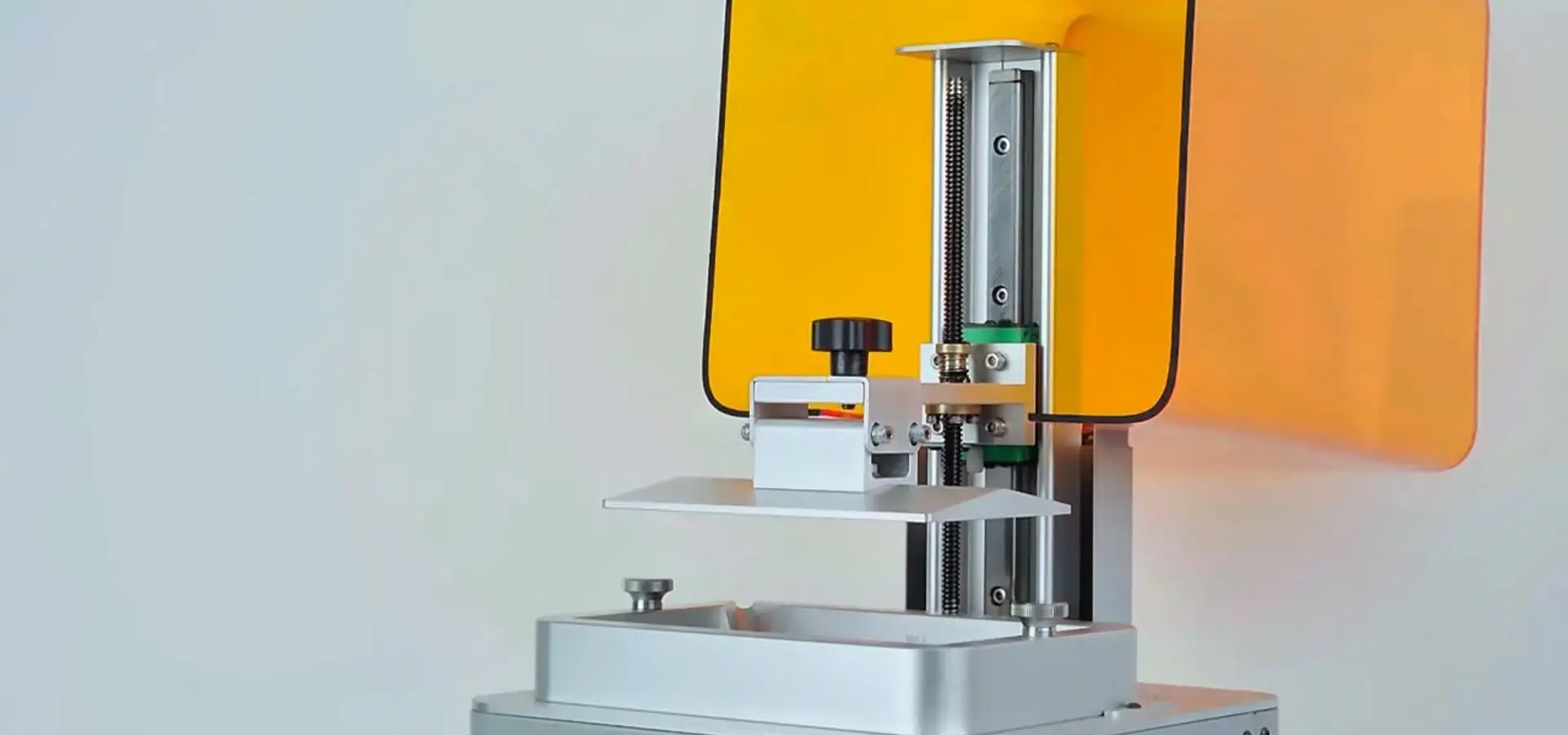
The full-metal chassis provides structural rigidity that prevents micro-vibrations during the peel process—the moment when each cured layer separates from the release film. Cheaper machines using plastic frames experience dimensional drift over extended prints, particularly noticeable in tall vertical geometries. The P7 Pro’s rigid metal chassis helps maintain positional stability during long-duration prints, reducing scrap rates and material waste.
User Experience and Workflow Integration
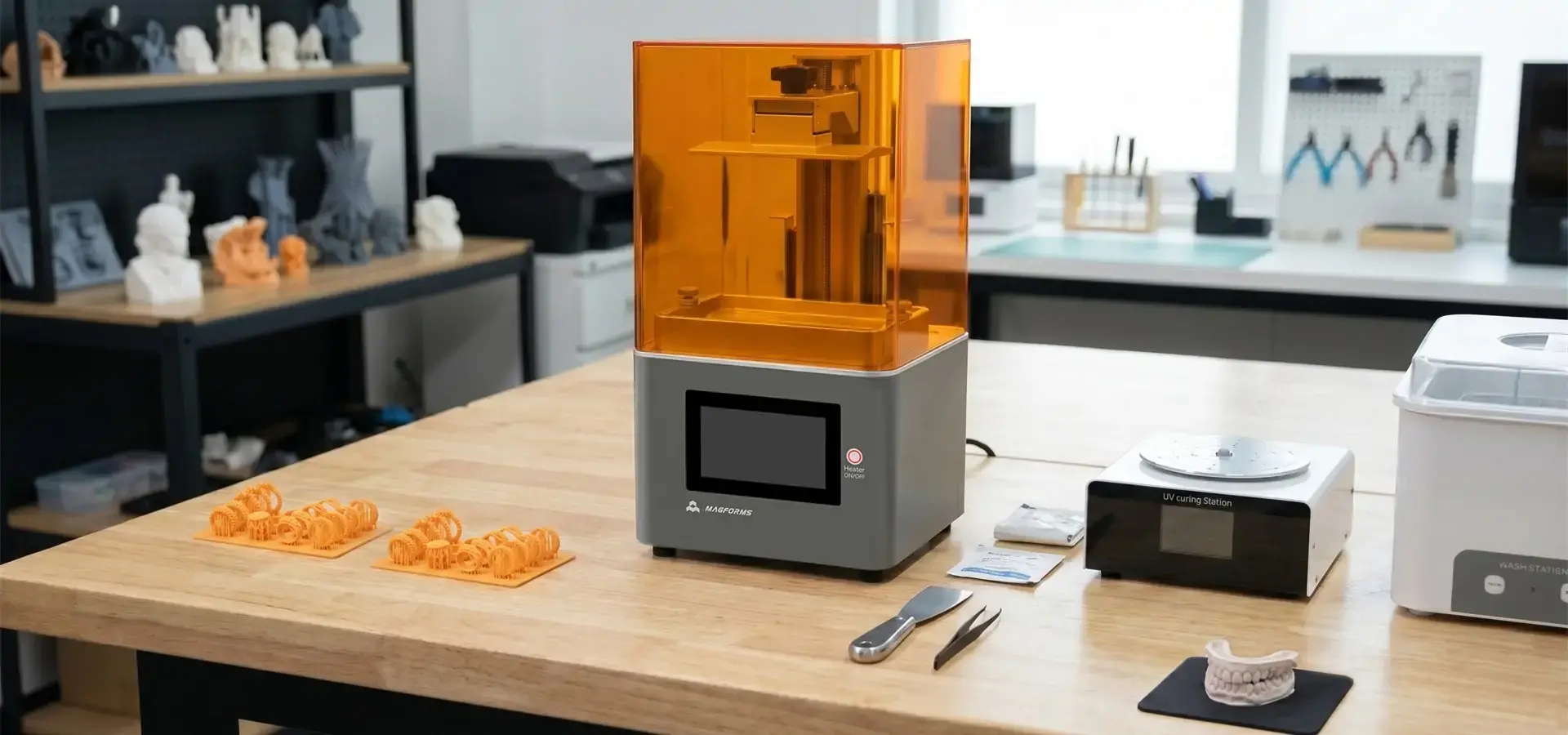
Operational efficiency extends beyond raw printing capability. The 5-inch touchscreen interface with customized UI simplifies parameter adjustment, allowing operators to modify exposure times, lift speeds, and rest delays in real-time without interrupting prints. This responsiveness supports experimental material profiles and lets experienced users optimize settings for specific geometry challenges.
The UV-resistant acrylic flip-up cover serves dual purposes: protecting users from unnecessary UV exposure while enabling visual monitoring of print progress. Transparent covers on competing machines often yellow and cloud over time, requiring replacement. The P7 Pro's UV-resistant material maintains clarity through thousands of operating hours while preventing accidental resin curing from ambient light—a common frustration that ruins expensive material batches.
How the P7 Pro Addresses Common Challenges in Desktop 3D Printing
Even enthusiastic adopters of additive manufacturing encounter practical obstacles that impede consistent results. The P7 Pro's design philosophy anticipates these pain points, incorporating solutions that transform potential frustrations into seamless operation.
Simplified Maintenance and Reduced Downtime
Technical support personnel at manufacturing facilities often juggle multiple equipment responsibilities. Complex maintenance procedures discourage regular upkeep, leading to gradual performance degradation. The P7 Pro simplifies routine care through accessible design and thoughtful component selection.
The 9K monochrome LCD screen outlasts older RGB screens by a factor of five, typically delivering 2,000+ hours of operation before replacement becomes necessary. When screen replacement is eventually required, the process takes under 15 minutes using standard tools—no specialized technician callout needed. The release film changes similarly take minutes rather than hours, minimizing production interruptions.
Resin handling presents another common challenge. The P7 Pro's build platform features tool-free removal via quick-release mechanisms, allowing printed parts to move swiftly to post-processing while the printer immediately begins the next job. This design consideration matters significantly in production environments where equipment utilization rates directly impact throughput economics.
Balancing Speed and Quality Without Compromise
Conventional wisdom suggests that resin printing forces a choice between speed and quality. Higher layer thicknesses print faster but sacrifice surface finish, while fine layers extend print times substantially. The P7 Pro challenges this trade-off through hardware and software synergy.
The monochrome LCD exposure technology typically enables faster curing times (around 2–3 seconds per layer depending on resin and layer height), compared to older RGB LCD systems. This four-fold speed increase compounds dramatically over prints containing hundreds of layers. A jewelry ring that previously required several hours may be completed in significantly reduced time (around 90 minutes under optimized settings).
The uniform light source array eliminates the light falloff problems that plague edge accuracy on competing machines. Many systems show measurably different dimensional accuracy between center and corner prints due to uneven light distribution. The P7 Pro maintains consistent exposure across the entire build platform, enabling full utilization of available space without quality concerns. Businesses running batch production maximize output per cycle, improving cost-per-part economics.
Safety and Reliability for Professional Environments
Workplace safety regulations increasingly scrutinize chemical handling and equipment operation. The P7 Pro meets professional environment requirements through multiple protective features. The enclosed build chamber with UV-blocking cover prevents operator exposure to active UV light, addressing occupational health guidelines for photochemical hazards. Ventilation considerations remain important, but the enclosed design contains volatile organic compounds more effectively than open-tray systems, simplifying facility compliance with air quality standards.
Temperature monitoring safeguards protect both equipment and prints. If chamber heating malfunctions, the system alerts operators and pauses the job rather than allowing a failure to waste hours of printing and expensive material. This intelligent error handling reflects real-world operational needs where unattended overnight printing is common practice.
Evaluating the P7 Pro for B2B Procurement: A Rational Choice Approach
Investment decisions require thorough analysis extending beyond initial purchase price. The P7 Pro delivers value through multiple dimensions that impact total cost of ownership and organizational capability building.
Comprehensive Cost-Benefit Analysis
The listed price of the P7 Pro positions it competitively against prosumer resin printers while delivering specifications that challenge industrial systems costing significantly more. However, smart procurement teams evaluate additional factors that affect long-term value.
Material costs per part for typical jewelry or dental applications range from $3 to $15 depending on geometry and resin selection—approximately one-tenth the cost of outsourcing equivalent prototypes to service bureaus. Organizations producing consistent high-precision parts may achieve return on investment within several months depending on production volume and application type.
Reliability translates directly to hidden costs. Equipment with 70% first-time print success rates waste 30% of operator time and materials on failed attempts. The P7 Pro's thermal management and mechanical stability help improve print success rates under properly tuned settings and suitable materials, dramatically reducing scrap and freeing technical staff to focus on productive work rather than troubleshooting failed prints.
Support Infrastructure and Risk Mitigation
Magforms backs the P7 Pro with comprehensive technical support infrastructure critical for business continuity. The company maintains regional service networks ensuring replacement parts arrive within 48 hours for most locations. Technical training programs help operators maximize equipment capability while professional workshops provide ongoing education as materials and techniques advance.
The warranty coverage reflects manufacturer confidence in product durability. Extended warranty options protect organizations from unexpected maintenance costs during budget planning horizons. After-sales support includes software upgrades that continuously improve performance—recent firmware updates enhanced print success rates by 8% through refined exposure timing algorithms, delivered at no charge to existing customers.
For procurement teams managing vendor relationships across multiple locations, Magforms' authorized dealer network provides consistent service quality and local language support. This proves especially valuable for multinational traders establishing 3D printing capabilities in emerging markets where technical expertise may be less readily available.
Consumables and Ecosystem Considerations
Total cost modeling must account for ongoing consumable expenses. The P7 Pro requires periodic replacement of the FEP release film and LCD screen, with typical costs of $25 and $180, respectively. These components deliver months of operation before replacement, translating to mere pennies added to per-part costs.
The open resin platform delivers strategic flexibility. While Magforms formulates proprietary resins optimized for the P7 Pro's specific light wavelength and intensity, users retain freedom to source compatible materials based on application requirements and budget constraints. This contrasts sharply with proprietary cartridge systems that lock customers into single-source supply chains with inflated material pricing—a common complaint about certain foreign brands dominating the prosumer market.
Future Outlook: How the P7 Pro Drives Ongoing Innovation in B2B Manufacturing
Strategic equipment investments must consider not only current capabilities but also alignment with emerging industry trends. The P7 Pro architecture positions adopters to capitalize on multiple manufacturing evolution pathways.
Modular Design Supporting Capability Evolution
Manufacturing technology advances rapidly, creating risks of premature obsolescence for capital equipment desktop 3D printers. The P7 Pro mitigates this concern through thoughtful modularity. The LCD screen, linear motion system, and control electronics represent discrete upgradeable modules rather than monolithic integrated assemblies. As higher-resolution screens become available, users will upgrade display components without replacing entire machines. When improved linear rail systems emerge, motion subsystems can incorporate the latest advances. This modularity protects long-term investment value while enabling incremental performance improvements that extend equipment useful life beyond typical three-to-five-year replacement cycles.
Material science continues advancing with specialized resins offering properties unimaginable years ago—biocompatible materials for medical implants, thermally conductive resins for electronics, and ceramic-filled formulations for metal casting. The P7 Pro's flexible resin platform and adjustable exposure parameters position users to adopt these innovations immediately upon commercial availability, maintaining competitive advantage through material differentiation.
Industry 4.0 Integration and Digital Manufacturing
Connected manufacturing represents a fundamental transformation in how production facilities operate. The P7 Pro incorporates network connectivity enabling integration with enterprise resource planning systems and manufacturing execution software. Production managers monitor equipment status remotely, receiving alerts when prints are complete or errors require attention. Print job queuing systems automatically distribute work across multiple printers, optimizing facility throughput. Usage data feeds back into procurement planning for resin inventory management. These capabilities transform the 3D printer from a standalone tool into an integrated component of digital manufacturing infrastructure.
The file-to-part workflow eliminates traditional manufacturing setup costs. Design changes propagate instantly from CAD software to the production floor without tooling modifications or machine reconfiguration. This responsiveness proves transformational for mass customization strategies where each product variant differs from the next—impossible economics with traditional manufacturing but routine when additive manufacturing eliminates setup penalties.
Sustainability and Localized Production
Environmental responsibility increasingly influences procurement decisions as organizations face stakeholder pressure regarding carbon footprints and waste streams. The P7 Pro supports several sustainability objectives relevant to corporate responsibility initiatives.
Additive manufacturing's fundamental principle of material deposition only where needed contrasts sharply with subtractive manufacturing's waste ratios. Traditional machining might remove 70-90% of raw material to reach final geometry, whereas resin printing wastes minimal material beyond support structures. Organizations tracking waste reduction metrics appreciate measurable improvements when shifting prototype production in-house.
Localized production enabled by compact desktop systems reduces transportation emissions from international prototype shipping. A jewelry designer in California instantly produces samples that previously required air freight from a service bureau across the country. An automotive supplier in Michigan iterates component designs on-site rather than waiting for parts from a centralized prototyping facility. These micro-decisions aggregate into significant environmental impacts across organizational supply chains.
Photopolymer resin recycling and responsible disposal programs continue improving as the industry matures. Magforms actively collaborates with material suppliers on closed-loop recycling initiatives that recover unused resin and support structure material, reducing both environmental impact and material costs for high-volume users.
Conclusion
The desktop 3D printer P7 Pro demonstrates how precision engineering and intelligent features converge to accelerate innovation across diverse industries. Through 9 μm XY resolution, stable thermal management, and reliable mechanical construction, this system delivers production-quality results within a compact footprint accessible to organizations of any scale. The combination of technical performance, operational reliability, and strategic flexibility makes it a compelling solution for businesses pursuing competitive advantage through rapid prototyping and low-volume manufacturing capabilities. As additive manufacturing continues reshaping product development workflows, the P7 Pro stands ready to support organizations committed to responsive, sustainable, and economically efficient innovation.
FAQ
1. What accuracy can desktop resin printers achieve for production applications?
High-end desktop resin printers like the P7 Pro achieve dimensional accuracy within 0.02 mm and XY resolution down to 9 μm through advanced light control and precision mechanics. This performance level meets production standards for jewelry casting models, dental appliances, and precision mechanical prototypes where surface detail and tight tolerances directly impact functional performance and aesthetic quality.
2. How do environmental conditions affect resin printing success rates?
Temperature significantly influences photopolymer resin viscosity and curing behavior. Systems lacking active thermal management experience print failures exceeding 30% when ambient temperatures drop below 20°C. The P7 Pro's intelligent heating system maintains the build chamber at 30°C regardless of external conditions, ensuring consistent layer adhesion and print success rates above 95% year-round.
3. Can desktop systems handle production volumes or only prototyping?
Modern desktop resin printers bridge prototyping and production applications effectively. The P7 Pro's fast cure times, high success rates, and durable construction support batch production workflows where organizations produce dozens to hundreds of units monthly. Jewelry manufacturers, dental labs, and custom electronics producers routinely use desktop systems for end-use production rather than solely prototyping.
Partner with Magforms for Your Desktop 3D Printer Needs
Magforms brings decades of industry expertise and comprehensive technical support to organizations seeking reliable desktop 3D printer solutions. As a leading manufacturer with 22 patents and service to over 300 enterprises globally, we understand the challenges procurement teams face when evaluating additive manufacturing investments. Our P7 Pro combines industrial-grade precision with accessible pricing, backed by responsive technical support and established supply networks.
Whether you're establishing initial prototyping capability or expanding production capacity, our team provides personalized guidance matching equipment specifications to your application requirements. Contact our specialists at info@magforms.com to discuss how the P7 Pro desktop 3D printer can accelerate your innovation initiatives and transform product development workflows.
References
1. Gibson, I., Rosen, D., & Stucker, B. (2021). Additive Manufacturing Technologies: 3D Printing, Rapid Prototyping, and Direct Digital Manufacturing. Springer Nature.
2. Scopigno, R., Cignoni, P., Pietroni, N., Callieri, M., & Dellepiane, M. (2017). "Digital Fabrication Techniques for Cultural Heritage: A Survey." Computer Graphics Forum, 36(1), 6-21.
3. Dawood, A., Marti, B. M., Sauret-Jackson, V., & Darwood, A. (2015). "3D Printing in Dentistry." British Dental Journal, 219(11), 521-529.
4. Stansbury, J. W., & Idacavage, M. J. (2016). "3D Printing with Polymers: Challenges among Expanding Options and Opportunities." Dental Materials, 32(1), 54-64.
5. Tofail, S. A., Koumoulos, E. P., Bandyopadhyay, A., Bose, S., O'Donoghue, L., & Charitidis, C. (2018). "Additive Manufacturing: Scientific and Technological Challenges, Market Uptake and Opportunities." Materials Today, 21(1), 22-37.
6. Wohlers, T., Campbell, I., Diegel, O., Kowen, J., & Mostow, N. (2022). Wohlers Report 2022: 3D Printing and Additive Manufacturing Global State of the Industry. Wohlers Associates.

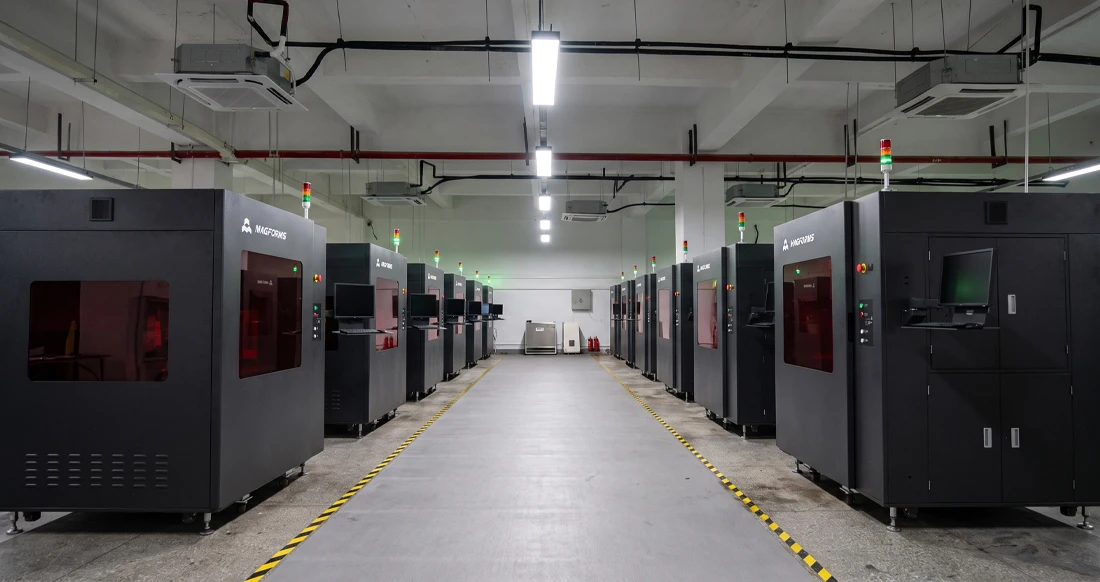
Magforms makes design and manufacture easier.
Popular Blogs
-
 Industry InsightsManufacturing Industry
FDM vs. SLA Printer: Which Technology Is Right for Your Project?
-
 Industry InsightsManufacturing Industry
Top 5 Applications of Industrial 3D Printers in Manufacturing Today
-
 Industry InsightsManufacturing Industry
Why Stereolithography 3D Printers Are Unmatched for Microfluidic Device Prototyping?