Large scale resin 3D Printer for Engineering and Rapid Prototyping
A large-scale resin 3D printer is essential for modern engineering processes when product development times get shorter and the need for accuracy increases. These industrial photopolymerization systems, which include SLA, DLP, and MSLA technologies, let manufacturers make full-sized functional prototypes and batch components with injection-mold surface quality. This eliminates structural limitations associated with multi-part assembly workflows that come with multi-part assembly workflows and speeds up market response in the medical, consumer electronics, and aerospace industries.
Understanding Large-Scale Resin 3D Printers
The Core Technology Behind Industrial Photopolymerization
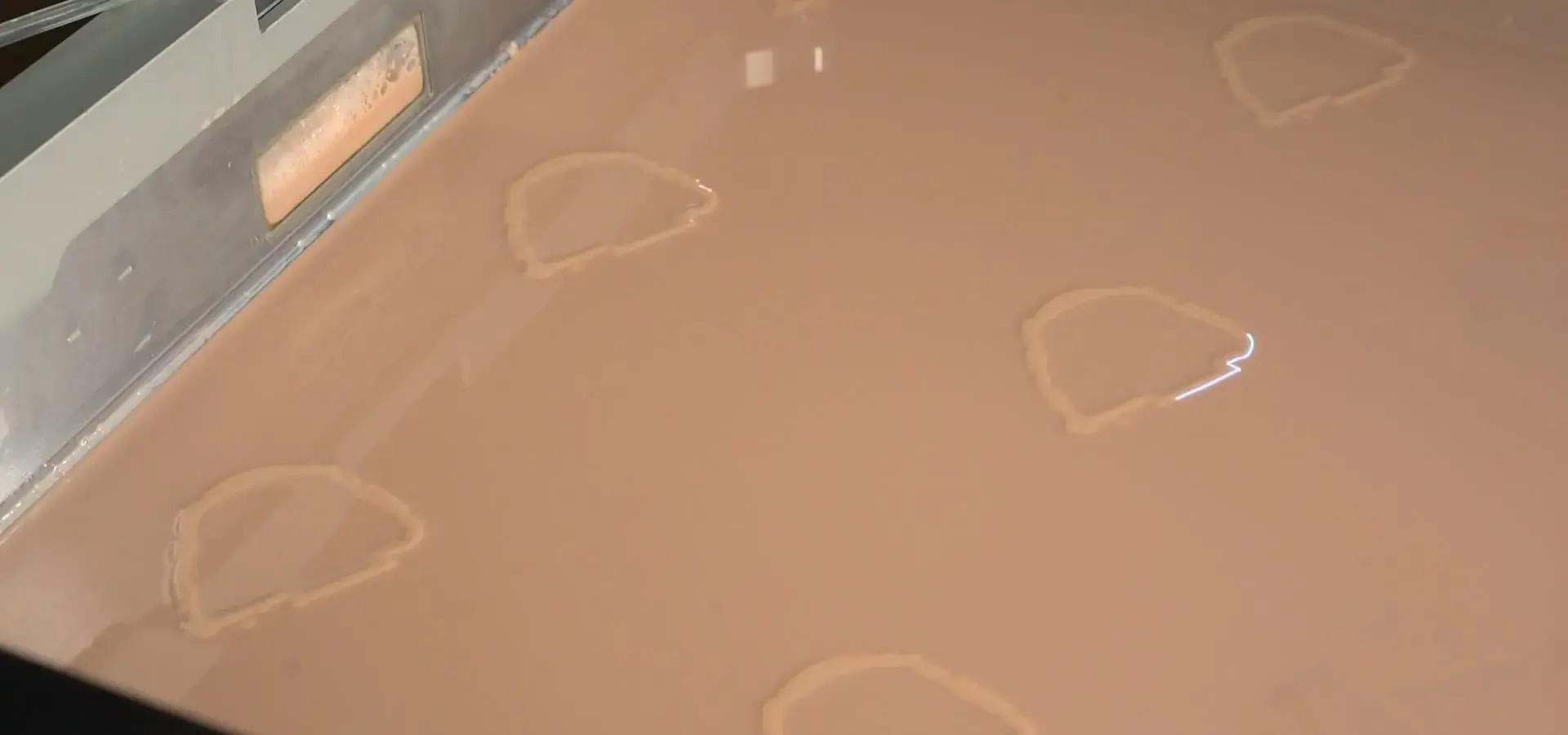
To begin, a large-scale resin 3D printer uses UV light sources to process liquid photopolymer resin one layer at a time. SLA systems use galvanometer-driven UV lasers to selectively cure liquid resin by tracing each cross-section point-by-point. The laser spot size typically ranges from 30–100 microns, depending on optical configuration and application requirements. This gives them the highest level of detail for making things with complicated shapes, like turbine blades or orthodontic tools. Digital micromirror arrays are used in DLP setups to project whole layers at once. This cuts print times by 40–60% compared to point-scanning methods. MSLA versions use high-resolution black-and-white LCD screens (often 8K or 12K panels) along with collimated LED grids to make sure that light intensity is the same across large build areas. This is a key part of keeping big, solid sections from warping at the edges.
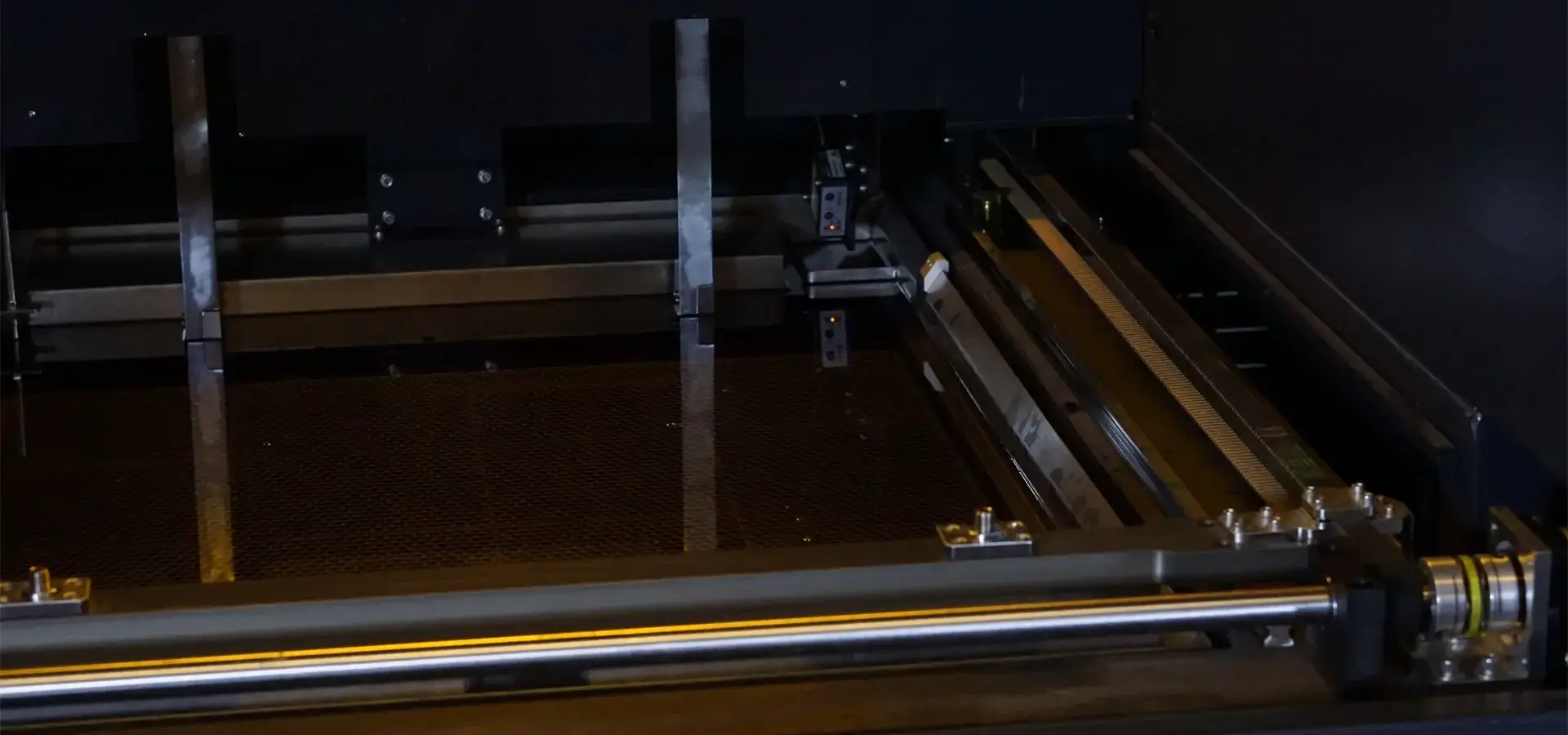
The mechanical design is very different from the market models. Industrial large-scale resin 3D printer (SLA) systems combine galvanometer-based laser scanning optics with dual linear guide rails to ensure Z-axis stability under high peel forces and maintain consistent energy delivery during long build cycles. Advanced release mechanisms, like tilt-and-peel actuators, keep layers from coming apart and motors from stopping when there is a lot of force. These technical solutions have a direct effect on production uptime. Field deployments indicate that properly maintained systems can achieve up to 90%+ operational uptime, depending on workflow stability and maintenance compliance.
Material Compatibility and Environmental Integration
The choice of materials goes far beyond simple plastics. Engineering-grade mixtures now have ABS-like polymers with a tensile strength of 55 MPa, high-temperature versions that are stable up to 238°C, and flexible resins that keep their shape after being heated and cooled many times. These systems can handle resin viscosities from 100 to 8,000 cP thanks to built-in heating tanks maintaining stable flow conditions at 28–32°C. When working with special materials, like castable resins for investment casting or biocompatible formulas for surgery guides, this temperature control can't be skipped.
Beyond material selection, facility planning plays a critical role in system performance and safety compliance. Industrial vat photopolymerization systems need special ventilation—usually 150+ CFM exhaust capability with activated carbon filtration—to handle aerosol emissions from 10–20 liter resin vats. All photopolymerization systems generate VOC emissions during operation, though emission levels vary depending on resin volume, exposure energy, and enclosure design. Post-processing environments need to be able to grow with the product. This means that industrial washing stations with IPA or TPM solvent circulation and UV curing rooms that fit the full build envelope are needed to make sure that all polymers are cross-linked and that the shape stays the same.
Key Applications and Benefits for Rapid Prototyping and Engineering
Automotive Component Development
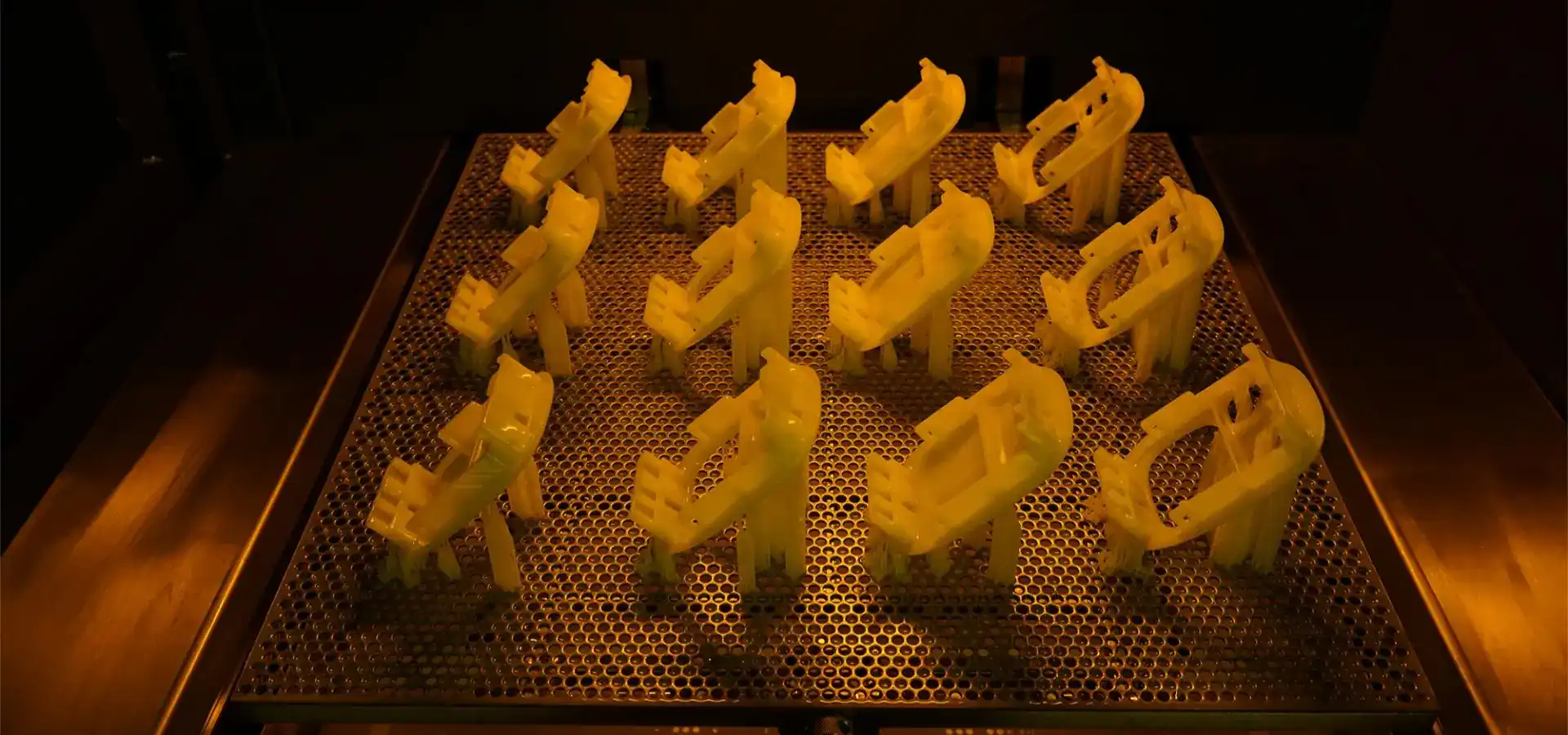
Large-scale resin 3D printers are used by automakers to cut the time it takes to make a prototype from weeks to days. We've helped clients make full-size dashboard kits with air vents, instrument clusters, and mounting bosses as single structures instead of models that were put together. This method keeps the design intent while ergonomic validation and crash simulation mounting are done, getting rid of the 0.3-0.5 mm tolerance stack-ups that happen with bonded assemblies. Customized interior trim for limited production vehicles, such as leather embossing masters and bespoke center consoles, goes from CAD approval to physical validation within 48 hours, which completely changes how niche automakers test the market.
Aerospace Precision and Medical Customization
For wind tunnel models and composite layup tools, the aircraft industry needs parts that meet very tight size tolerances, which are often ±0.1 mm across 300 mm+ spans. Large-scale resin 3D printers meet these requirements by using thermally stable build rooms and laser spot compensation algorithms to make parts that keep their shape during autoclave cure cycles. In medical settings, the technology allows for customized solutions for each patient: one print run can make more than 50 different dental models from intraoral scans, each with an accuracy of 30 microns on the occlusal surface. This changes the economics of orthodontic labs by getting rid of the need for standard stone model processes.
Production Efficiency Metrics
When you compare it to standard testing, you can see that it has clear benefits. A 5-axis CNC prototype for consumer electronics housing, which requires multiple setups, 12-hour cycle times, and 8-hour print jobs on a large-scale resin 3D printer, reduces material costs from $180 per unit to $35 per unit. These benefits are amplified in batch production settings, where printing 100 identical connector housings takes the same amount of time as printing one. This is something that can't be done with subtractive or casting processes at prototype levels.
How to Choose the Right Large-Scale Resin 3D Printer for Your Business
Defining Procurement Criteria
The build volume standards must match the part boxes, plus 15 to 20 percent extra space for support structures. Most car interior parts can fit in a 400x400x500mm working space, which also lets 80–120 small parts be made at the same time by nesting them. Different uses have different resolution needs. For example, housings for market goods can handle 50 microns of XY resolution, but dentists need 25 microns of precision. Print speed, which is measured in millimeters per hour of Z-axis motion, has a direct effect on throughput. Production-oriented systems can reach 30 to 50 millimeters per hour by optimizing layer exposure times and quick peel processes.
Compatibility between materials goes beyond what's written on the manufacturer's specs. Check for open-system designs that can use third-party resins. This feature lowers costs by 30 to 40 percent compared to ecosystems that only use private materials. We have proof of situations where locked systems made customers buy plastic for $400/liter when open-system versions that were the same cost only $120/liter. Check the infrastructure for handling resin. For example, automatic feeding systems with level sensors and peristaltic pumps keep jobs from stopping in the middle of 20-hour or longer prints, which protects both the investment in materials and the plan for production.
Evaluating Manufacturers and Total Cost of Ownership
When comparing systems, look at how long the parts last. Most monochrome LCD screens in mSLA large-scale resin 3D printers last for 2,000 to 3,000 printing hours before they need to be replaced, which costs between $800 and $1,200. Laser SLA systems, on the other hand, can work for 10,000 hours or more but cost more to buy at first. Figure out the lead times and availability of substitute parts. This is a very important step that we've seen people forget about until production stops while they wait for a $3,500 galvanometer unit that will arrive in 8 weeks.
When figuring out ROI, you should include things like how much material is wasted, how much energy is used (industrial units use 1.5 to 3 kW of power all the time), and how much work is needed for post-processing. In high-use situations, a properly defined system pays for itself in 18 to 24 months, especially when it replaces development services that cost $250 to $600 per part. It's important to look for warranties that cover more than just the first year. Look for warranties that cover optical parts and motion systems, which are the most expensive parts of photopolymerization tools that can break.
Optimizing Performance and Maintenance for Large-Scale Resin Printers
Preventive Maintenance Protocols
Regular repair schedules are necessary for operational stability. Every 50 printing hours, resin vat films of the FEP, nFEP, or ACF types need to be checked for cloudiness or tiny tears that affect the regularity of UV penetration. We suggest replacing them every 200 hours, even if there is no obvious wear, because optical degradation happens before it can be seen. Every 500 hours, the surfaces of the build plates that stick together need to be resurfaced with a light, gritty treatment. This brings back the micro-texture that is needed for the first layer to stick together without using too much force.
Cleaning the optical path has a direct effect on how well prints work. Cleaning Resin vat windows, optical protective glass, and galvanometer mirror assemblies requires regular cleaning to prevent contamination and maintain consistent laser energy transmission. Once a month, with IPA and lint-free wipes, it stops the 15–25% light intensity losses that leave deep parts not fully cured. Temperature sensor calibration, which is checked every three months against NIST-traceable standards, keeps the viscosity of the glue within the 10% range needed for consistent layer adhesion across big cross-sections.
Software and Calibration Best Practices
Modern large-scale resin 3D printers have slicing algorithms that are AI-optimized and change exposure times based on cross-sectional area and shape complexity. Updating the hardware and slicer software regularly—usually every three months—unlocks these speed improvements and fixes edge cases found by collecting user data. Every month, you should pay attention to your calibration processes. For example, using precision dial indicators to check the Z-axis's perpendicularity, checking the resin's temperature, and evaluating test prints with standard shapes can find drift before it affects production parts.
Professional service contracts protect you in case something goes horribly wrong. Annual checks by factory-trained experts include checking the optical alignment, measuring the backlash in the motion system, and certifying the electrical safety. These inspections increase the life of the equipment and keep the guarantee valid. We've seen that sites that use preventive service contracts have 60% fewer unexpected downtimes than those that use reactive maintenance.
Making a Confident Purchase: Where and How to Buy Large-Scale Resin 3D Printers
Supplier Selection and Procurement Channels
To find qualified large-scale resin 3D printer providers, you need to look at both the equipment specs and the expert support infrastructure. When manufacturers keep regional service centers stocked with parts, they can respond in 24 to 48 hours instead of the two to three weeks it takes for foreign shipping. Check to see if there are any training programs available. Full operator certification that covers calibration procedures, troubleshooting methods, and material handling safety protects your equipment investment and builds internal knowledge at the same time.
Negotiating for bulk purchases lets you get prices that are usually 12–18% less than the list price for orders of more than one item. Distributors who work with 3D printing service bureaus often help businesses make group purchases by combining the needs of smaller businesses to get lower prices for larger businesses. Operating leases that last between 36 and 60 months can help you save money and cover maintenance costs. This type of lease is especially good for startups that want to see if the market wants to buy something before they commit to buying it fully.
Warranty and After-Sales Considerations
Wear parts that aren't usually covered by warranties should be covered by this one. For example, vat films and build surface finishes make up 40% of the cost of replacing something after three years of use. Look over service level agreements that spell out the fastest reaction times and guarantees for part supply. Some makers offer longer guarantees that include yearly preventative maintenance, software updates, and priority technical support for an extra 15 to 20 percent of the equipment's purchase price. This is usually an investment that pays off because it means fewer problems with operations.
Demo apps and sample part proofs take the guesswork out of buying things. Reputable large-scale resin 3D printer makers offer on-site demos using your CAD files and material specs to produce parts that you can test for mechanical qualities and dimensional accuracy without damaging them. During the validation process, problems with compatibility or ways to improve workflow are often found that need to be fixed before a final buy is made.
Conclusion
A large-scale resin 3D printer is an investment in industrial flexibility and the speed of product development. The technology is now more developed than just early adopters experimenting. There are now production-proven systems that can offer accuracy down to the micron level across meter-scale build sizes. A good buying process combines technical requirements like build envelope, optical resolution, and material compatibility with practical facts like ease of upkeep, the flexibility of the material environment, and the infrastructure for supporting suppliers. Companies that want to get the best return on investment (ROI) treat these systems as if they were part of a production cell, rather than separate pieces of equipment. They spend the same amount of money on infrastructure for post-processing, training for operators, and preventative maintenance plans that ensure consistent long-term performance.
FAQ
1. What distinguishes large format resin printers from standard desktop models?
Industrial large scale resin 3D printers are engineered with reinforced mechanical architectures designed to withstand high peel forces generated during large-area layer separation that handle the exponential peel forces caused by cross-sections that are very large, which can generate significant peel forces depending on cross-sectional area, resin viscosity, and layer exposure parameters. Tilt-and-peel motors and other advanced release mechanisms keep layers from delaminating, and automatic resin feeding systems keep vat levels steady during print jobs that last 30 hours or more. These features, designed for production, make sure stability that isn't possible with consumer-grade parts.
2. How do I manage post-processing for large printed parts?
Standard wash-cure systems for personal computers can't handle industrial output. Plan for the right equipment: ultrasonic or agitation-based washing tanks that can handle parts that are 500 mm or more, with IPA or TPM solvent recycling; then, heavy-duty UV curing rooms that can expose the whole build volume to light from all directions. The right post-processing makes sure that parts have the mechanical qualities that were rated for them. If the drying isn't done right, unreacted monomers can damage the parts' strength and stability.
3. Can these systems operate in standard office environments?
Large resin vats give off volatile organic compounds (VOCs), which means that workshops need to have active ventilation systems that can handle 150 CFM or more of waste air with carbon filtering. Stability at room temperature is also important; keeping the temperature between 20 and 25°C stops changes in glue thickness that can hurt the success of a print. Spend money on environmental settings in addition to buying the printer.
Partner with Magforms for Industrial-Grade Resin 3D Printing Solutions
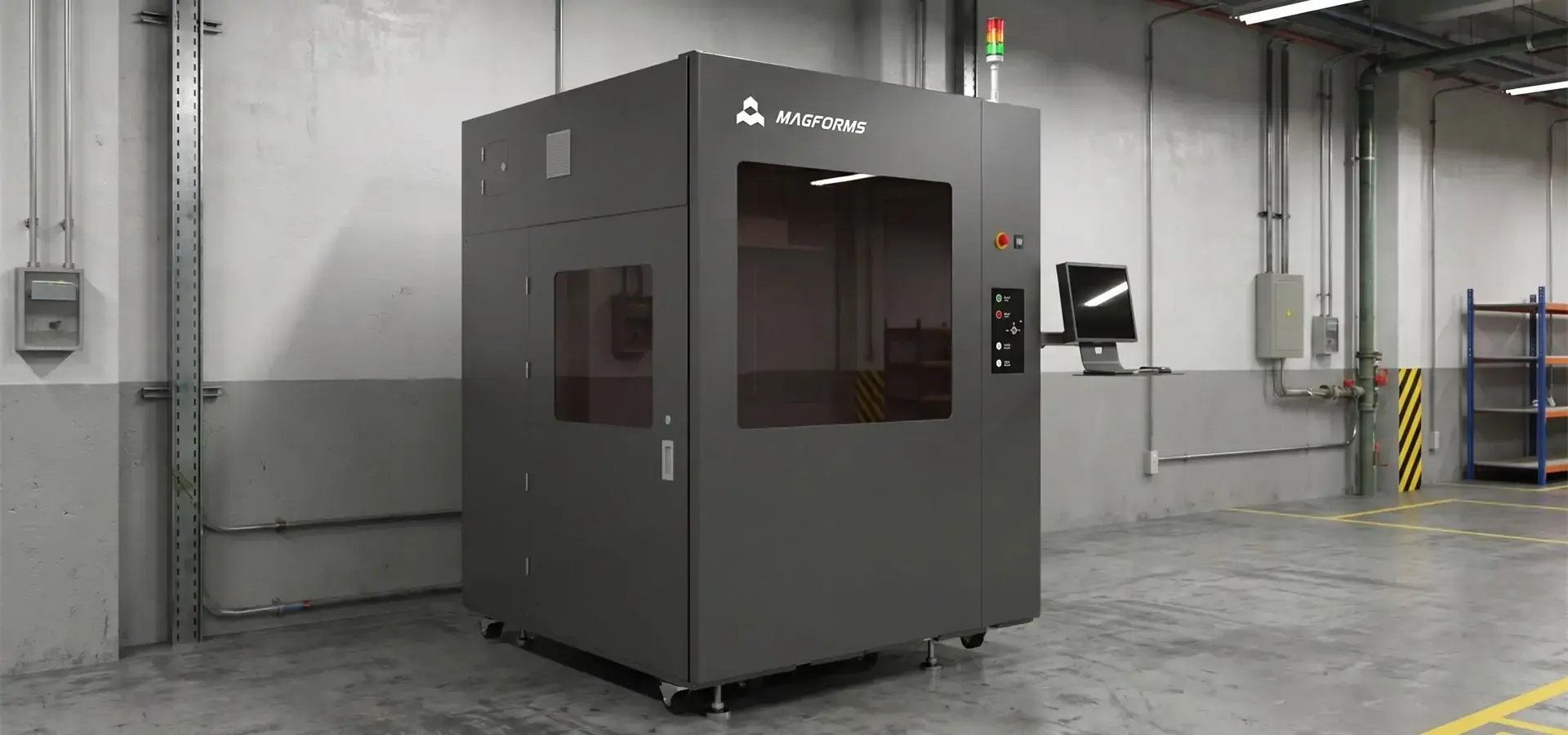
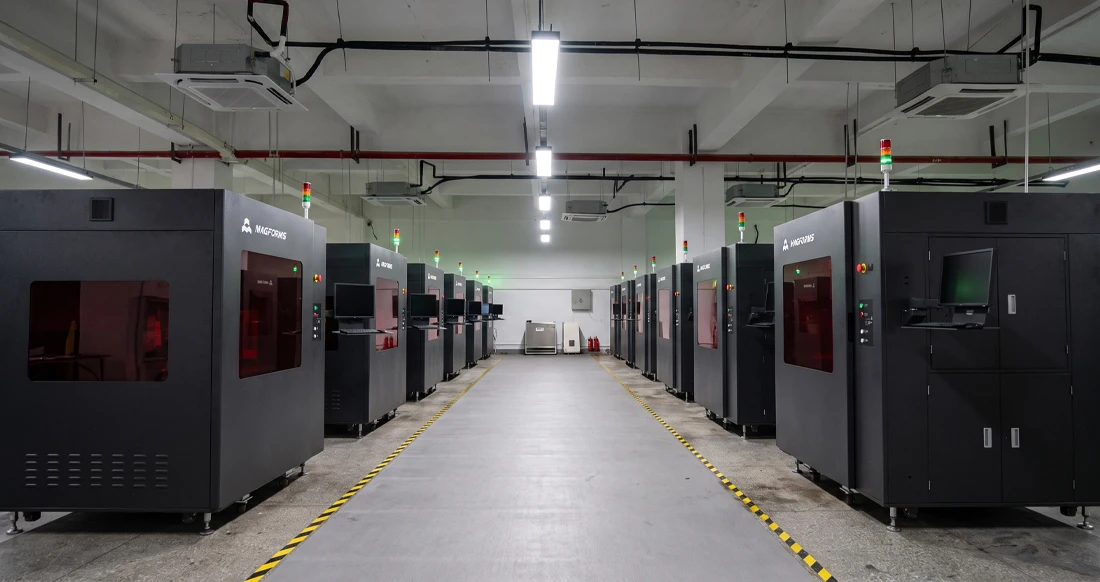
Magforms offers fully integrated large-scale resin 3D printer Systems that combine their own photopolymerization gear with application-optimized resin formulas. This gets rid of the problems that third-party material ecosystems have with compatibility. Our variable spot-size laser technology and AI-optimized scanning paths make our platforms 30% or more faster than others while keeping micron-level accuracy in dimensions across 600x600x400mm build sizes. We've improved production-proven solutions over thousands of hours of work in harsh industrial settings. Our core innovations are protected by 22 patents, and our installations serve more than 300 companies in the automobile, aerospace, and medical sectors.
Our technical support infrastructure includes thorough training for operators, preventative maintenance programs, and quick service networks that keep production running as smoothly as possible. As a well-known large-scale resin 3D printer maker, we provide clear pricing for large purchases, flexible leasing options, and sample validation programs that use your real CAD files and material specs. Get in touch with our engineering team at info@magforms.com to talk about how our method of integrating materials and tools can speed up the development of your products while lowering the costs and risks of operations. You can see the difference in reliability that comes from having design and production skills that are vertically integrated by setting up an on-site display.
References
1. Gibson, I., Rosen, D., & Stucker, B. (2021). Additive Manufacturing Technologies: 3D Printing, Rapid Prototyping, and Direct Digital Manufacturing (3rd ed.). Springer International Publishing.
2. Zakeri, S., Vippola, M., & Levänen, E. (2020). A comprehensive review of the photopolymerization of ceramic resins used in stereolithography. Additive Manufacturing, 35, 101177.
3. Stansbury, J. W., & Idacavage, M. J. (2016). 3D printing with polymers: Challenges among expanding options and opportunities. Dental Materials, 32(1), 54-64.
4. Ngo, T. D., Kashani, A., Imbalzano, G., Nguyen, K. T., & Hui, D. (2018). Additive manufacturing (3D printing): A review of materials, methods, applications, and challenges. Composites Part B: Engineering, 143, 172-196.
5. Ligon, S. C., Liska, R., Stampfl, J., Gurr, M., & Mülhaupt, R. (2017). Polymers for 3D printing and customized additive manufacturing. Chemical Reviews, 117(15), 10212-10290.
6. Quan, H., Zhang, T., Xu, H., Luo, S., Nie, J., & Zhu, X. (2020). Photo-curing 3D printing technique and its challenges. Bioactive Materials, 5(1), 110-115.

Magforms makes design and manufacture easier.
Popular Blogs
-
 Industry InsightsManufacturing Industry
FDM vs. SLA Printer: Which Technology Is Right for Your Project?
-
 Industry InsightsManufacturing Industry
Top 5 Applications of Industrial 3D Printers in Manufacturing Today
-
 Industry InsightsManufacturing Industry
Why Stereolithography 3D Printers Are Unmatched for Microfluidic Device Prototyping?