How Does the P13 Pro 3D Printing Machine Support Innovation?
The P13 Pro 3D printing machine encourages new ideas by offering a wide range of high-tech features designed to meet the needs of many different industrial sectors. With its ultra-large build volume of 302.4×161.98×380mm, dual heating constant-temperature technology, and open-system design, this additive manufacturing system solves important production problems. Businesses can speed up prototyping cycles, cut down on material waste, and ensure consistent quality across complex geometries thanks to its high-precision output and smart operational controls. This changes how businesses approach product development and small-batch production.
Understanding the P13 Pro 3D Printing Machine Technology
The P13 Pro is a big step forward in industrial additive manufacturing technology. It was made for businesses that need stable, high-precision output. This 3D printer works by using LCD-based stereolithography (mSLA) to cure liquid photopolymer resin layer by layer through precise, controlled UV light exposure. This method makes parts with a very smooth surface and precise measurements that meet the high standards needed for aircraft connections, oral replacements, and prototypes for cars.
Core Layering and Curing Mechanisms
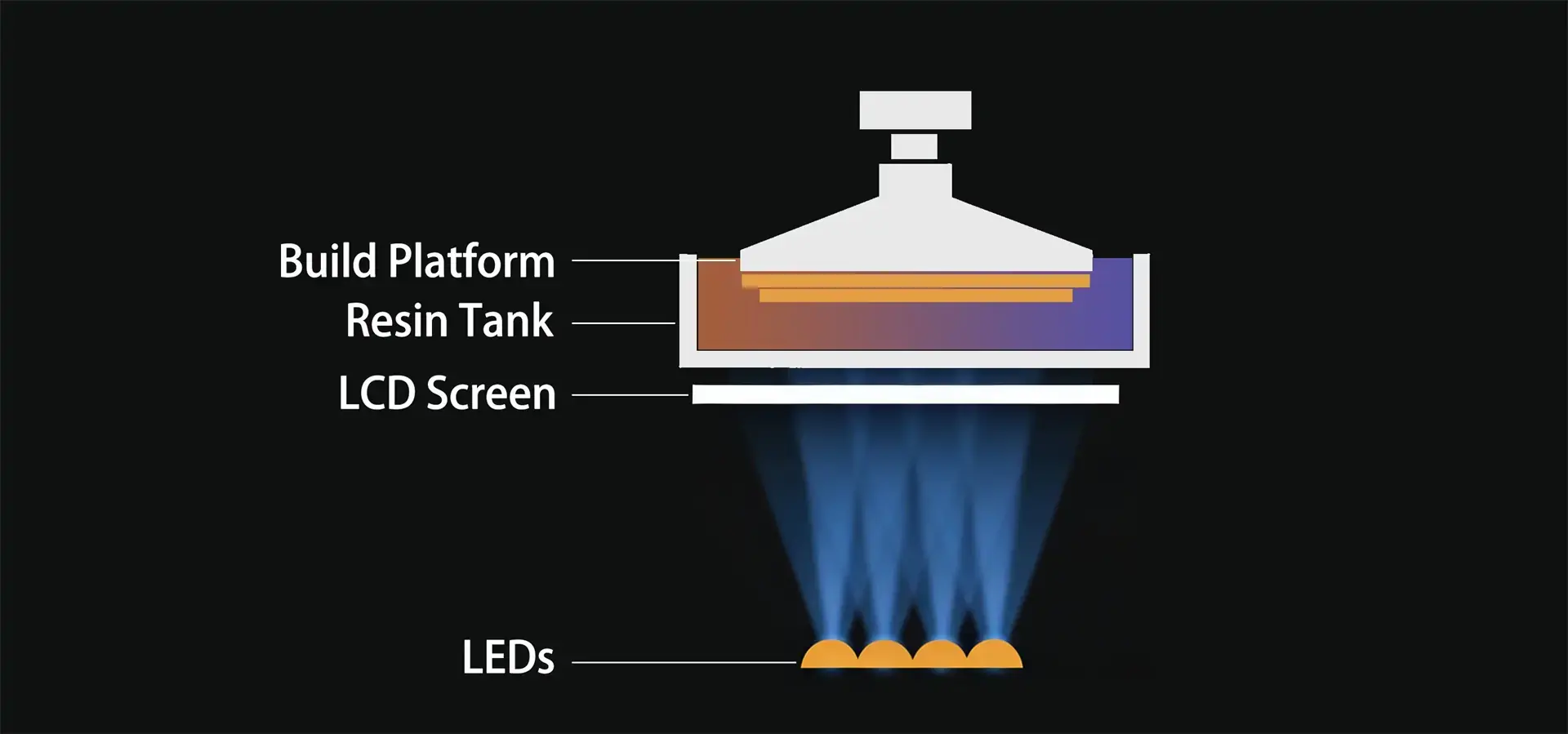
The P13 Pro's stacking process is managed by exposure cycles that set the plastic at certain levels and make it firm. Each layer chemically bonds to the one below it, making structures that are one solid piece and don't have the mechanical weaknesses that are common in traditional manufacturing parts. The curing process uses uniform UV light controlled by the high-resolution LCD panel, ensuring consistent polymerisation across the entire build platform. Many rival methods exhibit inconsistent shrinkage, whereas the P13 Pro maintains dimensional stability across layers. This is especially helpful when making big parts that cover the full 380mm height range.
Material Compatibility and Workflow Integration
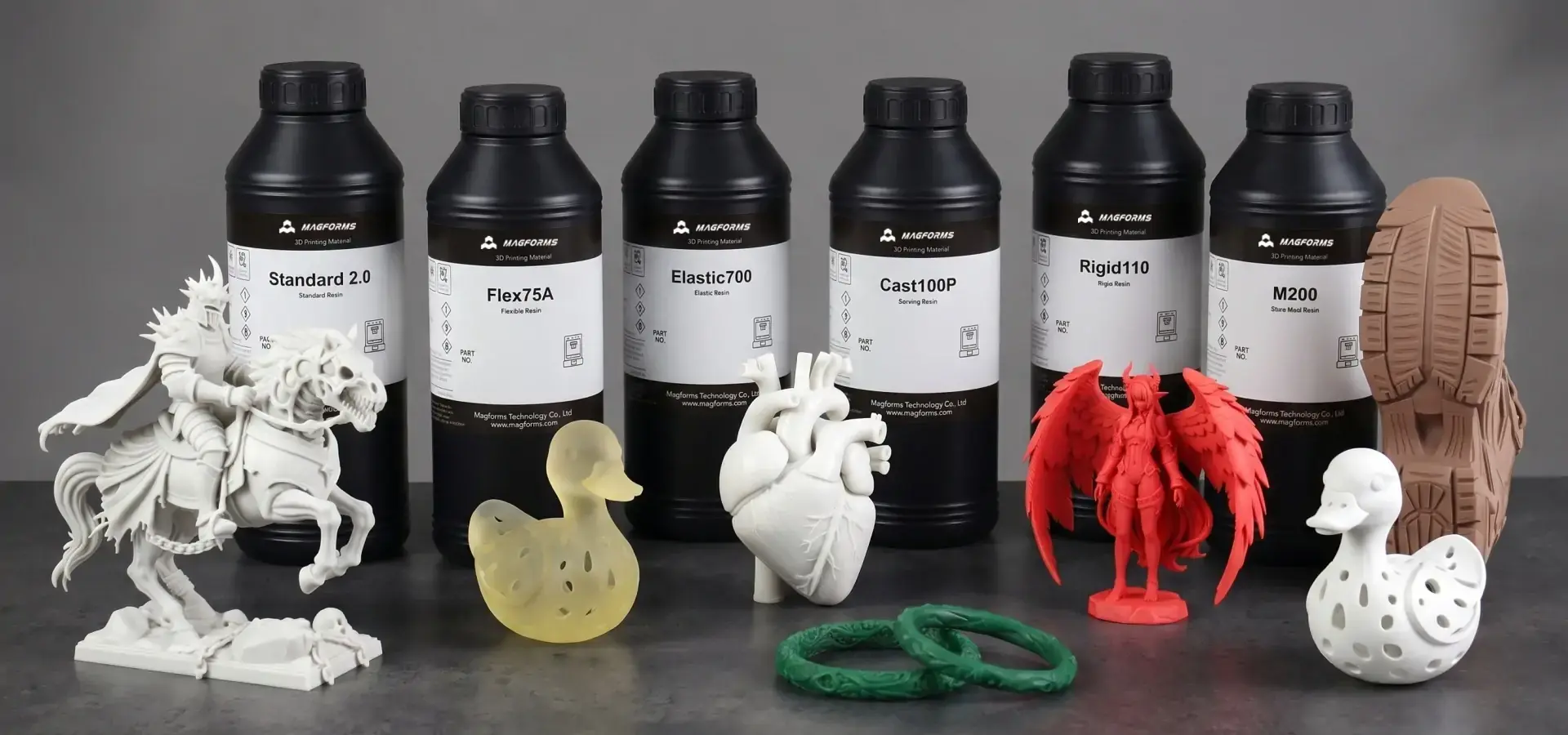
This method is defined by its ability to work with a wide range of materials. The P13 Pro can handle engineering-grade plastics, such as high-temperature versions for use under the hood of cars, safe formulas for testing medical devices, and flexible mixtures for making shoe moulds. This 3D printer has an open material platform, which makes it much cheaper to run than private systems that force users to buy materials from a single source. The built-in storage lets you print even when the internet isn't connected, which is very important in business settings where network problems could affect batch runs. Print settings can be changed directly on the device interface, so workers don't have to use external tools and can work on more than one job at once.
Maintenance Protocols and Uptime Optimisation
Systematic upkeep is needed for long-term success, and the P13 Pro makes this easier by designing components that are easy to get to. The two heating ports, which make this printer unique, maintain stable temperatures in the build chamber, preventing resin viscosity fluctuations that could affect layer adhesion. This method is especially helpful in places that don't have climate control because changes in the air temperature would normally make it harder for prints to work. The high-efficiency air filtering system constantly gets rid of the volatile organic compounds that are made during curing. This keeps the workers and sensitive optical parts clean. Routine maintenance includes simple steps like checking the resin tank for cloudiness that could mean photoinitiation degradation on a regular basis, making sure the build platform is level using built-in calibration routines, and cleaning the optical windows with solvents allowed by the maker.
Innovation-Driven Features of the P13 Pro for Industrial Applications
The competitive landscape in additive manufacturing demands continuous technological advancement, and the P13 Pro addresses this through features that directly impact production economics and product quality. These capabilities extend beyond basic printing functions to encompass operational intelligence and environmental responsibility.
Precision Engineering and Surface Quality
To get micron-level accuracy, you need more than just exact physics. You also need complex software that can account for things like plastic shrinking and heat expansion. Based on the shape of the part and the materials chosen, the P13 Pro has programs that can predict and deal with these factors. The result is physical accuracy that is very close to CAD specs, which means that less post-processing is needed. This 3D printer has a better surface finish than filament-based systems, which have obvious layer lines that make the machine look bad and not work well. Parts come out with smooth surfaces that can be used right away in customer-facing situations or only need a little cleaning for expert parts.
Operational Intelligence and Customisation Capabilities
This 3D printing machine additive manufacturing system has a smart interface that lets you change parameters without having to know how to code. Based on the needs of each part, operators can change exposure times, layer thicknesses, and support structure levels. It is very important to be able to switch between sensitive lattice structures for reducing weight in aircraft and solid shapes for making long-lasting tooling parts. The auto-sensing light feature makes it easier to use in workshops where lighting changes from shift to shift. This lighting system has been validated to prevent premature resin curing, allowing operators to inspect print quality without interrupting production. This way, problems can be found early, before a lot of time and money is wasted.
Economic and Environmental Considerations
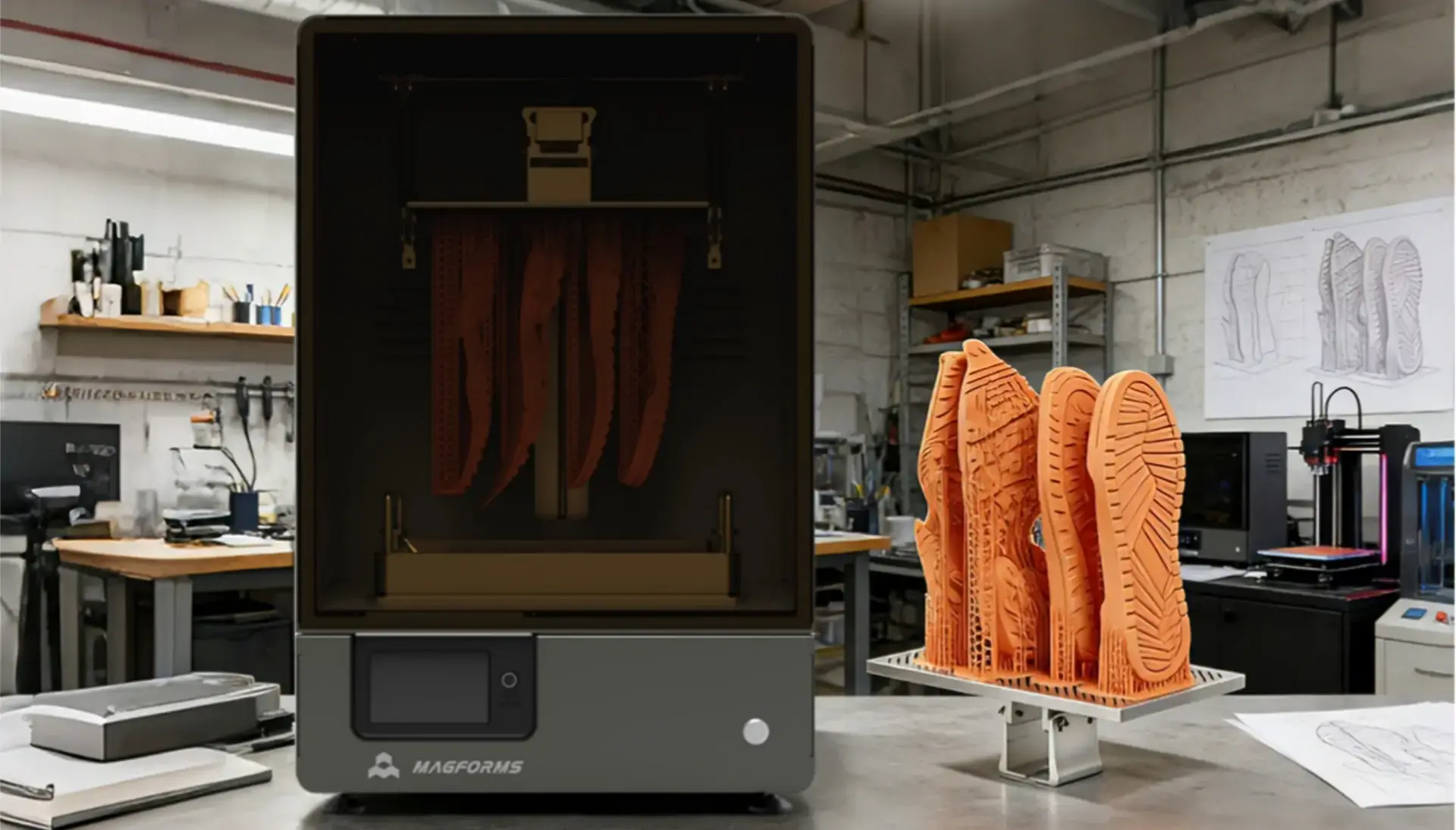
Cost efficiency in production goes beyond the price of buying tools and includes things like how well materials are used, how much energy is used, and how much trash is made. The P13 Pro takes these things into account by making design choices that lower the total cost of ownership. The big build volume lets many parts be made at the same time, spreading out the setup time and energy use over a larger output. This feature is especially useful for shoe development because it lets three normal shoe moulds be made at the same time, which triples the output compared to smaller systems. Precision resin management reduces material waste, and uncured resin can be reused for subsequent prints, unlike powder-based additive manufacturing systems such as SLS that require strict powder replenishment ratios. Energy-efficient parts lower the need for electricity, which lowers running costs and supports companies' efforts to be more environmentally friendly, which is becoming more and more important to sourcing leaders who are looking at source partnerships.
Comparing the P13 Pro with Other 3D Printing Solutions in the Market
Procurement professionals evaluating additive manufacturing investments require transparent comparisons addressing technical capabilities, financial implications, and support infrastructure. The P13 Pro occupies a strategic position between entry-level desktop units lacking industrial reliability and ultra-premium systems exceeding budget constraints of small and medium enterprises.
Technical Differentiation from Competing Technologies
Traditional CNC machining is great for making metal parts with great mechanical qualities, but it requires a lot of code for the toolpaths, longer cycle times for complicated shapes, and the waste that comes with subtractive processes. The P13 Pro works with cutting instead of replacing it because it makes patterns, jigs, and samples quickly so that ideas can be tested before they are made of metal. Compared to regular resin printers, this 3D printer's dual heating system provides better thermal management. This prevents a common failure mode where changes in temperature cause structures with tall or thin walls to bend.
Although filament deposition modelling (FDM) systems are cheaper, their parts often exhibit weak interlayer bonding along the Z-axis. The P13 Pro's LCD-based photopolymerization produces parts with improved dimensional uniformity and better isotropy compared to FDM, resulting in consistent mechanical properties across most directions. This is important for working samples that will be tested mechanically. The surface finish from LCD-based stereolithography significantly reduces the stair-stepping effect seen in FDM parts, yielding smoother surfaces ready for functional or aesthetic use. This makes finishing models or direct-use parts easier.
Return on Investment Analysis
To figure out ROI, you have to look at more than just the original buying price. The P13 Pro is useful because it speeds up development cycles. For example, car design teams say it cuts prototype iteration from weeks to days, which lets them respond quickly to style reviews or engineering validation results. Manufacturers of medical devices say that they are less reliant on outside service companies since they are producing their products in-house. This protects their intellectual property and cuts the cost of each part by 60 to 70% compared to outsourcing printing. The open material system keeps buying teams from being locked into one seller, so they can find resins at lower prices instead of paying more for unique formulas. As material science progresses and new formulas are made that work best in certain situations, this freedom becomes even more useful.
Support Infrastructure and Customer Confidence
Long-term happiness with capital technology is often based on the quality of the technical help. In order to support the P13 Pro, Magforms offers thorough training classes that cover basic operation, upkeep, and repair. This investment in education reduces the number of operating problems that come from user mistakes, which happens a lot when high-tech equipment gets to the production lines. Warranty systems protect you against problems with the quality of the product, and expert support teams are there to help you quickly when you run into problems with optimising the process. Customer reviews from 3D printer service providers stress how reliable this system is under continuous-duty cycles, citing uptimes of over 95% over thousands of hours of use.
Real-World Case Studies Demonstrating Innovation with P13 Pro
Theoretical capabilities matter less than proven performance in actual production environments. The following examples illustrate how diverse industries leverage this 3D printing machine to overcome specific challenges and achieve measurable outcomes.
Automotive Component Prototyping
A specialised car provider that works with electric vehicles was under pressure to shorten the time it took to make unique internal parts. For traditional development, work had to be sent to service centres with response times of 7–10 days, which caused delays during phases of heavy design revision. The engineering team brought development in-house after putting the P13 Pro into use. This cut down on iteration cycles to 24 to 48 hours. The large build volume enabled dashboard sections and center panel assemblies to be printed in a single piece, eliminating the need for assembly from multiple components. The high quality of the surface let design reviewers look at it directly without having to do a lot of work on it, which sped up the approval process. Over the course of six months, the company cut the cost of prototypes by 52% and cut the time it took from idea to approval by three weeks per component. This directly led to faster time-to-market for new car models.
Medical Device Development
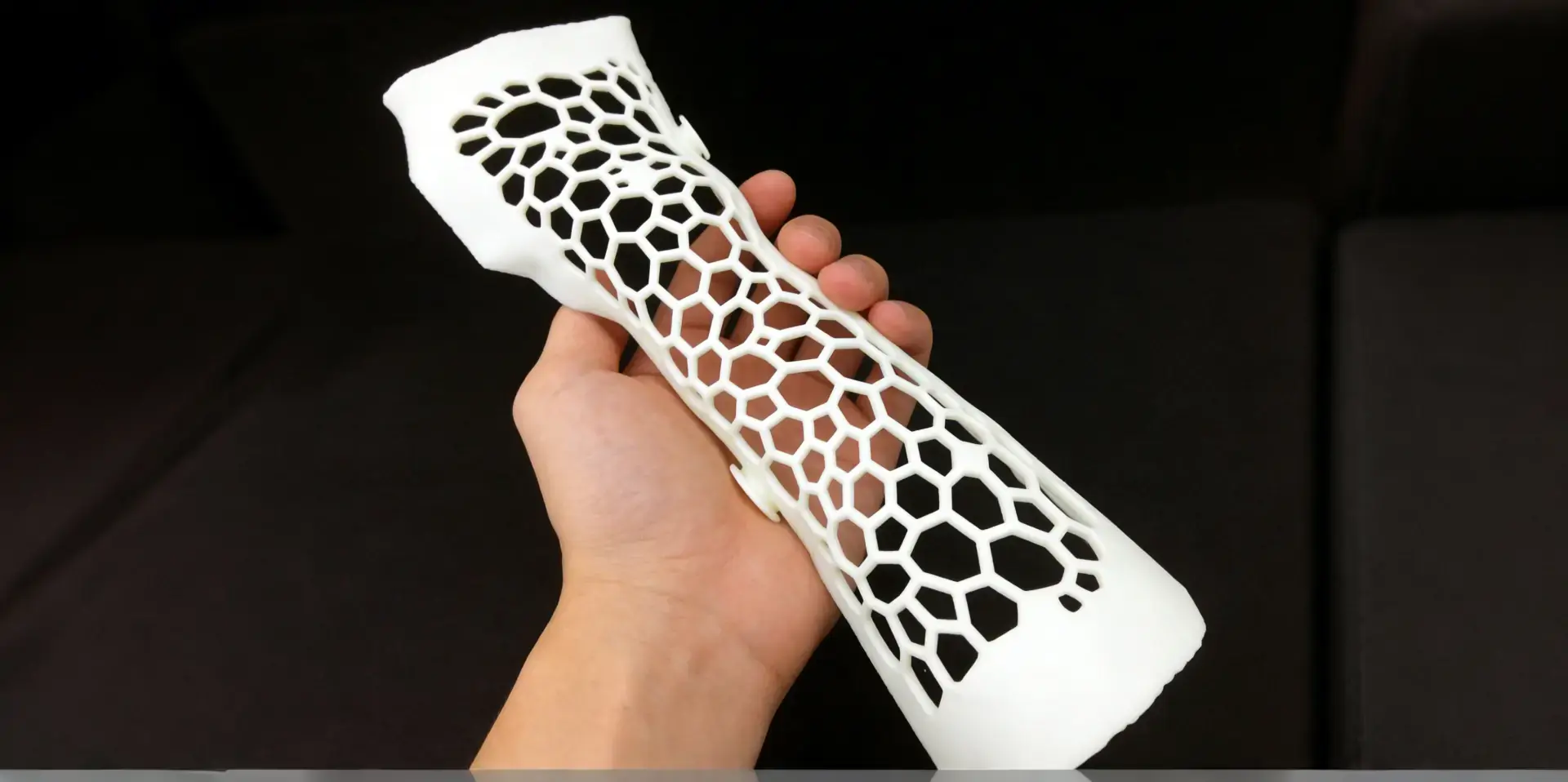
A medical device company that was making surgery guides for orthopaedic treatments that were customised for each patient needed models that were based on CT scan data that were true in terms of anatomy. The complicated shape of bones and the need for safe materials made things hard. The company set up a production process that lets them make unique guides within 72 hours of getting scan data. They do this by using the P13 Pro and approved medical-grade resins. The 3D printer's accuracy in terms of dimensions was very important; surgery guides need to be perfectly lined up with bone surfaces to make sure implants are placed correctly. Positioning accuracy in clinical confirmation tests was within 0.2–0.3 mm, meeting typical FDA guidance for Class II medical devices. The startup was able to serve a wider range of customers than competitors who relied on standard-size goods because it was cheap to make gadgets that were unique to each patient. This provided a competitive advantage, facilitating access to venture capital and strategic hospital collaborations.
Aerospace Component Validation
Before investing in expensive metal casting tools, an aerospace company that makes parts for environmental control systems had to make sure that complex internal flow shapes would work. Simulations alone were not able to accurately test the complex routes that were built for best fluid dynamics. The P13 Pro made it possible to make samples out of clear plastic, which let dye injection methods be used to check flow patterns visually. Because it could hold a lot of parts, full-size pieces of pipe systems could be used for confirmation instead of smaller models, which can add error. Through testing, it was found that design tweaks increased flow efficiency by 12%. This made the investment in the prototype worth it many times over because it saved money on fuel over the life of the aeroplane. After that, the provider made the P13 Pro a regular part of the design approval process. They said this cut down on development risk and made it easier for engineers and factory teams to work together.
How to Integrate the P13 Pro into Your Procurement Strategy
Strategic acquisition of advanced manufacturing technology requires methodical evaluation aligned with organisational objectives and operational realities. The following framework guides procurement managers through the decision process while highlighting support resources that facilitate successful implementation.
Needs Assessment and Technical Alignment
Begin by documenting specific production requirements: typical part dimensions, geometric complexity, material properties, production volumes, and quality tolerances. Compare these specifications against the P13 Pro's capabilities, particularly the 302.4×161.98×380mm build envelope and material compatibility range. Engage technical stakeholders—R&D directors, production managers, quality assurance personnel—to validate that the system addresses their operational pain points. Request sample parts printed on the P13 Pro using materials relevant to your applications, subjecting them to the same mechanical testing, dimensional verification, and surface quality evaluation applied to current production methods. This empirical validation provides confidence that the 3D printing machine will perform reliably in your specific context rather than relying solely on manufacturer specifications.
Supplier Evaluation and Partnership Development
Magforms brings over two decades of additive manufacturing expertise, holding 22 patents and serving more than 300 enterprises globally. This established track record assures ongoing product development and long-term viability as a technology partner. Evaluate the supplier's certification credentials, quality management systems, and customer support infrastructure. Comprehensive warranty coverage protects your capital investment while responsive technical assistance minimises productivity losses during the learning curve period. The company's integrated approach to materials and equipment supply—uncommon in an industry typically segregating these offerings—delivers compatibility assurance and simplified procurement workflows.
Implementation Planning and Team Enablement
Successful technology adoption requires structured onboarding. Coordinate with Magforms to schedule comprehensive training covering operational procedures, material handling protocols, routine maintenance tasks, and troubleshooting methodologies. Designate internal champions who will become subject matter experts, capable of training additional operators as production scales. Plan the physical installation carefully, ensuring adequate electrical infrastructure, environmental controls, and ventilation for the air filtration system. Establish preventive maintenance schedules aligned with manufacturer recommendations, incorporating periodic tasks into your facility's overall equipment management program. Develop material inventory management procedures that balance having sufficient stock for continuous production against the shelf life limitations of photopolymer resins.
Conclusion
The P13 Pro 3D printing machine delivers tangible innovation support through a balanced combination of large-format capability, operational intelligence, and manufacturing reliability. Its 302.4×161.98×380mm build volume addresses the scale limitations that constrain smaller systems, while dual heating technology and precision engineering ensure consistent quality across diverse applications. The open material platform and offline printing capability provide operational flexibility increasingly important to cost-conscious manufacturers. Real-world implementations across automotive, medical, and aerospace sectors demonstrate measurable improvements in development speed, production economics, and product quality. Strategic procurement of this system positions organisations to respond more dynamically to market opportunities while reducing dependency on external manufacturing services.
FAQ
What industries benefit most from the P13 Pro capabilities?
Industries requiring high-precision prototyping or small-batch production gain significant advantages. Dental laboratories producing custom prosthetics, automotive suppliers developing interior components, footwear companies creating moulds, and aerospace contractors validating complex geometries all leverage this 3D printing machine effectively. The versatility stems from material compatibility and build volume that accommodate diverse part requirements.
How does the dual heating system improve reliability?
Temperature uniformity throughout the print chamber prevents localised cooling that causes resin viscosity changes and layer adhesion failures. The dual heating outlets distribute thermal energy evenly, maintaining consistent curing conditions from the build platform to the top of tall parts. This feature proves particularly valuable in facilities without climate control, enabling reliable printing across varying ambient conditions.
What ongoing costs should procurement teams anticipate?
Primary recurring expenses include photopolymer resins, replacement build films that wear through repeated use, and periodic replacement of optical components subjected to prolonged UV exposure. The open material system allows competitive sourcing of resins, substantially reducing this cost category compared to proprietary systems. Energy consumption remains modest due to efficient LED light sources and optimised heating algorithms.
Discover How Magforms Can Accelerate Your Innovation Pipeline
Manufacturing excellence requires reliable technology partnerships backed by proven expertise and responsive support. Magforms stands ready to demonstrate how the P13 Pro 3D printing machine can transform your prototyping and production workflows. As a leading 3D printing machine manufacturer with global distribution networks and comprehensive technical resources, we invite procurement managers and technical decision-makers to engage with our team. Contact us at info@magforms.com to schedule a demonstration, discuss your specific application requirements, or request sample parts produced on the P13 Pro. Our experts will work closely with your team to ensure optimal equipment configuration and successful integration into your existing manufacturing operations.
References
1. Gibson, I., Rosen, D., & Stucker, B. (2021). Additive Manufacturing Technologies: 3D Printing, Rapid Prototyping, and Direct Digital Manufacturing. Springer International Publishing.
2. Bourell, D.L., Leu, M.C., & Rosen, D.W. (2020). "Roadmap for Additive Manufacturing: Identifying the Future of Freeform Processing." Journal of Manufacturing Science and Engineering, 142(11).
3. ISO/ASTM 52900:2021. Additive Manufacturing — General Principles — Fundamentals and Vocabulary. International Organisation for Standardisation.
4. Wohlers, T. & Campbell, I. (2022). Wohlers Report 2022: 3D Printing and Additive Manufacturing Global State of the Industry. Wohlers Associates.
5. Ngo, T.D., Kashani, A., Imbalzano, G., Nguyen, K.T.Q., & Hui, D. (2018). "Additive Manufacturing (3D Printing): A Review of Materials, Methods, Applications and Challenges." Composites Part B: Engineering, 143, 172-196.
6. Diegel, O., Nordin, A., & Motte, D. (2019). A Practical Guide to Design for Additive Manufacturing. Springer Series in Advanced Manufacturing.

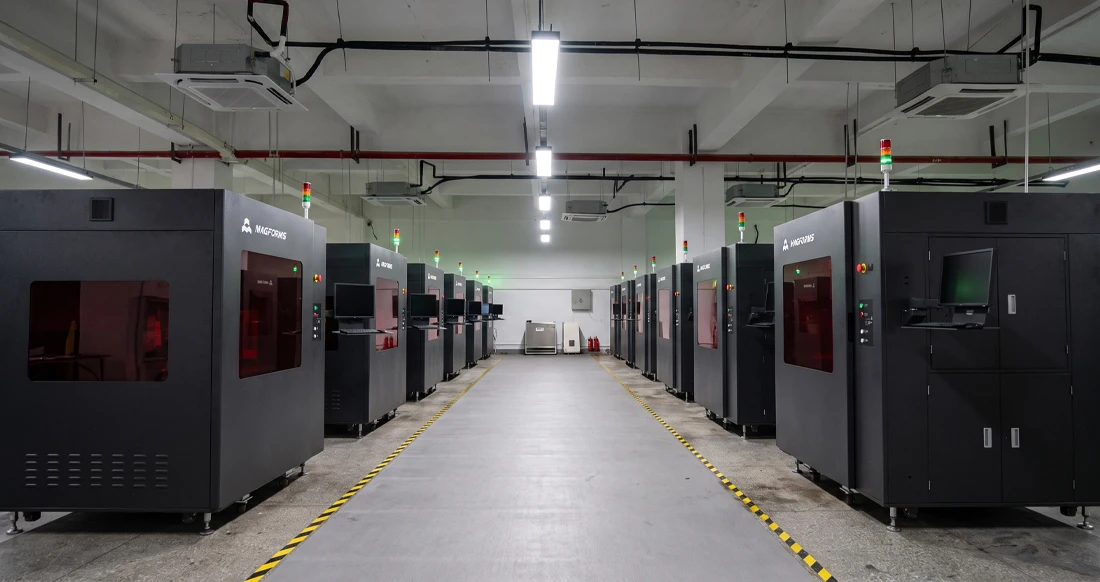
Magforms makes design and manufacture easier.
Popular Blogs
-
 Industry InsightsManufacturing Industry
FDM vs. SLA Printer: Which Technology Is Right for Your Project?
-
 Industry InsightsManufacturing Industry
Top 5 Applications of Industrial 3D Printers in Manufacturing Today
-
 Industry InsightsManufacturing Industry
Why Stereolithography 3D Printers Are Unmatched for Microfluidic Device Prototyping?