How Fast Is the P7 Pro Stereolithography 3D Printer in Production?
When looking at production tools, speed isn't just how fast it moves; it's also the amount of time it takes to go from a file to a final part. The P7 Pro LCD stereolithography 3D printer has an impressive output speed thanks to its fast layer curing, smart heat management, and accuracy down to the micron level. This desktop LCD-based Stereolithography 3D printer features a 9K monochrome LCD screen and grayscale compensation technology, delivering XY precision as fine as 9 µm. It can print accurately to within 0.02 mm and support layer thicknesses from 25 to 150 µm. The smart heating system keeps the chamber at 30℃, which keeps the resin reacting consistently and cuts down on failed prints, even during overnight batch runs. This is a huge benefit for industries like jewellery casting, dental prototyping, and precision component manufacturing where production uptime has a direct effect on profits.
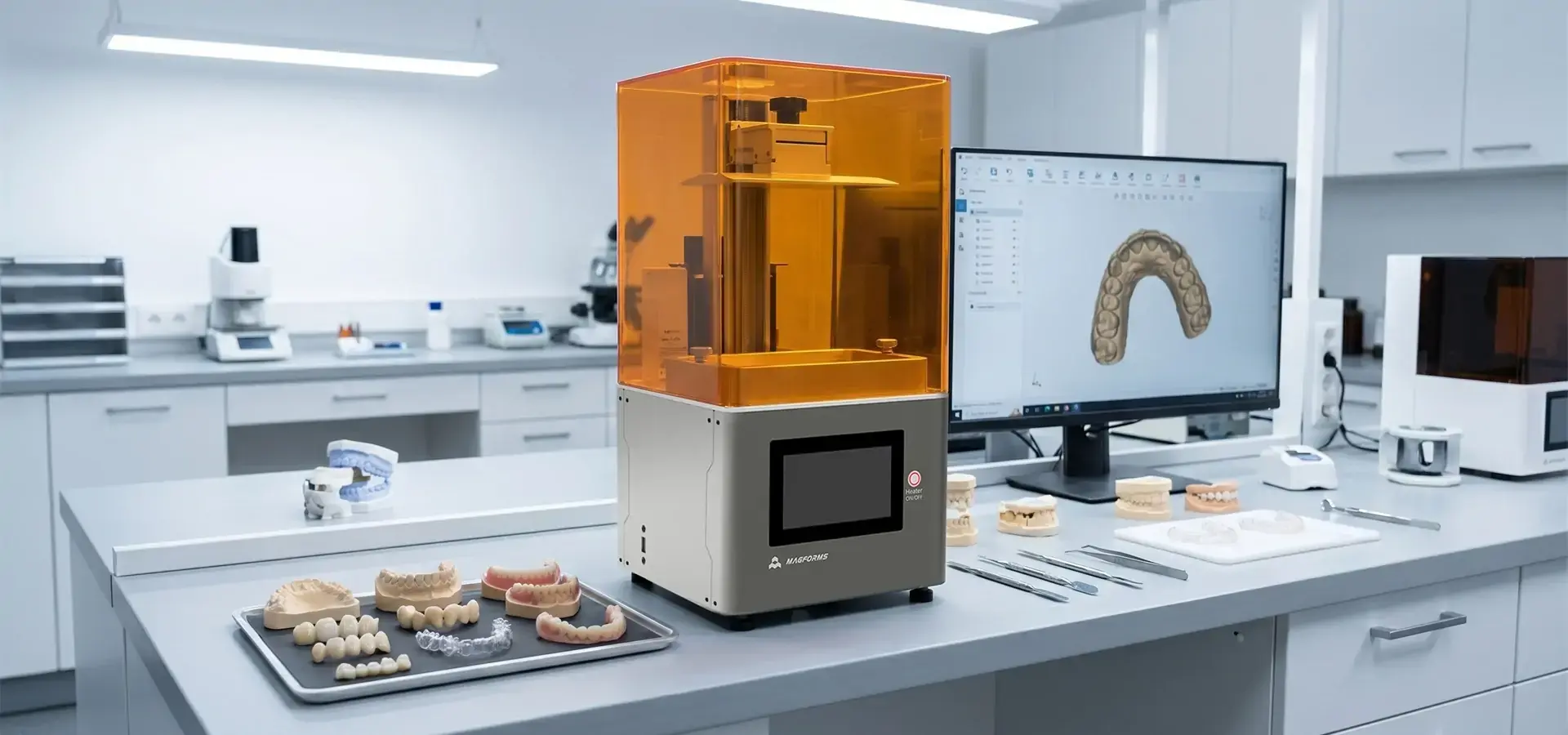
Understanding the P7 Pro Stereolithography 3D Printer and Its Production Speed
How LCD-Based Stereolithography Technology Drives Production Efficiency
LCD-based stereolithography uses a UV light source and a monochrome LCD mask to selectively cure photopolymer resin layer by layer. Vat photopolymerization generally produces parts with finer surface quality and more isotropic mechanical properties than FDM extrusion processes, which create visible deposition paths and stronger directional anisotropy. A 6.8-inch 9K monochrome LCD panel has a resolution of 8520 × 4320, with an effective pixel size of approximately 18 µm. Combined with grayscale compensation technology, the system can reproduce fine features beyond the nominal pixel size. Monochrome LCD screens provide higher UV light transmission efficiency than RGB screens, resulting in shorter exposure times per layer. This means that exposure times per layer can be as short as 1 to 3 seconds, based on the resin mixture. This optical efficiency directly leads to faster vertical build rates without losing the ability to reproduce fine details that are needed for complex shapes.
The 153.36 × 77.76 × 160 mm build space can hold a single medium-sized prototype or several small parts. Even though this size is small compared to industrial floor models, it allows real production processes, not just making samples. The Z-axis is moved along P-grade industrial precision linear tracks, which eliminate slack and make sure that layers are always registered across hundreds of vertical steps. Combined with the unique Imadjust greyscale calibration, which adjusts the strength of light at the pixel level, the system improves edge definition and dimensional consistency, helping narrow the performance gap between LCD and DLP-based resin printing technologies.
Factors Affecting Total Production Cycle Time
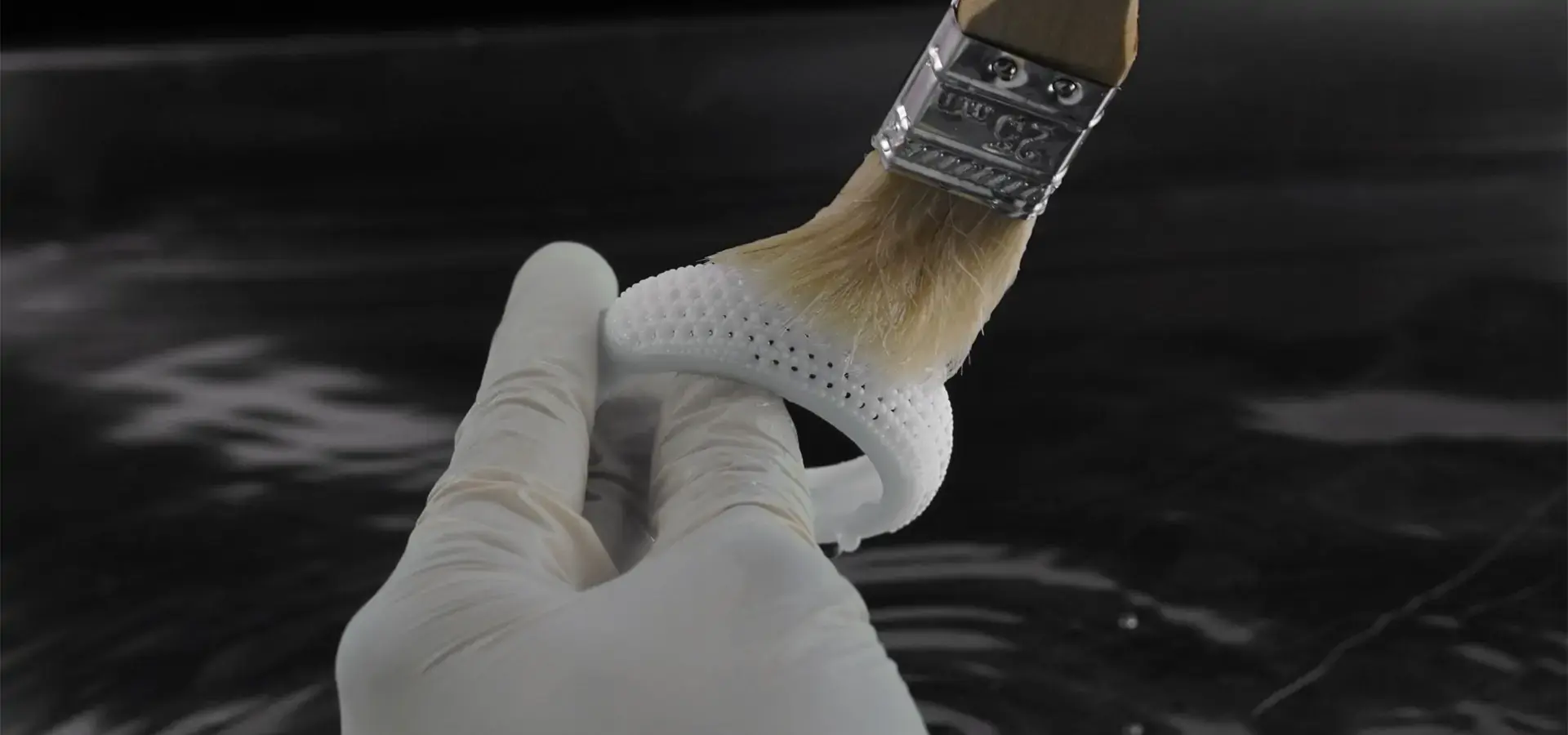
While the printer’s nominal speed is an important metric, overall productivity depends on more than layer times. The P7 Pro maintains a consistent resin temperature, preventing variations in viscosity that could cause adhesion issues or dimensional inaccuracies. For small-scale runs, this stability reduces failed prints and material waste, increasing effective output. After printing, parts still require post-processing: washing in isopropyl alcohol to remove uncured resin, followed by UV exposure to complete polymerization and ensure mechanical integrity. Thanks to its reliable success rate, fewer reprints are needed, reducing the total lead time from design to ready-to-use parts.
In practical settings, jewelry and dental labs report complete cycle times ranging from 2.5 to 6 hours depending on part height and resin type. Resins designed for investment casting cure faster than flexible or high-temperature formulations, allowing quicker layer transitions. Printing multiple rings or dental models simultaneously further enhances throughput, bringing small-batch production times close to traditional mould-based methods for runs under 50 pieces.
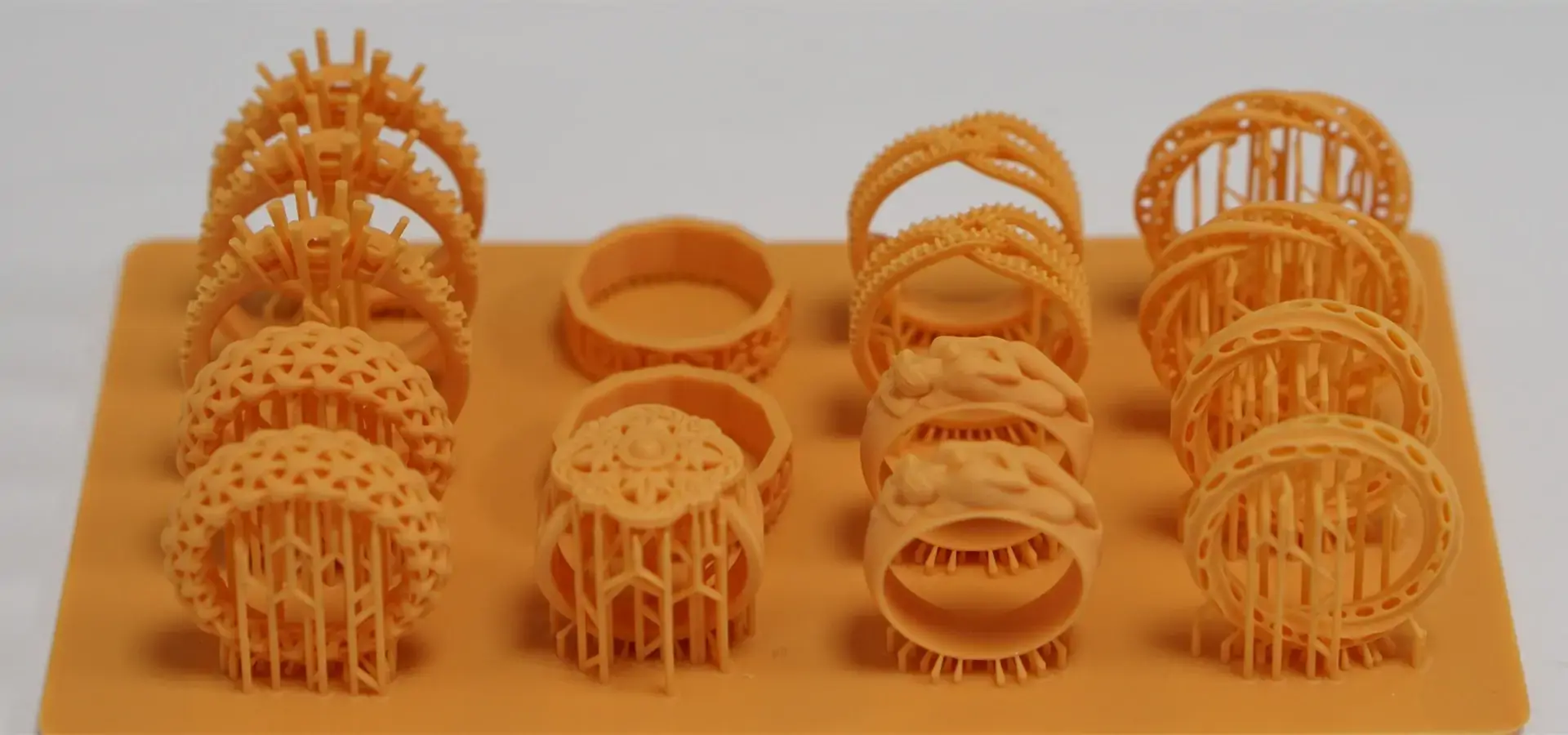
Breaking Down the P7 Pro's Performance: Key Dimensions Influencing Speed and Quality
Material Compatibility and Production Stability
The P7 Pro supports a broad range of photopolymer materials, including standard, castable, engineering, and high-temperature resins. Its thermal management system helps maintain stable resin viscosity, improving curing consistency and reducing print failures during extended production runs.
Maintaining Peak Performance Through Proactive Care
Minimizing unexpected downtime is important for keeping up production speed. The full-metal frame of the P7 Pro keeps temperatures stable and reduces vibrations, keeping sensitive optical parts safe from changes in the environment. In resin systems, the LCD screen is the part that wears out the fastest. Depending on exposure settings, operating conditions, and material selection, the monochrome LCD screen typically provides several thousand hours of service life before replacement becomes necessary. At an average print time of 4 hours, this length serves about 400 production runs, giving buying teams a reliable way to plan their budgets for upkeep.
The UV-resistant glass flip-up cover on this stereolithography 3D printer serves two purposes: it blocks ambient UV light that could prematurely cure the resin in the vat, and it allows visual monitoring of the print progress without interrupting the process. The 5-inch tablet interface lets you change parameters in real time while the print is still going. This is especially helpful when optimizing new resin profiles or adjusting for changes in the surroundings. As part of regular maintenance, the FEP film is checked for cloudiness, the resin is filtered to remove cured particles, and the build platform is re‑levelled to ensure proper first layer adhesion. Performing these maintenance tasks consistently ensures high print success rates, distinguishing production-ready equipment from trial setups.
Comparing the P7 Pro to Other Leading Stereolithography 3D Printers: Speed and Value Evaluation
Desktop Versus Industrial System Positioning
The desktop stereolithography segment encompasses machines ranging from consumer hobbyist units to professional production tools. Entry-level resin printers often sacrifice build volume, screen resolution, or thermal control to achieve lower price points. Industrial SLA systems, conversely, offer expansive build chambers, redundant subsystems, and proprietary software ecosystems—advantages that command investments exceeding $50,000. The P7 Pro occupies a strategic middle position, delivering industrial-grade component quality (P-grade linear rails, 9K monochrome screen, active heating) within a desktop footprint and budget accessible to small workshops and R&D departments.
Competitive analysis reveals distinct trade-offs. Established brands like Formlabs emphasize ecosystem integration with proprietary resins and automated workflows, supporting users who prioritize turnkey operation over material flexibility. Open-platform alternatives from manufacturers such as Anycubic or Elegoo offer lower entry costs but may lack thermal management systems or high-resolution screens, limiting production consistency in temperature-variable environments. The P7 Pro balances these considerations by incorporating professional-grade subsystems while maintaining third-party resin compatibility—addressing the cost-control concerns of procurement managers without compromising on the precision demanded by technical directors.
Cost-Benefit Analysis for Production Environments
Initial acquisition cost represents merely the beginning of total cost of ownership calculations. A comprehensive financial assessment must account for consumable expenses, maintenance frequency, and throughput capacity. The P7 Pro's open material compatibility allows sourcing from multiple resin suppliers, preventing vendor lock-in and enabling competitive bidding among material providers. This flexibility can reduce per-litre resin costs from $150-200 (proprietary formulations) to $60-90 (third-party equivalents) without performance degradation.
Warranty coverage and technical support responsiveness directly impact production continuity. Magforms backs the P7 Pro with comprehensive service protocols developed through years of industry engagement across jewelry manufacturing, dental laboratories, and precision component suppliers. Responsive technical consultation minimizes the learning curve for new operators, while documented maintenance procedures empower in-house teams to resolve common issues without external service calls. These support structures reduce the hidden costs of downtime that undermine nominal throughput specifications in real-world deployment.
Optimizing P7 Pro Production for B2B Procurement: Best Practices and Use Cases
Industry-Specific Production Applications
Jewelry casting operations represent an ideal use case for the P7 Pro's capabilities. Castable resins burn out cleanly during investment casting, leaving no ash residue that would compromise metal flow or surface finish. The 9 µm imaging precision captures fine filigree, prong details, and stone settings with fidelity matching traditional hand-carved wax models. A typical jewelry production workflow involves printing overnight batches of 15-20 ring models, completing alcohol wash and UV cure the following morning, and proceeding to investment casting by afternoon—compressing traditional multi-day timelines into 24-hour cycles.
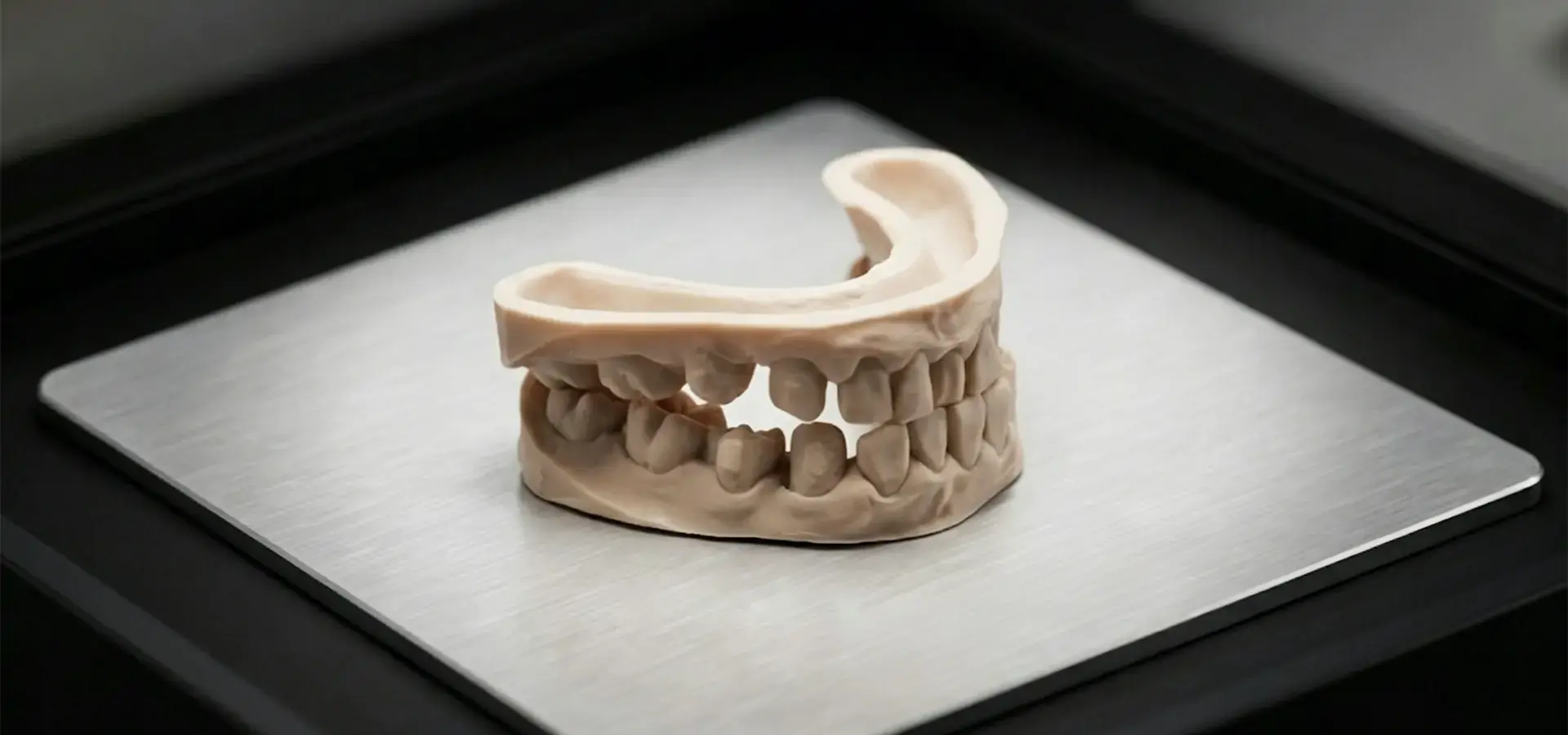
Dental laboratories leverage the P7 Pro stereolithography 3D printer for surgical guide fabrication, orthodontic aligner bases, and diagnostic models. The platform is compatible with biocompatible dental resins that may carry FDA-cleared or CE-certified approvals, depending on the material supplier and intended application, while the 0.02mm accuracy specification ensures proper seating of guides against patient anatomy. Batch production capability allows labs to queue multiple patient cases in single print jobs, improving asset utilization and reducing per-case production costs. The intelligent heating system ensures consistent resin behavior even in variable-temperature production environments, enhancing reliability across batches.
Workflow Integration and Automation Strategies
Modern CAD-to-print workflows increasingly incorporate automated support generation, print orientation optimization, and resin consumption calculation. The P7 Pro's flexible parameter adjustment capability integrates smoothly with slicing software platforms, allowing technicians to fine-tune layer exposure times, lift speeds, and off-delays based on specific part geometries. These adjustments enable balancing speed against surface quality—using rapid settings for internal prototypes while applying conservative parameters for client-facing samples.
Procurement decision-makers evaluating the P7 Pro should assess their typical job mix and material requirements. Operations running consistent part types benefit from creating validated print profiles that eliminate per-job tuning, while service bureaus handling diverse client requests value the system's adaptability across resin types. The ability to monitor print progress through the transparent cover reduces the supervisory burden, allowing technicians to manage multiple machines or attend to post-processing tasks while prints complete autonomously. This operational flexibility amplifies effective workforce capacity without proportional headcount increases.
Conclusion
Production speed encompasses more than raw print velocity—it integrates reliability, material flexibility, and maintained accuracy under continuous operation. The P7 Pro stereolithography 3D printer addresses these dimensions through its 9K monochrome screen technology, intelligent thermal management, and grayscale calibration, achieving 9 µm resolution. The combination of industrial-grade mechanical components with desktop accessibility positions this system as a practical solution for jewelry casting, dental applications, and precision prototyping where dimensional fidelity and surface finish directly impact downstream processes. When evaluating total cost of ownership, the open resin ecosystem and predictable maintenance intervals contribute to favourable return-on-investment timelines for small workshops through mid-sized manufacturing operations seeking to internalize rapid prototyping capabilities without industrial-scale capital commitments.
FAQ
How does the P7 Pro's speed compare to FDM printing technologies?
LCD-based stereolithography differs fundamentally from Fused Deposition Modelling (FDM) in its operational approach. While FDM printers must physically trace toolpaths with a moving nozzle, the P7 Pro cures entire layers simultaneously through area exposure. For complex geometries with intricate details, this parallel processing advantage often delivers faster results despite nominally slower Z-axis progression. For highly detailed jewelry geometries, LCD-based stereolithography often achieves superior surface quality and feature resolution with significantly less finishing work than FDM processes. The absence of visible layer lines eliminates post-processing time spent sanding and finishing surfaces to achieve presentation quality.
Can the P7 Pro maintain production consistency during extended batch runs?
The intelligent heating system represents a critical enabler for sustained production reliability. By maintaining chamber temperature at 30℃ independent of external conditions, the printer prevents the thermal cycling that causes layer adhesion failures in unheated resin systems. In extended production environments, the intelligent heating system helps maintain consistent resin behavior, supporting stable dimensional accuracy across sequential print jobs. Measured deviations typically remain within the ±0.02 mm specification. This thermal stability allows scheduling overnight and weekend production runs with confidence, effectively tripling available production hours without proportional supervision requirements.
Discover How Magforms' Stereolithography 3D Printer Solutions Accelerate Your Production
Evaluating production equipment requires understanding not just specifications but real-world performance in your specific applications. Magforms brings over a decade of additive manufacturing expertise, supporting more than 300 enterprises across jewelry manufacturing, dental laboratories, and precision component sectors. Our integrated approach combines proprietary resin formulations with hardware optimization, eliminating the compatibility issues that plague mixed-vendor systems. The P7 Pro represents our commitment to delivering industrial precision within accessible platforms, backed by comprehensive technical support and responsive service infrastructure.
As a manufacturer specializing in LCD-based stereolithography 3D printer systems, with 22 patents and 30 registered trademarks, we maintain full control over material chemistry and hardware engineering, ensuring performance that generic equipment cannot match. Whether you're exploring your first resin printing system or expanding existing capacity, our technical consultation team can guide material selection, workflow integration, and training protocols tailored to your production objectives. Contact our specialists at info@magforms.com to arrange sample part evaluation or discuss how the P7 Pro's capabilities align with your throughput requirements and quality standards. Let us demonstrate how properly matched materials and equipment transform production timelines while maintaining the dimensional fidelity your applications demand.
References
1. Gibson, I., Rosen, D., & Stucker, B. (2021). Additive Manufacturing Technologies: 3D Printing, Rapid Prototyping, and Direct Digital Manufacturing (3rd ed.). Springer.
2. Jacobs, P. F. (2019). Stereolithography and Other RP&M Technologies: From Rapid Prototyping to Rapid Tooling. Society of Manufacturing Engineers.
3. Ligon, S. C., Liska, R., Stampfl, J., Gurr, M., & Mülhaupt, R. (2017). Polymers for 3D Printing and Customized Additive Manufacturing. Chemical Reviews, 117(15), 10212-10290.
4. Quan, H., Zhang, T., Xu, H., Luo, S., Nie, J., & Zhu, X. (2020). Photo-curing 3D Printing Technique and Its Challenges. Bioactive Materials, 5(1), 110-115.
5. Stansbury, J. W., & Idacavage, M. J. (2016). 3D Printing with Polymers: Challenges Among Expanding Options and Opportunities. Dental Materials, 32(1), 54-64.
6. Varghese, G., Moral, M., Castro-García, M., López-López, J., Marín-Rueda, J. R., Yagüe-Alcaraz, V., & Hernández-Afonso, L. (2023). Fabrication and Characterization of Ceramics via Low-Cost DLP 3D Printing. Ceramics International, 49(8), 12309-12324.

Magforms makes design and manufacture easier.
Popular Blogs
-
 Industry InsightsManufacturing Industry
FDM vs. SLA Printer: Which Technology Is Right for Your Project?
-
 Industry InsightsManufacturing Industry
Top 5 Applications of Industrial 3D Printers in Manufacturing Today
-
 Industry InsightsManufacturing Industry
Why Stereolithography 3D Printers Are Unmatched for Microfluidic Device Prototyping?