What Makes a China Resin 3D Printer Cost-Effective?
A China resin 3D printer is very cost-effective because it has competitive production benefits, modern mSLA technologies, and open material ecosystems that don't lock you into one seller. These machines leverage advanced manufacturing technologies developed in Shenzhen and Dongguan to deliver high-resolution printing at significantly lower costs than Western alternatives. Depending on the LCD resolution and optical design, modern China resin 3D printer systems typically achieve XY pixel resolutions ranging from 19 to 50 microns. Chinese resin printing solutions are very useful for procurement managers who want industrial-grade performance without paying a lot of money because they include monochrome LCD screens, fast curing cycles, and strong technical support structures.
Understanding China Resin 3D Printer Technology
The technical foundation underlying modern resin printers from Chinese manufacturers represents a significant shift in how vat photopolymerization systems are designed and deployed. Understanding these technological principles helps procurement teams make informed decisions about equipment specifications and long-term operational costs.
Core Photopolymerization Technologies
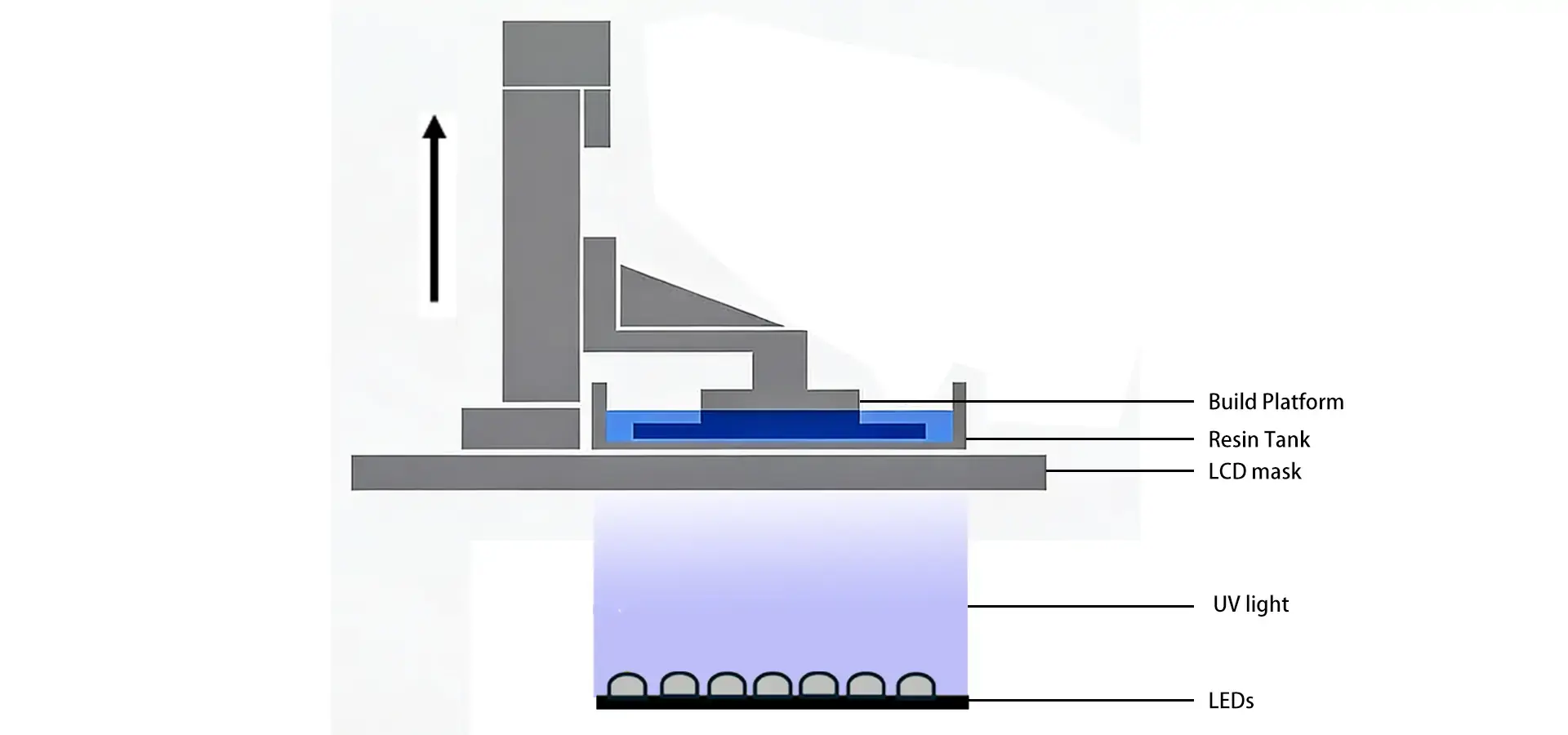
Three main technologies used by Chinese makers to turn liquid photopolymer resins into solid parts have been improved. MSLA (Masked Stereolithography) uses a UV LED light source combined with a monochrome LCD masking screen to selectively expose and cure an entire layer of resin at once. This enables entire layers to cure simultaneously instead of having to be traced point by point. Compared with laser-scanning SLA systems, this layer-wide exposure method significantly improves printing efficiency. DLP technology uses digital micromirrors to project full layer pictures with very high optical accuracy. This creates smooth surfaces that are great for dental and jewellery casting. Traditional SLA systems can still be bought from Chinese providers. They offer laser-traced accuracy for specific industrial uses that need very fine feature resolution. Buyers can match their unique production needs with the right technical designs thanks to the wide range of technologies available. This reduces both capital costs and running costs.
Material Compatibility and Resin Chemistry
The ability of photopolymer materials to react with different chemicals affects both their usefulness and their overall cost. Standard materials are cheap ways to make prototypes and idea models, and on modern machines, many standard resins can be cured within approximately 1–3 seconds per layer on modern monochrome LCD systems. Engineering-grade versions imitate the mechanical qualities of ABS or polypropylene, which lets parts that are going to be injection-moulded be tested to make sure they work. Flexible resins can be used for gasket development and parts of wearable tech, while castable versions burn out cleanly for lost-wax casting in tooth prosthetics and jewellery. Chinese resin makers have created huge libraries of materials that can be used with open-system printers. This gets rid of the restrictions on private materials that used to make operations more expensive. Instead of being limited to single-vendor products, this material freedom lets technical teams choose the best resin based on mechanical needs, post-processing processes, and budget constraints.
Precision Components Driving Performance
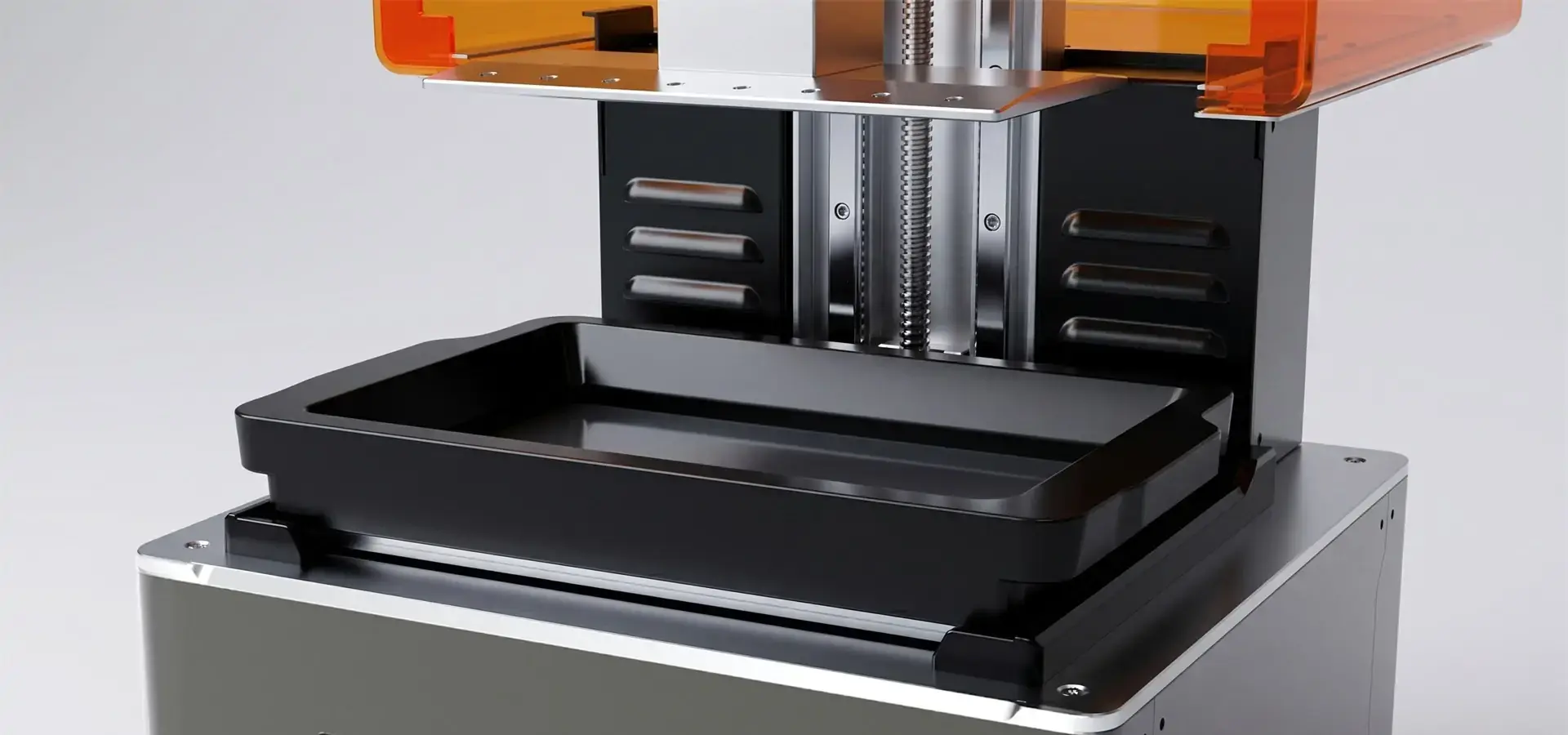
Precision parts are built into the mechanical design of China resin 3D printer systems to make sure that the dimensions stay the same over thousands of print hours. The Z-axes have two sets of linear rails that keep them from moving laterally. This keeps layer registration mistakes to within 0.01mm. COB UV LED light engines combined with optical collimation systems can achieve light uniformity levels exceeding 90% across the entire build area. This improves edge definition and eliminates common surface artifacts seen in lower-end systems lacking precise optical engineering. Release films made of FEP, nFEP, or ACF materials can handle high-speed peeling forces, which lets production settings reach significantly higher vertical build speeds than traditional laser-scanning SLA systems, depending on material and process settings. These technical specs directly lead to less wasted material, fewer failed prints, and lower costs per part, all of which are important factors in evaluating B2B purchases.
Key Factors That Make China Resin 3D Printers Cost-Effective
The value proposition of Chinese resin printing equipment stems from multiple structural advantages within the manufacturing ecosystem, combined with deliberate engineering choices that prioritize user economics without sacrificing technical capabilities.
Manufacturing Scale and Supply Chain Integration
China's manufacturing hubs are mostly in Guangdong and Zhejiang provinces. These provinces offer unique cost benefits through vertical integration and the proximity of their parts. In the same industry groups as printer assemblers, companies that sell LCD screens, LED arrays, linear motion systems, and control electronics also work. This cuts down on the length of supply lines and the markup layers that go with them. When a lot of consumer electronics parts are made, economies of scale can be used to help specialised uses like 3D printing hardware. Mid-range mSLA machines manufactured in Shenzhen typically offer similar performance at a fraction of the cost compared to European or North American equivalents, due to supply chain efficiencies and localized manufacturing expertise. Because of this fundamental cost advantage, buyers can use multiple machines for spread manufacturing or backups at the same amount of investment that was previously only possible for buying a single unit.
Technological Innovation Driving Down Costs
Advances in engineering that aim to lower costs have sped up usage across price-sensitive market groups. Older RGB screens were replaced with monochromatic LCD screens, which shortened typical layer curing times from several seconds to around 1–3 seconds, while extending LCD service life from a few hundred to several thousand hours depending on usage. This one idea cut down on both the time it took to change a part and the number of times it had to be replaced, which directly affected running costs. As LED grid regularity improved at the same time, improvements in LED array design and optical collimation technology further enhanced exposure consistency. This made optical routes easier while keeping cure consistency. Automated resin management systems with level monitors and heating elements cut down on material waste and improved the bonding of the first layer. This fixes common failure modes that used to need human help and the removal of material. When added up, these small changes add up to a significantly lower overall cost of ownership compared to tools made before these innovations were fully developed.
Open Ecosystems and Customization Flexibility
Many Chinese makers have made the strategic choice to support open material systems, which changes the economics of ongoing operations in a big way. In locked worlds, unique resins are expensive, but open-platform machines can use materials from other companies, so buyers can get refills at lower prices. Technical teams can check out several resin sources, discuss bulk discounts, and switch sellers if there are problems with quality or delivery. Locked systems make this difficult. This idea is applied to hardware by OEM customisation choices, which let medium and large businesses choose build numbers, software interfaces, or mechanical setups that work best with their production processes. By signing bulk purchase deals with well-known sellers, you can get savings ranging from 15% to 30% on the total amount you buy. Also, multi-year service contracts make maintenance costs reliable, which makes it easier to predict your return on investment (ROI).
Comparing China Resin 3D Printers to Other 3D Printing Technologies
Evaluating photopolymer systems against alternative additive manufacturing approaches clarifies where resin technology delivers superior value for specific application profiles and production requirements.
Performance Versus FDM Filament Systems
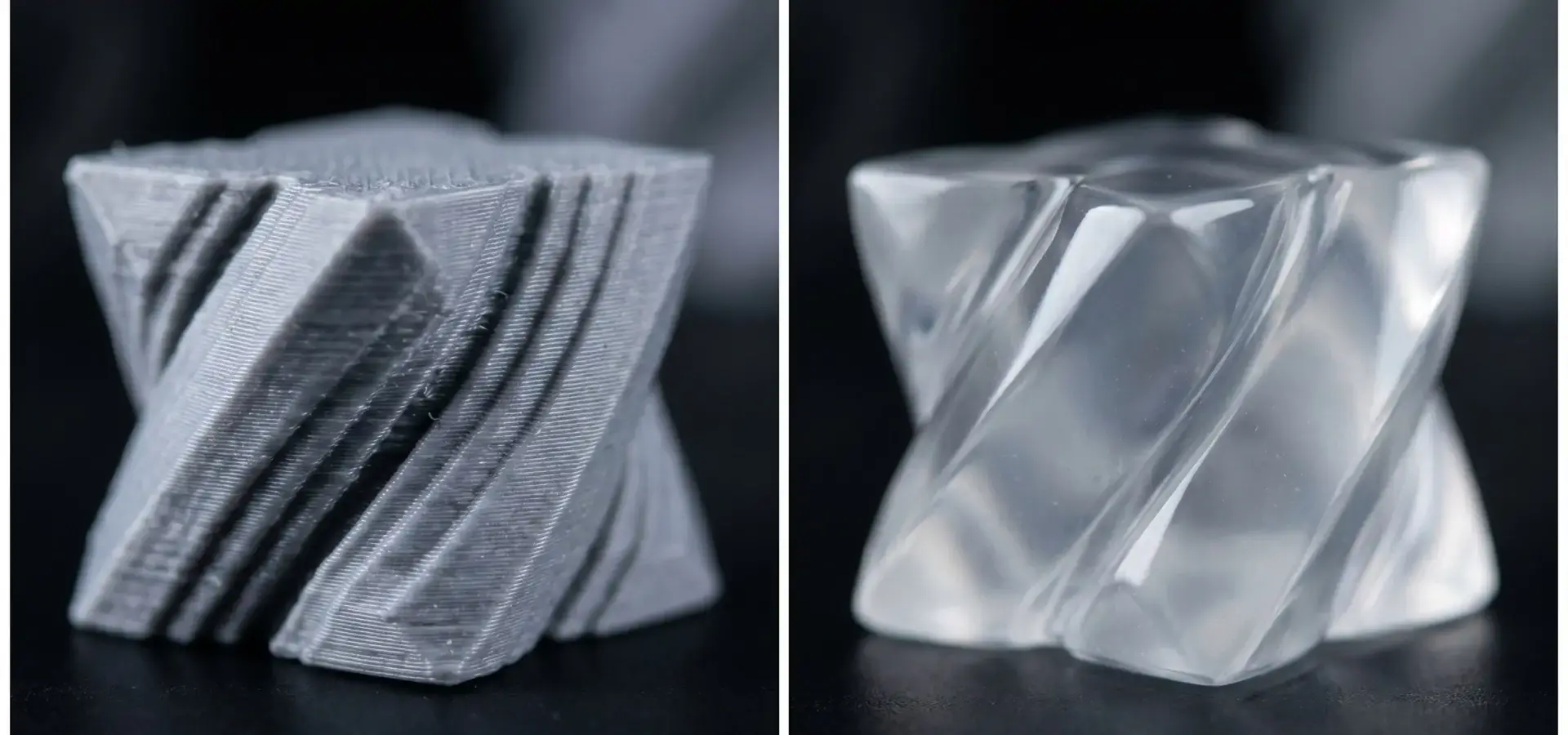
For basic testing and low-detail work, filament-based printers are a good choice because they are cheaper to buy and easier to use. Resin systems require bigger inputs at first, but they produce very different results that make the extra cost worth it in precise situations. Resin printing produces a surface finish that is very close to the smoothness of injection moulding right off the build plate. This means that FDM parts don't need as much work to be finished after they are made. LCD resin printing systems can reproduce feature details below 100 microns, while FDM systems are generally limited by nozzle diameter and layer deposition characteristics. Material waste management varies by technology. FDM support structures can often be recycled, whereas resin supports require manual removal and cleaning, although they are typically minimal due to grid-based designs. The choice matrix suggests using resin technology when the project needs parts that look good, have fine features, or need to fit together tightly. This is especially true in dental, jewellery, and precision engineering settings where the quality of the surface directly affects how well the part works in the end.
Competitive Positioning Against Western Resin Systems
When compared directly to China resin 3D printer makers in Europe and the United States, Chinese equipment has similar technical specs but much lower initial costs. Industrial-grade monochrome LCD resin printers from China typically provide a substantially lower acquisition cost than comparable Western systems with similar build volumes and resolution specifications. In the West, machines with the same resolution, build volume, and functions cost between $6,000 and $12,000. This difference in price stays the same for industrial-scale systems. For example, large-format DLP machines made in China cost 40–50% less than similar machines made in the West. Performance testing shows that there aren't many changes in the quality of the prints made with similar resin formulas. The accuracy of the dimensions, the bonding of the layers, and the finish on the surface are all the same. The difference in prices is mostly caused by labour costs, how well the supply chain works, and how the market is positioned, not by basic technology gaps. When procurement teams use Chinese sources, they can add more capacity, put money into developing new materials, or shorten payback times while still meeting the quality standards needed for tough uses.
Maintenance, Troubleshooting, and Longevity for Cost Optimization
Long-term operational costs depend heavily on maintenance protocols, consumable replacement schedules, and access to responsive technical support—factors that significantly impact total cost of ownership beyond initial equipment pricing.
Preventive Maintenance Protocols
Regular repair tasks are directly linked to consistent printing and the life of equipment. Cleaning residual uncured resin from the build platform with isopropyl alcohol after production helps maintain consistent first-layer adhesion. By checking release films once a week, early signs of cloudiness or micro-punctures can be found before they cause catastrophic failures in the middle of the print. It is common for release film replacement intervals vary depending on resin type, print volume, and operating conditions, and should be determined through routine inspection, based on how rough the resin is and how fast it peels. Each change will cost around $15 to $30. Every month, calibration procedures check the accuracy of the Z-axis and build plate levelling. These procedures take into account mechanical drift that happens naturally due to temperature cycling and mechanical stress. Properly storing resin in dark cases away from light stops polymerisation from happening too soon. This extends the shelf life of the material and cuts down on waste.
Common Issues and Diagnostic Approaches
Understanding common failure modes allows quicker troubleshooting and minimizes production downtime. Too little exposure time or too much peel force can cause layers to separate. To balance bond strength against separation forces, cure length or lift speeds need to be changed. Print failures in the first layers are usually caused by mistakes in levelling the build plate or not enough bottom exposure. These problems can be fixed by recalibration and adjusting parameters instead of replacing the hardware. Inconsistent curing across the build area may indicate UV light source degradation, LCD aging, contamination within the optical path, or exposure calibration issues. These are problems that can be fixed by having trained techs repair the lamps or recalibrate the optics. Reputable Chinese makers offer clear repair guides and helpful technical support channels. A lot of them offer English-language video lessons and online diagnostic help. Repair times are about the same as those from Western sources because new parts are easy to get through established distribution networks. This is especially true when buying teams build relationships with regional service partners.
Procurement Guidance: How to Source Cost-Effective China Resin 3D Printers
Strategic sourcing approaches significantly impact both initial acquisition costs and long-term supplier relationship quality, requiring careful evaluation of multiple factors beyond published pricing.
Supplier Identification and Vetting
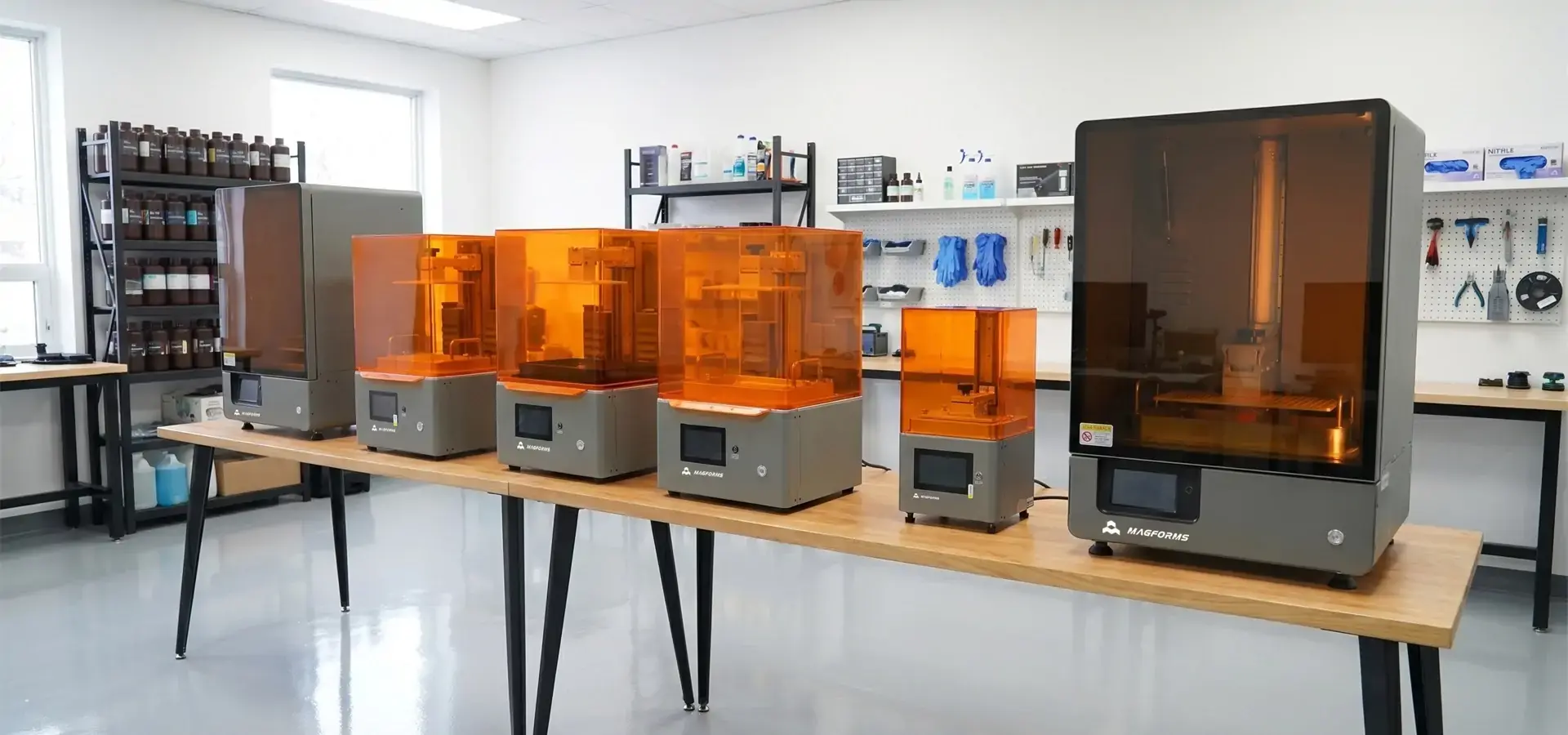
Verified B2B platforms for China resin 3D printer equipment provide structured environments for identifying established manufacturers with documented export capabilities. Evaluation criteria should include manufacturing certifications such as ISO 9001 for quality management systems, alongside product certifications like CE, FCC, and RoHS compliance, ensuring compatibility with North American and European market requirements. Years in operation and annual production capacity indicate operational stability, while patent portfolios demonstrate genuine engineering capabilities rather than simple assembly operations. Customer references from similar industries provide practical insights into post-sale support quality and equipment reliability under comparable production conditions. Trade show participation at major events like TCT or Formnext signals market commitment and provides opportunities for face-to-face technical discussions with engineering teams.
Pricing Dynamics and Negotiation Strategies
Understanding current market pricing for various specification tiers enables effective negotiation and realistic budgeting. Entry-level 4K MSLA machines range from $1,500-$3,000, mid-range 8K systems cost $3,500-$6,000, and industrial DLP or large-format SLA equipment spans $8,000-$25,000 depending on build volume and feature sets. Volume discounts typically begin at five-unit orders with 10-15% reductions, scaling to 25-30% savings for deployments exceeding twenty machines. Payment terms often favor wire transfers with deposits of 30-50% at order placement and balance due before shipment, though established buyers may negotiate net-30 or net-60 terms after demonstrating transaction history. Bundling material purchases with equipment orders creates additional negotiation leverage, particularly when committing to annual resin volumes exceeding several hundred liters.
Logistics and After-Sales Considerations
Shipping arrangements significantly impact total landed costs and project timelines. Sea freight reduces transportation expenses but extends delivery windows to 4-6 weeks for US destinations, while air freight cuts transit to 7-10 days at 3-4x higher cost. Buyers should clarify Incoterms clearly, with FOB and CIF pricing requiring different levels of import coordination and customs clearance responsibility. Warranty coverage typically spans 12 months for structural components and 3-6 months for consumables like LCD screens and release films, with extended warranties available at 8-12% of equipment cost. Technical support expectations should be documented explicitly, including response time commitments, availability of English-language support staff, and remote diagnostic capabilities through VPN or screen-sharing tools. Establishing clear service level agreements prevents misunderstandings and ensures operational continuity when equipment issues arise.
Conclusion
The cost-effectiveness of resin printing equipment from Chinese manufacturers stems from sustainable structural advantages rather than compromised quality. Procurement teams gain access to advanced MSLA and DLP technologies at investment levels that enable rapid capacity scaling and shortened ROI timelines. Open material ecosystems reduce dependency on proprietary consumables, while robust supplier networks ensure reliable access to both China resin 3D printer hardware and compatible resins. Technical performance metrics demonstrate that dimensional accuracy, surface quality, and mechanical reliability meet demanding industrial standards across aerospace, medical, automotive, and consumer electronics applications. Strategic sourcing approaches that emphasize supplier vetting, clear specification documentation, and comprehensive after-sales agreements position buyers to capture these advantages while mitigating potential risks associated with international procurement.
FAQ
What drives the lower pricing of resin systems from Chinese manufacturers?
Manufacturing concentration in specialized industrial zones creates supply chain efficiencies and component cost advantages through proximity and volume. Labor cost differentials and competitive domestic markets further compress margins while maintaining quality through standardized component sourcing from shared supplier networks serving consumer electronics industries.
Can Chinese resin printers match Western equipment in dimensional accuracy?
Modern monochrome LCD systems from established Chinese manufacturers typically provide XY pixel resolutions ranging from 19 to 50 microns, with actual dimensional accuracy depending on calibration, material selection, and process parameters, matching or exceeding performance from Western brands using identical screen technologies.
How does material compatibility affect operational costs?
Open-system architectures supporting third-party resins enable competitive material sourcing, with commodity resins costing $25-$40 per liter compared to $80-$150 for proprietary formulations. Engineering and specialty resins maintain premiums of $60-$120 per liter regardless of supplier, though open systems preserve sourcing flexibility and prevent vendor lock-in that constrains operational economics.
Partner With Magforms for Cost-Effective Industrial Resin Printing Solutions
Magforms stands as a trusted China resin 3D printer manufacturer offering integrated hardware and material solutions backed by 22 patents and service to over 300 global enterprises. Our monochrome LCD-based resin printing systems deliver industrial-grade accuracy, large-format productivity, and highly consistent curing performance through advanced UV LED light engines, precision optical systems, and intelligent temperature-control technologies. Designed for demanding applications in automotive, aerospace, medical, and consumer electronics industries, Magforms printers combine high-resolution LCD exposure with reliable mechanical architecture to maximize throughput while maintaining dimensional consistency. The deep optimization between our proprietary resins and printing systems eliminates compatibility issues that plague mixed-vendor environments, ensuring consistent dimensional accuracy and minimized downtime. Procurement teams benefit from comprehensive technical support, including equipment training, maintenance protocols, and responsive troubleshooting assistance that extends equipment longevity and maximizes production uptime. Whether your operation requires entry-level desktop systems or large-format industrial platforms, our engineering team provides consultation to match technical specifications with application requirements and budget parameters. Contact info@magforms.com to discuss how our cost-effective resin printing solutions can enhance your production capabilities while optimizing total cost of ownership through proven technologies and dedicated support infrastructure.
References
1. Wohlers, T. (2023). "Additive Manufacturing Technology Roadmap for Cost Reduction in Industrial Applications." Wohlers Associates Annual Industry Report.
2. Gibson, I., Rosen, D., & Stucker, B. (2021). "Vat Photopolymerization Systems: Technical Specifications and Economic Analysis." Additive Manufacturing Technologies, Third Edition.
3. Chen, L., & Wang, H. (2022). "Supply Chain Integration Effects on Manufacturing Costs in Chinese 3D Printing Industry." Journal of Manufacturing Systems and Economics, Vol. 48.
4. American Society for Testing and Materials (2023). "Standard Specification for Additive Manufacturing Photopolymer Materials: ASTM F2792-12." ASTM International Standards.
5. Diegel, O., Nordin, A., & Motte, D. (2022). "Comparative Cost Analysis of Global Additive Manufacturing Equipment Markets." Springer Series in Advanced Manufacturing.
6. International Organization for Standardization (2021). "Additive Manufacturing Quality Management Systems: ISO/ASTM 52920:2021 Certification Requirements." ISO Technical Standards Documentation.

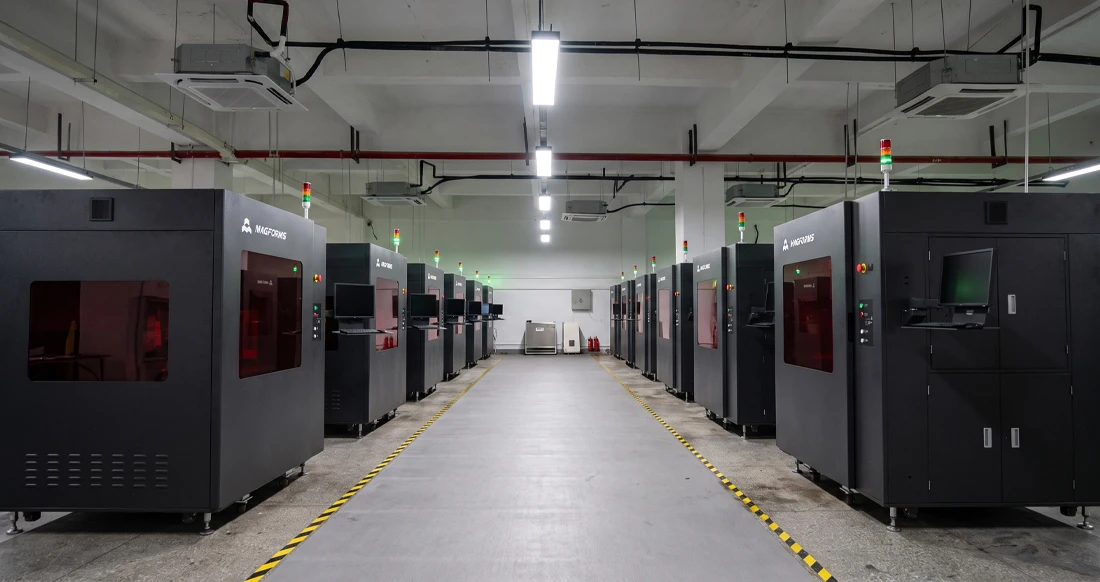
Magforms makes design and manufacture easier.
Popular Blogs
-
 Industry InsightsManufacturing Industry
FDM vs. SLA Printer: Which Technology Is Right for Your Project?
-
 Industry InsightsManufacturing Industry
Top 5 Applications of Industrial 3D Printers in Manufacturing Today
-
 Industry InsightsManufacturing Industry
Why Stereolithography 3D Printers Are Unmatched for Microfluidic Device Prototyping?