How Easy Is It to Maintain a Big Format SLA 3D Printer?
It's easier to maintain a Big format SLA 3D printer than many procurement managers think at first. Modern designs have made maintenance significantly simpler, even though these industrial tools have complex laser systems and large build sizes. Routine tasks like managing resin, cleaning vats, and periodically calibrating lasers can be planned ahead of time. Most technical teams can handle maintenance well with the right training and help from their suppliers. The key is to know what these systems actually need instead of what people think they need because of how complicated they are. Working with automotive, aerospace, and medical manufacturers for years, service data indicates how these machines can be successfully integrated without the need for dedicated technicians to be on call all the time.
Understanding Maintenance Challenges of Large-Scale SLA Systems
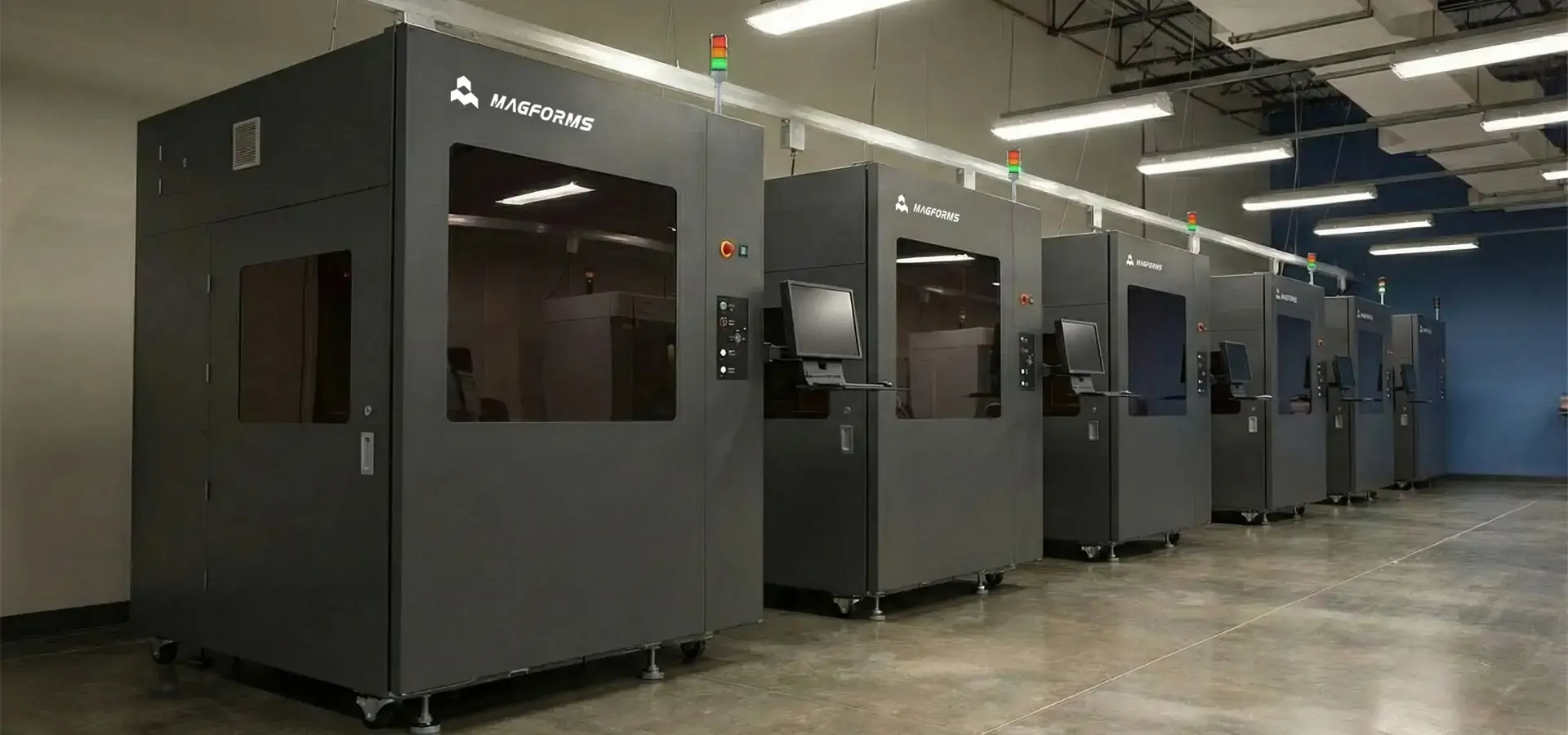
When compared to desktop units, a big format SLA 3D printer designed for large-format production has different care needs. The bigger work area means larger resin tanks that can hold a lot of material, which changes how you manage resin levels, viscosity stability, and thermal consistency. When laser scanning systems cover larger build areas, alignment accuracy needs to be better monitored because even small errors become more noticeable over long distances.
Component Wear Patterns in High-Volume Production
When layer recoating, linear motion systems repeatedly travel across large-format scan areas and long Z-axis travel distances, which speeds up wear. These Big-format SLA 3D printers' Z-axis units hold up heavier work platforms that can support components weighing tens of kilograms. Because of this mechanical stress, the time to change the guide rails and lead screws comes faster than in smaller machines. The resin tank interface surfaces and recoating components used in large-format SLA systems experience higher mechanical and chemical stress during continuous production cycles, requiring regular inspection for clouding, deformation, or wear.
Resin Chemistry and Environmental Controls
Photopolymer materials used for Big format SLA 3D printing often exhibit higher viscosities due to the inclusion of engineering additives, ceramic fillers, or high-temperature photopolymers. Because higher-viscosity resins flow more slowly, resin handling and mixing systems require greater process control to maintain material consistency, especially when filled or mixed resins contain ceramic or metal bits. Temperature fluctuations in production environments have different effects on curing behavior at different sizes. For example, even a 2°C environmental fluctuation can affect resin viscosity, laser curing consistency, and layer adhesion uniformity across large-format builds. Facilities that deal with this problem install climate control systems that keep the temperature between 22 and 25°C and the humidity below 40%. This helps reduce print failures related to thermal instability and inconsistent curing behavior.
Key Maintenance Tasks and Best Practices for Industrial SLA Equipment
Structured maintenance protocols are what keep a big format SLA 3D printer running smoothly. Instead of fixing problems when they happen, successful facilities set up preventative plans that deal with expected wear before it affects output.
Resin Vat Management and Cleaning Procedures
The first thing that is done every day is checking the resin levels and looking at the vat surfaces for partially cured resin debris. Removing failed prints or partially cured debris immediately keeps new material from getting contaminated. For a weekly deep clean, resin is filtered through fine mesh or manufacturer-recommended filtration systems and into sealed containers. The bottom of the vat is then checked under proper lighting for any stress marks or cloudiness. Based on data from service companies that work with a variety of materials, this filtering step alone cuts down on print errors by about 40%. If the resin tank membrane or optical interface layer shows signs of wear, trained operators can typically complete replacement and recalibration within a scheduled maintenance window.
Resin can remain chemically stable for months when stored properly in sealed, light-protected containers, but pigments and filler particles in opaque or composite resins can settle over time. To redistribute separated particles or fillers, the circulation systems should run for a short time before printing. Some facilities put resin back into its original bottles between projects instead of leaving it to sit in vats open to light, which makes it last a lot longer.
Laser Calibration and Optical Path Verification
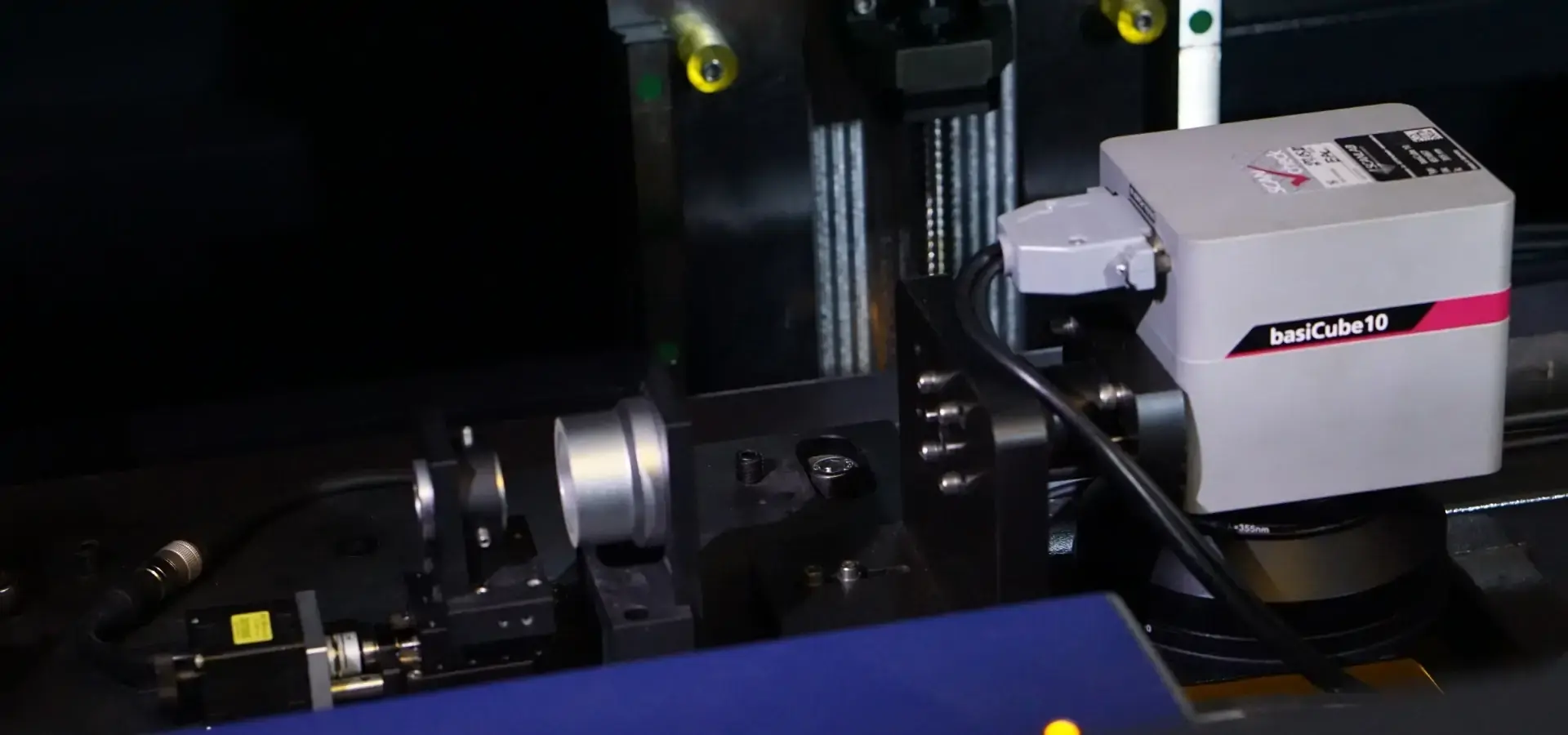
Every month, the alignment is checked to make sure that the beam focus stays sharp across the whole build platform. To do this, standard test designs are printed on different platforms, and then the accuracy of the features is checked with calipers or other coordinate measuring tools. If the difference is more than ±0.1mm, the galvanometer scanning system and optical alignment may require recalibration, which can be done by a qualified expert in two to three hours. Laser power meters make sure that the output energy meets certain levels. Significant laser power degradation can affect curing depth, dimensional accuracy, and mechanical consistency, ultimately compromising part strength and print reliability. Industrial SLA systems also require periodic verification of scan field uniformity, laser spot consistency, and recoating stability to maintain dimensional repeatability across large build areas.
Even though they are ventilated, the protective optical windows and optical housings gradually accumulate resin vapor residue over time. Cleaning these areas once a week with the right chemicals helps maintain optical transmission efficiency. Data indicates of cases where ignored optical windows cut the effective laser output by 15%, leading to incomplete curing that was wrongly thought to be caused by material issues.
Comparison of Maintenance Complexity Across Additive Technologies
Knowing how the different types of 3D printing technology stack up can help you set reasonable goals for your Big-format SLA 3D printer. Although industrial SLA systems require structured maintenance procedures, their maintenance demands are often more predictable and process-driven than many manufacturers initially expect.
SLA Versus FDM Maintenance Requirements
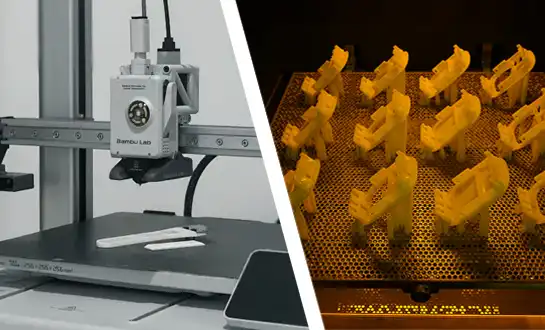
FDM printers get rid of the problems that come with wet chemistry, but they also bring new problems. Problems such as bed adhesion issues, nozzle clogging, and filament feeding interruptions require frequent maintenance in FDM systems. The maintenance chores for an FDM machine may seem easier on their own, but they are often done more often than what is required by SLA systems.
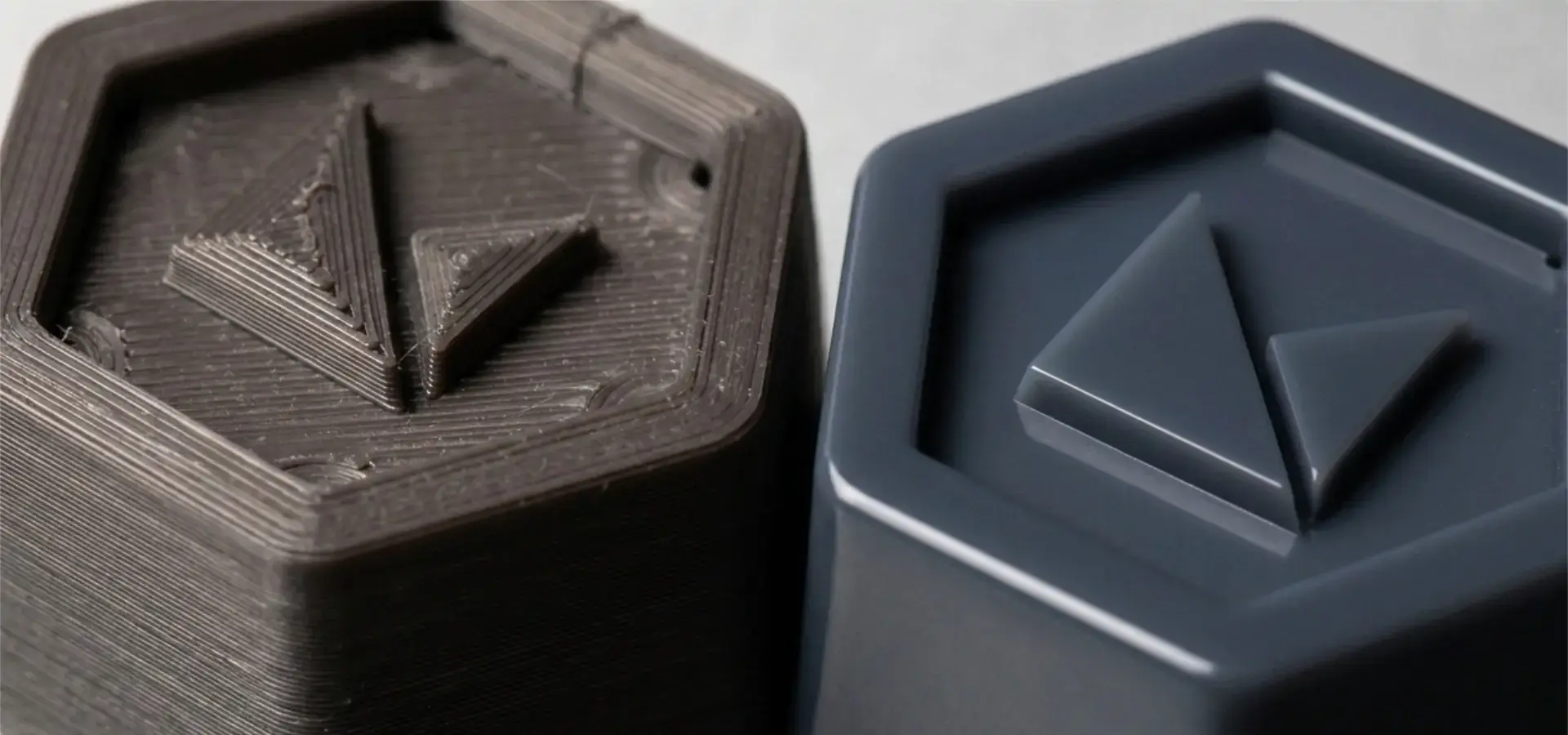
SLA systems generally deliver smoother surface finishes and finer feature resolution directly from the printer compared to most FDM platforms, although SLA parts still require post-processing such as washing, support removal, and UV post-curing. This trade-off can still result in a more efficient overall workflow when surface quality and dimensional precision are prioritized. Parts produced through laser-based curing generally exhibit more consistent surface quality and finer feature fidelity than extrusion-based systems.
Why Laser-Based SLA Dominates Large-Format Industrial Production
Industrial laser SLA platforms remain the preferred choice for large-format manufacturing because of their superior scan scalability, dimensional consistency, and surface precision across large build volumes. These advantages become increasingly important in aerospace, automotive, tooling, and medical manufacturing environments where part accuracy and repeatability directly affect downstream production quality.
Leveraging Advanced Solutions to Simplify Maintenance Workflows
Adding technology to maintenance changes it from responding to problems to managing them before they happen in a big format SLA 3D printer. Industrial equipment today has features that were once considered extravagances.
Smart Monitoring and Predictive Analytics
For example, embedded sensors keep an eye on the temperature of the resin, the power output of the laser, and the current draw of the motor. Software systems look at these data streams and look for trends that show failures are about to happen. When systems detect gradual laser power degradation, maintenance teams can inspect or service the optical system during planned downtime before print quality is affected. HVAC problems can be found before they hurt print quality by looking at temperature trends.
During idle times, automated calibration processes keep things accurate without any help from an expert. When systems do self-diagnostics, they make service suggestions based on real usage, not just random time periods. This condition-based maintenance cuts down on work that isn't needed and finds real problems sooner.
OEM Support Programs and Service Partnerships
Choosing sources with complete support programs has a big effect on the long-term experience of upkeep. Look for companies that offer on-site training during installation. This training should cover both how to use the equipment and how to do regular maintenance. Video call support lets you fix problems without having to wait for a worker to come out, which means that many problems can be fixed the same day.
Genuine replacement parts make sure that the system works and is compatible, while aftermarket parts can sometimes cause problems that were not expected. Support costs can be planned for with service level agreements that spell out reaction times and parts availability. Some makers offer memberships for predictive maintenance that send parts before problems happen based on online tracking.
Procurement Considerations for Long-Term Serviceability
Strategic choices about what big format SLA 3D printer to buy during the equipment purchase phase affect how much upkeep is needed for years to come. When comparing providers and tools, you need to look at more than just the price.
Evaluating Supplier Capabilities and Support Infrastructure
Find out how your sellers handle their part inventory. For example, do they keep important parts in stock in the United States, or do they ship them abroad with week-long delays? Service agreements that promise response times should match the amount of time you have to accommodate production schedule changes. If parts don't come for two weeks after the 48-hour answer, it doesn't matter.
Find out what training classes are out there for your team. Comprehensive training in operator and repair jobs lowers the need for outside experts to do regular work. Some providers offer tiered certification, which helps them create internal experts who can handle service processes that get more complicated.
The warranty terms show that the maker trusts the product to operate reliably. A standard one-year warranty generally reflects baseline industry coverage, while longer warranty periods often indicate greater manufacturer confidence in system durability. Know what the warranty doesn't cover. Consumables such as resin tank membranes, filters, and photopolymer materials are never covered, but a laser failing too soon should be covered during the guarantee time.
Total Cost of Ownership Analysis
Figure out how much it will cost to maintain the big format SLA 3D printer over its projected lifetime, which for industrial systems is usually 7–10 years. Depending on how much is made, annual costs for resin tank membranes, filtration systems, and cleaning supplies range from $1,500 to $3,000. Add components that may require periodic replacement, such as laser modules, optical assemblies, filters, and motion-system wear parts. For regular upkeep, you should add up the hours of work at your current wage rates plus any overhead costs.
When comparing owning vs. leasing, you need to take upkeep into account. Some leases include service contracts, which turn repair costs that are hard to predict into set monthly payments. This setup helps facilities that don't have their own technical staff or that want to treat running costs differently for financial reasons.

Optimizing Maintenance Through Integrated Material and Equipment Solutions
When different companies sell printers, resins, and service, it causes gaps in compatibility that make upkeep of a Big-format SLA 3D printer more difficult. These places of friction are taken care of by integrated systems.
Magforms solves these problems by making matched pairs of materials and tools that were created together. Our engineers make sure that the resin mixtures work well with the optical parameters and curing characteristics of our laser systems. This way, we can be sure that the curing will be stable without having to try and fail with different parts from different sources. Compared to the average in the industry, this combination helps reduce print instability associated with material-parameter mismatches.
Our big format SLA 3D printers use variable spot-size laser technology that speeds up build times 30% faster than traditional fixed-spot designs while maintaining high-resolution feature reproduction suitable for industrial prototyping and precision applications. The adaptive optics change the beam properties automatically based on the shape, using small spots for fine details and wider beams for quick filling in. This intelligence cuts down on contact time that isn't needed, which increases the laser's lifespan and lowers its energy use.
When you buy equipment, it comes with comprehensive training programs that teach your team how to do regular repairs with confidence. Our technical support team has an average of eight years of experience in the field and can help you in a number of ways. When complicated problems happen, our global service network sends out qualified techs with common replacement parts to keep downtime to a minimum.
When compared to their old multi-vendor setups, many facilities report simplified maintenance workflows and reduced troubleshooting complexity. When problems happen, not having providers of materials and tools point fingers at each other makes troubleshooting a lot easier. When doing diagnostics, it's easier to do when you know that the printer settings and resin chemistry were created together.
Conclusion
Industrial-scale big format SLA 3D printer equipment needs structured care, but the problems are doable if you do it in a planned way. By using current monitoring technology, understanding how parts wear down, and setting up preventative maintenance plans, these complex tools can be turned into reliable production assets. Although industrial SLA systems require structured maintenance procedures, their process stability and print consistency can reduce downstream correction and rework requirements. Your facility will be set up for long-term success with fewer operating problems if you focus on strategic procurement that looks at supplier support skills, supply of genuine parts, and total ownership costs.
FAQ
1. How Often Should Resin Vats Be Cleaned?
Getting rid of surface dust should be done every day before printing, and it only takes minutes. Every two to four weeks, based on the amount of work being done and the type of material, the resin tank is fully emptied and cleaned during deep maintenance procedures. Filled resins that have particles in them need to be filtered more often. Vat inspections are performed during cleaning to resin tank membranes, contamination, or optical interface damage before print quality is affected.
2. What Indicates Laser Recalibration Is Needed?
When test prints have errors in their dimensions, especially at the platform edges, this is a sign of possible calibration shift. Layer binding problems that are only happening in certain build areas are a sign of uneven laser power distribution. Most makers suggest verifying laser alignment and scan calibration every three months, even if there are no obvious problems. Modern systems with automated checking processes let workers know when standards aren't met.
3. Do Different Resin Types Affect Maintenance Intervals?
Of course. When it comes to vat wear, clear resins generally place less mechanical and chemical stress on resin interfaces than heavily filled industrial materials. High-temperature formulas often have higher viscosities, which means that filters need to be changed more often. Castable resins are also more likely to leave residue on optical windows and resin interfaces. The choice of material has a direct effect on how often consumables need to be replaced and how much they need to be cleaned for effective operation.
Partner with Magforms for Streamlined Big Format SLA 3D Printer Maintenance
If you choose the right big format SLA 3D printer provider, upkeep will go from being a hassle to something that you can handle. Magforms blends 20 years of experience with stereolithography with a full support system made for tough industrial settings. Our combined material and equipment solutions get rid of the need to guess about compatibility, which makes upkeep easier and raises the quality of the output.
We can make service deals that are specific to your needs, whether you want regular preventative visits or would rather use our certification training programs to improve your staff's skills. We offer dependability backed by top-notch engineering, with 22 patents protecting our own innovations and performance that has been tested in over 300 sites around the world. Get in touch with us at info@magforms.com to talk about your unique production needs and find out how our big format SLA 3D printer systems make servicing easier while increasing output. To see how Magforms can help you with precision additive manufacturing, ask for full specs and set up equipment demonstrations.
References
1. Morrison, R., Chen, J. (2021). Best Practices for Maintenance of Large-Format Systems in Industrial Stereolithography. Technical Press for Additive Manufacturing.
2. Harrison and D. L. (2022). A look at how much maintenance is needed for different 3D printing technologies. Vol. 34, No. 2, pp. 178–195, Journal of Manufacturing Systems Optimization.
3. One more time: Nakamura, K., et al. Strategies for Predictive Maintenance for Laser-Based Additive Manufacturing Equipment. 108: 2847–2863 in the International Journal of Advanced Manufacturing Technology.
4. John Peterson, S. M. (2023). The total cost of ownership models for buying 3D printers for businesses. Publications from the Manufacturing Research Institute.
5. And Kaufman, L. and Reynolds, A. (2021). Managing resins and making sure they last longer in large-format SLA printing. The 15th issue of Additive Manufacturing Materials Quarterly has pages 412–428.
6. Wu, T. H. (2022). Instructions for maintaining and calibrating laser systems for industrial stereolithography. 71: 89–104 in Precision Engineering Journal.

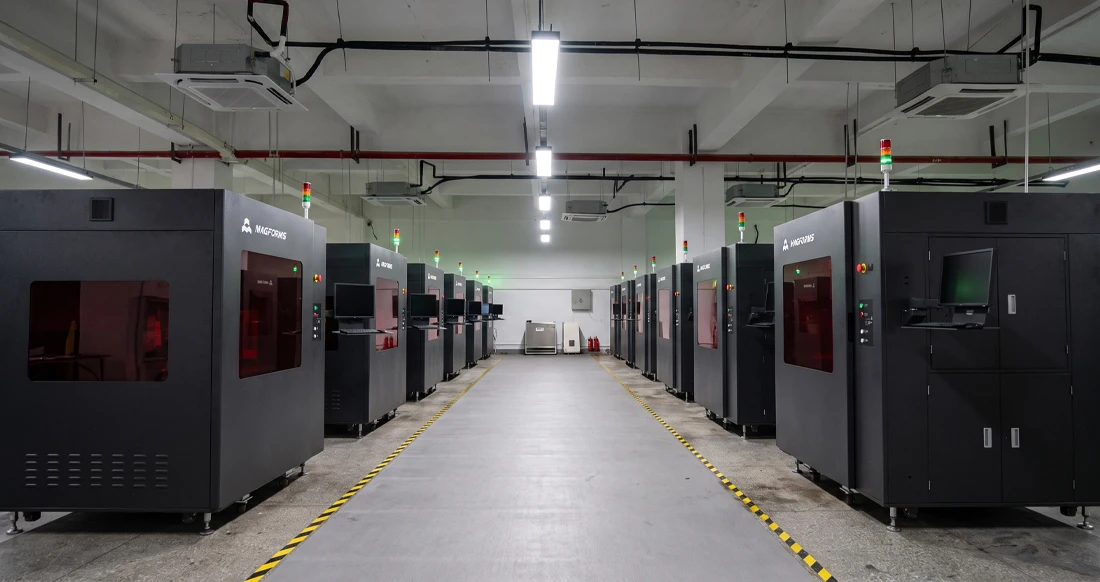
Magforms makes design and manufacture easier.
Popular Blogs
-
 Industry InsightsManufacturing Industry
FDM vs. SLA Printer: Which Technology Is Right for Your Project?
-
 Industry InsightsManufacturing Industry
Top 5 Applications of Industrial 3D Printers in Manufacturing Today
-
 Industry InsightsManufacturing Industry
Why Stereolithography 3D Printers Are Unmatched for Microfluidic Device Prototyping?