How Fast Can a 3D Printer Produce Functional Parts?
When purchasing managers ask how quickly a 3D printer can produce parts that work, the answer depends on several factors that are all. Today's additive manufacturing systems can produce small, precise parts in hours, but larger assemblies may require overnight construction. Industrial stereolithography apparatus machines can work 30% faster than older systems, especially when the right materials are paired with the right equipment to get rid of any compatibility problems. Different technologies have different speeds. FDM printers usually go between 50 and 150 mm/s; resin-based systems (such as SLA, DLP, and LCD) cure material layer by layer; and powder-bed fusion is good for batch production. When technical directors know about these factors, they can choose equipment that meets their throughput needs without sacrificing accuracy or durability.
Understanding 3D Printer Speed and Functional Part Production
Defining Speed in the Additive Manufacturing Context
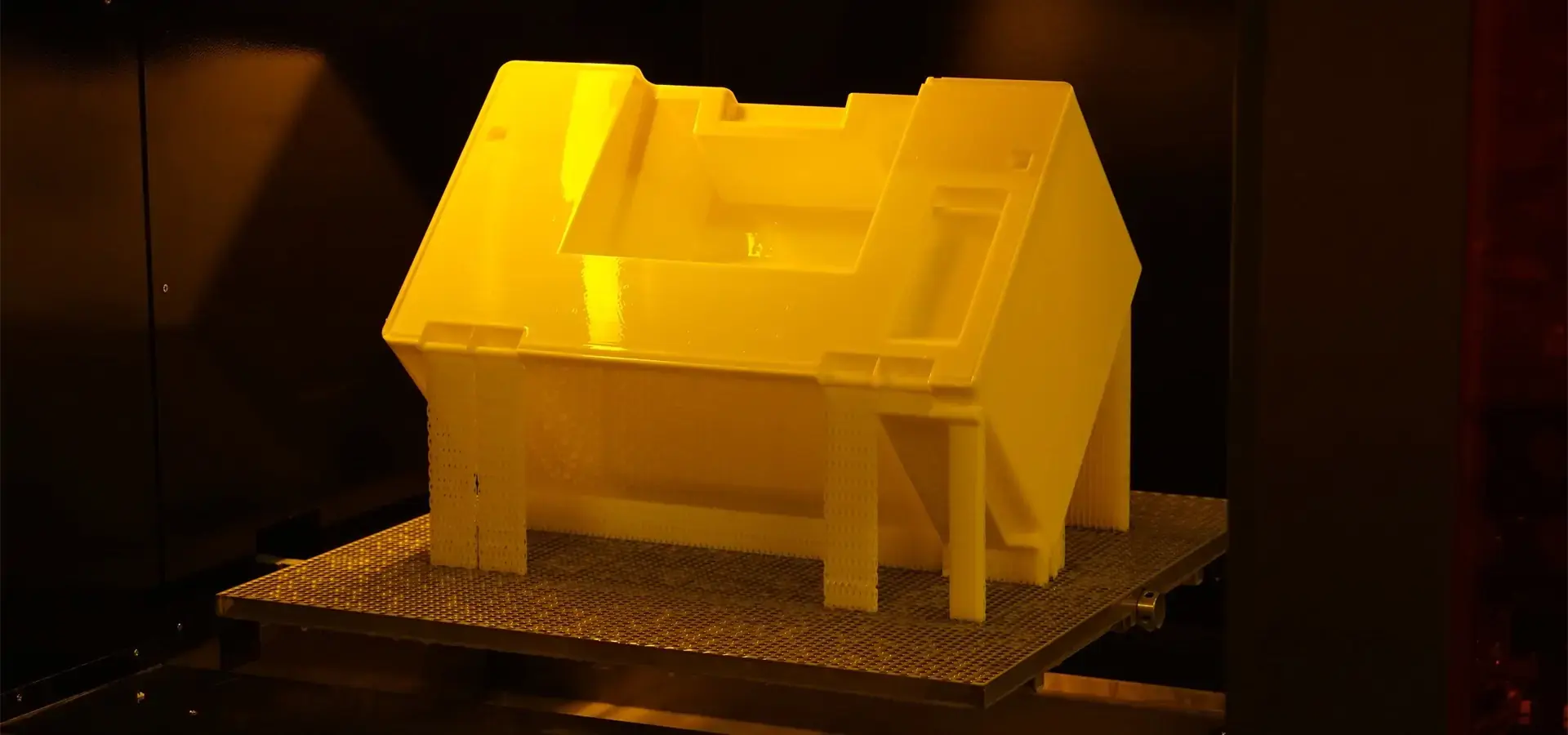
When it comes to additive manufacturing, speed is more than just print speed. Print time is the amount of time between starting a job and finishing a part, and throughput is the total amount of work that can be done in a week. Part complexity adds another variable: a hollow enclosure prints faster than a solid block of the same size because it doesn't need as much material to be deposited. How fast things are made depends a lot on how the printer is built. Fused deposition modeling (FDM) systems push heated thermoplastic filaments out of heated nozzles. The flow rates of the materials and the need to control the temperature limit the speeds. Resin-based technologies, such as SLA and digital light processing (DLP), use ultraviolet light sources to cure photopolymer resin. DLP and LCD systems expose entire layers at once, while SLA systems use a scanning laser to selectively cure each layer. This means that the number of parts in the build platform doesn't affect the build time. Selective laser sintering (SLS) fuses powdered materials using a laser without fully melting them, making it suitable for batch production of functional parts.
Functional Parts Versus Prototyping Requirements
When it comes to production, functional components need different settings than visual prototypes. For parts that will be used, the mechanical properties need to be improved. This can be done by changing how the layers stick together, making the shells thicker, and improving the infill patterns. These changes make the print last longer while also making sure that the parts can handle operational stresses. We see that automakers who are making prototypes of interior trim put more emphasis on surface finish than structural performance. This lets them print faster with less infill density. On the other hand, aerospace connectors need full-density prints that are accurate to the micron level. This means that deposition rates need to be slower and layer heights need to be smaller. This difference guides decisions about what to buy—service bureaus with a wide range of clients need flexible systems that can support both quick conceptual modeling and thorough functional testing.
Technology-Specific Speed Capabilities
Different types of printer technology have different speed characteristics that work best for certain tasks. High-performance FDM machines can reach linear speeds of up to 200 mm/s and are great at making big parts with moderate detail. But frequent nozzle repositioning and material cooling times make the whole job take longer. Industrial SLA systems that use variable spot-size laser technology can optimize scan paths and maintain consistent curing efficiency across complex geometries. This feature is useful for dental labs that make custom orthodontic appliances, where small surface details have a direct effect on how well patients do. Industrial SLS printers work on many parts at once in powder beds, spreading out the extra time needed for each part to make the whole process more efficient.
Key Bottlenecks Affecting 3D Printing Speed
Material Selection Impact on Production Time
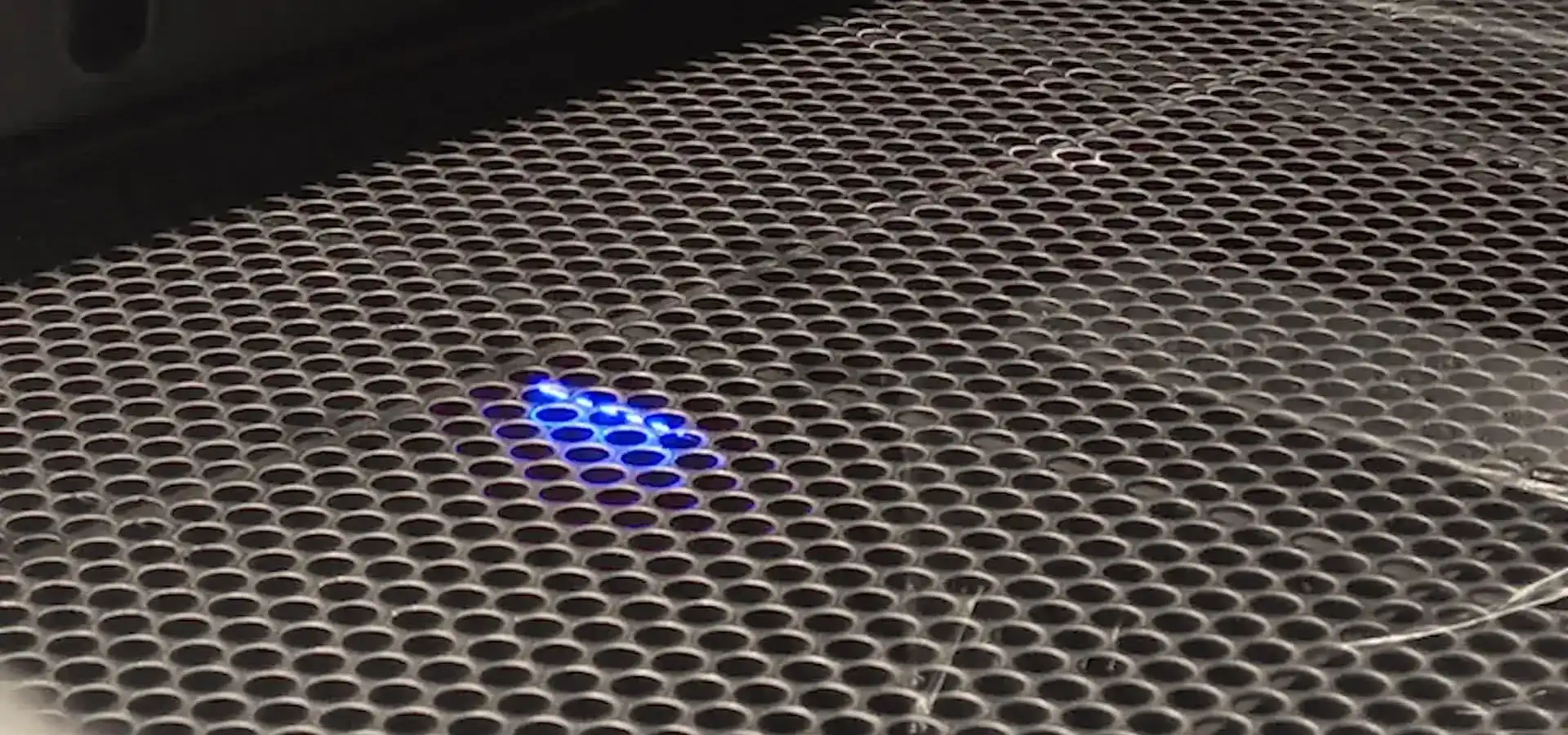
Material chemistry has a big effect on how fast something is built. Standard photopolymer resins typically require exposure times ranging from milliseconds to several seconds per layer, depending on the light source intensity and resin formulation, while engineering-grade formulations containing ceramic fillers require extended exposure times to achieve complete polymerization. Different thermoplastic filaments flow in different ways. For example, polycarbonate needs higher extrusion temperatures and slower deposition speeds than PLA. Material compatibility problems cause delays that aren't obvious. When third-party resins don't come with the right calibration profiles for a piece of hardware, operators waste hours trying different exposure settings, laser powers, and scan speeds until they work right. We solve this problem by offering combined material-equipment solutions. These solutions have factory-calibrated profiles that get rid of the need for guesswork and cut setup time from hours to minutes.
Resolution Versus Speed Trade-offs
When choosing layer height, it's important to find the right balance between speed and quality of the surface. Cutting layer thickness from 100 microns to 25 microns requires four times as many layers, which makes the build time longer. But there are times when this investment is worth it. For example, medical device companies that make surgical guides can't skimp on accuracy, even when they are on a tight delivery schedule. Modern slicing software has adaptive layer height algorithms that use fine resolution only when geometric complexity calls for it. For example, on flat surfaces, thicker layers are used. When compared to uniform fine layering, this smart method cuts print time by 20–40% while keeping important dimensional tolerances.
Hardware and Software Optimization Factors
Mechanical systems directly limit how fast you can go. Linear motion parts have to find a balance between fast acceleration and accurate positioning. Low-quality lead screws cause Z-axis wobble that builds up over hundreds of layers, making parts with dimensional drift that need to be fixed by hand after they are made. Firmware optimizations make big speed gains possible without changing the hardware. Advanced motion planning algorithms figure out the best acceleration curves to keep vibrations to a minimum while keeping nozzle velocity high. Slicing software improvements make support structures that need less material and are easier to remove. This cuts down on post-processing time, which often takes longer than the print time for complex shapes.
Practical Strategies to Accelerate Functional Part Production
Optimizing Core Print Parameters
Changing strategic parameters has a big effect on production throughput without affecting the quality of the parts. The most important factor is layer height; increasing it from 50 to 150 microns triples the production speed for uses that don't mind slightly visible layer lines. Consumer electronics enclosures often allow for this trade-off, as post-production finishing steps handle surface texture. Calibration of the infill density must be done carefully based on the needed mechanical load. Cutting the infill from 40% to 15% saves a lot of material and print time while still giving non-load-bearing parts enough strength. Changing the thickness of the shell works well with optimizing the infill. Adding one or two more passes around the perimeter often provides the needed structural support more effectively than dense infill patterns.
Leveraging Advanced Production Techniques
Multi-material configurations make production more flexible and more efficient at the same time. Dual-extrusion systems deposit dissolvable support materials, eliminating the need for manual removal. This saves hours of work after processing for complicated shapes. This feature is very important for medical implant prototyping because internal channels and organic surfaces make it difficult to remove traditional supports. Batch printing strategies increase throughput when making a lot of the same parts. Strategically placing parts on the build platform spreads out thermal stresses and lets whole product runs be made at the same time. A 3D printer service that makes custom shoe parts can make dozens of shoe mold inserts in one night instead of one at a time, cutting production times from weeks to days.
Maintaining Consistent Performance Through Preventive Care
Understanding the end use of the product is essential for implementing these changes. We walk our clients through mechanical testing protocols that set minimum viable parameter sets. This way, we can speed up production without sacrificing functionality. Automotive clients who make parts for under the hood need heat-resistant materials with a dense infill, while customers who make parts for the interior of the car can aggressively optimize speed. The reliability of the equipment directly impacts its effective production capacity. Protocols for scheduled maintenance keep systems from going down without warning, which could affect delivery promises. Regular calibration makes sure that the accuracy of the dimensions stays within the acceptable range, and cleaning procedures get rid of any leftover material that could cause problems that need to be resolved by printing a new part. As part of our technical support package, we teach operators how to spot early signs of mechanical wear through thorough maintenance training. Replacing worn nozzles before they completely break can prevent failures in the middle of a print job that waste materials and operator time. Inspections of resin tanks find clouds that lower the effectiveness of UV transmission. This process keeps the cure speeds at their best for the entire life of the tank.
Comparative Analysis: Choosing the Right 3D Printer for Your Speed and Functional Needs
Evaluating Leading Equipment Options
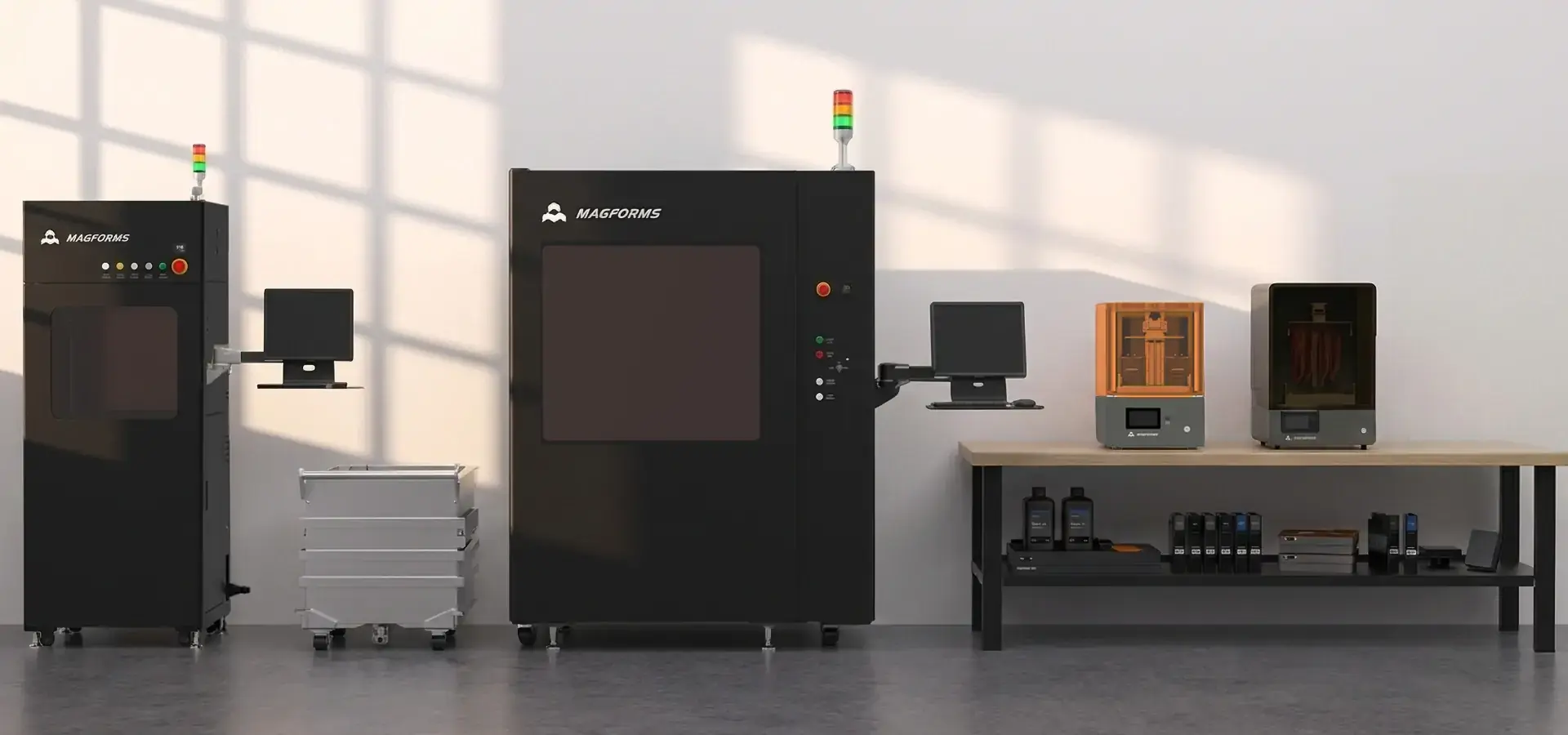
Right now, the market has many different solutions for a range of operational scales and application needs. Desktop FDM systems from companies like Creality and Prusa are good for small design studios that need cheap prototyping tools and can work at good speeds for small production runs. These machines are good at working with standard engineering thermoplastics, but they don't have the environmental controls that high-performance materials need. Industrial-grade 3D printers from companies like Ultimaker and Raise3D have closed build chambers with active thermal management that make it possible to reliably process advanced materials like polycarbonate and nylon composites. These systems have advanced firmware and precision linear motion parts that keep the accuracy of the dimensions even at high print speeds. This makes up for their higher purchase prices by improving part quality and lowering the number of failures. We provide integrated solutions that coordinate the development of both material formulations and hardware specifications. This method gives better results than using standard tools and materials. It works especially well for high-precision tasks like making medical devices and checking aerospace parts.
Resin Versus Filament Technology Comparison
Stereolithography systems are excellent at making parts with smooth surfaces and fine details that can't be achieved with filament extrusion. Dental laboratories use this feature to make orthodontic models that need to have clear edges and a smooth surface. For DLP and LCD systems, build time is largely independent of the number of parts within a layer, since each layer is exposed simultaneously. However, total build time still depends on layer count and Z-axis movement. SLA systems, in contrast, are influenced by scan area per layer. Filament-based printing lets you use a wider range of materials and make more things at a lower cost. Thermoplastic parts are more resistant to impact than photopolymer parts, which means that FDM is a viable method for making functional prototypes that will be tested mechanically. The cost of materials per part makes filament printing better for bigger parts, while resin systems are more cost-effective for small, complicated parts where the need for accuracy justifies the cost of materials.
Industrial Scale Versus Desktop Solutions
The amount of production required is the primary factor in choosing between industrial and desktop equipment. Contract manufacturing businesses that handle a steady flow of orders need industrial systems that can work reliably 24 hours a day, seven days a week, and materials that are approved for use in specific applications. These machines have redundant parts and can be monitored from afar, which cuts down on unplanned downtime. Desktop units work well for R&D departments and small service providers that want to introduce changes to designs over and over again instead of mass production. When you spend less on capital, you can buy more equipment, which lets you match the right technology to the needs of each project. A product design studio keeps both FDM and SLA desktop units to choose the right technology for each project, depending on whether the focus is on mechanical testing or the look of the final product for the client. Our range of equipment includes modular solutions. When a small business first starts, it starts with cheap systems that can handle standard materials. High-performance material packages and more accurate hardware are added as production requirements change.
Future Trends and Technologies Enhancing 3D Printing Speed
Next-Generation Material Formulations
As material science progresses, curing times get shorter and mechanical properties get better. New photopolymers can fully polymerize in less than two seconds per layer and have impact resistance close to that of engineering thermoplastics. With these formulations, resin systems can significantly narrow the throughput gap with FDM in certain small-part, high-detail applications, while still producing a superior surface finish. Adoption in tough applications is driven by high-temperature materials that make printed parts work in a wider range of temperatures. Medical device manufacturers can now print sterilizable parts that can endure multiple autoclave cycles without losing their shape. Aerospace suppliers test printed parts for non-essential cabin parts, replacing traditionally made options when design flexibility justifies the extra cost of materials.
Artificial Intelligence Integration
Using thermal camera data to find warping before defects happen and changing temperatures before they do, machine learning algorithms optimize print parameters in real time. This intelligent action significantly reduces the number of failures, particularly for large components that require overnight construction and cannot undergo manual monitoring. AI-enhanced slicing reduces support structures by 30% and enhances stability during builds. Algorithmic analysis finds the best way to orient a part so that it needs the least amount of support and has the best surface quality on critical faces. These changes shorten the whole production process by reducing both the time spent printing and the time spent processing the prints afterward.
Automated Manufacturing Integration
More and more, additive manufacturing is used as a part of larger, more automated production cells. Robotic part removal and build platform loading allow continuous operation without any help from a person, which changes how capacity calculations are done. One operator can watch over several machines, which makes the work much more efficient. We work with automation integrators to create turnkey solutions where 3D printer parts go straight to finishing stations to get rid of supports, treat the surface, and check for quality. This smooth workflow works especially well for high-volume tasks like making custom accessories for consumer electronics, where the number of orders justifies investing in automation but the variety of designs doesn't allow for traditional tooling methods.
Conclusion
In additive manufacturing, the speed of production depends on the technology used, the properties of the material, how well the parameters are optimized, and how skilled the operators are. These days, modern industrial systems can make working parts in a matter of hours for small, precise parts or overnight for complex assemblies. Procurement professionals can specify solutions that meet delivery commitments without lowering quality standards if they understand how resolution needs, material properties, and equipment capabilities affect each other. When you combine operator training, preventative maintenance, and smart investments in integrated material-equipment systems, you can get the most work done with the least amount of costly downtime.
FAQ
What speed advantages do industrial systems offer over desktop units?
Industrial additive manufacturing equipment has precise motion systems, advanced thermal management, and material profiles that have been calibrated so that they can keep running at high speeds for a long time. When printing at high speeds, these machines keep the accuracy of the dimensions, while desktop printers lose quality. Enclosed build chambers with active heating stop large parts from warping during production, which cuts down on mistakes that waste time and materials. Faster-curing materials made for high-throughput environments can also be used in industrial systems.
Which materials enable rapid production while maintaining durability?
When engineering resins are made to harden quickly, they have the right mechanical properties for functional uses. Tough photopolymers can withstand impacts as well as ABS plastic and cure in less than two seconds per layer. For filament systems, new types of PLA and PETG are strong and don't warp much, which lets you print parts more quickly without losing their integrity. The choice of material should be based on the mechanical needs and operating conditions.
Does accelerated printing compromise structural quality?
When parameters are properly optimized, the structure stays strong even when speeds go up. Changing layer height, infill density, and shell thickness based on mechanical load analysis ensures that parts meet performance requirements. Modern slicing software figures out the best combinations of parameters that maximize speed while still meeting quality standards. Quality only goes down when speeds are too rapid for the equipment or when parameters don't take into account what the application needs. This shows how important technical knowledge is when planning a production.
Partner with Magforms for High-Speed, High-Precision Additive Manufacturing Solutions
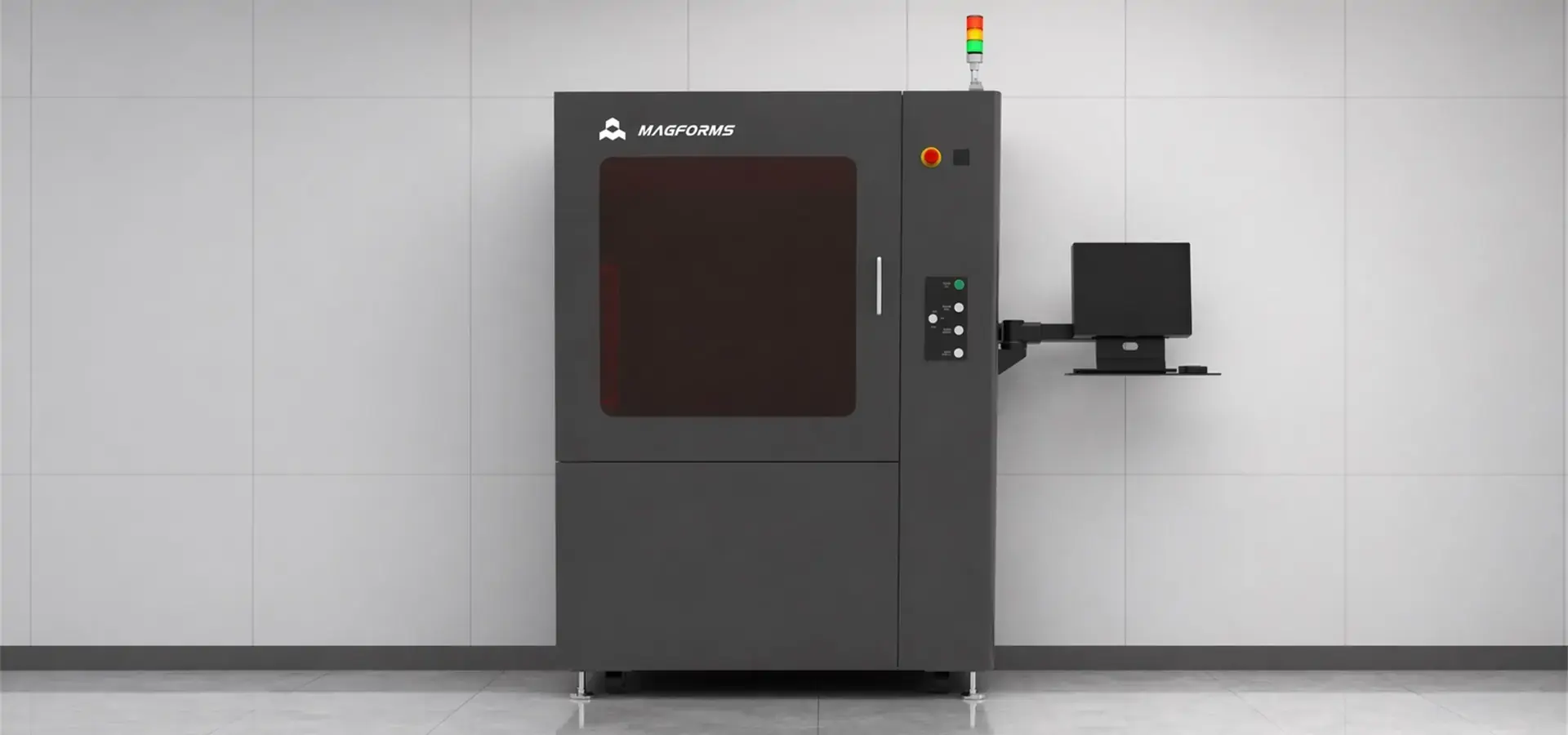
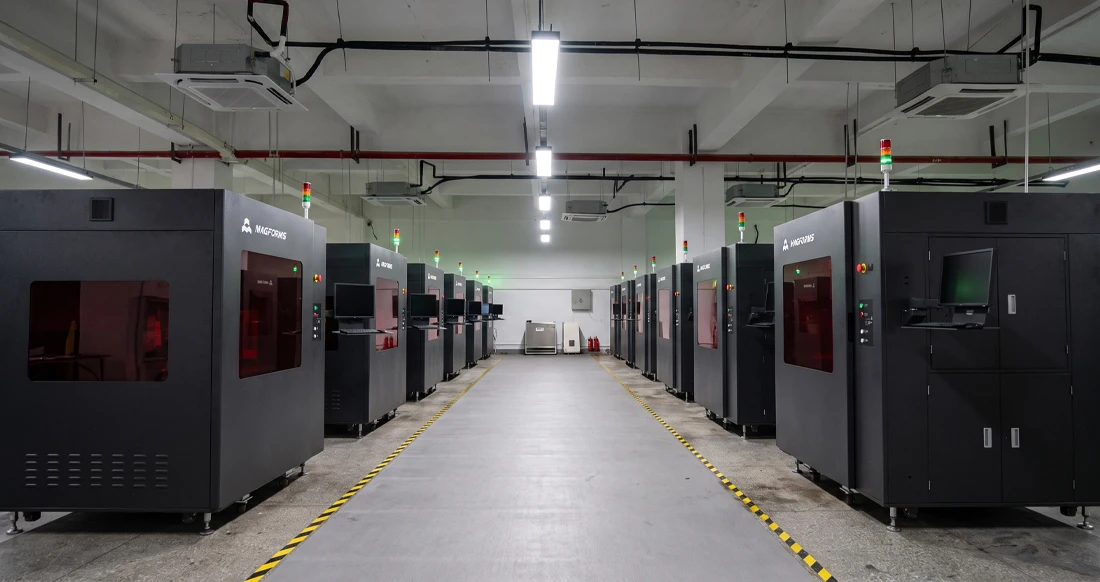
Magforms makes integrated 3D printer systems that speed up the production of functional parts without lowering their quality or dependability. Our industrial SLA systems, featuring variable spot-size laser technology and AI-optimized scanning paths, can achieve up to 30% higher scanning efficiency compared to conventional fixed-spot SLA systems, depending on geometry and material conditions. This cuts lead times for prototyping and small-batch production by a huge amount. As an experienced supplier that works with over 300 companies around the world, we offer complete solutions that include our own materials and hardware that are perfectly matched. This way, there are no compatibility problems that lead to mistakes in measurements and unplanned downtime. Our technical support team has years of experience in the field and brings that to every job. They offer customized training, responsive maintenance services, and application consulting to help you get the most out of your equipment investment. Get in touch with our experts at info@magforms.com to talk about how our tried-and-true 3D printer technologies can help you make more things and be more competitive.
References
1. Gibson, I., Rosen, D., Stucker, B., & Khorasani, M. (2021). Additive Manufacturing Technologies (3rd ed.). Springer International Publishing.
2. Ngo, T. D., Kashani, A., Imbalzano, G., Nguyen, K. T., & Hui, D. (2018). Additive manufacturing technologies: A review of current status and future potential. Composites Part B: Engineering, 143, 172-196.
3. Schmid, M., Amado, A., & Wegener, K. (2014). Materials perspective of polymers for additive manufacturing with selective laser sintering. Journal of Materials Research, 29(17), 1824-1832.
4. Stansbury, J. W., & Idacavage, M. J. (2016). 3D printing with polymers: Challenges among expanding options and opportunities. Dental Materials, 32(1), 54-64.
5. Tofail, S. A., Koumoulos, E. P., Bandyopadhyay, A., Bose, S., O'Donoghue, L., & Charitidis, C. (2018). Additive manufacturing: scientific and technological challenges, market uptake, and opportunities. Materials Today, 21(1), 22-37.
6. Wohlers, T., Campbell, I., Diegel, O., Kowen, J., & Mostow, N. (2022). Wohlers Report 2022: 3D Printing and Additive Manufacturing: Global State of the Industry. Wohlers Associates, Inc.

Magforms makes design and manufacture easier.
Popular Blogs
-
 Industry InsightsManufacturing Industry
FDM vs. SLA Printer: Which Technology Is Right for Your Project?
-
 Industry InsightsManufacturing Industry
Top 5 Applications of Industrial 3D Printers in Manufacturing Today
-
 Industry InsightsManufacturing Industry
Why Stereolithography 3D Printers Are Unmatched for Microfluidic Device Prototyping?