What Industries Use Stereolithography 3D Printers Most?
Stereolithography 3D printers have become essential manufacturing tools across numerous sectors where precision, surface quality, and material versatility drive competitive advantage. Industries leveraging SLA technology most extensively include healthcare and dentistry, automotive manufacturing, aerospace engineering, consumer electronics, jewelry production, and industrial prototyping. These sectors require the micron-level accuracy and smooth surface finish that stereolithography delivers, making it indispensable for rapid prototyping, custom part production, and small-batch manufacturing where traditional methods prove cost-prohibitive or technically inadequate.
Understanding Stereolithography 3D Printing Technology
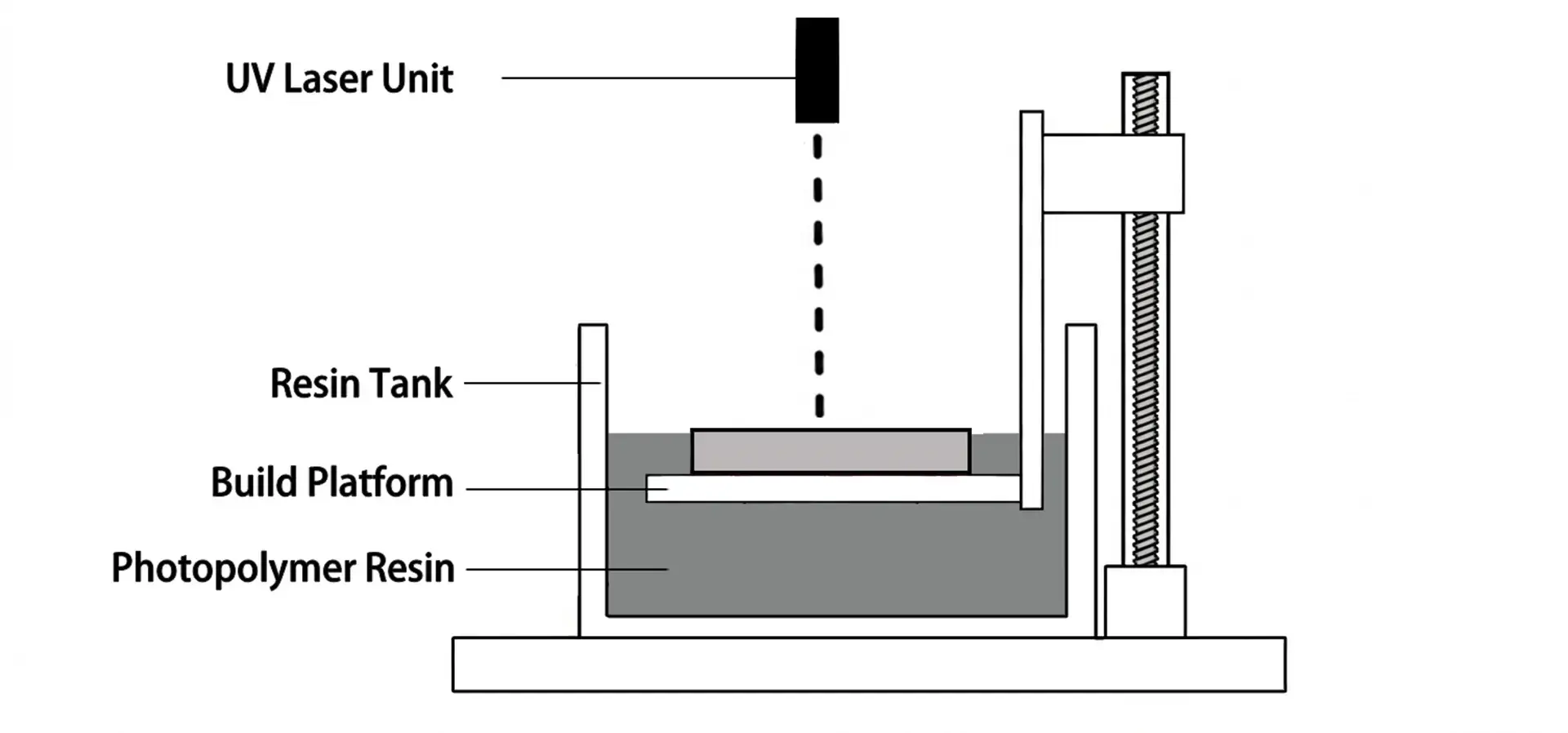
Chuck Hull came up with the groundbreaking additive manufacturing technology called stereolithography in the 1980s. A focused ultraviolet laser, typically operating in the 355 nm wavelength range (or 405 nm for some systems), is guided by galvanometer mirrors in this process to transfer cross-sections from CAD models to surfaces of liquid photopolymer resin. When the laser hits the resin, photochemical reactions cross-link molecules, making the material harden in precise patterns, one layer at a time.
How Stereolithography Works
The build platform starts just below the surface of the resin. After the laser completes one layer, the platform gradually descends, typically ranging from 25 to 100 microns in most industrial SLA systems, with thicker layers used in specific high-speed applications, depending on the required resolution. After this step, a recoating mechanism (such as a blade or wiper) redistributes a fresh layer of resin across the surface, and the process starts all over again until the whole object comes out. Modern stereolithography 3D printers have advanced peeling mechanisms that lower the forces needed to separate layers. This keeps delicate parts from warping during the build cycle.
Technical Advantages Over Other Technologies
Fused Deposition Modeling (FDM) uses thermoplastic filament and typically exhibits visible layer lines and anisotropic strength, especially along the Z-axis, due to layer-by-layer bonding. Stereolithography, on the other hand, makes parts with even mechanical properties. This results in more isotropic mechanical properties compared to filament-based methods. In industrial systems, the laser spot diameter is between 85 and 140 microns, which makes it possible to get very fine detail that isn't possible with filament-based methods. Usually, the surface roughness is less than 1.6 micrometers Ra, which is close to the quality of injection molding without the need for secondary finishing. It's not just standard resins that are compatible; engineering-grade resins can simulate certain mechanical characteristics of materials like ABS, polypropylene, or silicone, though they are not direct material equivalents. Some high-temperature resins can withstand heat deflection temperatures above 200–250°C under specific testing conditions (HDT), though long-term thermal stability varies by material. Resins that are biocompatible and can be cast can be used to make medical devices and jewelry, meeting specific needs that standard 3D printing technologies can't meet.
Top Industries Leveraging Stereolithography 3D Printers
Many industries have built SLA technology into their main production processes because they know it can solve difficult manufacturing problems. Different industries use different kinds of technology that fit their needs and quality standards.
Healthcare and Dental Applications
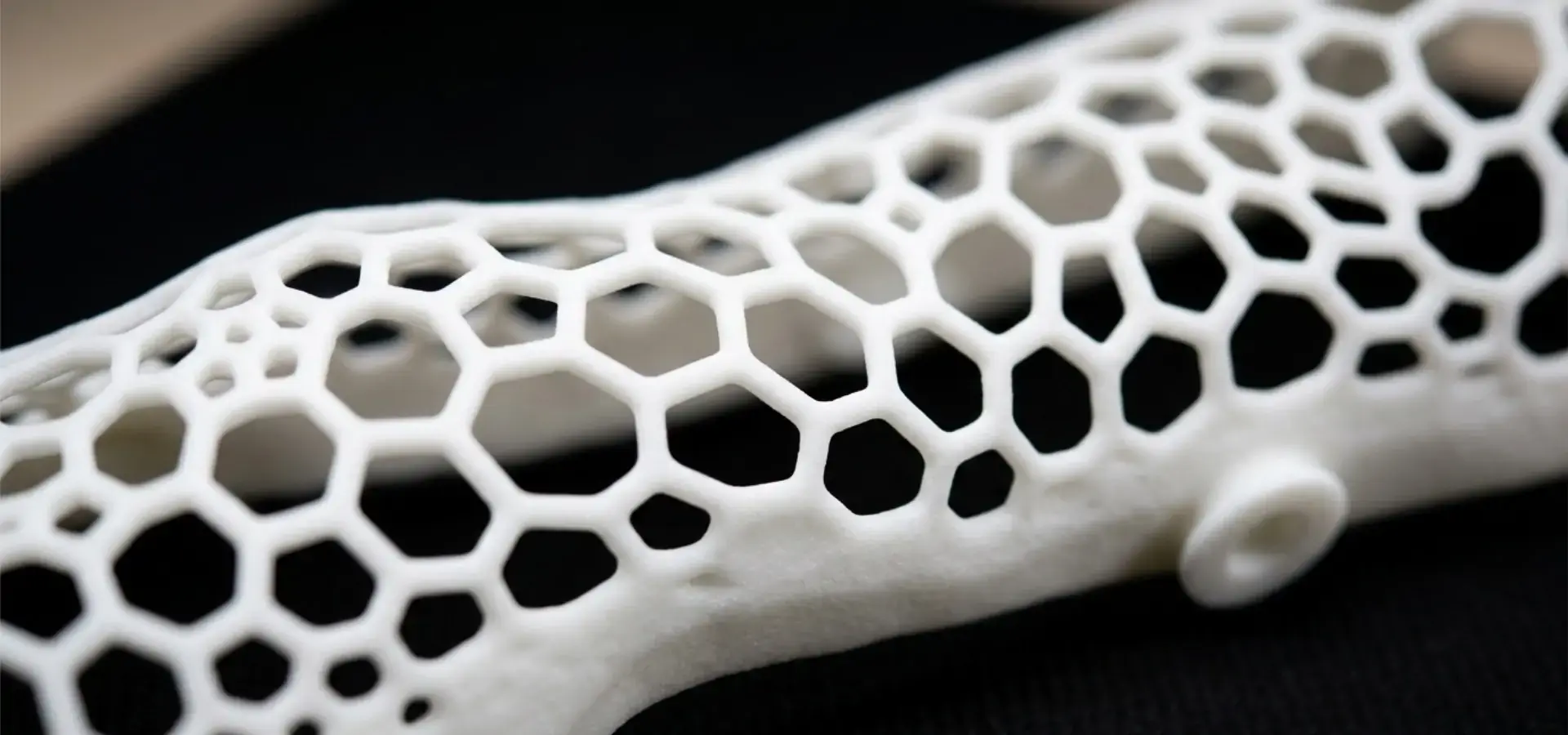
Stereolithography is used by companies that make medical devices to make surgical guides that are specific to each patient, anatomical models for planning surgery before it happens, and prototypes for orthopedic implants. The technology makes customization possible on a scale that isn't possible with traditional manufacturing. This helps the move toward personalized medicine. SLA systems are especially popular in dental labs, which use them to make accurate models for orthodontic aligners, crown and bridge patterns, and denture bases. Biocompatible resins certified under standards such as ISO 10993 are used for limited intraoral applications like surgical guides and temporary restorations. Because of the need for very precise measurements (often within 50 microns), stereolithography is a must for these uses. For complex organic geometries, traditional methods like machining or hand fabrication can't get as precise results. Hospitals and research centers use these printers to test the functionality of new implant designs before spending a lot of money on expensive tools for mass production. This shortens the time it takes for new ideas to come up while also lowering the costs of making new medical technologies.
Automotive Manufacturing and Prototyping
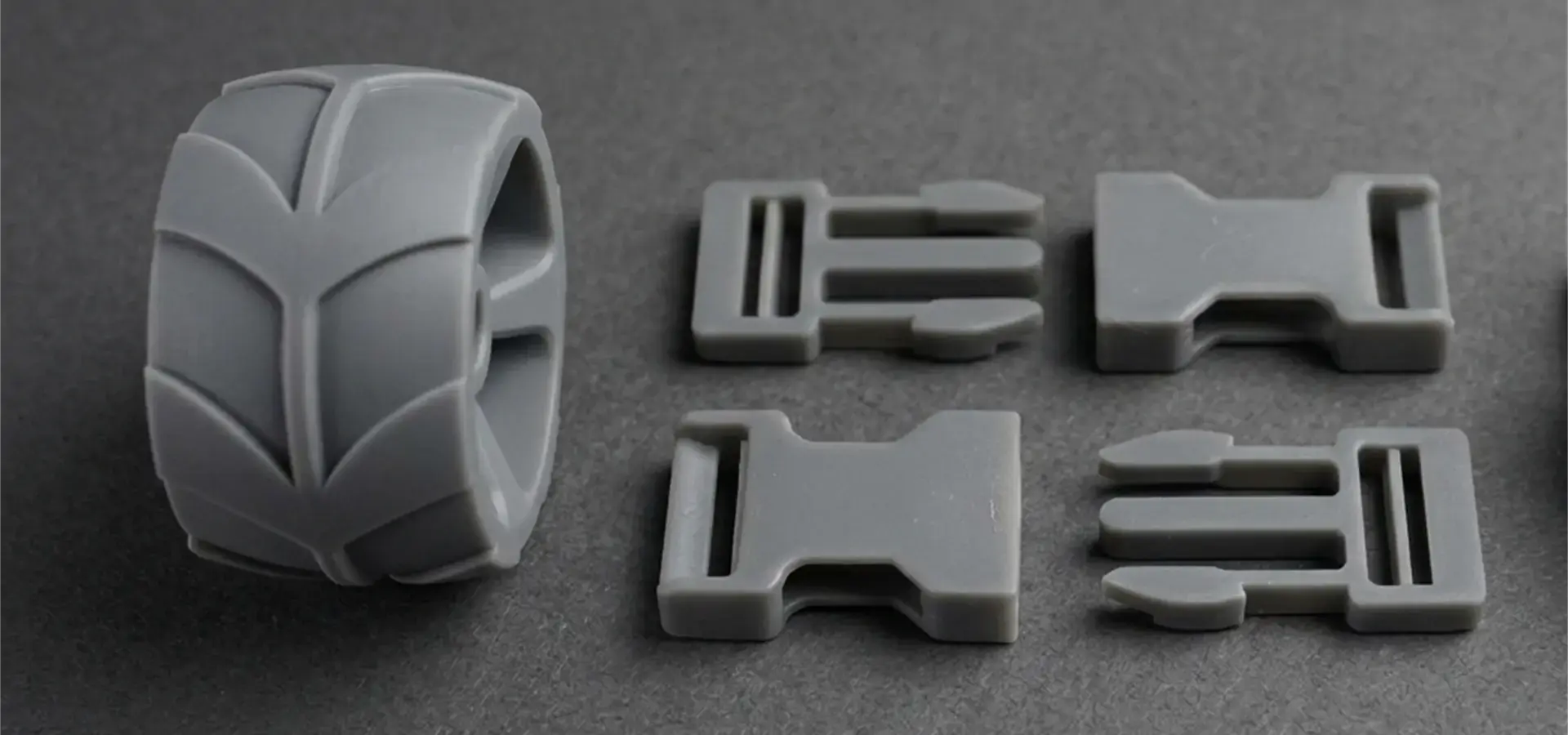
Automotive engineering teams utilize stereolithography 3D printers throughout the entire vehicle development process, from testing ideas to creating production tools. Class A finishes are needed for the inside of the car for things like the dashboard, air vents, and control knobs. With SLA technology, this quality comes straight from the printer, so you don't have to spend weeks finishing by hand as you do with other methods. High-temperature resins that can handle thermal cycling tests are good for making functional prototypes of parts that go under the hood. For low-volume custom parts, niche vehicle makers and motorsport teams really like this technology. When traditional manufacturing lead times would hurt their ability to stay competitive, racing teams print wind tunnel models, intake manifolds, and cockpit parts. The ability to quickly change designs and test multiple versions within days alters the development process. Automotive suppliers that work with electric vehicle makers use SLA systems to make prototypes of battery housings, sensor brackets, and charging port parts, which helps the industry make the switch to electric vehicles quickly.
Aerospace Engineering and Defense
Aerospace applications require the tightest tolerances for size and material performance. Stereolithography can meet these needs by testing prototypes and producing small batches of parts with complex structures. Common uses include lightweight brackets, ducting assemblies, and interior panels that aren't structural. This technology is especially useful for making parts with complicated internal channels or organic shapes that are too expensive to make with traditional methods of machining. Defense contractors use SLA systems to make custom avionics enclosure tools, assembly jigs, and working prototypes. Testing fluidic systems is possible without having to spend a lot of money on expensive metal fabrication because parts can achieve near-watertight performance with proper design, printing parameters, and post-processing. Aerospace research organizations use these printers to test new designs for satellite parts, UAV structures, and experimental engine parts. More and more materials are getting certifications for their flame resistance and mechanical strength. This implies that the technology can find applications in various sectors of this highly regulated industry.
Consumer Electronics and Product Design
There is a lot of pressure on the consumer electronics industry to get new products out quickly and come up with new designs. Industrial designers can quickly turn ideas into working prototypes thanks to stereolithography 3D printers. For comfort, wearable device cases, headphones, and smartwatch enclosures need to fit perfectly with the electronics inside and have smooth surfaces on the outside. Both of these benefits are delivered by SLA technology at the same time, allowing for iterative refinement that would be too expensive to do with traditional prototyping methods. Before spending tens of thousands of dollars on injection molding tools, product development teams like to be able to test how well the product works, how easy it is to put together, and what it looks like. Transparent resins let you see where the internal parts are placed, which helps find interference problems early in the development process. Companies that make small appliances, cosmetic packaging, and recreational goods also use SLA technology to shorten the time it takes to develop new products and lower the risks of entering new markets by testing their products thoroughly.
Jewelry and Fashion Industries
Jewelry makers are very excited about using stereolithography to make patterns for investment casting. No ash is left behind after the castable resins burn off during the lost-wax process, which would lower the quality of the metal casting. From small production runs to one-of-a-kind pieces, intricate designs with fine filigree details, interlocking parts, and organic textures can be made. This makes it easier for everyone to get complex designs that used to only be available to master craftsmen with years of training. SLA technology is used by fashion designers to make prototypes of accessories, shoe parts, and decorative pieces. Making complicated geometric patterns and lattice structures opens up new ways to look good. Before buying expensive molding equipment, shoe companies print midsole prototypes to test how well they fit and how well they cushion. High-end fashion houses use stereolithography to make limited-edition accessories and runway clothes that would not be possible or cost-effective to make traditionally. This shows that stereolithography is more than just a technology for prototyping.
Industrial Manufacturing and Tooling
Stereolithography 3D printers are used by manufacturers in a wide range of industries to make low-volume tools, inspection gauges, and assembly fixtures. These uses take advantage of the speed and accuracy of the technology to help with lean manufacturing efforts. It only takes days to design and make custom jigs that hold parts in place while they are being welded or put together, instead of the weeks it takes to make machined tools. This ability to adapt is especially helpful when a new product is released, and production needs to stay flexible. Companies that do injection molding use SLA technology to make prototype molds for small runs. This lets them test ideas for part design and tooling before they cut steel. In addition to vacuum casting patterns, thermoforming molds, and compression molding tools, the technology's good surface quality and stable dimensions are useful in these other areas. Industrial-scale SLA systems are the main piece of equipment used by contract manufacturers who offer 3D printing services. This lets them serve clients from a wide range of industries with a variety of needs.
How to Choose the Right Stereolithography 3D Printer for Your Industry Needs?
It's important to carefully consider technical specs, material compatibility, and the total cost of ownership when choosing an SLA system. Based on their specific production needs and quality standards, different industries put different attributes at the top of their lists.
Evaluating Core Specifications
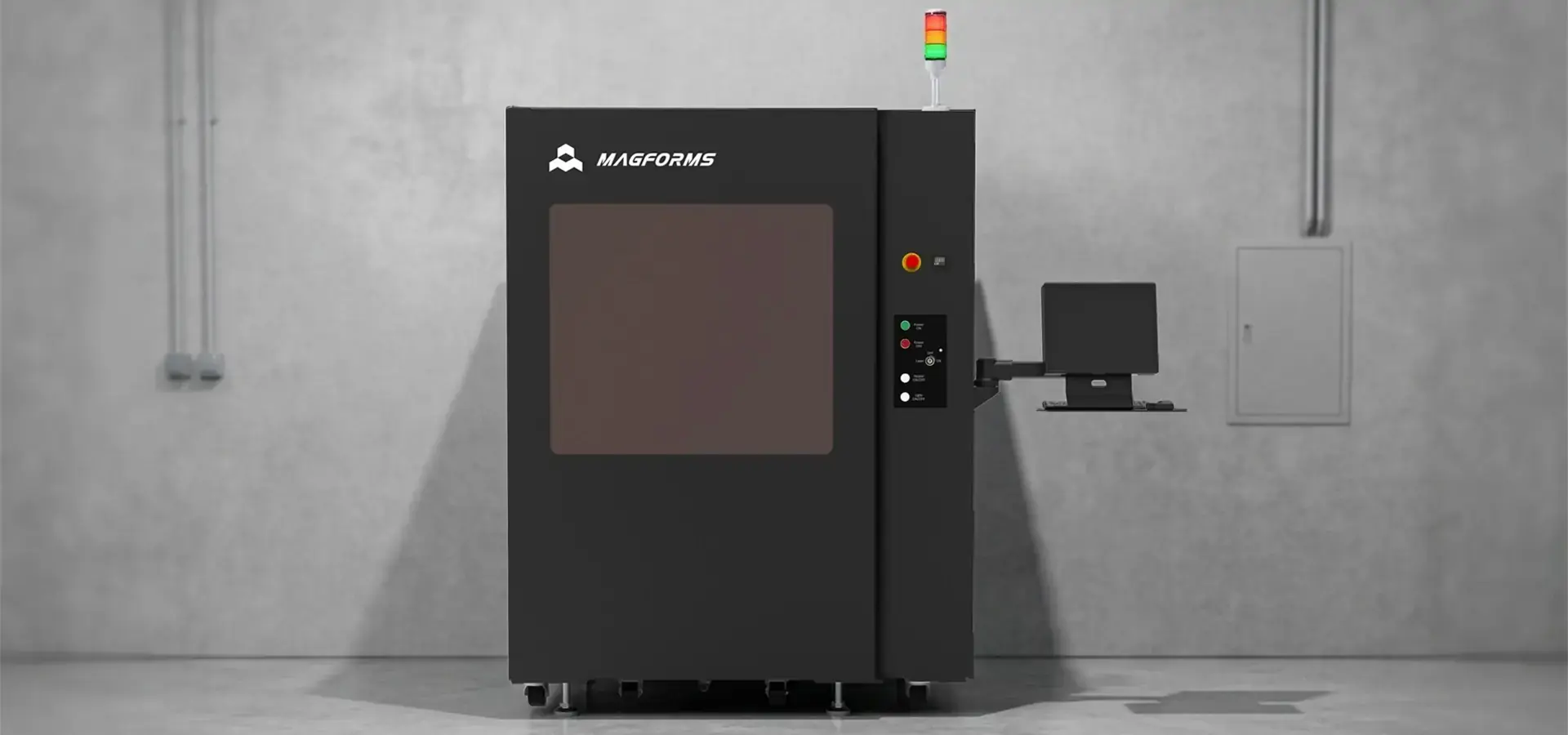
Build volume is one of the most important things to think about because it determines the largest part that can be printed in a single pass. Desktop systems usually have build envelopes that are about 145 x 145 x 175 mm, which are good for small parts and prototypes. For industrial systems, this is increased to 600 x 600 x 400 mm or bigger, which can fit automotive panels or consolidated assemblies that require less post-processing. The laser power, scanning strategy, and layer thickness capabilities of each system all have a big impact on the printing speed. Some high-tech printers have variable spot-size technology that lets them use big spots for fills inside the lines and small spots for details on the outside. This increases throughput by over 30% compared to fixed-spot systems.
Material Compatibility Considerations
Material choice has a big impact on how well an application works. Standard resins are great for visual prototypes and models because they make it easier to see details and finish the surface. Tough resins have properties that are similar to ABS and can withstand impacts for functional testing. Materials that are flexible and have a Shore A hardness between 40 and 95 can be used to make gaskets, seals, and living hinges. High-temperature formulations keep their shape when exposed to heat, which is very important for parts under the hood of cars or investment casting patterns that need to be burned out. Medical and dental uses are possible with biocompatible materials that are approved for short-term contact with mucosal membranes or skin. Though processes that happen after the resin has hardened affect its final clarity, transparent resins are useful for optical prototyping and fluid visualization. Castable formulations burn out cleanly for use in dental and jewelry. Different stereolithography 3D printers can utilize a wide variety of materials. Some systems only work with their own resins, while others can handle materials from other companies. This choice affects both operational flexibility and ongoing costs for consumables, which makes it a big part of figuring out the total cost of ownership.
Analyzing Total Cost of Ownership
The initial cost of buying equipment is only one part of its lifetime costs. Consumption of resin, replacement parts, and maintenance contracts adds up over several years of use. When compared to open-platform options, systems that need proprietary materials often have higher per-liter resin costs. These costs can be significantly higher depending on vendor pricing models and material restrictions. Cost estimates should include things like replacement resin tanks, build platform consumables, and the laser's expected lifespan. Maintenance needs are very different between manufacturers. Some stereolithography 3D printers need to be calibrated once a week, and their tanks need to be replaced every few hundred hours. More advanced systems have self-calibration features and longer consumable life. The quality of after-sales support has a direct effect on production uptime. This is why the reputation of the vendor and the availability of local service are important criteria for evaluation. Financing options and discounts for buying in bulk can have a big impact on cash flow when buying capital equipment, especially for small businesses or startups that don't have a lot of money saved up.
Procurement Insights for Stereolithography 3D Printers
Strategic procurement includes more than just technical specifications. It also includes evaluating vendors, managing risks, and providing operational support. People who make manufacturing decisions have to weigh immediate needs against the need to be able to grow and keep up with new technologies.
Vendor Selection Criteria
The reputation of a supplier in your industry can tell you a lot about their application-specific expertise. Vendors that work with companies that make medical devices know the rules for regulatory compliance that suppliers of consumer goods might miss. Support responsiveness, spare parts availability, and training accessibility are all affected by how close two things are to each other. International suppliers may have low prices, but they can make logistics more difficult and cause delays at customs when equipment needs to be fixed. There are different types of after-sales support, ranging from help via email only to dedicated technical account managers and hotlines that are open 24 hours a day. In production settings, where downtime directly means lost revenue, vendors must offer guaranteed response times and full service contracts. It's important to have spare parts on hand for older models of equipment, since systems that still work without discontinued parts can become useless. Long-term functionality of your Stereolithography 3D printer is affected by how often the software is updated. Some manufacturers offer free updates, while others charge a lot for new features.
New Versus Refurbished Equipment
Because they are thirty to fifty percent less expensive than new equipment, refurbished stereolithography 3D printers are a good way for people who want to get into the market. There are, however, some risks, such as shorter component life, limited warranty coverage, and possible problems with current software versions. Reputable refurbishers give inspection reports that show the condition of each part and how much life is left in the laser, which lets you make an informed risk assessment. Most warranties last between 90 days and one year, which is a lot less than the two to three years that come with new equipment.
Risk Management Strategies
Protocols for qualifying equipment lower the risks that come with adding new technology to production processes. Making a sample part with your exact shapes and materials confirms the ability before you commit to buying. A lot of sellers let you test their products with your real production files through paid sample services or trial periods. This shows possible problems with support generation, orientation needs, or material compatibility that specs alone can't tell you about. Maintenance contracts protect your finances from unexpected repair costs and make sure that service is always available. Comprehensive agreements that cover parts, labor, and preventative maintenance visits cost fifteen to twenty-five percent of the value of the equipment per year, but they remove budget uncertainty. Operator training programs make sure that employees know how to properly handle resin, what needs to be done after processing, and how to do routine maintenance that keeps the machine running at full capacity. Safety standards, such as proper ventilation, chemical handling, and UV exposure protection, must be followed to keep workers safe and meet regulatory requirements in places where workplace safety is enforced.
Future Trends and Innovations in Stereolithography for Industry
Breakthroughs in photopolymer chemistry, hardware capabilities, and software intelligence keep moving SLA technology forward. These changes make it easier to use new technologies and make them cheaper and more widely available.
Advanced Material Development
In terms of mechanical properties, thermal resistance, and chemical durability, resin formulations are becoming more and more like engineering thermoplastics. New high-elongation materials are flexible like rubber and don't tear easily, making them good for gaskets and seals that are used in the end. Ceramic-filled resins make it possible to make parts that can withstand high-temperature sintering. This opens the door to making real ceramic parts. Biocompatible materials that get regulatory approval for implantable devices are another new area of research. However, the market introduction is slowed by the time it takes for approvals to be granted. Dual-cure systems, which use both photo- and thermal polymerization, promise better green strength and require fewer steps after the cure. Water-washable resins get rid of the need to handle dangerous solvents, which makes post-processing easier and makes the workplace safer. As the range of materials available grows, stereolithography 3D printers are used for more than just prototyping. This changes the technology's economic value proposition for companies that are deciding between additive and traditional manufacturing.
Automation and Industry 4.0 Integration
Modern SLA systems have automated material handling, removed build platforms, and integrated post-processing, all of which cut down on the need for labor. Robotic arms move finished builds to areas for washing and UV curing, which lets the machine work without lights. Software platforms offer monitoring in real time, maintenance alerts based on what's likely to happen, and statistical process control data that can be used with larger manufacturing execution systems. This connection helps quality control systems and the need for traceability in industries that are regulated.
Expanding Market Accessibility
Desktop stereolithography 3D printers that cost less than $3,000 make it easier for small businesses, schools, and individual entrepreneurs to get started. When compared to industrial platforms, these entry-level systems have less build volume and less material compatibility, but they have surprisingly good quality for how cheap they are. This makes technology easier for more people to use, which increases the number of people who know how SLA workflows work and the number of service providers in the ecosystem. New uses in education, consumer goods, and construction show that the market is growing beyond its traditional strongholds. Building companies print detailed models of buildings, schools make tactile learning tools, and consumer brands try out new ways to package their products. As barriers to technology fall and material costs go down, stereolithography goes from being a specialized industrial tool to a common manufacturing technology that can be used by companies of all sizes and in all fields.
Conclusion
Stereolithography 3D printers have become essential tools in many fields, including healthcare, automotive, aerospace, electronics, jewelry, and industrial manufacturing. The technology's unique mix of micron-level accuracy, smooth surface finishes, and wide material compatibility solves problems in manufacturing that can't be solved economically with other methods. As material science improves and automation grows, the range of applications keeps growing while costs go down. When companies are thinking about adopting additive manufacturing, they should give more weight to vendors that offer complete support, proven reliability, and integrated material-equipment solutions. This will help them get the best return on their investment and reduce implementation risks in competitive industrial settings.
Why Magform's Stereolithography 3D Printers Deliver Superior Value for Industrial Applications?
Our company has spent years making integrated solutions that solve the problems that procurement teams keep having when they try to use additive manufacturing. With traditional methods, buyers have to deal with problems that arise when third-party materials and equipment don't work well together. These problems include differences in measurements, failed prints, and unplanned downtime that ruins production schedules. Magforms gets rid of these worries by making our own resins and hardware platforms work better together.
We have put a lot of money into research and development to meet performance standards that are higher than those set by the industry. With variable spot-size laser technology and AI-optimized scanning paths, printing speeds are over 30% faster than with traditional systems. This directly cuts down on lead times for rapid prototyping and small-batch customization. Customers can respond quickly to market needs without sacrificing quality because of this. Dimensional accuracy is as good as microns, so it can accurately reproduce fine textures, complex geometries, and tight tolerances that are needed in aerospace, medical devices, and precision tooling.
If you buy a stereolithography 3D printer from Magforms, you get full support after the sale, including machine maintenance, software updates, and technical training. This support lasts long after the sale is over. Our team knows that precision equipment needs to be optimized all the time to keep working at its best. We offer solutions that can be scaled up or down depending on your production volume and application needs, whether you run a small service bureau or are in charge of R&D for a multinational company. Get in touch with us at info@magforms.com to talk about how our stereolithography 3D printer technology can change the way you make things.
FAQ
What makes stereolithography different from other 3D printing technologies?
A precise laser is used in stereolithography to cure liquid resin layer by layer. This makes parts with surfaces that are as smooth as glass and are strong in all directions. When filaments are extruded, they leave visible layer lines and weak spots between layers. SLA, on the other hand, chemically bonds each layer together during the photopolymerization process. This makes the mechanical properties the same along all axes and the surface quality almost as good as injection-molded parts without any extra finishing.
How accurate are stereolithography 3D printers?
Most industrial SLA systems can get dimensions to within 0.05 mm or 0.15 percent of the part size, whichever is greater. Resolution is based on the size of the laser spot and is usually between 25 and 140 microns in the XY plane and between 25 and 300 microns in the Z-axis. With this level of accuracy, parts can be made with very small errors so they can be tested for functionality and used in situations where fit and finish are very important to performance.
What industries benefit most from SLA technology?
Stereolithography is used by doctors to make surgical guides and dental implants. Engineers in the aerospace and automotive industries make prototypes of complicated parts that need to fit very closely. Consumer electronics companies make many versions of their products very quickly. Investment casting patterns are made by jewelry makers. SLA technology is useful in any field that needs precise measurements, smooth surfaces, or complicated shapes, especially when production volumes are low enough that traditional tooling investments aren't worth it.
References
1. Gibson, I., Rosen, D., & Stucker, B. (2021). Additive Manufacturing Technologies: 3D Printing, Rapid Prototyping, and Direct Digital Manufacturing. Springer International Publishing.
2. Jacobs, P. F. (1992). Rapid Prototyping and Manufacturing: Fundamentals of Stereolithography. Society of Manufacturing Engineers.
3. Melchels, F. P., Feijen, J., & Grijpma, D. D. W. (2010). The article provides a comprehensive overview of stereolithography and its various applications in the field of biomedical engineering. Biomaterials, 31(24), 6121-6130.
4. Ngo, T. D., Kashani, A., Imbalzano, G., Nguyen, K. T., & Hui, D. (2018). Additive manufacturing: Strategic technologies for the future. Composites Part B: Engineering, 143, 172-196.
5. Stansbury, J. W., & Idacavage, M. J. (2016). 3D printing with polymers: Challenges among expanding options and opportunities. Dental Materials, 32(1), 54-64.
6. Wohlers, T., & Gornet, T. (2022). Wohlers Report 2022: 3D Printing and Additive Manufacturing: Global State of the Industry. Wohlers Associates.

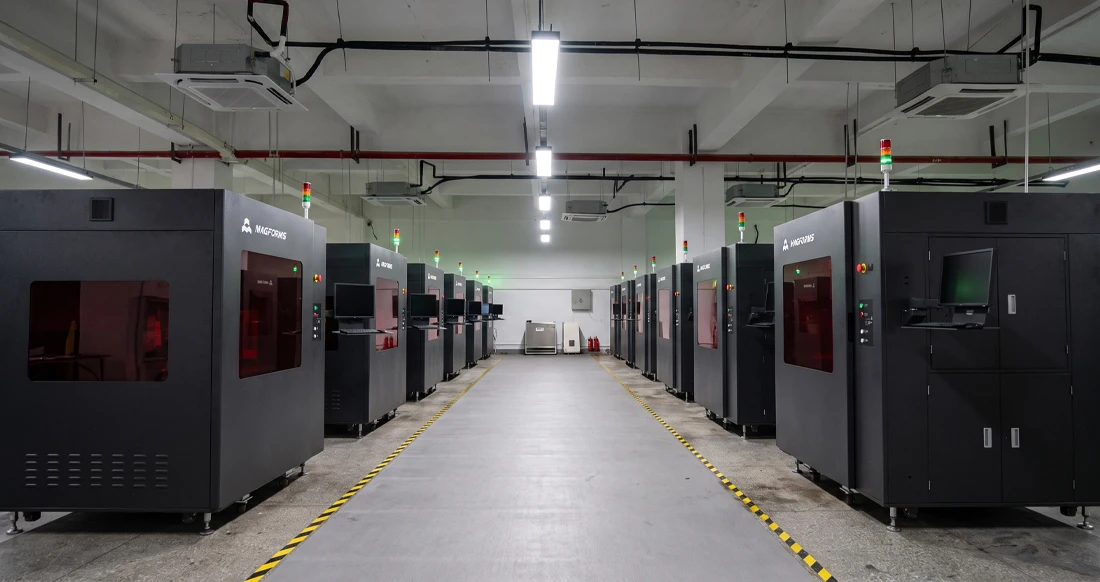
Magforms makes design and manufacture easier.
Popular Blogs
-
 Industry InsightsManufacturing Industry
FDM vs. SLA Printer: Which Technology Is Right for Your Project?
-
 Industry InsightsManufacturing Industry
Top 5 Applications of Industrial 3D Printers in Manufacturing Today
-
 Industry InsightsManufacturing Industry
Why Stereolithography 3D Printers Are Unmatched for Microfluidic Device Prototyping?