How to Maintain a 3D Printer for Long-Term Performance?
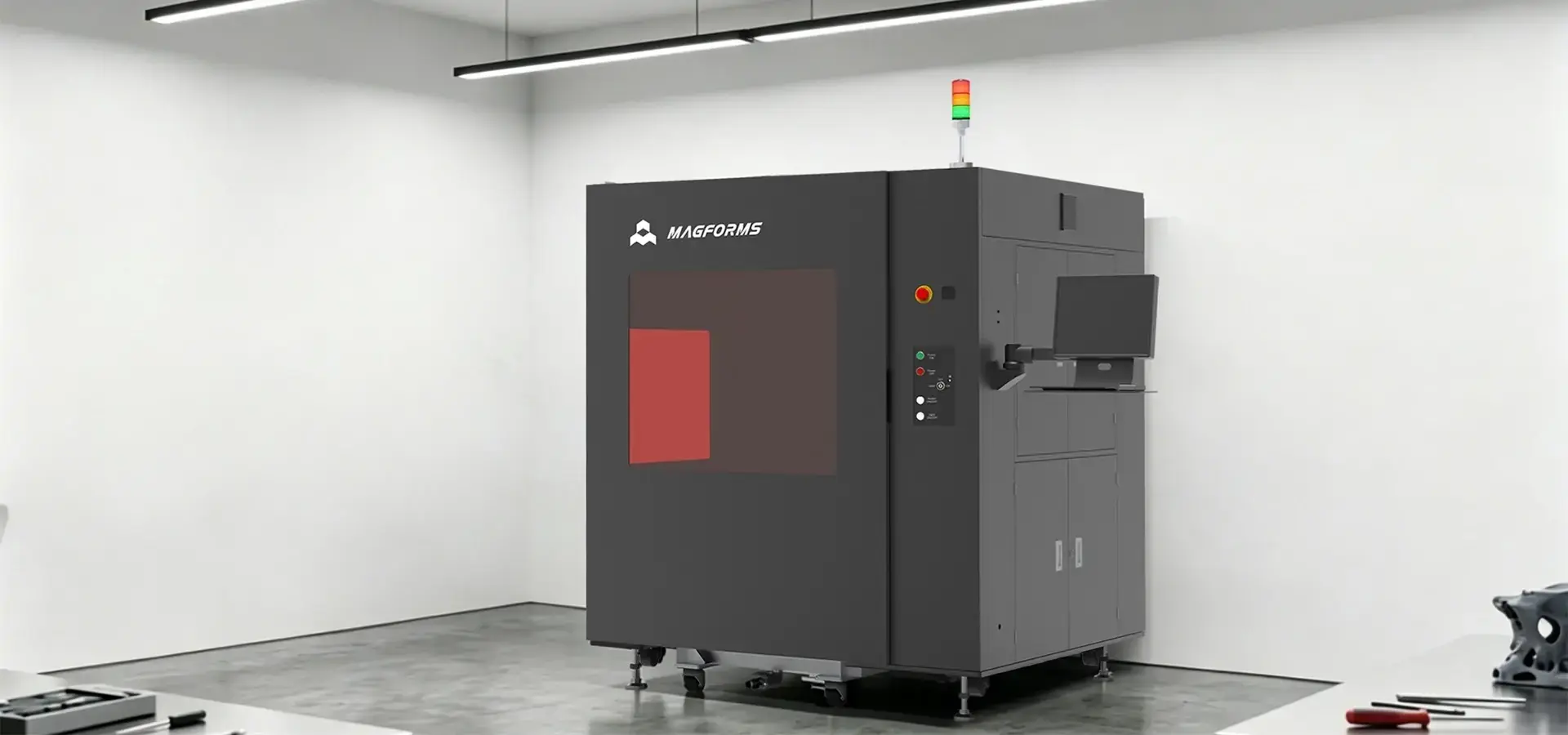
To keep the quality of the output consistent, 3D printers need routine maintenance that takes into account both mechanical and environmental factors. This is particularly critical for Industrial SLA 3D printers, where optical precision, resin behavior, and micron-level accuracy demand stricter maintenance control than most other additive manufacturing systems. Maintenance that works is based on regularly cleaning critical components such as optical elements in SLA systems and nozzles or build platforms in extrusion-based systems, as well as properly calibrating and replacing worn-out parts at the right time. Structured maintenance protocols greatly lower the number of unexpected failures in businesses that use additive manufacturing. They also preserve measurement accuracy and maximize equipment investment over multiple production cycles.
Understanding Common 3D Printer Problems and Their Causes
Learning about common 3D printer issues and what causes them is essential for high-quality production. Using additive manufacturing equipment in tough production settings can cause several problems with how well it works. When technical teams are aware of these problems early on, they can avoid delays that hurt project timelines and part quality, especially in industrial SLA environments where even minor deviations in optical performance can significantly impact part accuracy.
Print Quality Deterioration Over Time
Even when systems are well taken care of, their output accuracy gradually decreases. Layer adhesion becomes worse, surface finishes get rougher, and the accuracy of the measurements moves outside of what is acceptable. These signs usually mean that mechanical parts are worn out, like lead screws with thread profiles that have become less smooth or linear bearings that don't have enough oil in them. Environmental contaminants on optical components in SLA systems can introduce laser scattering or focal distortion, reducing curing precision and part integrity. This sensitivity makes maintenance in industrial SLA systems more critical than in most extrusion-based technologies. This means that the layers may not fully polymerize, leading to reduced mechanical strength, poor interlayer adhesion, and dimensional inaccuracies.
Calibration Drift and Mechanical Wear
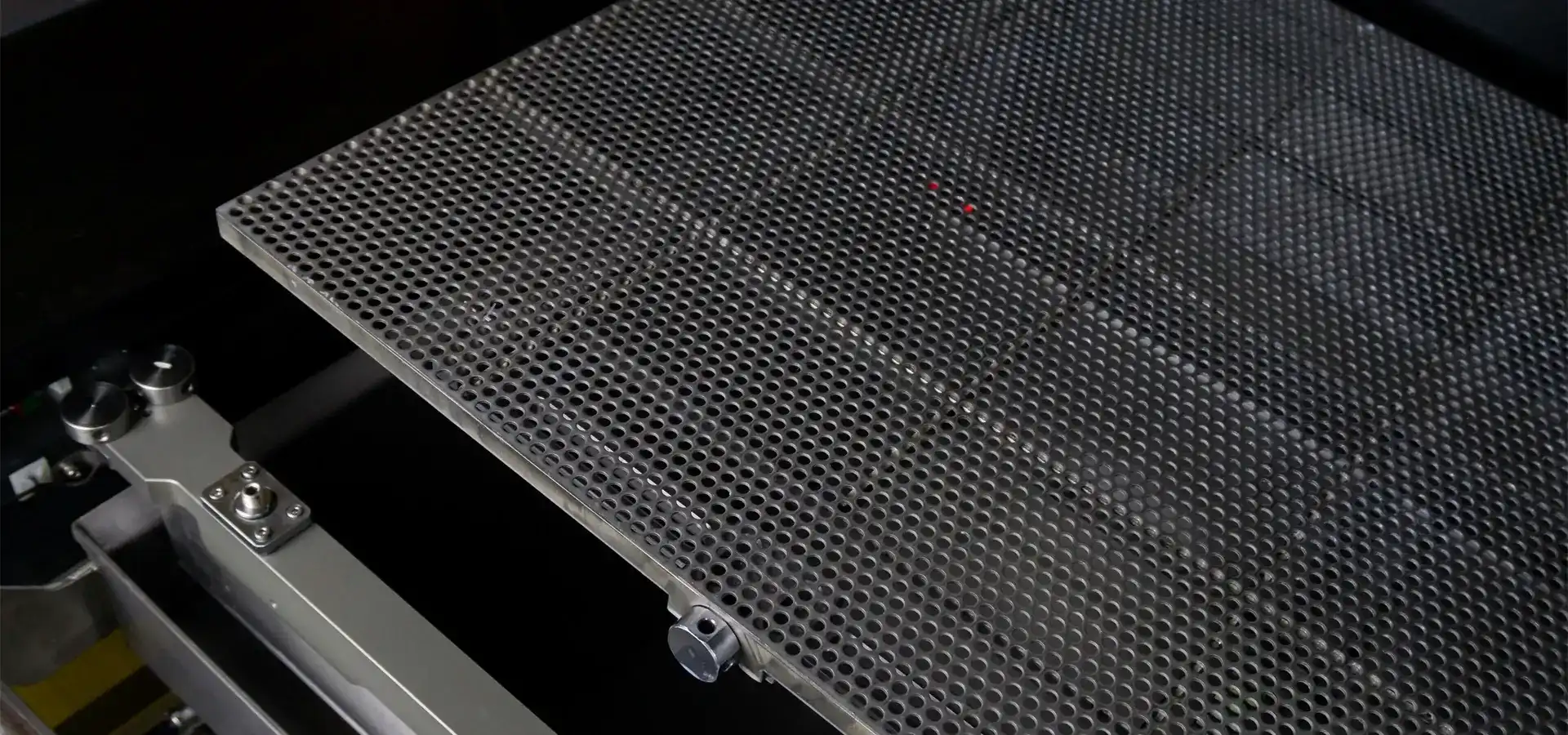
Motion systems are put under constant stress, which loosens fasteners and changes the parameters of their alignment. Build plate leveling is important for the first layer to stick well, but mounting points tend to move over time, so it needs to be checked on a regular basis. As the drive gears lose their gripping surfaces, the extruder's steps-per-millimeter settings may need to be changed. Long-term UV exposure causes LCD panels to experience reduced light transmittance, while DLP systems can suffer from light source degradation and optical aging, both requiring exposure recalibration. This means that the exposure times need to be changed to keep the accuracy of the parts across the build volume. When procurement managers and facility engineers know these root causes, they can come up with ways to avoid problems in the first place instead of making repairs after the fact. Early detection through regular inspections reduces the cascade effect, which happens when small problems get worse over time and cause major system failures that need a lot of downtime and expensive part replacements.
Essential Maintenance Practices for Sustained 3D Printer Efficiency
Important maintenance steps to keep your 3D printer working well ensure long-term reliability. Routinely performing thorough maintenance protects the investments in equipment and ensures consistent production capability. These practices strike a balance between making things easy for operators and being thorough enough to deal with wear patterns that are unique to additive manufacturing technology.
Regular Cleaning Protocols for Critical Components
Cleaning requirements vary significantly by technology, with industrial SLA systems requiring stricter control over resin tanks and optical surfaces compared to standard FDM components. Cleaning schedules for important parts on a regular basis directly impact performance. How the build surface is prepared has a direct effect on how the part sticks to and comes off of the surface. Wipes with isopropyl alcohol can be used on glass beds between prints to get rid of any leftover oils. Textured PEI sheets, on the other hand, need to be cleaned more carefully with mild detergents to keep their texture. For FDM nozzle maintenance, cold pulls are commonly used. In this method, the filament is heated to its working temperature, then quickly cooled while being pulled out. This removes any carbonized material that has built up inside the passages. When cleaning a resin tank, you have to carefully look for cured particles that could cause problems in later layers. The tank also needs to be replaced every so often based on indicators that show it's getting cloudy.
Lubrication and Mechanical Component Care
Keeping mechanical parts oiled and in excellent shape is vital for precision. For linear motion systems to work properly, they need lubricants that are made for their temperatures and loads. PTFE-based greases work well in high-temperature situations where heating the print chamber could melt petroleum-based products. Thin, even coatings should be used sparingly on lead screws because too much lubricant attracts dust, which speeds up wear. To remove debris trapped between rolling elements, rod bearings should be periodically inspected and cleaned using manufacturer-recommended methods. Axes that are driven by belts should have enough tension to prevent them from slipping without putting too much stress on the motor bearings. This is typically verified using tension measurement methods such as frequency analysis or calibrated tension gauges.
Calibration Procedures and Firmware Maintenance
How to calibrate and maintain the firmware determines the accuracy of the output. Different types of machines have different ways of leveling the bed, but they all need patience and accuracy. In manual systems, paper feeler gauges ensure the nozzle is the same distance from the surface at multiple points. Meanwhile, automated mesh compensation maps the surface topology to make Z-axis corrections in real time. To stop over- or under-extrusion, the extruder is calibrated by comparing the actual filament used to the values given and changing the firmware. Software updates often include better slicing algorithms, more material profiles, and bug fixes that fix known problems. Regularly applying these updates stops compatibility issues and provides you with access to performance improvements made through manufacturer testing programs.
Filament and Resin Storage Best Practices
The best ways to store filament and resin prevent material degradation. Controlling moisture keeps materials from breaking down, which can damage print quality and mechanical properties. Filament spools that haven't been opened should stay vacuum-sealed until they are used. Active spools should be kept in dry boxes with desiccant and humidity monitors to keep the relative humidity below 20%. Pre-print drying cycles at temperatures set by the manufacturer are especially good for nylon and TPU. Since unintended light exposure can initiate partial polymerization in photopolymer resins, increasing viscosity and compromising overall material performance, they must be stored in dark, temperature-stable environments. By rotating stock according to the first-in, first-out rule, changes in viscosity that come with age don't affect how the fluid flows. These organized methods set regular maintenance times that work with production schedules. This way, teams can do maintenance during planned downtime instead of having to fix problems right away, which can cause clients to miss their deadlines.
Comparison of Maintenance Requirements Across Popular 3D Printer Types
A look at the upkeep needed for different types of popular 3D printers reveals varied technical requirements. Different additive manufacturing technologies have different maintenance needs because of the chemical and mechanical processes that make them work. When choosing equipment, it's essential to understand the long-term care implications in addition to initial assessments of ability.
FDM Technology Maintenance Characteristics
Most of the maintenance work on FDM systems occurs in the extrusion assembly and motion platform. When the temperature is high, abrasive fillers like carbon fiber or glass particles rub against the nozzles and cause them to wear out. When printing composite materials, brass nozzles may need to be replaced every 200 to 500 hours. Hardened steel nozzles, on the other hand, have a five-fold longer service life at a slightly higher thermal mass. Thermal cycling causes heated bed surfaces to warp, which means they need to be replaced or resurfaced at some point. Because FDM machines have a fairly open architecture, it's easy to access to the parts inside, so in-house technical staff can do most of the maintenance without any special training.
SLA System Care Requirements
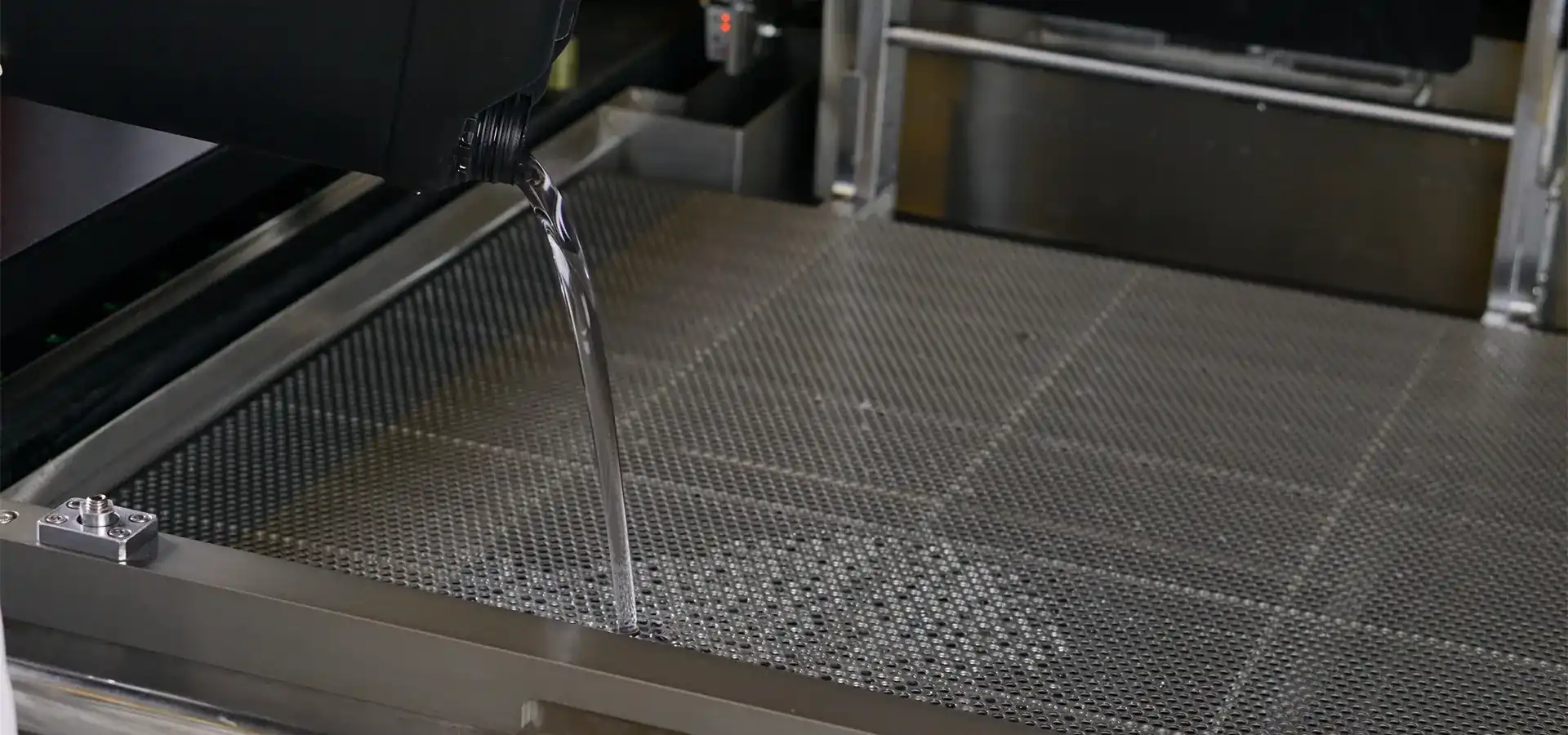
Maintenance of industrial SLA systems is fundamentally centered on the optical path, which is the most critical factor affecting print accuracy and consistency. When using stereolithography equipment, you have to pay close attention to the optical paths and systems for handling resin. Repeated laser passes leave cloudy spots on the clear FEP or PDMS films of resin tanks, which means they typically require replacement after 30–50 builds, depending on resin type, exposure intensity, part geometry, and overall material usage and how the parts are covered. Galvanometer mirrors that point the UV laser should only be cleaned following manufacturer guidelines using approved optical solvents and lint-free materials, as improper handling may permanently affect beam accuracy. If they are handled incorrectly, scratches can appear that change the focus of the beam. Build platforms often accumulate hardened resin that must be carefully removed without damaging the anodized surfaces that ensure proper adhesion. When handling liquids, there are extra things to think about when it comes to containing spills and getting rid of contaminated goods in a way that follows environmental rules. Because of this, SLA maintenance directly determines whether high-precision industrial applications can meet tolerance and quality requirements.
Maintenance Schedules Across Equipment Classes
Maintenance plans for all types of equipment vary by scale. Basic desktop units usually work only sometimes, so there is a longer interval between major service events. However, because they're not as heavy-duty, basic parameters like bed adhesion need to be checked more often. Industrial SLA machines that operate continuously often include advanced monitoring systems that keep track of metrics for each part's lifecycle. These systems send maintenance alerts based on actual usage rather than on set schedules. Knowing these patterns helps procurement teams match equipment capabilities to the level of activity. For example, a prototype shop that only prints overnight once in a while has different needs than a service bureau that runs multiple machines twenty hours a day on different types of material. Consistent dimensions over time directly correlate with careful maintenance. Well-maintained industrial SLA systems can maintain tolerances within ±0.1 mm over extended production cycles under controlled conditions, but machines that aren't taken care of move outside of acceptable limits, which means they need to be recalibrated or parts need to be replaced to start producing again.
Leveraging Advanced Maintenance Tools and Solutions for B2B Buyers
Today's additive manufacturing factories use more and more advanced monitoring and support systems. These systems change maintenance from fixing problems after they happen to planning and making the best use of resources.
Automated Diagnostic and Remote Monitoring Systems
Automated diagnostic and remote monitoring systems leverage real-time data. Connected devices send real-time data to centralized dashboards, such as temperature profiles, motion system performance metrics, and error logs. Anomaly detection algorithms search for changes from the normal pattern of performance. For example, small increases in the current going through the extrusion motor may be a sign of clogs forming before they completely block the motor. Cloud-based platforms let technical support experts look at system states, guide troubleshooting steps, and even push firmware updates without having to visit the site. Integration with manufacturing execution systems lets maintenance schedules be based on actual production hours instead of random dates on the calendar. This makes the best use of resources in facilities with multiple machines.
Genuine Parts Sourcing and Consumables Quality
Finding real parts and quality consumables is critical for consistency. The authenticity of a component has a big effect on its dependability and total cost of ownership. Non-certified hot ends may include unreliable thermistors, leading to inaccurate temperature readings and unstable thermal control, and nozzles that don't meet specifications have orifice sizes that aren't consistent, which makes extrusion less accurate. Resin formulations that come from unofficial sources don't go through the quality control checks that guarantee the photopolymerization kinetics are always the same. This means that different batches will have different sizes and mechanical properties. For well-known suppliers, strict certification processes are in place, and they provide material datasheets that list handling requirements, curing parameters, and post-processing compatibility. This is important information for process validation in regulated industries like medical device manufacturing.
Customized Service Contracts for Industrial Operations
Tailored service contracts for industrial operations ensure budget predictability. Customized support agreements that cover specific operational situations are helpful for large-scale deployments. Some of these arrangements could include regular on-site checks to make sure the calibration is correct, quick access to replacement parts that are kept locally, and technical liaisons who know how the facility works. Training programs that make sure operators understand preventive maintenance procedures cut down on failures caused by users and build up the company's own maintenance skills. Warranty extensions that cover consumable parts beyond the standard terms help organizations with large printer fleets plan their budgets better because replacing spare parts is a high ongoing cost. When industrial buyers are looking at additive manufacturing suppliers, they should look at both the equipment specifications and the support infrastructure. If maintenance delays cause production to stop for weeks or replacement parts have to be shipped from another country, a machine that is technically better loses its competitive edge. Businesses protect the big investments they make when they use additive manufacturing by having complete support ecosystems that offer quick responses and expert help.
Best Practices to Extend the Lifespan of Your 3D Printer
The best ways to make your 3D printer last longer involve strategic planning. Strategic planning for maintenance turns assets that are losing value over time into long-term production resources that deliver value over a longer period of time.
Implementing Preventive Maintenance Schedules
Setting up schedules for preventative maintenance ensures accountability. Structured maintenance calendars ensure accountability and guarantee that important tasks receive consistent attention. As part of daily checklists, motion systems may need to be visually checked, bed adhesion may need to be confirmed through test prints, and resin levels may need to be confirmed in vat-based systems. As part of the weekly protocols, build surfaces are now cleaned in detail, lubrication points are serviced, and machine configuration files are backed up to protect against data loss. Every month, full reviews verify the tension of the belt, make sure the dimensions are correct by printing calibration parts, and update the firmware to the latest stable releases. By writing down these tasks, you can make maintenance histories that are very helpful for figuring out why problems happen sometimes and explaining to financial stakeholders why decisions about equipment lifecycles were made.
Operator Training and Early Warning Recognition
Training for operators and spotting early warning signs is the first line of defense. Skilled operators are the first line of defense against problems that start to happen. Training programs that teach normal operational sounds, expected print progression characteristics, and common failure modes make it possible to fix small problems quickly, before they get worse. Knowing how slicing parameters affect machine stress helps operators avoid setting combinations that speed up wear. For example, too fast a print speed puts extra stress on the motor bearings, and significant differences in temperature can cause thermal expansion stresses on structural parts. Creating an environment where workers feel free to stop prints that don't seem right stops damage from clearly failing jobs that are left to run while no one is watching.
Environmental Controls and Equipment Protection
Controlling the environment and protecting equipment maximizes longevity. Conditions in the environment have a big effect on how long things last and how consistently they work. When building machines, temperature stability stops thermal expansion mismatches between different materials. For example, aluminum frames and steel guide rails expand at different rates, which can cause positioning errors when temperatures change a lot. Controlling humidity keeps electronics from rusting and stops the filament from absorbing water. Particulate filtration through HEPA systems keeps dust from building up on sensitive parts. This is especially important for optical systems in resin printers, where submicron particles lower the quality of the beam. Vibration isolation through proper mounting stops outside disturbances from hurting print quality and keeps precision bearings from wearing out too quickly.
Real-World Success Through Disciplined Maintenance
Success in the real world through disciplined maintenance is measurable. When manufacturing facilities use comprehensive maintenance protocols, results are measurably better. An automotive prototyping lab saw a 40% drop in unplanned downtime after putting in place structured preventive schedules. This directly led to better project timeline adherence and lower rush-fee outsourcing costs. A company that makes medical devices got ISO 13485 certification in part by showing that they could track equipment maintenance and use calibration verification procedures to make sure that the quality of their parts was always the same for regulatory submissions. Through systematic care, a university research facility increased the average equipment service life from four to seven years. This saved a lot of money on replacement capital costs, which made the research budget much more efficient.
These examples show that investing in maintenance pays off in the form of higher reliability, longer equipment lifespans, and better production quality metrics that make a business more competitive in markets that need accuracy and dependability.
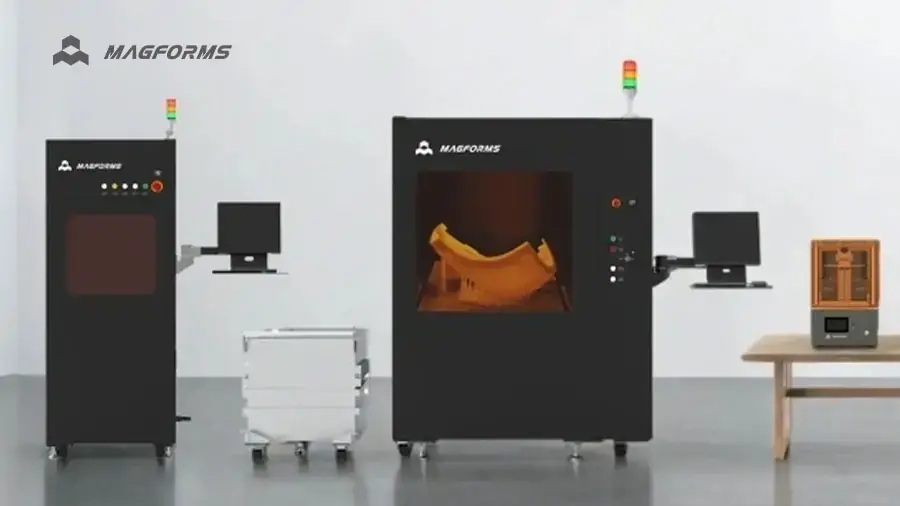 |
Industrial Production Looking for an SLA Printer Built for Continuous Manufacturing? Explore industrial SLA 3D printers engineered for precision, reliability, and low maintenance operation in demanding production environments. |
Conclusion
For additive manufacturing equipment to work well over the long term, structured maintenance is essential. This is especially true for industrial SLA 3D printers, where optical accuracy, resin stability, and system calibration directly determine production quality and consistency. Structured cleaning protocols, calibration verification, and component replacement schedules help companies protect their technology investments and make sure production is consistent, which is important for keeping customers happy. Knowing how to maintain printers lets you choose equipment that suits your needs and available technical support. With advanced monitoring tools and complete support from suppliers, maintenance shifts from just fixing problems to a smart strategy that ensures dependable, high-quality production for a longer time.
FAQ
How often should I perform maintenance on my 3D printer?
The frequency of maintenance depends on the printer's usage and type. For environments with continuous operation, daily visual checks and basic cleaning are enough. For environments with intermittent use, once-a-week thorough checks are enough. Monthly calibration checks ensure the accuracy of the dimensions, regardless of their usage. For high-throughput facilities that print rough materials, the nozzle may need to be checked every 100 hours. For standard thermoplastic applications, the time between checks is 300–500 hours. Setting up schedules based on usage instead of random calendar dates helps make the best use of maintenance resources and protects the performance of your 3D printer.
What are the signs my 3D printer needs immediate maintenance?
Several signs need immediate attention: inconsistent first-layer adhesion could mean that the bed isn't level, visible layer shifting could mean that the axes are binding or that the belts are loose, strange motor noises could mean that the bearings are wearing out, or sudden changes in the consistency of the extrusion could mean that hot end problems are starting to appear. If the exposure settings are right and the resin doesn't fully cure, or if you can see cloudiness in the resin tanks, the issue needs to be looked into. If you take care of these symptoms right away, small problems won't get worse and turn into failures that need extensive repairs and production stops.
Partner with Magforms for Reliable 3D Printing Solutions
Magforms provides fully integrated additive manufacturing systems that utilize perfectly matched materials and equipment designed to operate in challenging production environments. Our variable spot-size laser technology and AI-optimized scanning paths boost throughput by more than 30% compared to traditional systems. They also keep the micron-level accuracy needed for applications in aerospace, medicine, and precision tooling. We provide the technical foundation and responsive support infrastructure that industrial operations need. We protect our innovations with 22 patents, and our service networks enable businesses to operate in numerous countries. Our skilled technical teams provide thorough training and quick access to parts, which lowers the risk of downtime and protects your production commitments. Whether you're adding new additive capabilities or growing your current business, Magforms is ready to be your trusted 3D printer supplier. We offer proven performance backed by years of manufacturing experience. Email us at info@magforms.com to talk about how our solutions can help you meet your production needs and maintenance goals.
References
1. Gibson, I., Rosen, D., & Stucker, B. (2021). Additive Manufacturing Technologies: 3D Printing, Rapid Prototyping, and Direct Digital Manufacturing (3rd ed.). Springer.
2. Redwood, B., Schöffer, F., & Garret, B. (2017). The 3D Printing Handbook: Technologies, Design and Applications. 3D Hubs B.V.
3. Pham, D. T., & Gault, R. S. (1998). A comparison of rapid prototyping technologies. International Journal of Machine Tools and Manufacture, 38(10-11), 1257-1287.
4. Chua, C. K., & Leong, K. F. (2017). 3D Printing and Additive Manufacturing: Principles and Applications (5th ed.). World Scientific Publishing.
5. Lipson, H., & Kurman, M. (2013). Fabricated: The New World of 3D Printing. John Wiley & Sons.
6. Gebhardt, A. (2011). Understanding Additive Manufacturing: Rapid Prototyping, Rapid Tooling, Rapid Manufacturing. Carl Hanser Verlag GmbH & Co. KG.

Magforms makes design and manufacture easier.
Popular Blogs
-
 Industry InsightsManufacturing Industry
FDM vs. SLA Printer: Which Technology Is Right for Your Project?
-
 Industry InsightsManufacturing Industry
Top 5 Applications of Industrial 3D Printers in Manufacturing Today
-
 Industry InsightsManufacturing Industry
Why Stereolithography 3D Printers Are Unmatched for Microfluidic Device Prototyping?