How Much Does It Really Cost to 3D Print a Part?
Understanding the true cost to 3D print a part requires analyzing multiple factors beyond just material expenses. The total cost encompasses equipment investment, labor, post-processing, and operational overhead. For most industrial applications, printing costs range from $0.50 to $50 per part, depending on size, complexity, material selection, and required precision. Modern SLA systems with advanced features can significantly reduce per-part costs through improved efficiency and reduced waste, making additive manufacturing increasingly competitive with traditional production methods.
Breaking Down the Key Components of 3D Printing Costs
When procurement professionals evaluate additive manufacturing investments, understanding each cost component becomes essential for accurate budget planning and ROI calculations. The complexity of pricing structures in industrial printing often surprises newcomers to the technology.
Material Costs and Procurement Strategies
Material costs regularly account for 30-60% of add up to printing costs, making them a basic consideration in procurement decisions. Photopolymer gums for SLA printing, by and large fetched between $100-400 per kilogram, whereas specialized designing materials can reach $800 per kilogram. In any case, bulk obtaining assentions frequently decreases these costs by 15-25% for high-volume users.
The choice between restrictive and open-source materials essentially impacts long-term operational costs. Numerous producers limit clients to their branded materials, creating merchant lock-in circumstances that restrain fetched optimization opportunities. Frameworks with open fabric compatibility permit acquisition groups to source tars from different providers, driving down costs through competitive pricing.
Equipment Investment and Depreciation Analysis
Initial gear costs change significantly based on printing innovation and construction volume requirements. Entry-level mechanical SLA frameworks begin around $15,000, whereas large-format machines with progressed highlights can surpass $200,000. Be that as it may, centering exclusively on upfront costs neglects the total cost of proprietorship calculation that acquisition experts must consider.
Equipment deterioration ordinarily ranges 3-5 years for mechanical printers, in spite of the fact that high-quality frameworks regularly keep up beneficial performance well past this time period. Upkeep costs normal 8-12% of the introductory buy cost every year, counting substitution parts, benefit contracts, and consumables. Advanced frameworks with vigorous component choice and demonstrated unwavering quality diminish these continuous costs significantly.
Labor and Operational Overhead
3D print include plan arrangement, machine operation, and post-processing exercises. Gifted professionals command $25-45 per hour in most markets, whereas plan pros may charge $60-100 hourly. Robotization highlights that diminishing manual intervention specifically affects these labor-intensive tasks and generally increases costs.
Post-processing speaks to a covered up taken a toll that numerous organizations think little of. SLA parts require washing, UV curing, and frequently extra wrapping-up steps. These exercises can include 20-40% to add to the generation time, depending on portion complexity and surface wrap-up necessities. Streamlined workflows and coordinated post-processing gear offer assistance to minimize these labor-intensive steps.
Evaluating the 3D Printing Process: How It Influences Cost Efficiency?
The relationship between printing technology selection and cost efficiency requires careful analysis of production requirements, quality standards, and volume expectations. Different technologies excel in specific applications, making informed selection crucial for cost optimization.
Technology Comparison and Cost Implications
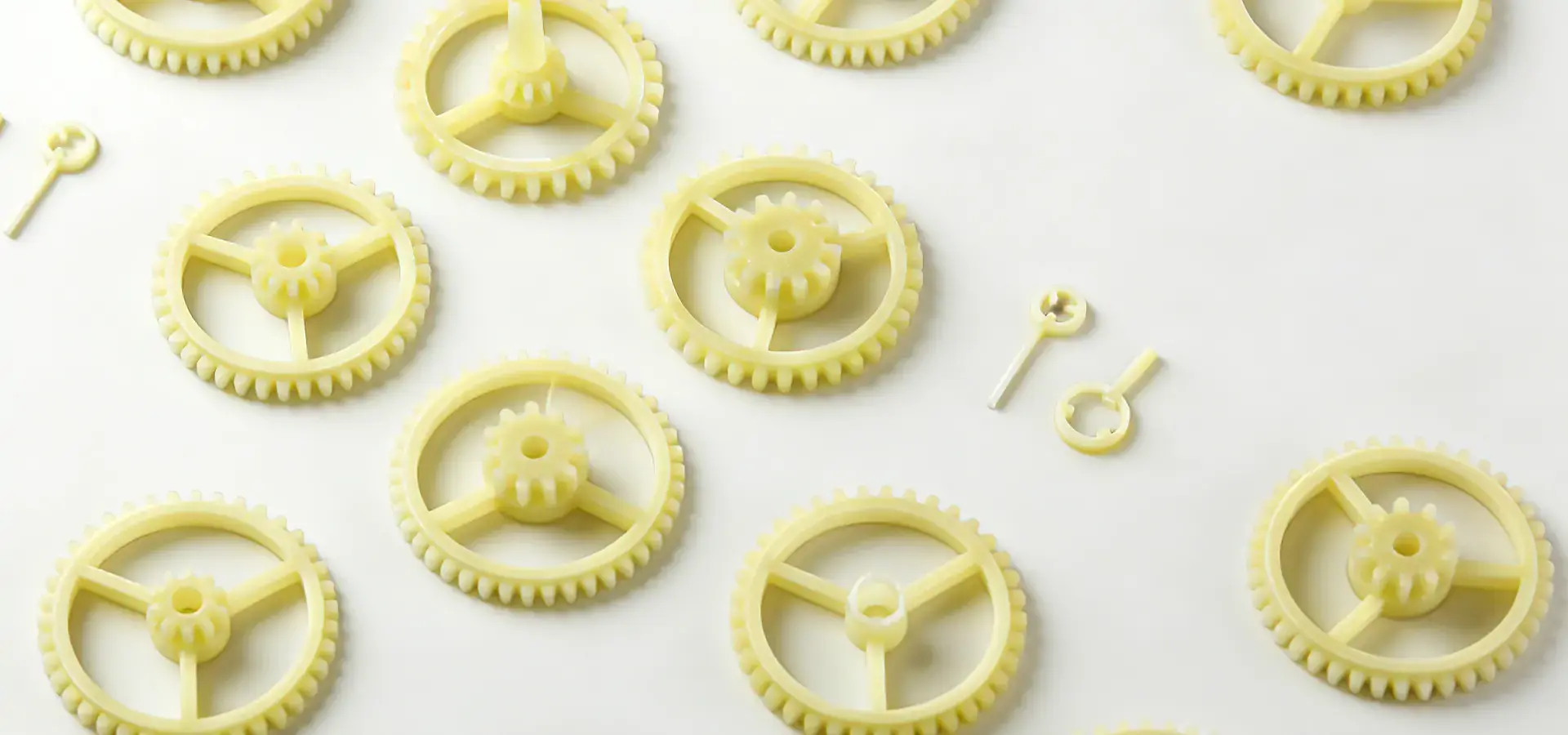
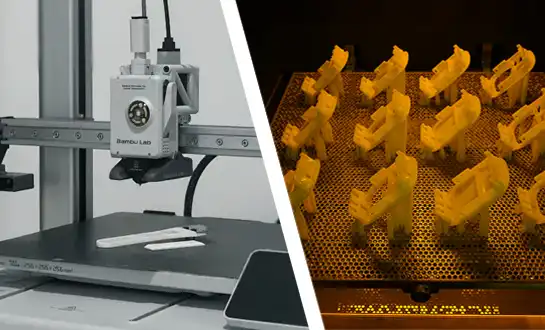
SLA innovation conveys predominant surface wrap-up and dimensional precision compared to FDM frameworks, in spite of the fact that fabric costs regularly run higher. The accuracy preferences regularly legitimize the expanded cost for applications requiring tight tolerances or smooth surfaces. Cutting-edge SLA frameworks accomplish layer statures as fine as 0.01mm, disposing of much post-processing work required with other technologies.
Variable spot-size laser innovation speaks to a breakthrough in taken toll proficiency for SLA printing. This development permits frameworks to utilize bigger laser spots for inner fill zones, while keeping up fine spot sizes for nitty gritty surfaces. The result is 30-50% speedier printing speeds without compromising quality, straightforwardly diminishing per-part costs through moved forward throughput.
Design Optimization for Cost Reduction
The part plan altogether impacts printing costs through its effect on fabric utilization, print time, and support needs. Empty structures decrease fabric utilization by up to 80% whereas keeping up basic judgment for numerous applications. Vital divider thickness optimization equalizes quality necessities with fabric efficiency.
Support structure plan influences both fabric costs and post-processing time. A progressed cutting computer program can minimize back requirements through clever portion introduction and support arrangement calculations. A few cutting-edge frameworks consolidate AI-driven optimization that naturally chooses the most cost-effective printing parameters for each geometry.
Post-Processing Workflow Efficiency
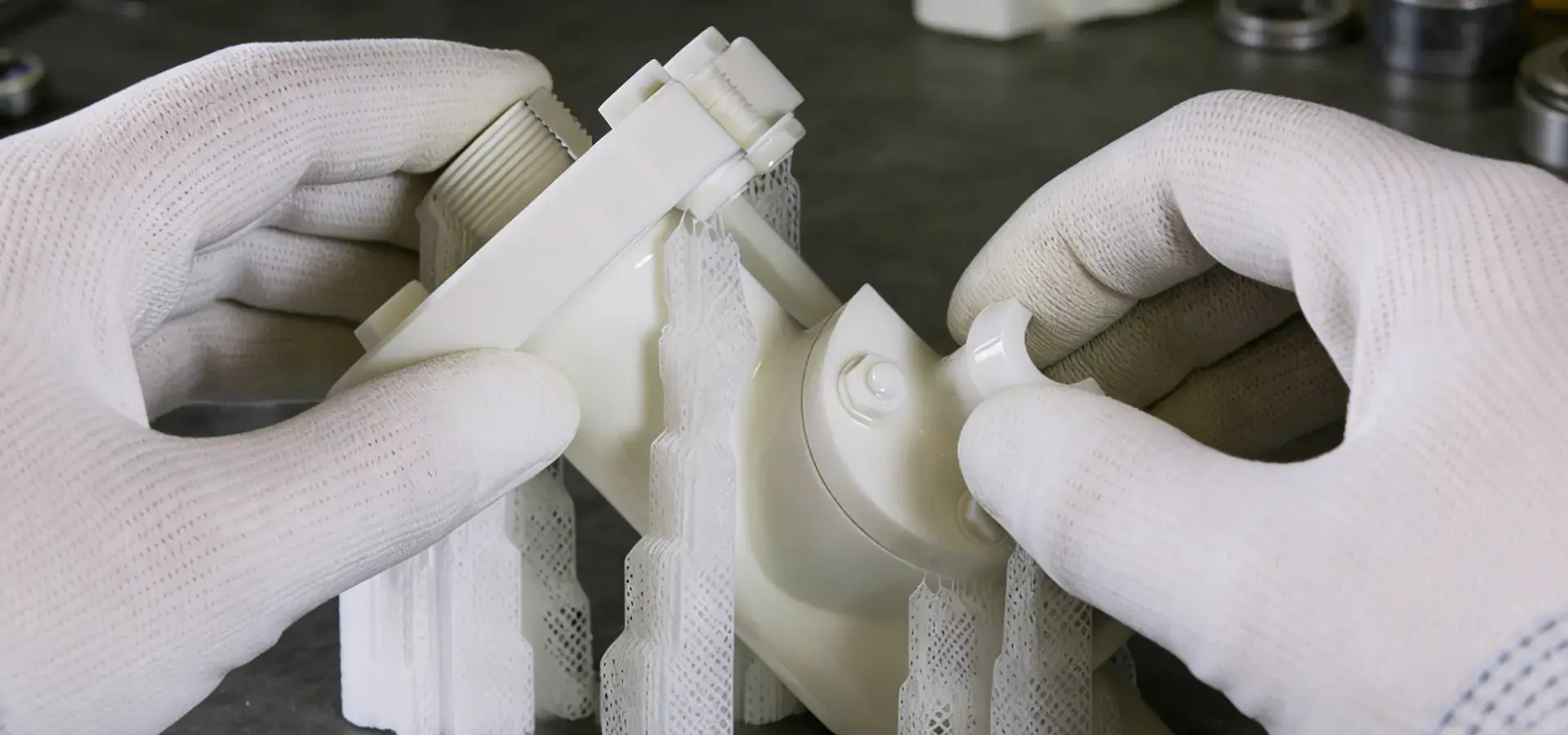
Post-processing speaks to a critical but regularly neglected component in added substance manufacturing. Mechanized washing and curing frameworks decrease labor prerequisites whereas guaranteeing reliable outcomes. The venture in devoted post-processing gear ordinarily pays for itself within 6-12 months through decreased labor costs and moved forward portion quality.
Quality control methods include operational costs but anticipate costly disappointments downstream. Executing orderly review conventions amid post-processing catches surrenders early, maintaining a distance from expensive revamp or portion substitution. Present-day quality administration frameworks are coordinated with production workflows to track costs and recognize optimization opportunities.
Strategic Procurement Decisions: Maximizing Value in 3D Printing Investments
Procurement professionals face complex decisions when evaluating additive manufacturing solutions. The choice between in-house production and outsourcing depends on volume requirements, quality control needs, and strategic objectives.
In-House vs. Outsourcing Cost Analysis
In-house generation offers more prominent control over quality, timing, and intellectual property assurance. The break-even point regularly happens between 50-200 parts per month, depending on portion complexity and fabric necessities. Organizations with steady generation volumes benefit from the unsurprising costs and planning adaptability that in-house capabilities provide.
3D print appealing for low-volume or specialized applications where committed hardware speculation cannot be advocated. Benefit bureaus frequently accomplish lower per-part costs through economies of scale and specialized skill. Be that as it may, acquisition groups must factor in lead times, shipping costs, and potential quality differences when comparing outsourcing options.
Equipment Selection Criteria
Selecting fitting printing gear requires adjusting numerous components counting construct volume, fabric compatibility, exactness requirements, and throughput capabilities. Large-format SLA frameworks exceed expectations for car and aviation applications, requiring larger-than-usual parts or clump generation capabilities.
Material compatibility speaks to a pivotal obtainment thought that influences long-term operational adaptability. Open-source frameworks permit buyers to optimize fabric costs through competitive sourcing, whereas restrictive frameworks may offer superior specialized support but constrain provider alternatives. Assessing the impact of the add up to fetched effect on the gear lifecycle makes a difference in illuminating these vital decisions.
Supplier Evaluation and Risk Management
Comprehensive provider assessment includes specialized capabilities, money related solidness, support system, and showcase notoriety. Providers with broad, obvious portfolios and demonstrated track records ordinarily offer more prominent development potential and decreased outdated quality risk. Geographic vicinity to back centers influences reaction times and benefit quality.
Risk administration methodologies ought to address hardware reliability, supply chain disturbances, and innovation advancement. Expanded provider connections and standardized fabric details offer assistance in moderating these dangers while keeping up with competitiveness. Customary execution audits guarantee providers proceed with assembly and advancing trade requirements.
Real-World Case Studies: Cost Analysis of 3D Printing Parts in Various Industries
Industry-specific applications demonstrate how printing costs vary based on requirements, volumes, and quality standards. These examples provide valuable benchmarks for procurement planning and ROI analysis.

Automotive Prototyping Applications
Automotive producers commonly utilize added substance manufacturing for interior components, custom tooling, and low-volume production parts. An ordinary dashboard component model measuring 200x150x50mm costs roughly $25-35 to print utilizing standard automotive-grade gum. The fast emphasis capability regularly legitimizes higher per-part costs compared to conventional tooling methods.
Batch printing techniques can diminish car prototyping costs by 40-60% through progressive machine utilization. Advanced large-format SLA frameworks can deliver different components at the same time, dispersing settled costs over numerous parts. This approach especially benefits improvement programs requiring different plan emphasis or variation testing.
Aerospace Component Validation
Aerospace applications require uncommon accuracy and fabric properties, driving higher printing costs but conveying significant value through weight diminishment and plan optimization. Complex bracket congregations that would require numerous machined components can be created as single printed parts, lessening assembly costs and improving reliability.
The capacity to consolidate inner cooling channels, grid structures, and other complex geometries regularly legitimizes premium fabric costs in aviation applications. Parts requiring specialized high-temperature tars may taken a toll $15-25 per cubic centimeter but convey execution enhancements that conventional fabricating cannot achieve.
Medical Device Customization
Medical and dental applications use added substance manufacturing's customization capabilities to make patient-specific gadgets and surgical guides. Custom dental aligners fetched $3-8 per unit to deliver, empowering beneficial direct-to-consumer trade models. The exactness and biocompatibility of advanced printing materials bolster FDA-compliant generation processes.
Surgical direct generation illustrates how advanced manufacturing empowers completely modern trade models in healthcare. Custom guides that already required weeks to deliver through conventional strategies can be printed overnight, lessening waiting times while keeping up uncommon precision for basic procedures.
Magforms: Delivering Comprehensive Industrial 3D Printing Solutions
3D print, we understand the complex cost considerations that procurement professionals face when evaluating additive manufacturing solutions. Our comprehensive approach addresses every aspect of the production workflow, from initial equipment selection through ongoing operational optimization.
Advanced Technology for Cost Optimization
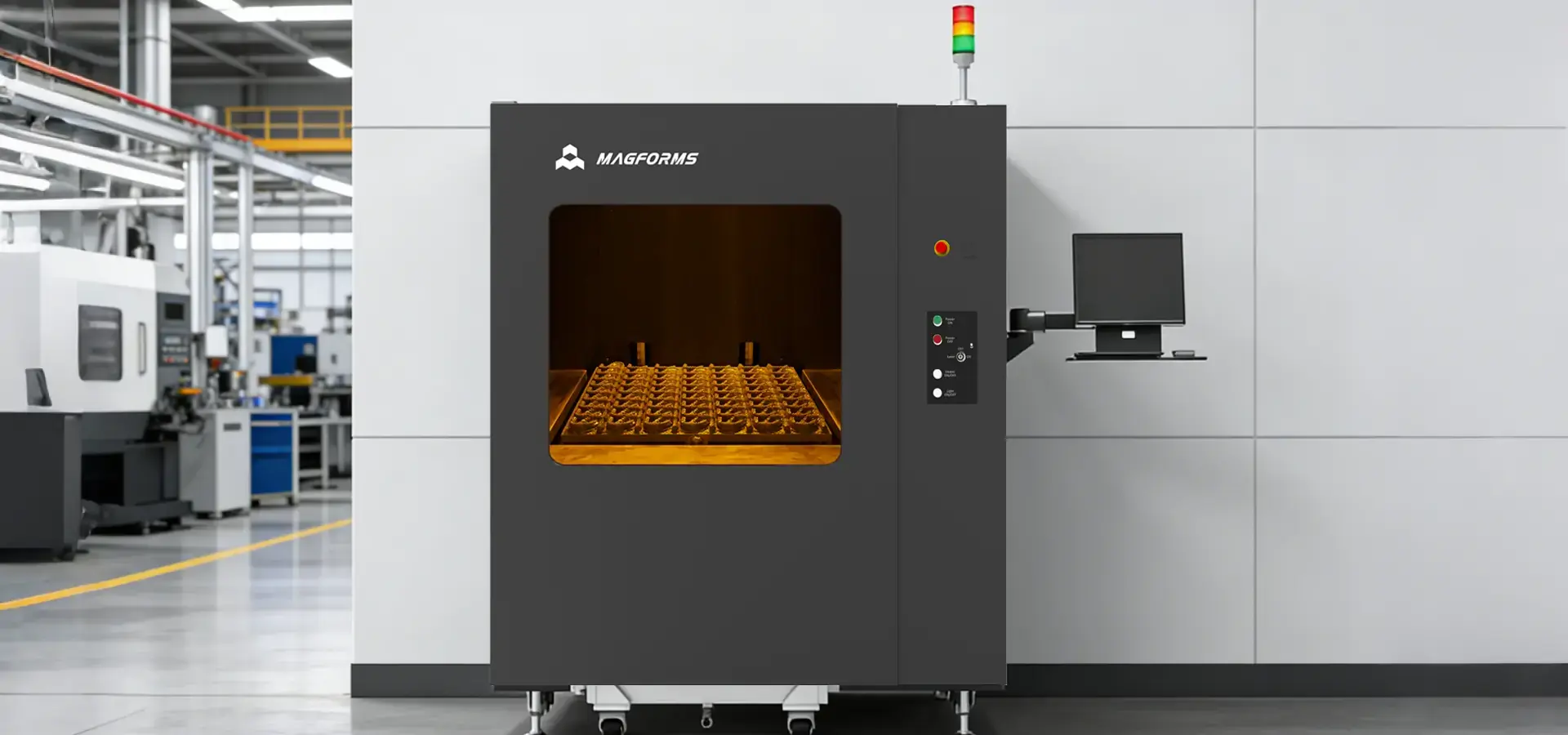
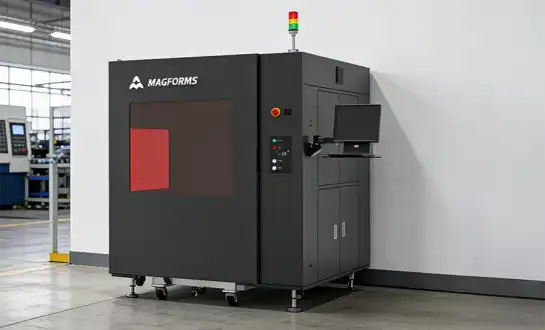
Our mechanical SLA frameworks consolidate cutting-edge innovations planned to minimize operational costs while maximizing generation capabilities. The integration of variable spot-size laser innovation conveys 30-50% speedier printing speeds compared to routine frameworks, directly decreasing per-part costs through increased throughput. German Scanlab galvanometers and AOC lasers guarantee remarkable unwavering quality and accuracy, minimizing waste and revamp expenses.
Deep learning calculations encourage upgrade productivity by optimizing filtering ways and print parameters, consequently. This AI-driven approach accomplishes an extra 20% change in printing speed while keeping up micron-level exactness. The combination of advanced equipment and shrewdly program makes a cost-effective arrangement for high-volume generation requirements.
Material Flexibility and Cost Control
Our open-source plan logic breaks the industry standard of fabric merchant lock-in, permitting clients total flexibility in photopolymer tar determination. This adaptability empowers procurement groups to optimize fabric costs through competitive sourcing while maintaining quality benchmarks. The compatibility with different fabric providers gives protection against supply chain disturbances and cost volatility.
The coordinates approach, combining materials and hardware, guarantees ideal execution, while killing compatibility issues that torment numerous production situations. Our building group has accurately coordinated printer parameters with fabric properties, lessening disappointment rates and moving forward dimensional consistency over generation runs.
Comprehensive Support Infrastructure
Our technical support team provides 24/7 remote consultation with guaranteed response within one hour and resolution within four hours. This rapid support capability minimizes production disruptions that can significantly impact overall costs. On-site engineering support ensures complex issues receive immediate attention, protecting production schedules and quality requirements.
Regular technical training programs help customers optimize their operational procedures, reducing labor costs and improving part quality. Our maintenance guidance and process optimization services ensure equipment operates at peak efficiency throughout its lifecycle, maximizing return on investment for procurement decisions.
Conclusion
The true cost to 3D print a part extends far beyond material expenses, encompassing equipment investment, labor, post-processing, and operational overhead. Smart procurement decisions focus on the total cost of ownership rather than the initial purchase price, considering factors like material flexibility, reliability, and support infrastructure. Modern SLA technology with advanced features like variable spot-size lasers and AI optimization can significantly reduce per-part costs while improving quality consistency. Success in additive manufacturing requires understanding these cost components and selecting suppliers who provide comprehensive solutions rather than just equipment.
FAQ
What factors most significantly impact 3D printing part costs?
Material selection, part complexity, and post-processing requirements typically have the greatest impact on total costs. Material costs can vary 10x between standard and specialized resins, while complex geometries requiring extensive supports can double printing time and material usage.
How do I calculate the break-even point for in-house 3D printing?
Break-even analysis should include equipment costs, material expenses, labor, facility overhead, and maintenance. Most organizations reach break-even between 50 and 200 parts monthly, depending on part size and complexity. Consider both direct costs and strategic benefits, like reduced lead times and IP protection.
Why do SLA printing costs vary so much between suppliers?
Variations stem from differences in material compatibility, equipment reliability, support quality, and hidden costs like proprietary material requirements. Suppliers offering open material compatibility and comprehensive support typically provide better long-term value despite potentially higher initial costs.
Partner with Magforms for Cost-Effective 3D Printing Solutions
Ready to optimize your additive manufacturing costs while improving quality and reliability? Magforms delivers comprehensive industrial 3D printing solutions that address every aspect of your production workflow. Our advanced SLA systems with variable spot-size technology and open material compatibility provide the flexibility and cost control that modern procurement departments demand. As a leading 3D print supplier, we combine cutting-edge equipment with responsive technical support to ensure your investment delivers maximum value. Contact our team at info@magforms.com to discuss your specific requirements and discover how our integrated approach can reduce your per-part costs while improving production capabilities.
References
1. Gibson, Ian, et al. "Additive Manufacturing Technologies: 3D Printing, Rapid Prototyping, and Direct Digital Manufacturing." New York: Springer Publishing, 2021.
2. Attaran, Mohsen. "The rise of 3-D printing: The advantages of additive manufacturing over traditional manufacturing." Business Horizons, vol. 60, no. 5, 2017, pp. 677-688.
3. Sculpteo. "State of 3D Printing Report: Industrial Applications and Market Analysis." Paris: Sculpteo Research Division, 2023.
4. Wohlers, Terry, and Tim Caffrey. "Wohlers Report 2023: 3D Printing and Additive Manufacturing Global State of the Industry." Fort Collins: Wohlers Associates, 2023.
5. McKinsey & Company. "The Economics of 3D Printing: How Additive Manufacturing is Transforming Business Models and Value Creation." McKinsey Global Institute, 2022.
6. American Society for Testing and Materials. "Cost Models and Cost Estimation Methodologies for Additive Manufacturing Technologies." ASTM International Standards, West Conshohocken, 2023.

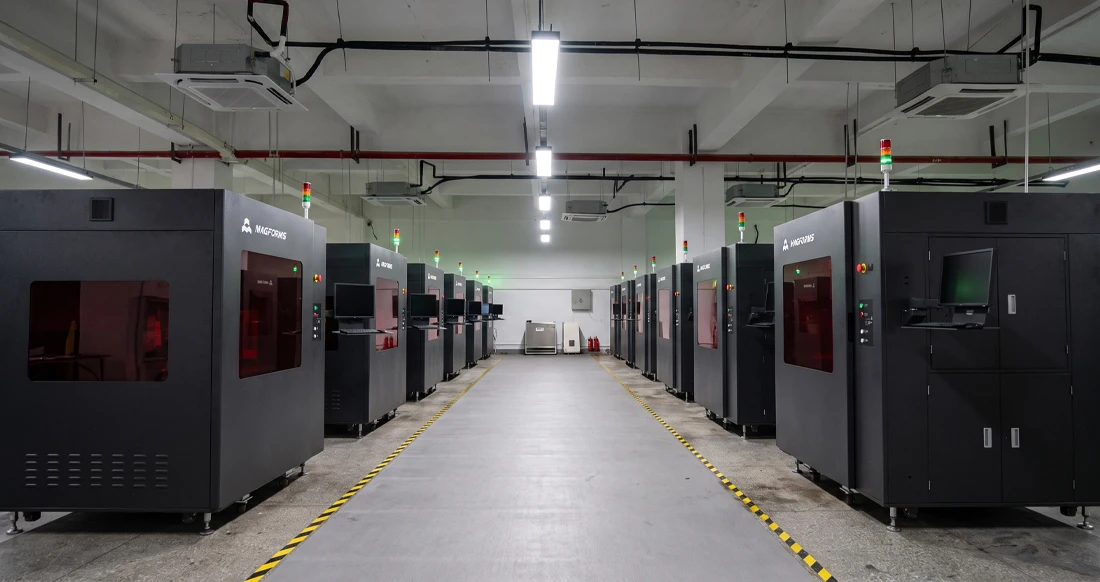
Magforms makes design and manufacture easier.
Popular Blogs
-
 Industry InsightsManufacturing Industry
FDM vs. SLA Printer: Which Technology Is Right for Your Project?
-
 Industry InsightsManufacturing Industry
Top 5 Applications of Industrial 3D Printers in Manufacturing Today
-
 Industry InsightsManufacturing Industry
Why Stereolithography 3D Printers Are Unmatched for Microfluidic Device Prototyping?