Materials Innovation in Stereolithography 3D Printing: Beyond Standard Resins
The landscape of additive manufacturing continues to evolve rapidly, with materials innovation serving as a cornerstone for advancing Stereolithography 3D printer capabilities. Modern stereolithography 3D printer systems now utilize advanced photopolymer formulations that far exceed the performance characteristics of conventional resins. These breakthrough materials enable manufacturers across industries to achieve unprecedented precision, durability, and functionality in their printed components. The evolution from standard resins to specialized formulations addresses critical manufacturing challenges while opening new possibilities for rapid prototyping, small-batch production, and customized manufacturing solutions that meet increasingly demanding industrial specifications.
Understanding Stereolithography Materials: From Basics to Innovations
Traditional photopolymer gums have long shaped the establishment of stereolithography printing, giving satisfactory execution for essential prototyping applications. Standard gums ordinarily offer worthy detail propagation and sensible mechanical properties for conceptual models and visual models. In any case, these customary materials frequently display noteworthy limitations when subjected to demanding mechanical situations or specialized application requirements.
The warm resistance of standard tars is often inadequate for car and aviation applications where components must withstand elevated temperatures amid testing or operational utilize. Mechanical solidness speaks to another basic restriction, as conventional definitions may become fragile or involve dimensional flimsiness under stretch. These imperatives have verifiably limited the scope of stereolithography applications, restricting the technology's appropriation in high-performance fabricating sectors.

Advanced Resin Technologies Transforming Industrial Applications
Modern gum advancement has yielded surprising advances in fabric execution through modern chemical building approaches. High-temperature safe details presently empower printed components to keep up auxiliary judgment at temperatures surpassing 200°C, making them reasonable for car motor cove components and aviation testing applications. These specialized gums consolidate advanced cross-linking components that protect dimensional exactness indeed beneath warm cycling conditions.
Flexible gum variations have revolutionized applications requiring elastomeric properties, such as gaskets, seals, and wearable gadget components. These materials combine the exactness inborn in stereolithography with the mechanical characteristics customarily related to injection-molded elastomers. The advancement of biocompatible gums has opened completely modern market sections, empowering direct generation of restorative gadgets, dental apparatuses, and surgical guides that meet exacting administrative prerequisites for persistent contact applications.
Composite and Hybrid Material Systems
Emerging composite gum details coordinated ceramic, metallic, or fiber fortifications to accomplish mechanical properties that match conventional fabricating materials. These imaginative frameworks empower the generation of useful metal parts through post-processing methods that evacuate the polymer framework, while protecting the printed geometry. Ceramic-filled tars give extraordinary dimensional soundness and chemical resistance, making them perfect for accuracy tooling and chemical preparation applications.
Hybrid fabric approaches combine different added substance fabricating advances within a single workflow, utilizing stereolithography for nitty gritty highlights, while joining other materials for basic components. This integration grows the useful envelope of printed components while keeping up the geometric accuracy that recognizes stereolithography from other additive manufacturing processes.
Innovations Driving Material Performance in SLA 3D Printing
The chemical establishment of present-day photopolymer frameworks has experienced noteworthy refinement to improve determination and exactness capabilities. Progressed photoinitiator frameworks empower more controlled curing responses, resulting in made strides dimensional accuracy and diminished internal stresses that can cause part damage. These improvements are especially important for restorative modeling applications where anatomical exactness is fundamental, and adornments generation where complex subtle elements must be protected through casting processes.
Resin chemistry advancements have yielded significant changes in mechanical properties through novel added substance bundles and cross-linking models. Advanced definitions accomplish ductile qualities drawing nearer those of designing thermoplastics, while keeping up the surface quality focal points characteristic to stereolithography. These upgraded mechanical characteristics empower the generation of useful models that precisely speak to the execution of injection-molded generation parts.

Enhanced Thermal Properties and Environmental Resistance
Contemporary tar definitions address warm restrictions through specialized monomer frameworks that maintain polymer organization astuteness at elevated temperatures. Warm diversion temperatures surpassing 150°C are presently achievable in production-ready tars, empowering car interior component testing and electronic gadget prototyping applications. Chemical resistance has additionally progressed, with specialized definitions advertising compatibility with car fluids, pressure-driven liquids, and forceful cleaning solvents.
Material Longevity and Stability Solutions
Degradation instruments that generally constrain the shelf life and application stability of photopolymer gums have been methodicallly tended to through advanced stabilization frameworks. UV stabilizers anticipate untimely curing amid capacity, whereas cancer prevention agents secure against heat and oxidative damage amid increased use. These enhancements guarantee reliable printing execution throughout the material's capacity period and improve the life span of printed components in benefit applications.
Proper fabric dealing with and capacity conventions altogether affect tar execution and printed portion quality. Temperature-controlled capacity situations avoid thickness changes that can influence print determination, whereas security from encompassing light anticipates untimely polymerization. Normal fabric filtration expels accumulated particulates that might compromise surface wrap-up quality, guaranteeing ideal execution throughout the material's service life.
Comparing SLA Materials to Other 3D Printing Technologies
Stereolithography gums offer particular preferences over elective added substance fabricating materials in particular application zones, whereas showing certain impediments in others. The remarkable surface wrap-up achievable with photopolymer frameworks eliminates the requirement for broad post-processing in applications where visual appearance is basic. Detail precision capabilities surpass those of most competing innovations, empowering the generation of highlights measuring less than 0.1 millimeters with steady repeatability.
However, mechanical and warm confinements relative to thermoplastic fibers and powder-based materials must be considered when selecting the fitting innovation for particular applications. Particular laser sintering materials frequently give prevalent mechanical properties for basic applications, whereas molded statement modeling thermoplastics offer superior chemical resistance in certain environments.
Cost Considerations and Return on Investment Analysis
Material costs for progressed Stereolithography 3D printer surpass those of product thermoplastic fibers, but the cost to taken a toll condition incorporates components beyond crude fabric estimating. Diminished post-processing necessities and predominant surface wrap-up quality can kill auxiliary operations that include critical taken a toll and lead time to alternative forms. The capacity to deliver different components at the same time in a single construct volume upgrades throughput productivity, progressing the cost-effectiveness of small to medium batch generation runs.
Recent showcase patterns demonstrate declining costs for claim to fame gums as generation volumes increase and competition escalates among fabric providers. This taken a toll, combined with making strides in fabric execution, proceeds to extend the financial practicality of stereolithography over differing fabricating applications.
Practical Applications Enabled by Materials Innovation in SLA Printing
Medical gadget producers have grasped advanced biocompatible tars for creating patient-specific surgical guides that improve procedural exactness while decreasing operation times. These applications require materials that meet ISO 10993 biocompatibility guidelines, while keeping up dimensional precision adequate for exact anatomical fit. Later advancements in straightforward biocompatible gums empower the generation of clear surgical guides that permit visual confirmation of appropriate situating amid procedures.
Dental applications have also profited from specialized tar definitions planned for intraoral use. Castable gums empower the coordinate generation of designs for metal dental rebuilding efforts, dispensing with conventional wax-based workflows, whereas making strides exactness and lessening generation time. Adaptable dental gums are utilized for night watches and other machines that require comfortable understanding contact combined with satisfactory strength for amplified use.

Industrial Prototyping and Functional Testing
Automotive producers utilize high-performance tars for creating useful models of interiors and under-hood components that must withstand reasonable testing conditions. These applications require materials that maintain dimensional soundness beneath warm cycling, while giving the mechanical properties of generation materials. Progressed tar definitions empower crash test sensor installations, discuss admissions components, and electronic walled-in areas that perform dependably amid approval testing.
Emerging Market Segments and Future Trends
Aerospace applications progressively use stereolithography for creating complex geometries that would be troublesome or inconceivable to make utilizing conventional strategies. Lightweight cross-section structures and inner cooling channels represent the plan opportunity empowered by added substance fabricating, whereas advanced tar definitions give the thermal and mechanical execution required for flight equipment applications. Customer hardware producers utilize fast prototyping capabilities to quicken product development cycles, with specialized tools that mimic the appearance and material properties of generation materials.
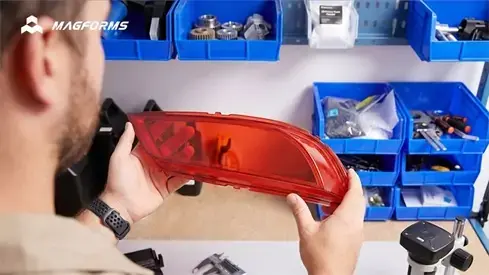 |
Industrial Applications Boost Functional Prototyping with Large-Format SLA 3D Printing Scale your production with high-precision SLA printers designed for automotive, aerospace, and engineering validation workflows.
|
Procurement Guide and Best Practices for Sourcing Advanced SLA Materials
Successful obtainment of a progressed Stereolithography 3D printer requires a cautious assessment of the provider's capabilities beyond fundamental item determinations. Quality certifications such as ISO 9001 and industry-specific guidelines like AS9100 for aviation applications give confirmation of reliable manufacturing processes and item quality. Administrative compliance documentation gets to be especially basic for restorative and dental applications, where traceability and batch records may be required for administrative submissions.
Supply chain hazard moderation procedures ought to incorporate assessment of provider monetary stability, geographic dispersion of fabricating offices, and accessibility of reinforcement supply sources. Fabric compatibility testing with existing hardware and workflows makes a difference in avoiding expensive generation disturbances when transitioning to unused details or suppliers.
Logistics and Inventory Management Considerations
Bulk requesting techniques must adjust fetched investment funds against fabric rack life impediments and capacity necessities. Most photopolymer tars require controlled temperature capacity and security from light introduction, requiring fitting stockroom offices and stock turn methods. Universal shipping contemplations incorporate perilous materials directions and traditions documentation requirements that can affect conveyance plans and add to landed costs.
Price arrangements ought to consider add up to fetched of possession rather than unit fabrication costs alone. Components such as fabric abdicate rates, post-processing necessities, and specialized back accessibility can altogether affect by and large extend financial matters. Long-term supply assentions may give cost soundness whereas guaranteeing need assignment amid periods of tall request or supply constraints.
Strategic Partnership Development
Successful execution of progressed stereolithography materials regularly benefits from close collaboration with fabric providers who can give specialized ability and application development support. Custom fabric improvement capabilities have become important for specialized applications where standard definitions may not meet all necessities. Responsive specialized support guarantees fast determination of preparation issues that might something else affect generation plans and item quality.
Magforms: Pioneering Excellence in Stereolithography Technology

Magforms has established itself as a leading innovator in stereolithography technology through a comprehensive approach that integrates advanced materials development with precision hardware engineering. The company's extensive patent portfolio, comprising 22 patents and 30 registered trademarks, demonstrates a commitment to technological advancement that directly benefits manufacturing customers across diverse industries.
The company's product lineup spans from desktop-level systems suitable for design studios to industrial-grade platforms capable of large-format production. This comprehensive range ensures that organizations of all sizes can access appropriate technology solutions that match their specific production requirements and budget constraints. The open-source design philosophy adopted by Magforms enables customers to utilize materials from multiple suppliers, providing flexibility in material selection and cost management that distinguishes the company from competitors with proprietary material ecosystems.
Advanced Hardware Configuration and Performance
Magforms Stereolithography 3D printer premium components are sourced from internationally recognized suppliers to ensure exceptional reliability and performance consistency. German Scanlab galvanometers provide precise laser positioning accuracy, while AOC laser systems deliver stable power output essential for consistent curing characteristics. Panasonic AC servo motors ensure reliable material handling and platform positioning throughout extended production runs.
The SL800 model exemplifies the company's commitment to precision engineering through its marble base construction that provides exceptional dimensional stability. This robust foundation enables printing accuracy of ±0.1 mm for dimensions up to 100 mm, approaching the precision levels traditionally associated with CNC machining processes.
Technological Innovation and Efficiency Enhancements
Variable spot-size laser printing technology represents a breakthrough innovation that resolves the traditional conflict between printing speed and dimensional accuracy. The intelligent system utilizes large laser spots measuring 0.5-0.6 mm for rapid internal filling operations while switching to fine spots of 0.18-0.2 mm for precise contour definition and detail reproduction. This approach achieves printing speed improvements of 30-50% compared to conventional fixed-spot systems without compromising geometric accuracy.
Deep learning algorithms further optimize printing performance by analyzing geometric complexity and automatically adjusting process parameters to maximize efficiency while maintaining quality standards. These AI-enhanced capabilities deliver additional speed improvements of approximately 20%, enabling rapid response to urgent prototyping requirements and tight production schedules.

Comprehensive Support and Global Presence
Magforms maintains a professional technical support team composed of experienced engineers capable of providing rapid response to customer inquiries and technical challenges. The commitment to responding within one hour and providing solutions within four hours ensures minimal production disruption when issues arise. On-site engineering support is available for complex problems that require direct intervention, demonstrating the company's dedication to customer success.
The company's global presence spans dozens of countries, with active participation in industry exhibitions across Europe, Asia, and other regions. This international engagement facilitates technology transfer and market development initiatives that benefit customers worldwide while maintaining proximity to local markets and support requirements.
Conclusion
Materials innovation continues to drive the expansion of Stereolithography 3D printer industries, ranging from medical device manufacturing to aerospace prototyping. Advanced resin formulations have overcome many historical limitations while introducing new capabilities that enable previously impossible applications. The integration of sophisticated material science with precision hardware engineering creates opportunities for manufacturers to achieve exceptional results in rapid prototyping, small-batch production, and customized manufacturing scenarios. Companies like Magforms are leading this evolution through comprehensive solutions that combine advanced materials compatibility with precision engineering and responsive technical support. The continued development of specialized resins and hybrid material systems promises to further expand the applications and economic viability of stereolithography technology.
FAQ
What are the primary benefits of next-generation resins over standard photopolymer materials?
Next-generation resins offer significantly enhanced mechanical properties, including improved tensile strength, thermal resistance, and chemical compatibility. These advanced formulations enable applications in demanding environments where standard resins would fail, such as automotive testing components and medical devices requiring biocompatibility certification.
How do I select the appropriate resin for my specific industry application?
Material selection should consider the specific performance requirements of your application, including mechanical properties, thermal resistance, chemical compatibility, and regulatory requirements. Medical applications require biocompatible certifications, while automotive components may need enhanced thermal stability. Consulting with experienced suppliers can help identify optimal material choices for specific applications.
What environmental and safety considerations apply to advanced SLA materials?
Modern stereolithography resins are formulated to minimize environmental impact while maintaining safety standards for industrial use. Proper ventilation, personal protective equipment, and waste disposal procedures remain essential. Many advanced formulations reduce volatile organic compound emissions compared to earlier generations while meeting increasingly stringent environmental regulations.
Partner with Magforms for Advanced Stereolithography Solutions
Magforms combines decades of industry expertise with cutting-edge technology to deliver comprehensive stereolithography solutions that exceed customer expectations. Our integrated approach, encompassing advanced materials compatibility, precision hardware engineering, and responsive technical support, ensures optimal results for your manufacturing requirements. Whether you need a reliable stereolithography 3D printer supplier for large-scale production or specialized materials for demanding applications, our team provides personalized consultation and procurement support tailored to your specific needs. Contact us at info@magforms.com to explore how our innovative solutions can enhance your manufacturing capabilities and accelerate your product development cycles.
References
1. Gibson, I., Rosen, D., & Stucker, B. (2021). Additive Manufacturing Technologies: 3D Printing, Rapid Prototyping, and Direct Digital Manufacturing. Springer International Publishing.
2. Chua, C. K., & Leong, K. F. (2017). 3D Printing and Additive Manufacturing: Principles and Applications. World Scientific Publishing.
3. Bikas, H., Stavropoulos, P., & Chryssolouris, G. (2016). Additive manufacturing methods and modeling approaches: a critical review. International Journal of Advanced Manufacturing Technology, 83(1-4), 389-405.
4. Ligon, S. C., Liska, R., Stampfl, J., Gurr, M., & Mülhaupt, R. (2017). Polymers for 3D printing and customized additive manufacturing. Chemical Reviews, 117(15), 10212-10290.
5. Quan, H., Zhang, T., Xu, H., Luo, S., Nie, J., & Zhu, X. (2020). Photo-curing 3D printing technique and its challenges. Bioactive Materials, 5(1), 110-115.
6. Stansbury, J. W., & Idacavage, M. J. (2016). 3D printing with polymers: Challenges among expanding options and opportunities. Dental Materials, 32(1), 54-64.

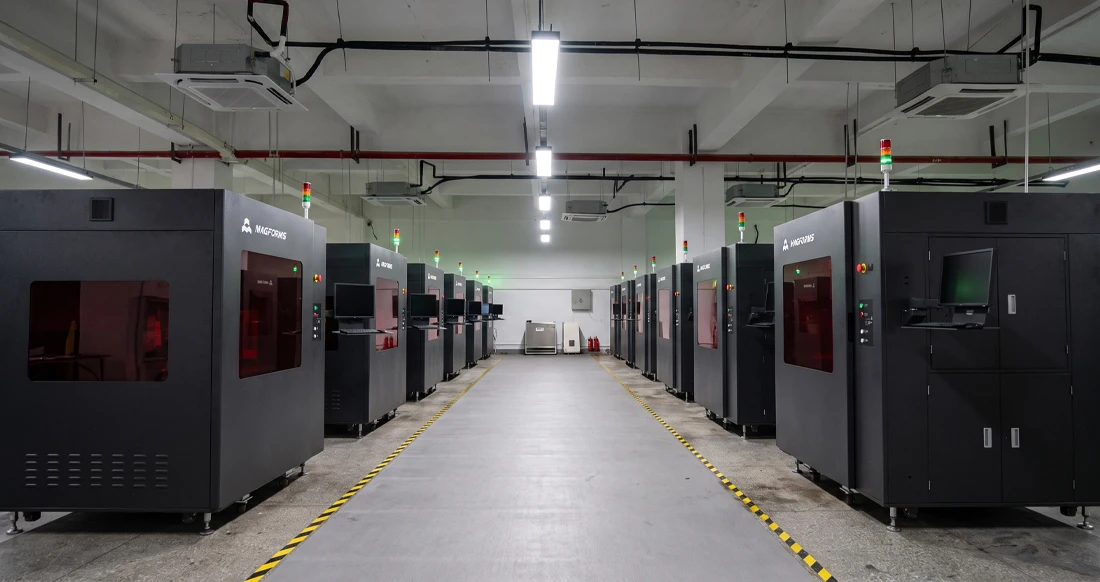
Magforms makes design and manufacture easier.
Popular Blogs
-
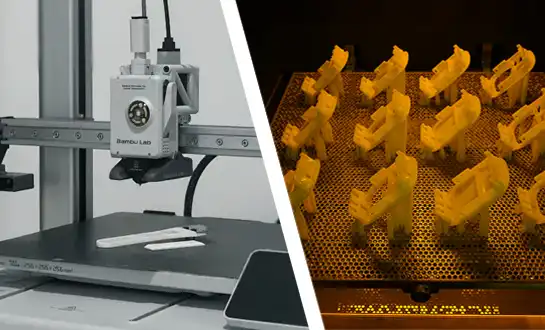 Industry InsightsManufacturing Industry
FDM vs. SLA Printer: Which Technology Is Right for Your Project?
-
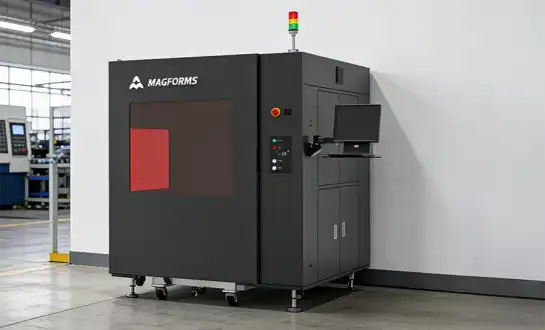 Industry InsightsManufacturing Industry
Top 5 Applications of Industrial 3D Printers in Manufacturing Today
-
 Industry InsightsManufacturing Industry
Why Stereolithography 3D Printers Are Unmatched for Microfluidic Device Prototyping?