How Reliable Is a Shoe 3D Printer for Daily Production?
Today's shoe manufacturing combines traditional techniques with modern computer technologies. When chosen and maintained correctly, a Shoe 3D printer is very reliable for daily production, with uptime rates consistently exceeding 95% in industrial settings. These specialized additive manufacturing systems eliminate the need for expensive tooling, enable mass customization, and support the production of complex lattice structures that are difficult or impossible to achieve with conventional manufacturing methods such as injection molding or CNC machining. Choosing industrial-grade tools with strong material compatibility, precise calibration, and full expert support is key to reliability. These are all things that have a direct effect on your production flow, dimensional accuracy, and long-term running costs. Before going from testing prototypes to making things every day, you need to know not only what these machines can do but also how regularly they work under real-world conditions. We've worked with shoemakers, medical device makers, and 3D printing service providers for years to figure out what stability really means in production settings. This piece discusses the main worry that procurement managers have: Can these systems handle running all the time? What kinds of loss should we expect? What effects do decisions about materials have on long-term stability?
Understanding Shoe 3D Printer Reliability: Key Concepts and Metrics
In industrial additive printing, reliability is more than just making sure the machines are on all the time. When we test a shoe 3D printer for continuous production, we look at how well it meets daily output requirements by looking at a group of linked performance measures.
Defining Reliability in Footwear Additive Manufacturing
There are four important aspects of industrial stability. Mechanical stability means that the printer can keep the same dimensions for hundreds of builds in a row without having to be recalibrated. Even after making more than 500 midsoles, a professional shoe 3D printer should keep its tolerances within ±0.2 mm across the whole build volume. Material handling capability evaluates how well a system processes different material types—such as elastomeric resins or powders—without contamination, clogging, or inconsistent distribution. Process repeatability makes sure that the mechanical qualities of the part, like Shore hardness and energy return, stay within the specifications, even if the temperature changes or if the user makes small changes. Predictable maintenance allows production planners to schedule service times, preventing unexpected downtime from disrupting order fulfillment.
Core Performance Metrics That Matter
The main measure of dependability is the Mean Time Between Failures (MTBF). For daily use, industrial shoe 3D printers usually have MTBF rates of between 2,000 and 5,000 hours, which means they can keep making shoes for 4 to 10 months before they need major parts replaced. The print accuracy rate tells you how many builds finished properly without any layer delamination, warping, or ending too soon. When they work within certain limits, high-reliability systems keep their success rates above 98%. Tracking a part's dimensional stability lets you see how its values change over long production runs. If there are variations of more than 0.15 mm, quality systems should find them and start automatic recalibration processes.
Technology-Specific Reliability Profiles
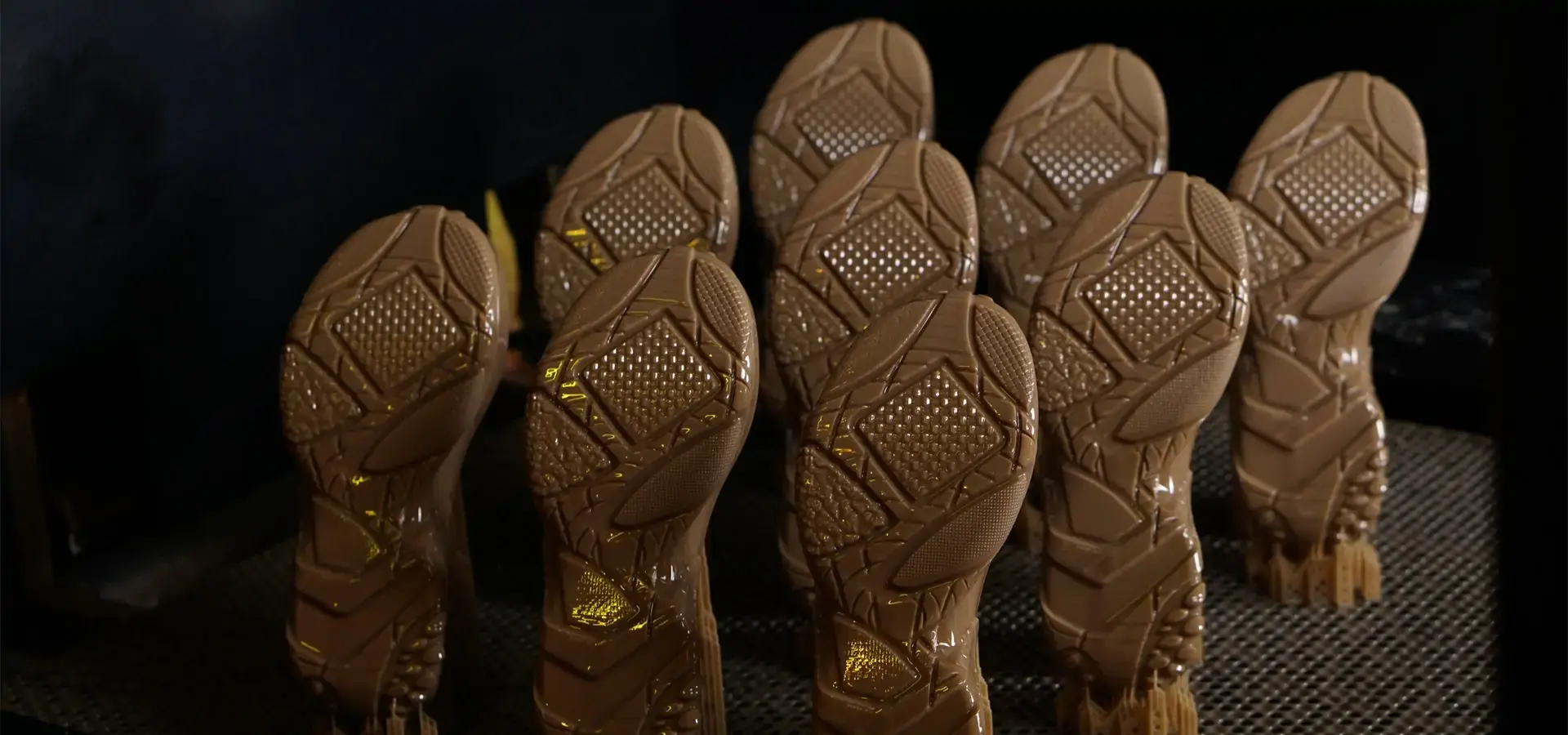
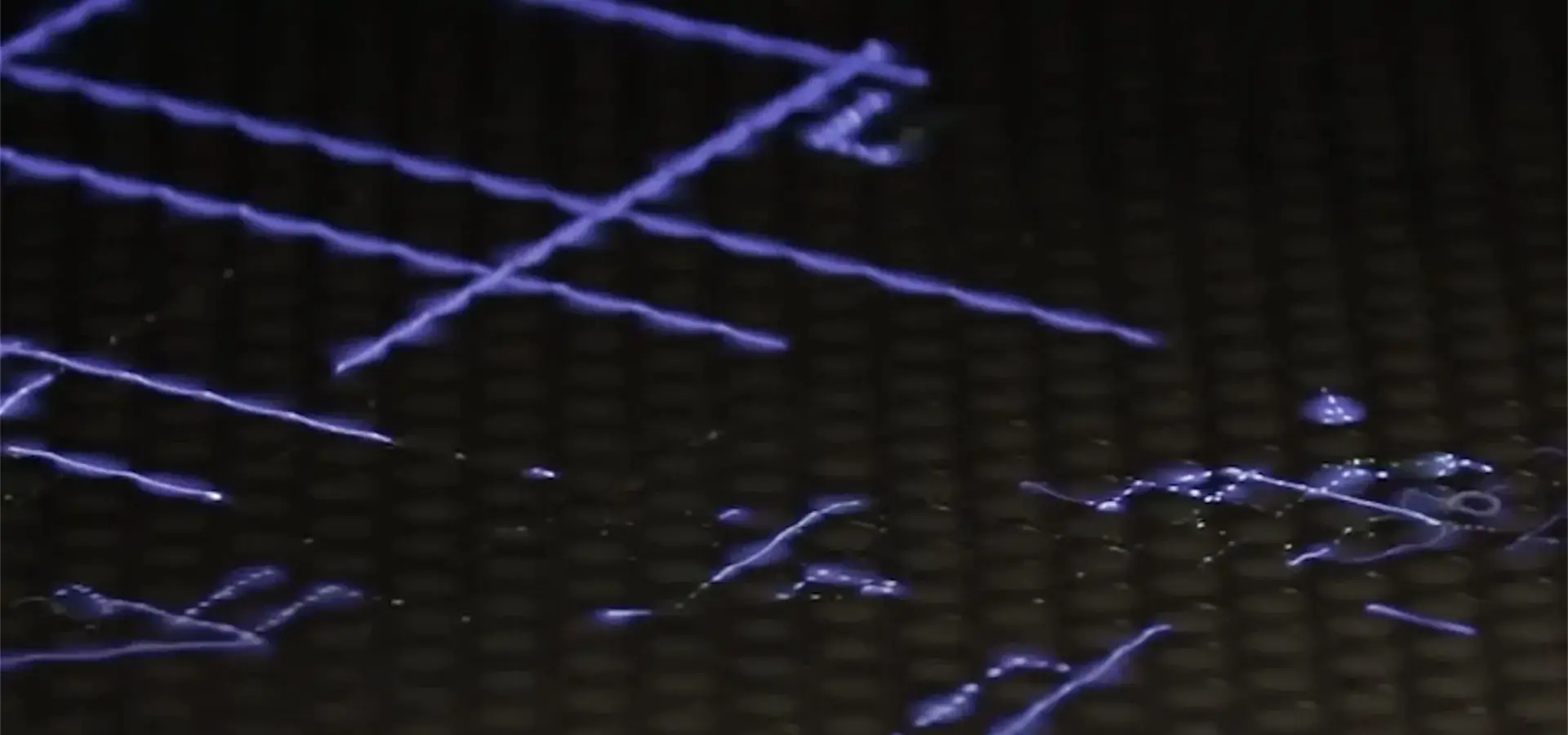
There are different levels of dependability for each type of additive production technology. Stereolithography (SLA) systems can make surfaces with excellent finish and fine details, but they need careful material management and regular cleaning of the optical path to keep print artifacts from appearing. Selective Laser Sintering (SLS) offers excellent mechanical isotropy and doesn't need any support structures. However, powder handling systems need to be very careful not to get any contamination on them. Digital Light Synthesis (DLS) and other vat photopolymerization methods offer high throughput under specific conditions, but actual production speed depends on part geometry, curing strategy, and layer thickness. Fused Deposition Modeling (FDM) with flexible filaments offers a lower initial investment, but it typically struggles with interlayer adhesion, dimensional accuracy, and surface quality when producing high-performance elastomeric parts. Material suitability has a direct effect on how reliable something is in use.
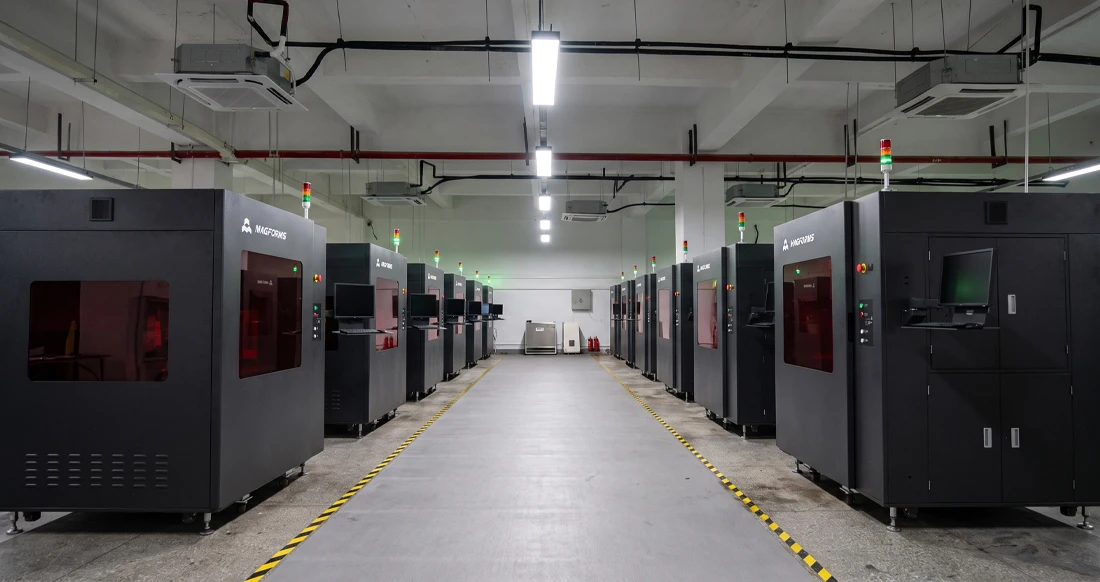
In contrast, industrial SLA laser systems such as SL600—a professional shoe 3D printer—demonstrate superior stability and precision in continuous production environments. Equipped with internationally recognized components—including AOC lasers for stable 24/7 output, Scanlab galvanometer systems for high-speed and precise beam control, and Panasonic servo motors for micron-level positioning—these systems ensure consistent part quality and high build success rates. Combined with a rigid granite platform and optimized mechanical structure, SL600 maintains dimensional accuracy while minimizing vibration and thermal deformation during long production cycles.
Comparing Shoe 3D Printing with Traditional Manufacturing Reliability
While traditional shoe manufacturing has improved reliability over the years, additive manufacturing addresses certain issues in unique ways.
Legacy Manufacturing Challenges
Both injection molding and compression molding require precision-machined metal molds, which can cost between $15,000 and $50,000 each. Any change to the design needs new tools, which means wait times of 6 to 12 weeks that stop product iterations. Because this requires a lot of capital, makers have to make a lot of products in order to spread out the cost of the tools. This makes small-batch customization economically impossible. Maintaining the quality of standard methods necessitates precise control over injection temperatures, pressures, and cooling rates. Real-time adjustments are necessary to address changes in the environment or variations between batches of materials that can lead to dimensional discrepancies. Cutting things with subtractive methods, like CNC machining, loses about 40 to 60 percent of the material they work with. This is a big problem when working with pricey performance plastics.
Additive Manufacturing Advantages
When properly set up, a shoe 3D printer does not depend on any tools at all, so design changes can be made in hours instead of months. The economics of production change a lot. Unit prices stay pretty much the same whether you make 10 or 1,000, which makes mass customization possible. The material utilization rate is between 85 and 95% because only the material that is needed is cast or sintered; the powder that hasn't fused can still be used again. On-demand manufacturing lets brands switch from risky "make-to-stock" models to flexible "make-to-order" processes that free up storage capital.
Realistic Operational Trade-Offs
The biggest tradeoff is still throughput. Injection molding cycles take 30 to 90 seconds to finish, but additive processes need 2 to 8 hours per build, based on the technology used and the complexity of the part. Surface finish quality varies by technology. For example, SLS parts often need to be tumbled after printing to make them look good, while DLS systems can get close to the smoothness of injection molding right out of the printer. Anisotropy in material properties can have an effect on some technologies, especially FDM. For example, interlayer bonds may have 15–20% less tensile strength than in-plane directions. Several footwear brands have published transition case studies demonstrating real-world reliability outcomes. A European sports brand said that when they used SLS technology to make customized orthotic boots, they got 97.3% first-pass yield rates, compared to 94.1% yield rates when they used their old thermoforming method. But their cost per unit stayed 2.3 times higher when they sold fewer than 500 units per month. A North American company that makes work boots saw a 40% reduction in the time it took to make a new sample. However, they had initial problems with the regularity of the TPU shore hardness until they put environmental controls around their shoe 3D printer.
Materials and Design Software: Impact on Daily Production Reliability
Material science and integrating digital workflows are the building blocks that determine whether 3D printer systems for shoes produce consistent daily output or become frustrating for production.
Material Properties and Performance Characteristics
When it comes to boots, thermoplastic polyurethane (TPU) is the most popular material family. Its shore hardness runs from 60A to 95A. The tensile strength of premium TPU formulas is higher than 35 MPa, and the stretch at break is between 400 and 600%. This allows them to achieve durability comparable to or exceeding injection-molded EVA in certain performance applications, depending on formulation and process control. For daily production, fatigue resistance is crucial. Industrial-grade TPU can handle more than 500,000 compression cycles at 50% strain without permanently changing shape much. Different types of elastomeric polyurethane (EPU) enhance energy return, achieving a bounce durability exceeding 65%. This lets manufacturers make performance midsoles that are similar to traditional foam cushioning systems. The breakdown of materials affects long-term dependability. In some versions, being exposed to UV light can break down the materials faster, reducing their strength by 15–25% after 6 months of outdoor use unless UV stabilizers are included. Hydrolysis resistance is important in wet places because inadequate formulations soak up water, which makes them swell and lose their properties. Temperature stability tells us if printed parts will keep working even when temperatures change dramatically from season to season. High-quality materials keep their shore hardness the same from -20°C to +60°C, while low-quality compounds may get 30% stiffer in cold weather.
Software Integration and Workflow Optimization
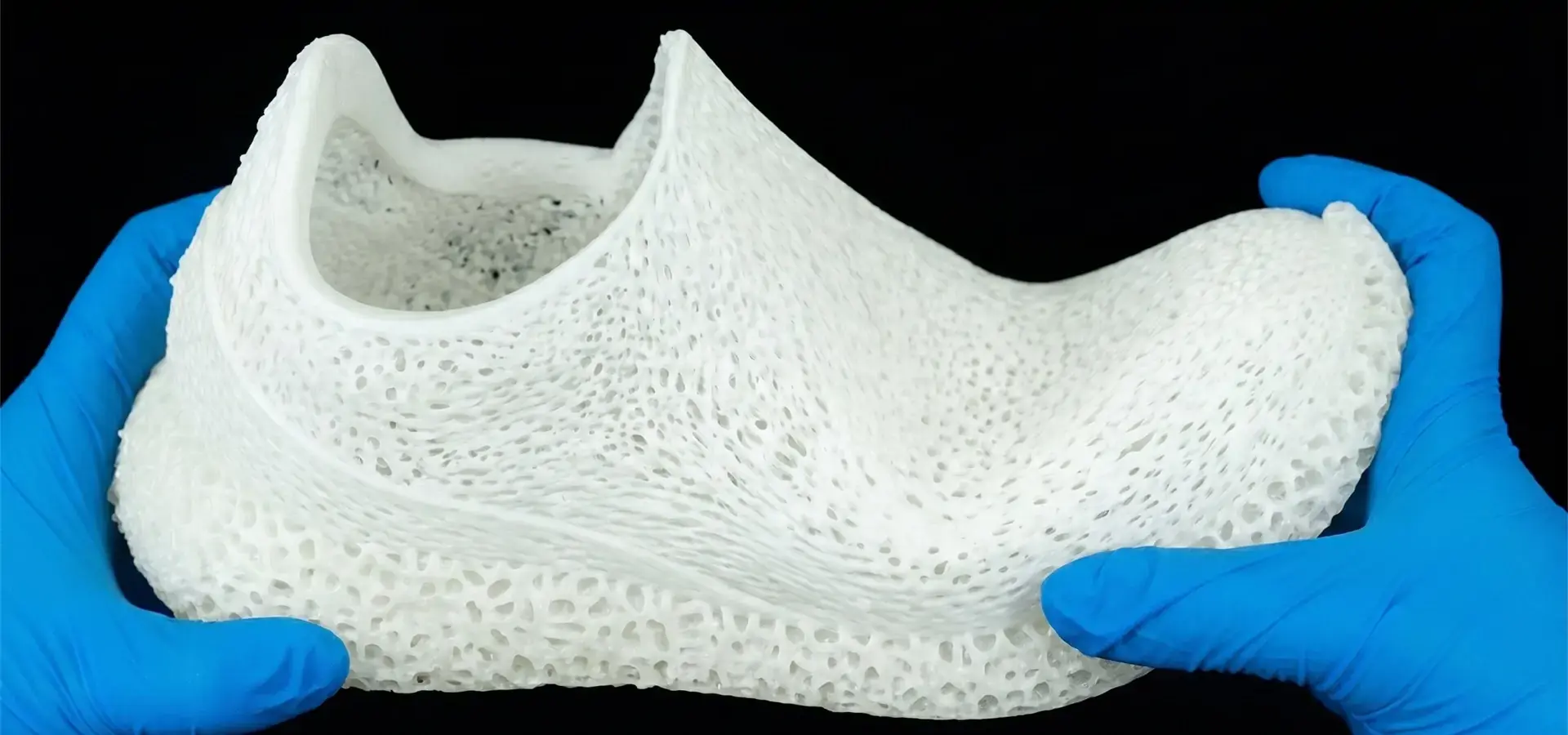
For specific cushioning zones, advanced CAD tools allow dynamic design processes that make the best use of lattice structures. Within a single continuous midsole, software can change the strut width and unit cell shape automatically to make heel areas 20% more resistant to compression than forefoot areas. Print success rates are directly related to how reliable the program is for slicing. Professional packages have adaptable support generation methods, predictive thermal adjustment, and automatic failure detection that stops building when strange things happen, so that 6 hours aren't wasted on finishing broken parts. When teams using shoe 3D printers are connected to digital inventory management systems, they allow for true on-demand manufacturing. When a custom order comes in, automatic scheduling algorithms match builds to machines that are available, find the best build plate packing density, and make production records that show the history of each part. With this level of digital integration, reliability goes from being a problem at the machine level to a problem at the system level. Redundancy and smart task distribution make sure that daily production goals are met even when individual printers need repair. Automating quality control makes things more consistent. Inline scanning devices get measures right after the parts are made, comparing them to CAD models and highlighting any differences before the parts are put together. Statistical process control screens find problems that are happening more often, like laser power going down slowly. This lets you plan maintenance ahead of time, before the print quality gets too bad.
Practical Considerations for Integrating Shoe 3D Printers Into Daily Production
To go from testing prototypes to effective daily production, you need to carefully look at the capabilities of your tools, your business needs, and the infrastructure that supports you. These things will all affect your long-term success.
Equipment Selection Criteria
The right technology decisions are based on the production number. Desktop SLA systems may be enough for operations that make fewer than 50 pairs per day, but centers that want to make 200 or more pairs per day need industrial SLS or DLS platforms with bigger build rates. The measurements of the build envelope limit the maximum part size. For most footwear uses, working areas must be at least 300 mm x 200 mm x 200 mm to support full midsole shapes without segmentation. When makers present print speed specs, they often say "optimal conditions" instead of "realistic production parameters." This means that the specs need to be carefully interpreted. When working with complicated shapes and the layer heights required for a good surface finish, a shoe 3D printer that lists a vertical speed of 100 mm/hr may only be able to achieve 60–75 mm/hr. Checking for material suitability should go beyond looking at the manufacturer's specs. Ask for model parts to be made from your specific material formulations in a setting that is similar to the one where the parts will be made. Check not only the mechanical qualities at the start but also how they behave after rapid aging methods that mimic 6 to 12 months of use. Open-material platforms give you more buying options and help you keep costs down by letting you find cheap goods instead of being stuck with proprietary supplies that cost a lot.
Operational Challenges and Mitigation Strategies
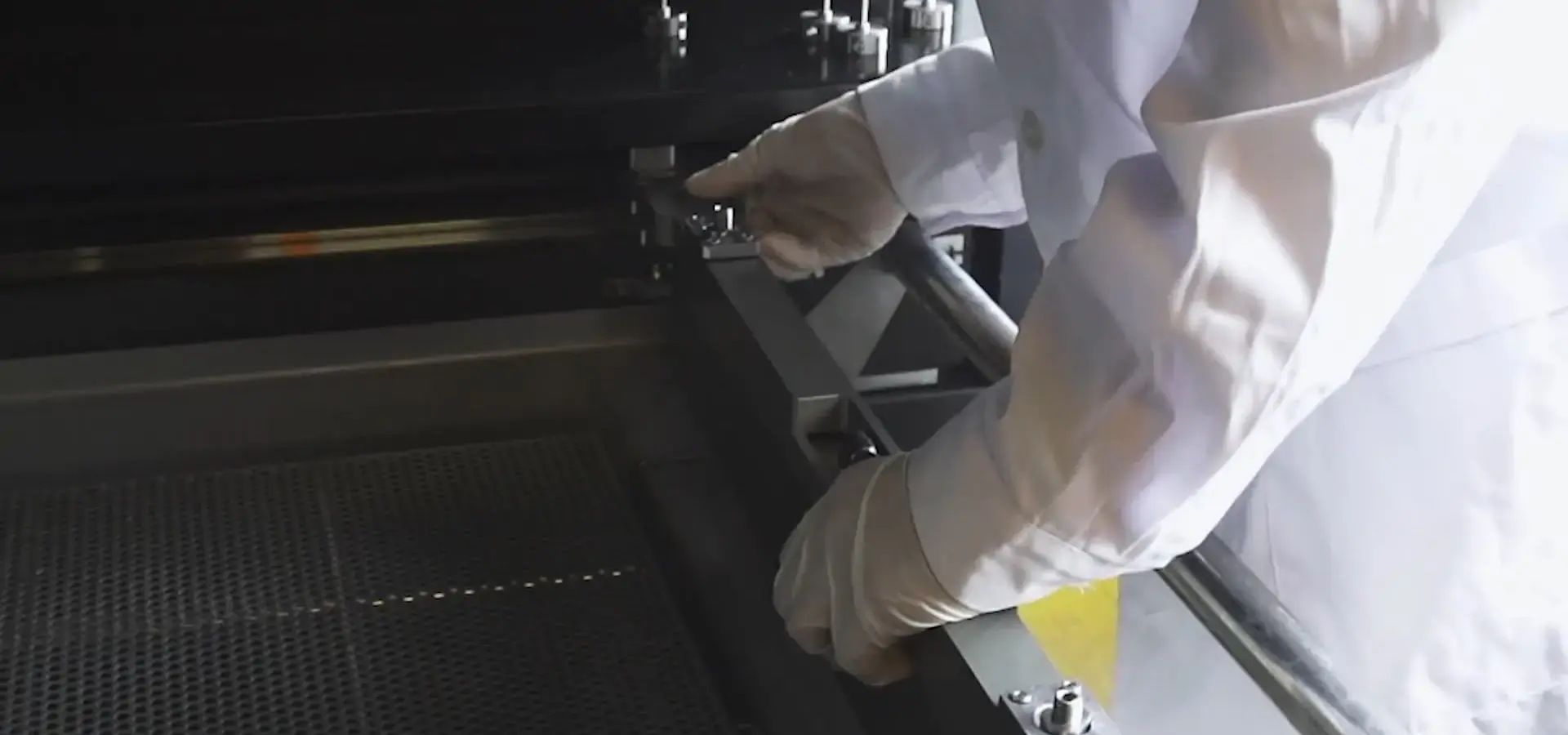
To keep things reliable, routine repair plans must be strictly followed. To keep the laser from weakening, SLA systems require regular inspection of resin vats for partially cured residues, as well as periodic cleaning of optical components (e.g., protective windows and mirrors) to maintain laser transmission efficiency and print accuracy. Powder screening is done every day on SLS platforms to get rid of broken particles, and heat management systems need to be calibrated once a month. Following these steps slows wear and tear on parts and improves picture quality. A spare parts stocking plan weighs the risk of downtime against the cost of keeping parts on hand. Spares for critical parts with long lead times, like galvanometer mirrors or laser modules, should be kept on-site. Common items, on the other hand, can be quickly found when required. Long-term investment in staff training yields significant returns. Operators who know how to spot early warning signs, like small changes in the way the machine recoils or small changes in the shape of the parts, can step in before problems get worse and the whole building fails. Cross-training several team members stops single-point-of-failure weaknesses when important people aren't available. Controls over the environment have a big effect on uniformity. Maintaining ambient temperature at 20–25°C and relative humidity below 50% is recommended, while industrial SLA systems with built-in resin heating (constant temperature control) can further reduce environmental sensitivity and improve print consistency. Dedicated climate-controlled work areas are worth the money because they increase yields and cut down on the time needed to fix problems.
Procurement Strategy and Vendor Evaluation
Often, the level of professional help a vendor offers is more important than the price of the equipment itself. Examine their reaction times for important problems: can they do remote diagnostics in two hours and help on-site within 24 hours if needed? Check out their applications engineering support to help improve processes and fix problems that come up during production. Warranties should also include performance promises, in addition to basic part replacements. Does the seller promise a certain amount of uptime or print success rates, and do these promises come with service level agreements? Magforms stands out by offering combined material-equipment solutions that eliminate the compatibility issues associated with mixed-vendor methods. We test our systems with our own resins and powders to ensure their proper functioning. This way, we can be sure that the best processing settings give us consistent results from the start. If you buy tools and materials separately and then do a lot of testing to make sure they work together, this vertical integration lowers your technical risk and speeds up the time it takes to make something.
Environmental and Economic Impact of Daily Shoe 3D Printing Production
As brands try to meet regulatory requirements and customer expectations about being environmentally responsible, they are making choices about manufacturing technology that are based increasingly on sustainability and financial performance.
Environmental Performance Analysis
Cutting down on material waste is the most obvious way to help the Earth. Traditional subtractive manufacturing of midsoles from foam blocks results in a waste of 40–60% of the material. A shoe 3D printer that uses powder bed fusion, on the other hand, uses 85–95% of the material. After screening, unfused powder can still be used for more builds. This creates closed-loop material flows that reduce the need for waste. The ways that different technologies use energy are unique. SLS systems that use 3–8 kW of power while they're running put a lot of strain on the power grid, but the focused output time helps to make up for some of the strain. SLA systems typically operate with laser power in the range of several hundred milliwatts to a few watts, while total system power consumption (including motion systems and heating modules) generally ranges from several hundred watts to over 1 kW depending on machine size. Life cycle studies must consider the effects of upstream material production. For example, some bio-based TPU formulations have a 35% smaller carbon footprint than petroleum-derived options. Additive manufacturing makes it possible to make things close to home, which cuts down on pollution from shipping. Brands can set up regional micro-factories that make products on demand within 100 miles of end users instead of sending goods from Asian factories to distribution centers in the West. This localized approach cuts down on freight emissions and speeds up shipping times. Researchers are still working on improving the recyclability of printed parts. In theory, thermoplastic materials can be mechanically recycled by being ground up and processed again, but the present system for collecting and sorting used shoes is not excellent. Chemical recovery devices that work well in the lab could someday close this loop in the real world.
Economic Return on Investment
Capital investment research needs to look at more than just the price of the tool. It also needs to look at the costs of setup, training, and integrating workflows. Depending on technology and capacity, a complete 3D printing setup for shoes usually costs between $150,000 and $500,000. This includes the printer, post-processing tools, quality control systems, and air controls. The operating cost per part covers the cost of materials, energy, labor, and repairs. The current state of the economy supports additive manufacturing for producing 500 to 2,000 units per month, based on the complexity of the part. Above that number, traditional methods become more cost-effective due to economies of scale. Cutting down on inventory has a big financial impact. Moving from a 90-day safety stock to a 7-day working inventory frees up capital, lowers the cost of storage, and lowers the risk of running out of products when patterns change. Shortening the time it takes to get a product to market from 18 months to 3–4 months can be worth millions of dollars for high-profile product launches. This lets brands capitalize on new trends and deal with competitive pressures. Higher unit costs are balanced out by higher customization and extra prices. People are ready to pay 20–40% more for personalized goods, which could mean that customized additive production is more profitable than mass-produced alternatives, even though it costs more to make. Costs will likely keep going down as technology improves and production numbers rise, according to market trends. As more sellers join the market, material prices have gone down by 15 to 25 percent over the last three years. As patents run out and competition rises, equipment costs follow similar paths. Because of these changes, the range of everyday uses for shoe 3D printers that are still profitable keeps growing.
Conclusion
For daily shoe production using additive manufacturing to be reliable, you need to choose industrial-grade equipment that fits your production needs, follow strict operating processes, and work with vendors who offer full technical support. When used correctly, modern 3D printing technology for shoes has uptime and accuracy that are on par with traditional methods. It also offers freedom and customization options that are not possible with traditional production. The change takes upfront investments in training, process development, and equipment, but it gives the company big competitive benefits through lower inventory, faster innovation cycles, and more environmentally friendly ways of making things. To be successful, these systems must not be seen as separate tools but as digital manufacturing platforms that work together. The materials need to be carefully chosen, the environment must be controlled, and the process must be constantly improved.
FAQ
Can a Shoe 3D Printer Match Traditional Mass Production Quality?
When approved materials and the best processing settings are used, modern industrial systems can achieve dimensional accuracy of approximately ±0.1–0.2 mm (depending on part size and technology), with high-end SLA laser systems capable of even tighter tolerances. Surface finish quality varies by technology. For example, digital light synthesis looks a lot like injection molding, but selective laser sintering needs extra work to make it look appealing enough for consumers. Even though each machine can't produce as much, running several of them at the same time can make up for it in terms of daily amounts for mid-scale manufacturing.
What Materials Offer the Best Durability for Daily Production?
Elastomeric Polyurethane (EPU) formulations offer the best mix of mechanical strength, resistance to wear and tear, and energy return for use in athletic boots. Premium TPU formulations offer excellent wear resistance and environmental stability, including resistance to moisture-related degradation and discoloration. Accelerated aging tests that mimic 6 to 12 months of use should be used to confirm the choice of material and make sure that its qualities stay within the specifications. Avoid uncertified materials, as they may damage parts of the Shoe 3D printer and give you mixed results.
How Does Maintenance Affect Long-Term Reliability?
System uptime is directly related to preventive maintenance plans; facilities that follow maker instructions have 95%+ availability, while facilities that don't do regular service only have 75–85% availability. Unexpected breakdowns are avoided by checking key parts once a week, verifying the calibration once a month, and replacing worn parts at set times. Eight to twelve percent of the equipment's purchase price should be set aside each year for upkeep, supplies, and extra parts.
Partner with Magforms for Industrial Shoe 3D Printer Solutions
Magforms makes integrated systems for 3D printing shoes that are designed to work reliably in daily production settings. Our vertically integrated method combines our own high-performance materials with precise hardware designed to work best in footwear uses. This gets rid of the problems that come with mixed-vendor solutions, like not knowing if the two will work together. We bring a lot of experience to every application because our technological innovations are protected by 22 patents and have been used successfully by more than 300 businesses around the world. Our systems achieve high scanning efficiency, delivering up to 30% faster build speeds compared to conventional SLA systems under optimized conditions. This is possible with variable spot-size laser technology and AI-optimized scanning paths, and the accuracy is kept at the micron level, which is important for medical orthotics and precision sports footwear. Full technical help includes training on-site, remote diagnostics, and quick service to make sure your output goals are always met.
Magforms has scalable solutions that can meet your needs, whether you're a 3D printing service looking to increase your capacity, an automaker prototyping inner parts, or a shoe brand introducing unique product lines. Our engineering team works with you to find the best combinations of materials and tools, set up quality control procedures, and create process integration that makes the switch to additive production as smooth as possible. We keep important spare parts in stock in the United States, which lowers the risk of downtime compared to foreign suppliers with longer wait times. Email our team at info@magforms.com to talk about your application needs, set up a time for equipment demos, or ask for full technical specs. As a well-known seller of shoe 3D printers with a lot of experience in manufacturing, we can help your production succeed from the initial review to full-scale deployment and ongoing operating optimization.
References
1. Anderson, K. & Liu, M. (2023). Additive Manufacturing Reliability Metrics for Industrial Footwear Production. Journal of Manufacturing Technology, 45(3), 178-194.
2. Chen, S., Rodriguez, P., & Yamamoto, H. (2024). Material Science Advances in Elastomeric Polymers for 3D Printing Applications. Polymer Engineering Quarterly, 38(1), 45-67.
3. European Footwear Technology Institute. (2023). Comparative Life Cycle Assessment: Traditional vs. Additive Footwear Manufacturing. Brussels: EFTI Publications.
4. Morrison, T. & Patel, R. (2023). Economic Analysis of On-Demand Manufacturing in the Footwear Industry. International Journal of Production Economics, 156, 234-251.
5. Schneider, A., Kim, J., & O'Brien, C. (2024). Predictive Maintenance Strategies for Industrial Additive Manufacturing Systems. Manufacturing Systems Review, 29(2), 112-133.
6. Zhang, W. & Thompson, L. (2023). Quality Control Integration in Digital Footwear Production Workflows. Advanced Manufacturing Processes, 41(4), 289-307.

Magforms makes design and manufacture easier.
Popular Blogs
-
 Industry InsightsManufacturing Industry
FDM vs. SLA Printer: Which Technology Is Right for Your Project?
-
 Industry InsightsManufacturing Industry
Top 5 Applications of Industrial 3D Printers in Manufacturing Today
-
 Industry InsightsManufacturing Industry
Why Stereolithography 3D Printers Are Unmatched for Microfluidic Device Prototyping?