What Are the Advantages of Using a Resin Printer?
As a result, industrial SLA resin printers are a critical tool for companies that need to manufacture high-precision parts with consistent quality and minimal surface defects. Vat polymerization technologies such as SLA, along with DLP and LCD variants, are used by these high-resolution additive manufacturing systems to turn liquid photopolymer resins into solid objects, with SLA systems remaining the benchmark for industrial-grade precision and surface quality. Instead of layer lines that can be seen with filament-based printers, resin printing produces surfaces that are like injection molding while keeping tolerances typically ranging from ±0.02–0.05 mm on industrial-grade resin printers, depending on system calibration and material. This makes it essential for industries where sub-millimeter or micron-level accuracy affects both product functionality and regulatory compliance.
Understanding Resin Printing Technology
Light-Curing Fundamentals and Process Mechanics
Photopolymerization is the process by which ultraviolet light sources selectively harden layers of liquid resin. This is how resin printer technology works. In industrial SLA systems, precision-controlled UV laser beams trace each layer with highly accurate galvanometer scanning, enabling superior edge definition and micro-feature reproduction as it traces each layer geometry, while digital projectors are used in DLP systems to flash whole layers at once. While LCD-based systems use masking screens for cost-effective production, industrial SLA systems rely on laser scanning for higher accuracy, smoother surfaces, and better scalability in complex geometries. The process starts with a build platform submerged in a resin vat. As each layer cures and bonds to the one below it, the platform rises gradually. This bottom-up approach ensures strong interlayer bonding, and in SLA systems, the controlled laser exposure further improves surface continuity and dimensional fidelity, resulting in strong interlayer bonding and more uniform mechanical behavior compared to FDM parts. This is a big advantage over FDM parts, which are weak along layer lines. The layer height is usually between 10 and 50 microns, which makes it possible to copy tiny details and complicated shapes that can't be done with extrusion-based methods.
Technology Variants and Their Industrial Applications
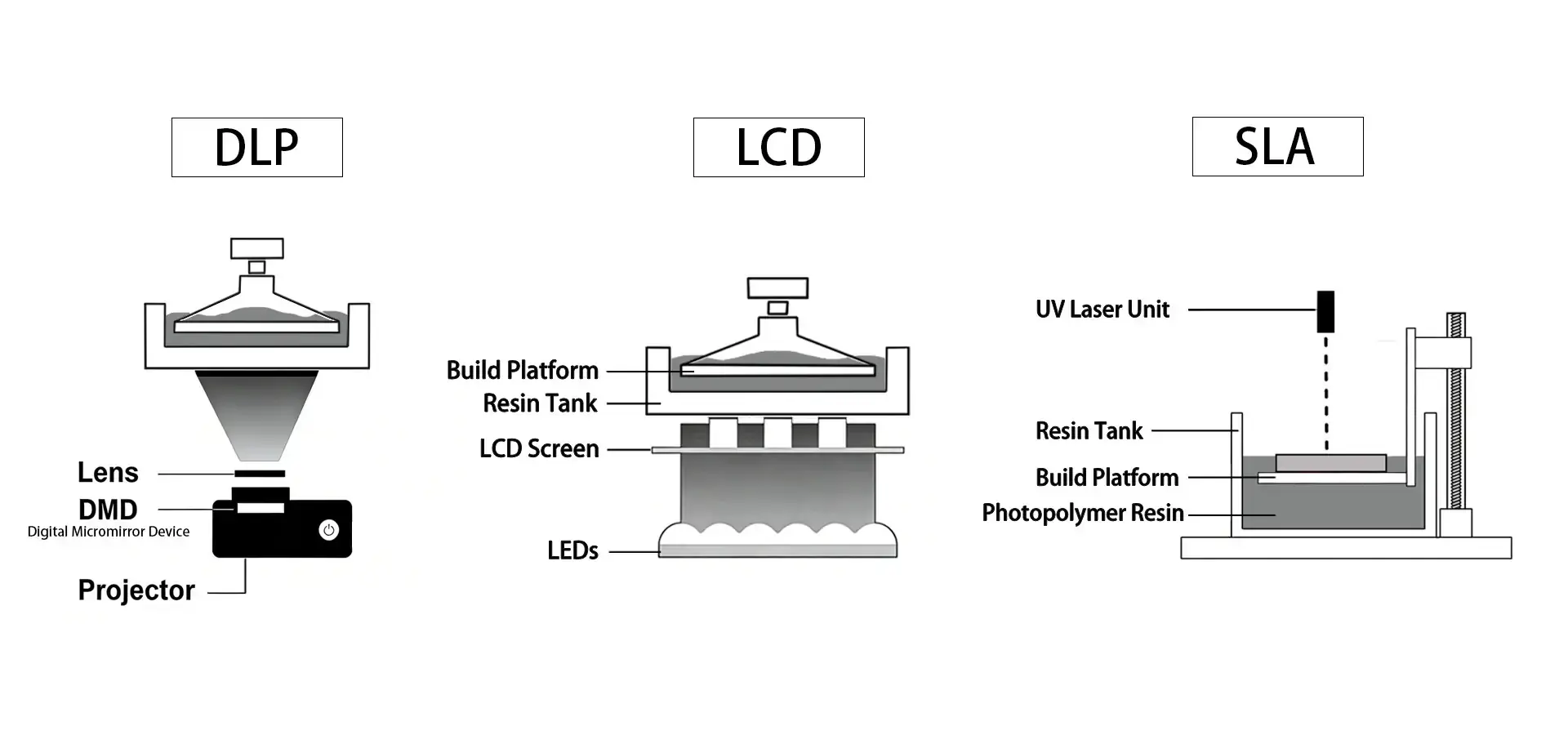
For applications that need absolute dimensional stability and smooth surface finishes, SLA technology is widely regarded as the industrial standard for applications requiring the highest dimensional accuracy, fine detail reproduction, and superior surface finish. When post-processing time needs to be kept to a minimum, these systems work great for medical device prototyping and aerospace component validation. DLP units offer higher throughput by curing entire layers at once, but SLA systems provide greater precision and surface consistency, making them more suitable for aerospace, medical, and high-tolerance engineering applications. This makes them perfect for dental labs that need to print multiple aligners or surgical guides at the same time. LCD-based resin printers have made high-resolution printing more accessible to more people by offering XY resolutions of less than 30 microns at prices that small manufacturing businesses and service bureaus can afford. Each type of technology fixes a different problem in the production process. If your engineering team needs to test complicated internal channels for microfluidic devices, then the high density, low porosity, and optical clarity that Resin printing can provide become must-haves that filament methods just can't meet.
Material Science Considerations for B2B Applications
These days, photopolymer resins are much more than just gray prototyping materials. There are now engineering-grade formulations that can withstand elevated temperatures, making them suitable for tooling validation, under-hood automotive testing, and aerospace prototyping, under-hood automotive testing, and aerospace prototyping, flexible resins that act like thermoplastic elastomers, and materials that can be cast but burn out completely during investment casting processes. Because it can print on so many different materials, the resin printer can go from being a tool for prototyping to a system for low-volume production, high-value manufacturing, and functional prototyping, where precision outweighs volume. Biocompatible resins approved for long-term contact with the skin or short-term use inside the mouth have made the dental and medical markets open to additive manufacturing. Tough resins with impact resistance similar to ABS are used in automotive applications, and clear formulations let you test the functionality of optical parts. When choosing equipment for multi-application manufacturing environments, where a single platform has to meet a wide range of production needs, it's important to know about these material properties.
Core Advantages of Using Resin Printers in B2B Applications
Superior Surface Quality and Dimensional Precision
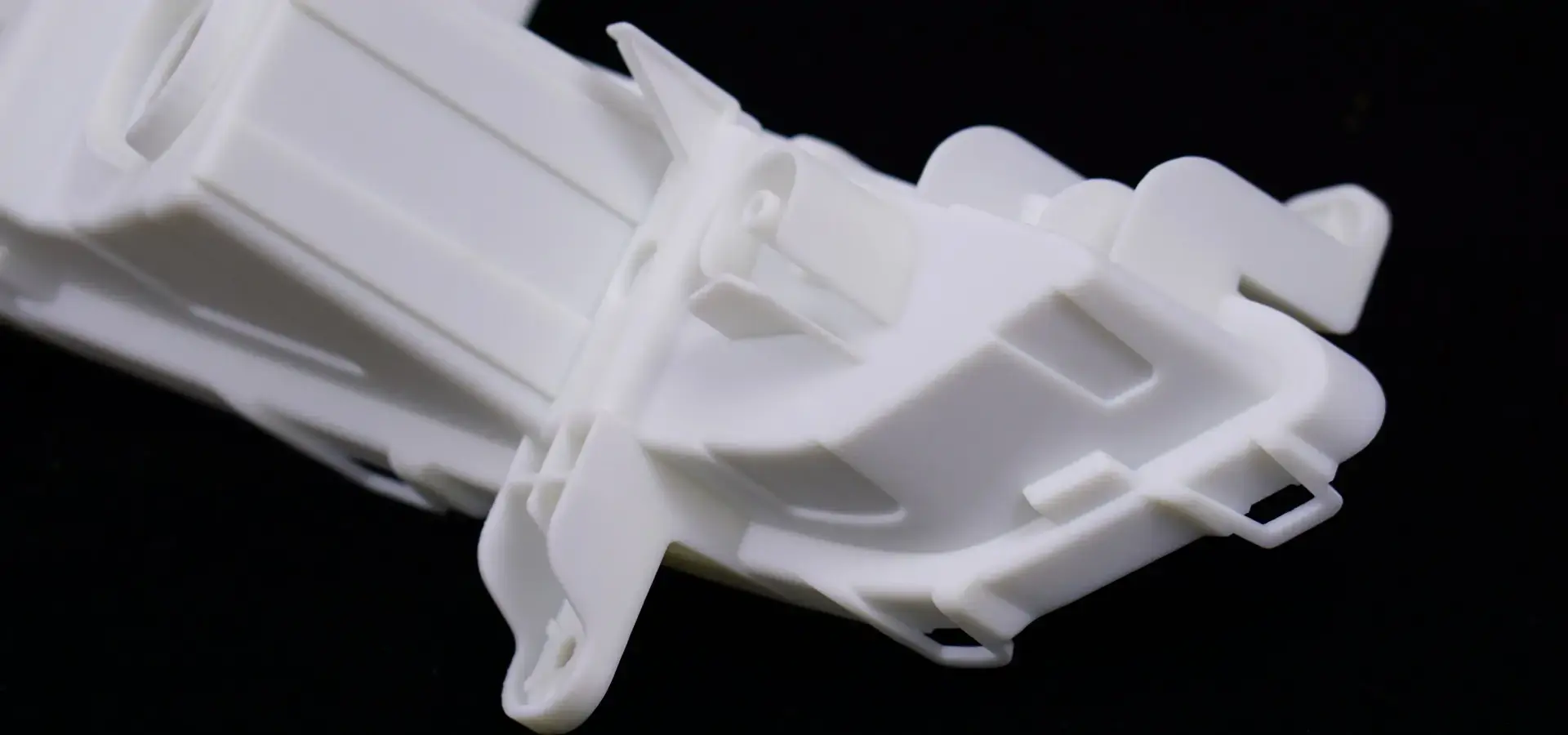
The main benefit that makes precision industries want to use resin printers is that they get rid of visible layer artifacts. In order to get a good surface quality on FDM parts, a lot of sanding and finishing is needed. But after curing, resin-printed parts have surface roughness values typically in the range of Ra 2–10 µm, depending on process settings and post-processing. Compared to filament printing workflows, this feature alone cuts the cost of finishing labor by 60–70%. Accuracy in measurements is another important factor. From working with companies that make aerospace parts, we know that resin printing can achieve ±25–50 microns under controlled industrial conditions for build volumes bigger than 200 mm cubed. This accuracy is largely driven by non-contact laser curing in SLA systems, which minimizes mechanical disturbance during printing. This means that mechanical forces don't change the shape of the part while it's being made, and problems with thermal expansion that happen in heated nozzle systems don't matter. This dimensional consistency directly leads to fewer iteration cycles and a faster time-to-market when prototype parts need to work with production tools or go through metrology validation. It is important to pay close attention to the isotropic strength characteristics of resin-printed parts. Chemical bonding between layers results in more uniform mechanical properties, though not fully isotropic. This gets rid of the weak Z-axis performance that makes FDM parts less useful. It is now possible to test the functionality of snap-fit assemblies, threaded connections, and load-bearing structures. This means that printed parts can be used for more than just visual mockups and can also be used to confirm their performance.
Versatile Material Selection for Industry-Specific Requirements
Because resin printing can be used with a wide range of materials, it can be used for a lot more than just prototyping. Modern industrial resin printers can use materials from other companies, or they can offer integrated solutions like those made by specialized companies. These solutions take advantage of highly optimized material-hardware synergies that get rid of the compatibility problems that come up when working with materials from more than one vendor. Using biocompatible resins, dental labs make surgical guides, aligner models, and temporary crowns that are safe for patients and meet regulatory standards. Jewelry casting shops use castable resins with no ash that vaporize cleanly during burnout to make sure the metal casts are perfect. For functional testing of interior parts and snap-fit assemblies, automotive engineers call for tough, impact-resistant formulations. Different uses need different material qualities, like resistance to chemicals, ability to withstand high temperatures, flexibility, or optical clarity. Specialized resin formulations meet these needs. The advantage in this case goes beyond the availability of materials to include the total cost of ownership. Integrated material-equipment ecosystems get rid of the size differences and printing problems that come from using materials that don't work well with each other. When resin chemistry and printer exposure profiles are created together, manufacturers get fewer failed prints, less wasted material, and hardware that lasts longer. These operational efficiencies add up over thousands of print hours, which has a big effect on service providers with small profit margins.
Operational Efficiency and Maintenance Simplicity
Maintenance needs have a direct effect on productive uptime, which is a key metric that operations managers use to judge the value of equipment investments. Because Resin printing systems have fewer moving parts than filament extruders, they require less maintenance due to wear and tear. Post-processing workflows need solvent washing and UV curing steps, but they can be made more efficient by choosing the right tools. Automated washing stations and UV curing chambers cut down on the amount of work that needs to be done and make sure that the properties of each part are the same from batch to batch. Post-processing needs that are predictable make it possible to accurately cost and schedule jobs. This is in contrast to FDM parts, whose finishing needs are variable and make project estimation more difficult. Resin printing technology also uses less energy than filament printing because it doesn't need heated beds or extruders. This is especially true for LCD-based systems where LED light sources use very little power. When factories use multi-machine arrays to increase production, they save a lot of energy, which helps the company's sustainability efforts and saves money at the same time.
Resin Printers vs. Other 3D Printing Technologies: Making the Right Choice
Comparative Analysis with FDM Technology
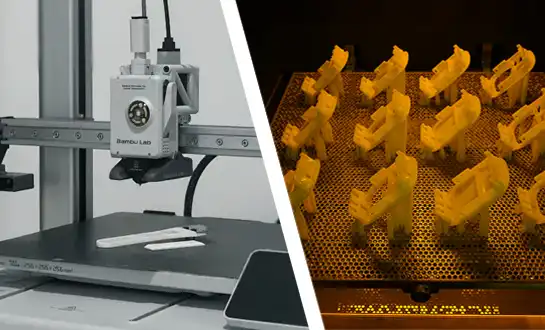
Filament-based printing is suitable for large, low-cost parts, whereas industrial SLA systems excel in high-precision, fine-detail, and surface-critical applications. It saves money on materials and is easy to use. Adoption of FDM is still driven by educational institutions and hobbyist markets, but professional applications are showing the technology's limits more and more. The resolution gap between technologies has a direct effect on how well they work with certain applications. With pixel-level exposure control, resin printers can get an XY resolution below 30 microns. FDM nozzle diameters are typically between 200–600 microns (0.2–0.6 mm). This tenfold precision advantage shows up in part details: fine text can still be read on resin-printed parts, but it has to be much bigger on FDM parts for it to be readable. When Resin printing, threads, mating surfaces, and precision holes stay true to size, but when FDM printing them, they often need to be machined afterward. The properties of materials also vary a lot. FDM parts behave predictably: they are strong along layer planes but can delaminate when loads are applied perpendicularly. The isotropic properties of resin-printed parts are more like those of injection-molded parts. This mechanical uniformity leads to more accurate performance data when prototypes are put through real-world stress tests during functional testing.
Distinguishing Between SLA and DLP Approaches
When it comes to resin printing technology, procurement teams need to decide whether laser-based SLA or projector-based DLP will work better for their needs. Continuous laser scanning in industrial SLA systems enables consistent resolution across the entire build platform, independent of build size, which contributes to improved surface finish and consistency. With galvanometer-controlled laser positioning, you can be very precise, and you can also make larger builds without losing resolution. In contrast, DLP systems may experience pixel scaling limitations as the build size increases, affecting uniform detail resolution. On the other hand, DLP technology is faster for smaller parts because it cures whole layers at once instead of tracing geometries one at a time. This parallel processing feature is helpful for dental labs that make a lot of units at once. The separate pixels in DLP imaging can cause small "voxel" artifacts on curved surfaces, but modern high-resolution projectors make this effect less noticeable. Material compatibility is also a little different, with some specialty resins being better at working with DLP because of the way it exposes light. Instead of using hypothetical performance metrics, technical directors should compare these differences to real production needs. SLA flexibility is good for a service bureau that works on a variety of projects for different clients. On the other hand, DLP specialization could help a dental lab that makes standard aligners cut costs. Neither approach is a one-size-fits-all answer; the key to successful procurement is matching the features of technology to the needs of the workflow.
Critical Procurement Specifications
When evaluating equipment, resolution specifications need to be carefully interpreted. Manufacturers may list an XY resolution based on the optical system's capabilities, but the actual resolution that can be reached depends on the resin's chemistry, the time of exposure, and how stable the environment is. Requesting sample parts that are similar to the ones that will be used is a more reliable way to evaluate something than just looking at the specification sheets. When thinking about build volume, you have to think about support structures and how the parts need to be oriented. Advertised build dimensions rarely match usable part dimensions, especially for shapes that need a lot of support scaffolding. By knowing how part complexity affects support needs, you can avoid buying equipment that is too small, even if it looks fine on paper but isn't useful in real life. Material compatibility policies should be carefully reviewed. In theory, open-system resin printers can use third-party materials, but using them may void warranties or give mixed results because the exposure profiles aren't calibrated. Closed ecosystems that offer combined material and hardware solutions get rid of the guesswork about compatibility, but they might make it harder to save money by giving you less control over where to get materials. The real economic effects of these approaches can be seen by looking at the total ownership costs over the equipment's lifetime instead of just the initial purchase price.
Optimizing Resin Printer Procurement for B2B Clients
Equipment Ecosystem and Brand Considerations
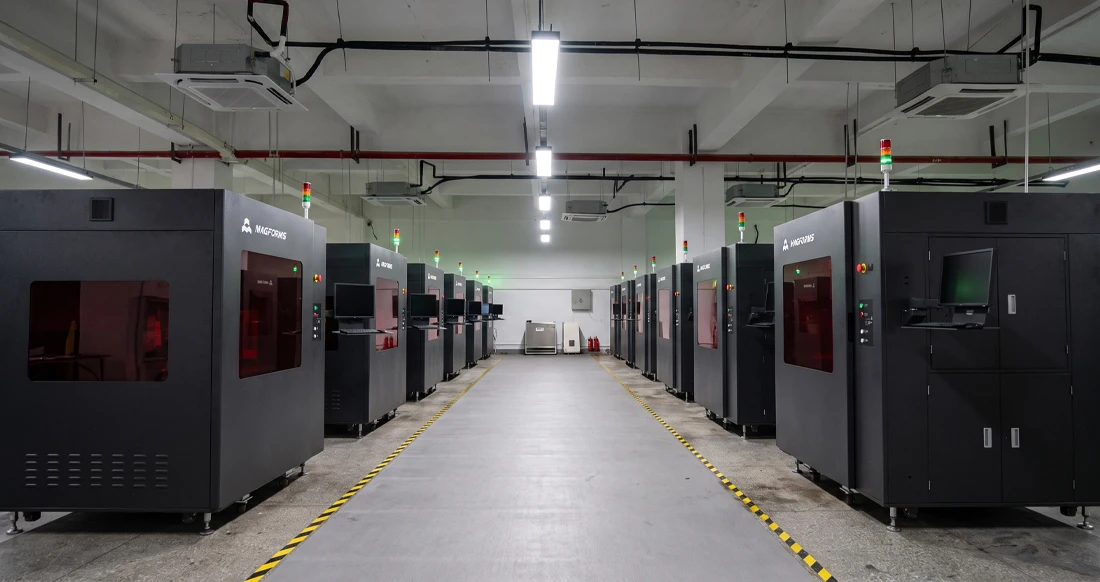
There are well-known companies in the industrial SLA and resin printing market that offer different value propositions. Formlabs made a name for itself by offering professional users who are willing to spend money on turnkey, reliable software ecosystems that work together. Anycubic and Elegoo cater to price-conscious customers with competitive hardware specs, but their material ecosystems and software improvements may not be as good as those of premium brands. Creality targets a wide range of customers by providing entry-level units for small businesses and industrial-grade systems for large-scale production. Aside from these mass-market brands, specialized manufacturers like Magforms set themselves apart by developing materials and equipment together, which gets rid of problems with compatibility. Users have fewer failed prints and more predictable results when material formulation and printer exposure calibration happen at the same time during unified development. This integration helps operations that do a lot of things because cumulative failure rates have a direct effect on profits. Magforms has a lot of technical know-how when it comes to fixing problems with dimensional deviation and reliability that happen in setups with more than one vendor. They have 22 patents and 30 registered trademarks to show this. To evaluate brands, you have to look at their whole support ecosystems, not just their hardware specs. When production schedules depend on equipment being up and running all the time, quick technical support is a must. Long-term ownership experience is affected by how often software is updated, how often new features are released, and how many community knowledge resources are available. When comparing options, operations managers should think about these things along with the price of the item.
Application-Specific Equipment Matching
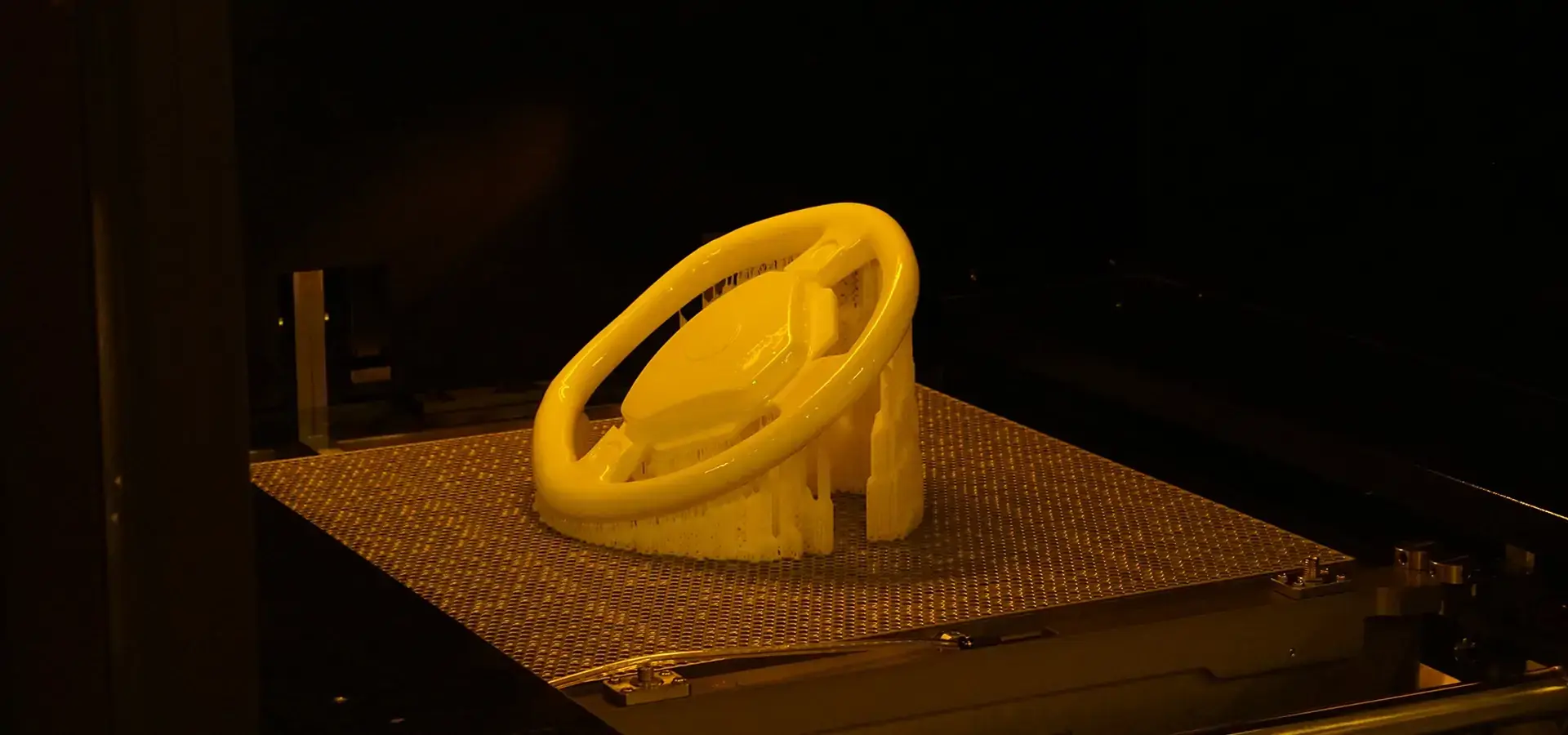
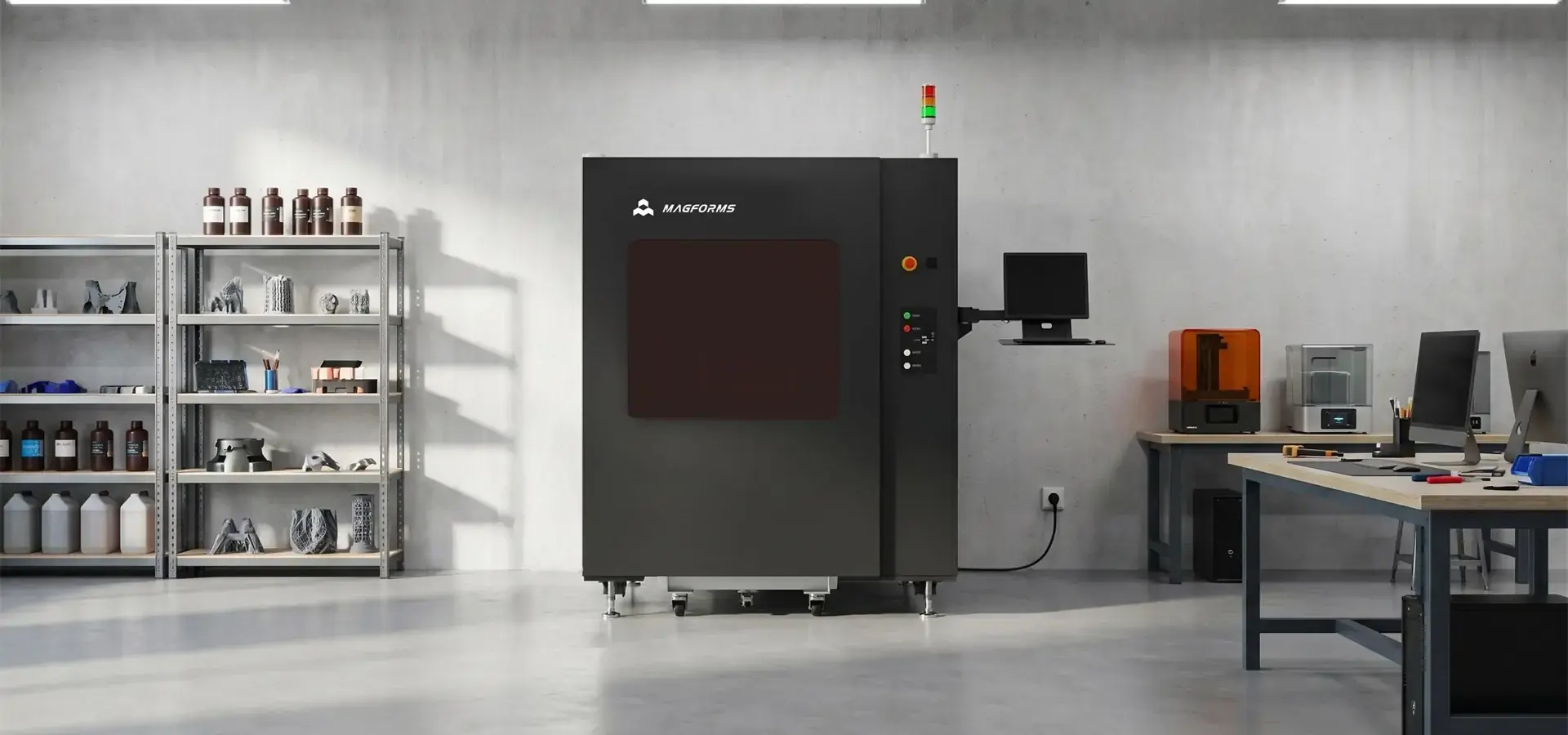
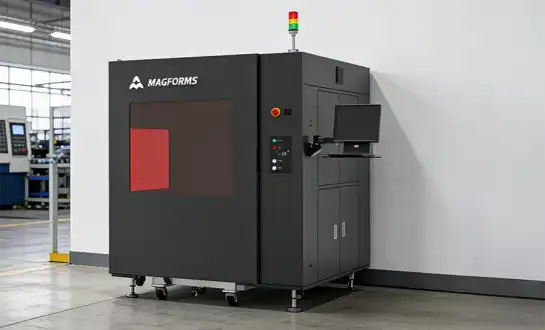
For dental uses, biocompatible materials need to be certified, and batch production needs to be done quickly. Lab throughput is improved by systems that have built platforms that can hold 15 to 20 aligner models or surgical guide sets. For automotive prototyping, you need strong engineering resins and enough build volume to make dashboard parts or headlight assemblies. When casting jewelry, ultra-high resolution below 25 microns and compatibility with materials that can be cast without ash are the most important things. Different equipment profiles are best for each type of application. As a first step, a new service bureau might choose mid-range LCD systems for flexibility, while industrial SLA platforms are preferred when precision, repeatability, and regulatory compliance are critical. These systems can work with a wide range of materials and have moderate build volumes. This would give them flexibility for a variety of client projects while keeping their capital in check. Established dental labs that make a lot of the same thing can benefit from specialized systems that are designed to work with dental workflows. These systems can be more expensive at first, but they are worth it because they improve throughput and reduce material waste. Companies that make functional end-use parts or need to make a lot of smaller parts can use large-format industrial systems like the SL600 and SL800 models. These platforms have heated build chambers that keep the resin's viscosity at the right level, automated material handling, and advanced peel mechanisms that lower the forces needed to separate large cross-sections. A careful ROI analysis is needed for the large capital investment, but it can completely change how companies make things if they are currently outsourcing additive production.
Consumables Management and Operational Planning
The total cost of owning an item includes more than just the price of buying it. It also includes things like repairs, replacement parts, and materials. In LCD-based systems, LCD masking screens need to be replaced every 500 to 1000 build hours, but this depends on how much they are used and the type of resin used. FEP or nFEP release films separate the cured part from the vat bottom. These films break down over time when they are peeled off, so they need to be replaced every so often. Including these ongoing costs in operational budgets helps keep cash flow stable by avoiding unexpected costs. To model material consumption, you need to know about the geometry of the part, the needs of the support structure, and the vat fill levels. Because of supports and vat minimum-fill requirements, the actual amount of resin used is usually 40–60% higher than the theoretical part volume. Buying materials in bulk can cut costs per liter by 30 to 40 percent, but only if the amount of production is high enough to justify the investment in inventory and the materials are stored in a way that keeps their shelf life. Even though the unit costs are higher, small businesses may be able to get the most out of just-in-time material ordering. Ultrasonic washing stations, UV post-curing chambers, air filtration systems, and IPA recycling units are examples of extra equipment that cost more but make work much more efficient and meet regulations. When figuring out ROI, you need to compare the cost of equipment to the time saved by automated post-processing. A $2,000 washing station that cuts the time it takes to clean by hand by 30 minutes per build batch pays for itself very quickly in saved labor hours over hundreds of builds each year.
Return on Investment Framework
When doing an ROI analysis, you need to weigh the costs of resin printing against other ways of making things that do the same job. When prototypes that are currently sent to service bureaus for $300 to $500 each can be made in-house for $30 to $50 in materials and labor, equipment payback periods often shorten to 6 to 12 months, even when full capital costs are taken into account. The analysis is stronger when iteration acceleration is taken into account, which means that design changes can be made overnight instead of having to wait days for an outside vendor to respond. For production uses, it's important to do a more thorough comparison of the costs of each part between traditional methods and additive manufacturing. Dental labs that make aligner models for $8 in materials and 45 minutes of labor can compete with outside scanning services that charge $40 to $60 per unit. Small-batch injection mold alternatives that need $5,000 to $15,000 for tooling investments make resin printing more cost-effective for production runs below 500 units, even when the cost of materials per part is higher than for molded alternatives. Increasing productivity and cutting down on waste are important but often overlooked ROI factors. Cutting prototype iteration cycles from weeks to days speeds up time-to-market, which gives competitors advantages that are hard to measure in terms of money but very important from a strategic point of view. In resin printing, support structures and vat residue account for only 15 to 20 percent of the material that is wasted. This is less than the 60 to 80 percent of stock material that is wasted in CNC machining. These gains in efficiency add up across an organization's operations, which is why it's worth spending more on high-quality equipment that is more reliable and less likely to break down.
Future Outlook and Strategic Benefits of Adopting Resin Printing Technology
Emerging Material Innovations
Next-generation photopolymer resins get around the problems with current technology while opening up whole new areas of use. High-elongation flexible materials can now stretch by 300% or more without tearing, which is similar to the properties of silicone rubber for prototyping gaskets and seals. Ceramic-filled resins can withstand sintering processes to make real ceramic parts that are resistant to heat and chemicals in a way that polymer materials can't. Printed circuit prototyping and electromagnetic shielding can be done with conductive formulations that contain carbon nanotubes. As more biocompatible materials are made, their medical uses continue to grow. Long-lasting implantable resins that are going through ISO 10993 certification tests will make it possible to print surgical implants that are specific to each patient on demand. In dental and wound care, silver nanoparticles are used in antimicrobial mixtures that help fight infections. With these special materials, additive manufacturing can go from being used for prototypes to being used for production in regulated industries. In five years, the path shows that material libraries will have as much variety as thermoplastic injection molding. Companies that start resin printing now will be able to take advantage of these new opportunities as materials move from being experimental to being ready for production. Waiting for "complete" technology maturity is not an option because it puts you at a competitive disadvantage, as quick competitors use early capabilities to seize new opportunities.
Equipment Capability Advancement
The main goal of hardware evolution is to get around the problems that exist with current build speed, volume, and automation. Some shapes can be printed 10 times faster with continuous printing methods that do away with the layer-by-layer stop-and-start cycle. Large-format systems that can now build up to 500mm cubes of space make it possible to make furniture parts, auto body panels, and other things that were previously limited by size. Printing parameters are changed automatically by AI-driven exposure optimization based on geometry analysis. This cuts down on failed prints caused by operator error. Automated material handling systems are now being used in industrial systems. They get rid of the need for manual resin filling and vat cleaning, which means that operators don't have to do as much work during part removal and post-processing. Network connectivity and cloud slicing platforms let you submit jobs and keep an eye on them from afar. This supports distributed manufacturing models in which design teams in one place serve production facilities that are spread out geographically. These improvements to workflow make it easier for people who aren't experts in additive manufacturing to use the technology. This makes it easier for companies that don't have dedicated additive manufacturing specialists to start using it. Another important step forward is the direct integration of inspection and metrology systems into printing platforms. Embedded cameras and sensors allow for real-time defect detection and adaptive parameter adjustment during the manufacturing process. Post-print dimensional verification using integrated structured-light scanning automates quality control steps that used to need separate measuring tools and inspection by hand. When additive manufacturing moves from prototyping to production, where quality documentation and traceability are needed to meet government standards, these features become very important.
Strategic Portfolio Differentiation
When service providers and original equipment manufacturers (OEMs) use Resin printing, they can set themselves apart by offering more products and faster delivery times. Being able to make complex geometries that can't be done with traditional methods creates competitive moats that can be used to protect against low-cost offshore competitors that can only use traditional methods. Additive technologies make it possible for high-margin services like custom medical devices, personalized consumer goods, and quick prototype iterations. When companies add resin printing to their development processes, they become less reliant on outside companies to make prototypes, and they can make iterations go faster. In addition to saving money, this strategy also protects intellectual property by keeping sensitive designs inside the company instead of giving them to outside service providers who might work for competitors. Iteration works better for development teams that get immediate physical feedback than for teams that have to wait a week for feedback from outside vendors. Distributors and resellers who work with 3D printing are benefiting from the fact that more and more industries are adopting the technology. As more dental labs, auto suppliers, aerospace manufacturers, and consumer electronics companies use resin printing, the need for more tools, materials, and experts grows. By becoming trusted experts in helping people choose and use technology, you can make a lot of money through relationships with suppliers and ongoing technical support services, in addition to the one-time sale of equipment.
Sustainability and Efficiency Advantages
As companies try to meet their carbon reduction goals and follow the principles of the circular economy, environmental concerns are becoming more important when choosing manufacturing technologies. When compared to subtractive manufacturing methods, Resin printing has big environmental benefits. Material waste is only 20-50% on average, compared to 60–80% for CNC machining. This directly cuts down on the amount of raw materials used and the cost of disposal. Additive methods usually win when it comes to energy consumption per part, especially when complex geometries would take a long time to machine. By getting rid of prototype and small-batch tools, steel and aluminum waste from old molds and fixtures is kept to a minimum. At the moment, photopolymer resins are harder to recycle than thermoplastics, but new bio-based formulations and chemical recycling methods look like they will make the technology more environmentally friendly as it develops. Distributed manufacturing, which is made possible by easy-to-find resin printing technology, lowers emissions related to transportation by making parts close to where they are used instead of concentrating production in faraway factories. By setting up regional production nodes with resin printers, companies can meet local demand without having to ship goods overnight from faraway warehouses. This helps with both environmental goals and customer satisfaction goals.
Conclusion
There are strategic benefits to resin printing technology that go far beyond comparing print quality and resolution on the surface. When companies are thinking about investing in additive manufacturing, they should keep in mind that these systems are more like production platforms than prototyping tools. This is especially true as material science advances allow functional end-use applications in the medical, automotive, aerospace, and consumer goods sectors. Integrating materials and equipment through specialized manufacturers gets rid of concerns about compatibility while providing the higher reliability that is needed in production settings. As the technology gets better and more materials are added to libraries, early adopters gain competitive advantages in design flexibility, time-to-market, and manufacturing agility. These advantages directly affect where they stand in the market and how much money they make.
FAQ
What industries benefit most from resin printing adoption?
The dental and medical fields are the first to adopt because biocompatible materials are easy to find, and patients expect personalized care. Jewelry makers use ultra-high resolution for investment casting and designs with a lot of small details. The technology is used by engineering teams in the aerospace and automotive industries to make quick prototypes of complicated parts that need to fit together perfectly. Consumer electronics companies like short iteration cycles that keep up with how quickly products change, and creative and cultural businesses like the design freedom that lets them use complex organic shapes.
How does resin printing compare cost-wise to traditional manufacturing?
Resin printing is in the middle ground between hobbyist FDM units and professional CNC equipment, with initial equipment costs ranging from $3,000 for e
What technical expertise is required to operate resin printing systems effectively?
Modern systems with intuitive software interfaces enable productive operation with 2-3 days of focused training for technically inclined staff. Understanding support structure generation, orientation optimization, and post-processing workflows represents the primary learning curve. Organizations lacking internal expertise can partner with equipment suppliers offering technical training programs and ongoing support, reducing the knowledge barriers that historically constrained additive manufacturing adoption.
Partner with Magforms for Integrated Resin Printing Solutions
Magforms delivers comprehensively engineered resin printer systems backed by years of industry expertise and validated through 300+ enterprise deployments globally. Our integrated approach eliminates the compatibility challenges plaguing multi-vendor setups by co-developing materials and hardware through unified engineering processes, resulting in 30%+ speed improvements and significantly reduced failure rates compared to industry averages. The technical support team provides responsive assistance addressing production challenges, software optimization, and application-specific guidance that transforms equipment purchases into long-term manufacturing partnerships. Whether your operation requires dental-grade biocompatible systems, large-format industrial platforms, or versatile mid-tier units serving diverse applications, our portfolio spans the capability spectrum while maintaining the precision and stability demanded by professional manufacturing environments. Contact our team at info@magforms.com to discuss how our resin printer solutions can address your specific production requirements and explore how partnerships with established manufacturers and suppliers ensure reliable material sourcing and technical support throughout equipment lifecycles.
References
1. Gibson, I., Rosen, D., & Stucker, B. (2021). Additive Manufacturing Technologies: 3D Printing, Rapid Prototyping, and Direct Digital Manufacturing, Third Edition. Springer Publishing.
2. Ligon, S. C., Liska, R., Stampfl, J., Gurr, M., & Mülhaupt, R. (2017). Polymers for 3D Printing and Customized Additive Manufacturing. Chemical Reviews, 117(15), 10212-10290.
3. Stansbury, J. W., & Idacavage, M. J. (2016). 3D Printing with Polymers: Challenges among Expanding Options and Opportunities. Dental Materials, 32(1), 54-64.
4. Mele, M., Campana, G., & Monti, G. L. (2020). Modeling of the Capillarity Effect in Multi-Jet Fusion Technology. Additive Manufacturing, 33, 101121.
5. Quan, H., Zhang, T., Xu, H., Luo, S., Nie, J., & Zhu, X. (2020). Photo-curing 3D printing technique and its challenges. Bioactive Materials, 5(1), 110-115.
6. Tofail, S. A., Koumoulos, E. P., Bandyopadhyay, A., Bose, S., O'Donoghue, L., & Charitidis, C. (2018). Additive Manufacturing: Scientific and Technological Challenges, Market Uptake, and Opportunities. Materials Today, 21(1), 22-37.

Magforms makes design and manufacture easier.
Popular Blogs
-
 Industry InsightsManufacturing Industry
FDM vs. SLA Printer: Which Technology Is Right for Your Project?
-
 Industry InsightsManufacturing Industry
Top 5 Applications of Industrial 3D Printers in Manufacturing Today
-
 Industry InsightsManufacturing Industry
Why Stereolithography 3D Printers Are Unmatched for Microfluidic Device Prototyping?