How to Optimize Prints on a High Resolution 3D Printer?
To get the best results from a high-resolution 3D printer, you need to pay attention to measurements, choose the right material, control the surroundings, and perform post-processing. Tuning an LCD printer correctly guarantees micron-level accuracy and smooth surface finishes, which are crucial for industrial applications — especially when balancing cost efficiency with high throughput. Fixing issues with printer setup, slicing settings, and resin handling has a direct effect on repeatability and lowers the number of mistakes in batch output.
Introduction
High resolution 3D printers have gone from being a niche tool for prototyping to a production must-have in the medical, consumer goods, aerospace, and automobile industries. B2B procurement workers are under more and more pressure to deliver items with tight tolerances while keeping costs low and wasting as little material as possible. Getting the best prints from these high-tech machines affects how quickly and well your parts are made and your market competitiveness.
Our team has worked with factories all over North America to implement printing optimization methods that improve accuracy and reduced failure rates by up to 40% based on internal field implementation data across multiple industrial deployments. We've found common problems by working directly with technical directors and production managers: layers that don't stick together properly, resin that breaks down too quickly, and support structure failures that throw off production plans. This guide talks about these problems and gives real-life examples of how to solve them. It equips decision-makers with the necessary tools to maximize their investments in additive manufacturing.
Understanding High Resolution 3D Printing: Key Concepts & Benefits
Defining High Resolution in Additive Manufacturing
Among high-resolution technologies, LCD-based masked stereolithography (mSLA) printers typically achieve XY resolutions of ~35–50 microns with many systems reaching sub-35 micron performance, and layer heights of 10–50 microns — offering an exceptional balance of detail, speed, and cost. Standard FDM systems generally operate at lower resolution (typically 100–300 microns in XY positioning and 50–300 microns in layer height), while laser-based SLA and DLP provide alternative high-resolution paths but often at higher equipment or maintenance costs. All resin-based processes — SLA, DLP, and mSLA — use light-activated polymerization to solidify photopolymer resins layer by layer, as defined by ISO/ASTM 52900, though LCD systems uniquely cure an entire layer simultaneously using a UV LED array masked by a high-resolution LCD screen. This parallel curing gives mSLA a distinct productivity advantage in many production workflows, while dimensional accuracy ultimately depends on system calibration, material behavior, and process control.
Core Technologies and Their Industrial Applications
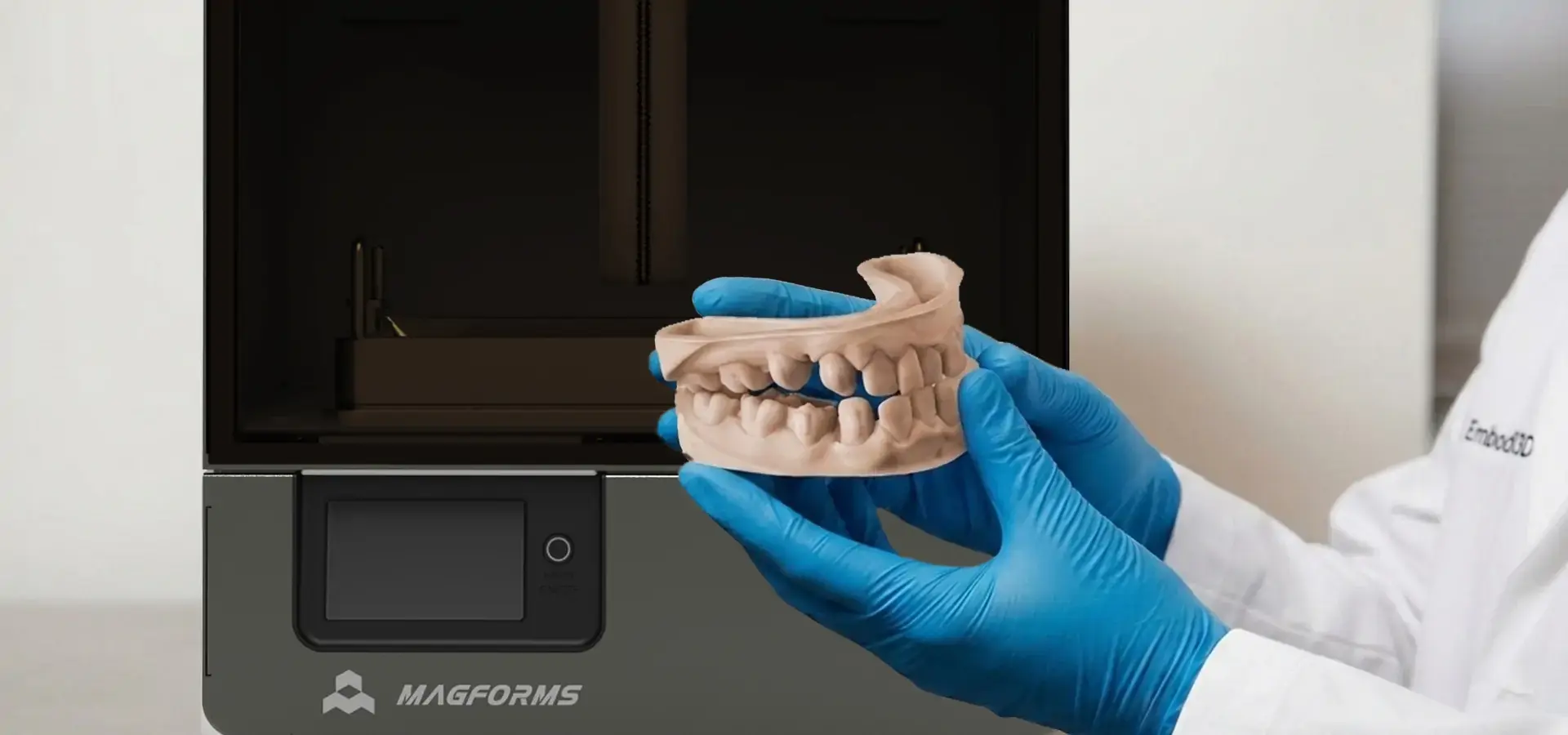
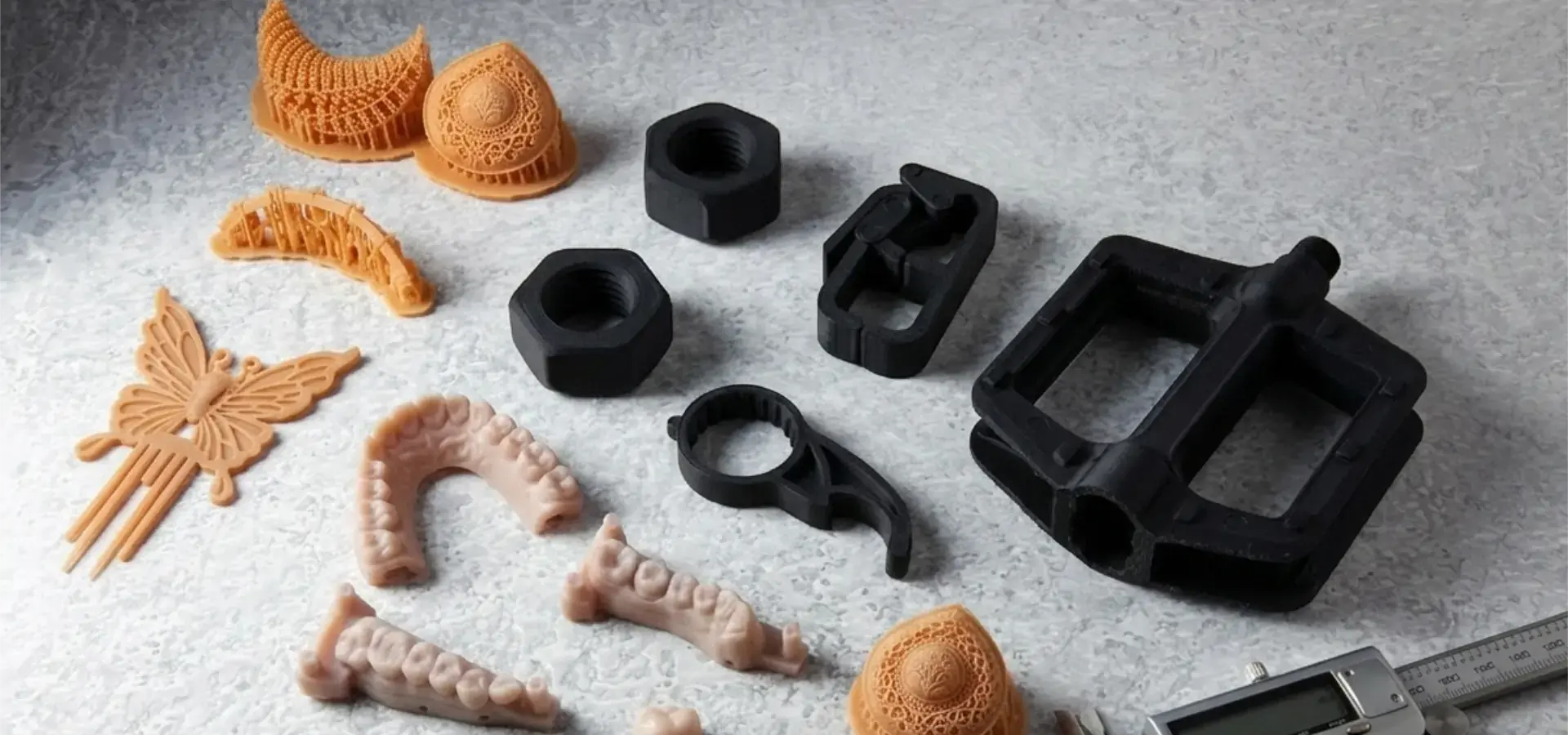
SLA systems use a focused laser beam to trace each layer, providing dental models and jewelry masters with a high level of detail. DLP printers use a digital micromirror device (DMD) to project an entire layer simultaneously, offering high speed with consistent pixel-based resolution, which speeds up production and makes it possible to make a lot of hearing aid shells and dental braces at once. MSLA, specifically LCD-based masked stereolithography, uses an LCD screen to selectively mask a UV LED array, curing an entire layer at once — just like DLP — but at a significantly lower hardware cost. While LCD panels are subject to gradual UV degradation and may show minor light uniformity differences compared to DLP’s digital micromirror device, modern monochrome LCDs with improved transmission rates and longer lifespans have dramatically narrowed this gap. This makes LCD printers the preferred solution for a wide range of applications, from small-batch custom tooling and prototype testing of aerospace connectors to volume production of dental models, hearing aid shells, and consumer electronics housings. The materials go beyond standard resins to include engineering photopolymers with HDTs exceeding 150–200°C, clear optical resins, and biocompatible formulations (certified to ISO 10993 where required), making mSLA a versatile industrial platform. The printer and material's collaboration directly influences the mechanical performance and surface quality of the final parts.
Business Impact of Precision Printing
Achieving accuracy at the micron level eliminates the need for additional machining processes. This cuts wait times from weeks to days. Automakers leverage LCD printers to rapidly iterate interior trim components, shortening R&D cycles for niche vehicle models while keeping per-part costs low through simultaneous multi-part printing. Medical device makers need repeated accuracy within ±30 microns to make sure that implants fit correctly in each patient, which lowers the risk of problems during surgery. Ash-free burnout is important for jewelry investment casting centers that want to keep fine filigree details when casting metal.
Common Challenges in Achieving Optimal High-Resolution Prints and How to Solve Them
Layer Adhesion Failures and Warping Issues
Delamination or cracking during post-curing is a sign of poor interlayer bonding, typically caused by insufficient exposure energy, excessive peel forces, improper support design, or contaminated resin. Warping occurs when internal stresses build up during the printing process, typically due to uneven curing shrinkage, temperature gradients, and mechanical peel forces—especially in parts with large cross-sectional areas. These flaws can be fixed by keeping the temperature stable between 22°C and 25°C and making sure that light is spread evenly across the build plate.
Calibration and Mechanical Stability Requirements
Z-axis wobble causes layer mismatch, which worsens as the build height increases. This results in parts with physical drift that is too big for tolerance. Entry-level LCD printers commonly use a single linear rail or lead-screw-driven Z-axis with cantilevered build platforms, which can introduce wobble at taller build heights if not properly constrained. Well-designed LCD systems can still maintain layer placement precision within a few microns through rigid frame construction, quality linear motion components, and optimized motion control algorithms. In any system, build platform leveling must be verified before every production run—even a 0.05mm deviation can compromise first-layer adhesion and propagate errors throughout the part.
Environmental and Material Handling Factors
The viscosity of resin increases as temperature drops. This slows the flow of resin during the peel cycle and leads to layers that aren't fully formed. To keep the best flow properties, high-viscosity industrial resins need vat systems that are heated. Light from the environment breaks down photoinitiators in uncured resin, which lowers its mechanical qualities and causes it to gel too soon. Using opaque storage bins and controlled production settings can prevent material decay.
Practical Optimization Checklist for Industrial Users
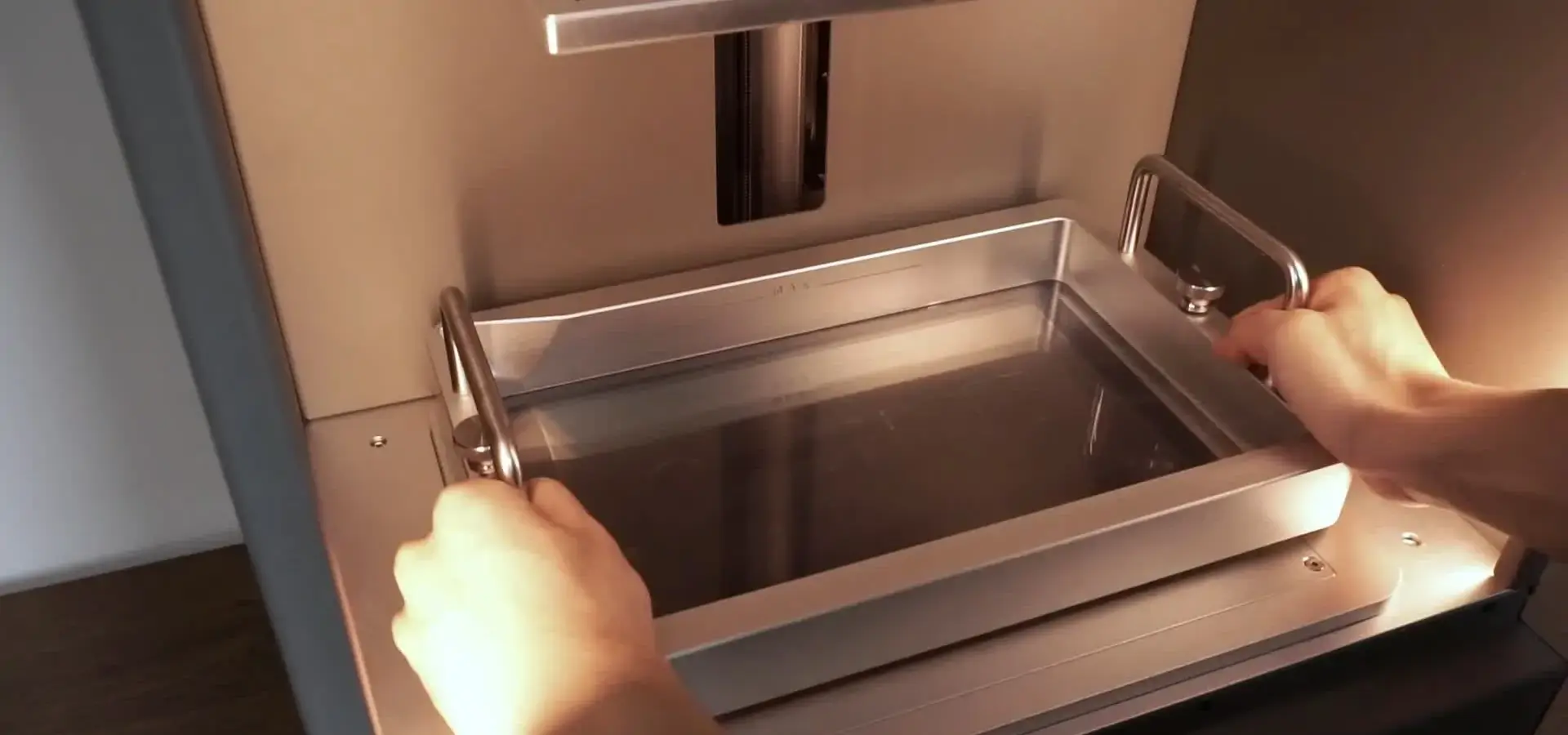
Working with 3D printing service companies has shown us that a methodical approach to fixing problems works. Before each production batch, print a small calibration artifact that replicates critical geometric features (e.g., holes, thin walls, overhangs) of the intended parts. This verifies first-layer adhesion, exposure settings, and dimensional accuracy before committing to a full build. Check the quality of the resin—cloudiness means it's been contaminated or is absorbing water, which means it needs to be filtered or replaced. Write down the exposure settings for each batch of material because the optimal curing parameters can change from batch to batch due to differences in the quantity of the photoinitiator. Instead of quickly blaming problems on "machine error," which hides process problems that can be fixed, look over failed prints to identify their real causes. By using temperature tracking and scheduled resin filtration practices, a car supplier in the Midwest was able to cut scrap rates from 18% to less than 5%. Their technical team found that overnight temperature drops caused more failures in the morning production runs. To fix this, they added environmental controls that heated the build room ahead of time.
Choosing the Right High-Resolution 3D Printer for Your Business Needs
Aligning Technology with Operational Requirements
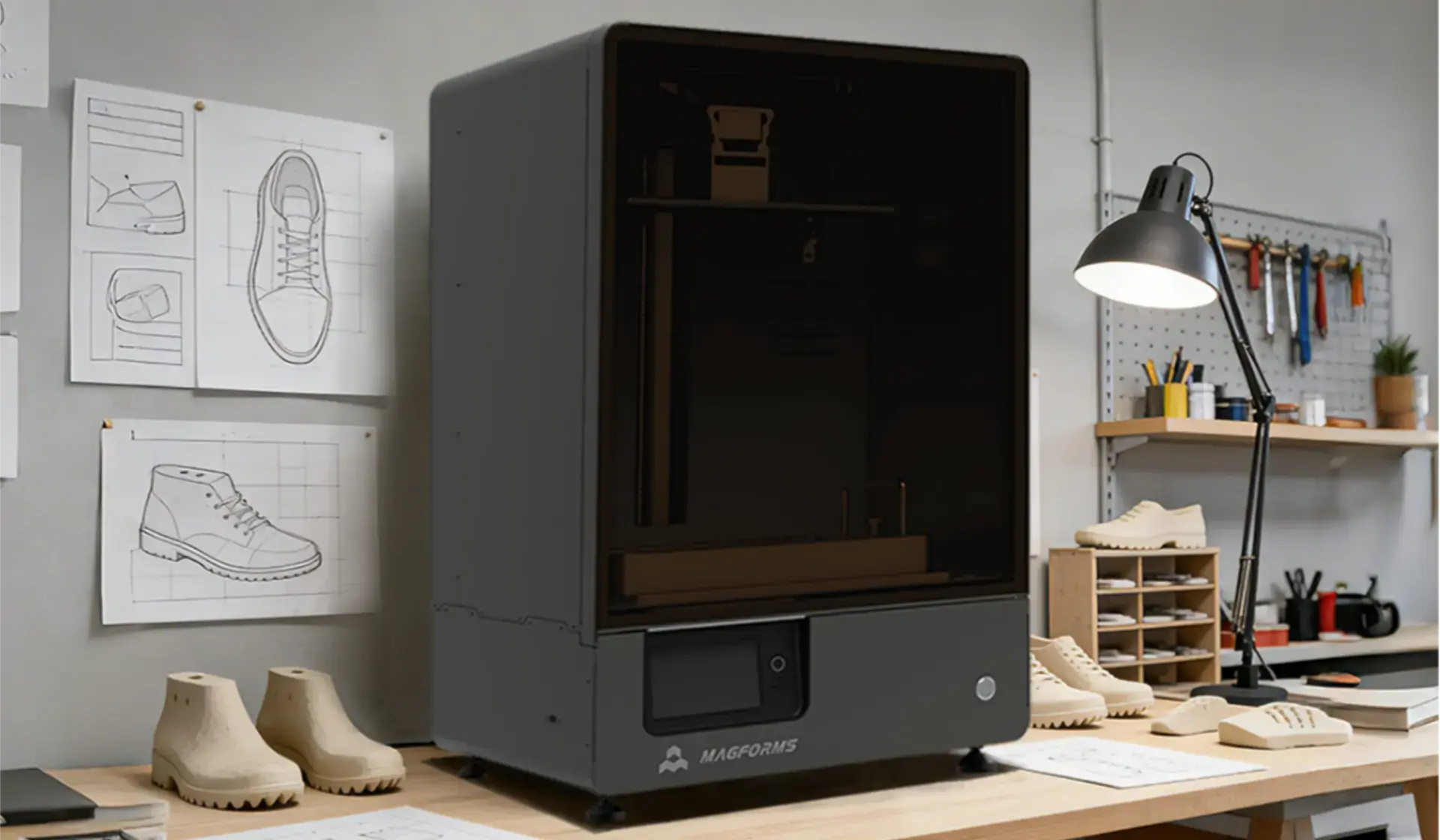
When choosing tools, it's important to have a good idea of the production rate, part size needs, and compatibility of the materials. Desktop LCD printers with build volumes around 145 x 145 x 175 mm are now the go‑to choice for small design firms and service bureaus that need high‑resolution prototypes for consumer electronics, enclosures, and footwear components, thanks to their low upfront cost and office‑friendly operation. Large factories that need to make many car parts at once need industrial systems with 600 x 600 x 400 mm or larger build areas so that they can print many parts at once and get the most work done.
Material Ecosystem and Open Platform Flexibility
When compared to open platforms, proprietary material systems make prices 40–60% higher per kilogram because they force users to buy from only one seller. Procurement managers should verify with sellers whether they impose restrictions on firmware that prevent the use of third-party resin. Open-platform printers that can use a lot of different photopolymer formulas give you more control over costs and provide you with access to special materials like ceramic-filled resins for high-temperature uses or flexible materials for testing gaskets.
Technical Support and After-Sales Service Infrastructure
Downtime for equipment has a direct effect on work schedules, so industrial users must have quick expert help. Verify the guarantee coverage for important parts like light engines, motion systems, and resin vat kits. Longer outages are less likely to happen if the supplier offers on-site installation, operator training, and regular maintenance programs. Customers can avoid weeks of delays and broken promises when suppliers provide replacement parts and guarantee shipping dates.
Evaluating Total Cost of Ownership
The purchase price only covers 30 to 40 percent of the costs of owning the equipment for five years. Consider the items that require frequent replacement, such as resins, vat films, and build platforms. Energy consumption varies considerably between technologies. LCD systems, which use LED arrays, typically draw less power at the light source and produce less waste heat, resulting in lower energy bills and simpler thermal management. In contrast, laser-based SLA systems generally have higher total energy consumption due to the combined draw of galvanometers, optics, and active cooling subsystems. Such differences can affect the costs of running a facility with multiple machines. To get correct ROI estimates, divide the total running costs by the expected annual output to get the cost per part. A dental lab in California compared two systems that could do similar things and found that the open-platform freedom cut material costs by $12,000. This quickly paid for the higher initial equipment investment. Their study looked at more than just the price tag; it also looked at how much resin was used, new parts, and problems with technical help.
Advanced Tips and Techniques for Maximizing Print Quality on High-Resolution 3D Printers
Mastering Slicing Software Parameters
The layer width directly influences the surface finish and print time. Using a 25-micron layer height significantly reduces visible layer lines for appearance-critical surfaces, though it increases total print time due to the higher layer count. For structural parts where aesthetics are secondary, a 50-micron layer height can reduce build time by approximately 40%—halving the layer count—often without compromising bulk mechanical strength. Changing the exposure time makes up for the color of the resin—pigmented resins need 10-15% more exposure time than clear resins to fully polymerize.
Post-Processing Protocols for Industrial Applications
Washing printed parts gets rid of the uncured plastic that stays tacky and stops it from drying properly. Isopropyl alcohol baths with agitation for 5–10 minutes clean well, but ultrasonic cleaning is better for parts with complicated internal shapes because it can get into enclosed or hard-to-reach internal geometries. Automated washing stations keep solvents working well and cut down on mistakes that happen when things are handled by hand, which is common in high-volume production. Post-curing with UV light drives the polymerization reaction toward completion, significantly improving mechanical properties—including tensile strength, modulus, and thermal stability—with the degree of improvement varying by resin formulation and post-curing parameters (time, temperature, and UV wavelength/intensity). The amount of time needed to cure depends on the type of resin used. Standard resins need 15 to 30 minutes at 60°C under 405 nm LED arrays, while engineering resins do better with longer 45 to 60 minute rounds. Rotating parts while curing ensures even light exposure and prevents dark spots where polymerization is incomplete.
Material Handling Best Practices
When resin is subject to changes in temperature and UV light, its shelf life shortens. Keep bottles that haven't been opened out of direct sunlight and in climate-controlled rooms between 18 and 25°C. Once opened, use the resin within the shelf life specified by the manufacturer—typically a few months depending on storage conditions—to prevent photoinitiator degradation. Degraded resin can lead to progressively longer required cure times and reduced final mechanical properties. Using first-in, first-out inventory management and dating bottles as soon as they are opened keeps old materials from being used.
Quality Control and Continuous Improvement Systems
By using statistical process control, you can see how the accuracy of the dimensions changes over time and see if the calibration needs to be changed before the parts go beyond the tolerance limits. Digital calipers or coordinate measuring tools (CMM) measure the accuracy of the X, Y, and Z axes by locating reference features on calibration prints. By keeping track of measurement data along with outdoor temperature, humidity, and resin batch numbers, correlation analysis can find the factors that affect quality. Setup mistakes are less likely to happen, and first-pass yield rates are higher when operators are trained in things like material qualities, software processes, and how to fix problems. Cross-training production staff keeps things running even when key employees aren't available. This stops knowledge gaps that leave operations open to single-point failures.
Leveraging High Resolution 3D Printing for Competitive Advantage
Accelerating Product Development Cycles
Cutting down on design revision loops from weeks to days makes it easier to get into new markets and stay competitive. Manufacturers of consumer goods make prototypes of several housing options at the same time and test their fit and ergonomics within 48 hours of finishing the design. This quick feedback loop finds mistakes in the design early on, when fixing them won't cost a lot of money but will save thousands of dollars in hardware changes.
Small-Batch Manufacturing and Mass Customization
When the number of units being made is less than 1,000, and the cost of the tools can't be spread out over time, additive manufacturing is a better option. Medical technology companies make surgery guides that are specific to each patient without having to buy special molds. This lets a lot of people get personalized care. Hearing aid companies use digital processes to scan patients' ear canals, create custom shells, and print devices that fit within 24 hours. This changes how care is given to patients. Custom tooling applications include injection mold inserts for short-run production, vacuum forming molds for packaging samples, and assembly fittings used for low-volume production. When printed options are used instead of machined metal fixtures, wait times drop from three weeks to two days, and costs drop by 60–70%.
Calculating Return on Investment
To figure out ROI, you have to compare the prices of additive manufacturing to those of standard methods like CNC machining, injection molding, and casting. A company in the Midwest that manufactures specialized automotive brackets conducted an internal cost analysis comparing CNC machining (~$47 per part) versus resin-based additive manufacturing (~$12 per part), including material, labor, and equipment depreciation. These costs included material, labor, and the wear and tear on the equipment. By getting rid of setup fees and tool costs for design changes, more than $180,000 was saved every year.
Emerging Technologies Shaping Future Capabilities
As photopolymer chemistry improves, new characteristics of materials are being added. These include flame-retardant formulations that meet UL94 V-0 ratings, electrically conductive resins for useful electronics, and bioresorbable materials for temporary medical implants. Variable spot-size laser systems change the width of the beam on the fly while printing, using big spots for filling in large areas and small spots for fine details. This cuts build times by 30% without lowering the quality. Hybrid production systems that use both additive and subtractive methods on the same platform can print complicated shapes and then use CNC machines to make features that need to be very precise. This integration gets rid of the need for manual part transfer and extra setups. This speeds up the production process for aircraft parts that need both organic forms and precision-machined mounting interfaces. AI programs automatically find the best place to place and arrange the supports by looking at the shape of the part to use the least amount of material and do the least amount of work afterward. Training machine learning models on thousands of successful prints lets them guess the best exposure settings for new materials. This cuts down on the time and materials needed for trial-and-error testing that is needed to build a process.
Conclusion
To get the best results from a high-resolution 3D printer, you need to pay close attention to calibration, controlling the environment and managing material handling, and the processes that come after. When buying things for businesses, the total cost of ownership (TCO) is more important than just the purchase price. TCO includes things like material freedom, technical support infrastructure, and the ability to grow as production needs change. Using strict quality control procedures and training programs for operators will help make sure that output is always consistent and meets industry standards, while also extending the life of equipment. Rapid prototyping, mass customization, and lower tooling costs make additive manufacturing a competitive edge. This makes it a key option for companies that want to be innovative and flexible in their operations.
FAQ
How Do I Determine Proper Resolution Settings for My Application?
Instead of maximizing settings everywhere, match the size to the job. For client presentations, 25-micron layers get rid of obvious layer lines in samples that are meant to look good. On the other hand, 50-micron layers cut print time in half without lowering the strength in structural parts. Test prints should be done at a number of different settings to find the best mix between surface quality and production speed for your needs.
What Distinguishes Resin-Based High-Resolution Printers from Filament Systems?
LCD printers, along with laser SLA and DLP, routinely deliver XY resolutions of ~25–75 microns and layer heights down to 10 microns, whereas FDM systems typically operate at coarser resolutions. LCD systems, in particular, cure an entire layer at once using a UV LED array masked by an LCD screen, resulting in smooth surfaces with minimal post-processing. This makes LCD the technology of choice for producing dental models, jewelry masters, and precision engineering prototypes where fine detail, thin walls, and complex geometries are critical — all without the per-part speed penalty seen in laser-based SLA.
Can I Improve Print Quality Without Upgrading Equipment?
Significant print quality improvements can be achieved without hardware upgrades by focusing on proper calibration, environmental control, and material handling. Ensure the build platform is precisely leveled and verified, maintain a stable ambient temperature within the resin’s specified operating range (typically 22–28°C), and implement a regular resin filtration schedule to remove partially cured particles and contaminants. Most of the time, mastering slicing software factors like support placement and exposure settings will give you better quality results than upgrading your gear.
Partner with Magforms for industrial-grade, high-resolution 3D printer solutions.
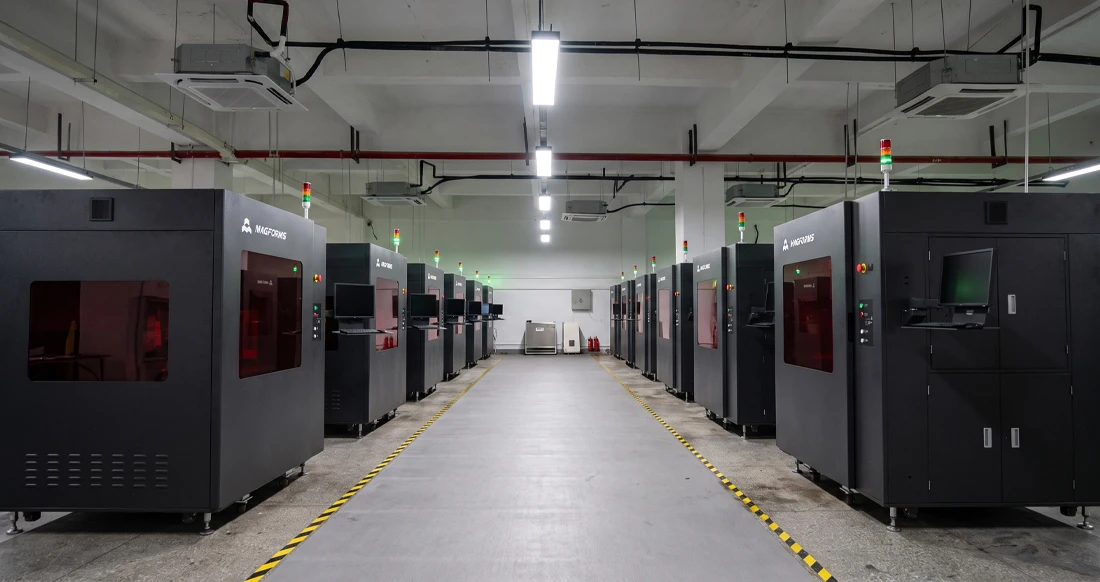
Magforms supplies industrial-grade LCD 3D printers that are engineered and validated to work with our own advanced photopolymer resins for perfect compatibility. With our latest high‑transmission monochrome LCD panels, uniform UV LED arrays, and AI‑optimized exposure algorithms, we achieve up to 30 percent faster print speeds than the industry average while maintaining the micron‑level accuracy demanded by aerospace, medical device, and automotive applications. While single-source providers limit the types of materials that can be used, our open-platform design allows a wide range of resin formulas. This lets us control costs and get unique materials that meet specific performance needs.
Our technical support team has 22 patents and works with over 300 businesses in North America, Europe, and Asia. They do on-site installation, user training, and preventative maintenance programs that keep machines running as smoothly as possible. Continuous operation testing of equipment for thousands of hours makes sure that failure rates are well below industry standards. This is done to make sure that production capacity is stable for large-scale manufacturing. No matter if you run a small design shop or are in charge of R&D for a Fortune 500 company, our solutions can work with your budget and give you ways to improve that will help your business grow.
Contact our procurement specialists at info@magforms.com to talk about how Magforms' high-resolution 3D printer systems and materials can help you improve the way you make things. Ask for model parts that show the quality of the surface finish and the accuracy of the dimensions, or set up a meeting to talk about how to set up the equipment so that it meets your needs. Find out why top makers choose Magforms as their high-resolution 3D printer provider for mission-critical tasks that need consistent quality and quick technical support.
References
1. Chen, Y., & Zhang, L. (2022). Advanced Photopolymer Materials for High-Resolution Stereolithography Applications. Journal of Applied Polymer Science, 139(18), 52156-52168.
2. Gibson, I., Rosen, D., Stucker, B., & Khorasani, M. (2021). Additive Manufacturing Technologies (3rd Edition). Springer International Publishing, Cham, Switzerland.
3. ISO/ASTM 52900:2021. Additive Manufacturing — General Principles — Fundamentals and Vocabulary. International Organization for Standardization, Geneva, Switzerland.
4. Ligon, S. C., Liska, R., Stampfl, J., Gurr, M., & Mülhaupt, R. (2023). Polymers for 3D Printing and Customized Additive Manufacturing. Chemical Reviews, 117(15), 10212-10290.
5. Stansbury, J. W., & Idacavage, M. J. (2021). 3D Printing with Polymers: Challenges Among Expanding Options and Opportunities. Dental Materials, 37(1), 37-52.
6. Wohlers, T., Campbell, I., Diegel, O., Huff, R., & Kowen, J. (2023). Wohlers Report 2023: 3D Printing and Additive Manufacturing Global State of the Industry. Wohlers Associates, Fort Collins, Colorado.

Magforms makes design and manufacture easier.
Popular Blogs
-
 Industry InsightsManufacturing Industry
FDM vs. SLA Printer: Which Technology Is Right for Your Project?
-
 Industry InsightsManufacturing Industry
Top 5 Applications of Industrial 3D Printers in Manufacturing Today
-
 Industry InsightsManufacturing Industry
Why Stereolithography 3D Printers Are Unmatched for Microfluidic Device Prototyping?