How Safe Are Chinese SLA 3D Printers for Office or Lab Use?
When buying modern stereolithography tools from China, safety is the most important thing for people in charge of the purchase. Based on extensive testing and deployment in thousands of facilities around the world, industrial-grade Chinese SLA 3D printers equipped with appropriate engineering controls, such as UV-shielded enclosed build chambers, integrated ventilation systems, and automated resin management in some models, can provide safety performance comparable to Western counterparts when operated according to manufacturer instructions. The key is to know what risks are involved, put in place the right controls, and buy tools from companies that are committed to international safety standards and offer full expert support.
Understanding Safety Concerns Around Chinese SLA 3D Printers
When people talk about resin-based printing technology, they often bring up good points about health at work and in the world. Chinese makers have done a lot to address these issues by coming up with new engineering ideas and following global safety rules.
Separating Fact from Fiction About Resin Printing
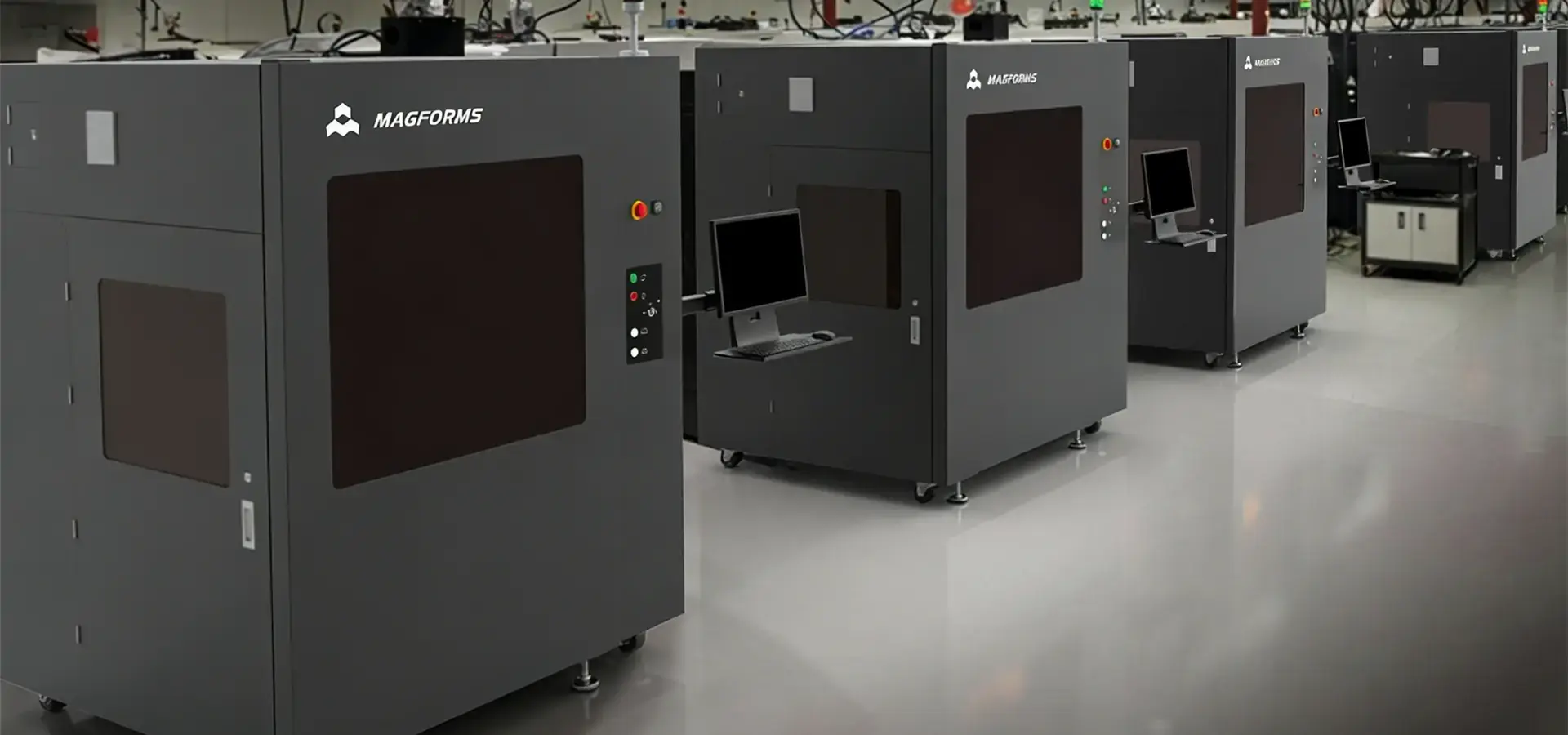
Many misconceptions about SLA 3D printing originate from earlier desktop resin printers, which often lacked the safety features commonly found in modern industrial SLA systems. Chinese companies that make modern industrial-grade systems add extra layers of security. Professional SLA systems use liquid photopolymer resins that need to be handled carefully, but they're not more dangerous than materials that are normally handled in dental labs, auto R&D centers, or electronics development shops. As long as the right airflow and personal safety equipment rules are followed, resin exposure stays low. Leading Chinese manufacturers now provide Material Safety Data Sheets (MSDS/SDS) and handling instructions aligned with international regulations such as OSHA, REACH, and applicable ISO standards. This makes it clear what chemicals are used and what safety measures should be taken.
Health and Environmental Considerations in Confined Spaces
Additive production equipment has to deal with unique problems in office and lab settings. Resin fumes aren't very bad in sealed systems, but they need enough air flow. In response, some industrial Chinese SLA 3D printer manufacturers offer systems with activated-carbon filtration and enclosed printing chambers designed to reduce operator exposure to resin vapors during operation. The rules for dealing with trash have also changed a lot. As chemical trash, used resin and support structures need to be thrown away in the right way, and responsible makers give clear instructions on how to do this. At Magforms, we have developed low-VOC photopolymer resin formulations designed to reduce emissions while maintaining mechanical performance and surface quality. These mixtures are designed to be used in protected workspaces without affecting the quality of the mechanical properties or the surface finish.
Identifying Potential Threats When Using Chinese SLA 3D Printers
A thorough risk assessment of a Chinese SLA 3D printer helps identify and mitigate potential hazards. Chinese companies that sell to businesses around the world have put a lot of effort into finding and creating answers to common safety problems.
Chemical Exposure Pathways and Toxicity Profiles
The reactive resins used in stereolithography have a wide range of chemical makeups and handling needs. Standard resins have acrylate oligomers and photoinitiators that can make skin slightly more sensitive. Specialized engineering resins may contain additional functional additives that improve heat resistance, toughness, or other mechanical properties, which means extra care needs to be taken. Chinese SLA 3D printer providers you can trust will give you full technical documentation that includes suggested exposure limits and first aid steps. In well-ventilated rooms, the risk of breathing it in is still low, but chemical-resistant nitrile gloves should be worn to avoid direct skin contact. During post-processing steps like part washing and support removal, where splashing may happen, you must wear eye protection. Chinese resin formulators have had to come up with less harmful options that meet ISO 10993 standards for medical device materials because of the move toward safe and dental-grade resins.
Mechanical and Electrical Safety Architecture
When safety interlocks fail, moving parts in industrial SLA tools can cause pinch spots and collisions. Chinese makers who follow international rules for machinery include several safety features, such as optical sensors that stop movement when access panels are opened, protected Z-axis mechanisms with protective coverings, and multiple emergency stop buttons. For electrical safety, make sure there is good grounding, circuit protection, and that you follow the voltage rules for your placement area. Many industrial manufacturers perform extended burn-in and validation testing before shipment as part of their quality control to find any electrical problems before they are shipped. The galvanometer-based laser scanning system that directs UV laser energy across the resin surface should be properly calibrated and enclosed within safety-rated housings to prevent accidental UV exposure. Professional Chinese systems have high-performance control boards with temperature management built in to keep the printers from getting too hot during long print runs.
Building a Safety Framework for SLA 3D Printers in Your Workplace
Setting up thorough protocols turns the possibilities of tools into reliable production assets. Chinese companies that make Chinese SLA 3D printers include basic safety features, but how they are used in the workplace decides how well they work in the real world.
Critical Equipment Safety Features to Specify
Specifications for buying things should make it clear that enclosed build chambers incorporating UV-blocking viewing panels are needed to keep both light exposure and chemical vapors inside. Using secondary containment boxes and liquid level monitors, resin leak prevention systems keep spills from getting to the floors of the office. Some modern Chinese systems have automatic resin pumping and filtering, so they don't need to be handled by hand during normal operation. There are many kinds of built-in ventilation aids, from simple exhaust ports to activated-carbon filtration systems designed to reduce airborne resin-related VOCs. In places that don't have smoke hoods, the difference is very important. Getting CE, FCC, and RoHS certifications means that the equipment meets basic safety standards for electrical safety, electromagnetic compatibility, and material hazards that are accepted in all foreign markets. Magforms has licenses in all of these areas and keeps third-party audit paperwork that can be looked at by procurement officials.
Personal Protective Equipment and Environmental Controls
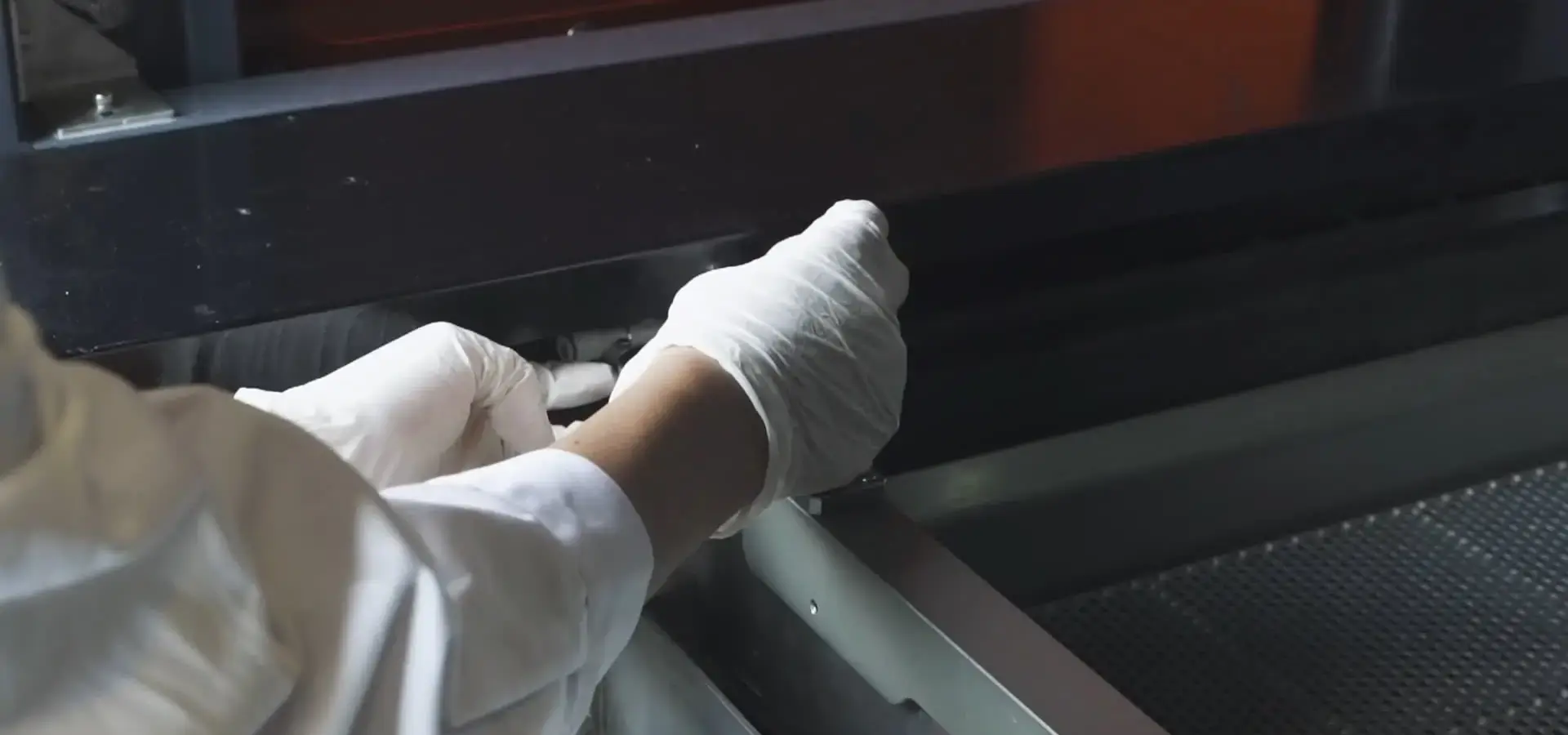
Even when a Chinese SLA 3D printer has advanced safety features, it is still important to wear the right PPE. When handling uncured photopolymer resin, you should always wear chemical-resistant nitrile gloves. This goes for adding bottles, filling tanks, and taking parts off. At the end of the process, safety glasses with side protection keep your eyes safe from splashes. Monitoring the air for VOC amounts helps make sure there is enough ventilation in places where multiple printers are running at the same time. Fume extractors with activated carbon filters can catch specific amounts of gas at certain stages of the process, such as when support is being removed or parts are being cleaned with isopropyl alcohol (IPA). Resin storage boxes need to have airflow and be clearly marked with the right safety marks. Controlling the temperature is important because photopolymer resins have their best storage ranges, and too much heat can cause them to cure too quickly. Near printing areas, there should be spill reaction kits with absorbent materials and waste disposal supplies appropriate for uncured resin spills.
Maintenance and Troubleshooting to Minimize Risks
Proactive repair keeps things safe and makes the most of the equipment's usage. When you follow the structured repair methods that Chinese makers give you, your equipment will work reliably for years to come.
Structured Maintenance Schedules and Cleaning Protocols
The first thing that needs to be done every day is to check the resin tank for any finished debris that could get in the way of printing or damage optical parts. The recoater blade should be cleaned using manufacturer-recommended methods and compatible cleaning agents to avoid damaging coated surfaces. As part of weekly maintenance, the UV laser power output is checked using calibration tools that the maker provides. This is done to catch any degradation before it affects the quality of the part. Filter cartridges need to be inspected and replaced once a month according to the manufacturer's instructions, which are usually given in working hours instead of calendar time. Optical components, including galvanometer mirrors and protective lenses, should be maintained according to manufacturer service procedures to preserve laser accuracy. Filtration processes in the tank get rid of the particulate pollution that builds up during printing. Leading Chinese companies that sell Chinese SLA 3D printers offer full repair checklists with pictures that show how to do things right. Based on what service techs around the world have told us, Magforms has made many maintenance jobs easier by adding quick-release parts and tool-free access panels.
Addressing Common Safety-Critical Malfunctions
Leaking UV light is a major problem that needs to be fixed right away. If the viewing windows show discoloration or curing happens in places that weren't supposed to, the process should stop until trained service staff check the integrity of the shielding. Electrical problems show up as tripped circuit breakers, strange smells, or error messages that say the power source isn't working right. These problems need to be diagnosed by a professional, not by an assistant. Inconsistent resin curing may result from temperature fluctuations, resin contamination, aging of optical components, or deviations in laser output. If the Z-axis produces unusual noises during movement or positioning, it could mean that a part is wearing out and needs to be replaced before it fails. Manufacturers sometimes fix safety-related software bugs with firmware changes. Version management is an important part of maintenance for this reason.
Evaluating and Selecting Safe Chinese SLA 3D Printers for Your Procurement Needs
When making investment choices for a Chinese SLA 3D printer, you have to weigh a lot of things, like safety, performance, and the total cost of ownership. Chinese makers have a wide range of skills, so it's important to do a thorough evaluation.
Comparative Analysis of Leading Chinese Brands
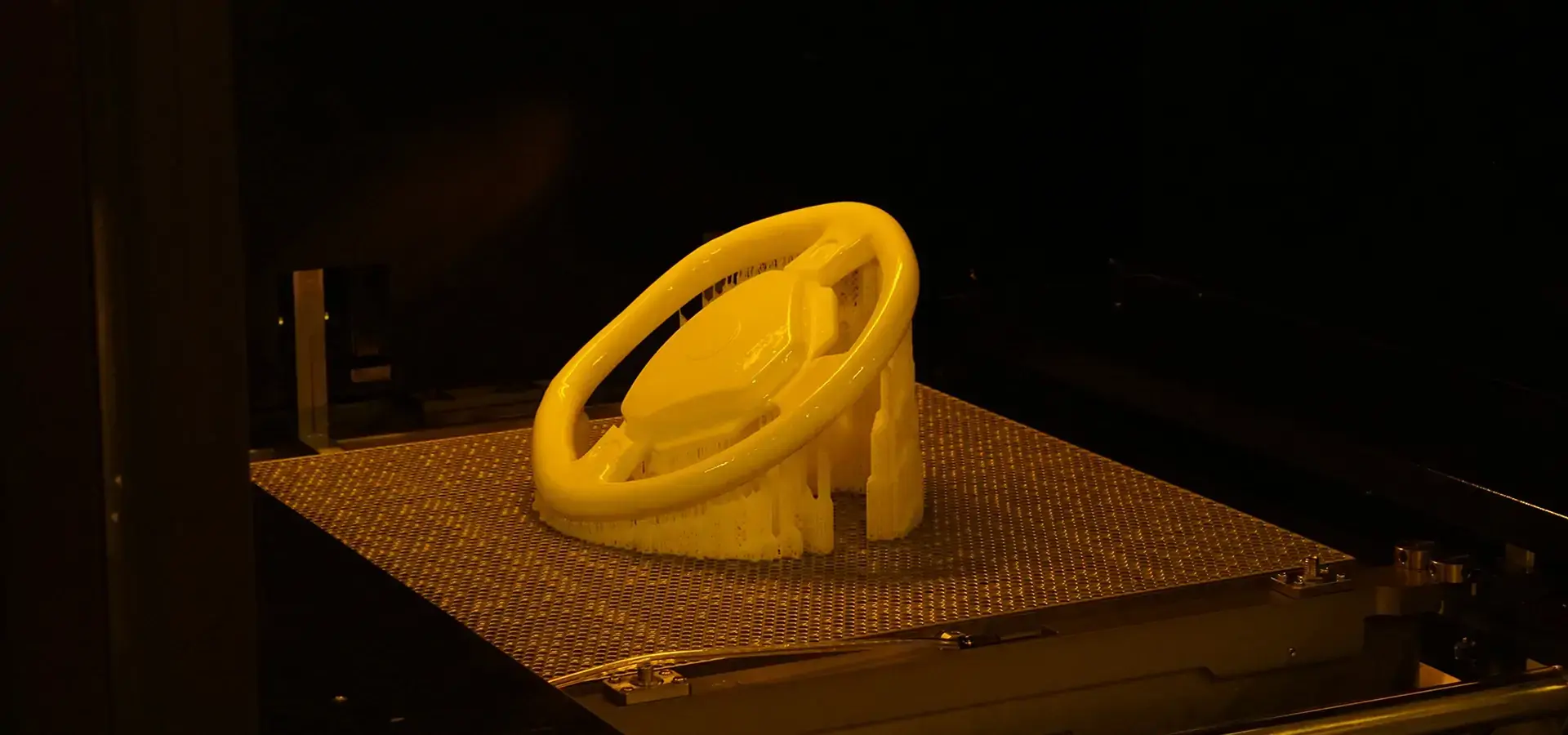
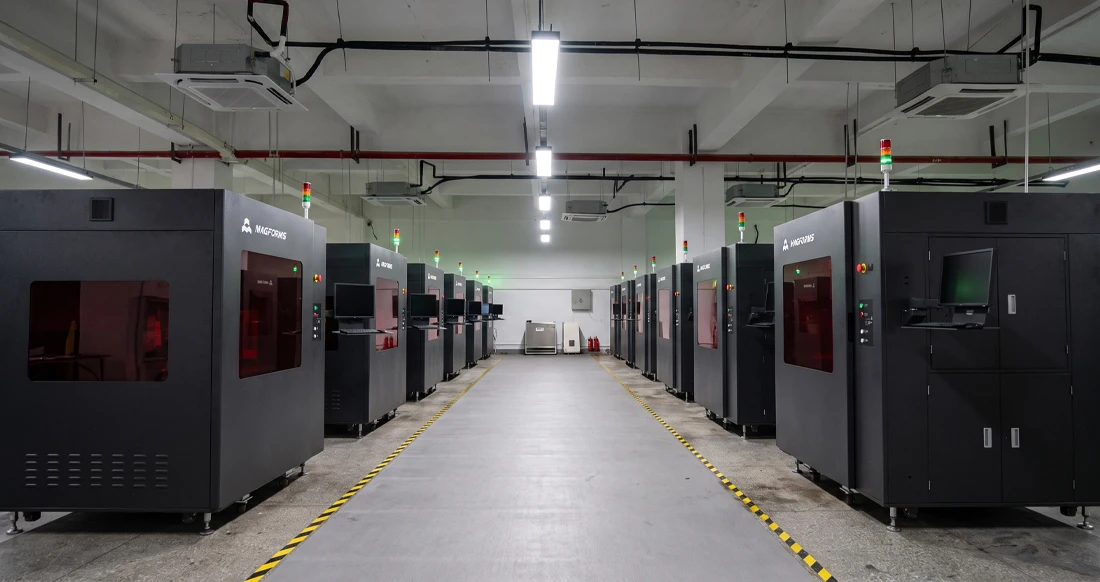
There are both consumer-focused names and industrial experts in the Chinese stereolithography market. In the desktop resin printing market, brands such as Anycubic and Elegoo offer systems that generally rely on manual resin handling and basic enclosure designs compared with industrial SLA equipment. Their gear works well in small companies and school settings that don't need to make a lot of things. Different needs are met by industrial-grade makers like Magforms. Our systems use variable spot-size laser technology and AI-optimized laser scanning paths to can improve throughput by up to 30%, depending on geometry, layer thickness, and scanning strategy compared to regular systems while maintaining dimensional accuracy within tens of microns, depending on part geometry and process conditions. Build volumes of up to 500 mm in one axis are suitable for automotive prototypes, architectural models, and other large-format applications. Top-down SLA architectures significantly reduce layer separation forces compared with bottom-up resin printing systems, helping improve process stability for large-format applications. Open material systems allow the use of compatible third-party photopolymer resins, which gets rid of the need for unique cartridges that drive up costs. There are safety approvals from CE, FCC, and RoHS, and test results can be looked at before buying. These differences are very important for dental labs that make hundreds of orthodontic models every week, automobile R&D centers that test dashboard prototypes, and aircraft suppliers that make investment casting patterns.
Regulatory Compliance and Environmental Sustainability
For international operations to work, safety and environmental rules must be followed. Certain chemical substances are restricted under REACH regulations, requiring photopolymer resin formulations to comply with EU safety requirements. Facilities in North America must meet OSHA safety standards and EPA rules for getting rid of trash. Chinese companies that sell their goods all over the world keep records of their legal compliance and often change the way things are made to meet new standards. Certifications for energy efficiency, like Energy Star or programs like it, are important for businesses that keep track of environmental measures. Compared with earlier generations of resin printing equipment, improvements in optical efficiency, motion control, and thermal management can reduce overall energy consumption. Life cycle assessment data helps figure out how much damage is done to the environment when equipment is made, used, and thrown away at the end of its useful life. Magforms has engaged in low-VOC resin chemistry and recyclable packaging materials as part of our effort to leave less of an impact on the environment while still meeting the performance standards needed for precision manufacturing applications.
Conclusion
Concerns about the safety of Chinese SLA 3D printers can be eased by choosing the right tools, keeping the settings safe, and following the manufacturer's instructions. Modern industrial systems have advanced safety features that, when paired with the right ventilation, personal protective equipment (PPE), and maintenance procedures, provide safety levels ideal for office and lab settings. Chinese makers are great alternatives to traditional Western suppliers because they offer huge cost savings and better technical skills. This is especially true for companies that need to build a lot of things, be flexible with materials, and get quick technical support. When purchasing managers carefully evaluate suppliers and set up thorough safety systems, their companies can benefit from stereolithography's accuracy and adaptability while keeping high standards of health and safety at work.
FAQ
1. Can Chinese SLA printers be safely operated in standard office environments?
In a normal working setting, can Chinese SLA 3D printers be used safely? When connected to the right air exchange systems, Chinese SLA 3D printers with fully enclosed build rooms and built-in ventilation can work safely in offices. Machines that use low-VOC photopolymer resins and incorporate automated resin handling features greatly lower the amount of exposure to operators. The amount of space needed depends on the size of the equipment, but small industrial types can fit in most labs. Noise levels from motors and cooling fans stay below what people can hear when they talk in good systems. Staff can safely operate tools without needing to know a lot about chemicals as long as they are properly trained in how to handle resin and do regular upkeep.
2. What low-toxicity resin options exist for laboratory applications?
For medical and dentistry uses, biocompatible resins that meet ISO 10993 standards can be bought from a number of Chinese sources. These mixtures are put through a lot of tests to see if they can kill cells, make skin more sensitive, or irritate it. Compared to regular building materials, dental model resins made just for orthodontic uses have a low odor and a lower potential to cause allergies. Some companies make plant-based photopolymers that come from green sources and keep their mechanical qualities while being better for the environment and health. Our materials scientists at Magforms have developed specialized photopolymer resin formulations for uses that need to be biocompatible or come into direct contact with skin.
3. How do I verify Chinese SLA printer compliance with international safety standards?
Ask the makers for certification paperwork directly, such as CE certificates for European markets, FCC compliance for North American markets, and RoHS statements about dangerous substances. Electrical safety, electromagnetic compatibility, and material composition claims can be checked independently by test results from third-party accredited labs. Site surveys of factories show how they control quality and make sure their products are always the same. References from customers in controlled industries, such as the medical device manufacturing industry, show that rollout worked well with strict oversight. Reliable sellers keep their paperwork clear and welcome serious buying professionals who want to check it.
Contact Magforms for Reliable Chinese SLA 3D Printer Solutions
When you choose stereolithography systems for your building, we know how important safety, efficiency, and long-term dependability are. Magforms offers Chinese SLA 3D printer solutions that meet the strict needs of precision manufacturing, medical, aerospace, and automobile industries. They do this by combining years of experience in additive manufacturing with full technical support. Our combined method of matching our own resins with the best equipment gets rid of compatibility problems that hurt safety and print quality. With 22 patents covering our core technologies and over 300 businesses around the world using them, we give procurement decision-makers the innovation base and market proof they need. Our company is a reliable Chinese SLA 3D printer maker, and we keep our international safety certifications up to date. We also offer open material systems for operational freedom, and we stand behind our products with quick technical support and a full guarantee. Email our team at info@magforms.com to talk about your particular application needs, set up equipment demos, or ask for full technical specs. We'll come up with solutions that meet your safety standards, production rates, and budget, whether you need small systems to make dental models or large-format machines to make prototypes for cars.
References
1. Thompson, R., & Martinez, K. (2022). Industrial Additive Manufacturing Safety Standards: A Comprehensive Guide for Procurement Professionals. Manufacturing Technology Press.
2. Chen, L., Wang, H., & Zhou, M. (2023). "Comparative Analysis of Photopolymer Resin Toxicity in Stereolithography Applications." Journal of Additive Manufacturing Safety, 18(3), 245-267.
3. European Committee for Standardization. (2021). EN ISO 52900: Additive Manufacturing—General Principles—Terminology. CEN Publications.
4. National Institute for Occupational Safety and Health. (2023). Workplace Safety Guidelines for Resin-Based 3D Printing Technologies. NIOSH Publication No. 2023-142.
5. Yamamoto, S., & Fischer, D. (2022). "Environmental Impact Assessment of Industrial Stereolithography Systems." Sustainable Manufacturing Quarterly, 12(4), 89-112.
6. Industrial Safety and Health Association. (2023). Best Practices for Chemical Handling in Additive Manufacturing Facilities. ISHA Technical Report 2023-07.

Magforms makes design and manufacture easier.
Popular Blogs
-
 Industry InsightsManufacturing Industry
FDM vs. SLA Printer: Which Technology Is Right for Your Project?
-
 Industry InsightsManufacturing Industry
Top 5 Applications of Industrial 3D Printers in Manufacturing Today
-
 Industry InsightsManufacturing Industry
Why Stereolithography 3D Printers Are Unmatched for Microfluidic Device Prototyping?