How Should 3D Printing Studios Choose Printers for Business Growth?
Getting the right 3D printing tools is the most important part of any studio's plan to grow. Studios have to choose a printer that meets the needs of their target market while also taking into account technical requirements, running costs, and the need for scalability. The choice affects everything from the quality of the production to the profit margins. This is why choosing the right tools is so important for long-term business growth. Figuring out how various printer technologies help various industries helps studios stay competitive and seize new market chances in the additive manufacturing world, which is changing very quickly.
Understanding the 3D Printing Landscape for Studios
The additive manufacturing ecosystem offers multiple technologies, each serving distinct business applications. Studios entering this market must comprehend how different printing methods impact their service offerings and competitive positioning.
Core 3D Printing Technologies and Their Business Applications
Fused Deposition Modelling (FDM), which uses thermoplastic filaments to make working prototypes and final-use parts, is still the easiest way for studios to get started. This technology works great for making lightweight brackets and assembly fixtures for cars, which makes plant workers less tired. Standard PLA is used for idea models, while engineering-grade PEEK is used for aerospace parts that need to be resistant to high temperatures. Using laser curing, stereolithography (SLA) technology turns liquid photopolymer plastics into very detailed parts. Medical and dentistry studios use SLA to make surgical guides and orthodontic aligners that are customised for each patient. The micron-level accuracy of these tools ensures that they fit the body correctly. The process of 3D printing allows for mass customisation, where each unit is made to fit a specific patient's body based on CT scan data.Selective Laser Sintering (SLS) makes strong parts without support structures by using powdered materials, most often nylon. Consumer electronics studios use SLS to make complex internal geometries for things like smartphone cases and wearable tech. They do this because SLS can make consolidated parts that can't be made with traditional machining.

Material Compatibility and Quality Impact
The choice of material has a direct effect on how well the part works and how much it costs to make. Studios need to look at how different printer platforms work with different types of materials. Compared to proprietary material ecosystems, open-source systems allow for more material flexibility and lower running costs by 30 to 40 percent. Resin-based systems provide a high-quality surface finish, which is important for jewellery prototypes and building models where the way they look is what makes the client happy. For investment casting processes, these systems can handle specialised formulations like castable resins. For gasket prototyping, they can handle flexible materials with Shore A hardness levels between 50 and 90.

Criteria for Choosing the Best 3D Printer for Business Growth
Strategic printer selection requires aligning equipment capabilities with 3D printing and specific business objectives. Studios must evaluate multiple performance dimensions to ensure their investment supports long-term growth trajectories.
Performance Metrics That Drive Business Success
How fast you can print has a direct effect on how much you can print and how quickly you can fill orders. When compared to older methods, modern industrial systems that use changeable spot-size laser technology can print 30 to 50 percent faster. This increase in speed means more products are made every day, and customers are served faster. The types of jobs that a studio can do depend on the quality of its resolution. SLA systems with 20–50 micron XY precision and 10 micron Z-axis layers provide the "layer-less" surface quality needed to make a master pattern. Studios that work with the medical or aircraft industries need this level of accuracy to meet the strict standards of those fields. Limits on part sizes and batch production efficiency are affected by the build rate. Large-format systems can handle useful parts that are too big or allow printing of multiple parts at the same time, which makes better use of materials and lowers the cost per part.
Reliability and Total Cost of Ownership
Reliability of equipment affects how well operations run and how happy customers are. High-quality systems with German Scanlab galvanometers and AOC lasers have failure rates that are much lower than the average for the industry. This means that less unexpected downtime and wasted materials happen. Studios need to figure out how much it costs to own an entire business, including the costs of supplies, repairs, and training. Integrated supply solutions make it easier for hardware and products to work together, and open-platform designs lower the cost of materials. This gets rid of problems that come up when third-party materials don't match up well.
Software Integration and Workflow Efficiency
From designing parts to finishing them, processes are sped up by integrating software in a seamless way. Systems that support industry-standard file formats and offer automated support generation methods are helpful for studios. Deep learning techniques built into more advanced platforms speed up printing even more, by 20%, by making the scanning paths more efficient. Workflow technology makes things more consistent and lowers the level of skill needed by operators. Studios can make more without having to pay their workers more when they use systems that handle plastic automatically and integrate post-processing.
Comparing Popular 3D Printers and Technologies for Studios
The market offers numerous printer options, each with distinct advantages for different studio applications. Understanding these differences helps procurement managers make informed decisions based on their specific requirements.
Leading Industry Brands and Their Market Positioning
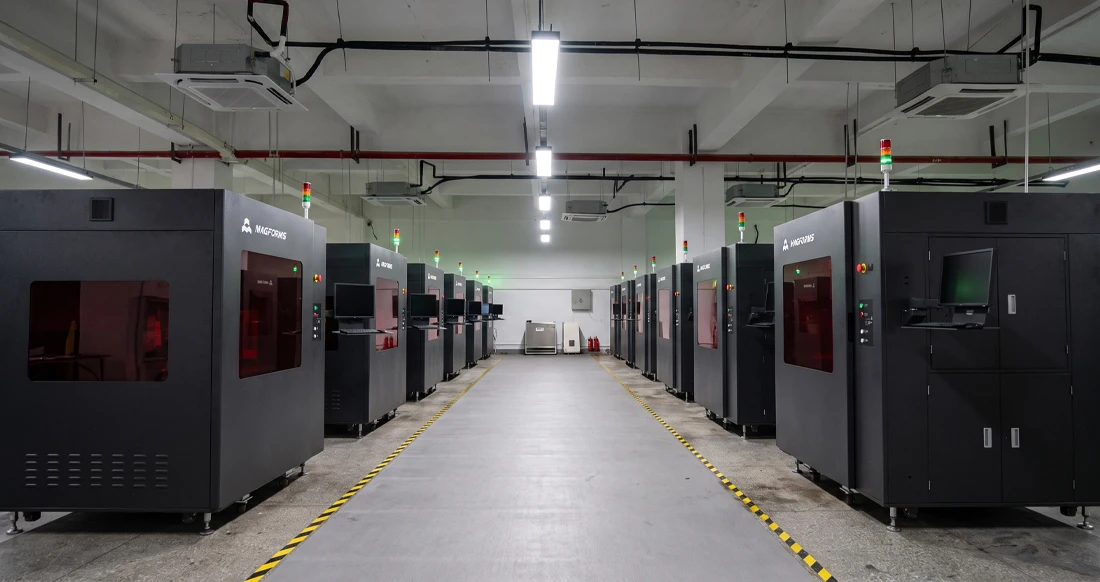
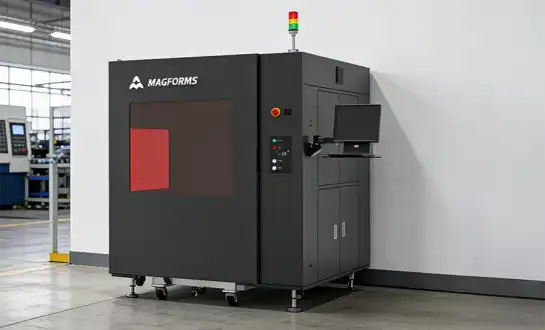
Established manufacturers like Formlabs focus on user-friendly resin systems with comprehensive software ecosystems, targeting studios prioritizing ease of operation. Their Form series offers reliable performance for dental and jewelry applications, but limits material choices to proprietary formulations. Creality targets cost-conscious studios with accessible FDM systems suitable for prototyping workflows. While entry-level pricing attracts startups, these systems may require more technical expertise and maintenance compared to premium alternatives. Industrial-grade manufacturers like Magforms differentiate through advanced hardware configurations featuring marble bases for enhanced stability and precision. These systems achieve ±0.1 mm accuracy over 100 mm lengths, approaching industrial manufacturing tolerances required for aerospace and medical applications.
Technology Trade-offs: Resin vs. Filament Systems
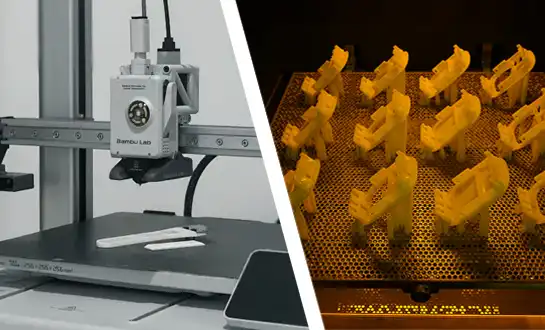
Resin-based 3D print systems excel in detail resolution 3D printing and surface finish quality, but require post-processing steps, including washing and UV curing. Material costs typically exceed filament alternatives, though recent open-platform developments have improved cost flexibility. Filament systems offer larger build volumes and easier material handling, but struggle with fine feature reproduction. Support removal requires more manual intervention, impacting labor efficiency for high-volume production scenarios. Recent technological advances blur these traditional distinctions. Variable spot-size laser systems combine the detail capabilities of traditional SLA with improved speed performance, while advanced FDM systems achieve finer resolutions through precision nozzle designs.

2026 Performance Benchmarking Data
Current market analysis reveals significant performance improvements across all technology categories. Leading SLA systems achieve printing speeds 40-60% faster than 2020 baselines while maintaining equivalent resolution standards. Material compatibility has expanded with engineering resins offering mechanical properties comparable to injection-molded thermoplastics.Cost analysis shows continued price reductions in industrial-grade systems, with entry barriers dropping 25-30% over the past three years. This democratization enables smaller studios to access previously prohibitive technologies, expanding their service capabilities.
Addressing Common Challenges in 3D Printing for Studios
Operational challenges can significantly impact studio profitability and customer satisfaction. Proactive planning and equipment selection help mitigate these issues while supporting sustainable growth.
Print Failure Prevention and Quality Consistency
Print failures waste materials and delay order fulfillment, directly impacting customer relationships. Studios implementing integrated material-hardware solutions experience 60-70% fewer print defects compared to mixed-vendor configurations. Proper equipment calibration and regular maintenance schedules prevent most mechanical failures. Quality consistency requires standardized processes and environmental controls. Temperature and humidity variations affect resin polymerization and filament behavior. Studios investing in climate-controlled printing environments achieve more predictable outcomes and reduced batch-to-batch variations. Training programs ensure operators understand optimal settings for different materials and geometries. Comprehensive technical support, including 24/7 remote consultation and guaranteed response times, helps studios resolve issues quickly and maintain production schedules.
Scalability Planning for Growing Operations
Studios must anticipate capacity requirements as their business expands. Modular equipment approaches allow incremental capacity additions without disrupting existing workflows. 3D print platforms supporting multiple material types enable service diversification without requiring completely new equipment investments. Batch production planning optimizes printer utilization and reduces per-part costs. Large-format systems enable the simultaneous production of multiple components or single large assemblies, improving throughput efficiency. Studios should evaluate their typical order patterns and configure equipment accordingly. Workflow automation becomes critical as volumes increase. Systems featuring automated material loading, print monitoring, and post-processing integration reduce labor requirements and improve consistency. This automation supports scaling without proportional staff increases.
Maintenance and Support Infrastructure
Regular maintenance prevents unexpected downtime and extends equipment life. Studios should establish relationships with suppliers offering comprehensive support programs, including scheduled maintenance, spare parts availability, 3D printing, and technical training. Remote diagnostic capabilities enable rapid troubleshooting without on-site visits. Advanced systems provide real-time monitoring and predictive maintenance alerts, allowing proactive intervention before failures occur. Technical training programs help studios optimize their equipment utilization and troubleshoot common issues independently. This knowledge reduces dependence on external support while improving operational efficiency.
Making the Purchase: Sourcing and Procurement Tips for Business Buyers
Effective procurement strategies ensure studios acquire appropriate equipment while optimizing their investment returns. Understanding supplier capabilities and negotiation approaches helps secure favorable terms.
Supplier Evaluation and Selection Criteria
Studios should evaluate suppliers based on technical expertise, support infrastructure, and long-term viability. Established manufacturers with extensive patent portfolios and proven track records provide greater assurance of continued product development and support availability. Geographic presence influences support response times and parts availability. Suppliers with local service networks can provide faster assistance and reduced shipping costs for consumables and replacement parts. Financial stability and market reputation indicate supplier reliability over equipment lifecycles typically spanning 5-7 years. Studios should research supplier backgrounds and customer references before making significant investments.
Bulk Purchasing and Negotiation Strategies
Volume commitments often secure better pricing on both equipment and consumables. Studios planning multiple printer deployments should negotiate package deals including training, warranty extensions, and material allocations. 3D print suppliers frequently offer trade-in programs for equipment upgrades, providing value for existing systems while facilitating technology advancement. These programs help studios stay current with technological developments without complete reinvestment. Payment terms and financing options can improve cash flow management during equipment acquisition. Many suppliers offer leasing arrangements or extended payment plans that align costs with revenue generation from new capabilities.
After-Sales Support and Partnership Development
Premium suppliers are different from commodity suppliers because they offer full after-sales support. Studios should give more weight to suppliers that offer technical support 24 hours a day, seven days a week, promise quick responses, and offer on-site service. Training programs help studios get the most out of their equipment purchases by teaching them how to use it better and finding new uses for it. Teams stay up to date on new features and best practices by attending workshops and getting technical information on a regular basis. Long-term relationships with suppliers like Magforms are valuable because they give you access to new technologies early and offer technical help all the time. These connections help businesses stay ahead of the competition and do great work. Companies like Magforms offer an integrated approach that optimises both materials and equipment. This gets rid of compatibility problems and ensures peak 3D printing performance. Their variable spot-size laser technology and AI-optimized scanning paths give them the fastest speeds in the business while still keeping the micron-level accuracy that is needed for high-end applications.

Conclusion
Selecting appropriate 3D print equipment requires careful evaluation of technical capabilities, business requirements, and supplier relationships. Studios must balance immediate needs with long-term growth plans while considering total ownership costs and scalability requirements. Success depends on understanding how different technologies serve various market segments and aligning equipment choices with strategic objectives. The rapid pace of technological advancement demands partnerships with innovative suppliers who provide comprehensive support and continuous development. Studios making informed decisions based on these criteria position themselves for sustained growth and competitive advantage in the expanding additive manufacturing market.
FAQ
1. What type of 3D printer works best for multi-industry service studios?
SLA systems with open material platforms offer the most versatility for studios serving diverse industries. These systems provide the precision required for medical and aerospace applications while supporting various resin chemistries for different performance requirements. Variable spot-size laser technology combines high speed with fine detail capability, making single systems suitable for both rapid prototyping and precision manufacturing applications.
2. How can studios minimize material costs while maintaining quality?
Open-platform printer designs allow material sourcing from multiple suppliers, reducing costs by 30-40% compared to proprietary systems. However, studios should prioritize integrated solutions where materials and hardware are optimized together, as these combinations eliminate compatibility issues and improve success rates. Bulk purchasing agreements and long-term supplier relationships provide additional cost advantages while ensuring consistent material quality.
3. What capacity planning approaches support efficient studio scaling?
Studios should analyze their typical order patterns and configure equipment for optimal batch processing. Large-format systems enable the simultaneous production of multiple parts, improving throughput efficiency. Modular approaches allow capacity additions without workflow disruption, while automation features reduce labor scaling requirements. Planning for 150-200% of current capacity provides growth accommodation without over-investment.
Partner with Magforms for Advanced 3D Printing Solutions
Magforms delivers comprehensive 3D print solutions designed specifically for growing studios and manufacturing operations. Our integrated approach combines high-precision SLA equipment with optimized material formulations, ensuring superior performance and reliability. With variable spot-size laser technology achieving 30-50% faster printing speeds and micron-level accuracy, our systems support both rapid prototyping and scaled production requirements. Contact our technical team at info@magforms.com to discuss your specific requirements and explore bulk purchasing advantages for 3D print suppliers expanding their capabilities.
References
1. Thompson, R. (2024). "Industrial Additive Manufacturing: Technology Assessment and Market Analysis." Advanced Manufacturing Review, 15(3), 45-62.
2. Chen, L. & Rodriguez, M. (2024). "Cost-Benefit Analysis of 3D Printing Technologies for Small Manufacturing Enterprises." Journal of Manufacturing Economics, 28(2), 112-128.
3. Williams, K. (2023). "Material Compatibility and Performance Optimization in Professional 3D Printing Systems." Additive Manufacturing Technology Quarterly, 7(4), 203-219.
4. Anderson, P. et al. (2024). "Scalability Strategies for 3D Printing Service Providers: A Longitudinal Study." Manufacturing Strategy Journal, 19(1), 78-94.
5. Zhang, H. & Mitchell, S. (2024). "Quality Control and Failure Prevention in Commercial 3D Printing Operations." Production Engineering Today, 41(6), 156-171.
6. Kumar, A. (2023). "Supplier Selection Criteria for Industrial 3D Printing Equipment: A Multi-Criteria Decision Analysis." Procurement Management Review, 33(8), 267-283.

Magforms makes design and manufacture easier.
Popular Blogs
-
 Industry InsightsManufacturing Industry
FDM vs. SLA Printer: Which Technology Is Right for Your Project?
-
 Industry InsightsManufacturing Industry
Top 5 Applications of Industrial 3D Printers in Manufacturing Today
-
 Industry InsightsManufacturing Industry
Why Stereolithography 3D Printers Are Unmatched for Microfluidic Device Prototyping?