Industrial SLA 3D Printer SL800 for Automotive Prototyping Applications
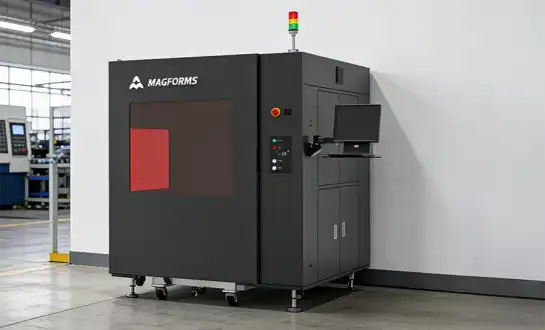
The Industrial SLA 3D Printer SL800 is an advancement in stereolithography (SLA) technology, designed for automotive prototyping and validation applications. This large-format system is designed to produce high-precision parts with excellent surface quality, which helps automakers speed up the design approval process and lower the cost of tools. The SL800 connects digital ideas to physical samples with its strong build, variable laser spot technology, and ability to work with a wide range of engineering-grade resins. This lets R&D teams make changes more quickly and confidently bring new car parts to market.
Understanding Industrial SLA 3D Printing Technology
How Stereolithography Powers Automotive Innovation
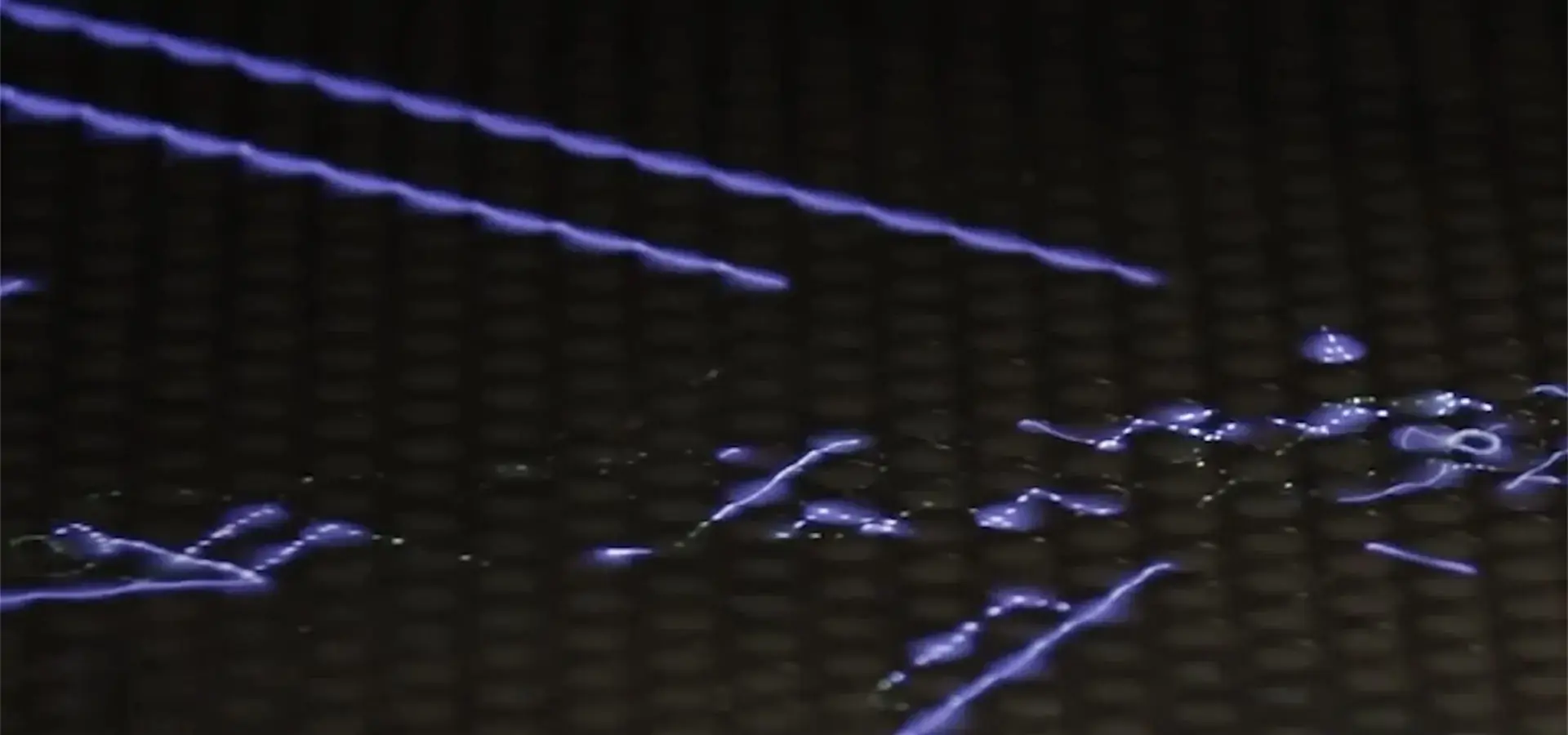
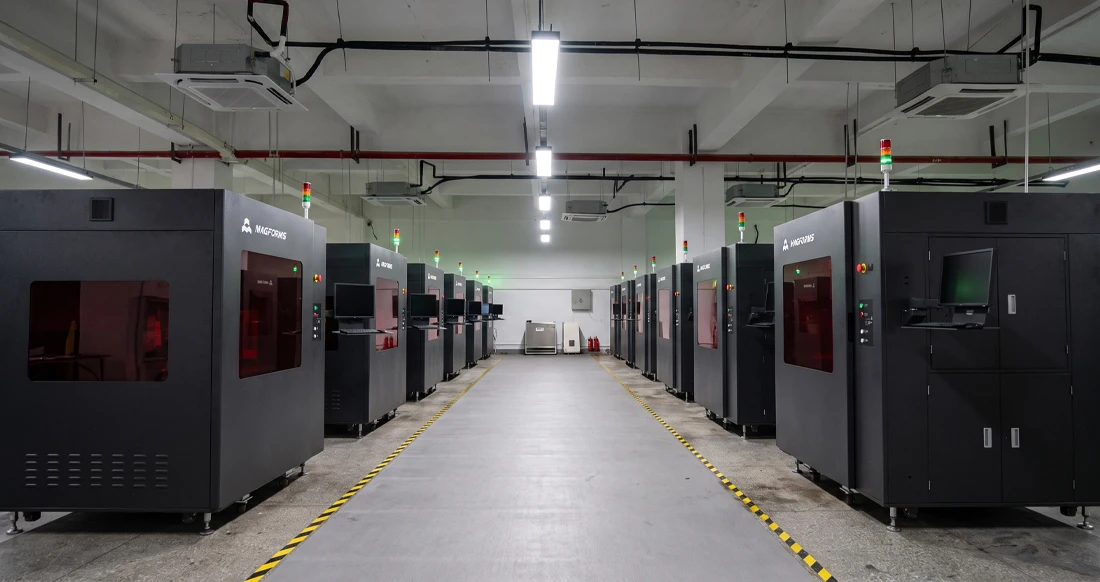
Stereolithography is still one of the most reliable ways to use additive manufacturing to make accurate designs for cars. A solid-state UV laser system, combined with a high-precision Scanlab galvanometer scanning system, is used in the SL800 to selectively cure liquid photopolymer resin layer by layer. Unlike many desktop SLA or LCD-based systems that are limited in build volume, this industrial-grade equipment has an 800mm build envelope that can fit big car parts like dashboard kits, bumper prototypes, and custom interior trim pieces in a single print cycle.
👉 What is Industrial SLA 3D Printing Technology
Material Science Behind Functional Prototyping
The choice of plastic has a huge effect on how well the sample works. The SL800's open material architecture is compatible with a range of 355nm UV-curable engineering resins commonly used in industrial SLA systems. This includes ABS-like resins for snap-fit testing, PP-like flexible resins for evaluating clip and hinge performance, and high-temperature resins with heat deflection temperatures typically above 100°C. Because of this, engineers working on cars can choose materials that have qualities that are very close to those used in production. This way, they can make sure that assembly verification tests give them useful information before they buy expensive injection mold tools.
Precision Requirements in Automotive Design Validation
Tolerances are much tighter in the automotive development industry than in many others. The SL800 is designed to achieve high dimensional accuracy, typically within ±0.1 mm for parts under 100 mm and ±0.1% × L for larger geometries, depending on geometry, resin properties, and process conditions. This level of precision is important for evaluating assembly fit, where dimensional deviation, resin shrinkage, and post-curing effects can influence final part alignment, when trying the alignment of door panels, or when looking at complex air duct shapes, where even small errors can make them less useful or less appealing to the eye.
Advantages of Using the SL800 Industrial SLA 3D Printer in Automotive Prototyping
There is constant pressure on the car industry to cut down on development times while still keeping high-quality standards. Traditional development methods, like CNC cutting or hiring someone else to make a model, often cause weeks-long delays that stop growth. The SL800 directly handles these problems with a number of key benefits that change the way car teams work with prototyping.
Speed Without Compromise
The SL800 Industrial SLA 3D Printer's changeable laser spot technology can switch between 0.15–0.2mm micro-spots for detailed outlines and 0.5–0.6mm macro-spots for quick infill scans. This smart method speeds up print speeds by 30–50% compared to regular fixed-spot systems, allowing overnight print runs to finish jobs that used to take several days. The intelligent scan path optimization improves scanning efficiency and reduces unnecessary motion during long print cycles. As the system gets more experience, it gets up to 20% more efficient. When it comes to car teams working on projects with short deadlines, these speed gains mean more changes per development phase and a faster time to market.
Surface Quality That Eliminates Extensive Finishing
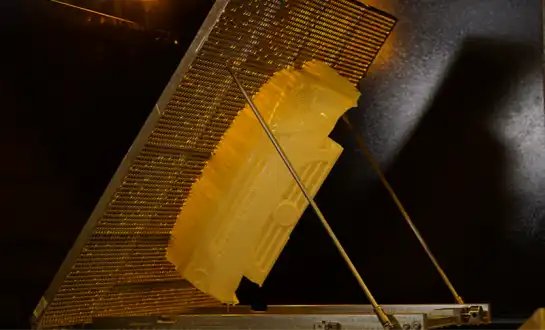
Prototypes for cars are often used for two things: trying how they work and giving shows to important people. The SL800's precise optics and built-in grayscale processing method reduce the stair-step layer effect that is common in additive manufacturing. This means that parts it makes have surface roughness that can be significantly reduced compared to layer-based manufacturing processes, especially with post-curing and finishing. This surface quality that is similar to injection molding makes post-processing a lot easier, so teams can go straight from the printer to the paint shop or assembly test rig. The saved time and lower costs of finishing by hand make the project more cost-effective overall while keeping the visual accuracy needed for design reviews.
Material Versatility for Comprehensive Testing Protocols
Modern cars have parts that need a huge range of different materials. In just one prototype phase, you might need hard structure brackets, flexible gasket connections, and clear lens covers. As long as the SL800 is compatible with all 355nm engineering resins, all of these versions can be made on the same platform. Engineers can print hard automotive-grade parts for testing mechanical stress, switch to flexible elastomeric plastics for validating sealing components, and then make optically clear parts for checking the lighting assembly—all without having to change their tools or work flow. This unified method makes it easier to buy things, train people, and run operations efficiently.
Comparing SL800 with Other Industrial SLA and 3D Printing Solutions
When purchasing managers look at stereolithography tools, they find a market that is very competitive and has a wide range of options in terms of features and overall cost of ownership. Figuring out how the SL800 compares to other SLA platforms and different additive technologies can help you understand what its value is for car uses.
SLA Versus FDM for Automotive Prototyping
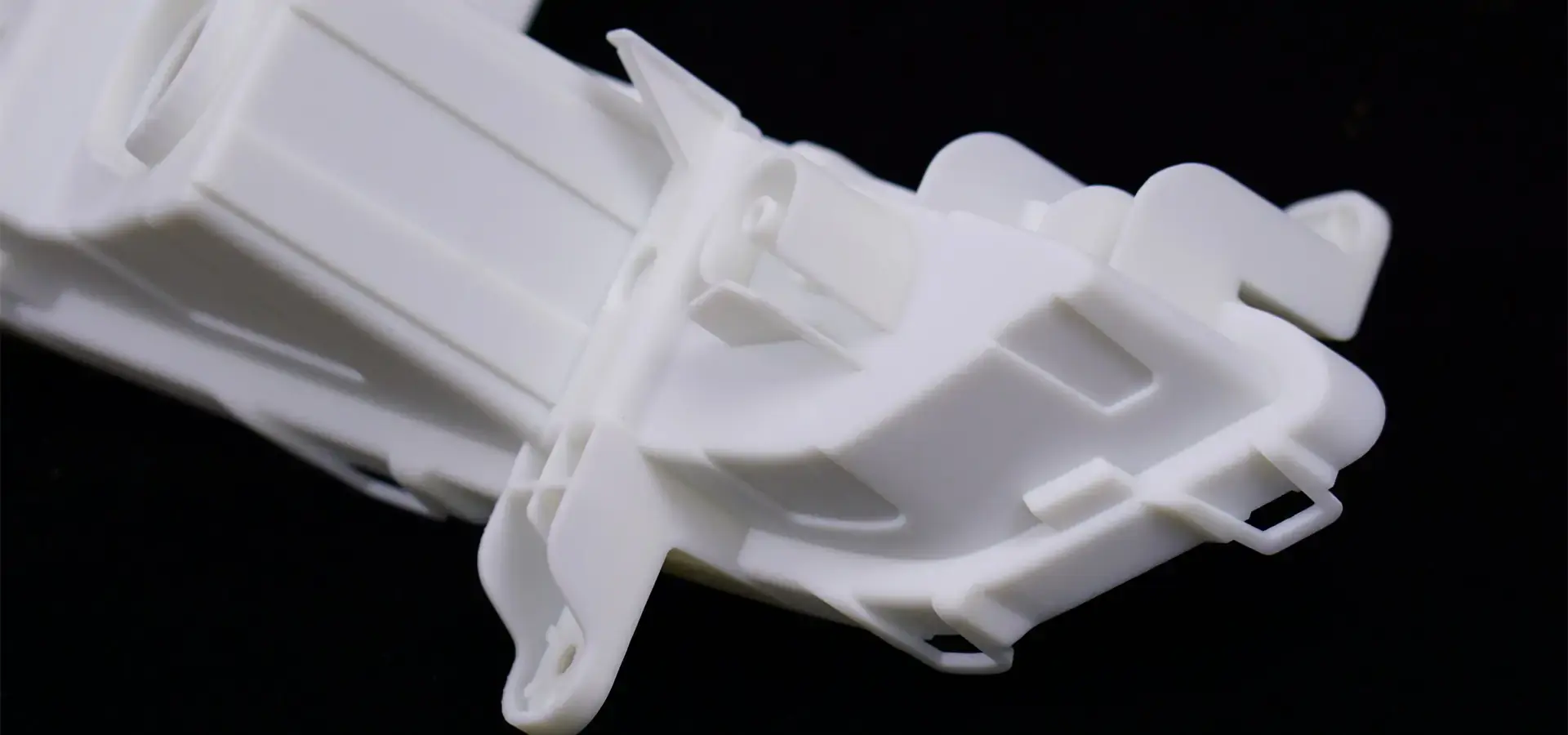
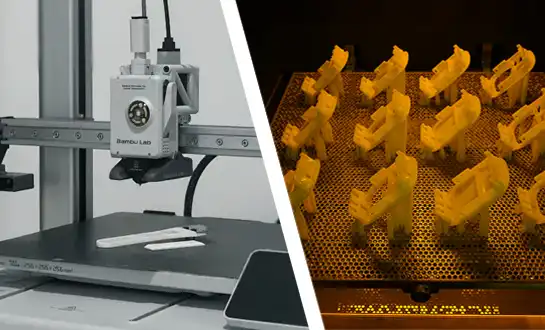
Due to lower equipment prices, Fused Deposition Modeling is the most popular alternative for making prototypes for cars. FDM, on the other hand, has problems with layer bonding, which leads to parts with significantly lower strength along the Z-axis. This is a major problem when testing structural car parts. SLA produces more uniform mechanical behavior across axes compared to FDM. These parts behave much more like injection-molded industrial parts. Also, FDM parts need a lot of sanding and finishing because the layer lines and stepped surface textures are obvious. SLA parts, on the other hand, come out with a surface quality that is ready for presentation, which greatly cuts down on the cost of post-processing work.
Performance Against Competing Stereolithography Systems
When compared to well-known competitors' products, the SL800 stands out because it has better component choices and built-in material knowledge. Some companies use their own laser systems that aren't always clear where they come from, but the SL800 uses tried-and-true AOC lasers that are made to work 24/7 in industrial settings and have very stable power output. The German Scanlab galvanometer pairing guarantees dependable performance, as shown by the millions of operating cycles recorded in sites around the world. Competitors often use chip-based identification to lock in customers on their products, which drives up the cost of consumables. The SL800's open design gets rid of these limits, which lowers the cost of each part by 30–40% in most production situations and lets customers choose resins from different providers based on price and performance.
Total Cost of Ownership Analysis
Smart procurement includes more than just the original purchase price. It also includes the ongoing costs of running the technology for as long as it lasts. The Panasonic servo motors and HIWIN linear motion components in the SL800 provide longer service intervals than cheaper options that need regular repair. The marble platform base keeps the temperature stable, so changes in the room temperature don't cause prints to fail, which is a common cause of wasted materials in cheap systems. With full technical support that responds within 24 hours and a professional after-sales team that works across all U.S. time zones, problems with downtime are quickly fixed, keeping production plans safe. The SL800 regularly shows a better return on investment than seemingly cheaper options when you look at the total cost of ownership over five years, which includes equipment, materials, repairs, and lost output due to breakdowns.
👉 Industrial SLA 3D Printer Solutions
Maintenance and Operational Best Practices for the SL800
To get the most out of your equipment's uptime and print quality, you need to follow set repair procedures that are designed to work in the tough car prototyping setting. The SL800's industrial design makes regular maintenance easier and ensures long-term dependability, even when production is busy.
Daily and Weekly Maintenance Routines
Before each print session on the Industrial SLA 3D Printer, operators should check the resin vat for partially cured resin residues or contaminants. They should then use the given filtering system to get rid of any debris that could stop the print from working. Every week, isopropyl alcohol can be used to clean the recoating system components so that resin residue does not accumulate and affect layer consistency. The plastic cover that goes over the laser optics should be checked for dust buildup, since any contamination has a direct effect on the regularity of the fix. Most print quality problems can be avoided by following these easy steps, which can be done in minutes. They also make reusable parts last longer.
Calibration for Sustained Accuracy
Even very precise equipment slowly moves away from its ideal settings. The laser stays perfectly focused and has the right beam shape across the whole build platform thanks to a monthly galvanometer calibration using the built-in testing procedure. Using the dial indicator kit to check the leveling of the platform confirms the ±8μm placement accuracy that is needed for precise measurements. Magforms suggests getting factory-certified calibration once a year for production settings where tolerances have a direct effect on how well parts fit together. Authorized service partners all over North America offer calibration services.
Resin Handling and Storage Protocols
Photopolymer plastics are still affected by light and the environment. Keep unopened photopolymer resin packages that haven't been opened in cool, dark places between 15°C and 25°C to keep the viscosity from changing or curing too quickly. Once the resin is opened, it should be used within the time limits set by the maker, which are usually 3–6 months based on the formulation. The SL800's built-in temperature control system keeps the resin viscosity at an optimal level while it prints, even if the temperature in the workshop changes, which would normally ruin the quality of the print. This environmental stability is especially helpful in car factories where HVAC systems put worker comfort ahead of precise manufacturing conditions.
Partnering with Responsive Technical Support
Sometimes, even well-maintained equipment has problems that no one saw coming. Magforms' after-sales team is made up of engineers with a lot of experience with 3D printing on multiple platforms. They offer technical help that quickly fixes issues. This responsive support system keeps work from stopping as little as possible, whether it's answering questions about software setup, finding problems with machines, or suggesting better ways to do things in tricky shapes. Because they promise to respond within 24 hours, automotive teams can count on tools being available at all times, even during key stages of a project where delays could have big financial effects.
Practical Applications of the SL800 in Automotive Prototyping
Automotive development has many different prototyping needs, such as making sure the design looks good, making sure it works, and getting ready for production. Each of these uses can be met by the SL800 with accuracy and speed that is hard to match with traditional modeling methods.
Fit-and-Form Verification for Assembly Validation
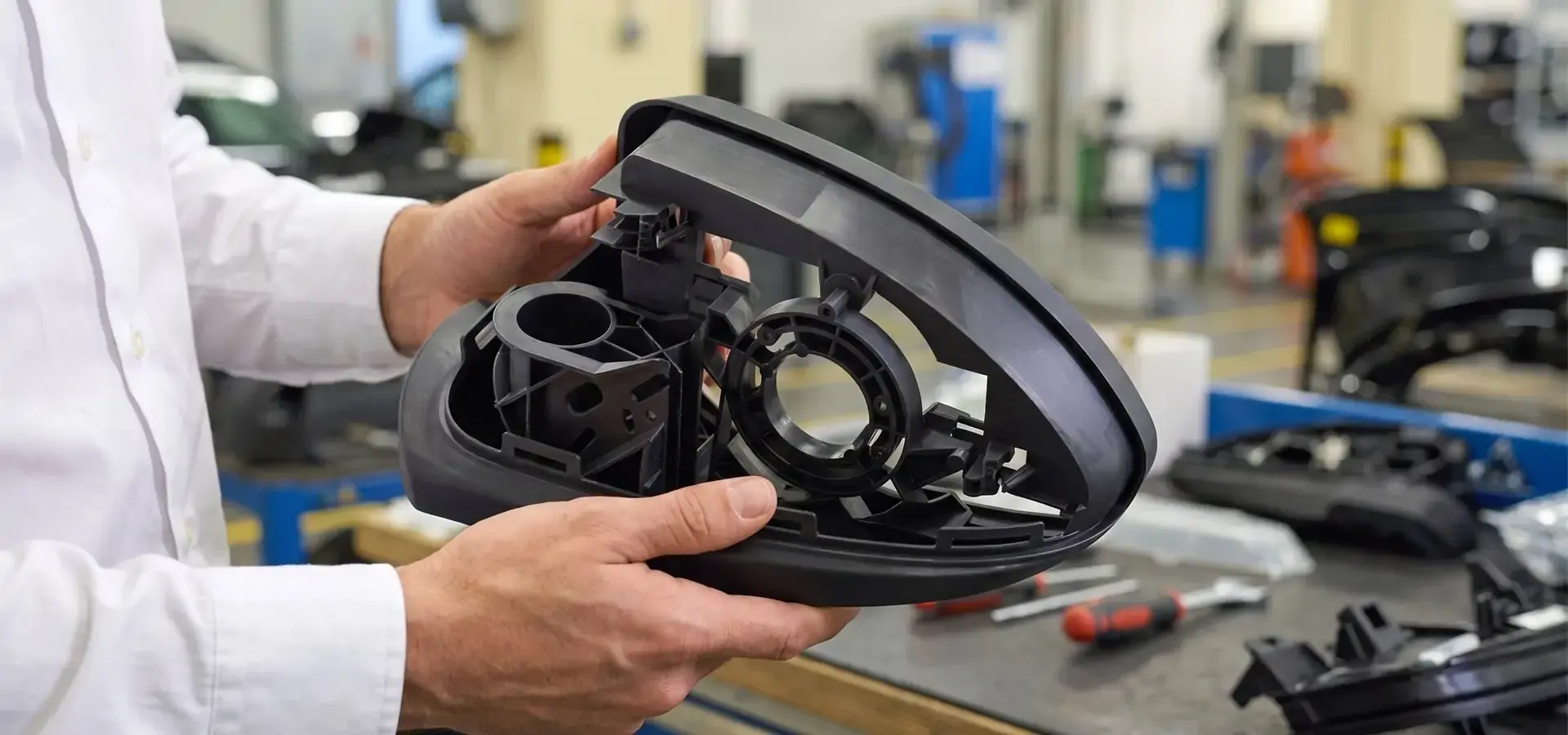
Before approving the purchase of expensive tools, automobile engineers must make sure that all the parts fit together properly, with the right amount of space and alignment. The Industrial SLA 3D Printer SL800 makes full-size versions of the inner console, door panel kits, and dashboard structures. This lets engineers test the ergonomics, sight lines, and how the parts work together in real life. Similar workflows are demonstrated in Automotive Prototype Validation with Industrial SLA 3D Printing, where manufacturers use large-format SLA systems to evaluate vehicle components before committing to expensive injection molding tools. These printed assemblies show interference issues, snap-fit issues, and ergonomic flaws a lot better than computer models alone, so design changes can be made before expensive tooling promises are made.
Custom Jigs and Manufacturing Aids
In addition to making samples for end-use, the SL800 helps with the production of cars by making special tools. During production ramp-up, uniform measurement methods are made possible by quality inspection fixtures that are made to fit the shape of each component. Assembling jigs that correctly place multiple parts make manual assembly work easier and require less training. Welding clamps that keep parts precisely aligned while they are being joined improve the regularity of the weld. These industrial tools, which can be made quickly and cheaply with stereolithography, speed up the time it takes to start production and lower reliance on outside tooling providers.
Limited Production and Niche Vehicle Components
Specialty automobile uses like restoration projects, niche speed upgrades, and limited-edition vehicle versions often need too few parts to justify buying injection molding tools. Small batches of useful end-use parts, such as custom trim pieces, unique mounting brackets, and specialty enclosures, can be made cheaply with the SL800. This feature creates fresh business chances for car providers that cater to enthusiast markets and gives OEMs the freedom to make low-volume versions without having to spend a lot of money on new tools.
Transparent Component Development for Lighting Applications
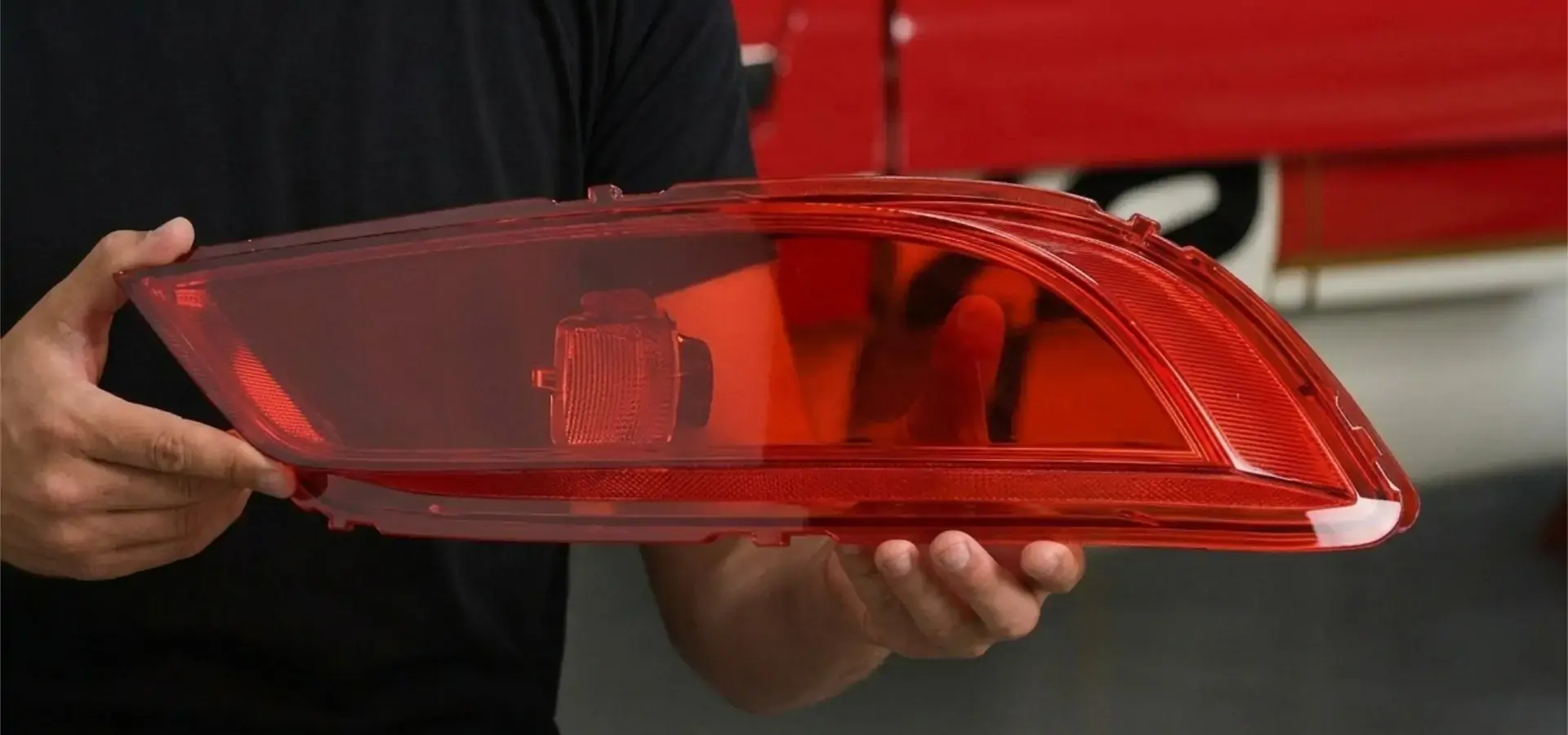
Automotive lighting systems need parts that are clear and meet strict standards for visual quality. The SL800 does a great job with clear resins, making lens samples and light guide structures that are almost as clear as injection-molded plastic. Using working transparent samples, engineers can check out how light is distributed, how the surface looks, and how the parts fit together before investing in expensive optical tools. This greatly lowers the risk of developing new lighting systems.
Conclusion
Because the car business is always trying to come up with new ideas, they need prototyping tools that are fast, accurate, and reliable. The SL800 stereolithography system has open material design, industrial-grade component selection, and intelligent automation, which makes it a complete option for prototyping in the car industry. This SLA platform enables automotive teams to accelerate prototyping cycles while still meeting the high quality standards needed for vehicle safety and customer satisfaction. It does this by providing better dimensional accuracy, better surface quality, and operational stability that has been tested in demanding production environments. The SL800 is a smart investment that turns prototyping from a problem into a competitive advantage. It can help both large OEM R&D projects and smaller makers of specialized car parts.
FAQ
Why choose the SL800 over smaller format SLA printers for automotive work?
Often, the build sizes of compact stereolithography tools are too small for the parts that go into cars. The SL800’s large build volume enables production of large automotive components such as bumper sections and dashboard assemblies in fewer segmented prints. This feature speeds up approval processes and ensures prototype accuracy that smaller systems can't match.
What types of automotive resins work best with the SL800?
The open material system works with ABS-like resins for hard structure parts, PP-like resins for flexible clips and living hinges, high-temperature formulations for use under the hood, and clear resins specifically made for lighting parts. The choice of material should be based on the unique testing needs. Magforms' technical team can help you choose the best resin for your car needs.
How quickly can we receive equipment and begin production?
Delivery times for the SL800 to places in the U.S. typically range from 4 to 6 weeks depending on configuration and production schedules, based on the configuration and production plans at the time. Installation and training take about a week, and long-term operator training makes sure that teams can get to work quickly. For projects that need to be done quickly, you may be able to get faster delivery choices by talking to the sales team.
Partner with Magforms for Your Automotive Prototyping Success
Automotive development schedules don't allow for broken equipment or tech help that can't be counted on. Magforms backs up the SL800 with a full service network that spans North America. This makes sure that your team can keep working efficiently during key project phases. Our unified method, which combines precise tools with materials that are best for the job, gives car prototyping the stability and dependability it needs. As a reliable Industrial SLA 3D Printer provider, we offer a range of buying choices, such as direct purchase, leasing, and bulk price models that can be changed to fit the needs of your business. Get in touch with our tech support team at info@magforms.com to set up a live presentation, ask for sample parts printed just for your car application, or talk about how the SL800 can change the way you do prototyping. Magforms offers tried-and-true additive manufacturing solutions that speed up the process from idea to production. Our innovations are protected by 22 patents, and over 300 businesses around the world rely on our technology.
References
1. Gibson, I., Rosen, D., & Stucker, B. (2021). Additive Manufacturing Technologies: 3D Printing, Rapid Prototyping, and Direct Digital Manufacturing. Springer International Publishing.
2. Jacobs, P. F. (1992). Rapid Prototyping & Manufacturing: Fundamentals of Stereolithography. Society of Manufacturing Engineers.
3. Melchels, F. P. W., Feijen, J., & Grijpma, D. W. (2010). "A review on stereolithography and its applications in biomedical engineering." Biomaterials, 31(24), 6121-6130.
4. Automotive Industry Action Group. (2019). Advanced Product Quality Planning and Control Plan Reference Manual. AIAG Publications.
5. Hopkinson, N., Hague, R., & Dickens, P. (2006). Rapid Manufacturing: An Industrial Revolution for the Digital Age. John Wiley & Sons.
6. Society of Automotive Engineers. (2020). SAE J1349: Engine Power Test Code—Spark Ignition and Compression Ignition—As-Installed Net Power Rating. SAE International Standards.

Magforms makes design and manufacture easier.
Popular Blogs
-
 Industry InsightsManufacturing Industry
FDM vs. SLA Printer: Which Technology Is Right for Your Project?
-
 Industry InsightsManufacturing Industry
Top 5 Applications of Industrial 3D Printers in Manufacturing Today
-
 Industry InsightsManufacturing Industry
Why Stereolithography 3D Printers Are Unmatched for Microfluidic Device Prototyping?