How to Automate Post-Processing for an Industrial SLA 3D Printer?
Automating post-processing for an Industrial SLA 3D Printer does not necessarily mean fully robotic production. In practice, manufacturers can improve post-processing efficiency by combining dedicated washing and post-curing equipment with standardized manual handling procedures. For an industrial SLA workflow, the goal is to reduce unnecessary labor and process variation while keeping critical steps such as part transfer, inspection, and support removal under operator control. The key lies in selecting equipment that synchronizes seamlessly with your stereolithography printer's output cycle, reducing manual handling while maintaining dimensional precision. Modern post-processing solutions for SLA printing can use programmable wash cycles and controlled UV exposure times to improve process consistency and reduce repetitive manual work, while part transfer and support removal may still require operator involvement. Depending on production volume and the level of automation, dedicated washing and curing equipment can reduce repetitive manual work and improve process consistency. The actual labor savings depend on part size, resin type, batch volume, and how much of the workflow remains manual.
Principles and Technologies Behind Automating Post-Processing for Industrial SLA Printers
Controlled environments, programmable equipment, and standardized work procedures can improve the consistency and repeatability of industrial SLA post-processing while reducing repetitive manual work. Modern solutions combine several post-processing steps into a structured workflow that follows the output of an Industrial SLA 3D Printer. For a deeper explanation of how laser-based stereolithography works, see our guide to SLA 3D printing technology.
Automated Cleaning Stations
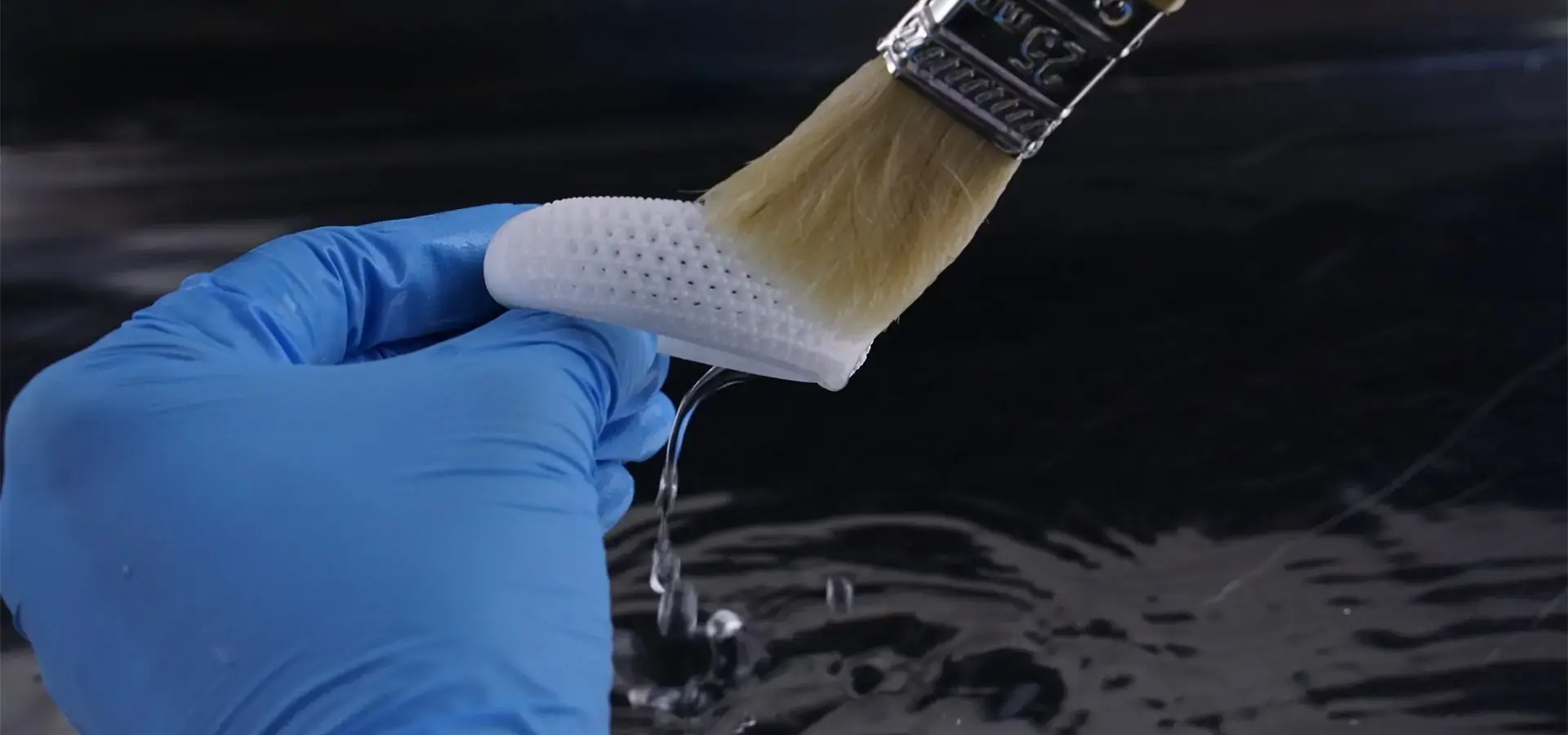
Modern cleaning machines use programmed wash processes that are made to work with certain resins. The first step is usually a solvent wash to remove residual uncured resin from the part surface. Depending on the equipment and resin system, agitation or other cleaning methods can be used to improve resin removal from complex geometries and recessed areas. A final rinse with clean solvent can help remove remaining resin residue and contaminants before the parts are dried and transferred for post-curing.
Cleaning fluids are reused and filtered by solvent management systems, which extend their useful life and cut down on hazardous waste. Some dedicated washing systems can automate agitation, washing time, or part lifting. However, in a typical industrial SLA workflow, operators may still need to manually transfer printed parts from the printer to the washing equipment and between different post-processing stages.
UV Curing Chambers with Environmental Control
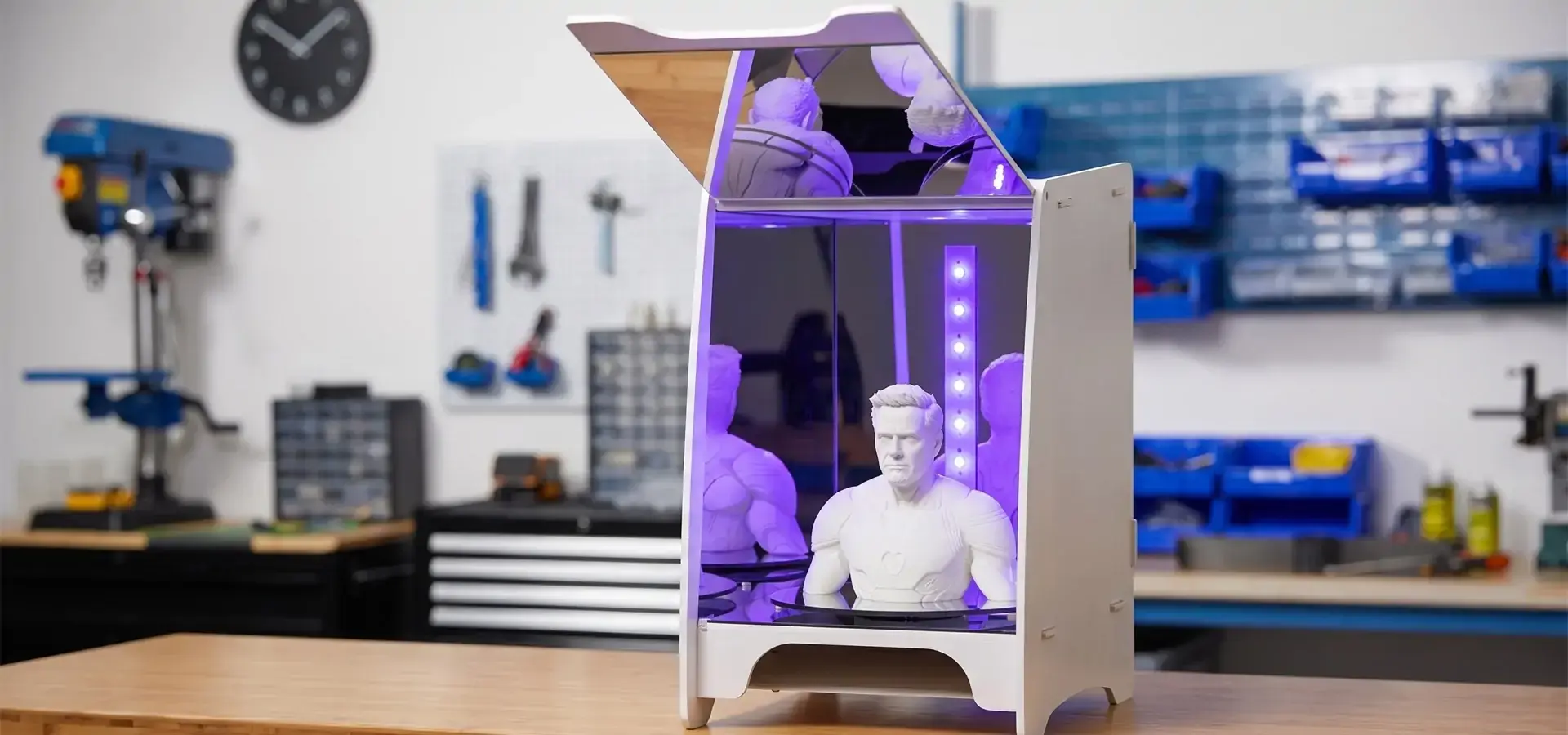
Autonomous cure systems use LED arrays or mercury vapor lamps with mirrored chamber designs to spread out the UV light evenly. Post-curing temperature and exposure time should be determined according to the resin manufacturer's recommended process window. A dedicated curing chamber can provide controlled UV exposure and, when required by the material, controlled temperature to help achieve more consistent final properties. Controlled UV exposure and, where required, temperature management can help the resin reach its intended degree of post-cure while reducing the risk of excessive thermal effects or dimensional changes.
Programmable curing profiles can be changed to meet the needs of different materials. Different resin formulations may require different post-curing profiles. Clear, tough, flexible, and high-temperature materials should therefore be processed according to their validated curing recommendations rather than using one universal exposure time. Some professional curing systems monitor or control curing parameters to improve process repeatability. Where available, regular equipment calibration and verification can also help maintain consistent UV output over time. Regular calibration and output verification can help ensure that the curing equipment delivers a more consistent UV energy dose over time.
Support Removal and Finishing
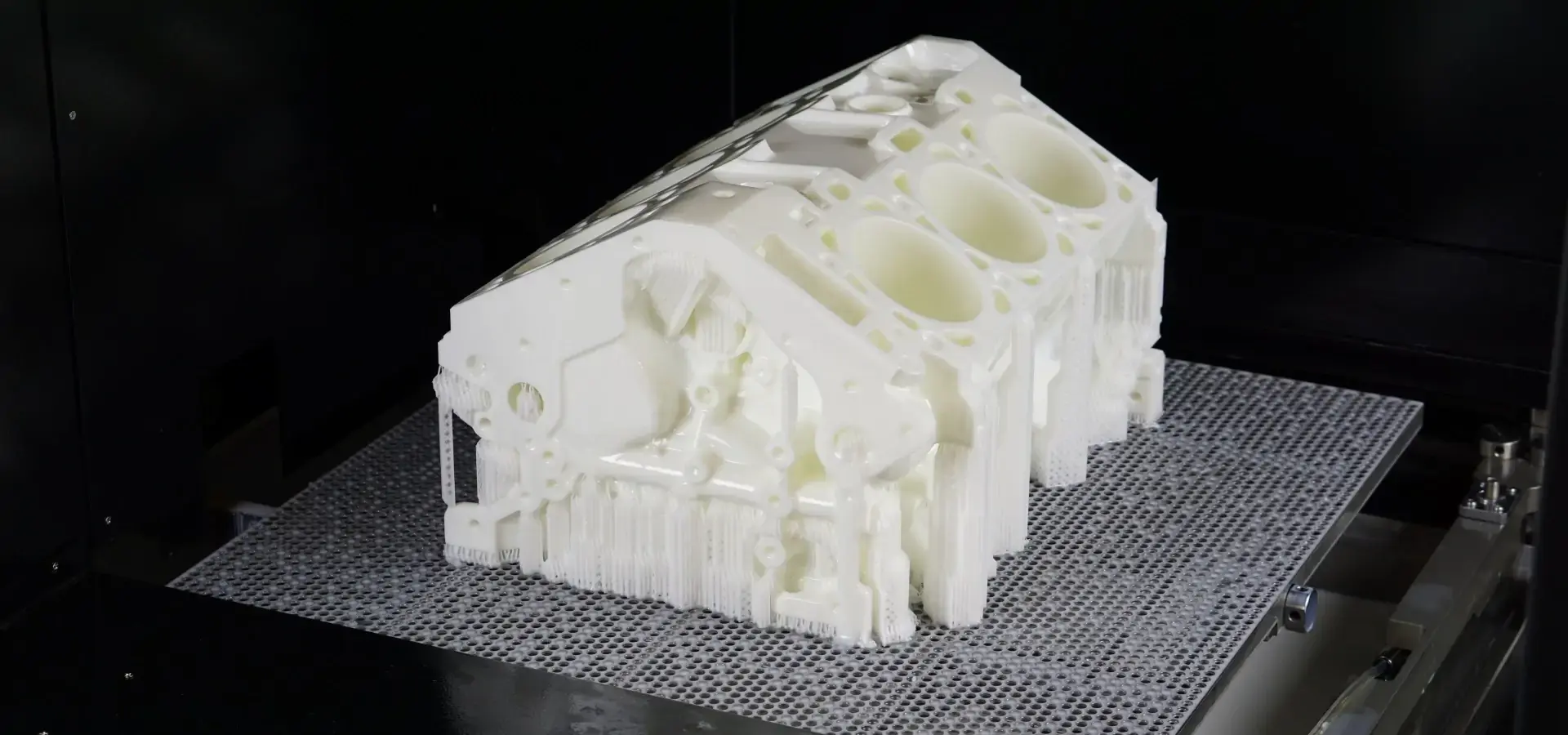
Support removal for SLA parts is commonly performed manually using appropriate cutting or finishing tools, particularly when the part contains delicate features or critical surfaces. Support removal is usually performed manually using appropriate cutting and finishing tools, especially when parts contain delicate features or surfaces that require careful handling. A standardized support design and consistent part orientation can make this step more predictable and reduce the risk of damaging critical features.
Integration and Workflow Synchronization
For a more efficient post-processing workflow, your Industrial SLA 3D Printer and dedicated post-processing equipment should be planned as a coordinated production system. Production software and standardized work instructions can help organize post-processing steps by linking each build to its material, cleaning requirements, curing profile, and inspection records. In a partially automated workflow, operators still transfer parts between the printer and dedicated post-processing equipment, while programmable washing and curing equipment helps standardize repeatable process steps.
Advanced systems use RFID tags or QR codes to keep track of parts while they are being post-processed. This can create useful digital records for traceability and process monitoring, which can support quality management workflows in regulated or highly controlled manufacturing environments. Real-time monitoring lets operators know when there are problems with the process so that they can fix them right away, before the problems spread to other batches of production.
Here are the main benefits that Magforms brings to automated workflows for post-processing:
Synergy between Materials and Equipment: Magforms' approach combines its Industrial SLA 3D Printer systems with a range of compatible 355 nm photopolymer resins, helping manufacturers establish a more consistent printing and post-processing workflow. This combination of material development and machine configuration helps reduce process variability between the resin and the printing system. The AOC laser and German Scanlab galvanometer are selected to provide stable laser output and consistent scanning performance across the build area. Consistent laser spot characteristics help maintain more uniform energy delivery during scanning, which can contribute to stable exposure conditions and predictable part quality.
Variable Spot Technology Makes Things More Efficient: The SL800's variable laser spot strategy uses smaller spot sizes of approximately 0.15–0.2 mm for fine features and larger 0.5–0.6 mm spots for faster area filling. Under suitable printing conditions, this approach can reduce scanning time, with Magforms reporting potential print-time reductions of approximately 30–50% compared with traditional SLA approaches. Higher printing throughput can increase the number of parts entering the post-processing stage, making workflow efficiency increasingly important as production volume grows.
Dimensional Stability Makes Finishing Less Necessary: The SL800 uses Panasonic servo motors with platform positioning accuracy of ±8 μm, while the recoater system is designed for precise resin-level control. These machine-level precision features contribute to stable layer formation and dimensional consistency, while actual part accuracy still depends on resin properties, geometry, orientation, process parameters, and post-curing conditions. These machine-level precision features can help reduce dimensional variation and minimize unnecessary rework, sanding, or filing during finishing.
Built-in Temperature Control: Resin viscosity directly affects resin flow and recoating behavior during printing. Magforms' built-in temperature control helps maintain a more stable resin viscosity during long print jobs, supporting consistent layer formation and reducing process variation that could otherwise affect downstream post-processing.
👉 Magforms SL800 Industrial SLA 3D Printer
Step-by-Step Guide to Implementing Automated Post-Processing
A structured method that balances technical needs with operational realities is needed for automation to be implemented successfully.
Assess Current Production Metrics
Start by taking measures of your current physical process as a baseline. Make a list of the average cleaning times per build, the lengths of the curing cycles, the hours of labor used for support removal, and the percentage of defects that are caused by post-processing errors. Find the total cost per part, which should include direct work, fluid use, energy use, and waste from damaged processing.
Figure out exactly where the problems are—which steps in the process take the longest time, where quality problems happen most often, and which resin types, part geometries, or support structures make post-processing the most difficult. This study based on data, shows where automation has the most impact and gives ROI benchmarks for comparing equipment choices.
Select Appropriate Automation Technologies
When evaluating equipment, manufacturers should consider build volume, production volume, material compatibility, and post-processing requirements. Comparing different Industrial SLA 3D Printer configurations can help determine which system best fits the intended production workflow. Small-batch prototype shops might benefit from cleaning and curing stations that are partially automated. These stations cut down on manual labor while still allowing operators to keep an eye on things. For higher-volume manufacturing operations, more advanced washing and curing systems can reduce repetitive manual work and support more consistent processing across larger production batches.
Check to see if the tools can be expanded—will the system be able to handle more production as your business grows? Think about material compatibility, especially when different photopolymer resins or cleaning solvents are used for different applications. Proprietary solutions that are limited to certain consumables are less flexible than open-architecture systems that can use a range of solvents and curing profiles.
Integrate Automation with Existing Workflows
Physical layout planning makes sure that the flow of materials from your Industrial SLA 3D Printer to equipment for finishing is smooth. Place automated cleaning stations next to printers to cut down on the distance and amount of handling needed. Make sure there is enough room to stage the washed and dried parts before support removal and final inspection.
Metadata about a print job is linked to post-processing settings through software interaction. When a build with a certain resin is finished on your stereolithography printer, the operator can select the appropriate cleaning solvent, washing duration, and curing profile according to the resin manufacturer's recommendations. This gets rid of mistakes made when writing by hand and makes sure that processing is the same no matter who adds the parts.
Train Staff and Establish Operating Procedures
Operators learn about the powers of automatic equipment, how to maintain it, and how to fix problems through thorough training programs. Train experienced operators to manage the post-processing equipment, perform quality checks, maintain standardized procedures, and handle tasks that require human judgment. These people will be in charge of multiple machines, do quality checks, and handle situations that need human judgment.
Write down standard operating procedures that cover how to do routine maintenance, how to handle common faults, and when to do it. Clear procedures make sure that the system is always used the same way and that institutional knowledge is kept even when staff changes.
Monitor Performance and Optimize Continuously
Track key performance indicators like the number of parts processed per shift, the average cycle time, the number of defects, the amount of solvent used, and the amount of time the equipment is up and running. Reviewing these metrics on a regular basis helps find ways to improve them and confirms ROI projections.
Initiatives for continuous growth use operational data to fine-tune the parameters of processes. By looking at defect patterns, you might find that different cleaning cycles are needed for different part orientations or that different curing temperatures are better for certain types of resin. These findings lead to small improvements in speed that add up over time.
Practical Applications of Post-Processing Automation in Industrial SLA 3D Printing
Implementations in the real world show the real benefits that technology brings to different types of industrial situations.
Manufacturing Service Providers Increase Post-Processing Capacity
A high-volume 3D printing service provider may experience a bottleneck after printing rather than during the printing process. When several Industrial SLA 3D Printer builds finish within a short period, operators still need to wash, dry, post-cure, remove supports, and inspect the parts. Dedicated washing and post-curing equipment can standardize repeatable steps and reduce repetitive manual work, while operators remain responsible for part transfer, support removal, inspection, and quality control.
Medical Device Manufacturer Enhances Quality Consistency
A dental lab that used stereolithography to make surgery guides and orthodontic models had trouble with uneven post-processing that caused differences in the sizes of the models. Manually removing support sometimes damaged important reference features, which meant that they had to be printed again, which made patients wait longer and cost more in materials.
In dental and medical applications, controlled post-processing can help maintain more consistent dimensions and surface characteristics, particularly when parts contain delicate reference features. Support removal and curing should still follow the material manufacturer's validated process and the requirements of the specific application.
Automotive Supplier Scales Production Efficiently
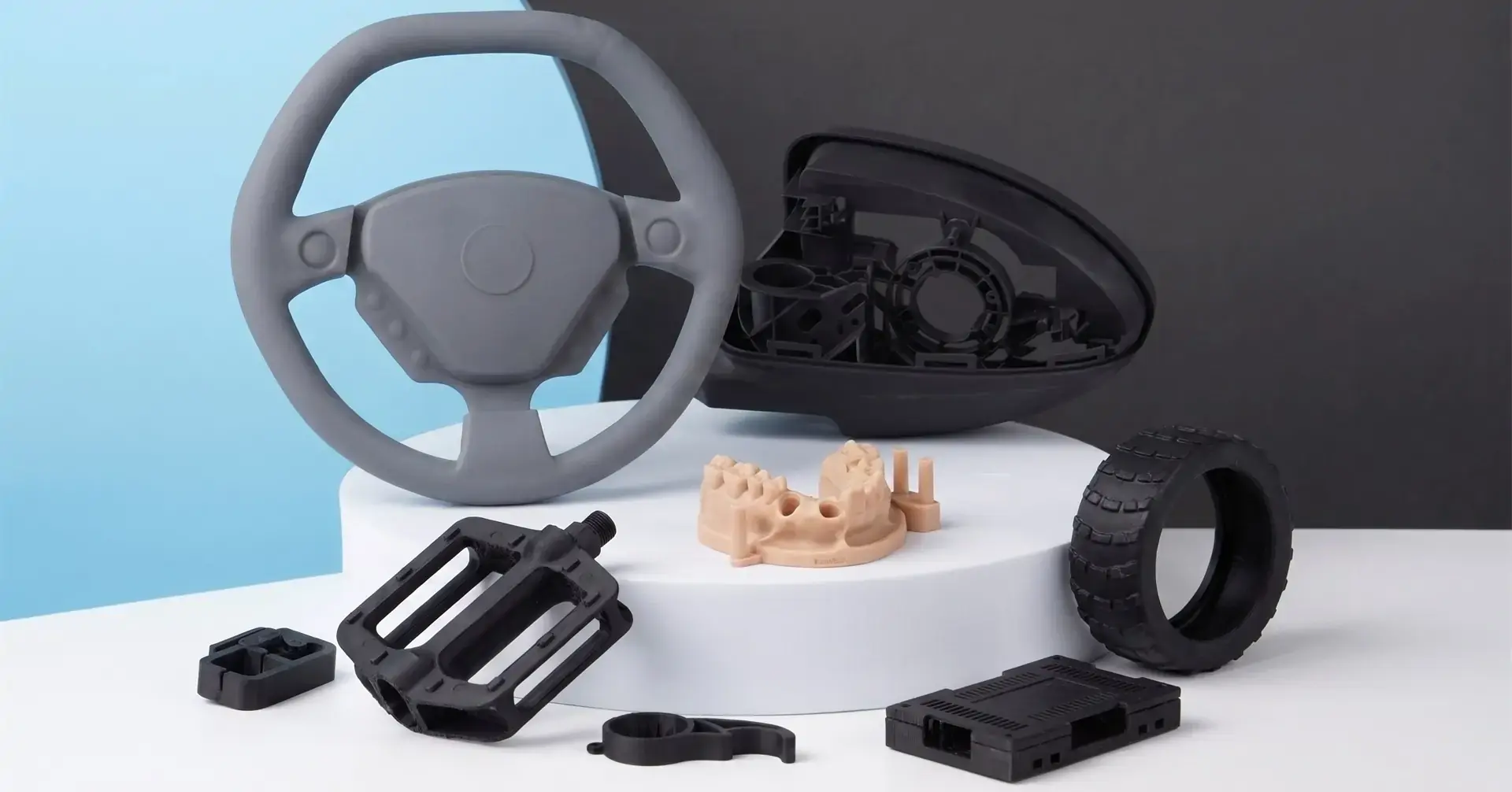
A car component prototyping shop planned to double production output to support new vehicle development projects, but they couldn't hire more post-processing technicians because they didn't have enough room in their building. The company bought automated equipment for cleaning, curing, and support removal that they put together with their current fleet of Industrial SLA 3D Printers.
For automotive prototyping, programmable washing and curing equipment can help extend the usable capacity of the production workflow by standardizing repeatable post-processing steps. This can be particularly useful when multiple prototype batches are produced within a short development cycle.
For manufacturers evaluating how this workflow performs in real production environments, our SL800 real-world engineering application cases provide additional examples of industrial SLA applications.
Best Practices and Maintenance Tips for Automated Post-Processing Systems
When you maintain mechanical equipment the right way, it keeps working well and gives you the best return on your investment over a long period of time.
Establish Preventive Maintenance Schedules
Make detailed maintenance schedules that include all parts of the system. Ultrasonic cleaning equipment should be inspected and maintained according to the manufacturer's recommended service intervals, including checking the transducers, cleaning the tank, and replacing contaminated cleaning fluid or filters when required. To make sure they deliver the right amount of energy, UV curing chambers need to have the lamp output checked every three months with calibrated radiometers. Automated washing and curing equipment should be maintained according to the manufacturer's service recommendations, including inspection of pumps, filters, sensors, UV light sources, seals, and control components where applicable.
When using solvent filtration systems, it's important to keep track of how often the filter elements need to be replaced. Clogged filters slow down the flow and make cleaning less effective. Check the amount of solvent contamination by trying it on a regular basis and setting replacement plans based on the amount of resin processed and the type of resin used, not just random time intervals.
Implement Real-Time Monitoring Systems
Modern automatic equipment with built-in sensors and control systems gives a lot of troubleshooting information. Keep an eye on this information for early warning signs of degradation. For example, longer cycle times may mean that cleaning isn't working as well, and changes in temperature in curing rooms could mean that heating elements are failing before they cause quality problems.
Set alarm levels that will let operators know when something needs to be done before it affects the quality of the part. Automated alerts can help operators identify process deviations before they result in out-of-specification parts, allowing corrective action to be taken earlier.
Optimize Energy Consumption
A lot of energy is used by automated post-processing equipment, especially UV curing chambers with high-intensity light sources and, where applicable, temperature control systems. Plan production so that the most capacity is used during operation. Running curing chambers at full capacity is much more energy-efficient than running them in several partial-load cycles.
Consider energy-efficient equipment. For example, LED-based UV curing systems can offer advantages in energy efficiency, service life, and controllability compared with some conventional lamp-based systems, although actual performance depends on the equipment and operating conditions. Flexible ultrasonic drivers change the amount of power sent based on the load, using less power during cleaning cycles that don't need as much.
Maintain Safety Protocols
Automated systems that work with UV light and solvents need strict safety management. Ensure that the ventilation system is appropriately designed to control solvent vapors and maintain safe working conditions in accordance with applicable safety requirements. Check that the interlocks in the UV chambers keep people from being exposed when the entry doors are opened, and make sure that people who are doing work inside the curing rooms have the right safety gear.
In order to follow environmental rules, chemical handling methods should include instructions on how to store solvents, how to dispense them, and how to get rid of trash. Safety checks done on a regular basis make sure that rules are still being followed as operations change.
Document Process Parameters and Changes
Keep careful records of the processing conditions for various types of resin and part shapes. This historical knowledge keeps things from getting lost when people leave, and it gives us a starting point for figuring out quality problems. When making changes to a process leads to better results, you should write down the changes and update standard procedures to keep the improvements.
Traceability documentation meets the needs of quality control in businesses that are regulated. Process records and traceability data can support quality management systems and audit preparation in industries operating under standards such as AS9100, ISO 13485, or IATF 16949, although certification requirements depend on the complete quality management system.
Conclusion
When post-processing for Industrial SLA 3D Printers is properly standardized and partially automated, manufacturers can make SLA production more consistent and easier to scale. Dedicated washing and post-curing equipment can handle repeatable process steps, while operators remain responsible for part transfer, support removal, inspection, and other tasks that require human judgment. When manufacturers standardize and partially automate repeatable post-processing steps, they can reduce repetitive labor and improve process consistency. The actual productivity improvement depends on production volume, part geometry, resin type, and the proportion of the workflow that remains manual.
For automation to work, current operations must be carefully looked at, the right equipment must be carefully chosen based on production needs, and the existing Industrial SLA 3D Printer workflow should be evaluated as a complete system, including part transfer, washing, post-curing, support removal, inspection, and operator responsibilities. The case studies show measured results in a range of manufacturing settings, from service bureaus that want to increase capacity to medical device makers who want to improve quality compliance. As additive manufacturing continues to replace traditional prototyping and move into production, market leaders who can automate post-processing will be able to stay ahead of competitors who still use manual methods.
FAQ
1. Can post-processing automation be added to an existing Industrial SLA 3D Printer?
In many cases, dedicated washing and curing equipment can be added to an existing SLA production workflow without modifying the printer itself. However, compatibility depends on part size, build platform configuration, resin chemistry, cleaning solvent, curing requirements, and the layout of the production area. In a typical workflow, operators transfer printed parts from the Industrial SLA 3D Printer to the post-processing equipment, while programmable washing and curing systems help standardize repeatable steps.
2. What ROI timeframe should manufacturers expect from post-processing automation?
There is no universal ROI timeframe for post-processing automation. The return depends on production volume, labor costs, equipment investment, resin and solvent consumption, defect rates, and the amount of repetitive work that can be reduced. Manufacturers should compare the cost of the equipment with current post-processing labor, material waste, rework, and the potential increase in production capacity.
3. How does automation deal with different types of resin that need different post-processing?
High-tech automatic systems keep many processing patterns for various photopolymer resin mixes. When workers load parts, they choose the right material profile, and the system then uses the right cleaning processes, solvent types, curing times, and UV levels. Some advanced production environments use job records or material profiles to standardize post-processing settings. In most practical workflows, however, operators still confirm the resin type and select the appropriate washing and curing profile before processing the parts.
Transform Your Production with Magforms Industrial SLA 3D Printer Solutions
Magforms offers complete stereolithography solutions that include state-of-the-art Industrial SLA 3D Printer hardware, photopolymer resins that work best, and expert help with setup. Our unified approach helps customers establish a more consistent workflow from SLA printing to washing, post-curing, support removal, and final inspection. By matching the printing parameters with compatible photopolymer materials and recommended post-processing procedures, Magforms helps customers reduce process variability throughout the production workflow. Magforms has developed patented technologies covering areas such as variable laser spot control and scanning optimization. On suitable applications, the SL800's variable spot strategy can help reduce printing time while maintaining the detail required for industrial SLA applications. The machine's precision motion system and controlled laser scanning also contribute to dimensional consistency, although final part accuracy depends on the resin, geometry, orientation, printing parameters, and post-processing conditions.
Our professional engineering team brings years of experience with additive manufacturing to every project. They can give you full advice on how to integrate automated post-processing that fits your specific production needs. Our scalable Industrial SLA 3D Printer supplier solutions can help your business grow, whether you're a 3D printing service provider looking to increase your capacity, an automaker wanting to speed up your prototyping workflows, or a medical device maker wanting to make sure the quality of your products stays the same.
Get in touch with our tech support team at info@magforms.com to talk about how Magforms technology can change the way you make things. Our after-sales engineering team provides technical support, training, and guidance throughout equipment installation, operation, and maintenance.
References
1. Johnson, M. & Williams, R. (2022). Automation Strategies for Additive Manufacturing Post-Processing. Industrial Engineering Press.
2. Chen, L., Anderson, K., & Martinez, S. (2023). "Robotic Integration in Stereolithography Production Workflows," Journal of Manufacturing Systems, 68, 142-158.
3. Thompson, D. (2021). Quality Control in Photopolymer 3D Printing: From Print to Finish. Additive Technologies Publishing.
4. European Additive Manufacturing Association. (2023). Best Practices for SLA Post-Processing Automation. EAMA Technical Report 2023-04.
5. Rodriguez, A., Kim, J., & Patel, N. (2022). "Energy Efficiency Analysis of Automated UV Curing Systems for Industrial Applications," Additive Manufacturing Review, 15(3), 89-104.
6. National Institute of Standards and Technology. (2023). Dimensional Accuracy Standards for Vat Photopolymerization Processes. NIST Special Publication 1500-206.

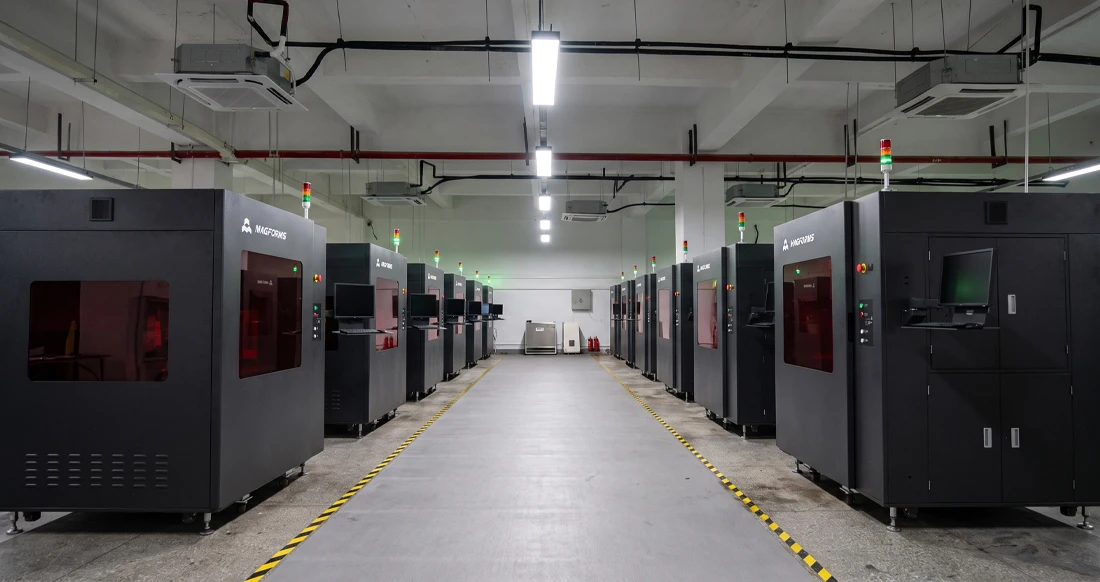
Magforms makes design and manufacture easier.
Popular Blogs
-
 Industry InsightsManufacturing Industry
FDM vs. SLA Printer: Which Technology Is Right for Your Project?
-
 Industry InsightsManufacturing Industry
Top 5 Applications of Industrial 3D Printers in Manufacturing Today
-
 Industry InsightsManufacturing Industry
Why Stereolithography 3D Printers Are Unmatched for Microfluidic Device Prototyping?