How to Benchmark an Industrial SLA 3D Printer Before Purchase?
Benchmarking an Industrial SLA 3D Printer requires a systematic evaluation of precision, stability, material compatibility, and lifecycle costs. Effective benchmarking compares laser power consistency, galvanometer positioning repeatability, and post-curing protocols, while accounting for total ownership costs including maintenance intervals, spare parts availability, and software licensing. This process directly influences part quality, production throughput, and ROI for applications spanning aerospace tooling, dental prosthetics, and automotive prototyping.
Introduction
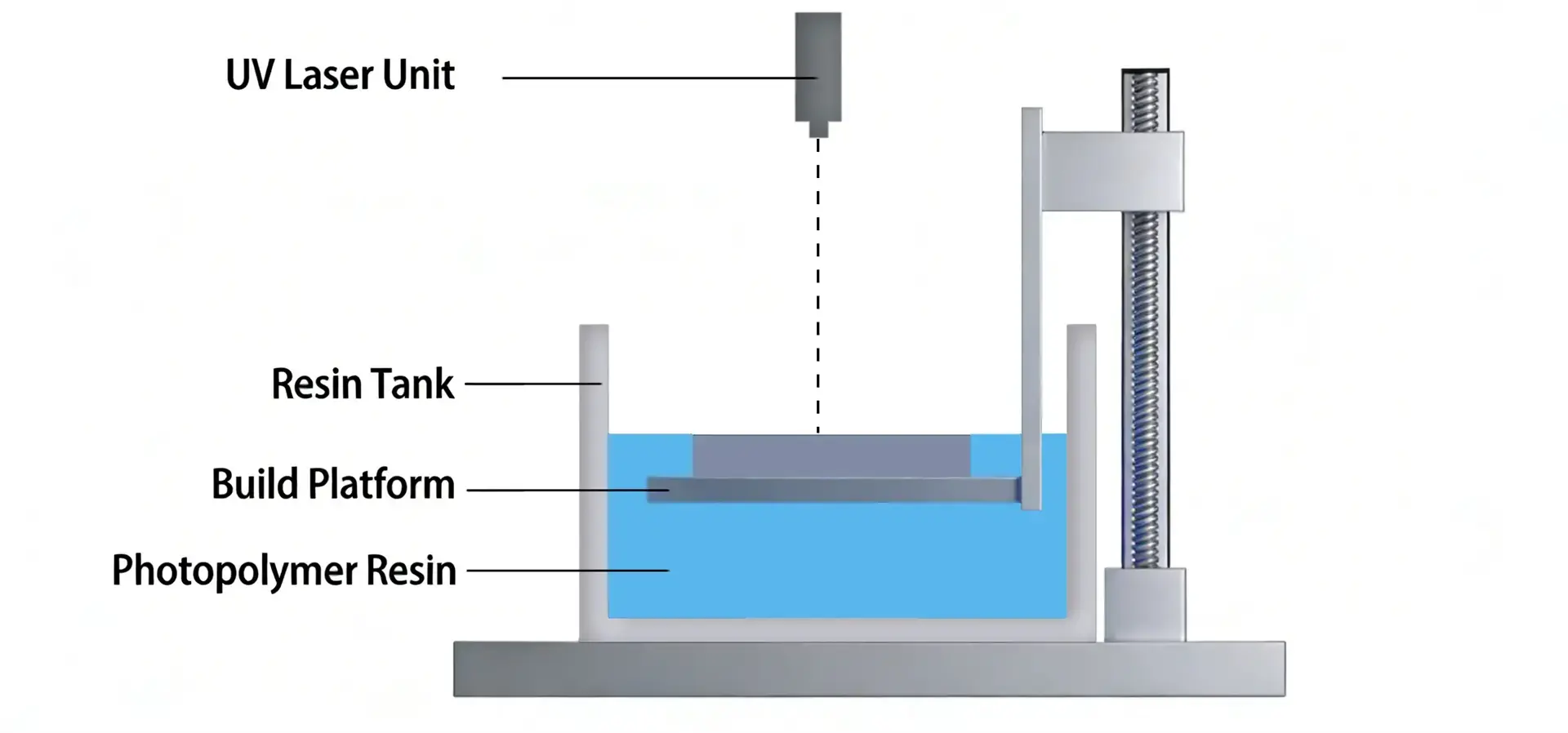
Stereolithography equipment selection goes beyond spec sheets. Machines that claim micron-level mechanical precision but provide inconsistent results during batch production, proprietary material restrictions that increase operating expenses, and insufficient after-sales support that affects production continuity are significant concerns for procurement teams. Inconsistent printer performance can cause delays in R&D validation processes, while unstable printing conditions may lead dental laboratories to repeat production runs due to inaccurate or deformed models.
This benchmarking approach addresses these issues systematically. To protect your money, 3D printing service bureaus that handle orders from numerous sectors and medical device makers that require FDA-approved documentation should investigate resin-based additive manufacturing systems. Large stereolithography equipment can support parts with build dimensions approaching 800mm in certain configurations, while compact machines are available for design studios and smaller prototyping requirements. However, choosing the incorrect platform may cost money and delay product launches.
We use technological validation and practical truth tests. You'll learn how to distinguish marketing promises from quantifiable performance, identify concealed costs in closed-material ecosystems, and arrange features based on production volume and part complexity.
Understanding Industrial SLA 3D Printing Technology
Stereolithography works by selectively curing liquid photopolymer resins with a laser. The laser cures the resin layer by layer while the build platform moves according to the machine's specific printing architecture, maintaining controlled layer thickness throughout the build process. Industrial photopolymerization equipment typically uses precision galvanometer scanning systems, with scanning speeds optimized according to part geometry, resolution requirements, and resin characteristics. Advanced platforms may also include temperature monitoring and automated resin management systems to improve process stability. Unlike industrial SLA systems, many desktop resin printers use masked stereolithography (mSLA) technology, where a 405nm LED light source passes through an LCD masking panel to cure entire layers simultaneously.
👉 What is SLA 3D printing technology
Differentiating Industrial from Consumer Systems
Some manufacturing-grade stereolithography systems use rigid machine bases made from granite, marble composites, or other low-expansion materials to improve mechanical stability during long production cycles. Industrial SLA systems may incorporate precision components such as HIWIN linear guides and Panasonic servo motors in their motion systems to improve positioning stability. This provides highly stable positioning control at the mechanical system level, helping maintain consistent layer alignment during long production cycles. When it comes to 24/7 production plans, stable output power from laser sources from companies like AOC or Coherent is essential. Lower-cost systems may experience gradual performance changes over extended operation due to optical contamination, calibration drift, or component aging, making regular maintenance and calibration important.
Build sizes keep development tools and production tools separate. Machines used for automotive interior prototypes, tooling, or medical model production often benefit from larger build chambers, with some industrial systems offering build volumes around 600 mm × 600 mm × 400 mm or larger. Desktop resin printers generally offer smaller build volumes, commonly designed for prototypes, models, and small functional parts rather than large-scale industrial components. Handling materials is also different.
Resin Material Ecosystem
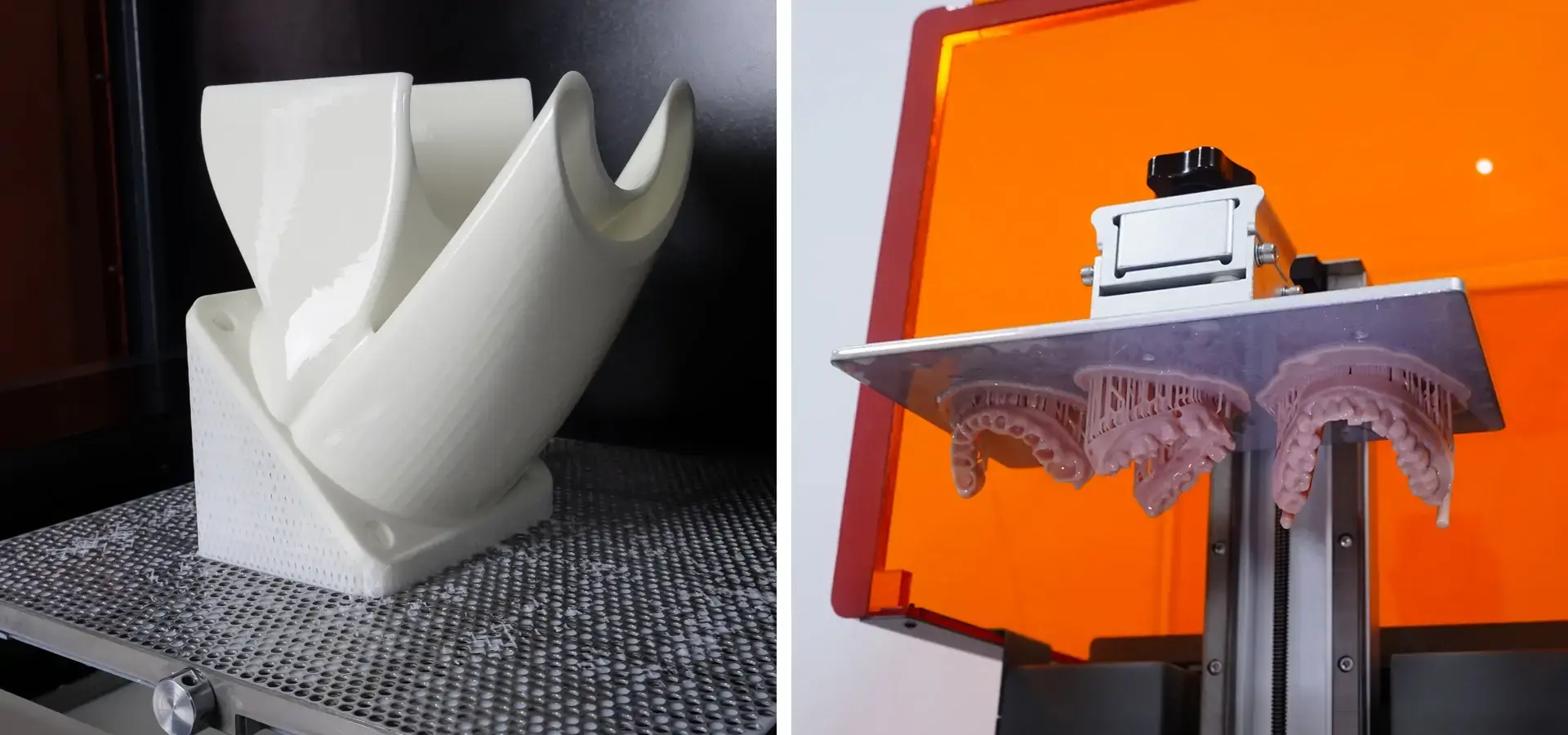
Engineering-grade photopolymers are more than just regular mixes. Impact-resistant ABS-like resins are commonly used for functional testing, while high-temperature or reinforced photopolymer formulations may be selected for applications such as tooling validation. Dental surgical guides can be produced using biocompatible resins that have been tested according to relevant ISO 10993 biocompatibility requirements. Third-party resins can be evaluated on an Industrial SLA 3D Printer with an open-material architecture, allowing manufacturers to select application-specific materials and potentially reduce material costs compared with closed-material ecosystems.
Core Criteria to Benchmark an Industrial SLA 3D Printer
When evaluating stereolithography systems that are ready for production, you need to look at more than just the promotional specs. These performance measures are directly linked to the quality of the parts, the speed of operations, and the total cost of ownership over production cycles that last more than one year.
👉 Industrial SLA 3D Printer types and solutions
Printing Precision and Dimensional Accuracy
The minimum printable feature size depends on multiple factors, including laser spot size, resin formulation, scanning strategy, layer thickness, and part geometry. Advanced industrial SLA systems may use variable spot technology to balance fine detail reproduction with printing efficiency. Magforms' equipment uses dynamic laser spot adjustment technology to optimize scanning efficiency, enabling smaller spot sizes for detailed contours and support-related features while using larger spot sizes in suitable regions to improve overall build efficiency. This approach can improve build efficiency while maintaining detailed feature reproduction when properly calibrated for specific materials and part geometries. Calibration of the galvanometer changes how accurate the position is. High-precision galvanometer systems, such as Scanlab scanning components, provide excellent positioning repeatability and scanning accuracy, helping maintain consistent laser placement across the build area. This stops the measurement drift that leads to assembly mismatches.
Surface finish is strongly influenced by layer thickness. Visual models often benefit from thinner layers such as 25 microns, while functional prototypes may use 50–100 micron layers to achieve a balance between mechanical performance, surface quality, and production efficiency. Advanced exposure control and optimized scanning strategies can improve transitions between layers and reduce stair-stepping effects on angled surfaces. This is especially important for injection mold masters, where achieving a smooth surface can reduce or simplify secondary finishing operations.
One important difference between industrial-grade systems and entry-level platforms is the ability to manage material shrinkage through calibrated processes and software compensation. Magforms engineers make sure that scanning path algorithms take into account changes in volume after the curing process. This approach can improve dimensional consistency on larger parts by applying calibrated compensation factors during the slicing and preparation process. This knowledge comes from extensive experience in resin formulation and process optimization, helping manufacturers achieve more predictable results across different material systems.
Build Volume and Throughput Capacity
The platform's measurements must be big enough to hold your biggest expected part, plus extra space for support structures. Automotive components such as air intake manifold prototypes can benefit from larger build areas, depending on part dimensions and application requirements. Vertical travel affects batch productivity. A sufficient Z-height allows manufacturers to arrange multiple smaller components within the same build, improving utilization of the available build volume.
Higher scanning speeds can contribute to shorter exposure times, but total build duration also depends on layer height, part geometry, resin characteristics, laser power, and post-processing requirements. This benefit is boosted by variable laser spot technology. Variable laser spot technology can optimize exposure efficiency compared with fixed-spot approaches, particularly when printing parts containing both detailed and larger-area features. This means that jobs can be finished 20% faster when self-learning path optimization is added.
Operational Cost Analysis
Material consumption can represent a significant portion of total part cost, especially in resin-intensive applications, although the exact percentage depends on production volume, labor, post-processing, and equipment utilization. Closed-material ecosystems typically rely on manufacturer-qualified resins, which may increase material costs depending on application requirements and supplier pricing. Users of open-architecture platforms may evaluate a wider range of qualified resin options, which can improve flexibility in material sourcing and cost management. Material flexibility saves $34,000 to $76,000 over the course of a year of automotive prototyping, which uses 200 liters of resin each year.
Energy consumption depends on laser power, heating systems, operating conditions, and local electricity rates. Evaluating actual power consumption per build cycle provides a more accurate estimate of operating costs. Maintenance periods affect uptime. Maintenance requirements vary by machine design and operating conditions. Typical maintenance activities may include optical inspection, recoater or resin management component checks, and periodic laser calibration to maintain consistent performance. This is planned downtime that needs to fit with production schedules.
System Reliability and Uptime
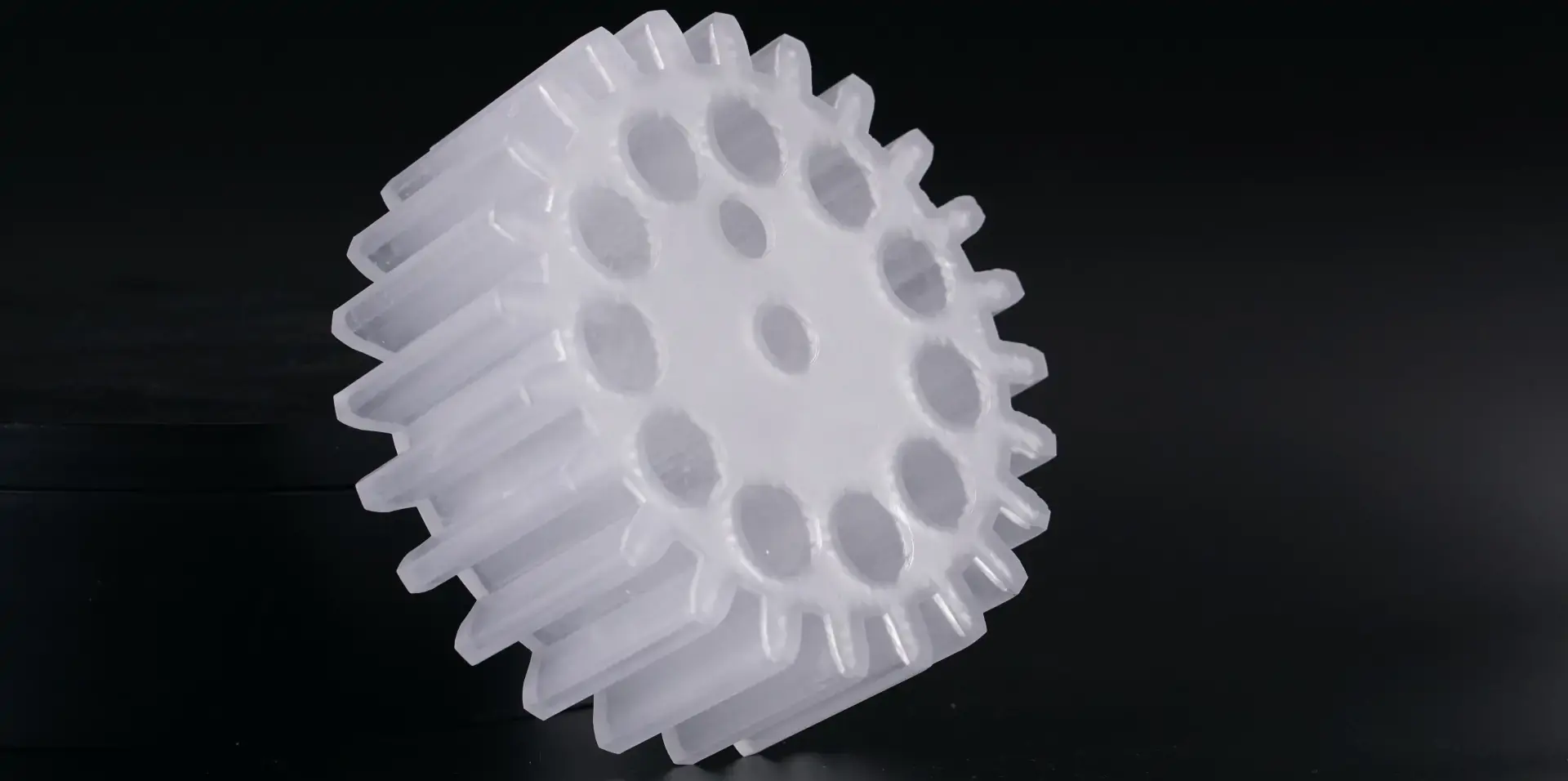
System reliability depends on component quality, machine design, operating conditions, and maintenance practices. Industrial SLA systems may integrate high-quality components such as AOC laser sources, Scanlab galvanometer scanning systems, and Schneider electrical components to improve long-term stability and production consistency. Actual uptime depends on application requirements, maintenance practices, and operating conditions. In continuous production environments, even small improvements in equipment availability can significantly influence production scheduling and overall operational efficiency.
Stable software stops problems in the middle of printing. The Magforms iBuild 2.0 platform incorporates process monitoring features such as data verification and workflow management tools to help improve printing reliability and reduce operational risks related to process deviations. Temperature control systems help maintain stable resin processing conditions, reducing viscosity variations caused by environmental temperature fluctuations. This is very important for large parts where thermal gradients cause layers to separate.
Comparing Industrial SLA 3D Printers: Key Market Players and Models
There are both well-known suppliers and specialized manufacturers of stereolithography equipment. Each targets a different market segment with a unique set of technologies and service models.
Established Manufacturers and Product Lines
With the ProX and Figure 4 series, 3D Systems commercialized stereolithography technology and became one of the earliest companies to bring industrial SLA systems to the market. Their systems are widely used in applications such as dental, jewelry, and precision prototyping. Their ecosystem includes validated materials and workflows, although proprietary material systems may influence long-term operating cost considerations. Formlabs expanded resin printing accessibility with systems such as Form 3L, targeting professional prototyping applications that require larger build volumes than desktop printers. However, its build volume is still smaller than many industrial large-format SLA systems designed for automotive, aerospace, and large prototype applications. Stratasys NEO stereolithography systems are designed for engineering teams requiring reliable workflows, large-format prototyping capabilities, and production-oriented features.
Magforms stands out by developing both materials and tools together. The company started as an expert in photopolymer resins. It then made printers that worked best with its formulation chemistry and added material compatibility to support customer-specific resins. This two-sided knowledge gets rid of the need for trial-and-error tuning that comes with using third-party materials with standard tools. The 300mm to 800mm build envelopes of the SL-series are perfect for service companies that need to make a lot of parts at once and OEMs that need to make prototypes of whole systems.
Technology Comparison Across Additive Methods
Selective Laser Sintering (SLS) uses polymer powders and typically does not require traditional support structures because surrounding powder supports the part during printing, making it suitable for complex geometries. However, the surface finish (Ra 6–12 μm) needs a lot of extra work after printing, compared with the smooth surfaces achievable by optimized stereolithography processes, which can reach very low surface roughness after proper parameter tuning and post-processing. Digital Light Processing (DLP) cures entire layers simultaneously using projected light patterns. Its resolution depends on projector optics, pixel size, and build area, making it highly effective for many small-part applications.
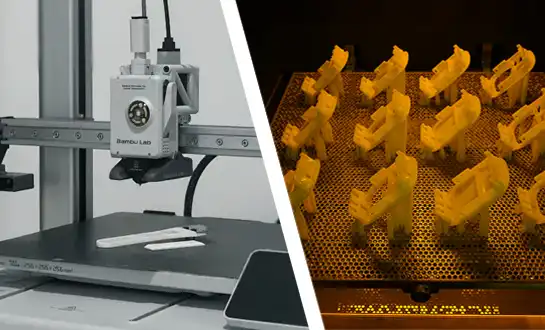
Fused Deposition Modeling (FDM) uses thermoplastic extrusion to build parts layer by layer. FDM parts typically show anisotropic mechanical behavior, with properties along the deposited layer direction generally higher than those between layers in the Z-axis direction. For practical samples that are put through stress analysis, an Industrial SLA 3D Printer can produce parts with more uniform mechanical properties compared with extrusion-based methods, although performance can still vary depending on resin formulation, build orientation, and post-curing conditions.
Pricing Structures and Acquisition Models
Industrial stereolithography systems with approximately 300 mm build capabilities are available across a wide price range depending on specifications, materials, automation features, and supplier support. Platforms in the 450mm range cost between $80,000 and $120,000 and are aimed at service bureaus and auto suppliers. Large-format SLA systems with 600–800mm class build volumes generally represent a higher investment category, with pricing influenced by laser configuration, automation level, material ecosystem, and service package.
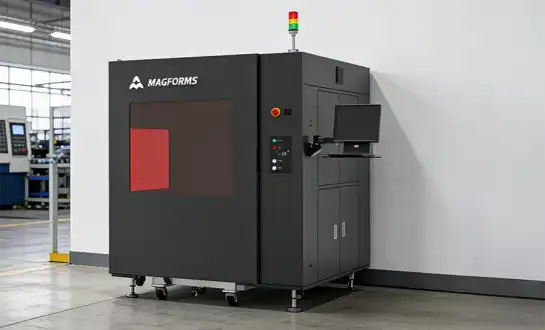
👉 Explore Magforms SL800 Industrial SLA 3D Printer
Leasing spreads out the cost of capital—for example, a 60-month lease at $2,500/month for a $120,000 system helps startups' cash flow. Consumables contracts that include glue and upkeep make the cost of each part less variable, but the total cost over 5 years may be 15% to 20% more than pay-per-use models. Magforms supports customers through flexible purchasing options and technical service programs designed for different production requirements.
Practical Steps to Benchmark Before Purchase
To move from reviewing specifications to validating performance, you need hands-on evaluation procedures that show you what the real-world capabilities and limits are. These structured steps for benchmarking protect against marketing claims that are too good to be true and make sure that equipment fits the needs of production.

Defining Procurement Objectives
Set goals for measurable success before hiring vendors. For surgical guides, dental laboratories typically require validated biocompatible materials and appropriate dimensional accuracy, while automotive suppliers may prioritize larger build volumes and consistent accuracy for functional prototypes and tooling validation. Service bureaus with high production volumes should evaluate whether the printer's build speed, workflow efficiency, and post-processing requirements can support their expected daily production schedule.
The evaluation of compatibility is based on material requirements. Check third-party material qualification processes and validation timelines if your application requires flame-retardant V0-rated resins or materials intended for regulated industries with specific compliance requirements. Open-material Industrial SLA 3D Printer platforms reduce dependence on a single material supplier and provide greater flexibility for application-specific resin selection.
Conducting Trial Print Validations
You can ask for benchmark parts to be printed using your own CAD files and materials of choice. Use benchmark geometries containing thin walls, small openings, fine details, sharp edges, and vertical surfaces to evaluate resolution capability, dimensional accuracy, and support removal performance. Specific feature sizes should be selected according to the target application requirements. Use calipers or a CMM to measure the printed dimensions and then compare the results to the nominal values given by the CAD software. Tolerances around ±0.15 mm may be suitable for many functional prototypes, although required accuracy depends on part size, material behavior, application requirements, and validation standards.
Check the finish on samples that have already been printed. Automotive interior prototypes often require high-quality surface finishes with minimal visible layer effects. This can be achieved through optimized layer thickness, exposure parameters, scanning strategies, resin selection, and appropriate finishing processes. Check for common defects such as over-curing, which may affect dimensional accuracy, under-curing, which can reduce mechanical performance, and surface marks caused by resin leveling issues, debris, or recoating-related problems. The optical clarity of transparent resin parts can provide insight into process quality; cloudiness may result from resin formulation, curing conditions, surface quality, post-processing, or contamination of optical components.
Material compatibility is more than just being able to print on it. Post-cure the parts according to the manufacturer's instructions, and then test their mechanical properties. A well-controlled stereolithography process can achieve mechanical properties close to the values reported in resin datasheets when printing parameters and post-curing procedures are properly optimized. Actual results depend on material formulation, orientation, and testing conditions.
Evaluating Supplier Support Infrastructure
Long-term business success depends on service after the sale. Check the promised response times. Evaluate supplier response times, remote troubleshooting capabilities, spare parts availability, and technical support resources before purchase. Strong service infrastructure can significantly reduce downtime during production. Regional spare parts availability can shorten maintenance cycles, while suppliers without local inventory may require longer international shipping times.
How well operators are trained is affected by how thorough the training is. A full onboarding process should cover resin handling safety, support generation strategies, optical calibration procedures, routine maintenance, and troubleshooting workflows. Ask for samples of training materials and information about ongoing technical workshops. For example, regular technical training, application guidance, and material updates can help operators continuously improve their production workflows.
Warranty terms show how confident the maker is. Standard coverage for labor and parts lasts for 12 months, but some high-end suppliers extend laser warranties to 24 months because of how important the part is and how much it costs to replace. Check service level agreements for production environments that need guaranteed uptime and clauses that punish long periods of downtime.
Analyzing Customer References and Case Studies
Third-party confirmation lowers the risk of buying. Ask for contact information from current users in related fields. For example, a dental device maker can give you more useful information than a jewelry application when you're looking at orthodontic model production. Ask detailed questions about the real accuracy in dimensions reached, the cost of consumables per part, the number of maintenance hours needed each month, and the frequency of unplanned downtime.
Case studies show how broad an application can be. Review documented projects showing how stereolithography was applied to solve engineering challenges, such as aerospace brackets with complex structures, medical models with patient-specific geometries, or automotive fixtures with sub-millimeter locating requirements. Magforms shares customer success stories from the automotive, dental, and consumer electronics industries to show that their equipment is reliable across all of these fields.
Summarizing Your Benchmark Findings and Making the Decision
To confidently make procurement decisions based on collected benchmarking data, you need structured evaluation frameworks that balance different priorities such as technical performance, budget constraints, and operational needs. This methodical approach reduces subjective bias and makes sure that all stakeholders are on the same page.
A weighted scorecard method can help procurement teams compare different systems based on their priorities. Technical teams may place greater emphasis on accuracy, material compatibility, and build volume, while financial teams may focus more on acquisition costs, operating expenses, and return on investment. Score each Industrial SLA 3D Printer against these weighted factors using a consistent evaluation scale based on test prints, supplier discussions, technical specifications, and total cost analysis. This quantitative approach turns personal opinions into suggestions that can be defended.
Future scalability is part of planning for risk mitigation. Choose systems that have extra space for expansion. For example, if your current needs only require 60% of the build volume or processing capacity, the machine can handle growth without having to be replaced too soon. Look at ways to improve technology: Is it possible to make lasers stronger? Can I get free changes that add new features to my software? Systems with upgradeable hardware options and evolving material profiles can provide better long-term value as production requirements change.
Make a list of things you want to make sure you know about before you buy something. This list should include things like warranty limits, price lock-in periods for consumables, software licensing terms, and service response promises. Check the deliverables for training, the completeness of the documentation, and the ability to provide remote support. Make sure that replacement parts are available for important wear parts like recoater blades, vat films, and optical windows. Limited spare-part availability can extend maintenance cycles and potentially increase production downtime.
Conclusion
Precision measures, running costs, material flexibility, and source dependability must all be carefully evaluated when benchmarking an Industrial SLA 3D Printer. A good procurement process balances technical requirements with validation in the real world through test prints and customer references. Lower total cost of ownership typically comes from equipment that balances printing performance, material flexibility, component reliability, maintenance requirements, and long-term supplier support. By checking the accuracy of dimensions, build throughput, resin economics, and responsiveness of suppliers regularly, procurement teams can find stereolithography platforms that shorten the time it takes to develop new products, lower the cost of prototypes, and keep production consistent across demanding industries like aerospace, automotive, medicine, and manufacturing.
FAQ
1. What is the expected lifespan of an Industrial SLA 3D Printer?
If you keep up with it, manufacturing-grade stereolithography tools should work well for 7–10 years. The laser source is the main part that wears out, and good solid-state lasers like those from AOC can work for 15,000 to 20,000 hours before their power drops, and they need to be replaced. When lubricated according to the manufacturer's instructions, mechanical components such as servo motors, linear guides, and galvanometer systems have different service characteristics and require periodic inspection and maintenance to maintain performance. Software obsolescence often forces replacement before hardware failure. Platforms that support ongoing firmware changes keep systems compatible with changing CAD ecosystems, which extends their useful life.
2. Can these printers handle production-grade engineering resins?
Advanced Industrial SLA 3D Printer platforms can support a wide range of engineering photopolymer materials, including impact-resistant, high-temperature, reinforced, and application-specific formulations, depending on system compatibility and material qualification. Open-material systems provide greater flexibility for evaluating different resin suppliers, although materials still require appropriate process validation and parameter optimization. For material suitability testing, test prints are used, and then the mechanical properties are checked. After curing, the tensile strength, elongation at break, and flexural modulus should all meet the requirements in the datasheet. Temperature monitoring and laser calibration features can help maintain consistent processing conditions when working with different engineering resin formulations.
3. How do post-processing requirements affect total cycle time?
Depending on the complexity of the shape and type of resin, removing parts, cleaning the support structure, solvent washing, and UV post-curing can take an extra one to three hours per build. UV post-curing time depends on resin chemistry, part size, thickness, and curing equipment performance. Some optimized workflows may complete curing within minutes, while larger or more demanding parts require longer cycles. Automated washing stations also make work easier. For visual samples, finishing the surface means sanding and sealing, which takes an extra two to four hours. When figuring out throughput, you should look at the whole cycle time instead of just the print time. Total production capacity should be evaluated using complete workflow time, including printing, part removal, cleaning, post-curing, finishing, and operator involvement.
Partner with a Trusted Industrial SLA 3D Printer Supplier
When you have proven expertise and full backing, it's easier to make choices about procurement. Magforms combines expertise in photopolymer chemistry and industrial additive manufacturing. This makes sure that the printer fits right into your production process. Our P-series equipment is made with high-quality parts like AOC lasers, Scanlab galvanometers, and Panasonic servo motors. It is designed for high-precision industrial applications with stable laser scanning, accurate motion control, and reliable production performance.
Magforms' equipment incorporates proprietary technologies designed to improve scanning efficiency and workflow performance. Actual productivity improvements depend on part geometry, material selection, and production parameters. The open-material architecture allows manufacturers to evaluate qualified third-party resins compatible with 355nm laser-based stereolithography processes. This reduces dependence on proprietary consumables and provides greater flexibility in material selection. Magforms supports customers across different regions through technical resources, application guidance, and service support programs.
Magforms can help you with talks that are specifically tailored to your needs, whether you need help validating an aircraft component, making dental prosthetics, or quickly prototyping an automobile. We offer trial printing services using your CAD files and preferred materials, which lets you see the quality of the work before you decide to buy it. Email info@magforms.com to set up a personalized equipment demonstration and learn how our integrated materials-equipment solutions can help you run your additive manufacturing operations more efficiently and for less money overall.
References
1. Gibson, I., Rosen, D., Stucker, B., & Khorasani, M. (2021). Additive Manufacturing Technologies, 3rd Edition. Springer International Publishing.
2. ASTM International. (2021). ASTM F2792-12a: Standard Terminology for Additive Manufacturing Technologies. West Conshohocken, PA: ASTM International.
3. Formlabs Inc. (2022). Industrial 3D Printing: A Manufacturing Guide for Engineers and Designers. Somerville, MA: Formlabs Technical Publications.
4. Jacobs, P. F. (2020). Stereolithography and Other RP&M Technologies: From Rapid Prototyping to Rapid Tooling. Society of Manufacturing Engineers.
5. 3D Systems Corporation. (2023). ProX SLA Production Systems: Technical Specifications and Application Guidelines. Rock Hill, SC: 3D Systems.
6. Wohlers Associates. (2023). Wohlers Report 2023: 3D Printing and Additive Manufacturing Global State of the Industry. Fort Collins, CO: Wohlers Associates, Inc.

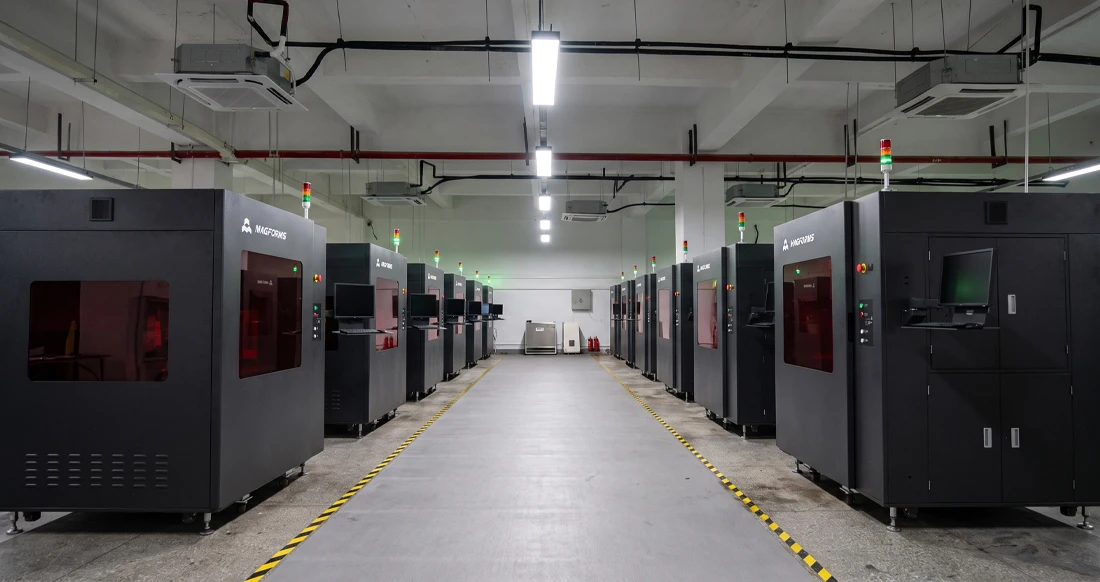
Magforms makes design and manufacture easier.
Popular Blogs
-
 Industry InsightsManufacturing Industry
FDM vs. SLA Printer: Which Technology Is Right for Your Project?
-
 Industry InsightsManufacturing Industry
Top 5 Applications of Industrial 3D Printers in Manufacturing Today
-
 Industry InsightsManufacturing Industry
Why Stereolithography 3D Printers Are Unmatched for Microfluidic Device Prototyping?