How to Choose Resin Materials for Industrial SLA 3D Printer Applications
When picking the right resins for stereolithography, you need to look at their mechanical qualities, dimensional accuracy and part consistency, and how well they work with the production setting. Photopolymer curing gives an Industrial SLA 3D Printer a high level of accuracy, but its performance depends on how well you match the resin formulations to the needs of your application. For example, automotive prototypes need to be impact-resistant, while dental models need to be biocompatible. Figuring out the types of resin, which printers will work with them, and how reliable a seller is is the first step in making smart purchasing choices that cut down on waste and speed up time to market.
Understanding Industrial SLA 3D Printing and Resin Materials
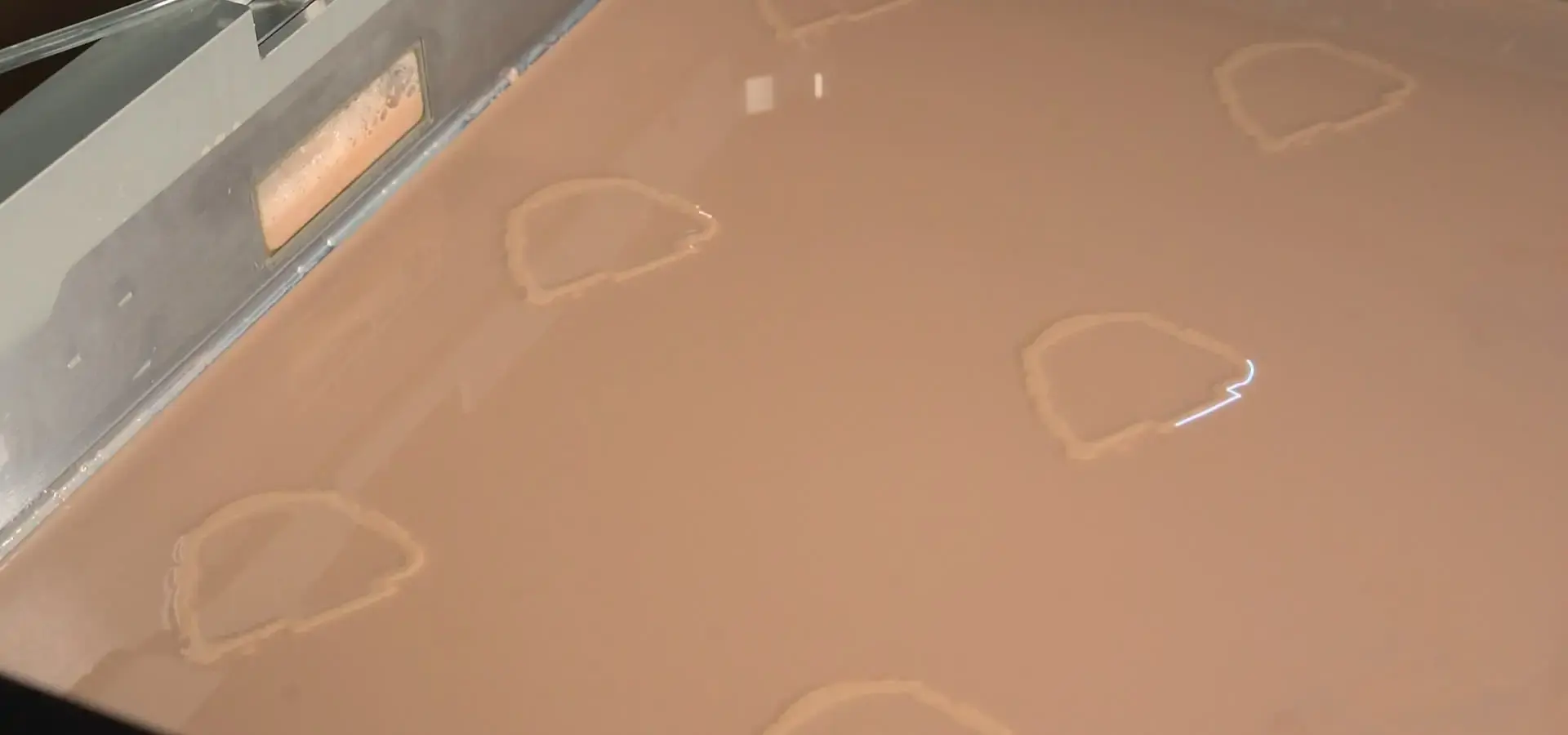
Industrial stereolithography is a revolutionary method of additive production that is widely used in the medical device, aerospace, and automobile industries. The technology works by projecting a precisely controlled UV laser beam onto liquid photopolymer resin. This cures the resin layer by layer, solidifying it into functional 3D structures. Fused Deposition Modeling (FDM) uses melted polymer to extrude, and Digital Light Processing (DLP) projects patterned light images onto a surface to cure resin layers. An Industrial SLA 3D Printer uses a UV laser beam steered by galvanometer systems to selectively trace and cure resin with micron-level precision.
👉 Industrial SLA 3D printing technology explained
Why Resin Selection Matters for Production Outcomes
In stereolithography, photopolymer resins serve as the primary build material. These liquid photopolymer resins contain photoinitiators, monomers, and oligomers that polymerize under UV laser exposure, commonly in the 355 nm wavelength range for industrial SLA systems. The tensile strength, elongation at break, heat deflection temperature, and surface finish of printed parts are all directly controlled by the chemistry of the resin. Whether they are making clear optical samples, heat-resistant car housings, or biocompatible surgery guides, procurement teams have to make sure that the properties of the materials match the needs of the applications.
Differentiating Resin Families in B2B Manufacturing
Based on how well they work, resin materials are divided into separate groups. Standard resins are inexpensive ways to make idea models and test shapes. They are stable in size and have tensile strengths of 40 to 50 MPa. Engineering-grade formulations give better mechanical qualities. For example, ABS-like resins can withstand impact, making them good for snap-fit systems, and PP-like resins can withstand chemical resistance, making them good for fluid-contact applications. Specialty resins meet specific needs: bendable resins are like rubber in that they can bend, high-temperature types keep structures strong above 100°C, and castable resins burn out cleanly for jewelry investment casting.
Key Criteria for Choosing Resin Materials for Industrial SLA Applications
Mechanical Property Requirements Across Industries
The tensile strength, elongation at break, and flexural modulus of printed parts show how well they can handle operating pressures. To withstand temperature cycles and vibration tests, automotive interior parts need resins that can withstand impact strength above 30 kJ/m². Aerospace components require materials with high dimensional stability under thermal variation. This is usually checked with ASTM D648 heat displacement tests. Medical gadget samples are stronger and less likely to break when they are sterilized or when they are handled by patients.
Chemical and Thermal Resistance Benchmarks
When they are in their final use, resins must not break down when they come into contact with oils, solvents, or high temperatures. Chemical resistance testing according to ASTM D543 checks how well a material holds up after immersion in cleaning agents, oils, or automotive fluids. By measuring heat displacement temperature (HDT), you can find resins that are good for use under the hood of an automobile or for hot-fill consumer packaging approval. Functional testing at temperatures close to injection molding part performance is made possible by an Industrial SLA 3D Printer and high-temperature resins, which cuts down on validation rounds.
Surface Finish and Dimensional Accuracy Trade-Offs
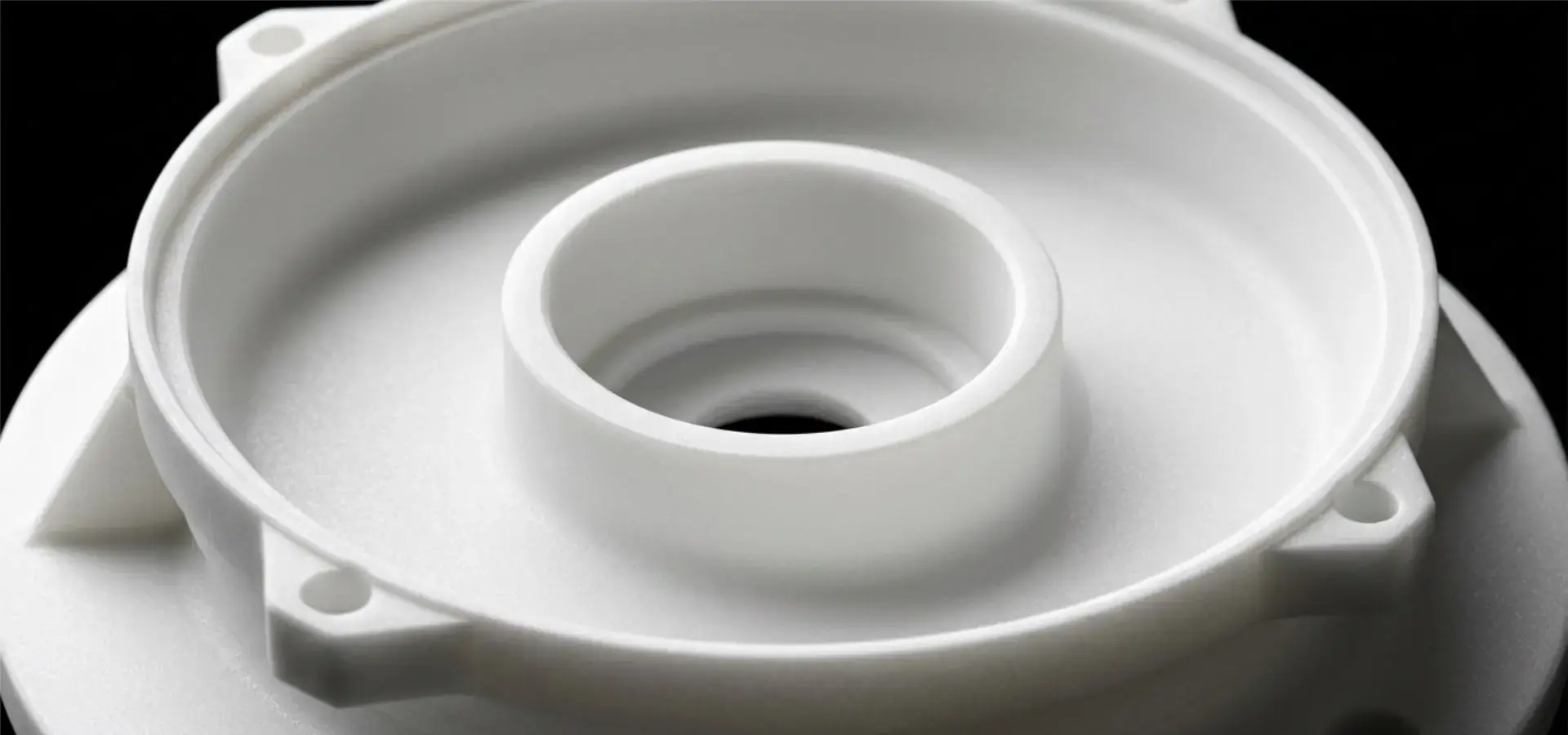
Surface roughness and layer stepping have a direct impact on the work that needs to be done after processing and the final look. Setting the layer width to 50 to 100 microns is a good compromise between print speed and obvious stair-stepping on curved surfaces. Advanced stereolithography systems may use variable laser exposure control and optimized scanning strategies to reduce visible layer lines. This makes Ra values below 1 micrometer, which means less cutting and painting is needed. Because the printed parts can achieve accuracy within ±0.1 mm for features under 100 mm under optimized process conditions, they can be used directly for assembly testing and CMM inspection against the CAD design.
Categorizing Resin Types and Their Industrial Applications
Standard Resins for Prototyping and Design Validation
General-purpose resins are used for idea modeling, design reviews, and form-and-fit tests where there aren't a lot of mechanical stresses. Because these formulations cure rapidly under UV laser exposure in SLA systems, they can be used for overnight development of housings for consumer electronics or models of industrial equipment. Standard resins are great for repeated design processes because they are cheap. This way, engineers can test the ergonomics and aesthetics of their designs before using engineering-grade materials for functional testing.
Engineering-Grade Resins for Functional Components
High-performance formulations bridge the gap between prototyping and low-volume production. ABS-like resins are stiff and don't break easily when hit. This makes it possible to make snap-fit joints and useful enclosures that can withstand drop tests. Resins that are similar to PP are resistant to chemicals and flexible, making them good for use in live hinges or fluid containers. With these engineering materials, printed parts can be tested in temperature, mechanical, and environmental conditions that are similar to how they will be used. This speeds up product development by weeks compared to traditional methods like casting or machining.
Specialty Resins Addressing Niche Production Challenges
After polishing, transparent resins can achieve optical clarity approaching polycarbonate-grade transparency after post-processing, making them useful for optical samples in vehicle lights, medical viewing windows, and consumer product lenses. Flexible materials with a Shore A hardness of 40 to 80 can be used to make elastomeric seals, grips, and overmolded parts. Castable resins completely burn off during investment casting, which helps jewelry makers and dentistry labs make unique crowns with complicated shapes. Biocompatible resins that are approved to ISO 10993 standards meet the rules for medical devices and oral appliances that come into contact with the skin.
👉 Medical Device Prototyping with Biocompatible SLA Resin
Matching Resin Categories to Your Production Needs
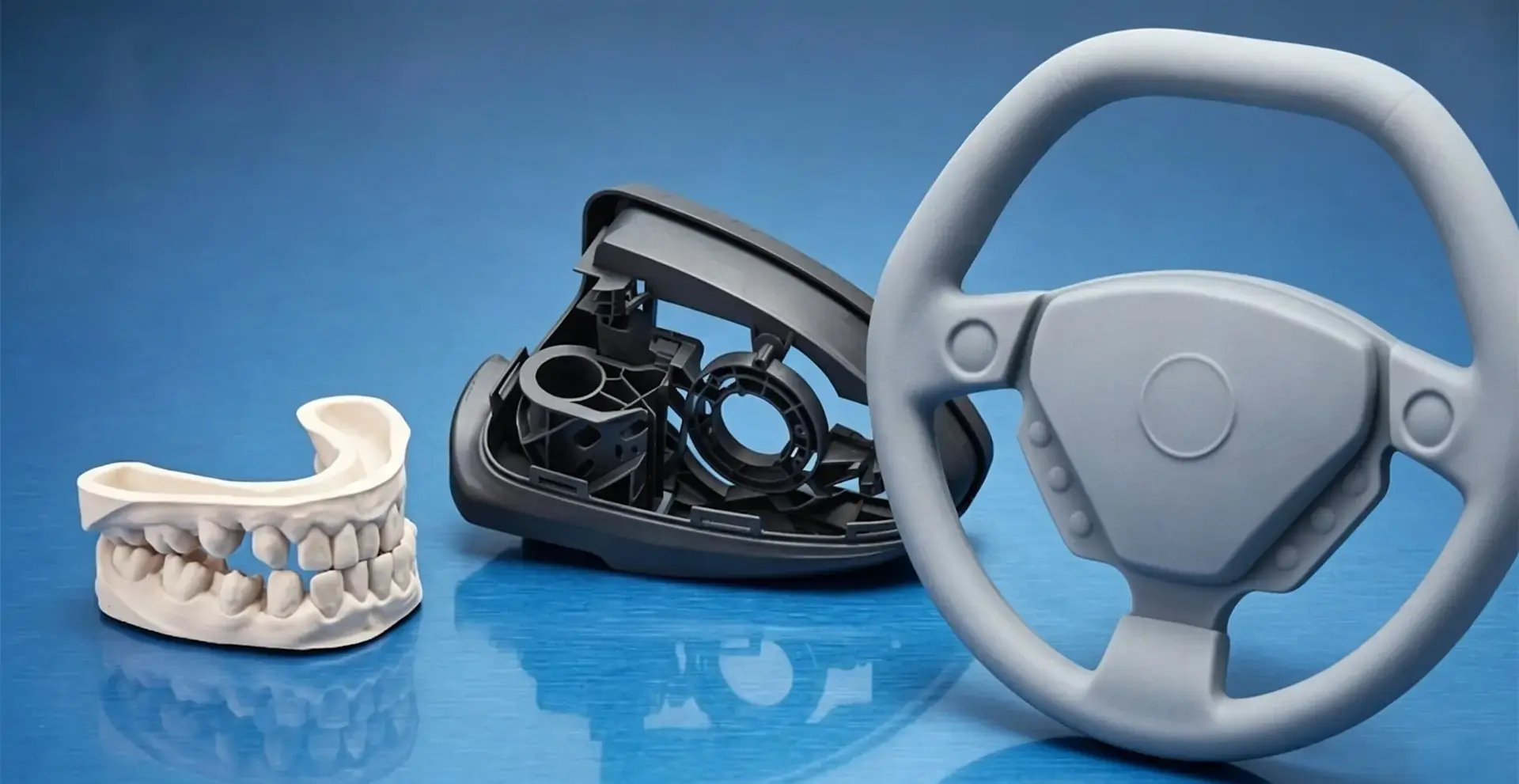
Automotive companies use engineering-grade resins to make samples of intake manifolds and panel surrounds that are tested in wind tunnels and on the assembly line. Aerospace makers use high-temperature resins to test ducts and make tooling parts that are put in curing ovens. Biocompatible mixtures are used by medical device makers to make surgical guides and anatomical models that help with planning before surgery. When procurement teams understand these application-specific maps, they can choose materials that cut down on validation steps and speed up the regulatory clearance process.
Evaluating Resin Compatibility and Supplier Considerations
Printer-Material Pairing for Consistent Quality
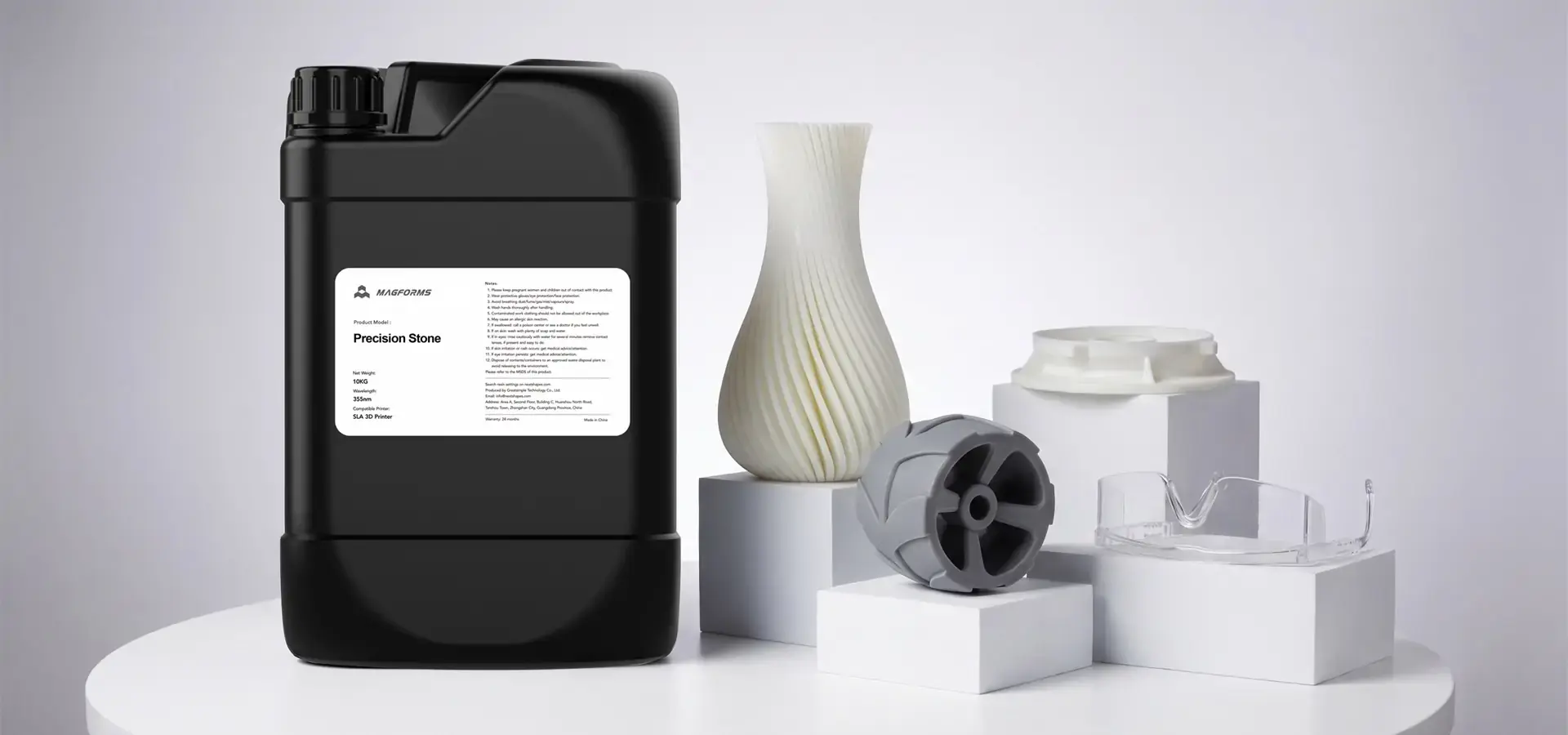
When used with suitable resin mixtures, an Industrial SLA 3D Printer works at its best. For systems that use AOC lasers and German Scanlab galvanometers, the photoinitiator concentration must be optimized according to laser power and exposure parameters and scanning speeds. Magforms' equipment works with most 355 nm photopolymer resins because it features an open material system. This means that there are no private material locks, which would raise the cost of doing business. This gives users the freedom to try third-party resins while still being covered by the guarantee. Compared to closed ecosystems, this lowers the cost of materials by 20–30% per liter.
👉 Industrial SLA classifications
Supply Chain Factors Influencing Procurement Decisions
The supply of resin, lead times, and bulk price structures all have an effect on how production plans are made and how inventory is managed. Just-in-time delivery programs from suppliers keep production going while reducing the amount of working capital that is locked up in material stocks. Discounts are given based on how much you buy. For example, 10-liter large packages lower the cost per liter by 15–25% compared to 1-liter bottles. Checking the licenses of suppliers, like ISO 9001 for quality management and ISO 14001 for environmental compliance, makes sure that materials are consistent from batch to batch and lowers the number of rejects during production runs.
After-Sales Support and Technical Assistance
Technical support teams that respond quickly fix printing problems with materials that threaten production plans. When suppliers give workers material data sheets with full mechanical properties, processing instructions, and post-curing processes, they can systematically find the best print settings. On-site training programs that cover how to handle resin, how to store it properly, and how to fix problems speed up operator skill and cut down on the time wasted on trial-and-error during new material standards. Magforms has a skilled team that handles questions after the sale and responds within 24 hours. This keeps production from being held up by slow contact with suppliers.
Best Practices to Optimize Resin Use for Industrial SLA Printing
Proper Resin Storage and Handling Protocols
UV exposure and high temperatures can degrade photopolymer resins used in Industrial SLA 3D Printer systems, which lowers the quality of prints and shortens the life of the material. Photoinitiator activity is kept alive, and early cure is avoided by storing resins in dark containers at temperatures between 15°C and 25°C. Before using resin, shaking or stirring it redistributes pigments and chemicals that have settled. This keeps the color and mechanical traits the same from one print to the next. Filtering resin through 100-micron mesh screens gets rid of finished debris that causes print flaws. This increases the vat's life and lowers the number of parts that need to be thrown away.
Equipment Calibration and Maintenance Routines
Accurate platform leveling to within ±0.03 mm makes sure that the first layer sticks evenly across the build area, which stops delamination fails during tall prints. Laser spot calibration helps maintain consistent beam profile and spot shape across the build area, which stops elliptical errors that make measurements less accurate. By looking at the recoater blade, you can find nicks or warping that make the resin layers uneven, which shows up as surface flaws or unfinished cure. Magforms' equipment uses Panasonic servo motors that can place things with an accuracy of ±8 μm, so they can keep to tight tolerances even when they're working 24 hours a day, seven days a week.
Troubleshooting Common Resin-Related Print Failures
Degraded resin, insufficient laser power, or temperatures below 20°C can all result in incomplete polymerization during the SLA process. Built-in temperature control systems maintain optimal resin viscosity and curing performance, which stops viscosity-related flow problems during layer covering. Uneven thermal stress during curing is shown by warping in big flat parts. This can be lessened by using optimized scanning patterns that keep heat from building up in one place. Failures in layer separation are usually caused by poor platform bonding or recoater blade contamination, which can be fixed by following the steps for resurfacing the platform and replacing the blades.
Conclusion
Choosing the right resins for stereolithography tasks requires balancing mechanical performance, accuracy in measurements, and the dependability of the supply chain. Teams in charge of buying things have to compare tensile strength, chemical resistance, and thermal stability to the needs of each business. For example, aerospace applications require materials that can withstand high temperatures, and healthcare needs formulations that are safe for living things. By allowing a variety of resin families without requiring private lock-in, an Industrial SLA 3D Printer with open material compatibility and accurate laser control improves return on investment. Setting up the right storage rules, processes for calibration, and partnerships with suppliers will help make sure that print quality stays the same and production doesn't stop between development and low-volume production.
FAQ
How do I figure out what kind of resin I need for my project?
Standardized tests can help you match the properties of a material to its useful needs. Standard SLA resins work well for visual prototyping and form validation, but engineering-grade formulas are needed for working parts that need to be put through mechanical stress tests. To compare options in an unbiased way, you should ask for material data sheets that list the tensile strength according to ASTM D638, the flexural stiffness according to ASTM D790, and the heat deflection temperature according to ASTM D648.
Can third-party resins damage my stereolithography equipment?
Third-party resins of good quality that are made for 355 nm bands usually work safely within the limits of the tools. Make sure that the printer pump can handle the thickness of the resin and that the amounts of the photoinitiators are right for the laser's power output. Before committing to large-scale production, do small-scale proof prints and check them for partial curing or too much part adhesion.
What kinds of approvals are important when looking for industrial resins?
ISO 10993 biocompatibility approval is important for medical devices that will come into contact with skin or mucosal membranes. Registration in the FDA Master File shows that you follow the rules for dental and medical uses. RoHS and REACH certifications show that gadgets and consumer goods sold in controlled markets don't contain any restricted chemicals, which is required by environmental laws.
Partner with Magforms for Precision Stereolithography Solutions
Over 300 businesses around the world trust Magforms as a reliable Industrial SLA 3D Printer provider. They offer bundled material and equipment options that are backed by 22 patents and great customer service. With German Scanlab galvanometers, AOC lasers, and Panasonic servo motors, our systems can place the platforms with an accuracy of ±8 μm and print 30–50% faster than regular stereolithography platforms. The open material design works with most 355 nm UV-curable photopolymer resins without any special locks. This lowers your costs while still protecting your guarantee. The temperature control built in makes sure that the results are the same no matter what the environment is like, and our helpful expert team is available 24 hours a day to keep your production plans on track.
Whether you're making biocompatible dental models, testing aircraft connectors, or developing internal parts for cars, Magforms equipment gives you the precise dimensions and high-quality surface finish you need. For material suggestions, volume prices, and machine demos that are tailored to your particular manufacturing needs, please contact our procurement experts at info@magforms.com. Find out how our full technical training and after-sales support can help your team get the most out of your investment right away.
References
1. Gibson, I., Rosen, D., Stucker, B., & Khorasani, M. (2021). Additive Manufacturing Technologies (3rd ed.). Springer International Publishing.
2. Jacobs, P. F. (1992). Rapid Prototyping & Manufacturing: Fundamentals of Stereolithography. Society of Manufacturing Engineers.
3. Ligon, S. C., Liska, R., Stampfl, J., Gurr, M., & Mülhaupt, R. (2017). Polymers for 3D Printing and Customized Additive Manufacturing. Chemical Reviews, 117(15), 10212-10290.
4. ASTM International. (2021). ASTM D638-14: Standard Test Method for Tensile Properties of Plastics. ASTM International Standards.
5. Kumbhar, N. N., & Mulay, A. V. (2018). Post-Processing Methods Used to Improve Surface Finish of Products Which Are Manufactured by Additive Manufacturing Technologies: A Review. Journal of The Institution of Engineers (India): Series C, 99(4), 481-487.
6. ISO/ASTM 52915:2020. Additive Manufacturing — File Format Specification — Additive Manufacturing Format (AMF). International Organization for Standardization.

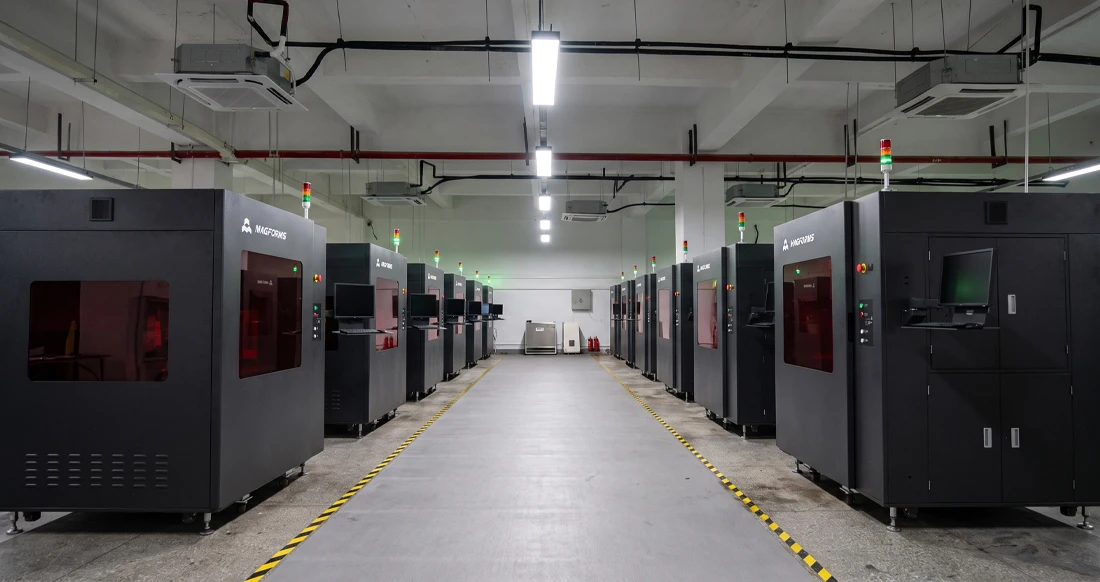
Magforms makes design and manufacture easier.
Popular Blogs
-
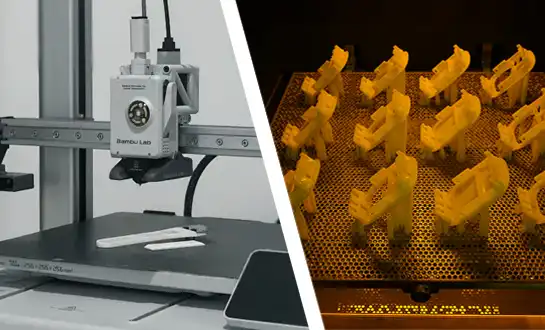 Industry InsightsManufacturing Industry
FDM vs. SLA Printer: Which Technology Is Right for Your Project?
-
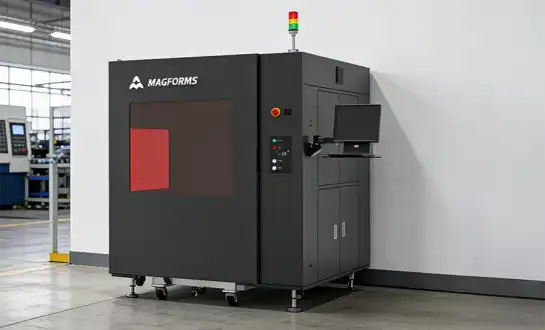 Industry InsightsManufacturing Industry
Top 5 Applications of Industrial 3D Printers in Manufacturing Today
-
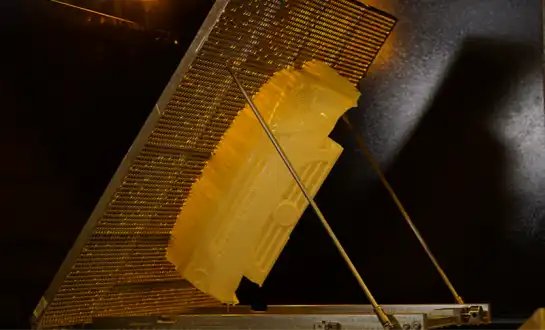 Industry InsightsManufacturing Industry
Why Stereolithography 3D Printers Are Unmatched for Microfluidic Device Prototyping?