How to Control Shrinkage in an Industrial SLA 3D Printer Build?
Controlling shrinkage in an Industrial SLA 3D Printer build requires understanding the complex interplay between resin chemistry, machine calibration, and post-processing protocols. Shrinkage, the dimensional reduction occurring during photopolymer curing and subsequent treatments, can compromise tolerances critical for automotive prototypes, medical devices, and aerospace components. Effective control involves selecting resins with predictable shrinkage rates, optimizing exposure parameters through precise laser calibration, implementing strategic build orientations, and applying controlled post-curing cycles. Advanced Industrial SLA 3D Printer systems featuring variable laser spot technology, servo-driven positioning accuracy, and integrated temperature control significantly minimize dimensional variance, ensuring reliable production outcomes for demanding B2B applications.
Key Factors Contributing to Shrinkage in Industrial SLA Builds
Resin Chemistry and Material Selection
The way photopolymer resins shrink is mainly controlled by their molecular structure. When compared to epoxy or vinyl ether systems, acrylic-based formulas shrink more quickly but polymerize more quickly. Manufacturers of medical surgical guides or aerospace brackets must carefully read technical datasheets, paying special attention to post-cure shrinkage specifications along with mechanical properties such as tensile strength and heat deflection temperature.
👉 Understanding how stereolithography (SLA) technology converts liquid photopolymer resin into solid parts is essential for controlling dimensional changes during production.
The amount of filler is very important for maintaining the right dimensions. Ceramic-filled resins made for investment casting patterns show less shrinking because the solid particles limit the movement of the polymer during crosslinking. For these materials, however, you need a stronger laser and the right exposure times to get a good through-cure without losing the surface finish.
Printer Configuration and Processing Parameters
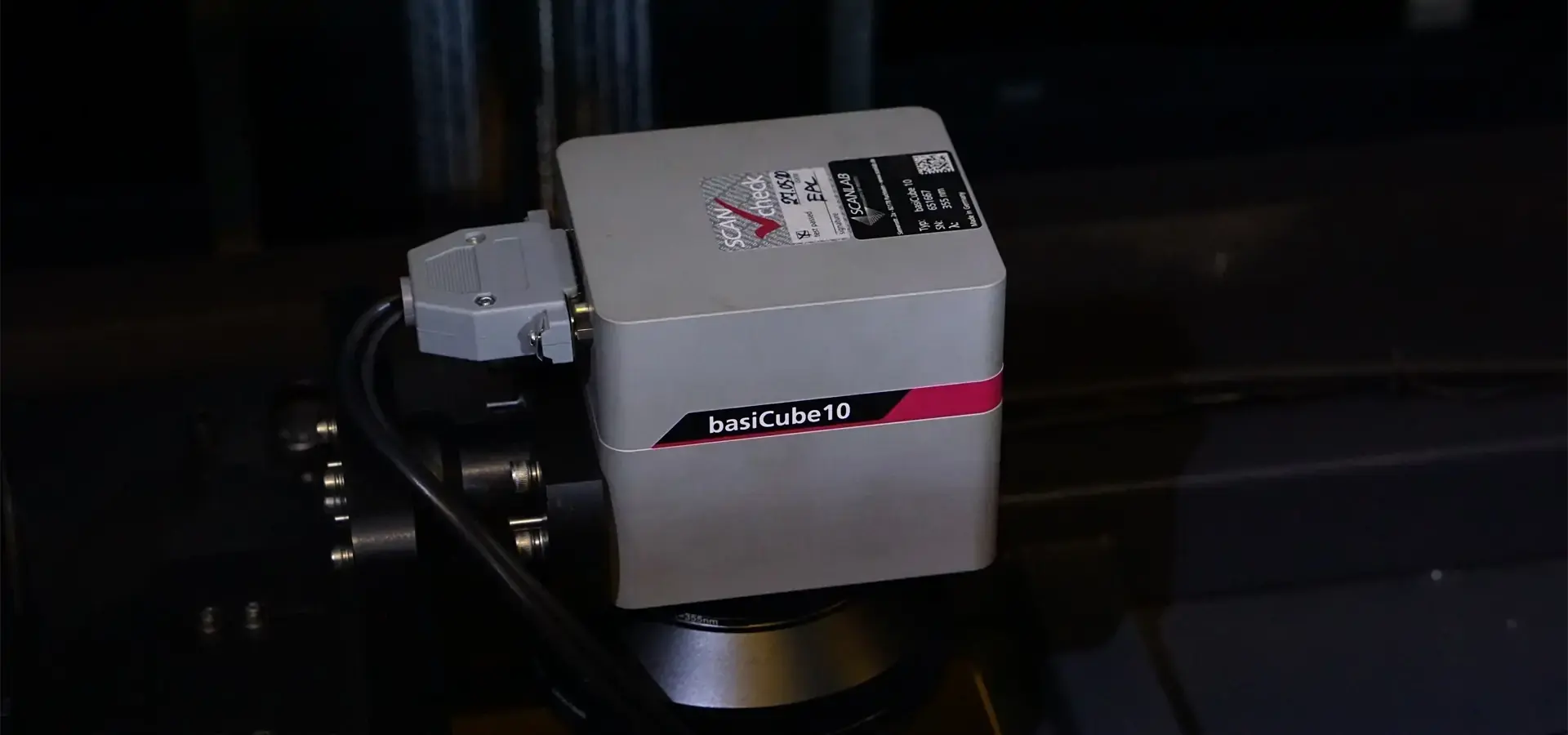
During the first exposure, the laser intensity has a direct effect on the degree of conversion. Excessive exposure increases polymerization conversion beyond the optimal range, which can contribute to dimensional deviation and internal stress during curing. The exact energy density control provided by an Industrial SLA 3D Printer system outfitted with German Scanlab galvanometers and AOC solid-state lasers helps maintain consistent laser energy distribution across the full build platform. This consistency helps maintain more uniform laser energy distribution across the build area, reducing dimensional variation between center and edge regions.
Choosing the layer thickness is like balancing a scale. Thicker layers (0.1 to 0.15 mm) improve productivity but require optimized exposure parameters to ensure sufficient curing depth and reliable interlayer bonding. Thinner layers (0.05 mm) improve resolution and lessen the stair-step effect, but they also make print times longer. This problem can be solved with variable spot technology, which adjusts laser spot size according to feature requirements. Larger spot sizes can improve scanning efficiency on broad surfaces, while smaller spot sizes provide better control for fine structures, edges, and detailed features. Internal testing shows that variable spot technology can improve productivity by up to 30–50% while maintaining required surface quality.
Build Orientation and Support Strategy
How the part is placed on the build stage has a big effect on how it deforms due to shrinking. Large flat surfaces can increase the cross-sectional area of each layer, which may increase separation forces during the recoating and lifting process. Optimizing build orientation helps reduce internal stress and minimizes the risk of deformation or detachment. When you angle parts, the layer area goes down, but you need more support structures, which leave behind marks that need to be cleaned up afterward.
Support design is more than just adhesion; strategic placement helps handle internal stresses as the material shrinks. Lattice-style supports can provide controlled flexibility, helping distribute curing stress more evenly compared with rigid support structures. But automakers that make functional snap-fit assemblies have to find a balance between how easy it is to remove supports and how well they need to distribute stress. This often means doing a lot of tests over and over to find the best patterns.
Post-Processing Variables
It's necessary to do UV post-curing to get certain mechanical properties, but it also causes the most shrinkage. Additional dimensional changes may occur during UV post-curing, depending on resin formulation, curing intensity, temperature, and exposure time. Gradual temperature ramping and controlled cooling cycles keep large parts, like prototypes for aerospace ducting, from being damaged by thermal shock.
Isopropyl alcohol washing removes uncured resin and surface contaminants, which helps maintain dimensional consistency before final curing. Longer wash times or higher temperatures speed up this process, but they can also soften the material, which can cause it to deform under gravity before it's fully cured. Service companies that handle dental braces set up wash stations with timers and temperature sensors to make sure that all batches are the same.
Proven Techniques to Control and Minimize Shrinkage
Precision Machine Calibration
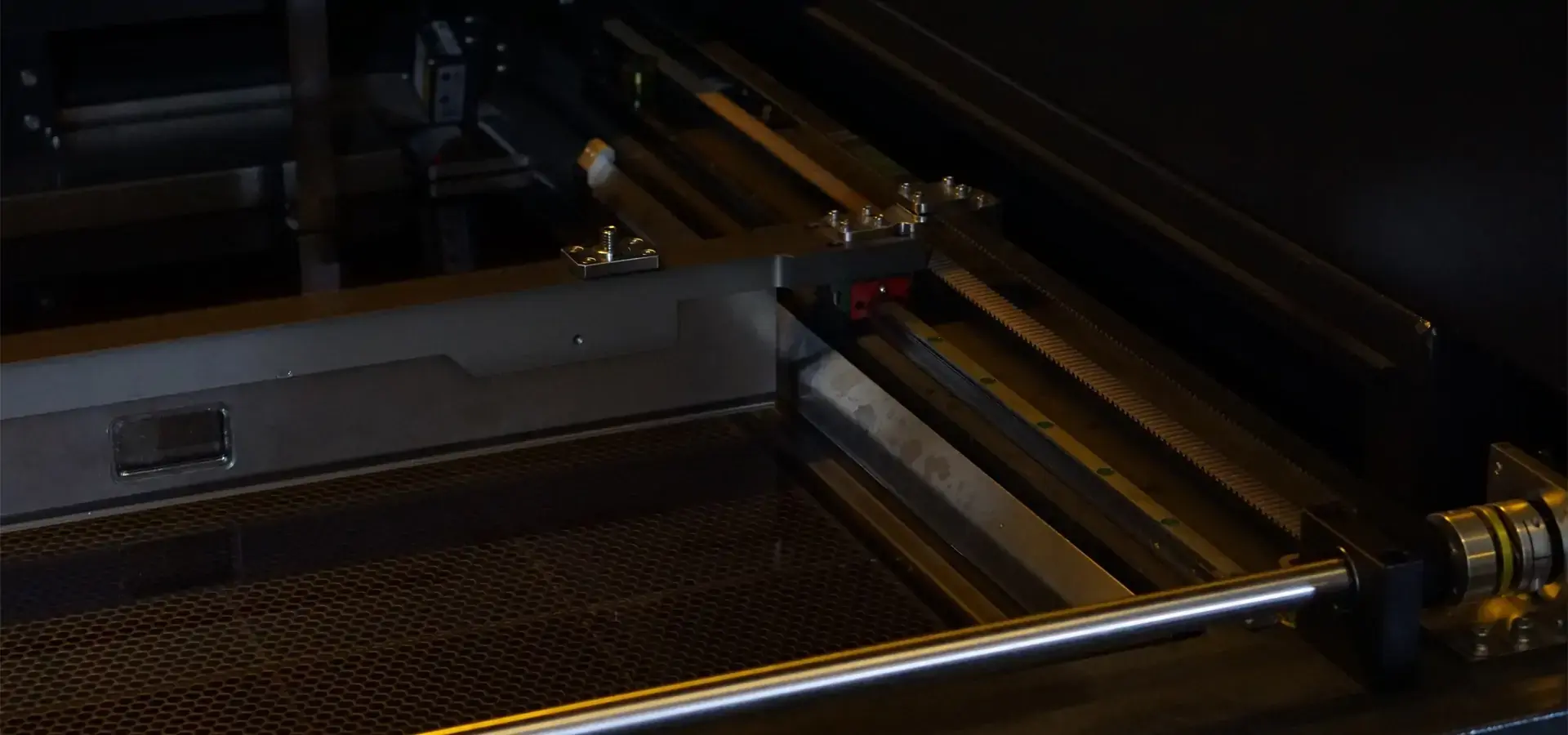
Mechanical accuracy is the first step toward dimensional accuracy. The build platform, supported by HIWIN linear guides and driven by Panasonic servo motors, achieves high positioning repeatability during the printing process. Combined with optical calibration and process control, this contributes to improved dimensional consistency. The build platform, especially precision granite platforms used in some industrial SLA systems, requires excellent flatness to maintain consistent layer thickness across large builds.
In production settings, laser power calibration should be done once a week. As optical components age or laser output gradually changes over time, delivered energy may drift from the original calibration values. This forces operators to extend exposure times, which changes shrinkage rates without their knowledge. Systems with self-diagnostic features let technicians know before drift gets big enough to affect the quality of the part.
Temperature Stabilization
Stabilizing the temperature changes how reliable prints are. The integrated resin temperature control system maintains a stable operating range, reducing viscosity fluctuations caused by environmental changes and improving layer consistency. This feature is very useful for places where the weather changes a lot from season to season or for running machines in warehouses that don't have climate control.
Material Matching and Testing
Users can find cheaper alternatives while doing validation testing with an open material system that doesn't use proprietary resin locks. However, changing formulations needs careful analysis. Printing calibration parts like the NIST test artifact or ISO dimensional tolerance coupons shows how the material actually shrinks, not how the datasheet says it will.
Magforms systems support a wide range of third-party 355nm photopolymer materials, allowing users to select suitable formulations based on application requirements. This compatibility lets automotive R&D departments test specialized resins from different suppliers without having to worry about equipment limitations. They can choose formulations that balance properties like controlling shrinkage with those like being resistant to impacts or stable at high temperatures.
Strategic Build Optimization
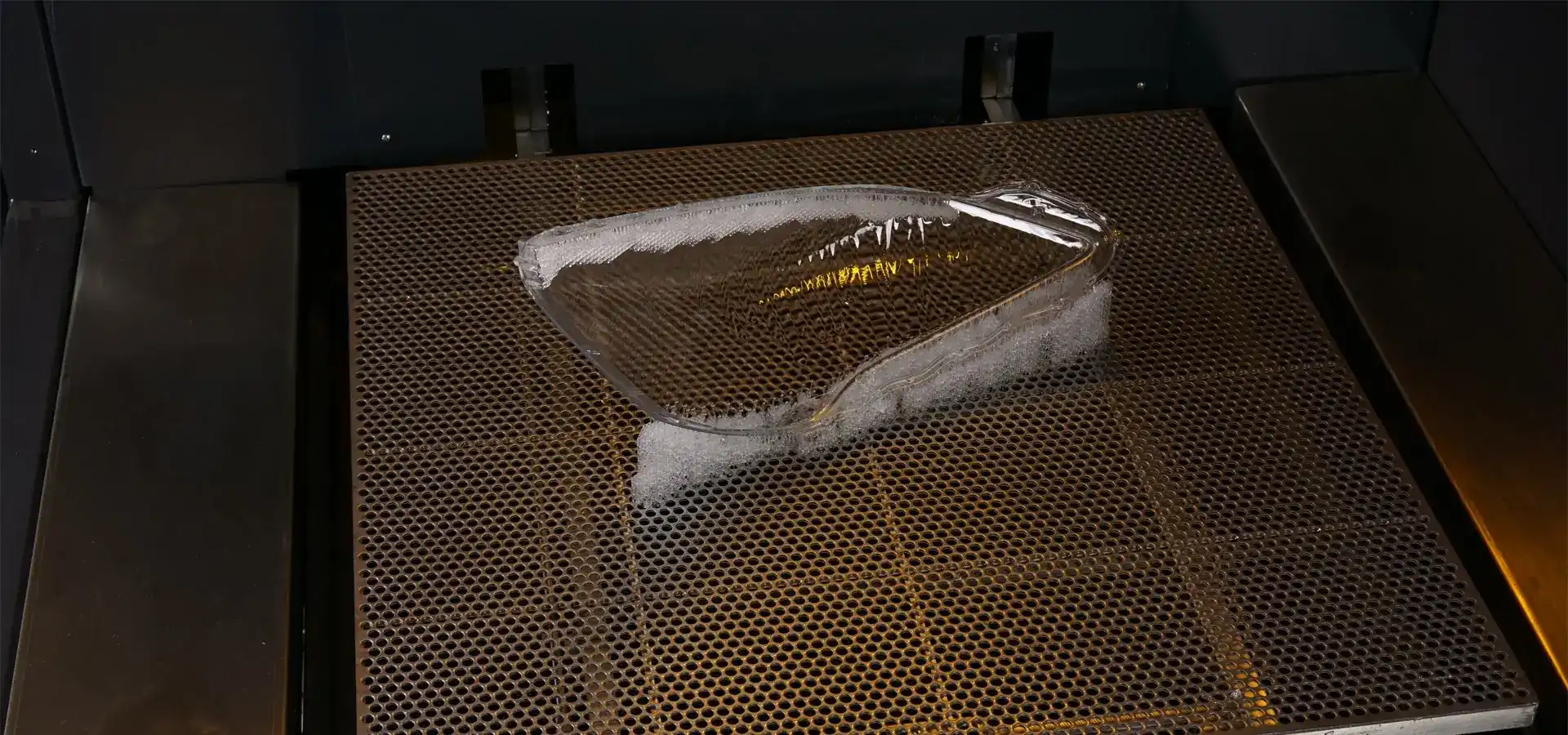
Transparent components require additional process optimization because internal curing consistency and optical properties can affect final clarity. Cloudiness or inner striations result from irregular curing and refractive index fluctuations. Optimized laser scanning strategies and variable spot control help improve edge definition, reduce stair-stepping effects, and maintain surface quality for transparent and precision components. This decreases the stair-step effect and maintains optical clarity for lighting component samples and medical fluid handling equipment.
CAD compensatory scaling shrinks forms rationally. When testing shows 1.2% linear shrinkage, a 1.012x scale factor will produce the proper pieces. Simple geometries can be compensated effectively with this method, while complex parts may require localized compensation strategies.
Hollowing out big parts decreases material used and cure mass, decreasing shrinkage. Drainage holes help remove trapped resin and reduce internal pressure during printing and post-processing. Aerospace firms hollow out non-critical wind tunnel models. This stabilises model size and cuts material use by 40%.
Place support structures correctly. Supporting non-visual surfaces speeds post-processing and prevents witness marks from affecting part operation. Based on part shape and resin quality, advanced slicing software evaluates peel forces and stress distribution and proposes support density and connection point size.
Controlled Post-Processing Protocols
Automated post-cure ovens with programmable profiles get rid of the need for operators to make mistakes. Getting to the target temperature slowly over 10 to 15 minutes lets the shrinkage process happen more gradually, which lowers the amount of stress inside the material. Medical device manufacturers often document post-curing parameters as part of their quality management and validation processes.
Annealing cycles after the normal post-cure process further stabilize the measurements. Holding parts at high temperatures (80–100°C) for long periods of time (2-4 hours) speeds up the evaporation of remaining monomers and lets molecules rest. This step takes more time, but it is worth it for precision tooling inserts or measurement fittings that need to keep their dimensions stable over time.
Case Studies: Successful Shrinkage Control in Industrial SLA Printing
Automotive Prototyping Excellence
A North American automotive supplier with custom dashboard parts made for luxury car companies that didn't match up in size. Parts were off by 0.8 to 1.2 mm over 300 mm, which caused problems with assembly during fit checks. The difference was cut down to ±0.15mm by using an Industrial SLA 3D Printer with variable spot technology and resin pre-characterization testing. The exact scanning paths of the German Scanlab galvanometer made sure that the same amount of energy was delivered across big cross-sections. During multi-hour builds, the resin temperature management system helped maintain stable material properties throughout the printing process. This improvement cut the time between design iterations from six weeks to twelve days, which sped up the launch of new models.
Medical Device Precision
An orthopedic implant developer needed surgical guide prototypes that were matched closely with the anatomical data generated from MRI-based workflows. The first models made with competing tools warped after being cured, which meant that the guides could not be used for planning before surgery. Using systems with marble platforms that don't expand much when heated and putting in place gradual UV curing protocols got rid of warping. The open material system let testers try out biocompatible resins from approved sources, finding the best balance between controlling shrinking and being resistant to sterilization. Regulatory reports now include verified shrinkage data to back up controls for the production process.
Aerospace Component Validation
Large-format builds (600mm+) were giving the company that made the parts that were used to make ventilation prototypes for commercial airplanes trouble. The analysis showed that the galvanometer beam deviation at the platform's edges led to uneven curing and dimensional inconsistency. The problem was fixed by getting new equipment that kept the circular spot geometry across the whole build area by adjusting the focus on the fly. The platform's positioning accuracy of within ±8µm ensured that layer-to-layer registration stayed accurate during the 8-hour builds, making parts that met the requirements for aerospace dimensional inspection without the need for extra machining.
These real-life examples show how combining equipment capabilities, material selection, and process optimization can lead to measurable improvements. More Industrial SLA application cases demonstrate how manufacturers in automotive, medical, and aerospace industries use SLA technology to solve production challenges. All of these fields agree on one thing: shrinkage needs to be seen as a systemic problem that needs to be dealt with at every stage of the process, instead of trying to solve it at a single point.
Maintenance and Troubleshooting to Sustain Low Shrinkage Builds
Routine Calibration Procedures
Optical route alignment affects beam focus and energy delivery. Laser spot circularity and power distribution are checked every three months using beam profilers. This detects damage before manufacture. The acrylic glass coverings that protect the optical portion must be cleaned monthly to remove resin mist deposits that scatter UV light and reduce curing.
Clean optical windows and protective covers help maintain consistent laser transmission and scanning accuracy. The beam may be slightly bent by even tiny particles, resulting in thousands of scan vector placement errors each layer. German Scanlab systems are inspected and cleaned monthly with optical-grade solvents to maintain accuracy.
Platform flatness checks detect mechanical wear before it ruins builds. Technicians utilise a precision dial indicator or laser analyser to determine platform surface variation over the project area. When flatness restrictions are surpassed (0.2 to 0.5 mm, depending on machine series), releveling or bearing replacement restores precision.
Material Handling Best Practices
How long a resin stays fresh and how it is stored have a big effect on how much it shrinks. When photopolymers are exposed to light or extreme temperatures, they break down. This changes their viscosity and how quickly they cure. Keeping materials in their original, opaque packages at 18–25°C and keeping track of lot numbers makes it possible to connect groups of materials with print results, which helps with finding the root cause of problems with dimensions.
Polymerized particles that can scratch optical windows or make surface flaws are taken out by resin filtration. By running resin through 100-micron filters before refilling vats, you can make materials last longer and stop failures caused by contamination. To keep things consistent, high-volume service bureaus use filter methods between each build.
Defect Identification and Correction
Most of the time, warping is a sign of uneven shrinking pressures. If parts always curl in the same direction, moving supports or turning the shape 45 to 90 degrees can change the way stress is distributed. If problems keep happening, the resin formulation may need to be changed, or post-cure protocols may need to be changed to include longer cooling phases.
Lack of interlayer bonding due to not enough exposure or resin contamination can cause layers to separate. Crosslinking is fixed by adding 5–10% more exposure time and checking the cure depth with test prints. If the problem keeps happening with more than one material, laser power calibration checks need to be done.
Strategic Supplier Partnerships
Working with Industrial SLA 3D Printer suppliers with a lot of experience gives you access to application engineers who know how materials and machines interact. Magforms' skilled after-sales team answers technical questions within 24 hours, drawing on years of knowledge in the field that includes uses in aerospace, medical, and automotive. This support is very helpful when trying to fix complicated shrinking problems that need a thorough study of the process.
Service contracts and warranties for equipment protect the ability to make things. Factory-trained technicians do scheduled preventive maintenance that finds potential problems before they cause unplanned downtime. This proactive approach protects revenue streams and customer relationships for facilities that are open 24 hours a day, seven days a week to serve multiple clients.
Conclusion
To control shrinking in stereolithography builds, you need to know a lot about how plastic behaves, make sure your equipment is calibrated correctly, and follow the process carefully. The basis for physical uniformity is an Industrial SLA 3D Printer with advanced features like variable laser spot technology, precision motion control, and stable resin temperature management. But technology can't guarantee success on its own; operators also need to test materials thoroughly, plan how to build things best, and follow strict post-processing protocols. There are real-life examples in the medical, military, and automobile industries that show how structured methods can improve the accuracy of parts and the speed of production. Manufacturing teams can keep shrinkage under control even as part complexity and production volumes rise by working with suppliers who offer open material systems, quick technical support, and ongoing training.
FAQ
1. What causes shrinkage in Industrial SLA 3D Printer builds?
During photopolymerization, the overall volume decreases as liquid resin molecules join together to form solid networks. Post-curing causes more shrinkage because UV light finishes the crosslinking reactions. The final change in size is affected by the chemistry of the resin, the laser exposure parameters, the room temperature, and any thermal post-processing. Typical shrinkage varies depending on resin chemistry, curing conditions, and post-processing methods. Engineering-grade SLA resins are often optimized to minimize dimensional changes through controlled formulation and compensation strategies.
2. Can I eliminate shrinkage?
Because of how polymer science works, complete removal is not possible. Advanced Industrial SLA 3D Printer systems, on the other hand, keep shrinkage to a minimum by precisely controlling exposure, keeping temperatures stable, and using the best processing settings. By using CAD scaling compensation and choosing engineering resins with low shrinkage, the deviation in dimensions can be brought down to levels that are acceptable for most industrial uses. For industrial SLA applications, dimensional accuracy depends on part size, resin characteristics, and process optimization. Large parts typically require compensation strategies and validation testing to achieve tight tolerances.
3. How does print speed affect dimensional accuracy?
If exposure settings aren't properly adjusted, printing faster with bigger laser spots can make the results less accurate. This is fixed by variable spot technology, which changes the beam size on the fly, using big spots for inner areas and small spots for details. Optimized scanning strategies and parameter adjustment methods help balance productivity and dimensional accuracy.
4. What maintenance prevents shrinkage-related failures?
Consistent curing profiles are kept up by checking the laser power once a week, cleaning the optical parts once a month, and calibrating the galvanometer every three months. Consistent physical results are guaranteed by storing resin correctly, checking the flatness of the platform on a regular basis, and following written post-cure guidelines. When you work with suppliers who offer quick technical support, you can find process drift before it affects the quality of the production, which cuts down on the need for expensive reprints and schedule delays.
Discover Shrinkage Control Solutions from a Trusted Industrial SLA 3D Printer Supplier
Magforms offers complete shrinkage control through solutions that combine materials and tools. Our systems use AOC solid-state lasers, German Scanlab galvanometers, and Panasonic servo motors that can accurately place platforms within 8µm. These parts have been tested in industrial production cycles that run 24 hours a day, seven days a week. Variable laser spot technology boosts output by 30–50% while keeping accuracy at the micron level. Built-in temperature control keeps the resin's properties stable no matter the temperature outside. We know what the dimensional needs of automotive prototyping, medical device manufacturing, and aerospace component fabrication are because we have 22 patents, 30 trademarks, and a global presence that serves over 300 businesses. Our open material system works with most 355nm resins, so there is no proprietary lock-in. Also, our professional after-sales team answers technical questions within 24 hours. Magforms offers custom Industrial SLA 3D Printer solutions backed by years of experience in materials and application engineering, no matter if you're a new service center or an established R&D department. You can talk to us about your dimensional accuracy needs and get performance validation data specific to your application by emailing info@magforms.com. Our team will help you find the best process parameters, suggest the best resin formulations, and provide ongoing support to make sure that your shrinkage control goals are always met.
References
1. Gibson, I., Rosen, D., Stucker, B., & Khorasani, M. (2021). Additive Manufacturing Technologies (3rd ed.). Springer International Publishing.
2. Jacobs, P. F. (1992). Rapid Prototyping & Manufacturing: Fundamentals of Stereolithography. Society of Manufacturing Engineers.
3. ASTM International. (2021). ASTM F2792-12a: Standard Terminology for Additive Manufacturing Technologies. ASTM International.
4. Stansbury, J. W., & Idacavage, M. J. (2016). 3D printing with polymers: Challenges among expanding options and opportunities. Dental Materials, 32(1), 54-64.
5. Melchels, F. P., Feijen, J., & Grijpma, D. W. (2010). A review on stereolithography and its applications in biomedical engineering. Biomaterials, 31(24), 6121-6130.
6. Xu, K., & Chen, Y. (2015). Mask image planning for deformation control in projection-based stereolithography process. Journal of Manufacturing Science and Engineering, 137(3), 031014.

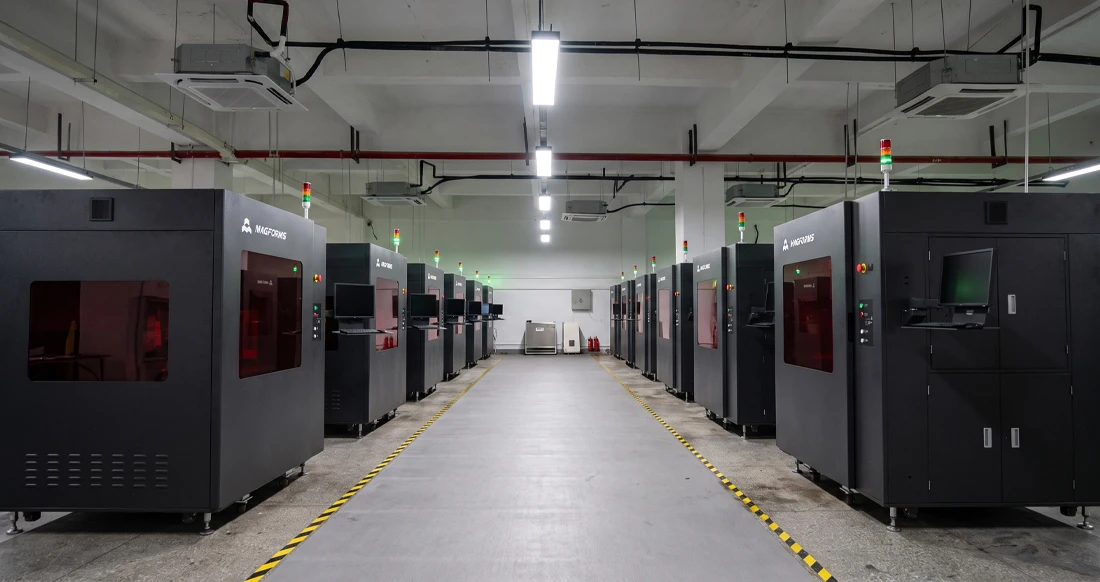
Magforms makes design and manufacture easier.
Popular Blogs
-
 Industry InsightsManufacturing Industry
FDM vs. SLA Printer: Which Technology Is Right for Your Project?
-
 Industry InsightsManufacturing Industry
Top 5 Applications of Industrial 3D Printers in Manufacturing Today
-
 Industry InsightsManufacturing Industry
Why Stereolithography 3D Printers Are Unmatched for Microfluidic Device Prototyping?