What Drives Layer Adhesion in an Industrial SLA 3D Printer?
Layer adhesion in stereolithography represents the fundamental mechanism that determines whether your printed components will meet production standards or fail during assembly. For professionals evaluating additive manufacturing equipment, understanding what drives layer adhesion in an Industrial SLA 3D Printer is essential to making procurement decisions that deliver consistent results. The answer lies in the precise interaction between photopolymerization chemistry, laser exposure control, resin management, and process stability—factors that separate reliable industrial systems from equipment prone to delamination and dimensional variation. When UV laser energy selectively cures freshly recoated resin and overlaps with the previously cured layer, additional polymerization creates chemical cross-links across the interface. This forms an interconnected polymer network that bonds successive layers together instead of relying only on mechanical contact between separate layers.
👉 What is SLA 3D printing technology
Key Factors Affecting Layer Adhesion in Industrial SLA 3D Printers
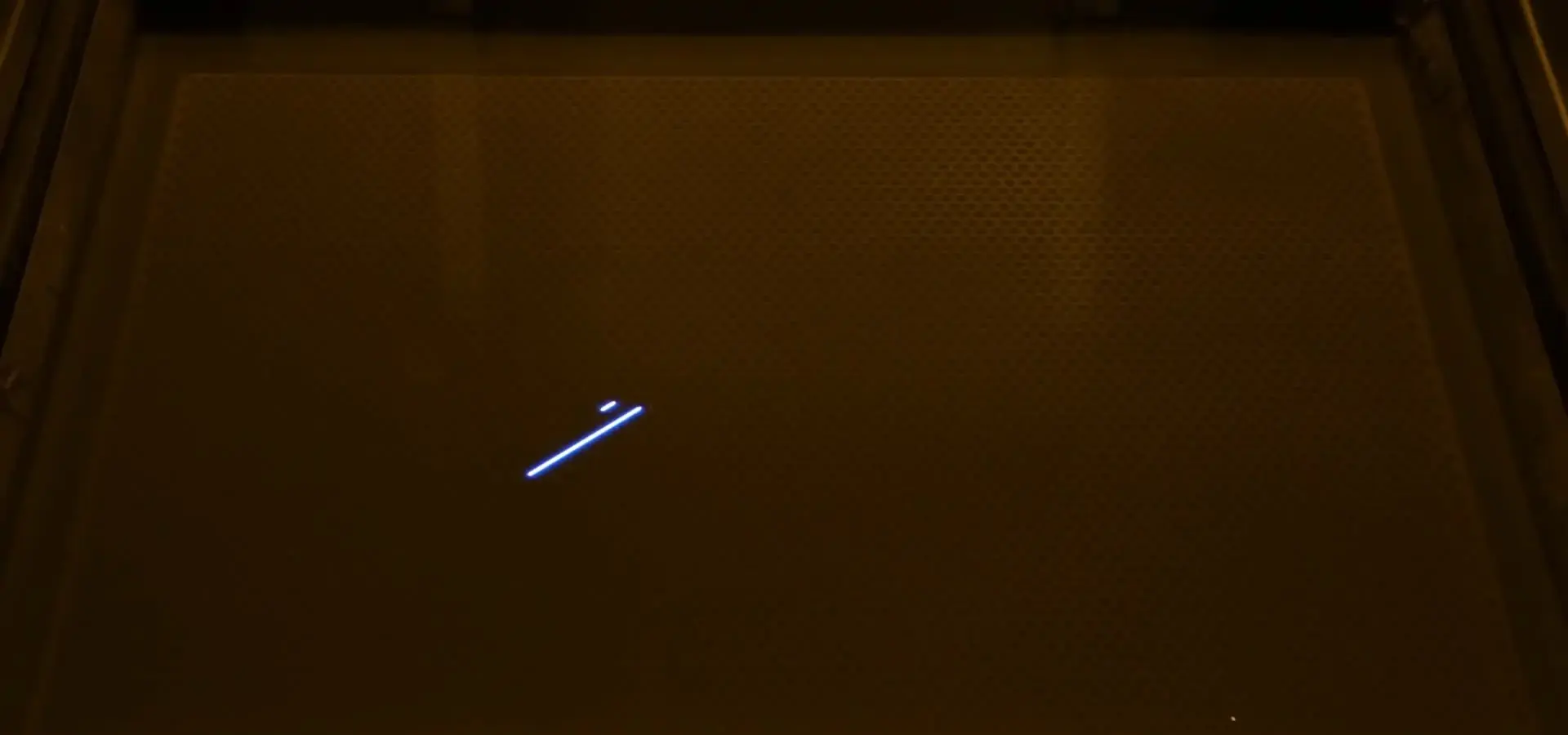
One of the most important factors determining adhesion quality in an Industrial SLA 3D Printer is resin chemistry, together with exposure parameters, layer thickness, and process stability. For industrial use, engineering-grade resins have carefully balanced amounts of photoinitiators, oligomers, and reactive diluents that make the cross-link density work best. Higher functional group concentrations can increase cross-link density in engineering resins used for demanding applications such as medical devices or aerospace components. However, resin formulation requires balancing strength, toughness, flexibility, and dimensional stability rather than maximizing cross-link density alone. Because some Industrial SLA 3D Printer systems support open material compatibility, manufacturers can evaluate different 355 nm photopolymer resins and select materials based on mechanical performance, curing behavior, and production requirements while maintaining flexibility beyond a single proprietary material ecosystem.
Laser parameters directly affect the exposure energy delivered to each layer interface. Depending on how well the laser scanning system is placed, the beam will either follow the planned path exactly or make small deviations that create weak spots. When high-precision galvanometer systems such as Scanlab scanners are combined with stable laser sources, Industrial SLA 3D Printer platforms can achieve highly repeatable laser positioning at the micrometer level, improving exposure consistency across the build area. This helps ensure that each laser pass provides consistent curing conditions at layer interfaces, supporting reliable interlayer bonding. Galvanometer scanning speed influences exposure efficiency and productivity. However, maintaining consistent layer adhesion requires balancing scanning speed, laser power, hatch spacing, and exposure energy density rather than simply maximizing scan speed.
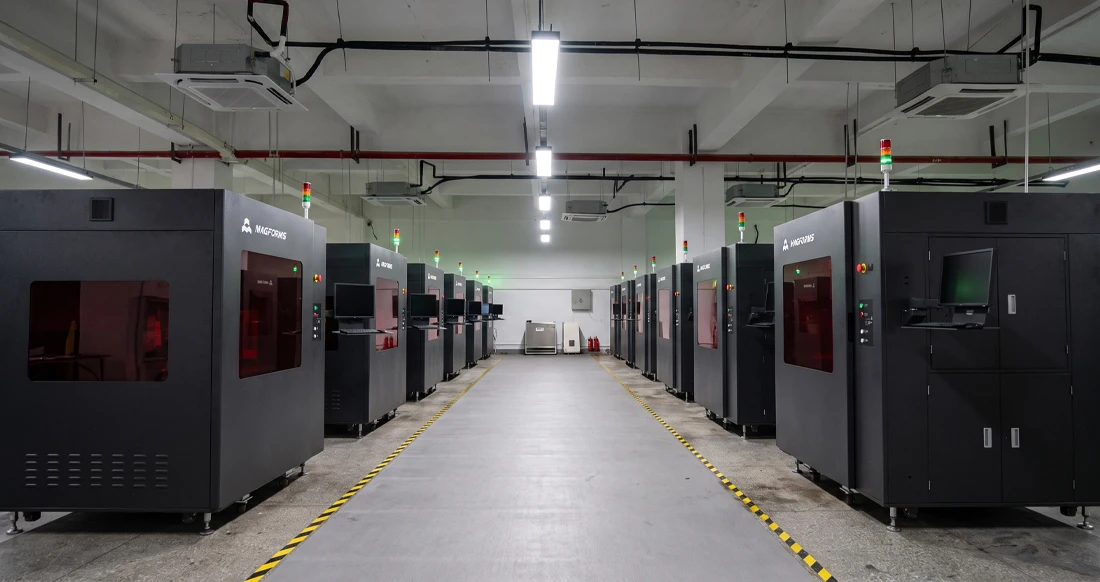
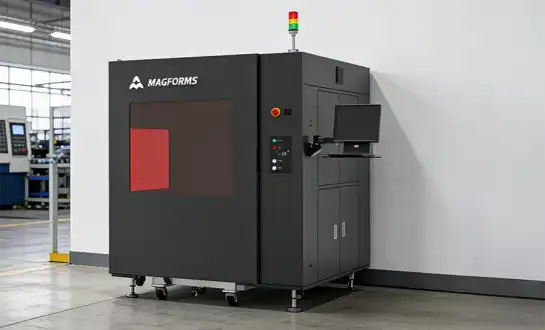
👉 Magforms SL800 Industrial SLA 3D Printer
The use of variable laser spot technology is an important advancement for improving layer bonding performance. By dynamically adjusting laser spot size during printing, such as using larger spots for efficient area filling and smaller spots for detailed contours, advanced SLA systems can optimize energy distribution between productivity and feature accuracy. This approach helps maintain consistent curing performance across different geometries. This flexible approach helps prevent excessive exposure on fine features while maintaining sufficient curing in larger areas. This makes the adhesion strength the same across complex part shapes.
Controlling the environment is more than just controlling the temperature. Humidity variations can influence resin viscosity, material stability, and long-term curing consistency. Excessive moisture contamination may also affect surface quality and reduce the reliability of photopolymerization processes. When dust accumulates on optical components, it can reduce laser transmission efficiency and decrease the exposure energy delivered to the resin surface. Important parts of equipment with optical safety covers and glass front panels stay clean, so the print quality stays the same over thousands of build cycles. When these protective systems are maintained regularly, the optical clarity stays the same. This stops the gradual loss of adhesion that might not be noticed until parts fail quality control.
Stability of the machine is another important factor that is often missed when first evaluating the equipment. Even small vibrations during printing can affect positioning stability, dimensional accuracy, and layer alignment, especially during large-scale builds. Industrial SLA 3D Printer systems designed with rigid machine frames and thermally stable platforms can minimize structural deformation during long production cycles, helping maintain consistent layer alignment and dimensional accuracy. This is especially important for print jobs that last more than one day or places where there is a lot of vibration from nearby manufacturing equipment. Precision linear motion components, such as HIWIN linear guides and high-quality drive systems, help maintain stable Z-axis movement and minimize positioning errors during tall builds, reducing the risk of uneven layer bonding.
Industrial SLA vs Other 3D Printing Technologies: Impact on Layer Adhesion
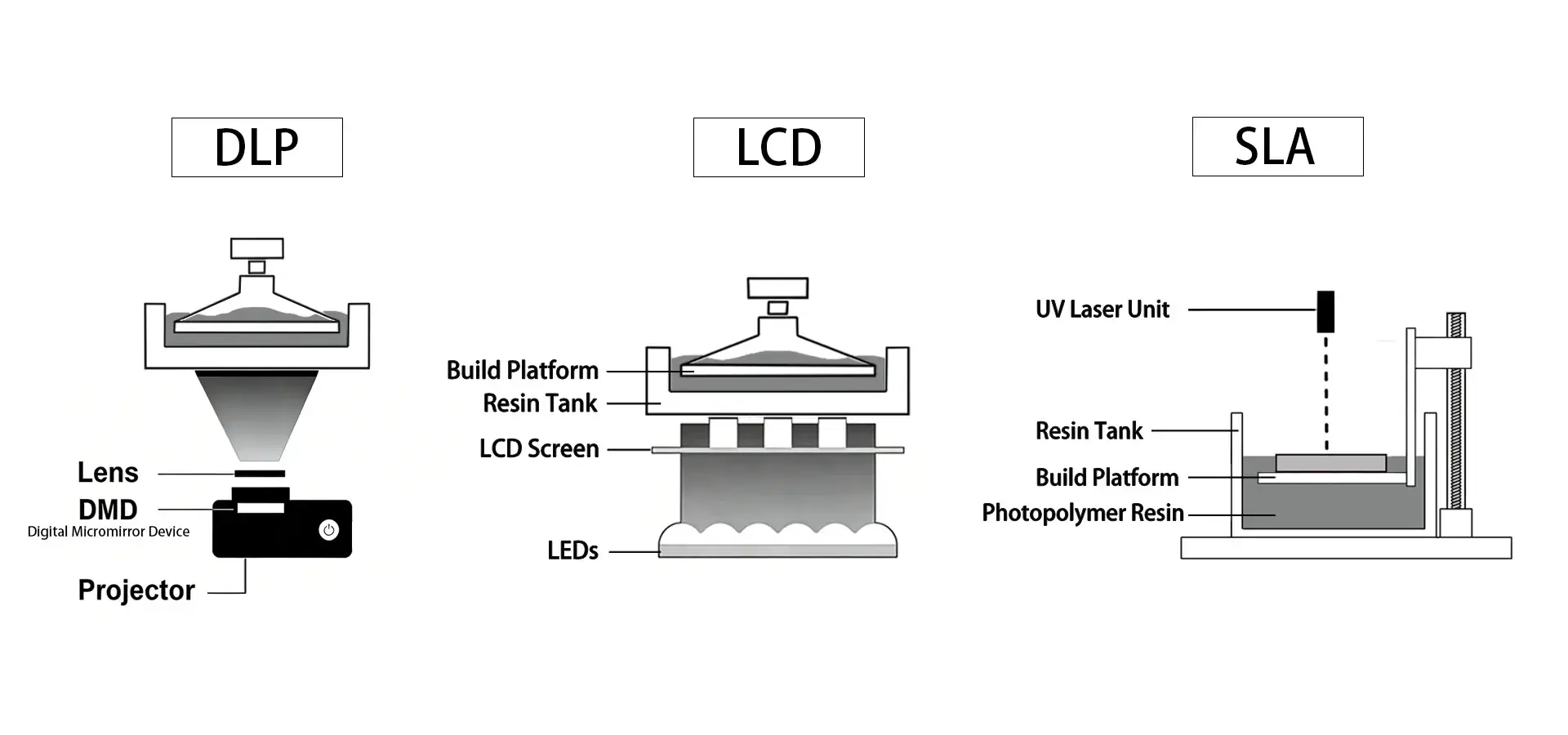
Selective Laser Sintering (SLS) relies on thermal fusion of powder particles, where layer adhesion is governed by melt pool dynamics and thermal gradients rather than chemical cross-linking. This fundamental difference means SLS parts can exhibit anisotropic mechanical behavior depending on build orientation and powder characteristics, whereas SLA's photopolymerization process creates more uniform interlayer chemical bonds. Its powder-based process typically results in a different surface texture compared with photopolymer-based SLA systems. Photopolymerization technologies such as SLA are known for producing smoother surfaces than powder-based processes, with achievable surface roughness depending on resin formulation, layer thickness, print orientation, and post-processing conditions. These smoother surfaces often require less post-processing compared with powder-based technologies, depending on the final application requirements. It is easier to fine-tune the mechanical features at layer surfaces in stereolithography because of the chemical bonding process than in SLS, which is controlled by thermal gradients.
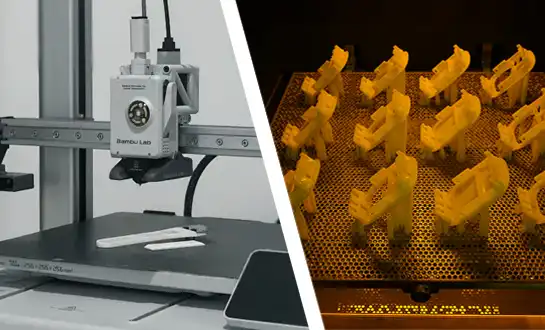
Fused Deposition Modeling (FDM) uses heat to join thermoplastic filaments that have been extruded. This makes the mechanical properties uneven, so parts are much weaker when they are not in the same plane as the build stages. Because SLA uses photopolymerization to create chemical bonds between successive layers, Industrial SLA 3D Printer systems typically achieve more isotropic mechanical properties compared with many extrusion-based processes, though performance still depends on resin formulation, exposure settings, and build orientation. This makes stereolithography suitable for applications requiring consistent surface quality and predictable mechanical behavior, such as automotive prototypes, aerodynamic models, tooling patterns, and functional validation components.
The photopolymerization process is the same in both SLA and DLP, but a projector is used instead of a scanning laser in DLP. DLP can achieve high productivity for small and medium-sized parts by exposing an entire layer simultaneously, but scaling to large-format builds introduces challenges in maintaining pixel resolution, optical uniformity, and exposure consistency across the expanded build area. Laser-based systems are great at providing different amounts of energy across a single layer, which makes it easier for things to stick to both solid areas and thin support structures. These process optimization strategies help improve exposure efficiency while maintaining consistent curing quality across complex geometries.
How to Choose the Right Industrial SLA 3D Printer for Optimal Layer Adhesion
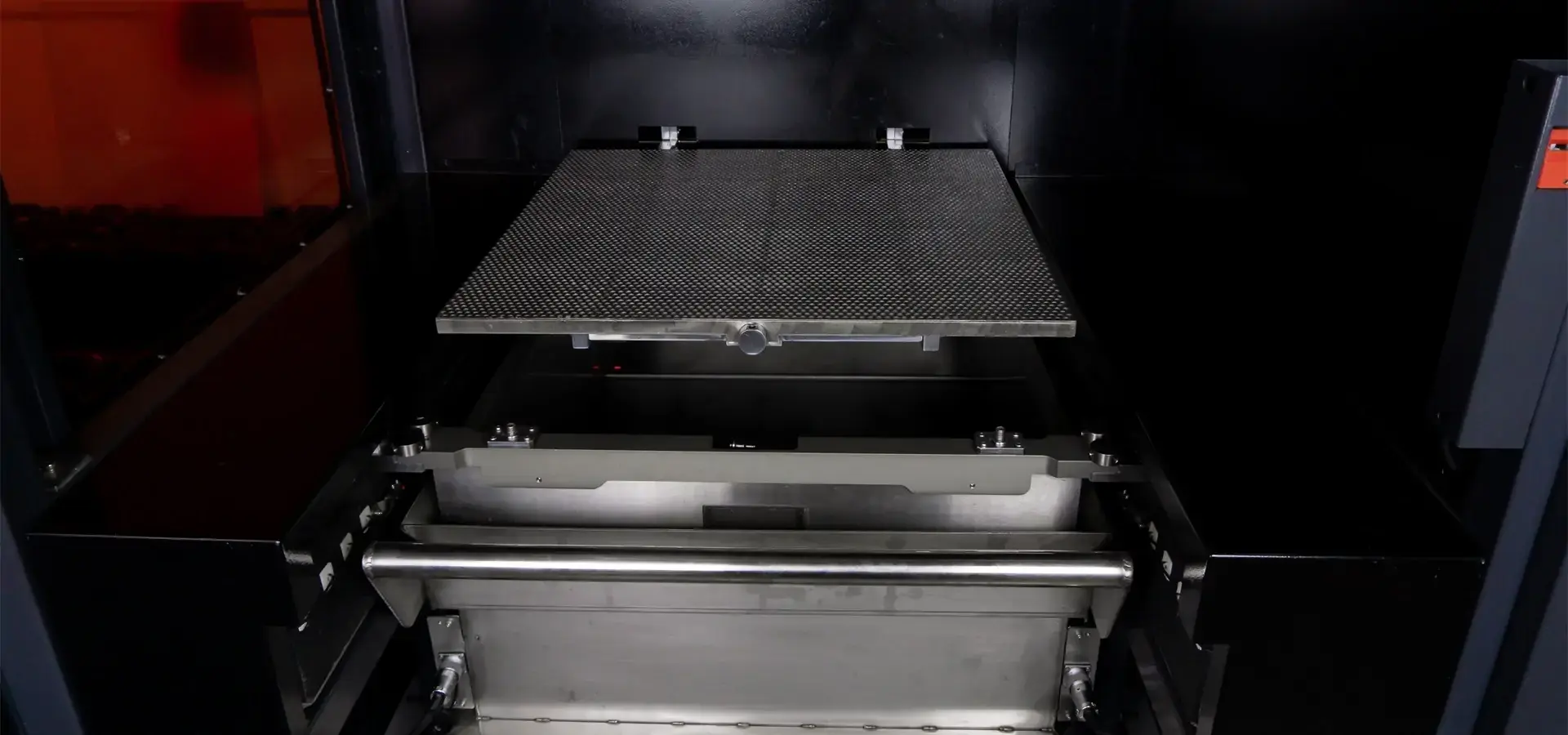
Adhesion performance is based on how well the resolution and positioning work together. When evaluating an Industrial SLA 3D Printer, buyers should consider motion system repeatability, Z-axis accuracy, laser positioning stability, resin management, and overall process control. High-precision motion components, combined with stable mechanical structures and accurate calibration processes, help maintain consistent layer positioning and reliable part quality throughout long production cycles. Scanlab galvanometer systems combined with stable laser sources help maintain consistent spot positioning and exposure accuracy across the build platform. This makes the shaping more accurate and the adhesion behavior more predictable across the build platform.
👉 Industrial SLA 3D Printer types and solutions
Care should be taken to make sure that materials are compatible. It is possible to get the best binding for different uses with systems that have open material designs and don't use proprietary resin locks. Compatibility with a wide range of photopolymer resins—including those optimized for 355 nm laser systems—allows manufacturers to select materials according to mechanical requirements, curing performance, production volume, and cost considerations rather than being limited to a single proprietary material ecosystem. This adaptability is especially useful when making new products that might need unique resin properties that aren't shown in a few proprietary catalogs.
Adhesion consistency is directly affected by how sophisticated the software is. Modern control tools, such as Magforms iBuild 2.0, make it easy to change parameters and run easily, without any processing lag that could mess up important exposure time. Built-in grayscale and anti-aliasing algorithms can reduce visible stair-stepping effects and improve edge smoothness. While these technologies primarily enhance surface quality and dimensional accuracy, consistent exposure control also supports more reliable layer bonding. The latest software versions include optimized scanning strategies and process control functions designed to improve exposure consistency during production.
After-sales support may not seem directly related to technical performance, but it has a significant impact on long-term adhesion consistency. To maintain stable laser output, positioning accuracy, and environmental conditions that influence adhesion quality, equipment needs to be calibrated on a regular basis. Manufacturers with professional after-sales teams that can respond within 24 hours keep production from stopping for long periods of time when calibration or part replacement is needed. This support environment helps maintain the process stability and performance consistency established during initial production validation.
When making a budget, you need to think about the total cost of ownership, not just the buying price. Systems made with well-known parts like AOC lasers, Scanlab galvanometers, Panasonic servo motors, Schneider electrical parts, and Philips UV-blocking lights have lower failure rates and need less maintenance. Integrating these high-quality parts may require a bigger initial investment, but they will provide better adhesion reliability and lower maintenance costs over the equipment's lifetime. Variable spot technology can improve printing efficiency in suitable applications by balancing fast area exposure with detailed feature resolution. The actual productivity improvement depends on part geometry, material selection, and process parameters.
Common Issues and Troubleshooting for Layer Adhesion Problems
When layers delaminate, insufficient interlayer bonding may result from inadequate exposure energy, unsuitable curing parameters, resin contamination, poor recoating conditions, or excessive internal stress within the part. This could happen if laser output decreases, optical components become contaminated, or exposure parameters are not properly matched with the selected resin. The first step in systematic troubleshooting is to verify laser output, exposure calibration, resin parameters, and process settings against the manufacturer's recommended specifications. Next, all optical surfaces should be cleaned to restore transmissivity, and exposure settings should be checked to make sure there is enough energy density. The optical safety plates built into quality systems make problems with pollution less common, but inspections must still be done on a regular basis.
In SLA processes, warping and dimensional distortion are often related to polymerization shrinkage, internal stress accumulation, part orientation, support strategy, and thermal changes during curing. When resin temperature fluctuates, polymerization shrinkage rates vary between layers, creating internal stress that can push parts out of tolerance. This causes internal stress that pushes parts out of tolerance. Built-in temperature control systems keep the viscosity of the resin and the rate at which it cures constant during long print sessions. If warping occurs, first verify that the environmental control systems are functioning correctly. If the existing equipment lacks active thermal management, upgrading to a system with integrated temperature control may be necessary for demanding applications.
Surface flaws at the edges of layers are often caused by contamination in the resin vat. Some things, like dust, partially cured resin pieces from earlier prints, or old, broken-down material, can keep the new resin from fully touching the cured layer. Adhesion failures caused by contamination can be kept to a minimum by following strict resin handling protocols, such as filtering material before use, covering vats between print sessions, and replacing degraded resin on a regular basis. Proper resin management systems, including effective drainage, filtration, and material handling procedures, help reduce contamination risks when switching between different resin materials.
Problems with mechanical alignment are likely to be caused by print failures that happen in certain areas of the build plate. Build platform flatness and accurate leveling directly influence first-layer adhesion. In industrial SLA systems, recoating mechanisms must maintain consistent resin distribution to ensure stable layer formation across the build area. High-precision build platforms designed for industrial SLA applications help maintain consistent layer positioning across the build area. Regular calibration ensures stable first-layer adhesion and long-term production reliability. Checking platform calibration and recoating system condition on a regular basis helps prevent gradual degradation of layer adhesion.
Conclusion
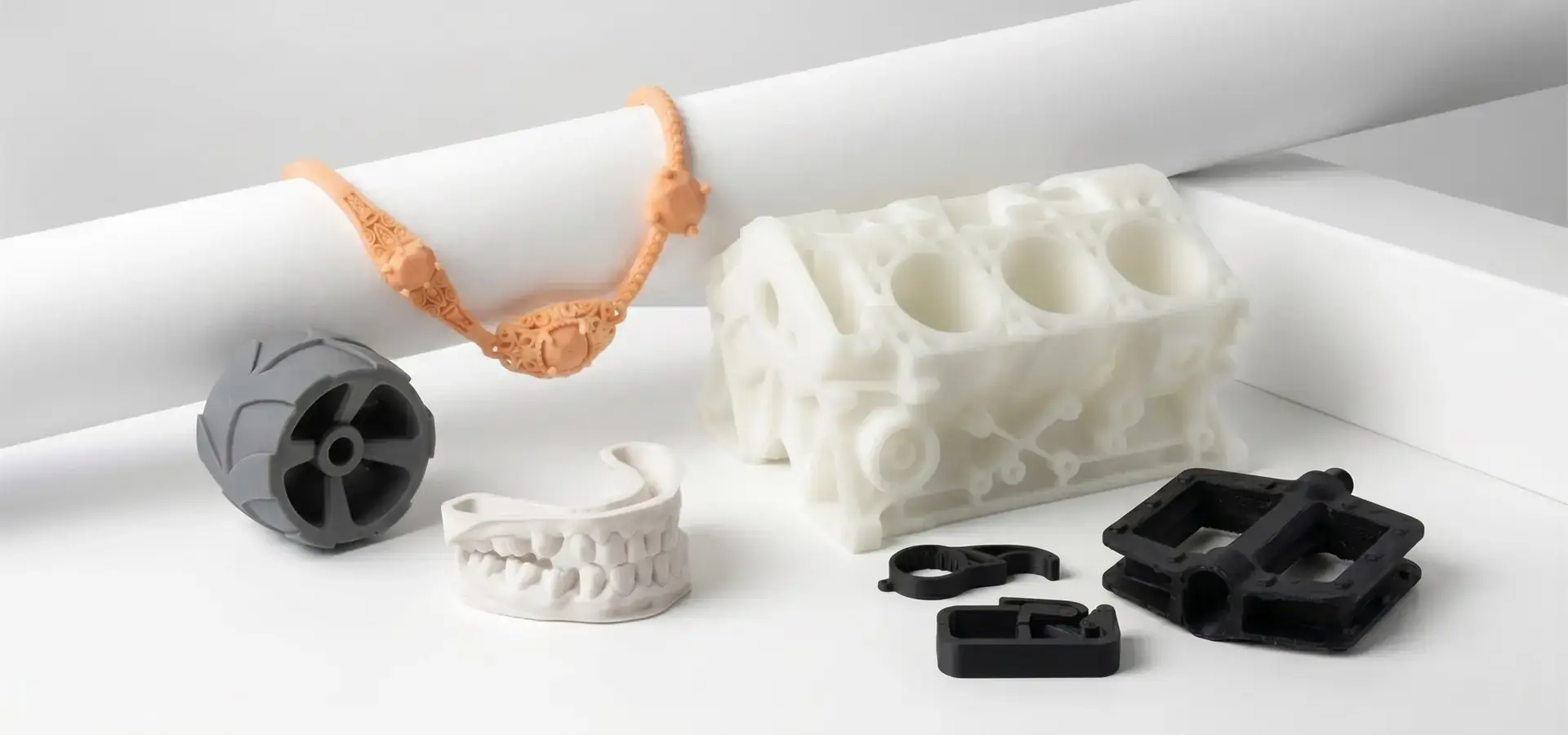
In photopolymerization systems, layer adhesion relies on how well chemical processes are coordinated, how well the machines work, and how well the environment is managed. The Industrial SLA 3D Printer technology creates interpenetrating polymer networks at layer interfaces through controlled UV exposure, which makes the bonds between layers stronger. To be successful, you need tools that can accurately place within micrometers, use adaptable laser spot technology to make sure energy is distributed optimally, and keep the temperature stable so the resin always behaves the same way. Industrial SLA systems built with reliable laser sources, precision motion components, and stable control systems are designed to deliver consistent performance in demanding production environments. By understanding these basic technical concepts, you can make smart decisions about what to buy that balance performance needs with budget limits and guarantee long-term consistency.
FAQ
1. What resin properties most affect layer adhesion quality?
Layer adhesion depends on resin formulation factors such as photoinitiator concentration, oligomer structure, reactive diluent selection, viscosity, and cure characteristics. More cross-linking can happen at interfaces where there are more functional groups. Viscosity controls how the resin flows and how many holes it makes, and cure depth controls how deep it goes into earlier layers. All of these factors are important for strong bonding.
2. How does layer thickness influence adhesion and productivity?
Thinner layers often improve surface quality and dimensional accuracy because each cured layer represents a smaller vertical step. However, the relationship between layer thickness and adhesion depends on resin chemistry, exposure settings, and production requirements. The ideal thickness strikes a balance between mechanical needs and production schedules. Depending on the application, the ideal thickness is usually between 0.05 mm and 0.25 mm.
3. Can older printers be optimized for better layer adhesion?
Parameter tuning, strict resin handling practices, and preventive maintenance schedules can often lead to big gains. Common degradation problems can be fixed by adjusting the laser power, cleaning the optics, and releveling the platform. Older machines with limited motion accuracy, unstable laser output, or insufficient process monitoring may face hardware limitations.
Partner with Magforms for Superior Industrial SLA 3D Printer Solutions
Magforms develops industrial stereolithography systems for manufacturers, engineers, and production teams requiring reliable layer bonding, dimensional accuracy, and repeatable production performance. Magforms Industrial SLA 3D Printer systems integrate components such as Scanlab galvanometers, AOC laser systems, and Panasonic servo motors to support stable laser scanning performance and precise motion control. Variable spot technology can improve productivity in suitable applications by optimizing the balance between fast area scanning and detailed feature reproduction. Actual improvements depend on part geometry, resin selection, and process parameters. By combining hardware compatibility, material flexibility, and process support, Magforms helps users optimize resin selection and printing parameters for different applications.
Our professional after-sales team answers technical questions within 24 hours. They make sure that your production schedule stays on track by helping with calibration, maintenance, and problems. Whether you are a 3D printing service provider, automotive manufacturer, consumer goods producer, or general industrial manufacturer, Magforms provides flexible SLA solutions designed for diverse production requirements. Get in touch with us at info@magforms.com to talk about how the Magforms Industrial SLA 3D Printer technology can help you make more things.
References
1. Gibson, I., Rosen, D., Stucker, B., & Khorasani, M. (2021). Additive Manufacturing Technologies, 3rd Edition. Springer International Publishing.
2. Jacobs, P. F. (1992). Rapid Prototyping & Manufacturing: Fundamentals of Stereolithography. Society of Manufacturing Engineers.
3.Ligon, S. C., Liska, R., Stampfl, J., Gurr, M., & Mülhaupt, R. (2017). Polymers for 3D Printing and Customized Additive Manufacturing. Chemical Reviews, 117(15), 10212-10290.
4. Stansbury, J. W., & Idacavage, M. J. (2016). 3D Printing with Polymers: Challenges among Expanding Options and Opportunities. Dental Materials, 32(1), 54-64.
5. Melchels, F. P., Feijen, J., & Grijpma, D. W. (2010). A Review on Stereolithography and its Applications in Biomedical Engineering. Biomaterials, 31(24), 6121-6130.
6. Quan, H., Zhang, T., Xu, H., Luo, S., Nie, J., & Zhu, X. (2020). Photo-Curing 3D Printing Technique and Its Challenges. Bioactive Materials, 5(1), 110-115.

Magforms makes design and manufacture easier.
Popular Blogs
-
 Industry InsightsManufacturing Industry
FDM vs. SLA Printer: Which Technology Is Right for Your Project?
-
 Industry InsightsManufacturing Industry
Top 5 Applications of Industrial 3D Printers in Manufacturing Today
-
 Industry InsightsManufacturing Industry
Why Stereolithography 3D Printers Are Unmatched for Microfluidic Device Prototyping?