Industrial Applications of Stereolithography 3D Printers
To cure liquid resin into solid objects with extreme precision, stereolithography 3D printers have become indispensable in modern manufacturing. As someone who has worked a lot with additive manufacturing technologies, I've seen how stereolithography changes the way industries that need micron-level accuracy and smooth surface finishes do their work. This cutting-edge method solves important problems in rapid prototyping, tooling, and small-batch production where older methods are slow, complicated, or expensive.
Understanding Stereolithography 3D Printing Technology
How SLA Printing Technology Works
At its core, stereolithography uses a strong laser beam to cure photopolymer resin one layer at a time. The process starts when the build platform is put into a vat of liquid resin. With the help of precise galvanometer mirrors, the laser draws the desired cross-section of the part on the resin surface. When exposed, the resin goes through a polymerization reaction that changes it from a liquid to a solid. When one layer hardens, the platform moves down by a precise amount, usually 25 to 100 microns. This lets new resin cover the layer that is already solid. This cycle will keep going until the whole object comes out of the resin bath. There are clear benefits to this technology over other additive manufacturing methods. Fused Deposition Modeling (FDM) extrudes heated thermoplastic filament through a nozzle layer by layer, typically resulting in more visible layer lines and anisotropic strength compared to SLA. A stereolithography 3D printer, on the other hand, typically produces parts with more uniform (near-isotropic) mechanical properties compared to FDM. Digital Light Processing (DLP) and Masked Stereolithography (mSLA/LCD) both use pixel-based projection systems, which may introduce visible voxel or pixel stepping artifacts on curved or angled surfaces depending on resolution and anti-aliasing algorithms. Laser-based systems, on the other hand, offer high continuous resolution in the XY plane.
Material Versatility Enabling Diverse Applications
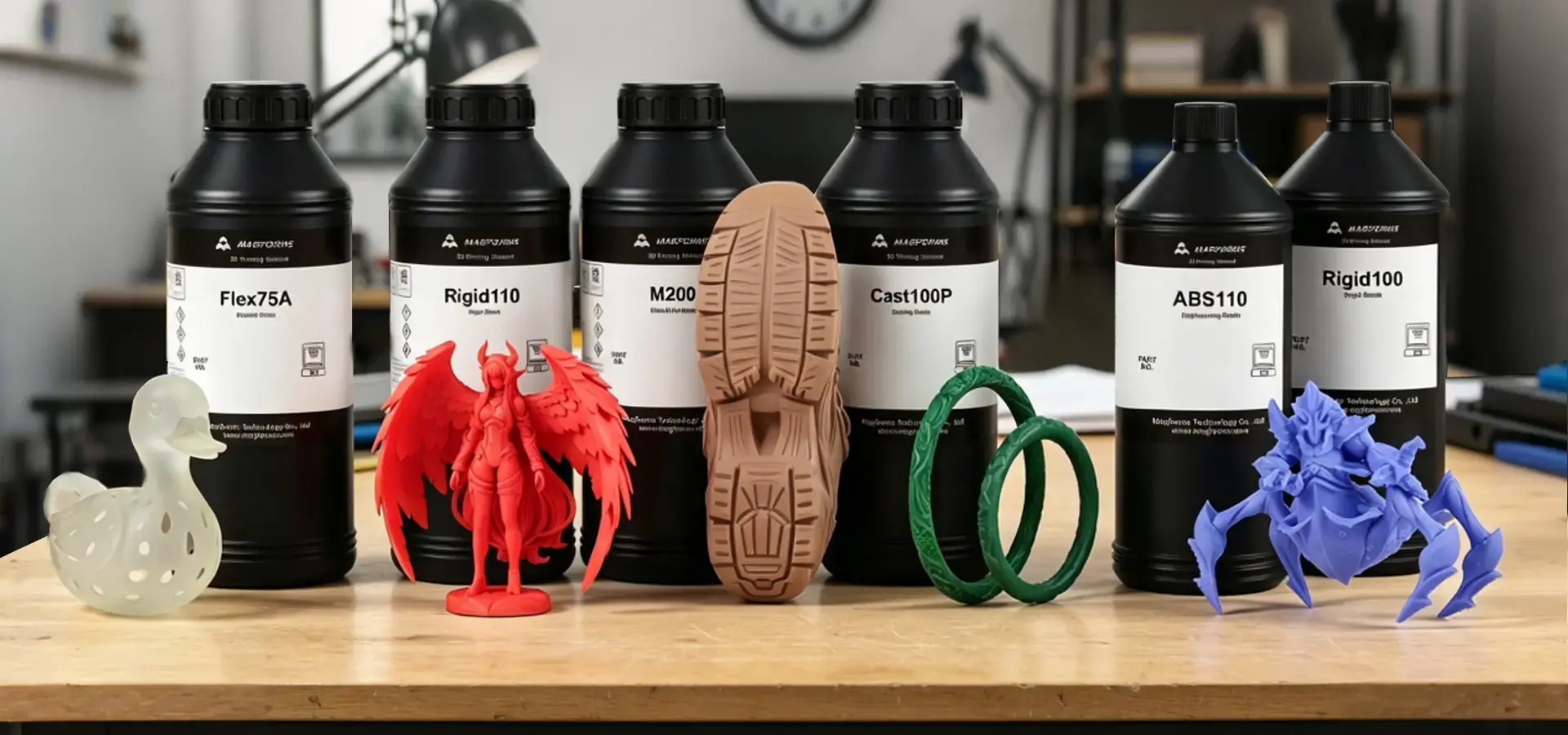
Today's resin chemistry includes more than just standard photopolymers. It also includes special mixtures made for harsh industrial settings. Now, engineering-grade resins can achieve mechanical properties comparable to ABS or polycarbonate in specific conditions. This means that they can be used to make functional prototypes that need to be tested for mechanical stress. High-temperature resins can maintain structural integrity at elevated temperatures, making them suitable for demanding applications such as automotive underhood components. Flexible resins with Shore A hardness ratings can be used for designs that need elastomeric properties, like gaskets or prototypes of wearable tech. Biocompatible resins have made it possible for direct patient contact to happen in medical settings. When making surgical guides or orthodontic devices, dental labs use special dental resins that are approved for use inside the mouth. Transparent resins have an optical clarity that is close to glass, which is useful for seeing how fluids flow or making prototype lenses. During investment casting, castable resins burn off cleanly, leaving no ash behind that could damage the finished metal parts. Because it can work with a lot of different materials, stereolithography is more of a platform than a single-use tool.
Technical Parameters Defining Industrial Performance
Professional systems can be told apart from other systems by a number of measurable features. On industrial machines, the laser spot diameter is typically in the range of 70 to 150 microns depending on the optical system and machine configuration. Through sub-pixel processing algorithms, effective XY feature resolution can reach approximately 25 to 50 microns under optimized conditions, depending on laser spot size, scanning strategy, and resin behavior. Layer thickness can be changed from 25 microns to 300 microns, so users can find the best balance between print speed and surface smoothness for each application. Another important thing to think about is the build volume. Desktop units may have 150mm cubic build envelopes that work well in dental labs or jewelry studios. Large-format industrial systems, on the other hand, can handle 600mm or larger build envelopes that can hold prototypes for car bumpers or aerospace ducting assemblies. Technologies that lower the peel force, like flexible tank bottoms or tilting build platforms, make it easier on delicate parts when layers are separated. Modern systems have temperature-controlled resin vats to stabilize viscosity and improve layer consistency, especially for high-viscosity engineering resins.
Key Industrial Applications of Stereolithography 3D Printers
Accelerating Product Development Through Rapid Prototyping
Product designers are under a lot of pressure to cut down on development times while still keeping the integrity of the designs. A stereolithography 3D printer solves this problem by making prototypes in hours instead of weeks, which is how long it takes for CNC machining or injection mold tooling. Automotive engineers use this speed to make many versions of designs for interior trim. They test the designs with stakeholders to make sure they fit well and look good before investing a lot of money in production tools. Consumer electronics companies make prototypes of complicated cases for wearable tech, testing snap-fit assemblies and button sensitivity to make sure they work. Aerospace teams can produce complex geometries that are highly impractical or cost-prohibitive to manufacture using traditional subtractive methods. It is now possible to make internal lattice structures that are optimized for weight reduction and manufacturable through additive processes. This technology lets you check the results of computer models of fluid dynamics by printing clear tubes for studying flow. When changes are found to the design during testing, engineers get updated prototypes the next day. This keeps the project moving forward, which is something that happens when using traditional prototyping methods.
Producing Precision Components for Medical and Dental Fields
Healthcare is one of the most difficult fields to use stereolithography in because of the high standards for accuracy and biocompatibility. A lot of dental labs use this technology to make orthodontic models that are unique to each patient, surgical guides for implant placement, and custom crown and bridge patterns. Each dental arch needs to have a different shape to fit the body of each patient. This is a great example of how customization can be used to make additive manufacturing work. Accuracy in printing within 50 microns ensures the right fit and cuts down on chair time during medical procedures. Biocompatible resins are used by people who make medical devices to make prototypes of surgical instruments, anatomical models for planning surgery before it happens, and implant parts that are unique to each patient. Orthopedic surgeons use 3D-printed bone models made from CT scans to plan complicated reconstructive procedures. This improves the success of surgery and cuts down on the time spent in the operating room. Hearing aid makers make custom ear molds that fit each person's ear canal shape. This process is now mostly done automatically by digital workflows that combine 3D scanning and stereolithography printing.
Manufacturing Tooling, Fixtures, and Production Aids
Specialized jigs and fixtures that guide repetitive manufacturing operations are a big part of how well an assembly line works. In the past, these tools had to be machined from metal stock, which took a long time and cost a lot. Stereolithography lets production teams design and set up custom fixtures in just a few days, with each iteration improving the ergonomics and functionality of the final product. In auto assembly plants, printed fixtures are used to position wiring harnesses during installation. This makes sure that the wiring is routed consistently and cuts down on mistakes during assembly. The use of quality inspection fixtures is another useful thing. Coordinate measuring machine fixtures hold complicated parts in exact positions while dimensions are checked. Printed versions are often significantly more cost-effective than machined alternatives, particularly for low-volume or customized tooling. Stereolithography makes it possible to reproduce fine surface details, which is useful for thermoforming molds for limited-production plastic parts, vacuum forming tools for packaging prototypes, and composite layup mandrels for aerospace parts. The resulting tools are often useful for thousands of cycles before they need to be replaced. This gives a big return on the investment in the equipment.

Creating Master Patterns for Investment Casting
Foundries and jewelry makers use stereolithography to make patterns that can be used more than once in investment casting. For traditional wax carving or machining, skilled craftspeople and a lot of time were needed for each pattern. Printed patterns made of castable resin accurately reproduce digital designs with a very smooth surface, so no hand-finishing steps are needed, and the dimensions stay accurate within the casting tolerances. When the ceramic shell burns out, the resin burns cleanly, leaving no ash behind that could lead to casting flaws. Jewelry designers really like being able to show clients real samples before they commit to casting the jewelry in precious metal. In digital modeling, intricate filigree work, organic shapes, and structures that are connected and hard to carve in wax become simple exercises. Foundries that make industrial parts also benefit because they can use printed patterns to make prototype castings that check the geometry of the part before they buy permanent mold tooling. This workflow lowers the financial risk that comes with releasing new products while still letting designers use the freedom that comes with casting methods.
How do I select the best stereolithography 3D printer for industrial use?
Evaluating Technical Specifications Against Application Requirements
To choose the right equipment, you must first be honest about what you need to make with your stereolithography 3D printer. The build volume should be big enough to hold your biggest parts, plus extra space for support structures, which usually make parts 20–30% bigger. Resolution needs are very different depending on the application. For example, dental models need 25-micron layers, but large automotive fixtures can work with 100-micron layers, which print much faster. It is important to carefully look at material compatibility because proprietary systems can force users to only get resin from a single source, which can limit operational flexibility and raise long-term costs. Print speed changes how much you can print and how much money you make. Laser-based systems can change speed by changing the laser power and scan speed. Newer machines can cut print times by 30 to 40 percent compared to older ones because they use better scanning algorithms. However, raw speed specifications are misleading because they don't take into account the need for post-processing. Parts still need to be washed in solvent baths to get rid of any uncured resin, and then they need to be post-cured with UV light to get their final mechanical properties. This is all part of the total time it takes to turn a part around, not just the hours the machine is running.
Understanding Total Cost of Ownership
The purchase price is only the beginning of the financial commitment. The main ongoing cost is the photopolymer resin that is used. Industrial-grade materials typically range from $150 to $500 per liter, depending on formulation, certification requirements, and supplier. Support structure generation software has a big effect on material waste because it gets rid of supports that aren't needed and keeps the part stable while it's being printed. Some systems have resin recycling features that filter and reuse material, which cuts down on use by 15–20% compared to machines that need to completely dispose of the vat. Maintenance costs include replacing parts like resin tanks that break down after being exposed to UV light for a long time and optical parts that need to be calibrated on a regular basis. When production deadlines are approaching, having access to technical support becomes very important. Systems that are backed by responsive service teams reduce the costs of downtime. Training needs affect how long it takes to get to full productivity, which should be taken into account when choosing employees. When machines have software interfaces that are easy to use, operators can become proficient in just a few weeks instead of months.
Comparing Leading Equipment Suppliers
Many options on the market can be used at different operational levels. Formlabs has a strong presence in the dental and healthcare fields thanks to its high-resolution desktop systems and biocompatible materials that have been approved by the FDA. Their Form 3 series uses low-force stereolithography technology to lower peel forces. This makes it possible to print on large, flat surfaces that would normally fail on other systems. Anycubic caters to price-conscious customers by offering basic machines that are both capable and affordable. These machines make stereolithography more accessible to small businesses and educational institutions. Industrial-scale manufacturers like platforms that are strong and can be used 24 hours a day, seven days a week. 3D Systems was the first company to use this technology, and their large-format machines have been used in production settings and have been proven to work well. Peopoly systems are popular with people who want open-material platforms that can use resins from other companies. This way, users can avoid being locked into one vendor and choose from a wider range of materials. Elegoo makes computers for professionals that are affordable and have great specs. However, their technical support isn't as good as that of brands that make computers for businesses.
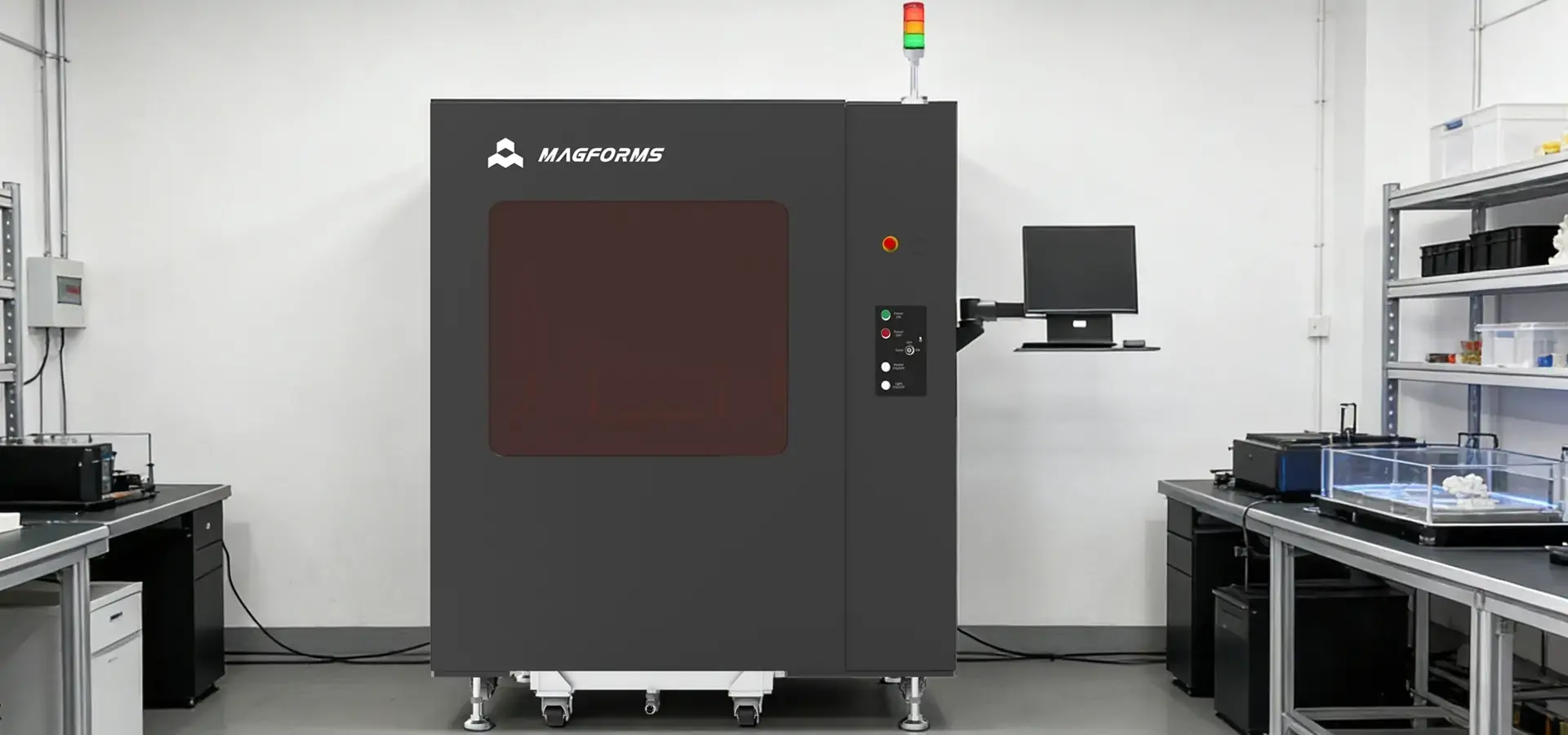
Magforms has become a strong choice by addressing common problems in the industry by improving both materials and equipment at the same time. By making both hardware and compatible resins at the same time, the company gets rid of the compatibility problems that happen when users mix third-party materials with their own machines. This vertical integration makes the print more reliable and accurate in terms of size and shape because the whole system is tested as a whole instead of just a bunch of separate parts.
Strategic Procurement Approaches
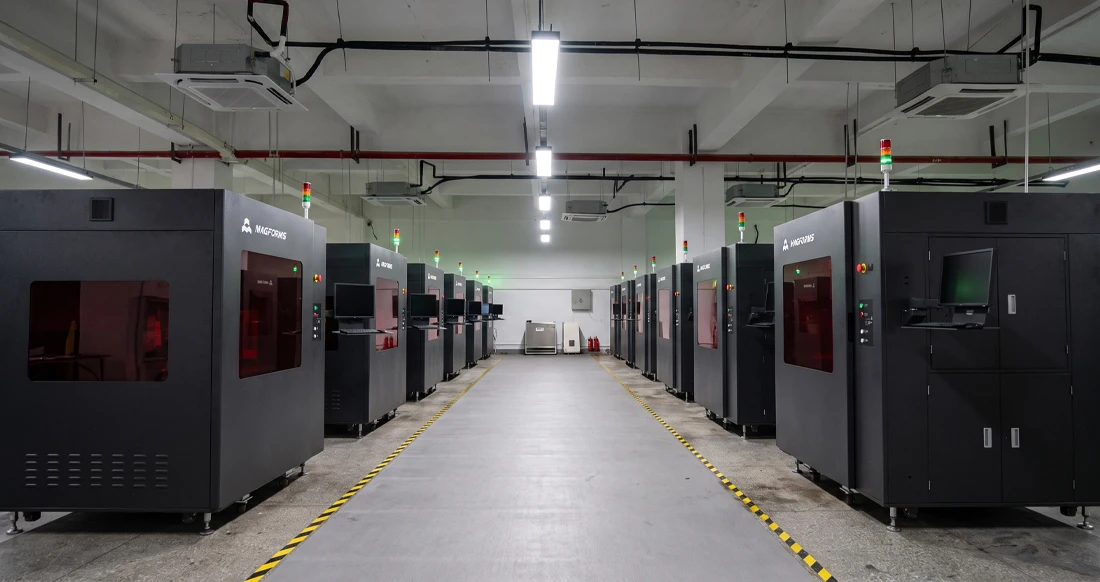
Whether it makes the most sense to buy new equipment, buy used machines, or look into leasing options depends on your budget and business needs. Buying new equipment comes with manufacturer warranties and access to the newest technological advances, but it costs a lot of money. If you buy used industrial machines from a reputable seller who checks the machines' mechanical condition and offers limited warranties, you can save 40 to 60 percent. Leasing spreads costs over longer periods of use and covers maintenance, but over the life of an item, the total cost of ownership usually goes up over direct purchase. Forecasts of volume should guide decisions about capacity. If you don't guess how much production you need, you'll run into problems and miss deadlines. If you guess too much, you'll leave assets unused. A lot of manufacturers start with single-unit installations to make sure workflows work well before adding more units. By adding more identical units instead of buying bigger single machines, modular approaches make it possible to increase production. This creates redundancy that keeps operations running even if one piece of equipment breaks down.
Maintenance, Troubleshooting, and Safety Best Practices
Implementing Routine Maintenance Protocols
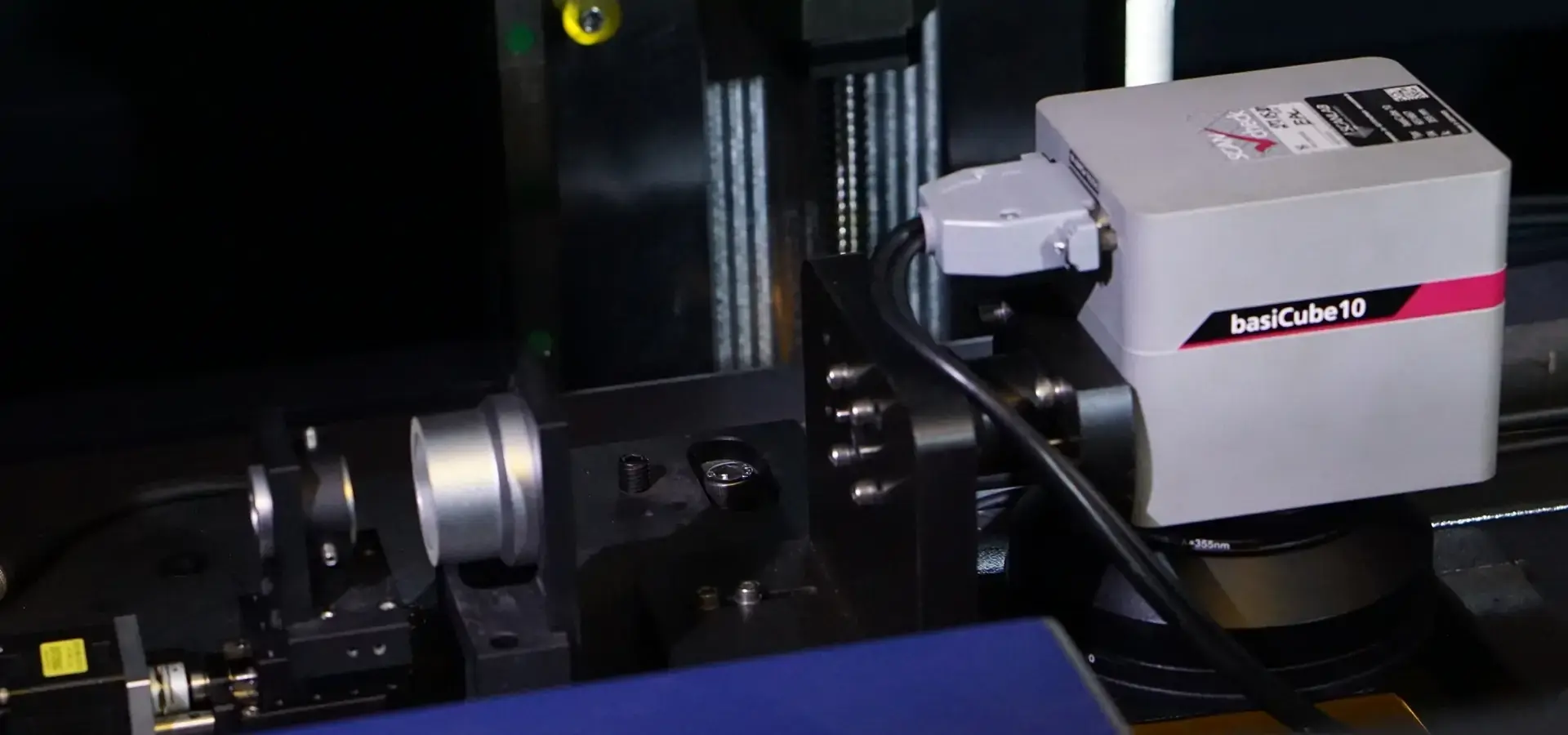
Maintenance habits directly affect how long a stereolithography 3D printer lasts. As part of daily tasks, the resin levels are checked, the build platform is cleaned with isopropyl alcohol to get rid of any leftover cured material, and the resin vat windows are checked for any cured resin debris that could get in the way of the laser. Optical parts are cleaned once a week with lint-free wipes and approved solvents as part of routine maintenance. This keeps laser transmission clear. Every month, calibration checks make sure that the build platform is level, which is a key factor that affects the adhesion of the first layer and the accuracy of the whole part. Photopolymers break down when exposed to light or changes in temperature, so extra care must be taken when handling resin. Resin that hasn't been used should be kept in opaque containers that are tightly sealed and kept at the temperatures recommended by the manufacturer, which are usually between 20°C and 25°C. If you leave material in a vat for too long, it breaks down faster, which lowers its performance and could lead to print failures. Filtering resin between prints gets rid of the partially cured particles that build up during the process. This makes the material last longer and stops defects caused by contamination. Professional maintenance includes equipment used after processing. Ultrasonic cleaners that are used to clean printed parts need to have their solvents changed often because dissolved resin builds up. UV curing chambers need to have their bulbs changed every so often because the output intensity drops over time. If the bulbs aren't changed, parts may not be fully cured, and their mechanical properties may be compromised. By writing down all of your maintenance tasks, you can make useful operational histories that help you make decisions about the lifecycle of your equipment and solve problems.
Resolving Common Technical Challenges
Even systems that are well taken care of sometimes have problems that need to be fixed in a planned way. If parts come off the build platform during the printing process, it's usually because the platform isn't leveled correctly, the exposure settings aren't right, or the build surfaces are dirty. To fix the problem, each variable must be carefully checked. For example, the platform must be leveled again, the base layer exposure times must be changed, and surfaces must be cleaned with isopropyl alcohol before reprints can be attempted. Problems with the curing of resin can show up as soft spots, parts that aren't fully cured, or parts that are brittle and don't have the expected mechanical strength. These signs suggest that the laser power is dropping, the material profiles are wrong, or the resins have expired. Using the manufacturer's test procedures to check laser output finds problems with the optical system that need to be fixed by a professional. By updating the firmware and material profiles, you can make sure that the printer settings are in line with the latest resin formulations. Material expiration dates should be followed because degraded resins don't cure in the same way every time, no matter how good the equipment is. Layer shifting or errors in measurements could mean that there are mechanical problems with how the platform is moving or where the laser is pointing. Positional errors that build up across build heights can be caused by loose belts, worn lead screws, or galvanometer drift. By following the manufacturer's service manuals for mechanical inspection, you can find worn-out parts that need to be replaced. When mechanical systems check out fine, laser positioning accuracy is restored by recalibration of the optical system, which is usually done by trained technicians.
Ensuring Safe Chemical Handling Practices
When working with photopolymer resins, it's important to be careful because they contain chemicals that react when touched. Enough air flow is the most important safety measure, and industrial buildings have special exhaust systems that keep the negative pressure going so fumes don't build up in occupied areas. Even "low-odor" formulations give off volatile organic compounds during the printing and post-curing processes, so desktop installations should be done in fume hoods or rooms with good air flow. The second layer of defense is personal protective equipment. Nitrile gloves that don't let solvents through protect the skin when working with resin, like when loading machines, washing prints, and cleaning equipment. Safety glasses protect your eyes from splashes when you're moving things by hand or using machines that might spray things. Protective aprons keep clothes from getting dirty, which could spread chemicals to other surfaces or make skin contact last longer. Material safety data sheets, which are given by resin makers, list specific risks and how to handle them for each formulation. By repeatedly coming into contact with some resins, you might become more sensitive to them, which could lead to allergic reactions over time. By reading and understanding MSDS information before using new materials, the right controls can be put in place. In printing areas, spill response gear like absorbent materials and neutralizing agents should always be easy to get to. Local environmental laws govern how waste is thrown away, since cured and uncured resins are usually considered chemical waste that needs to be handled properly instead of regular trash.
Future Trends and Strategic Advantages of SLA in Industry
Technological Advancements Reshaping Manufacturing
Constant improvement pushes the limits of stereolithography technology for 3D printing into new areas of use. The use of artificial intelligence improves support generation by looking at the geometry of the part and guessing how it will fail, which then changes the placement and density of supports automatically. Machine learning algorithms use built-in sensors to keep an eye on the printing process and find problems like too little resin flow or contamination before they damage the parts. These smart systems collect operational data that is used to make predictive maintenance schedules. This helps keep systems running as much as possible while reducing the number of unexpected failures. Discoveries in material science make stereolithography more useful. In terms of mechanical properties, temperature resistance, and chemical stability, high-performance resins are now on par with engineering thermoplastics. Composite resins that contain ceramic particles, glass fibers, or carbon nanotubes improve certain properties for tough uses. Biomedical materials are approved by the FDA for more than just surgical planning models. They are also approved for implantable devices. With these advanced formulations, stereolithography goes from being a tool for making prototypes to a viable way to make parts that will be used in real life. When hardware is improved, it works on more than one performance axis at the same time. Industrial-scale parts that used to need to be put together from multiple printed sections can now be made with larger build volumes. By making the printing process faster with more powerful lasers, better mechanisms for recoating, and better scanning strategies, unit costs can be brought down to levels that are competitive with traditional manufacturing for some shapes. Multi-material systems that allow property gradients within single parts open up design options that weren't possible before, like changing from rigid to flexible or changing colors.
Transforming Supply Chain Economics
Stereolithography makes on-demand manufacturing possible, which changes inventory management and logistics in a big way. Maintenance companies don't keep warehouses full of spare parts for equipment that lasts ten years or more. Instead, they store digital files that can be printed when needed. This method gets rid of the need to keep inventory, pay for it, worry about it going out of date, and store it. Aerospace companies already use distributed printing to make replacement parts in faraway places. This cuts down on the time that planes have to stay on the ground, which costs thousands of dollars per hour. One more change in the economy is mass customization. Usually, making a lot of consumer goods meant investing a lot of money in expensive tools. Stereolithography makes it cheap to make variations that are tailored to specific needs, like personalized accessories for electronics, athletic gear that fits perfectly, or medical devices that are made just for one patient. This feature gives businesses a way to stand out in crowded markets and could even lead to higher prices for personalized experiences. There are several ways that environmental sustainability is good for us. When compared to subtractive methods, which throw away 60–90% of the starting material, additive manufacturing's near-net-shape production makes very little waste. By putting factories close to where people buy things, localized production cuts down on emissions caused by transportation. Design optimization for additive manufacturing makes parts that are lighter, which uses less energy during use. This is especially helpful in transportation applications where weight directly affects how much fuel is used.
Competitive Advantages for Early Adopters
Organizations embracing stereolithography strategically position themselves ahead of competitors constrained by traditional manufacturing limitations. Time-to-market for new products is cut down a lot when design iterations happen in hours instead of weeks. This speeds up product development by a huge amount. This flexibility is especially useful in customer-facing fields where changing trends require quick responses. Electronics companies release new products at the right time for holiday shopping by shortening the time it takes to make new products, which used to mean missing market windows. When complex geometries are manufactured the first time correctly, rather than making designs less good to fit manufacturing constraints, quality goes up. Using generative design algorithms, aerospace parts can be made with organic shapes that are optimized. This saves weight and improves performance in ways that can't be done with traditional machining. Medical devices fit the patient's body perfectly, which improves outcomes and patient satisfaction. These quality advantages help you stand out in the market and build your brand's reputation. Supplier partnerships get stronger when manufacturers show they are tech-savvy and willing to try new things. Original equipment manufacturers (OEMs) value suppliers more and more if they can help develop new products instead of just using old production methods. The ability to use stereolithography shows technical know-how and investment in capabilities that will be useful in the future. This can lead to opportunities to work together on development projects with leaders in the field.
Conclusion
Stereolithography 3D printer technology has grown from an experimental technology to a mature industrial tool that can be used in a wide range of manufacturing tasks. Its micron-level accuracy, high-quality surface finish, wide range of material compatibility, and design flexibility make it an important tool for companies that value innovation and operational flexibility. Knowing the technical details, the needs of the application, and the best ways to run a business helps you choose equipment that will last and provide value. As material science improves and hardware capabilities grow, stereolithography will be used for more than just prototyping. This will completely change the economics of manufacturing across all industries.
FAQ
What resolution can stereolithography 3D printers achieve?
Most industrial laser-based systems have an XY resolution of 25 to 50 microns and can adjust layer heights from 25 to 100 microns. In terms of dimensions, this means that the part will be accurate within ±0.05mm or ±0.15% of its size, depending on how complicated the geometry is and how well the machine is calibrated. The surface finish is almost as good as injection molding quality, and it usually only needs a little post-processing for aesthetic uses. Because of these advantages over other additive technologies, Stereolithography 3D printer systems are the best choice for tasks that need precise feature resolution and smooth surfaces.
How does SLA compare to DLP for industrial applications?
Both stereolithography and digital light processing use light to cure photopolymer resin, but stereolithography uses a scanning laser and digital light processing projects whole layers at once. Since positioning is based on galvanometer accuracy instead of fixed pixel arrays, laser systems can theoretically have any XY resolution. DLP printers can print small parts faster because the exposure time stays the same, no matter how complicated the layers are. Material compatibility is better for stereolithography because more resin options have come out since the technology has been around for longer. Which one to use depends on the speed, resolution, and part size requirements of the application.
Can stereolithography support production manufacturing?
Stereolithography is being used more and more for custom parts, low-volume production, and complex geometries that can't be made economically with other methods. Using stereolithography workflows, dental labs make thousands of custom devices for each patient every month. Medical device companies use the technology to make commercial implants where customization makes the higher cost per unit worth it. As printing speeds get faster and the cost of materials goes down, the point at which the business breaks even moves toward higher volumes. For certain uses, businesses should compare the total costs of production, which include labor, materials, and post-processing, to more traditional ways of making things.
Partner with Magforms for Advanced Stereolithography Solutions
Choosing the right stereolithography 3D printer supplier will determine whether your investment is useful for a long time or causes you a lot of trouble. Magforms stands out because it develops both materials and equipment at the same time. This eliminates the compatibility problems that many manufacturers have when they try to use third-party resin combinations. Our engineering team has worked together to improve both the hardware and the photopolymer formulations. This has allowed us to print at speeds over 30% faster than the industry average while still maintaining accuracy at the micron level over long production runs. This performance advantage means that our clients get shorter lead times, higher throughput, and a better return on their investment.
Another thing that sets us apart is our technical support. Our experienced team offers thorough training programs that help your operators become proficient quickly, along with quick support when they need it. Whether you're looking into stereolithography for the first time or want to increase your current capacity, Magforms has solutions that are tailored to your needs. These range from small desktop units that work well in dental labs to large-format industrial systems that handle aerospace parts. Get in touch with our team at info@magforms.com to talk about your specific needs and find out how our stereolithography 3D printer for sale can change the way you make things. Sample parts made from your actual designs would be a great way for us to show how our technology can help you.
References
1. Gibson, I., Rosen, D., & Stucker, B. (2021). Additive Manufacturing Technologies: 3D Printing, Rapid Prototyping, and Direct Digital Manufacturing (3rd ed.). Springer International Publishing.
2. Jacobs, P.F. (2019). Stereolithography and Other RP&M Technologies: From Rapid Prototyping to Rapid Tooling. Society of Manufacturing Engineers.
3. Melchels, F.P., Feijen, J., & Grijpma, D.W. (2020). A review of stereolithography and its applications in biomedical engineering. Biomaterials, 31(24), 6121-6130.
4. Quan, H., Zhang, T., Xu, H., Luo, S., Nie, J., & Zhu, X. (2020). Photo-curing 3D printing technique and its challenges. Bioactive Materials, 5(1), 110-115.
5. Ligon, S.C., Liska, R., Stampfl, J., Gurr, M., & Mülhaupt, R. (2017). Polymers for 3D Printing and Customized Additive Manufacturing. Chemical Reviews, 117(15), 10212-10290.
6. Standard Terminology for Additive Manufacturing Technologies (2021). ASTM International Designation F2792-12a. ISO/ASTM 52900:2021.

Magforms makes design and manufacture easier.
Popular Blogs
-
 Industry InsightsManufacturing Industry
FDM vs. SLA Printer: Which Technology Is Right for Your Project?
-
 Industry InsightsManufacturing Industry
Top 5 Applications of Industrial 3D Printers in Manufacturing Today
-
 Industry InsightsManufacturing Industry
Why Stereolithography 3D Printers Are Unmatched for Microfluidic Device Prototyping?