Industrial SLA 3D Printer Accuracy: What Tolerance Can You Really Expect?
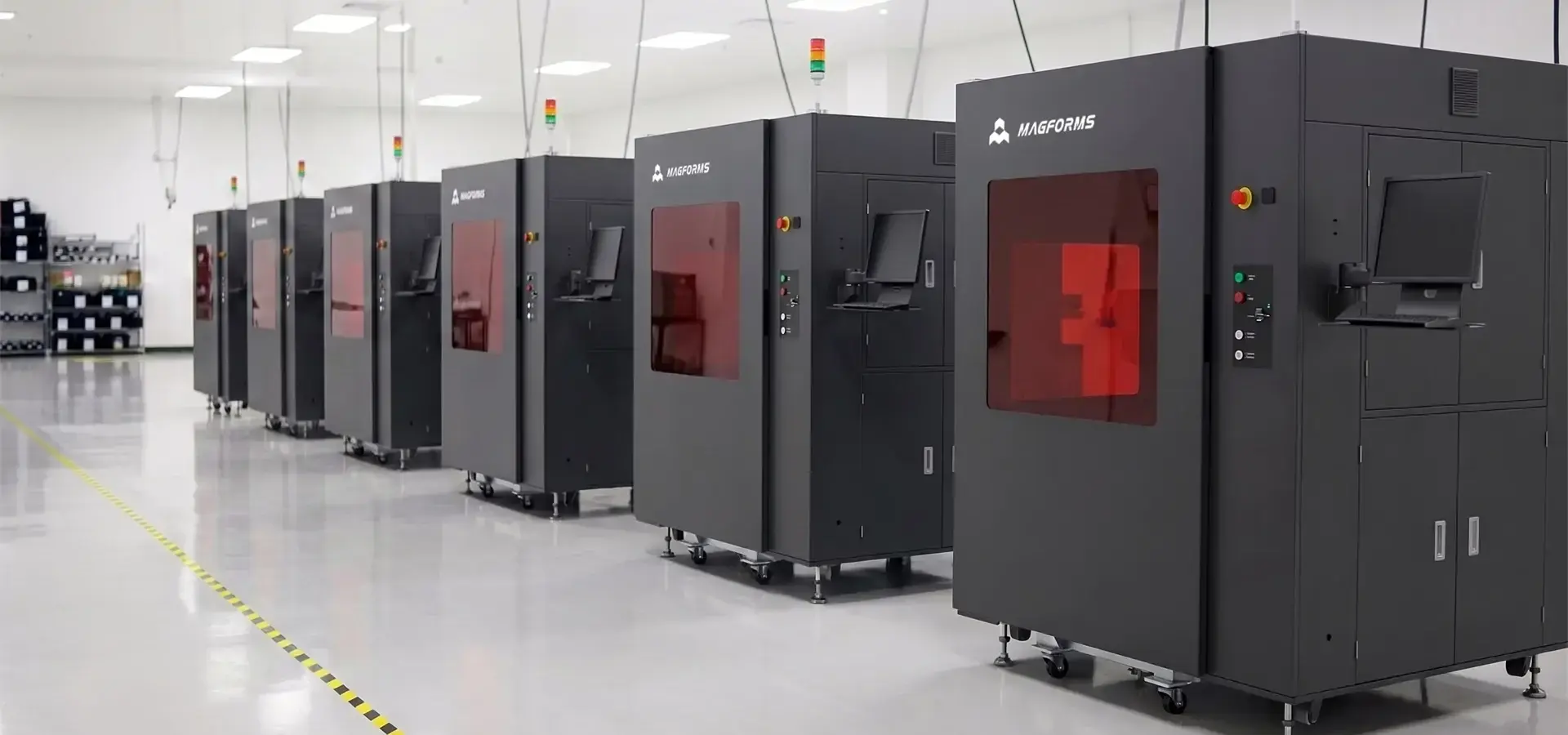
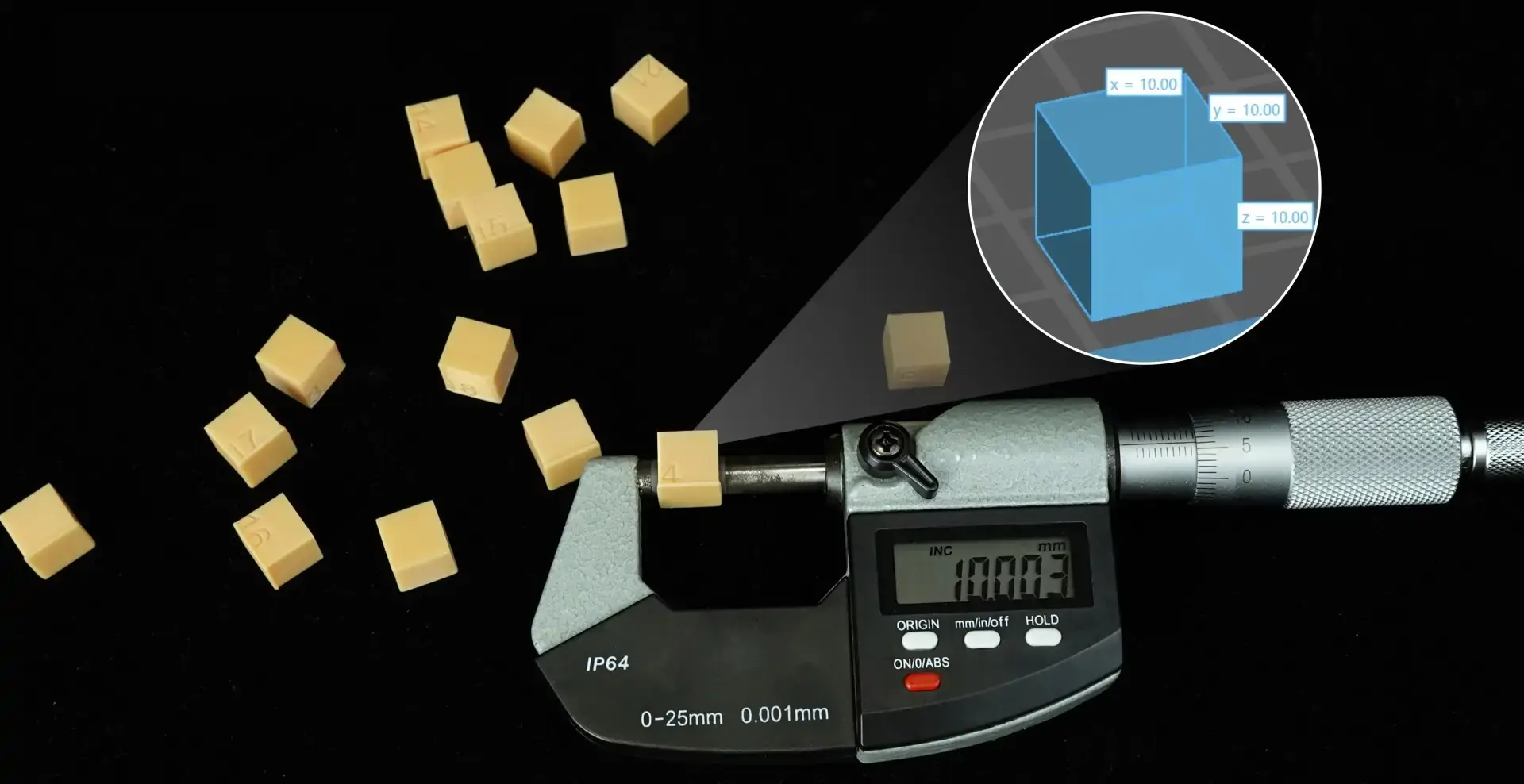
Dimensional error is the most important thing to look at when comparing stereolithography tools for professional manufacturing. An Industrial SLA 3D Printer can typically achieve dimensional accuracy within ±0.1 mm for parts smaller than 100 mm, while larger components are often evaluated using proportional tolerance specifications such as ±0.1% × L, depending on machine calibration, material selection, and part geometry. To maintain high dimensional consistency, these machines use high-precision laser systems, advanced galvanometer scanning, and controlled build environments to reduce factors that influence accuracy. Understanding these accuracy standards helps manufacturers make informed equipment decisions for industries such as aerospace, medical devices, automotive development, and precision tooling.
Understanding Industrial SLA 3D Printer Accuracy
Defining Accuracy, Tolerance, and Precision in SLA Technology
Tolerance tells you how much a printed part can differ from its original CAD measurements, while accuracy tells you how close the two are. Precision is the ability to make the same thing over and over again. In stereolithography additive manufacturing, these factors are commonly evaluated using dimensional measurements such as microns or percentage-based tolerances, depending on part size and application requirements, how well they work with other parts in the assembly, and how reliable the parts are. Industry guidelines such as ISO/ASTM 52900 series standards provide a common framework for understanding additive manufacturing processes, while dimensional verification is usually performed through calibrated measurement equipment such as coordinate measuring machines (CMM).
How Laser Systems and Resin Chemistry Affect Stability in Three Dimensions
The galvanometer and laser source work together to deliver controlled energy into photopolymer resin, initiating the curing reaction layer by layer. With components such as Scanlab galvanometers and AOC laser systems, an Industrial SLA 3D Printer achieves precise laser scanning control, helping maintain consistent exposure across the build area. Resin formulation affects volumetric shrinkage during photopolymerization and post-curing, which can influence final dimensional stability. Engineering-grade photopolymer resins are designed to minimize and control volumetric shrinkage, improving dimensional consistency throughout printing and post-processing. Temperature control systems help maintain stable resin viscosity, supporting consistent recoating performance, layer bonding, and dimensional stability.
Industrial vs. Desktop SLA: Why Build Quality Matters
Although desktop resin printers can provide excellent detail resolution for prototyping, industrial SLA systems are engineered for larger build volumes, higher mechanical stability, and repeatable production environments. Professional stereolithography systems may incorporate rigid machine structures, thermally stable platforms, and precision linear motion components to improve Z-axis stability during extended production runs. These engineering considerations contribute to improved dimensional accuracy, reduced material waste, and more consistent results in batch production environments.
Typical Accuracy Levels and Tolerances You Can Expect
Industry-Standard Tolerance Ranges from Leading Manufacturers
The accuracy of most industrial stereolithography methods is between ±25 and ±100 microns, but this depends on the size and complexity of the part. With Magforms Industrial SLA 3D Printer systems, key motion components can achieve positioning accuracy within 8 μm, supporting stable layer alignment and repeatable production performance. These positioning capabilities are supported by Panasonic servo motors, precision motion control systems, and calibrated mechanical structures used in the platform, recoater, and liquid level control mechanisms. These motors help maintain precise platform movement and recoating control, ensuring consistent resin layer formation.
Real-World Performance in Aerospace, Dental, and Automotive Applications
Large-format stereolithography machines are used by aerospace manufacturers to produce complex components, tooling patterns, and prototype housings. Coordinate measuring tools are then used to check the dimensions. Dental labs use stereolithography systems to produce surgical guides and orthodontic models where dimensional accuracy is critical for proper clinical workflows and fitting requirements. Auto design studios make prototypes of interior trim and functional test parts that need to fit with existing assemblies to make sure they work well before investing in tools. Third-party tests and client recommendations show over and over that well-kept systems meet these strict standards.
👉 Explore how Industrial SLA technology is applied in aerospace, automotive, and medical industries through our SLA application cases.
How Printer Size and Model Sophistication Affect Achievable Tolerances
During printing, the build volume experiences temperature differences and mechanical displacement. Magforms with variable spot-size laser technology, the beam diameter can be adjusted according to different printing requirements, using smaller spots for detailed features and larger spots for efficient area scanning. This approach can improve scanning efficiency while maintaining feature accuracy compared with fixed-spot scanning strategies.
How to Maintain and Optimize Accuracy in Industrial SLA Printing
Routine Calibration and Laser Performance Monitoring
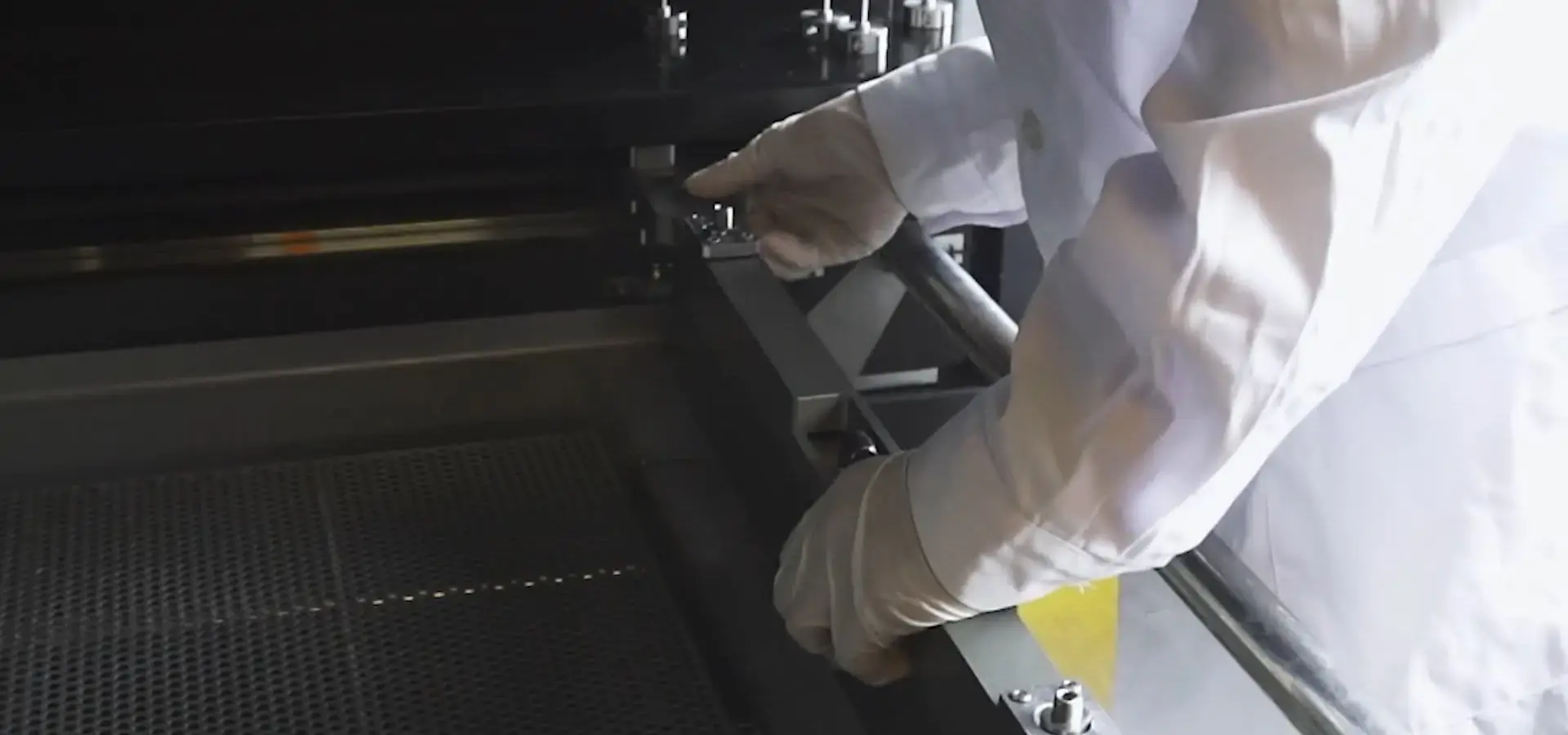
Laser power output, galvanometer alignment, and build platform leveling are regularly verified through calibration procedures to maintain consistent printing performance. Monitoring laser spot characteristics across the build area helps identify optical deviations and maintain consistent exposure accuracy throughout the platform. Advanced Industrial SLA 3D Printer systems may include optimized scanning strategies and software-assisted process controls that improve repeatability and printing efficiency. Regular maintenance of optical components and galvanometer systems helps ensure stable laser energy delivery and consistent curing performance.
To minimize temperature-related variations and resin viscosity changes, professional-grade systems require stable operating environments. Built-in temperature management helps maintain consistent resin behavior, supporting reliable recoating and curing performance. Stable temperature and humidity conditions reduce the risk of incomplete curing, layer separation, and dimensional variation. Vibration isolation helps reduce mechanical disturbances during laser scanning, improving surface quality and feature accuracy.
Material Selection and Post-Processing Best Practices
Open material systems allow operators to select suitable photopolymer resins for different applications, including ABS-like materials and high-temperature resistant engineering resins. Stress-induced deformation can be reduced by selecting resin formulations that match the mechanical and thermal requirements of the application. After printing, controlled UV post-curing completes polymerization, helping stabilize final dimensions and mechanical properties. Careful support removal methods help reduce the risk of deformation during post-processing and handling. Optimized laser scanning strategies, appropriate layer thickness settings, and effective post-processing procedures help reduce visible layer lines and improve surface quality in industrial SLA parts.
Comparing Industrial SLA 3D Printers: Accuracy, Cost, and Usability
Balancing Performance Capabilities with Investment Levels
Entry-level professional stereolithography systems can provide a balance between performance and investment, making them suitable for small design teams and additive manufacturing service providers. Mid-range models may include advanced features such as variable spot-size technology and optimized scanning strategies. Large-format machines, such as Magforms SL800 Industrial SLA 3D Printer, can support both large-scale prototyping and small-batch production applications. To make sure they don't go over budget, procurement managers have to weigh tolerance requirements against the total cost of ownership, which includes things like how compatible the materials are, how often they need to be maintained, and how quickly technical support can respond.
SLA vs. SLS and Other Additive Manufacturing Technologies
Compared with photopolymer-based technologies, selective laser sintering (SLS) produces parts with different material characteristics, mechanical behavior, and surface finishes. An Industrial SLA 3D Printer is well suited for applications requiring high surface quality, fine details, and smooth side walls, especially for prototypes, patterns, and appearance-critical components. Other additive manufacturing processes may achieve different surface characteristics, but they involve different material requirements, workflows, and cost structures. Fused deposition modeling (FDM) offers advantages in material variety and accessibility, but its layer-by-layer extrusion process typically results in different surface characteristics and dimensional performance compared with industrial SLA. Understanding these trade-offs helps technical leaders select the most suitable additive manufacturing technology for their applications.
2026 Model Evaluation: Components, Reliability, and User Feedback
Magforms systems integrate industrial components such as AOC laser sources, Scanlab galvanometers, Panasonic servo motors, and Schneider electrical components to support reliable long-term operation. This component selection approach is designed to improve reliability and has been validated through long-term customer applications and operational experience. 3D printing service providers, car R&D departments, and medical device makers all get positive feedback from users who say that print success rates, uniform dimensions, and quick customer service after the sale are the best things about their products.
Frequently Encountered Accuracy Issues and Troubleshooting Tips
Identifying Common Sources of Tolerance Deviations
When internal stresses from uneven curing or weak support structures are higher than the material's yield strength, warping happens. Insufficient laser exposure energy, incorrect printing parameters, or contaminated resin can reduce layer bonding strength and affect dimensional accuracy. Unstable environments can change resin viscosity and curing behavior, influencing layer formation and dimensional consistency. Worn recoater components can lead to uneven resin coating, resulting in surface defects and dimensional variations. If you notice these signs early, you can stop quality problems from spreading to other runs of production.
The first step in fixing a problem should be to check the machine's calibration. Material-related factors are taken out by checking the age of the resin, the amount of contamination, and the storage circumstances. Curing-related problems can often be addressed by adjusting process parameters such as laser power, scan speed, layer thickness, and support density. An Industrial SLA 3D Printer with full diagnosis software makes it easier to find problems and walks workers through step-by-step fixes that quickly get the printer back to normal.
Leveraging Professional Support and Operator Training
Magforms provides professional technical support services to help customers resolve equipment operation, maintenance, and application-related challenges efficiently. Responsive technical support helps minimize unexpected downtime and maintain stable production workflows. Technical training programs help operators understand equipment calibration, resin management, routine maintenance, and troubleshooting procedures. This builds institutional knowledge that keeps accuracy high over time. Manufacturer warranties and service agreements provide additional support for production environments where dimensional consistency and process reliability are important factors.
Conclusion
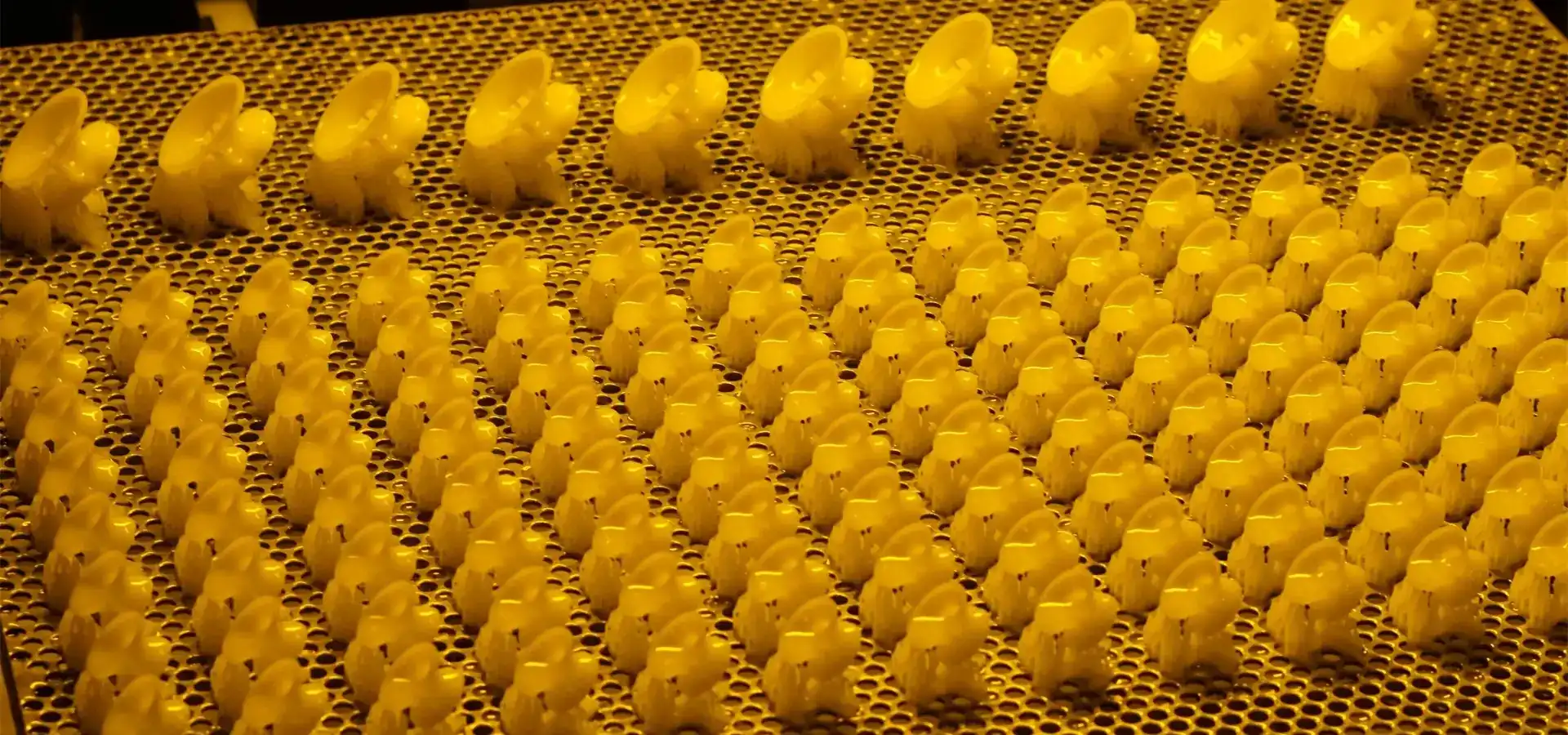
Dimensional accuracy in stereolithography is a key indicator of how well printed parts meet requirements for assembly, tooling, prototyping, and functional applications. Professional Industrial SLA systems that achieve dimensional accuracy within approximately ±0.1 mm for parts smaller than 100 mm provide reliable performance for industries such as aerospace, medical device development, automotive engineering, and precision electronics. For consistent results, manufacturers need robust mechanical design, advanced laser scanning technology, stable environmental control, and comprehensive technical support. When selecting equipment, considering these factors helps ensure that your Industrial SLA 3D Printer delivers reliable dimensional performance throughout its service life. Magforms' integrated approach, combining validated photopolymer materials, reliable industrial components, and technical support, helps address key challenges faced by manufacturers seeking high-precision additive manufacturing solutions.
FAQ
1. What tolerance range should I expect from a professional SLA system?
Most industrial stereolithography machines deliver tolerances between ±25 and ±100 microns, with specific performance depending on part size, geometry complexity, and equipment calibration state. Parts under 100 mm typically achieve ±0.1 mm accuracy, while larger components follow ±0.1% × L specifications. Regular maintenance and environmental control sustain these benchmarks across extended production runs.
2. How do resin formulations affect dimensional stability?
Photopolymer chemistry influences volumetric shrinkage during curing and post-processing. Engineering-grade resins minimize contraction through controlled cross-linking kinetics. High-temperature formulations maintain dimensional stability under thermal cycling. Transparent resins often require optimized exposure parameters to balance optical clarity, curing depth, and dimensional stability. Selecting appropriate resin chemistry for specific applications reduces warping and dimensional deviations.
3. Why is environmental control critical for accuracy?
Temperature fluctuations alter resin viscosity, affecting layer spreading and curing depth. Humidity can influence certain photopolymer materials, especially hygroscopic formulations, affecting mechanical properties and dimensional stability. Vibration disrupts laser scanning precision, blurring fine features. Professional systems may incorporate temperature management, enclosed build environments, and vibration-reduction designs to improve process stability.
Partner with a Trusted Industrial SLA 3D Printer Manufacturer
Achieving high dimensional accuracy in additive manufacturing requires more than purchasing equipment—it requires integrated materials, proven engineering, process optimization, and responsive technical support. Magforms brings years of industry expertise as both a materials specialist and equipment manufacturer, offering comprehensive solutions that address compatibility, calibration, and operational consistency. Our systems integrate AOC lasers, Scanlab galvanometers, and Panasonic servo motors to support precise motion control and positioning accuracy within ±8 μm. With an open material system supporting most 355 nm resins, built-in temperature control, and professional technical support services, we help procurement managers, technical directors, and production engineers meet stringent tolerance requirements. Contact our specialists today at info@magforms.com to discuss how Magforms Industrial SLA 3D Printer solutions can support your prototyping workflow, tooling development, and production requirements. Request a customized consultation and sample validation to evaluate precision additive manufacturing performance for your application.
References
1. Gibson, I., Rosen, D., & Stucker, B. (2021). Additive Manufacturing Technologies: 3D Printing, Rapid Prototyping, and Direct Digital Manufacturing. Springer International Publishing.
2. Jacobs, P. F. (1992). Rapid Prototyping & Manufacturing: Fundamentals of Stereolithography. Society of Manufacturing Engineers.
3. ASTM International. (2021). ASTM F2792-12a: Standard Terminology for Additive Manufacturing Technologies. West Conshohocken, PA.
4. Chacón, J. M., Caminero, M. A., García-Plaza, E., & Núñez, P. J. (2017). Additive manufacturing of PLA structures using fused deposition modelling: Effect of process parameters on mechanical properties and their optimal selection. Materials & Design, 124, 143-157.
5. Ngo, T. D., Kashani, A., Imbalzano, G., Nguyen, K. T., & Hui, D. (2018). Additive manufacturing (3D printing): A review of materials, methods, applications and challenges. Composites Part B: Engineering, 143, 172-196.
6. Huang, J., Chen, Q., Jiang, H., Zou, B., Li, L., Liu, J., & Yu, H. (2020). A survey of design methods for material extrusion polymer 3D printing. Virtual and Physical Prototyping, 15(2), 148-162.

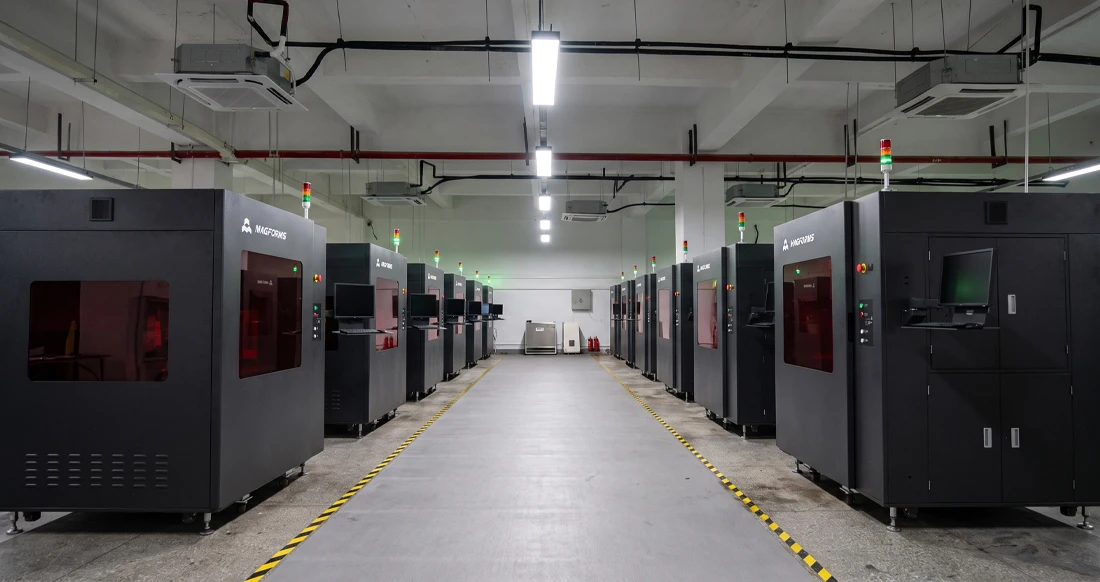
Magforms makes design and manufacture easier.
Popular Blogs
-
 Industry InsightsManufacturing Industry
FDM vs. SLA Printer: Which Technology Is Right for Your Project?
-
 Industry InsightsManufacturing Industry
Top 5 Applications of Industrial 3D Printers in Manufacturing Today
-
 Industry InsightsManufacturing Industry
Why Stereolithography 3D Printers Are Unmatched for Microfluidic Device Prototyping?