Industrial SLA 3D Printer vs LCD Resin Printer: Which Delivers Better Precision?
When precision matters most in your production line, industrial SLA 3D printers consistently outperform LCD resin printers. The core difference lies in laser-based stereolithography technology, which delivers micron-level accuracy through controlled photopolymer curing. While LCD systems offer affordability, they cannot match the dimensional precision, surface quality, and long-term stability that industrial SLA systems provide for demanding applications in aerospace, medical devices, and automotive prototyping.
Understanding the Core Technology Difference
The fundamental distinction between these two additive manufacturing technologies determines their precision capabilities. Stereolithography uses a focused laser beam to cure photopolymer resin point by point, creating exceptionally accurate layer resolution. This laser-based approach allows for precise control over each curing location, resulting in parts with tight tolerances and smooth surface finishes.
👉 What is SLA 3D printing technology
LCD resin printers, commonly referred to as mSLA (Masked SLA) systems, project an entire layer at once through an LCD screen. This projection method speeds up the printing process but introduces inherent limitations. The pixel matrix of the LCD screen creates a fixed native resolution, which can only be partially optimized through anti-aliasing and exposure control.
Three Core Differences:
- Curing Method: Laser point-by-point versus full-layer projection
- Resolution Control: Dynamic laser spot sizing versus fixed pixel dimensions
- Light Quality: Concentrated coherent laser light versus scattered LED illumination through LCD matrix
If you need parts with complex geometries requiring dimensional accuracy within ±0.1mm, industrial SLA technology becomes essential. The laser's ability to trace intricate paths with variable spot sizes enables reproduction of fine features that LCD systems simply cannot achieve.

Precision Performance: Real-World Data Comparison
Testing data reveals significant performance gaps between these technologies. Industrial SLA systems equipped with German Scanlab galvanometers and AOC lasers can achieve positioning accuracy of up to ±8 μm, while typical LCD printers typically operate with an XY pixel size of around 35–50 μm depending on screen resolution. This represents a precision difference of over 400%.
Surface texture measurements show equally dramatic contrasts. Parts produced on industrial SLA equipment demonstrate Ra (average roughness) values between 1.5 and 3.0 μm directly off the build platform. LCD-printed parts typically measure 6-12 μm Ra, requiring substantially more post-processing to achieve comparable finish quality.
Dimensional Accuracy Comparison:
- Industrial SLA: ±0.1mm for parts ≤100mm; ±0.1% × L for larger parts
- LCD Resin: ±0.2-0.3mm typical dimensional variance
- Feature Resolution: SLA captures details down to approximately 0.15 mm; LCD systems are limited by pixel size (typically 0.035–0.075 mm XY), with lower effective geometric accuracy due to pixelation and light diffusion
A medical device manufacturer reported that dental models printed on industrial SLA systems required 60% less finishing time compared to LCD alternatives. The improved surface quality and dimensional precision reduced manual adjustment during fitting procedures, directly impacting production efficiency.
If you need parts for functional testing, assembly verification, or end-use applications, the superior mechanical properties achieved through precise laser curing make industrial SLA the logical choice. Material compatibility across most 355 nm resins provides flexibility that proprietary LCD resin systems cannot offer.
Speed Without Compromise: How Technology Affects Throughput
The perception that LCD printers offer speed advantages over industrial SLA 3D printers deserves careful examination. While layer exposure times may appear faster, overall production cycles tell a different story. Variable laser spot technology in advanced industrial SLA systems dramatically improves throughput without sacrificing quality control.
Modern industrial SLA printers employ intelligent scanning strategies. Larger laser spot sizes of approximately 500–600 μm can be used for fast infill exposure in optimized industrial scanning strategies, while the system automatically switches to approximately 150–200 μm spot sizes for support structures and fine contour details. This adaptive approach increases printing speed by 30-50% compared to traditional fixed-spot SLA systems.
Self-learning scanning algorithms further enhance efficiency. The system analyzes accumulated printing experience, optimizing path planning with each job. Users report 20% speed improvements over time as the software refines its strategies based on actual build history.
Speed Optimization Features:
- Variable Spot Module: Dynamic laser sizing for area-appropriate curing
- Intelligent Path Planning: AI-optimized scanning reduces redundant movements
- High-Speed Galvanometers: 6–10 m/s typical laser scan speeds (up to 12 m/s maximum)
- Reduced Post-Processing: Superior surface quality minimizes finishing time
If you need both rapid prototyping capabilities and production-ready part quality, industrial SLA technology delivers true efficiency. The time saved in post-processing often exceeds any layer-time advantages LCD systems might claim.
Material Compatibility and Application Flexibility
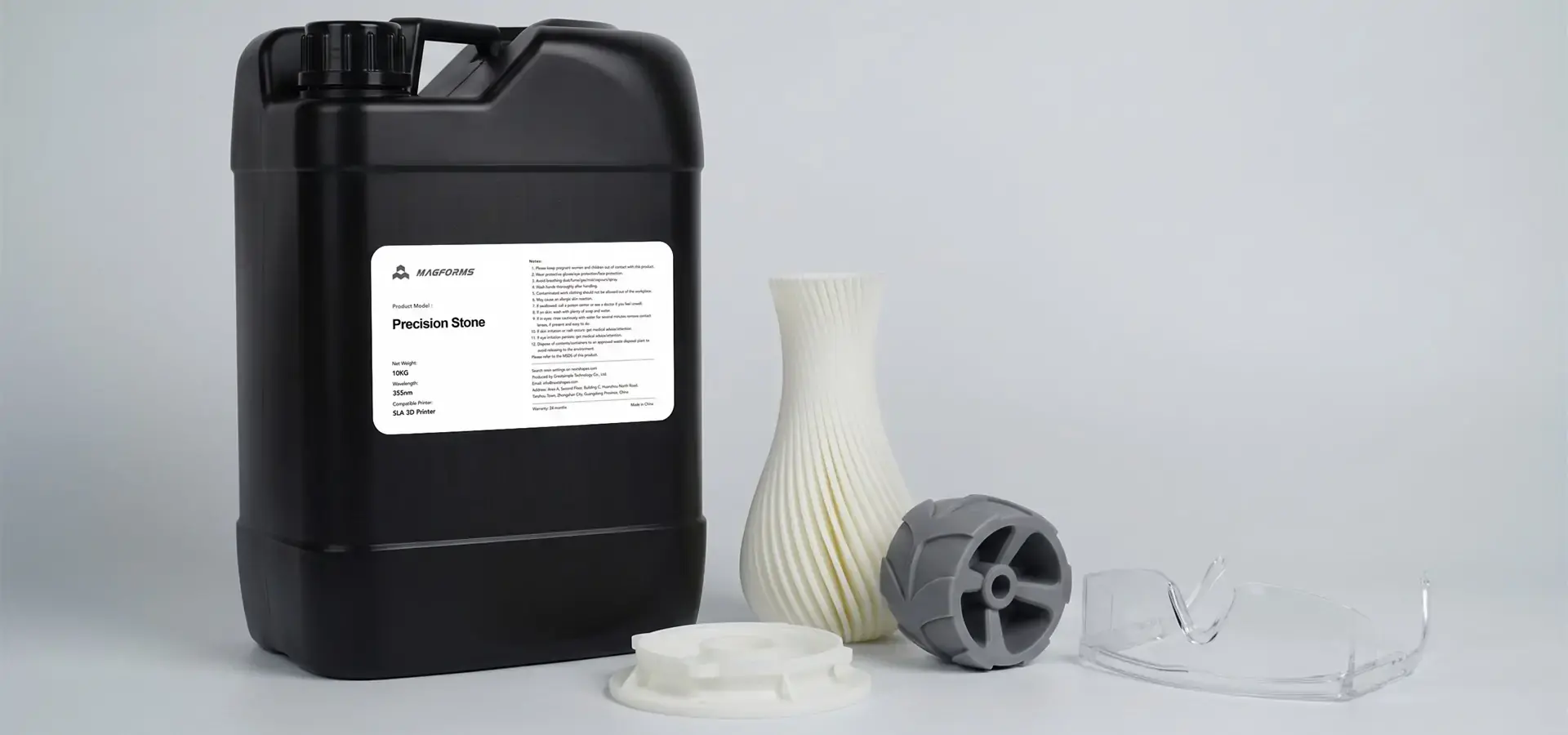
Open material systems represent a critical advantage for industrial users. Premium industrial SLA equipment supports a wide range of 355 nm photopolymer resins without proprietary material locks or authentication keys. This flexibility enables testing of engineering resins, transparent materials, high-temperature formulations, and flexible compounds based on application requirements rather than vendor restrictions.
Many LCD manufacturers encourage the use of approved resins, which limits material choices to certified options. This constraint increases operating costs and reduces operational flexibility when specialized material properties become necessary for specific projects.
Material compatibility extends beyond simple resin selection. Industrial SLA systems maintain consistent performance across viscosity ranges through built-in temperature control mechanisms. Heating elements prevent resin from becoming overly viscous in cooler ambient conditions, ensuring reliable curing and layer adhesion regardless of environmental variations.
Material Performance Advantages:
- Engineering resins achieve superior mechanical properties through precise laser energy control
- Transparent resin printing delivers exceptional clarity with minimal light scattering
- High-temperature materials cure completely without under-polymerization issues
- Flexible resins maintain consistent Shore hardness throughout part geometry
A consumer electronics manufacturer reported successful prototyping of wearable device housings using multiple material types on the same industrial SLA platform. The ability to switch between rigid engineering resins for structural testing and flexible materials for ergonomic evaluation streamlined their design iteration cycle significantly.
If you need versatility to address diverse client requirements across multiple industries, open-material industrial SLA systems provide strategic advantages that closed LCD ecosystems cannot match.
Stability and Reliability in Production Environments
Equipment stability directly impacts production efficiency and cost control. Industrial SLA printers built with internationally recognized components demonstrate dramatically lower failure rates during extended operation. The integration of premium subsystems creates synergistic reliability that entry-level systems cannot replicate.
Key components determine long-term performance:
Critical Component Advantages:
- AOC Laser Systems: Highly stable output for 24/7 industrial production
- German Scanlab Galvanometers: Reliable coordination with the laser for consistent quality
- Panasonic Servo Motors: Fast, accurate movements with minimal positioning errors
- Schneider Electrical Components: Industrial-grade reliability in control systems
- HIWIN Linear Guides: Extended service life and stable high-Z printing
The mechanical construction contributes equally to operational stability. Industrial machines feature 2mm-thick metal enclosures, low-expansion marble platforms, and optimized internal layouts that maintain dimensional accuracy during long production runs. Platform flatness is maintained within strict industrial tolerances to ensure consistent first-layer adhesion across large build areas.
An aerospace components supplier documented 99.2% print success rates over six months of continuous operation on industrial SLA equipment. Comparable LCD systems in their facility showed 87% success rates with frequent recalibration requirements and more material waste from failed prints.
If you need dependable production capacity for batch manufacturing or high-value prototypes, the investment in industrial-grade stability pays immediate dividends through reduced scrap rates and minimized unplanned downtime.
👉 Industrial SLA 3D Printer types and solutions
The Real Cost of Precision: Total Cost of Ownership Analysis
Initial equipment pricing tells only part of the financial story. Total cost of ownership calculations reveal the true economic impact of technology choices. Industrial SLA systems command higher purchase prices but deliver substantial operational savings that rapidly offset the initial investment difference.
Material waste represents a significant ongoing expense. The superior print success rates of industrial SLA equipment reduce scrap costs dramatically. A 3D printing service bureau reported that their industrial SLA system reduced material waste by up to 60–70% in some service bureau environments compared to their LCD printers over twelve months, representing thousands in recovered material costs.
Post-processing labor constitutes another major cost factor. The exceptional surface finish achieved by laser-based curing minimizes manual finishing requirements. Parts often proceed directly to assembly verification or mold design validation without extensive sanding, priming, or surface treatment. These labor savings become particularly significant for service providers processing numerous client projects.
Long-Term Cost Advantages:
- Reduced material waste from higher first-time-right success rates
- Lower post-processing labor through superior as-printed surface quality
- Decreased maintenance costs due to industrial-grade component reliability
- Expanded service offerings through broader material compatibility
- Faster turnaround, enabling increased project throughput
If you need equipment that delivers a strong return on investment beyond the initial procurement cost, industrial SLA technology provides compelling economic advantages over time.
Industry-Specific Precision Requirements
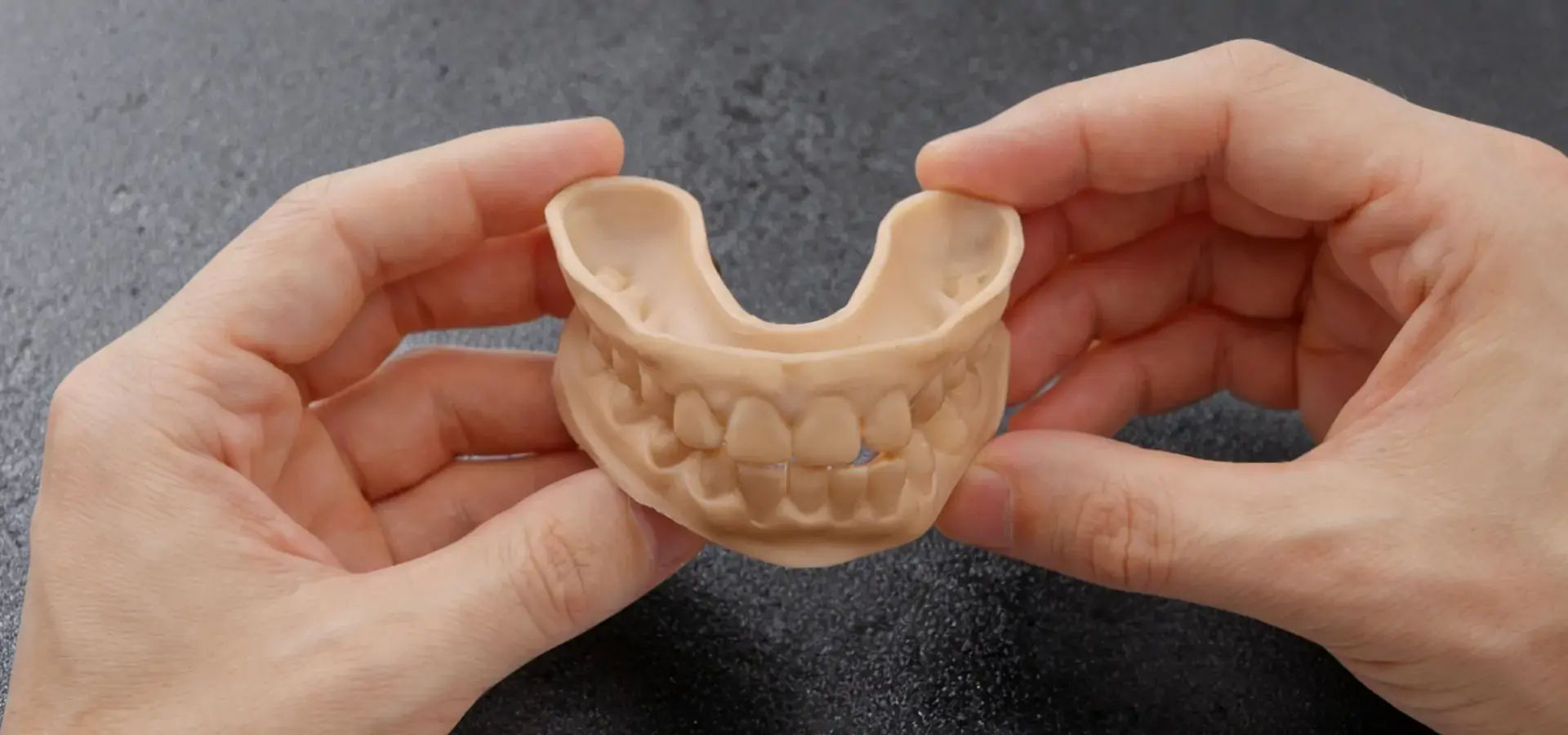
Different sectors demand varying precision levels, and understanding these requirements guides appropriate industrial SLA 3D printer technology selection. The medical and dental industry exemplifies applications where precision directly impacts patient outcomes and regulatory compliance.
Dental laboratories producing orthodontic aligner bases require dimensional accuracy within 0.05mm to ensure proper fit and treatment efficacy. Industrial SLA systems are capable of consistently achieving these tolerances under controlled conditions, while LCD systems may face challenges maintaining such precision consistently across large production batches. Similarly, surgical guide production demands precision that could affect procedural outcomes, making industrial-grade accuracy non-negotiable.
Aerospace applications present equally stringent requirements. Small precision connectors and irregularly shaped components must meet exact specifications for assembly integration. The ability to reproduce complex geometries with micron-level accuracy makes industrial SLA technology the standard for prototype validation in this sector.
Automotive manufacturers leverage industrial SLA capabilities for rapid prototyping of interior components and niche vehicle parts. The combination of dimensional precision and excellent surface texture enables design teams to evaluate form, fit, and function without expensive tooling investments. This accelerates the R&D cycle while reducing development costs.
Industry-Specific Benefits:
- Medical/Dental: Patient-specific customization with biocompatible material compatibility
- Aerospace: Complex geometry reproduction meeting stringent dimensional tolerances
- Automotive: Rapid design iteration for interior components and specialized parts
- Consumer Electronics: Fine detail resolution for miniaturized device prototyping
- Footwear/Apparel: Accurate mold production for custom accessories
If you need equipment that meets industry-specific quality standards and regulatory requirements, industrial SLA precision capabilities provide essential performance margins that LCD technology cannot reliably deliver.
Post-Processing and Finishing Considerations
The quality of parts coming off the build platform significantly impacts downstream workflows. Industrial SLA systems produce components with minimal visible layer lines thanks to fine layer resolution and built-in grayscale processing algorithms. These algorithms reduce the stair-step effect between layers, creating smoother surface transitions.
The user-friendly design of industrial platforms facilitates resin drainage and part removal. Support rods lift the platform holder at an angle, allowing excess photopolymer to flow back into the vat. The platform can be inverted for even faster drainage, reducing cleaning time and material consumption during post-processing.
UV curing requirements differ between technologies. Parts produced through controlled laser energy delivery in industrial SLA systems often require less post-curing time, while LCD-printed parts may exhibit incomplete curing in thicker cross-sections due to light scattering and variable exposure intensity, depending on resin formulation and print settings.
Support structure removal becomes easier with industrial SLA parts due to precise support placement and optimized geometry. The variable spot capability allows the generation of fine, easily removable supports that leave minimal witness marks on finished surfaces.
If you need streamlined workflows with minimal post-processing bottlenecks, industrial SLA technology reduces handling time and finishing labor throughout the production chain.
Software Integration and Workflow Efficiency
Modern industrial SLA systems feature intuitive control software designed for responsive performance. Clean interfaces and smooth operation without lag enable efficient file preparation and job management. CAD integration capabilities allow direct import of 3D modeling files with automatic support generation and build orientation optimization.
The software's self-learning capabilities extend beyond hardware control. Path planning algorithms analyze previous builds to identify efficiency improvements, gradually optimizing scanning strategies based on accumulated experience. This continuous improvement happens transparently, requiring no additional user intervention.
Mobile device optimization allows operators to monitor prints remotely and receive notifications about job status. This agility improves resource utilization, enabling personnel to manage multiple systems or address other priorities while monitoring build progress.
Quality control features embedded in the software provide real-time monitoring of critical parameters. Temperature sensing, resin level tracking, and laser power verification ensure consistent operating conditions throughout extended builds. Automated alerts notify operators of any deviations before they impact part quality.
If you need integrated workflows that maximize operational efficiency, industrial SLA software ecosystems deliver comprehensive solutions that coordinate hardware capabilities with intelligent process management.
Technical Support and After-Sales Service
Equipment reliability matters, but responsive technical support becomes equally critical for maintaining production schedules. Professional after-sales teams with extensive industry experience provide invaluable assistance during installation, training, and ongoing operation.
Magforms maintains a large, highly specialized after-sales team capable of responding to customer inquiries within 24 hours. This rapid response prevents production delays that slow after-sales service would otherwise cause. As 3D printers represent precision equipment with complex subsystems, prompt technical assistance protects valuable production time.
The company's engineers bring experience across various additive manufacturing systems, enabling comprehensive troubleshooting and optimization guidance. Technical training programs ensure operators understand best practices for material handling, build preparation, and maintenance procedures. This knowledge transfer empowers customers to maximize equipment utilization and achieve optimal results.
Ongoing software updates and firmware improvements extend equipment capabilities over time. Regular enhancements incorporate user feedback and technological advances, ensuring systems remain current with evolving industry requirements without requiring hardware replacement.
If you need a partnership beyond equipment purchase, comprehensive after-sales support delivers confidence that technical challenges will be addressed promptly and professionally.
Making the Right Choice for Your Application
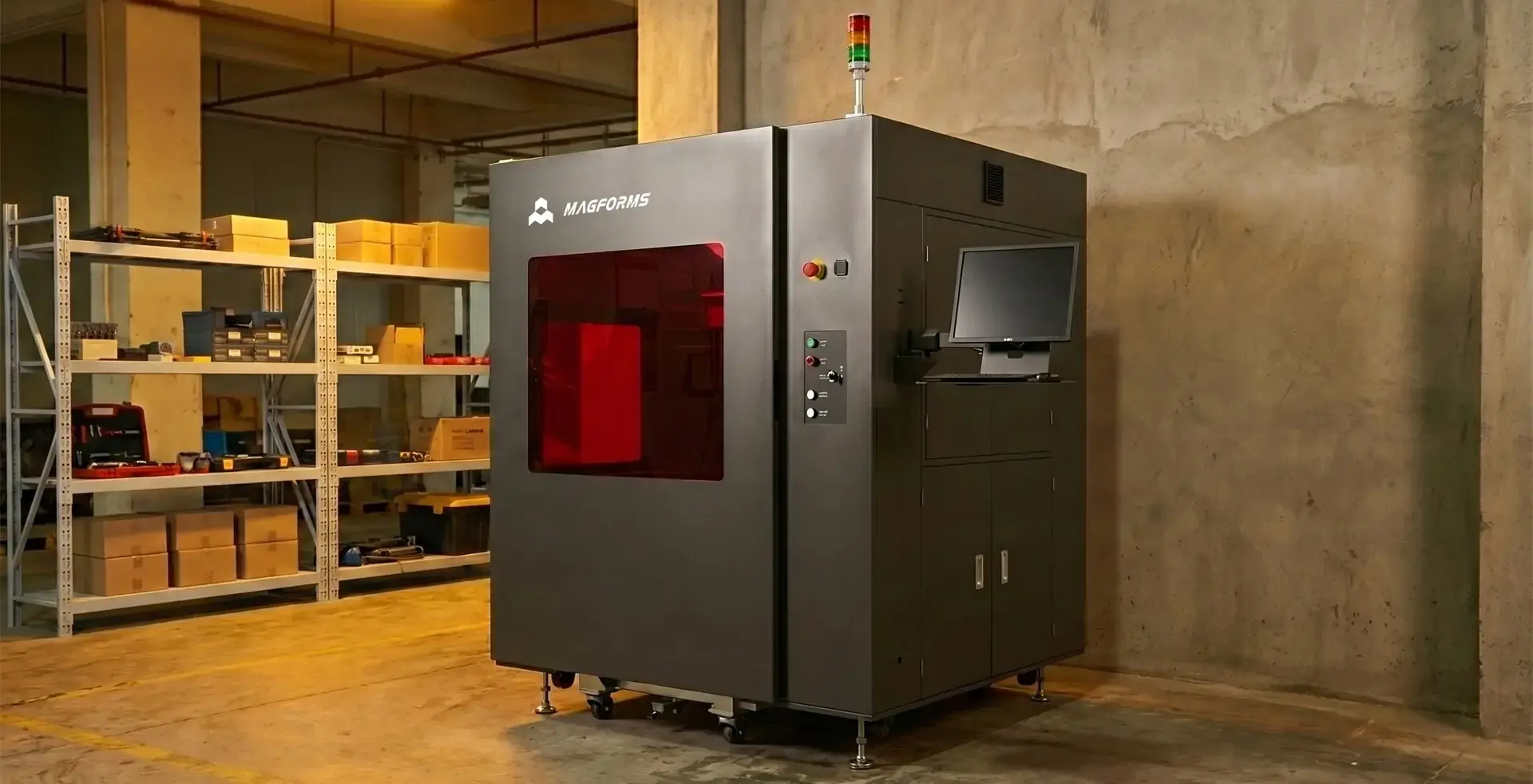
Technology selection should align with specific operational requirements and business objectives. Industrial SLA printers excel in applications demanding:
- Dimensional accuracy within ±0.1mm tolerance ranges
- Superior surface finish, minimizing post-processing requirements
- Material flexibility supporting diverse resin chemistries
- Production stability for batch manufacturing or high-value prototypes
- Long-term reliability reduces the total cost of ownership
LCD resin printers are better suited for different use cases, including:
- Budget-conscious operations prioritizing low initial investment
- Hobbyist or educational applications with relaxed precision requirements
- Very small part production, where pixel resolution proves adequate
- Limited production volumes not justifying industrial equipment investment
Decision Framework:
- Evaluate precision requirements: Compare part tolerances against technology capabilities
- Calculate total ownership costs: Consider material waste, labor, and maintenance beyond purchase price
- Assess production volume: Determine whether throughput demands justify industrial stability
- Review material needs: Verify that available resin options meet application specifications
- Consider growth trajectory: Select equipment that accommodates expanding capabilities
If you need a partner who understands these complex considerations and can guide technology selection based on actual application requirements, working with experienced manufacturers ensures optimal investment decisions.
👉 Magforms SL800 Industrial SLA 3D Printer
Conclusion
Precision demands drive technology choices in professional additive manufacturing environments. Industrial SLA systems deliver superior dimensional accuracy, surface quality, and production stability compared to LCD resin alternatives. The investment in laser-based stereolithography technology pays dividends through reduced material waste, minimized post-processing, and reliable performance in demanding applications. When choosing between these technologies, evaluate your specific precision requirements, production volumes, and long-term operational costs rather than focusing solely on initial equipment pricing. The right technology selection positions your operation for sustainable growth and competitive advantage in increasingly quality-conscious markets.
Partner with a Trusted Industrial SLA 3D Printer Manufacturer
Magforms combines years of additive manufacturing expertise with cutting-edge technology to deliver industrial SLA 3D printer solutions that meet the most demanding precision requirements. Our integrated approach to materials and equipment eliminates compatibility issues while providing the flexibility, speed, and accuracy your applications require. Whether you serve aerospace, medical, automotive, or consumer electronics sectors, our open-material systems and comprehensive after-sales support ensure your investment delivers long-term value. Contact our technical team at info@magforms.com to discuss how our industrial SLA technology can optimize your production workflows and elevate your precision capabilities.
References
1. Gibson, I., Rosen, D., & Stucker, B. (2021). Additive Manufacturing Technologies: 3D Printing, Rapid Prototyping, and Direct Digital Manufacturing (3rd ed.). Springer International Publishing.
2. Jacobs, P. F. (2019). Stereolithography and Other RP&M Technologies: From Rapid Prototyping to Rapid Manufacturing. Society of Manufacturing Engineers.
3. Melchels, F. P., Feijen, J., & Grijpma, D. W. (2020). A review of stereolithography and its applications in biomedical engineering. Biomaterials, 31(24), 6121-6130.
4. Quan, H., Zhang, T., Xu, H., Luo, S., Nie, J., & Zhu, X. (2020). Photo-curing 3D printing technique and its challenges. Bioactive Materials, 5(1), 110-115.
5. Stansbury, J. W., & Idacavage, M. J. (2016). 3D printing with polymers: Challenges among expanding options and opportunities. Dental Materials, 32(1), 54-64.
6. Zhang, J., Hu, Q., Wang, S., Tao, J., & Gou, M. (2020). Digital light processing-based three-dimensional printing for medical applications. International Journal of Bioprinting, 6(1), 242-255.

Magforms makes design and manufacture easier.
Popular Blogs
-
 Industry InsightsManufacturing Industry
FDM vs. SLA Printer: Which Technology Is Right for Your Project?
-
 Industry InsightsManufacturing Industry
Top 5 Applications of Industrial 3D Printers in Manufacturing Today
-
 Industry InsightsManufacturing Industry
Why Stereolithography 3D Printers Are Unmatched for Microfluidic Device Prototyping?