Industrial SLA 3D Printer Buying Guide for Engineering Teams
When picking an Industrial SLA 3D Printer, you need to carefully consider its accuracy, speed, ability to work with different materials, and long-term support. These are all things that have a direct effect on how well the printer works and how much money it makes. In the automotive, aerospace, medical, and consumer electronics industries, engineering teams are under more and more pressure to make prototypes and final products of high quality in record time. Stereolithography technology solves these challenges by enabling high-resolution parts with excellent dimensional accuracy, smooth surface finishes, and complex geometries that are difficult to produce with traditional manufacturing methods. This guide walks buying managers and expert decision-makers through important things to think about that will help you find equipment that fits your needs and your budget.
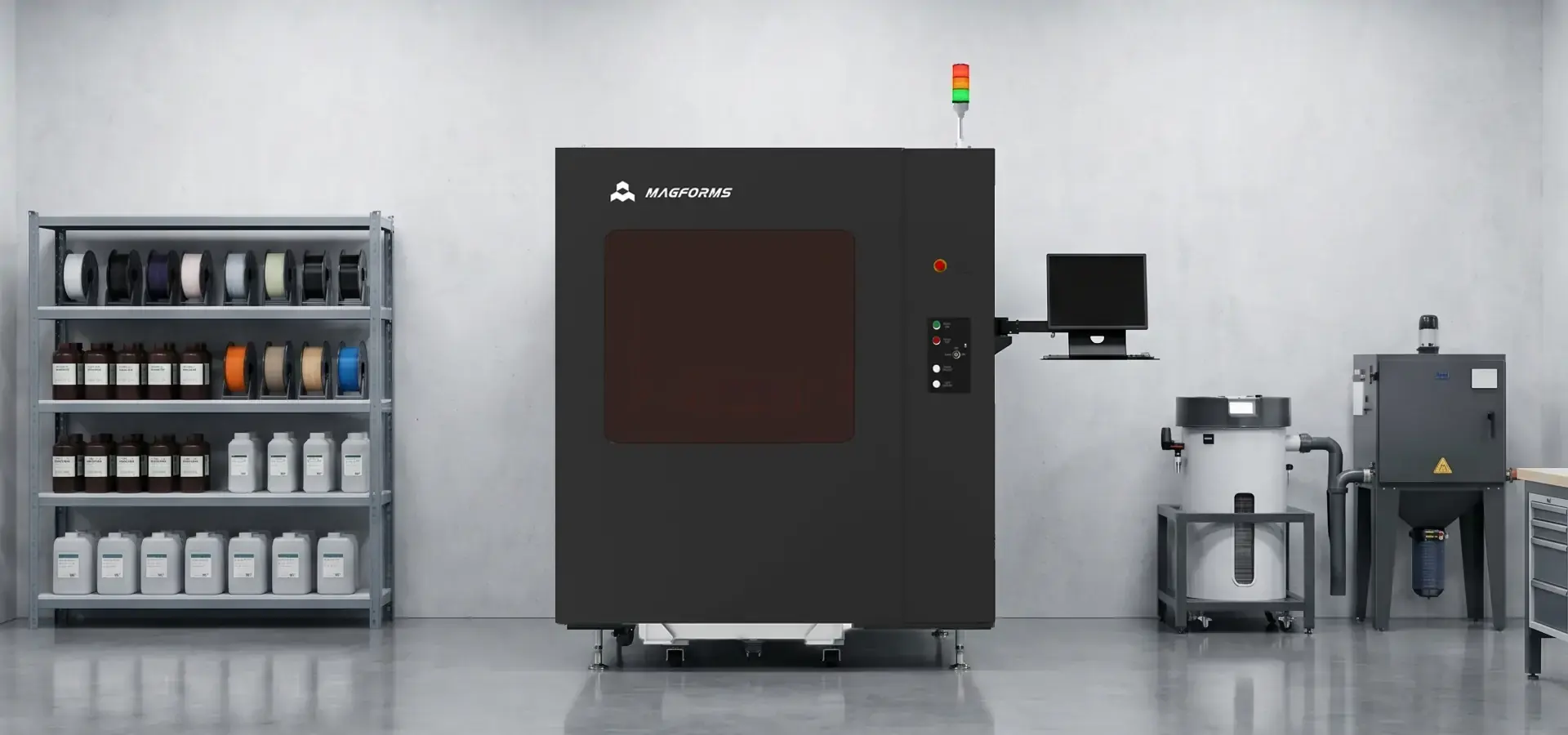
Understanding Industrial SLA 3D Printers: Technology and Benefits
How Stereolithography Works
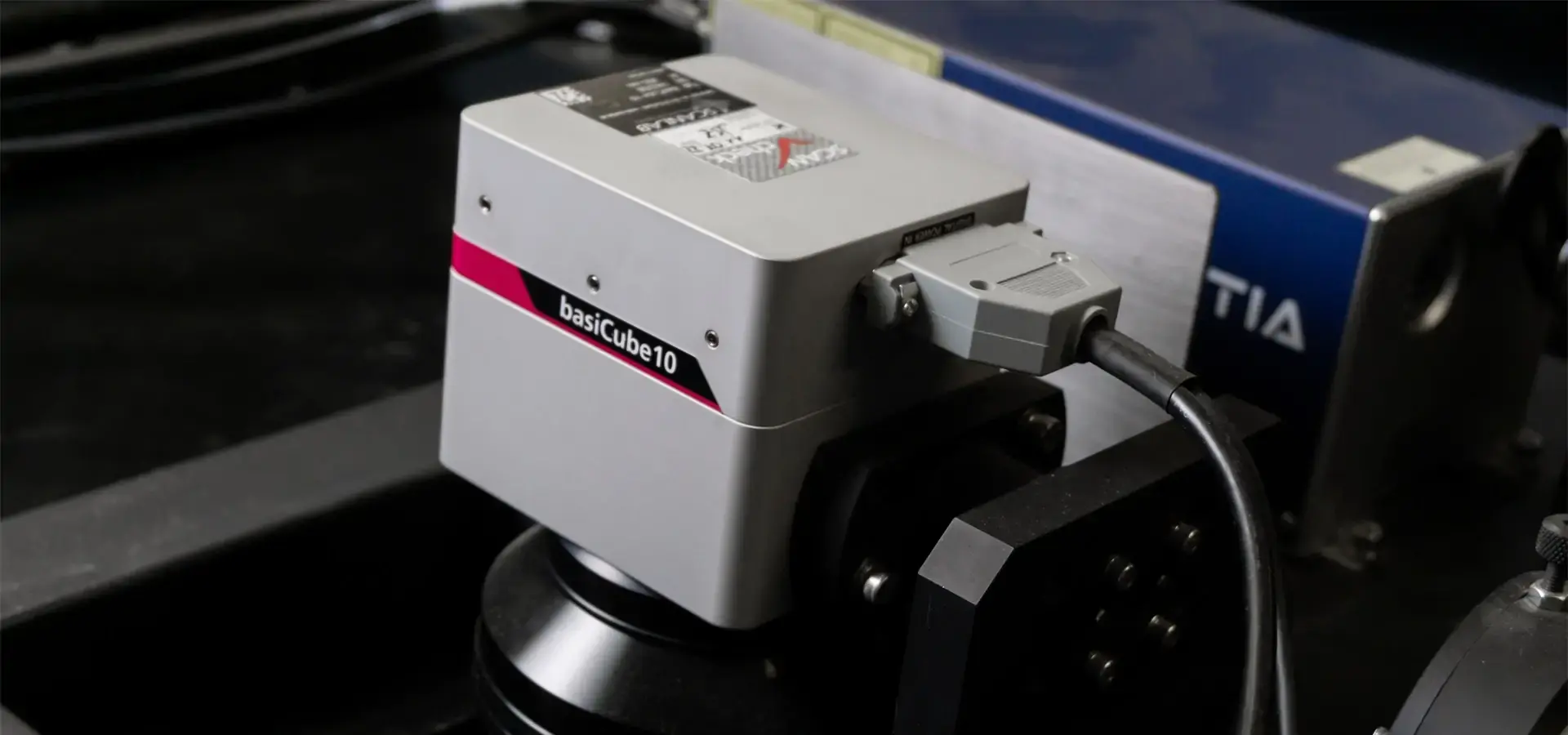
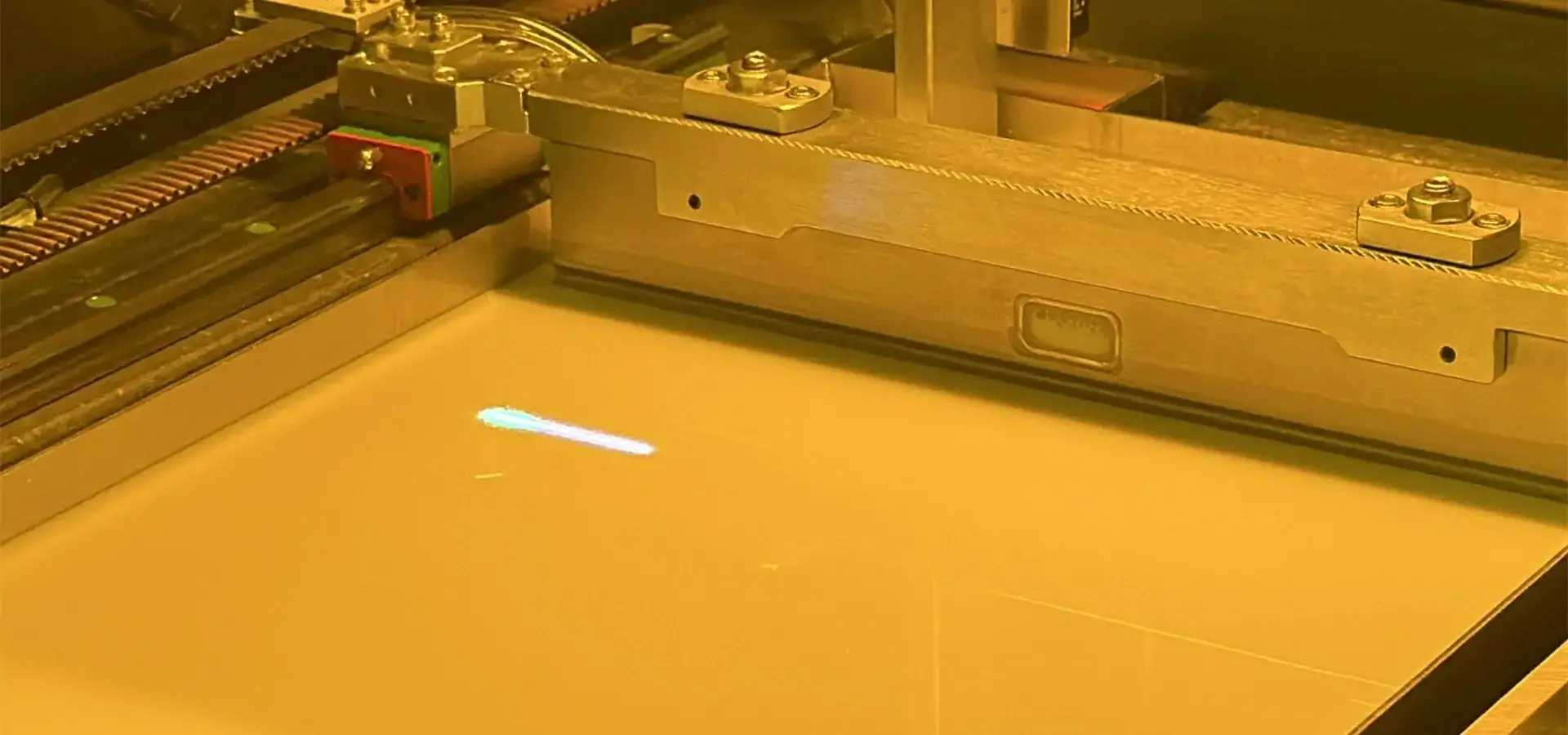
A high-precision laser is used in stereolithography to selectively cure liquid photopolymer resin layer by layer. A build base is lowered into a vat of resin to start the process. The laser then scans the cross-sectional pattern of the first layer and selectively cures the resin according to the digital model. After each layer is cured, the build platform moves to the next position, and a recoating system applies a fresh layer of resin before the next exposure cycle begins. This loop will keep going until the whole part takes shape. German Scanlab galvanometers and AOC laser systems are integrated in advanced platforms to provide stable and precise laser scanning. Optimized optical systems help maintain consistent spot quality, improving dimensional accuracy and process stability. These parts work together to make sure that the energy transfer is always the same, which is important for keeping the dimensions stable across hundreds of layers.
Core Advantages for Engineering Workflows
One of the best things about stereolithography is how precise it is. Motion systems equipped with high-precision servo motors can achieve micron-level positioning accuracy, helping maintain stable Z-axis movement and consistent layer placement. By changing the size of the spot on the fly, variable laser spot technology speeds up production even more. Larger spots (0.5–0.6 mm) are used for bulk filling areas, while smaller spots (0.15–0.2 mm) improve edge definition and fine details. This variable spot scanning strategy can significantly improve productivity compared with fixed-spot approaches, especially for parts containing both large surfaces and fine details. Advanced laser control strategies, including optimized power modulation and scanning paths, help improve surface quality and reduce visible layer effects. This makes parts with fewer noticeable layer lines. These features directly lead to shorter development cycles and lower post-processing costs, which lets engineering teams test ideas more quickly and safely make changes.
Real-World Applications Across Industries
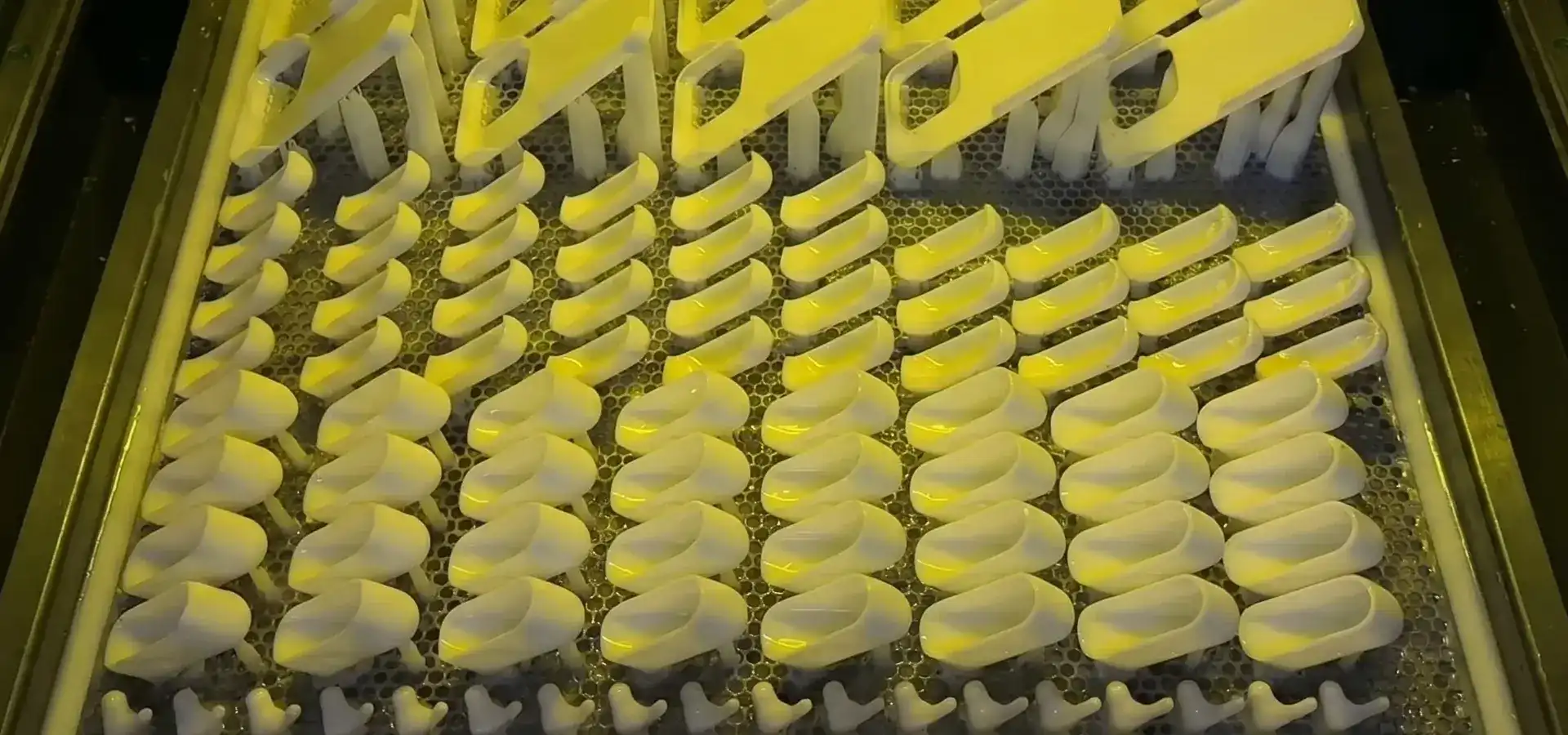
Automakers use Industrial SLA 3D Printer systems based on stereolithography technology to create prototypes of dashboards and custom interior parts. They test the fit and airflow of these parts before investing in expensive injection-mold tooling. This technology is used by aerospace companies to produce lightweight prototypes, tooling components, and complex validation models. Dental labs make customised surgery guides and orthodontic models, making sure they meet strict biocompatibility standards while keeping response times short. Developers of consumer electronics make master designs for the cases of wearable devices. They then paint or plate the surfaces to make them look like the end product while focus groups test them. Each use shows how stereolithography can be used in a lot of different ways to connect digital design and physical production.
👉 Explore how Industrial SLA technology is applied in real production environments through our Industrial SLA 3D printing application cases.
Key Factors to Consider When Choosing an Industrial SLA 3D Printer
Resolution, Speed, and Material Compatibility
Resolution tells you how well a printer can print small details. Machines with adjustable laser spot sizes and layer thicknesses between 0.05 mm and 0.25 mm can handle tight tolerances, sharp edges, and complex surfaces. Speed is also important. Galvanometers that can go 6–10 m/s allow for faster processing without losing clarity. Material fit is still very important. Many industrial SLA systems using 355 nm laser sources support open material platforms, allowing users to work with a wider range of engineering resins. This includes clear, high-temperature, and engineering-grade resins with application-specific thermal performance requirements. This freedom lets engineering teams try out new materials and improve properties that are important for certain uses without being tied to one vendor.
Build Volume and Platform Stability
Larger build platforms can accommodate oversized parts or multiple smaller components in a single build, reducing assembly requirements and minimizing seams between components. Machines with low-expansion structural materials, rigid mechanical frames, and thermal management systems help maintain dimensional stability during long production runs. High-flatness mesh plates—0.2 mm flatness in 300-series models and 0.5 mm flatness in 600- and 800-series units—keep layers from twisting and make sure they stick together evenly. The best linear guides and lead screws from HIWIN Taiwan have longer service lives and support stable high-Z printing, helping reduce mechanical vibration and maintain stable vertical movement during printing.
Software Integration and Automation
Control software that is easy to use makes planning and keeping an eye on jobs faster and easier. Magforms' iBuild 2.0 interface has a clean, flexible design that provides an intuitive interface for efficient job preparation, monitoring, and workflow management. This cuts down on setup time and makes operators more productive. Advanced scanning algorithms optimize laser paths based on part geometry, improving productivity and consistency. These optimizations can improve scanning efficiency and reduce overall processing time. Automated resin management and temperature control systems help maintain consistent resin conditions during printing. All of these features make it so that operators don't have to do as much, which lets teams focus on more important planning and approval jobs.
Maintenance Requirements and Total Cost of Ownership
As part of routine maintenance of the Industrial SLA 3D Printer, the laser power is periodically calibrated, recoater blades are replaced, and optical components are checked for dust taint. Equipment made with well-known brands like Schneider electrical parts, Philips UV components and optical systems, and Panasonic servo motors has lower failure rates and longer periods of time between service calls. Managers in charge of buying things should look at the warranty terms, the availability of spare parts, and how quickly the customer service team responds to problems. Downtime risks are greatly reduced by service providers who offer 24-hour reaction times and on-site expert training. This protects production plans and makes the best use of assets.
Comparison of Top Industrial SLA 3D Printers
Evaluating Leading Manufacturers
Well-known companies in the market include 3D Systems, Formlabs, and EOS. Each has its own benefits. High-end systems focus on accuracy and the ability to print on big areas, while mid-range models strike a mix between performance and price. Magforms stands out because it combines its own materials and tools into a single solution. This gets rid of the interface problems that third-party material suppliers often have. This vertical integration makes sure that the cure patterns are optimised, which cuts down on size differences and unnecessary downtime.
Precision and Price-Performance Balance
Industrial SLA systems are commonly evaluated according to dimensional accuracy, repeatability, and process validation requirements. For many industrial applications, tolerances around ±0.1 mm can be achievable depending on machine configuration, material, and part geometry. Variable spot technology and Scanlab galvanometers make it possible to reproduce fine details and fill in gaps quickly, meeting a range of production needs on a single platform. Prices range a lot. Entry-level industrial units are good for small design teams and new service providers, while large-format systems like the P600 and P800 are better for the R&D departments of automakers and aerospace contractors. Figuring out your yearly output and tolerance needs will help you narrow down the models that offer the best cost-per-part economics.
Customer Feedback on Usability and Reliability
Uptime and support quality are always brought up by engineering teams as important factors. Systems that use AOC lasers and German Scanlab galvanometers have shown that they can work reliably 24 hours a day, seven days a week, with little waste and scrap. Users also like open material environments because they don't have any key-lock limits, which means that users can try new plastic formulas without spending a lot of money. After-sales teams that are responsive and can fix problems within 24 hours keep production from being held up, which is a huge benefit for facilities that use lean inventory models.
Procurement Guide: How and Where to Buy Industrial SLA 3D Printers
Cost Factors and Financing Options
The price you pay for the Industrial SLA 3D Printer is only a small part of your investment. The total cost of ownership includes consumables such as resin, cleaning solutions, post-processing materials, energy consumption, and regular maintenance. Leasing spreads out capital costs over several years, which improves cash flow for businesses that want to keep their budgets flexible. When you compare quotes, make sure you carefully look at what each package includes. For example, installation, operator training, and longer warranty periods add real value and cut down on hidden costs.
Sourcing Strategies and Warranty Considerations
Authorised dealers offer localised help and faster delivery of extra parts, which are benefits that outweigh small price increases. Direct sales channels offer more in-depth technical support and configurations that are specifically made for different workflows. Make sure that the insurance covers both the parts and the labour, and ask about service-level agreements that promise certain reaction times. Shipping procedures are also important. Calibration drift is less likely to happen when equipment is properly packed and transported at a controlled temperature.
New Versus Used Equipment Trade-Offs
Startups that want to save money will like that used systems can cut initial costs by 30–50%. However, older models might not have up-to-date features such as self-learning scanning algorithms and variable spot technology. Aging laser sources, optical components, and worn recoater blades can add unexpected maintenance costs. People who are interested in buying used machines should ask for specific service records, print test pages on-site, and arrange for full promises of reconditioning. New equipment gives you peace of mind because it comes with maker support and the latest performance improvements. The higher original cost is worth it because the equipment lasts longer and produces better results.
👉 Industrial SLA 3D Printer types and solutions
Optimizing Industrial SLA 3D Printer Use and Maintenance
Routine Maintenance Best Practices
Checking the resin levels every day, cleaning the vat surfaces of cleaning vat surfaces from partially cured resin particles, and checking the optical path for dust buildup are all things that need to be done. Every week, the Z-axis is calibrated to make sure that the layer thickness stays the same, and every month, the laser power is checked to make sure that the energy density stays within certain ranges. Protective optical covers and acrylic front panels keep sensitive parts clean, which increases the time between service calls and keeps the quality of the prints.
Environmental Controls and Material Handling
Changes in resin viscosity can affect layer bonding and surface finish, which is why temperature control is important during printing. For most recipes, cure processes work best when temperatures stay between 20°C and 25°C. Properly storing resin in dark containers out of direct sunlight keeps it fresh and stops it from polymerising too soon. Automated resin draining systems can tilt the build platform to improve resin recovery and simplify post-processing. This speeds up cleanup and lowers the amount of liquid needed for post-processing.
Long-Term Strategies for Extending Printer Lifespan
Equipment stays in line with changing production needs thanks to planned upgrades like replacing galvanometer mirrors or improving control software. By working with providers who regularly release software updates and compatibility changes, you can keep using new resin profiles and better scanning algorithms. By writing down print settings and failure modes, you're building up institutional knowledge that helps with fixing and training programs for operators. These preventative steps increase efficiency, protect ROI, and make capital investments last longer.
Conclusion
To choose the best stereolithography system, you have to weigh the system's accuracy, speed, ability to work with different materials, and support infrastructure against your production goals and budget. The best equipment for engineering teams is that which combines tried-and-true parts with open material ecosystems and quick customer care after the sale. Examples of this kind of equipment are Scanlab galvanometers, Panasonic servos, and AOC lasers. Magforms is a good example of this method because they combine developing their own plastic with improving their tools to make solutions that reduce measurement errors and unplanned downtime. Procurement managers can get assets that speed up development, cut down on waste, and shorten time-to-market in a wide range of industrial uses by putting total cost of ownership, guarantee coverage, and long-term upkeep strategies at the top of their list of priorities.
FAQ
1. What distinguishes an Industrial SLA 3D Printer from desktop models?
Industrial systems employ high-power solid-state lasers and advanced galvanometer scanning technology, enabling larger build volumes, faster print speeds, and tighter tolerances and greater production capabilities than desktop resin systems. They also support a broader range of engineering resins, including high-temperature and biocompatible formulations.
2. How does dimensional accuracy compare with CNC machining?
While CNC offers tighter tolerances, stereolithography achieves ±0.1 mm accuracy sufficient for most fit-form-function testing, with superior capability for internal cavities and complex undercuts that traditional subtractive methods cannot efficiently produce.
3. What is the lifespan of solid-state lasers?
High-quality solid-state laser sources used in industrial SLA systems can often provide tens of thousands of operating hours, although regular power calibration is required to maintain consistent performance.
4. Can stereolithography parts withstand outdoor environments?
Standard resins exhibit UV sensitivity. UV-stabilized formulations or post-print protective coatings enable outdoor use, though ASTM G154 accelerated weathering tests can be used to evaluate long-term UV durability for specific applications.
Partner with Magforms for Your Stereolithography Needs
Magforms delivers integrated solutions that combine advanced hardware engineering with optimized resin solutions, ensuring seamless compatibility and industry-leading reliability. Our equipment features AOC lasers, German Scanlab galvanometers, and Panasonic servo motors, achieving micron-level positioning accuracy and improved productivity through optimized laser scanning strategies. With 22 patents, 30 registered trademarks, and successful deployments across 300+ enterprises worldwide, we bring deep expertise in automotive, aerospace, medical, and consumer electronics applications. Our after-sales team responds within 24 hours, providing technical training, software upgrades, and spare-part support to minimize downtime. Contact info@magforms.com to schedule a product demonstration and receive a customized quote from a trusted Industrial SLA 3D Printer supplier.
References
1. Gibson, I., Rosen, D., & Stucker, B. (2021). Additive Manufacturing Technologies: 3D Printing, Rapid Prototyping, and Direct Digital Manufacturing. Springer.
2. ASTM International. (2020). Standard Specification for Additive Manufacturing File Format (AMF) Version 1.2. ASTM F2915-20.
3. Wohlers Associates. (2024). Wohlers Report 2024: 3D Printing and Additive Manufacturing Global State of the Industry. Wohlers Associates, Inc.
4. Jacobs, P. F. (1992). Rapid Prototyping & Manufacturing: Fundamentals of Stereolithography. Society of Manufacturing Engineers.
5. Stansbury, J. W., & Idacavage, M. J. (2016). "3D Printing with Polymers: Challenges among Expanding Options and Opportunities." Dental Materials, 32(1), 54–64.
6. Schmid, M., & Levy, G. (2012). "Quality Management and Estimation of Property Profiles for Additive Manufacturing Processes." CIRP Annals - Manufacturing Technology, 61(1), 215–218.

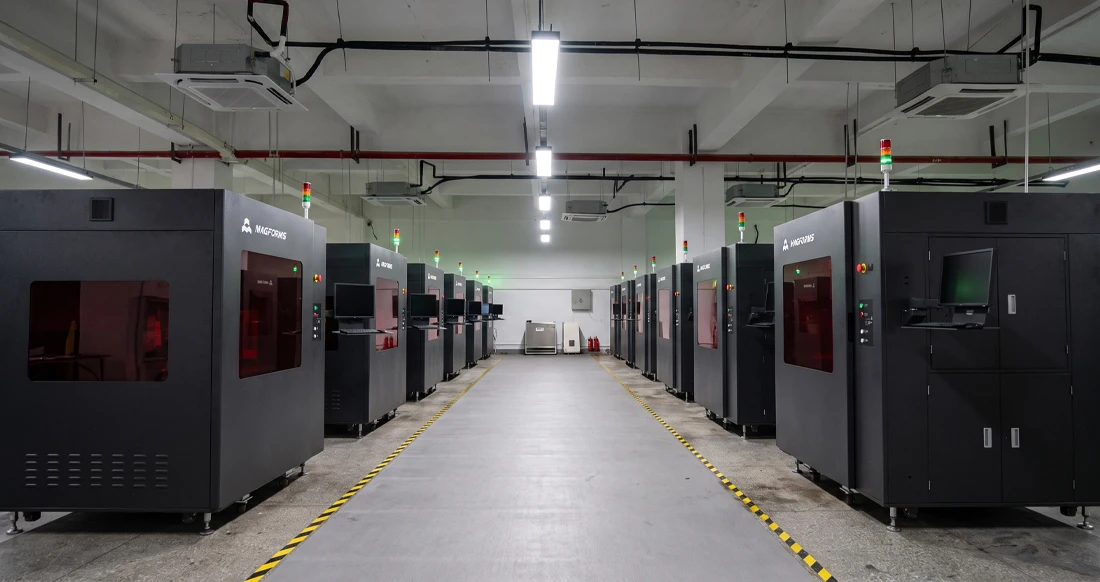
Magforms makes design and manufacture easier.
Popular Blogs
-
 Industry InsightsManufacturing Industry
FDM vs. SLA Printer: Which Technology Is Right for Your Project?
-
 Industry InsightsManufacturing Industry
Top 5 Applications of Industrial 3D Printers in Manufacturing Today
-
 Industry InsightsManufacturing Industry
Why Stereolithography 3D Printers Are Unmatched for Microfluidic Device Prototyping?