Industrial SLA 3D Printer Materials Guide: Resins That Deliver Results
Choosing the right resin for your stereolithography system can change how well your products are made. Material chemistry plays an important role in helping an Industrial SLA 3D Printer achieve high accuracy, reliable mechanical performance, and efficient production. The choice of resin affects dimensional accuracy, mechanical performance, and surface quality. These are all important factors for prototyping cars, making medical devices, and testing aerospace parts. Understanding how resin properties interact with your Industrial SLA 3D Printer helps achieve more reliable production results while reducing material waste and unnecessary delays.
Understanding Industrial SLA 3D Printing and Resin Materials
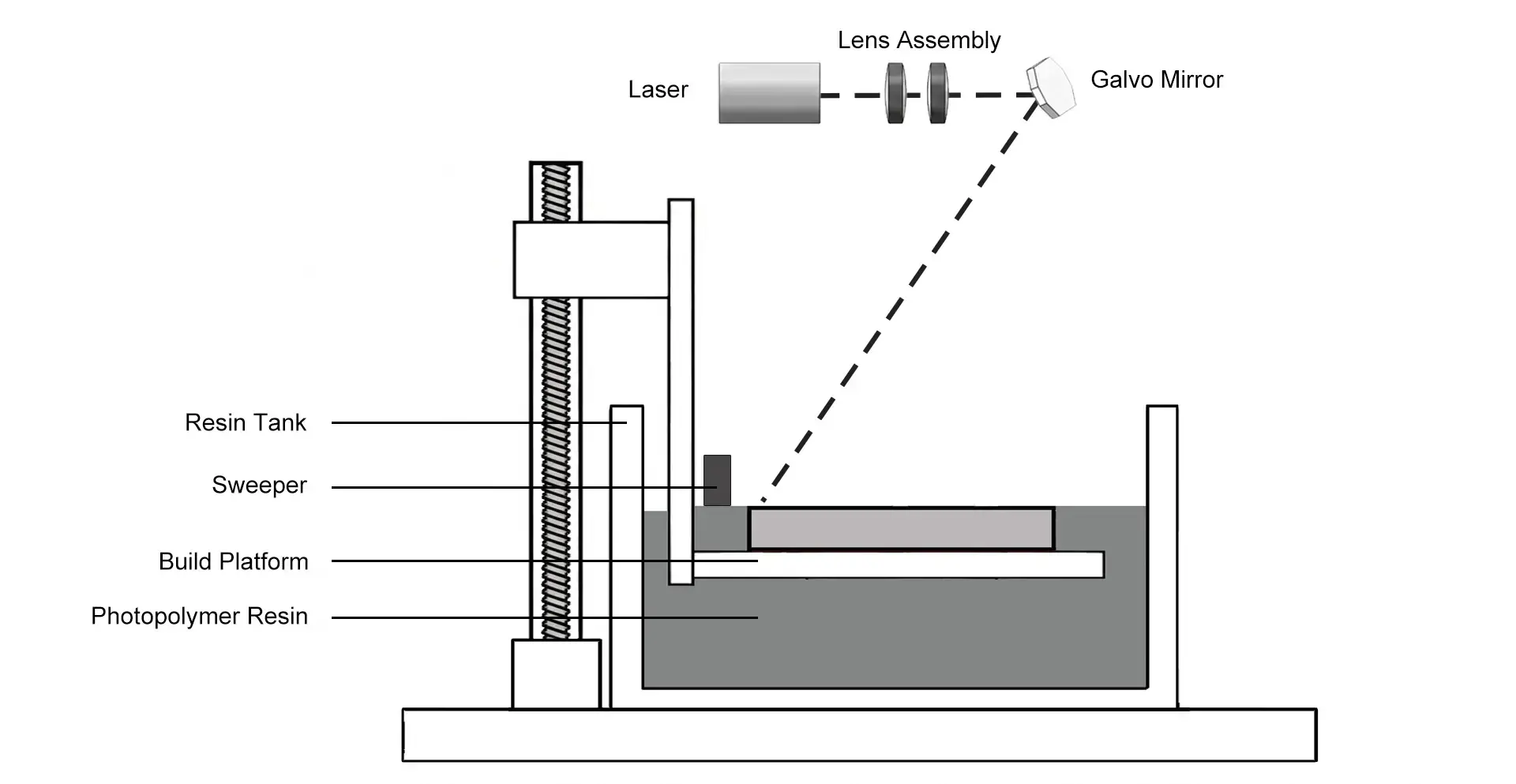
Laser energy is used in stereolithography to selectively cure liquid photopolymer resins layer by layer, creating solid parts with high dimensional accuracy and fine surface details. Industrial SLA 3D Printer systems differ significantly from desktop resin printers because they typically use larger build platforms, industrial-grade UV laser sources used in laser-based stereolithography, and precision galvanometer scanning systems. Print quality depends on the interaction between machine hardware, resin formulation, and optimized process parameters. The resin’s photoinitiator system must be compatible with the laser wavelength to achieve stable curing performance. Many industrial laser-based SLA systems operate with 355 nm UV lasers, so resins are specifically formulated to match this exposure wavelength. Layer thickness settings vary depending on machine configuration and application requirements, with thinner layers typically improving surface detail while thicker layers improve productivity.
👉 What is SLA 3D printing technology
AOC laser sources and Scanlab galvanometers used in Magforms systems are designed to provide stable laser output and precise scanning control. This combination helps achieve accurate laser positioning and consistent exposure control across the build area when properly calibrated, allowing compatible photopolymer resins to achieve reliable curing performance when matched with appropriate process parameters. For engineering-grade or transparent resins where surface quality and dimensional consistency are especially important, accurate laser control and stable resin processing conditions help ensure uniform layer formation and repeatable results.
Temperature control is an important factor in maintaining stable photopolymer resin performance during Industrial SLA 3D Printing. Resin viscosity changes with temperature, and colder environments may increase viscosity, affecting recoating behavior and layer consistency. Built-in heating systems help maintain suitable processing conditions, reducing variations caused by temperature fluctuations and supporting repeatable printing results. This feature is particularly valuable for service bureaus and production environments operating extended shifts.
Comprehensive Breakdown of Industrial SLA Resin Types
Standard Resins for Rapid Prototyping
Standard resins provide balanced properties for form-and-fit testing, visual prototypes, and limited functional models. These materials offer consistent curing behavior, moderate mechanical performance, and lower cost compared with specialized engineering formulations. They allow design teams to validate concepts before investing in expensive tooling or production processes. The quality of the surface finish lets you paint and finish them, which makes them perfect for client presentations and ergonomic testing in the development of consumer electronics.
Engineering Resins for Functional Performance
Engineering-grade photopolymers are formulated to provide enhanced mechanical properties, heat resistance, and chemical durability for demanding Industrial SLA 3D Printer applications. Some formulations are designed to replicate performance characteristics commonly associated with thermoplastics, making them suitable for functional prototypes and end-use applications. ABS-like resins are designed to provide improved toughness and impact resistance, making them suitable for functional prototypes such as snap-fit assemblies. Flexible or PP-like photopolymer formulations can provide improved elongation and flexibility for applications requiring bending or elastic behavior, depending on the specific material formulation. High-temperature photopolymer resins are designed to maintain dimensional stability under elevated temperatures, making them suitable for applications such as automotive components and tooling exposed to heat during manufacturing processes.
These materials solve problems that makers had when they had to use expensive samples that were made or slow injection moulding processes. Using heat-resistant engineering resins, a Magforms automotive customer significantly reduced interior component validation time by using heat-resistant engineering resins for faster design iterations. This allowed them to make changes quickly without affecting the thermal performance testing.
👉 Explore how Industrial SLA technology is applied in real production environments through our Industrial SLA 3D printing application cases.
Castable Resins for Investment Casting
Castable resins are specifically developed for investment casting workflows. During burnout, they are designed to remove cleanly with minimal residue, helping protect the surface quality of cast metal parts when processed under recommended casting conditions. These are used to make detailed designs for casting in gold, silver, or cobalt-chrome by jewellery makers and dental labs. Fine features like thread patterns, undercuts, and surface textures are captured by the resins and then transferred straight to metal. Dimensional accuracy is very important here; even small differences can affect how well the end part fits, especially in dental applications where tight dimensional control is required.
Biocompatible and Specialty Resins
For medical and dental applications, materials must meet specific regulatory and testing requirements. Depending on the intended use, biocompatible photopolymer resins may be evaluated according to standards such as ISO 10993 for applications including surgical guides, orthodontic models, and other medical devices. With transparent resins, you can see what's inside fluidic devices or anatomical models. Flexible photopolymer resins can be used to simulate soft tissue characteristics for surgical planning or wearable device prototypes.
When using transparent photopolymer resins, Magforms systems can help produce highly detailed clear parts by combining stable laser exposure control with optimized printing parameters. This feature is important for making clear aligner models or microfluidic chips, where visual qualities have a direct effect on how they work.
Evaluating Resin Performance: Critical Factors for Industrial Applications
Viscosity and Cure Characteristics
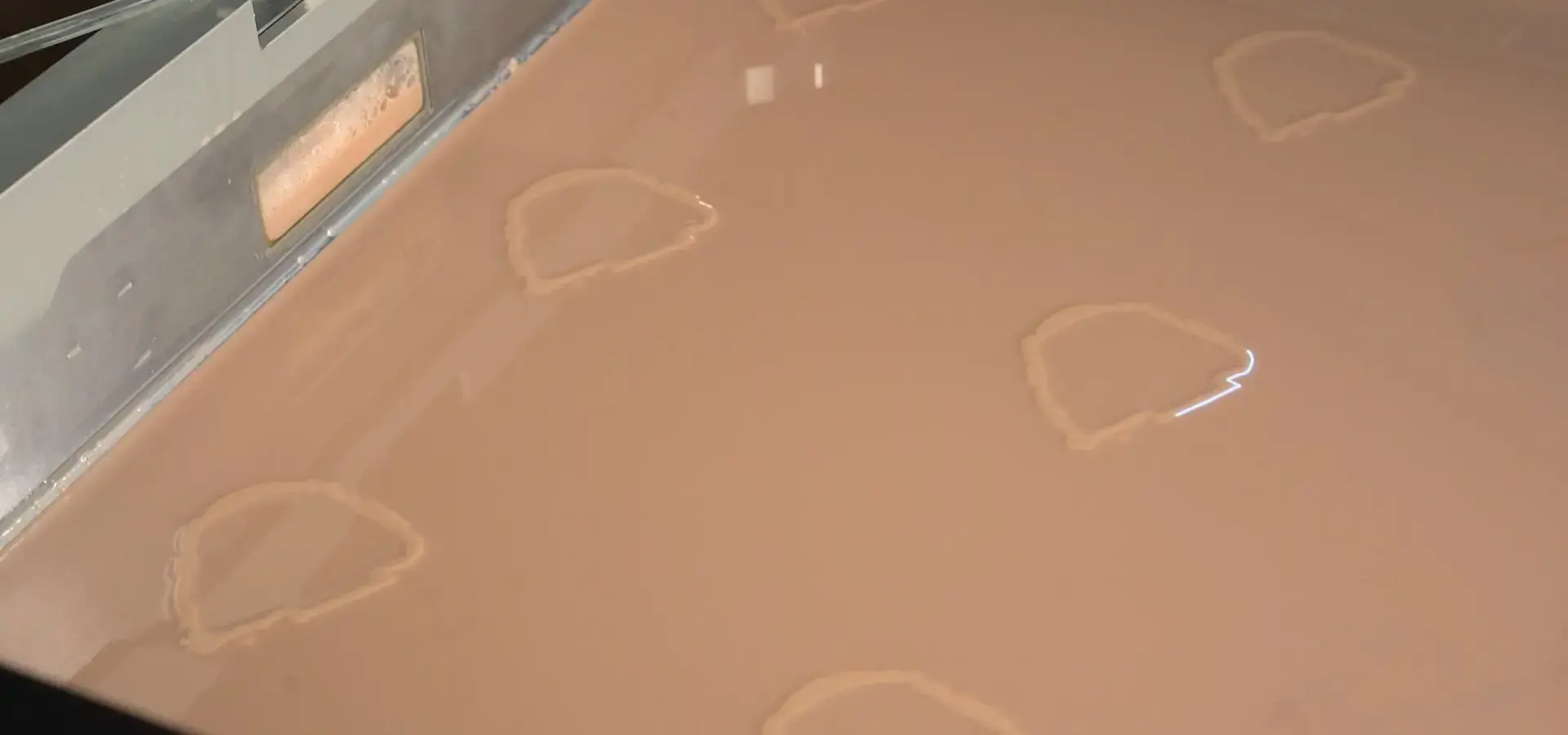
Resin viscosity directly influences recoating behavior, layer formation, and fine-detail reproduction in Industrial SLA 3D Printing. Lower-viscosity resins generally flow more easily, allowing faster recoating cycles and improved productivity. However, resin formulation, curing behavior, and support strategies also influence dimensional stability. Higher-viscosity resins may provide better feature retention in certain applications but usually require optimized recoating settings to achieve consistent layer formation. Cure depth, which describes how deeply UV energy initiates polymerization within the resin layer, needs to match the settings for layer thickness. Weak interlayer bonding is caused by not curing enough; curing too much leads to overexposure and errors in the dimensions.
Advanced laser scanning strategies, including variable spot technology, can improve the balance between productivity and detail accuracy in industrial SLA systems. Magforms printers can adjust laser spot characteristics according to different printing requirements, using finer settings for detailed contours and optimized settings for larger areas. This approach helps improve printing efficiency while maintaining surface quality and dimensional accuracy. Advanced scanning algorithms optimize laser paths according to part geometry, layer requirements, and resin characteristics. These optimizations help reduce unnecessary scanning movements, improve productivity, and maintain consistent print quality across different applications.
Mechanical Properties and Environmental Resistance
Printed parts have to be able to handle the conditions where they will be used. Load-bearing ability is based on tensile strength, bending stiffness, and impact resistance. UV resistance helps improve the long-term stability of printed parts exposed to environmental conditions, reducing degradation caused by prolonged light exposure. Parts that come into contact with solvents, oils, or cleaning agents need to be chemically resistant. In humid places, absorbing moisture changes the stability of dimensions, which is a very important thing to think about for medical devices that need to be sterilised many times.
Material datasheets with ASTM D638 tension testing, ASTM D790 bending testing, and long-term ageing statistics should be requested by procurement teams for Industrial SLA 3D Printer applications. By comparing these specs to what the application needs, you can avoid mistakes that cost a lot of money after launch. Magforms' open material system avoids proprietary resin restrictions, allowing users to evaluate compatible 355 nm photopolymer resins from different suppliers and select suitable materials based on performance and cost requirements.
Post-Processing and Total Cost Considerations
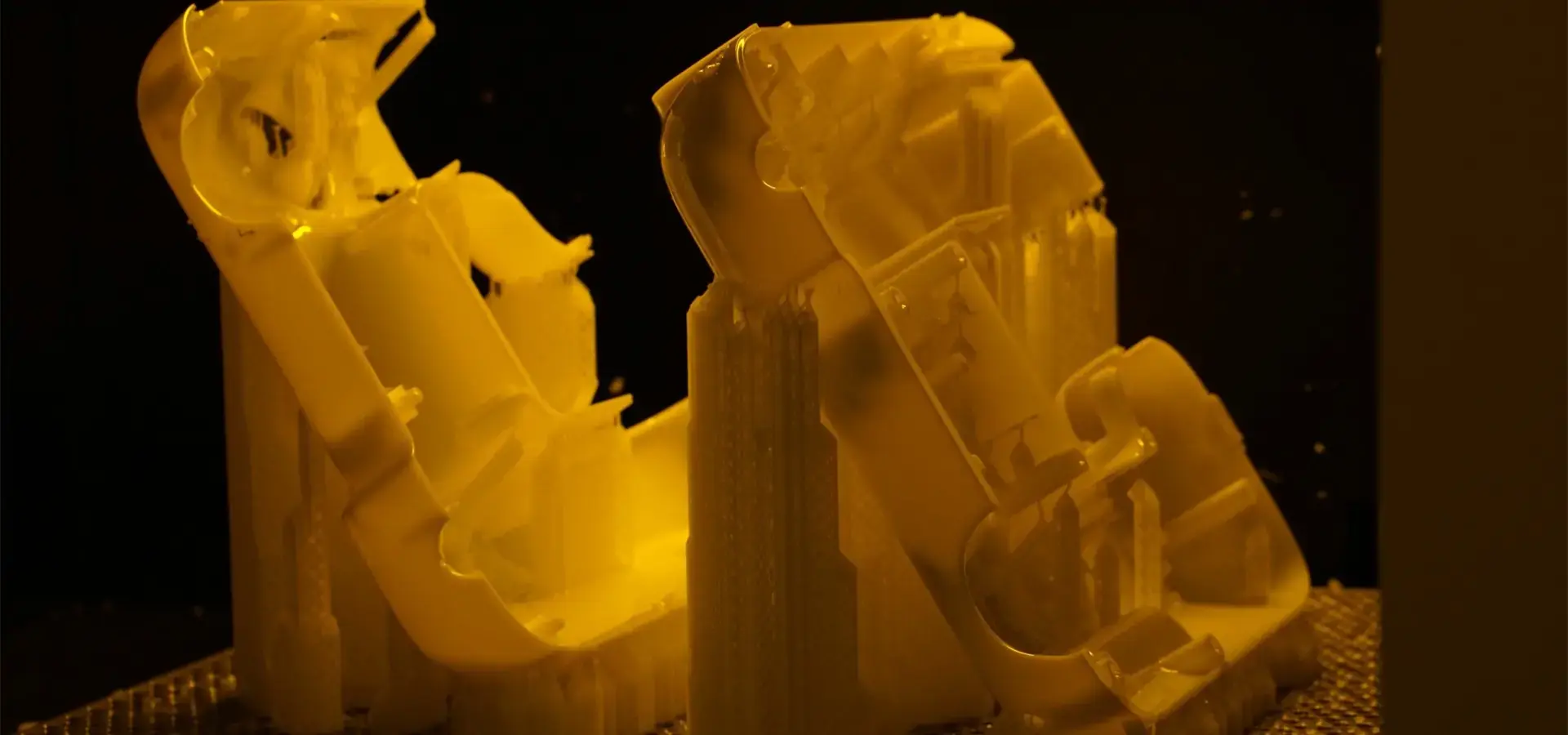
The price of raw materials is only one part of the total cost. Cleaning, removing supports, and drying after processing all require a lot of work that cuts into profits. Work takes longer when resins need to be cleaned up a lot or have fragile support systems. Magforms' platform design includes adjustable support structures that help lift and orient printed parts, allowing excess uncured resin to drain back into the vat and reducing material waste during post-processing. This function cuts down on the amount of cleaning liquid needed and speeds up the post-processing process.
Different types of resin have different post-curing needs. Parts that haven't been cured long enough have incomplete polymerisation, which makes the mechanical properties and accuracy of the measurements worse. UV post-curing continues the polymerization process and helps printed parts achieve their intended mechanical properties and dimensional stability according to the material specifications. Users should add up the costs of the chamber investment and energy use when figuring out the total cost of ownership.
Comparing Industrial SLA Resins With Alternative 3D Printing Materials
SLA Resins Versus SLS Powders
In selective laser sintering, powder materials like nylon or TPU are used. These materials don't need support structures because the part is held together by the unfused powder while it's being built. When you look at surface finish and fine clarity, this benefit goes away. SLA resin printing typically provides smoother surfaces and finer feature reproduction than SLS powder-based processes, which can reduce the amount of post-processing required for appearance models and precision prototypes. In some aerospace prototyping workflows, SLA can reduce post-processing requirements compared with SLS when smooth surface finishes and fine details are priorities.
SLA Versus FDM Filaments
Fused deposition modeling (FDM) creates parts by extruding thermoplastic filament layer by layer, offering advantages such as lower equipment cost and a wide range of engineering thermoplastic materials. In contrast, FDM parts have clear layer lines and uneven strength, meaning that weak spots form between layers when they are loaded. SLA parts generally provide more uniform mechanical properties compared with many FDM processes because they are formed through photopolymerization rather than extrusion-based layer bonding. For medical device samples that need smooth surfaces that don't let germs grow or car parts that need paint-ready finishes, SLA resins offer real benefits that make up for the higher cost of the materials.
SLA Versus DLP Resins
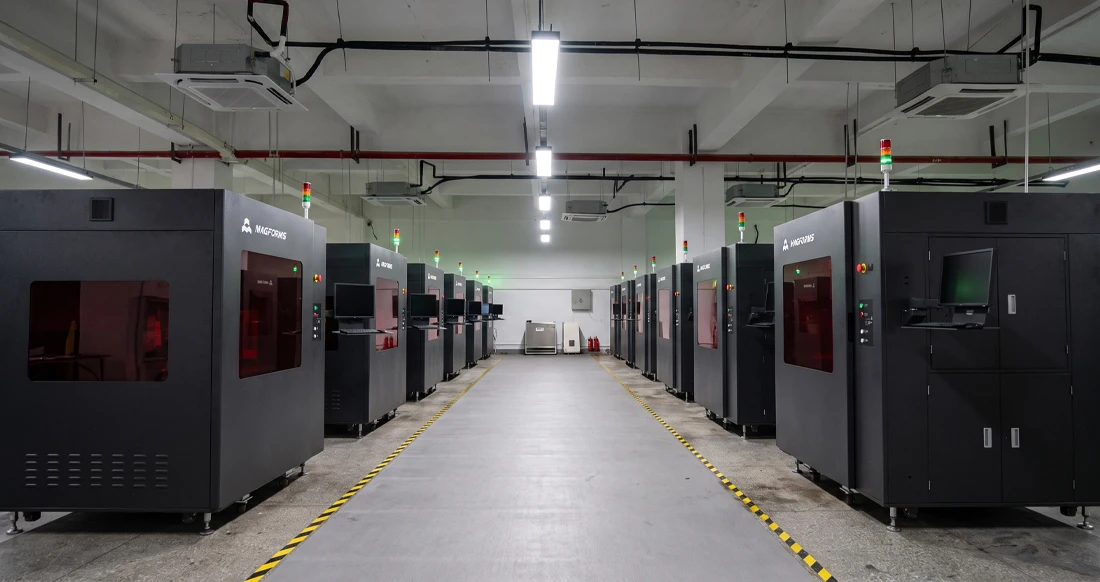
Digital light processing uses a similar photopolymer chemistry, but instead of scanning lasers, it cures whole layers at once with light that is projected on them. DLP systems can achieve high productivity for small and medium-sized parts by exposing entire layers simultaneously. However, maintaining consistent optical uniformity across larger build areas can become more challenging compared with laser-scanned SLA systems. Industrial laser-based SLA systems can provide highly controlled exposure across large build areas through precise scanning strategies and calibration. This makes it possible to make many parts at once. Magforms systems use low-expansion marble platforms and precision linear guides to help maintain dimensional stability during extended production cycles.
A 3D printing service bureau that works with many different types of businesses said that using Magforms laser-based equipment helped improve dimensional consistency across large build areas, enabling more reliable part nesting and batch production quality. This lets them nest more parts per build without worrying about the quality not being the same.
Best Practices for Resin Maintenance and Quality Control

Proper Resin Storage and Handling
When photopolymer resins are exposed to excessive light, heat, moisture, or contaminants, their chemical stability and curing performance may gradually decrease. Unopened resin containers should be stored according to the manufacturer's recommended conditions, typically in a cool, dry, and light-protected environment to maintain material stability. After opening, containers should be properly sealed to reduce exposure to moisture, contaminants, and unintended light exposure. Particulate contamination from dust or hardened resin pieces leads to print errors. Industrial SLA 3D Printer systems, such as Magforms printers, incorporate protective enclosures designed to improve operational safety and reduce external light interference during the printing process.
When moving resin from one container to another or refilling vats, filter it often. Mesh strainers get rid of things that could get in the way of laser beams or make the surface uneven. Keep track of the batch number and age of the resin; Photopolymer resins have limited shelf lives that vary depending on formulation and storage conditions. Users should follow supplier recommendations and track resin batch information to maintain consistent print performance. If you use outdated resin, it won't cure completely, its mechanical qualities will drop, and more prints will fail.
Preventive Maintenance Protocols
Cleaning the platform has a direct effect on how well the first layer sticks and how well the print goes overall. Isopropyl alcohol should be used to clean the build plates well between jobs to make sure that all the resin is gone. Check the recoater blades for damage or resin buildup that causes streaks as the layers are formed. Every three months, use the manufacturer's instructions to calibrate the laser power. Laser output and optical components should be regularly checked and calibrated according to manufacturer recommendations to compensate for system aging and maintain consistent curing performance.
Calibrating the galvanometer makes sure that the reading is accurate across the whole build area. Scanlab galvanometers are used by Magforms. The scanning speeds are usually between 6 and 10 m/s, but they can go as fast as 12 m/s. High-quality galvanometer systems are designed for long-term industrial operation, but regular calibration and inspection are still recommended to maintain scanning accuracy over extended production periods.
Quality Assurance and Supplier Verification
Set up rules for inspecting new batches of resin as they come in. Print standard test parts to check the accuracy of the dimensions, the finish on the surface, and the mechanical properties. To find formulation changes, compare the results to the baseline data. Build relationships with resin suppliers that promise consistent quality and clear technical support. Magforms' open material approach supports compatible 355 nm photopolymer resins, giving users greater flexibility in material selection while maintaining quality through validated process parameters and testing procedures.
Write down the layer thickness, laser power, scanning speed, and post-cure plans for each material and application mix. This database speeds up the setting of jobs, lowers the unpredictability of operators, and helps with fixing problems when they happen. Statistical process control finds trends before they stop production. This proactive method tells you which sources are stable and which ones give you inconsistent results.
Material limitations, resin compatibility concerns, and inconsistent process control are common challenges faced by industrial 3D printing users. Open material flexibility, strict quality protocols, and tried-and-true equipment designs make these problems less severe. By integrating industrial-grade components such as Panasonic servo motors, Schneider electrical components, and Philips UV systems, Magforms designs its machines for stable long-term operation in demanding production environments.
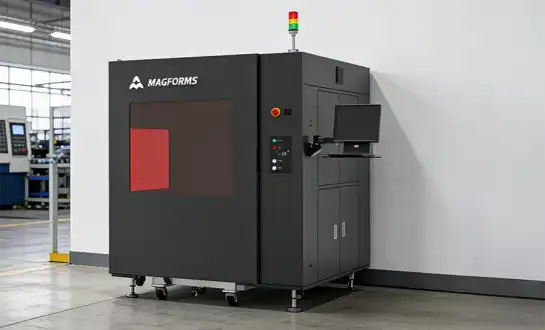
👉 Magforms SL800 Industrial SLA 3D Printer
Conclusion
The choice of material affects whether your stereolithography system produces useful results or frustrating problems that cost a lot of money. To match the right resin chemistry for an application—such as mechanical needs, exposure to the environment, or regulatory compliance—you need to know how viscosity, cure characteristics, and post-processing affect the cost and performance of the part. With open material systems, you can choose from a number of suppliers and compare their prices without being locked into a single one, which can make it harder to keep costs down. Stable equipment, accurate measurements, and materials that work well with each other are the building blocks of reliable output quality. By combining high-quality parts, smart scanning technology, and full after-sales support, Magforms addresses common industrial challenges by combining stable hardware performance, optimized scanning technology, and flexible material compatibility to improve production efficiency and repeatability across different resin applications.
FAQ
1. How does dimensional accuracy vary between resin types on the same printer?
Dimensional accuracy depends on resin shrinkage characteristics, exposure settings, part geometry, support design, and post-curing conditions. Some engineering formulations may provide improved dimensional stability compared with standard resins, but performance depends on the specific material composition. Magforms systems account for material stress release during scanning through optimized toolpaths, effectively minimizing deformation across resin categories. Consistent accuracy within ±0.1 mm for parts under 100 mm or ±0.1% for larger components remains achievable with proper material characterization and process parameter documentation.
2. Can I mix different resin brands in the same vat?
Mixing resins from different manufacturers or different formulations can introduce variations in photoinitiator systems, additives, and curing behavior. For consistent production results, dedicated resin management and batch tracking are recommended. Photoinitiator concentrations, reactive diluents, and additives vary between formulations. Mixed resins may exhibit incomplete curing, altered mechanical properties, or contamination artifacts. Maintain dedicated vats for each resin type, clearly labeled with material specifications and batch numbers. This practice prevents cross-contamination and ensures repeatable results, particularly critical for industries with traceability requirements like medical devices or aerospace components.
3. What causes layer lines or surface imperfections in printed parts?
Multiple factors contribute to surface defects. Insufficient recoating time prevents resin from flowing evenly before laser exposure. Contaminated resin containing cured particles creates surface bumps. Incorrect laser power or scanning speed produces incomplete curing or overexposure. Environmental factors like temperature fluctuations affect resin viscosity and cure consistency. Magforms' built-in temperature control, precision recoating systems, and grayscale processing algorithms reduce stair-step effects between layers, delivering parts with minimal visible layer lines and superior surface texture suitable for immediate assembly testing or minimal finishing.
Partner With a Trusted Industrial SLA 3D Printer Manufacturer for Material-Optimized Solutions
Achieving consistent results requires more than capable equipment—you need a supplier who understands the intricate relationship between hardware performance and material chemistry. Magforms delivers integrated solutions combining precision engineering with material expertise developed over years serving automotive, medical, aerospace, and consumer electronics sectors. Our systems incorporate AOC lasers, Scanlab galvanometers, and Panasonic servo systems—internationally proven components ensuring 24/7 operational stability.
The open material architecture supports most 355 nm resins, eliminating proprietary restrictions, while our technical team provides application-specific material recommendations backed by real-world testing data. Variable spot technology and advanced scanning algorithms optimize laser paths for different part geometries and resin characteristics, improving efficiency while maintaining print quality. With 22 patents, 30 trademarks, and over 300 enterprise clients across dozens of countries, Magforms combines innovation with proven reliability.
Our professional after-sales team responds within 24 hours, preventing the production delays that plague competitors with slow support. Whether you're a startup service bureau seeking cost-effective entry into the market or a multinational manufacturer requiring large-format systems for batch production, Magforms offers industrial SLA 3D printer solutions tailored to your workflow. Contact our team at info@magforms.com to discuss material compatibility for your specific applications and discover how our equipment-material integration reduces waste, accelerates throughput, and ensures reliable quality from prototype through production.
References
1. Gibson, I., Rosen, D., & Stucker, B. (2015). Additive Manufacturing Technologies: 3D Printing, Rapid Prototyping, and Direct Digital Manufacturing (2nd ed.). Springer.
2. Jacobs, P. F. (1992). Rapid Prototyping & Manufacturing: Fundamentals of Stereolithography. Society of Manufacturing Engineers.
3. Ligon, S. C., Liska, R., Stampfl, J., Gurr, M., & Mülhaupt, R. (2017). Polymers for 3D Printing and Customized Additive Manufacturing. Chemical Reviews, 117(15), 10212-10290.
4. Stansbury, J. W., & Idacavage, M. J. (2016). 3D printing with polymers: Challenges among expanding options and opportunities. Dental Materials, 32(1), 54-64.
5. ASTM International. (2012). ASTM F2792-12a: Standard Terminology for Additive Manufacturing Technologies. ASTM International.
6. Melchels, F. P., Feijen, J., & Grijpma, D. W. (2010). A review on stereolithography and its applications in biomedical engineering. Biomaterials, 31(24), 6121-6130.

Magforms makes design and manufacture easier.
Popular Blogs
-
 Industry InsightsManufacturing Industry
FDM vs. SLA Printer: Which Technology Is Right for Your Project?
-
 Industry InsightsManufacturing Industry
Top 5 Applications of Industrial 3D Printers in Manufacturing Today
-
 Industry InsightsManufacturing Industry
Why Stereolithography 3D Printers Are Unmatched for Microfluidic Device Prototyping?