Industrial SLA 3D Printer Procurement Tips from Experts
When considering an Industrial SLA 3D Printer for your business, procurement teams should focus on three critical aspects: component quality from established suppliers, such as Scanlab galvanometers and AOC lasers, stable motion and positioning performance, and comprehensive after-sales support. An effective procurement strategy evaluates not only upfront costs but total cost of ownership, including material compatibility with commercially available photopolymer resins designed for 355 nm laser-based SLA systems, productivity improvements enabled by technologies such as variable laser spot control, as well as long-term operational stability demonstrated through demanding production environments and documented maintenance practices. Leading suppliers combine materials expertise with hardware and process engineering to help customers evaluate compatibility and establish reliable parameters when working with different resin suppliers.
Before comparing specific machine configurations, it is useful to understand the different types of Industrial SLA 3D Printers available for varying build sizes, production requirements, and applications.
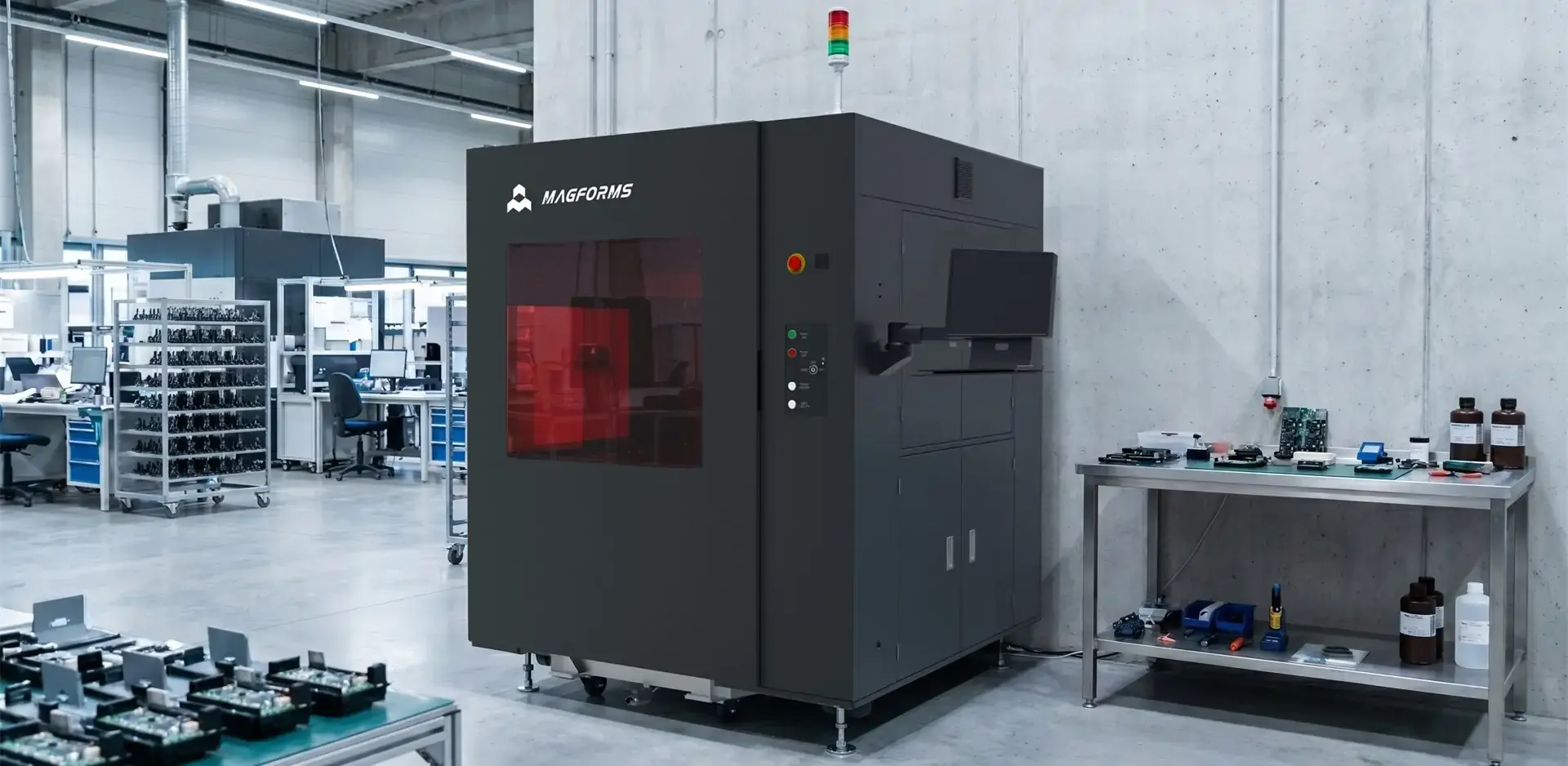
Critical Factors to Consider When Procuring an Industrial SLA 3D Printer
To select the right system, procurement teams must weigh technical specifications against business needs and budget. Common procurement mistakes include prioritizing initial purchase price over total operational costs or failing to accurately define required production throughput.
Defining Your Technical Requirements
One of the first factors to define is the required build volume. Build platforms larger than 600 mm × 600 mm can be valuable for large automotive prototypes, tooling, and other oversized components, while smaller platforms around 300 mm × 300 mm may be sufficient for many dental, medical, and precision applications. Depending on the machine and material, industrial SLA systems may offer layer thickness options ranging from approximately 0.05 mm to 0.15 mm. Thinner layers can improve surface quality and reduce visible layer stepping, while thicker layers can shorten build time when fine surface detail is less critical. Regardless of layer thickness, SLA parts may still require cleaning, support removal, and post-curing. Resolution specifications should be reviewed carefully. Dimensional accuracy should be evaluated based on the manufacturer's published specifications and test conditions. For example, the SL800 Industrial SLA 3D Printer specifies an accuracy of ±0.15 mm for dimensions up to 100 mm and ±0.15% × L for dimensions above 100 mm, subject to material, geometry, orientation, and process conditions. In systems equipped with variable laser spot technology, larger spot sizes can improve scanning efficiency in less detailed regions, while smaller spot sizes can reproduce fine features, edges, and complex geometries.
Comparing Additive Manufacturing Technologies
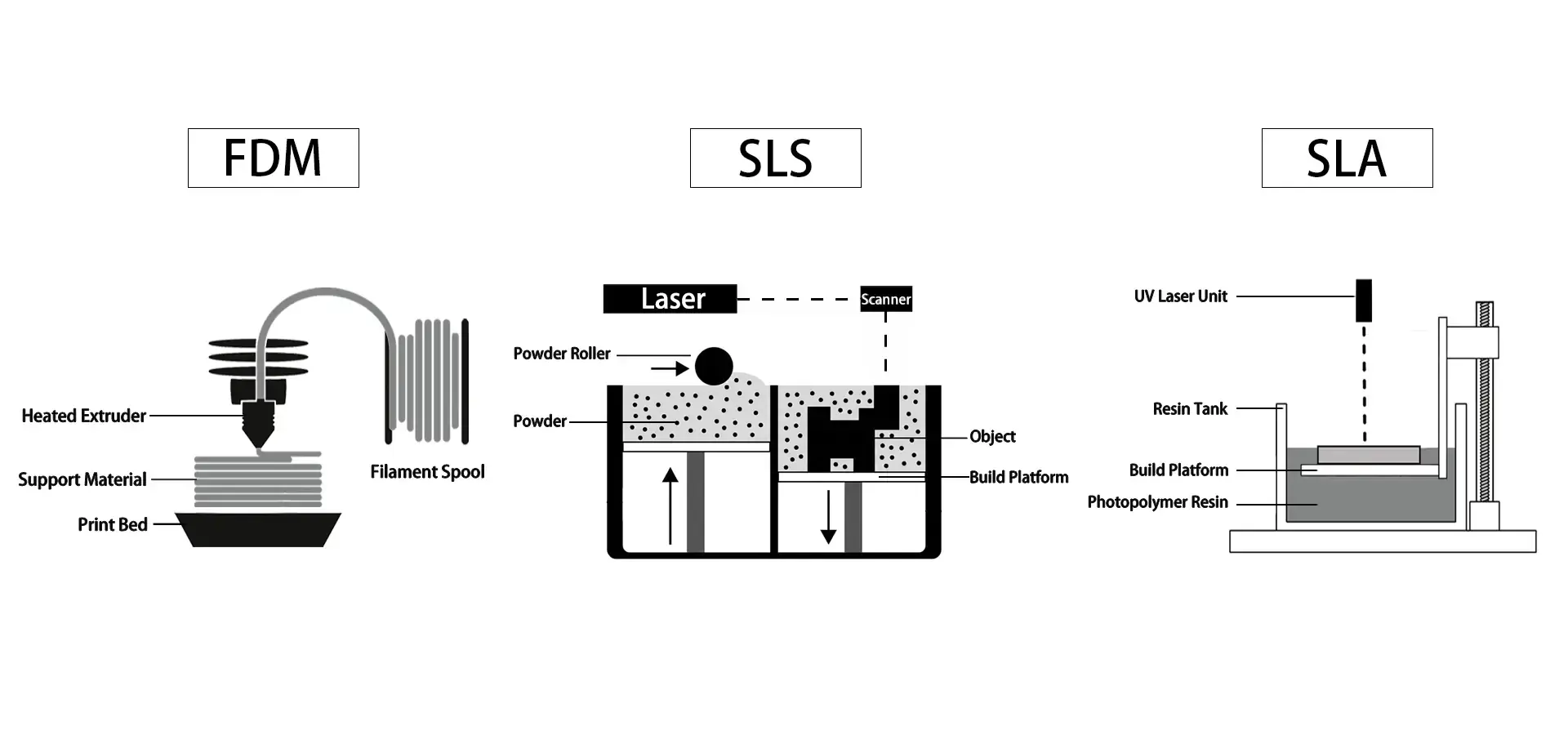
When surface finish and fine detail are important, Industrial SLA 3D Printer technology is often a strong option. To better understand the process behind these systems, you can explore how stereolithography (SLA) 3D printing works. Selective Laser Sintering (SLS) is widely used for functional polymer parts, while SLA is often preferred when smoother surfaces and finer feature reproduction are important. DLP can provide high productivity for applications that benefit from layer-wide exposure, while large-format systems require careful control of optical uniformity, pixel resolution, and dimensional calibration. Fused Deposition Modeling (FDM) is widely used for conceptual models, functional prototypes, fixtures, and larger components, particularly when material availability and mechanical performance are prioritized over fine surface finish. The price of materials, the steps needed after processing, and the frequency of upkeep should all be included in the cost analysis. Systems compatible with commercially available photopolymer resins designed for 355 nm laser-based SLA processes give users more options for where to get their materials, while proprietary material ecosystems can limit sourcing flexibility and increase dependence on a single supplier, which may affect long-term material costs and procurement options.
Software Integration and Workflow Efficiency
The performance of control software has a significant impact on daily productivity. Modern control platforms, such as iBuild 2.0, can improve usability through clear interfaces, streamlined workflow controls, and more accessible machine operation. Advanced scanning optimization algorithms can refine scan paths based on geometry and process data, helping reduce unnecessary motion and improve overall productivity compared with less optimized path-planning strategies. Actual performance gains depend on part geometry, material, and machine configuration. Integrated material databases can make it easier to manage resin profiles, processing parameters, and application-specific settings. Pre-configured or validated parameter sets for supported resin formulations can reduce the amount of trial-and-error testing required before production. Workflow-oriented machine designs may also improve post-processing efficiency. For example, systems with controlled platform lifting or drainage-oriented positioning can help excess resin return to the vat before parts are transferred for cleaning.
Procurement Strategies: How to Choose the Best Industrial SLA 3D Printer?
Strategic procurement involves more than technical requirements. It also includes supplier evaluation, financial planning, and long-term partnership development. Structured assessment frameworks help prevent impulsive purchasing decisions and ensure alignment with organizational goals.
The F-1 Criteria Screening Framework
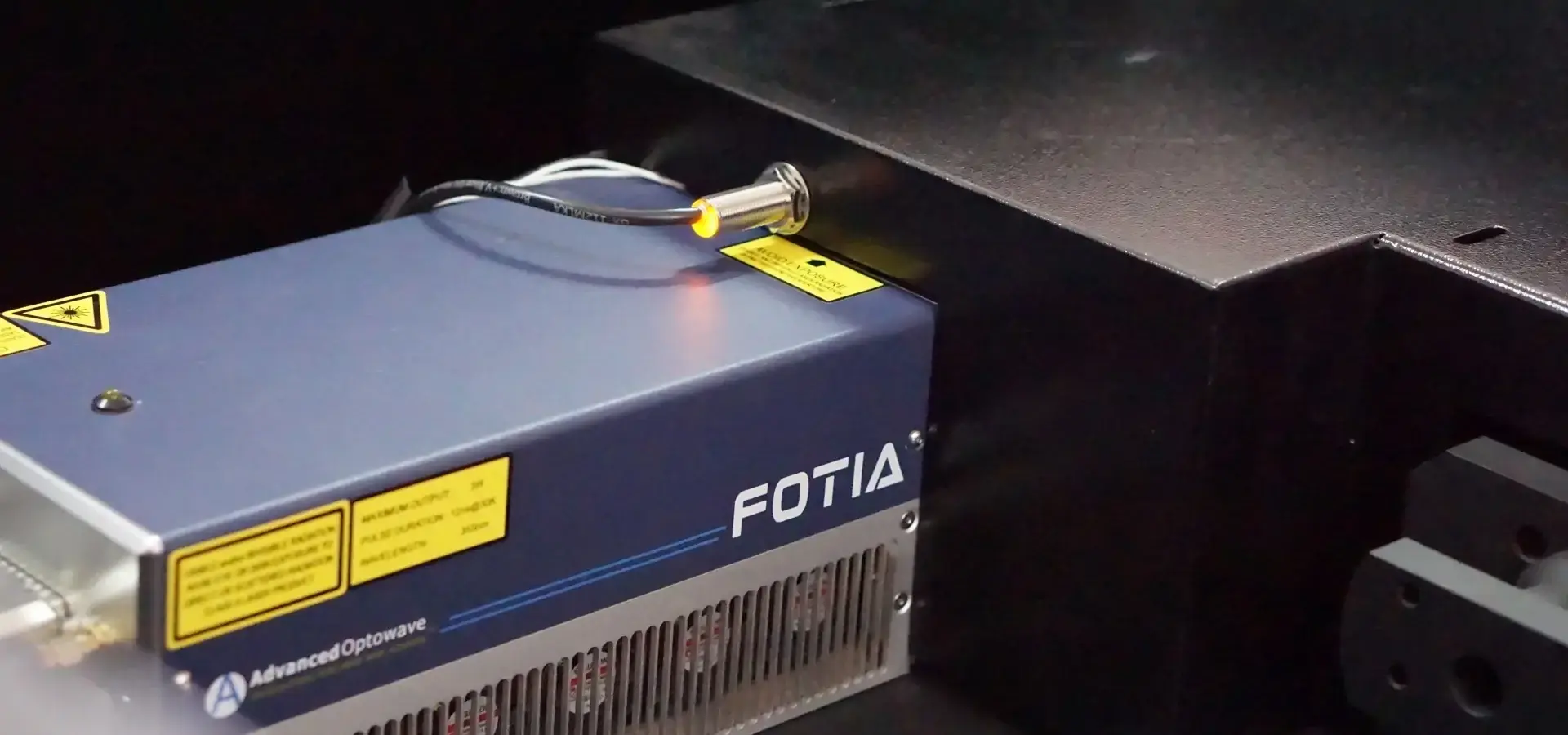
This methodical process rates candidates across several weighted categories. The quality and reliability of critical machine components should be among the primary evaluation criteria. For example, the use of established industrial components, such as Panasonic servo motors, HIWIN linear guides, and Schneider electrical components, can be one indicator of a manufacturer's approach to component quality and long-term maintainability. Laser stability and consistency are particularly important in industrial SLA, making the laser source and its integration into the optical system important factors to evaluate during procurement. Build platform flatness and mechanical stability can directly affect part consistency and large-format print reliability. Platform flatness requirements should be evaluated relative to the machine size and the manufacturer's published specifications, as larger build platforms generally require greater structural rigidity and careful leveling to maintain consistent performance across the build area. Procurement teams should examine the structural design of the platform and supporting frame, including material thickness, reinforcement methods, and long-term resistance to thermal and mechanical stress. Another important filter is material compatibility. Open-material systems that do not rely on proprietary material locks or mandatory authentication mechanisms allow organizations to qualify new materials and reduce costs. This adaptability is especially important when application requirements change or new specialized formulations become available.
F-2 Demand Matching Approach
Matching machine capabilities to production volume can help avoid both underutilized capacity and production bottlenecks. Mid-format systems equipped with variable laser spot technology may improve productivity by using different scanning strategies for detailed and less detailed regions. The actual improvement depends on part geometry, scan strategy, material behavior, and machine configuration. Batch production in large factories requires systems designed and validated for continuous or high-duty-cycle operation, supported by documented reliability data, maintenance procedures, and real production references. When selecting equipment size, consider future growth requirements. As production requirements grow, companies should consider whether a mid-format system around the 450 mm range can continue to support prototype development or whether future applications may require a larger build platform. In contrast, buying too much capacity locks up capital and raises running costs because larger systems may require greater resin inventory, more extensive material handling, and higher operating resources than the application actually requires.
Evaluating Supplier Reliability and Support Infrastructure
The quality of a manufacturer's technical documentation can provide an early indication of its engineering maturity and process management capabilities. Engineering maturity is shown by detailed parameter sheets, maintenance schedules, and troubleshooting guides. Ask suppliers to provide relevant industrial SLA 3D printing applications and customer projects that demonstrate experience with challenges similar to those in your industry. For example, aerospace components may require different application engineering expertise and validation procedures than housings for consumer electronics. After-sales support infrastructure has a significant impact on operational continuity. When problems occur, suppliers with professional technical teams, clearly defined response times, and effective remote or on-site support can help reduce costly production delays. Training programs make sure that your operators get the most out of the equipment, and regular software updates improve performance and make more materials compatible over the lifecycle of the system. Warranty terms and the ability to get new parts protect against costs that come up out of the blue. Premium manufacturers keep important parts like galvanometers, laser modules, and recoater assemblies in stock, which lets repairs happen quickly. Geographic service coverage is important for multinational businesses because equipment that can only be supported in a few regions makes global manufacturing networks more vulnerable.
Operational and Maintenance Tips to Maximize ROI on Industrial SLA 3D Printers
The cost of owning an industrial SLA system goes far beyond the initial purchase price. Whether equipment delivers the expected return on investment (ROI) or wastes resources depends on how well the equipment is maintained, how effectively operators are trained, and how consistently process quality is monitored.
Common Operational Challenges and Solutions
Common causes of print failure include inadequate support design, unsuitable part orientation, incorrect process parameters, contaminated or improperly conditioned resin, environmental instability, and mechanical or optical calibration issues. Stable temperature control can help maintain more consistent resin viscosity and processing conditions. Proper part orientation and support design can also improve resin drainage during the build and immediately after printing. Controlled platform lifting or drainage-oriented positioning can help excess resin return to the vat, reducing material waste and cleaning time. Over time, calibration drift can lead to dimensional inaccuracies. Scheduled verification using test geometries can identify deviations before they affect production parts. Z-axis positioning performance depends on the condition and calibration of the motion system, including components such as servo motors, transmission mechanisms, linear guides, and feedback systems. Regular maintenance and verification are necessary to maintain consistent positioning performance. Linear motion components should be lubricated and maintained according to the manufacturer's recommended maintenance schedule. Optical contamination can affect laser focus and reduce the amount of laser energy delivered to the resin. Protective covers, enclosed viewing panels, and appropriate machine lighting can improve operator visibility while helping protect critical optical components and reduce unnecessary exposure of light-sensitive resin to external light. Cleaning optical components according to the manufacturer's instructions can help prevent contamination-related energy loss and maintain consistent exposure conditions.
Material Storage and Handling Best Practices
Photopolymer resins should be stored in accordance with the manufacturer's recommended temperature range and protected from direct sunlight or unintended UV exposure. Tracking inventory age and expiration dates can help prevent the use of materials that may no longer meet their specified processing or performance requirements. Open-material systems can give manufacturers greater flexibility to qualify resins from multiple suppliers, provided that each material is properly tested and validated for the specific machine and application. Post-curing is used to achieve the target degree of conversion and the mechanical, thermal, or dimensional properties required for the specific resin and application. Cleaning methods vary by resin chemistry and manufacturer instructions; parts may be washed with isopropyl alcohol or another approved cleaning medium to remove uncured resin before post-curing.
Preventive Maintenance Scheduling
A systematic preventive maintenance program helps prevent major breakdowns and extends the service life of critical components. Routine maintenance tasks may include inspecting the resin handling system for contamination or leaks, checking the recoater or blade for wear, and cleaning designated optical windows or protective surfaces according to the manufacturer's maintenance schedule. At scheduled intervals, qualified personnel should verify critical parameters such as laser output, scanning performance, and mechanical positioning according to the manufacturer's recommended procedures. Parts that require specialized tools or technical expertise should be serviced once a year by factory-trained technicians. For an Industrial SLA 3D Printer, this annual service includes verifying the level and stability of the build platform or machine foundation, checking optical alignment, and maintaining the cooling system. By keeping detailed records of every maintenance task, operators can use historical data to troubleshoot issues more efficiently and support warranty claims when necessary. Software updates for an Industrial SLA 3D Printer do more than add new features. They can also improve supported material profiles, optimize workflow functions, and resolve bugs identified through field use. Installing updates during planned downtime rather than postponing them indefinitely helps ensure that the equipment benefits from the latest features and performance improvements developed through ongoing manufacturer research.
Emerging Trends and Future Outlook for Industrial SLA 3D Printing
Hardware capabilities, material science, and software intelligence are all advancing rapidly. When companies decide what to buy, they need to think about not only their current needs but also how new features will affect their ability to compete over the life of the equipment.
Hardware Innovation Driving Performance Boundaries
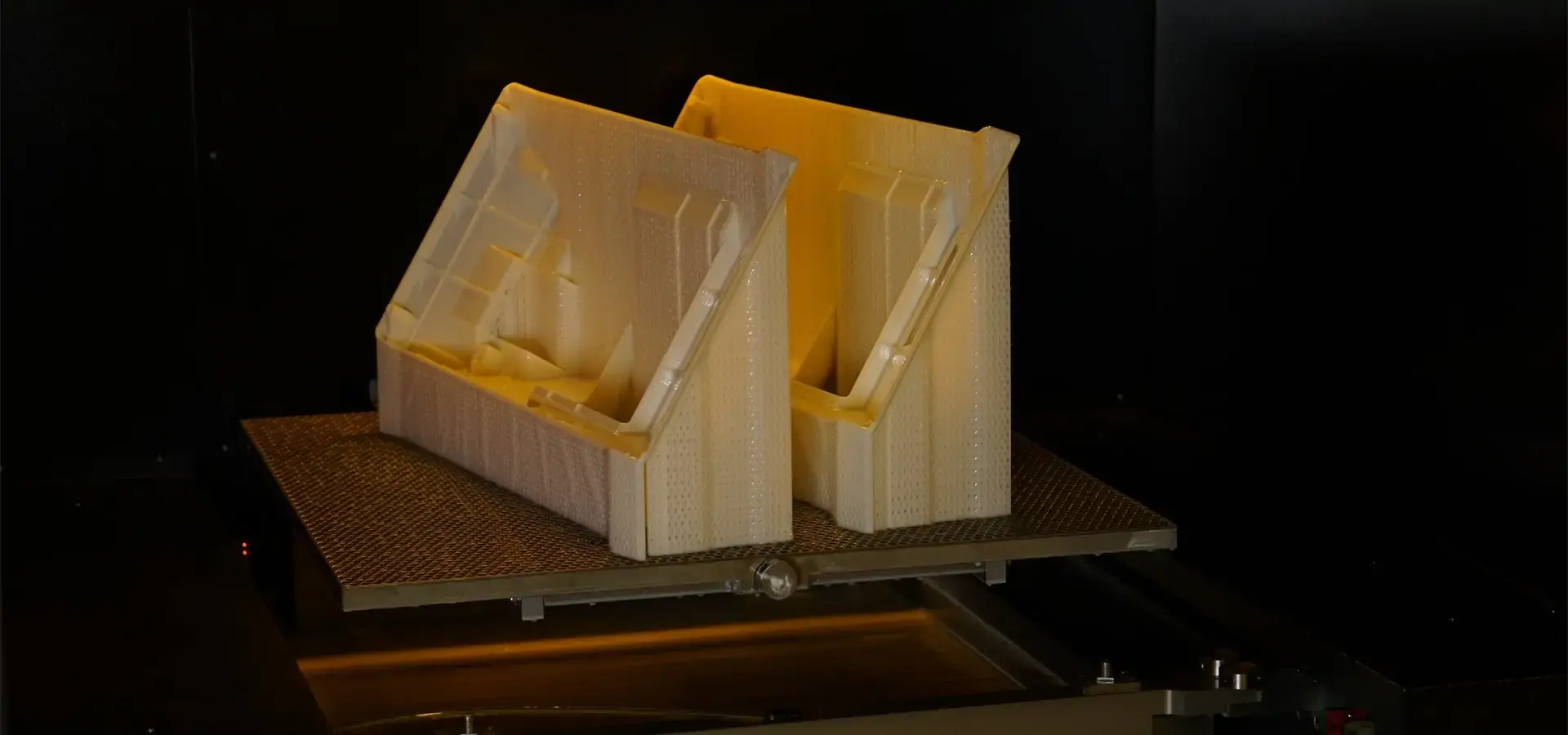
Variable laser spot technology is an approach used in some industrial SLA systems to balance scanning efficiency and feature resolution. The ability to adjust spot size between less detailed regions and fine-feature areas can help balance productivity and surface quality. This is even better with self-learning scanning systems, which use printing history to teach algorithms how to automatically find the best paths. These approaches can improve scanning efficiency by adapting path planning to geometry and process requirements, although the actual productivity gain varies by application and should be evaluated under comparable production conditions. Expanding the build area enables more ambitious applications. Large-format platforms with build dimensions exceeding 800 mm enable production of parts that previously required assembly from multiple components. High-mass mineral or granite-based structures, combined with improved thermal management, can contribute to mechanical stability and reduced sensitivity to vibration and temperature variation. In industrial laser-based SLA, surface quality is primarily influenced by factors such as layer thickness, laser spot size, scan strategy, contour definition, part orientation, and material behavior. Optimizing these parameters can reduce visible layer stepping and improve surface finish, which is particularly important for transparent parts where surface defects may affect optical clarity.
Advanced Material Development
Resin technology continues to advance, adding new functional capabilities. High-temperature photopolymer formulations with heat deflection temperatures above 100°C can expand the range of applications suitable for SLA, particularly for functional prototypes, tooling, and selected end-use components where the material requirements are appropriate. Flexible and elastomer-like photopolymers can provide properties suitable for applications such as soft-touch components, cushioning elements, and selected sealing or flexible prototypes. Certified biocompatible photopolymer materials can support selected medical and dental applications when the material, printing process, post-processing workflow, and intended use meet the relevant regulatory and validation requirements. Material property optimization is done more and more in collaboration with equipment makers. Collaboration between material developers and equipment manufacturers can improve the compatibility between resin formulations, exposure parameters, and machine performance. For example, resin formulations tuned for specific laser parameters can achieve better mechanical properties and faster curing. Materials developed and validated for specific process conditions generally provide more predictable performance than those used without application-specific parameter optimization.
Industry 4.0 Integration and Predictive Analytics
Connectivity transforms standalone machines into linked industrial assets. Real-time monitoring tracks print progress, material consumption, and equipment health. Data analytics can identify operating patterns and trends that may indicate maintenance needs before unplanned downtime occurs. Where appropriate sensors are available, machine data such as motor load, temperature, vibration, or other operating signals can be analyzed to identify maintenance trends before they develop into unplanned downtime. Cloud-connected material databases can allow validated parameter profiles and approved process updates to be distributed more efficiently across multiple machines or production locations. Manufacturers can validate and distribute approved parameter profiles for compatible machine configurations, helping users reduce repetitive setup work. This can reduce unnecessary local trial-and-error testing, although new materials and critical applications may still require application-specific validation. This infrastructure is especially helpful for multi-site businesses, because standardized processes help improve consistency across multiple production locations. Artificial intelligence can be used for more than just optimizing scanning paths. Automated support-generation algorithms can analyze part geometry and recommend support strategies based on factors such as orientation, overhangs, weight distribution, and expected process forces, reducing manual preparation time. This reduces material consumption and post-processing labor. Advanced build-preparation and simulation tools can evaluate printability before production and flag potential geometry, support, or process-related risks.
Conclusion
To buy stereolithography systems efficiently, you need to find a balance between technical requirements, total ownership costs, and the supplier's abilities. For businesses evaluating an Industrial SLA 3D Printer, reliability is ensured by high-quality parts from established component suppliers such as Scanlab and AOC, and material sourcing flexibility can be expanded through open-material architectures, provided that alternative resins are properly tested and validated for the specific SLA system and application. Preventive maintenance, good environmental controls, and ongoing training are all important for operational excellence. New technologies such as variable laser spot technology, self-learning algorithms, and predictive analytics will continue to improve performance. When choosing equipment, businesses should think about more than just their current needs. They should also think about their growth plans and technology roadmaps. Working with providers who offer comprehensive after-sales support and strong application and materials expertise helps you get the best long-term return on investment (ROI) and keep production running smoothly.
FAQ
1. How does positioning accuracy affect part quality?
Stable Z-axis positioning and consistent resin recoating or liquid-level control are important for maintaining dimensional consistency across the build height. The specific tolerances should be evaluated according to the manufacturer's specifications and validation procedures. High-quality motion components, combined with proper system integration, calibration, and preventive maintenance, can help maintain consistent positioning performance during long production runs. Consistent mechanical positioning helps reduce the risk of dimensional variation, layer misalignment, and other Z-axis-related surface defects.
2. What material compatibility should I expect?
Open-material systems may support a broad range of commercially available photopolymer resins designed for 355 nm laser-based SLA systems. However, new materials should still be tested and validated for exposure parameters, dimensional accuracy, mechanical performance, and post-processing requirements. Open designs let you try engineering-grade, transparent, high-temperature, and flexible formulations from a number of different sources, which cuts costs while keeping performance high. Stable temperature control can help maintain more consistent resin viscosity and process conditions, but different resin formulations may still require different exposure and processing parameters.
3. How important is after-sales support infrastructure?
When problems happen, professional technical teams with clearly defined response times can help reduce production interruptions and minimize costly downtime. Comprehensive training programs help operators become more skilled, and regular software changes make machines work better. Geographic service coverage and the availability of replacement parts protect against failures and periods of downtime that hurt ROI calculations.
Partner with Magforms for Your Industrial SLA 3D Printer Needs
Magforms has been combining materials science and precision engineering for more than ten years, has 22 patents, and works with more than 300 businesses around the world. Our systems use Scanlab galvanometers, AOC laser sources, and Panasonic servo motors along with our own variable spot technology and self-learning algorithms. For example, the SL800 specifies dimensional accuracy of ±0.15 mm for dimensions up to 100 mm and ±0.15% × L for dimensions above 100 mm, subject to material, geometry, orientation, and process conditions. The iBuild 2.0 control platform is easy to use, and our professional after-sales team answers questions within 24 hours to make sure your production schedule stays on track. Magforms offers integrated equipment, process, and material support designed to help customers evaluate resin compatibility and establish reliable printing parameters for their applications. You can talk to our technical experts at info@magforms.com about your specific needs, ask for sample parts that show off our precision and surface finish, or set up an on-site demonstration.
References
1. Gibson, I., Rosen, D., & Stucker, B. (2021). Additive Manufacturing Technologies: 3D Printing, Rapid Prototyping, and Direct Digital Manufacturing. Springer International Publishing.
2. Jacobs, P. F. (2020). Stereolithography and Other RP&M Technologies: From Rapid Prototyping to Rapid Tooling. Society of Manufacturing Engineers.
3. Wohlers, T. (2022). Wohlers Report 2022: 3D Printing and Additive Manufacturing Global State of the Industry. Wohlers Associates.
4. ASTM International (2021). ASTM F2792-12a: Standard Terminology for Additive Manufacturing Technologies. ASTM Committee F42 on Additive Manufacturing Technologies.
5. Huang, J., Chen, Q., & Wang, L. (2023). "Precision Analysis and Optimization of Industrial Stereolithography Systems." Journal of Manufacturing Science and Engineering, 145(3), 031008.
6. Greer, C., Burns, M., & Sercel, J. (2019). Testing and Validation Protocols for Industrial Additive Manufacturing Equipment. National Institute of Standards and Technology Special Publication.

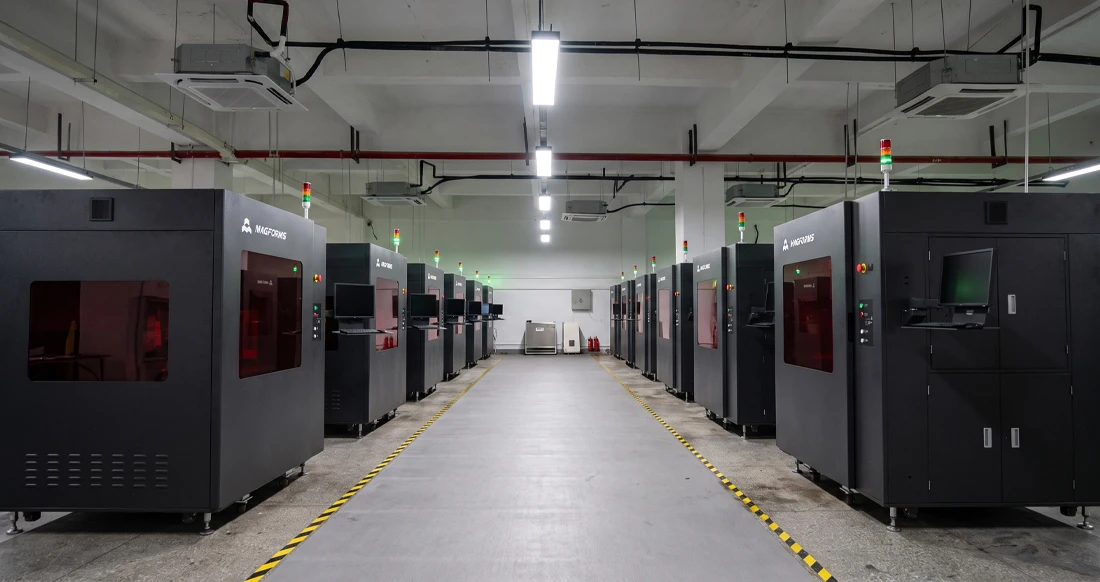
Magforms makes design and manufacture easier.
Popular Blogs
-
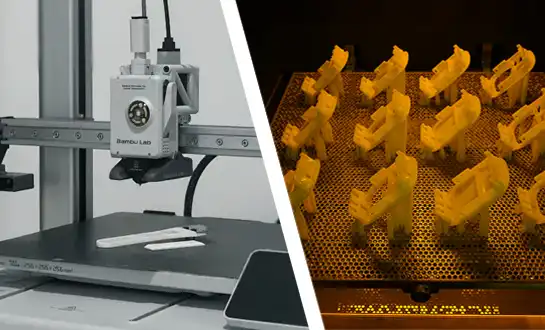 Industry InsightsManufacturing Industry
FDM vs. SLA Printer: Which Technology Is Right for Your Project?
-
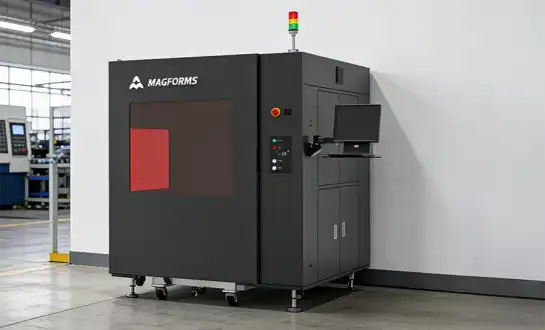 Industry InsightsManufacturing Industry
Top 5 Applications of Industrial 3D Printers in Manufacturing Today
-
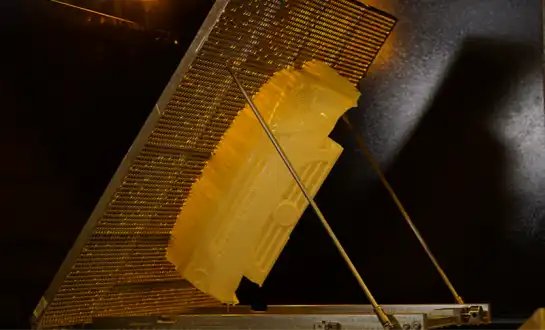 Industry InsightsManufacturing Industry
Why Stereolithography 3D Printers Are Unmatched for Microfluidic Device Prototyping?