Industrial SLA 3D Printer Safety and Compliance: What Manufacturers Must Know
Operating stereolithography additive manufacturing systems requires a strong understanding of engineering principles, process control, workplace safety, and regulatory compliance. When companies use an Industrial SLA 3D Printer, they introduce photopolymer resins, enclosed 355 nm UV laser systems, and precision motion components into production environments serving industries such as electronics, aerospace, medical devices, and automotive manufacturing. Understanding safety requirements is essential for protecting operators, maintaining production quality, and meeting applicable regulatory standards. The following sections outline key hazards, regulatory requirements, and best practices for safe operation.
Understanding Safety Challenges in Industrial SLA 3D Printing
Chemical Exposure and Resin Handling Risks
Photopolymer resins used in stereolithography systems contain reactive monomers and photoinitiators that may cause skin irritation, sensitization, or respiratory discomfort under improper handling conditions. Direct skin contact with uncured resin may cause allergic dermatitis, and airborne particles generated during sanding and post-processing can pose respiratory risks. These hazards make proper ventilation and resin handling controls essential. Large-format systems such as the Helios-P800 require production environments with appropriate ventilation, resin management procedures, and operator protection measures.
Resin storage requirements depend on the chemical formulation and local regulations. Manufacturers should review Safety Data Sheets (SDS) and follow applicable storage requirements, including NFPA guidelines when resin formulations meet flammable liquid classifications. Cross-contamination risks in multi-material workshops should be managed through proper material labeling, dedicated containers, cleaning procedures, and spill control measures.
Laser and UV Radiation Hazards
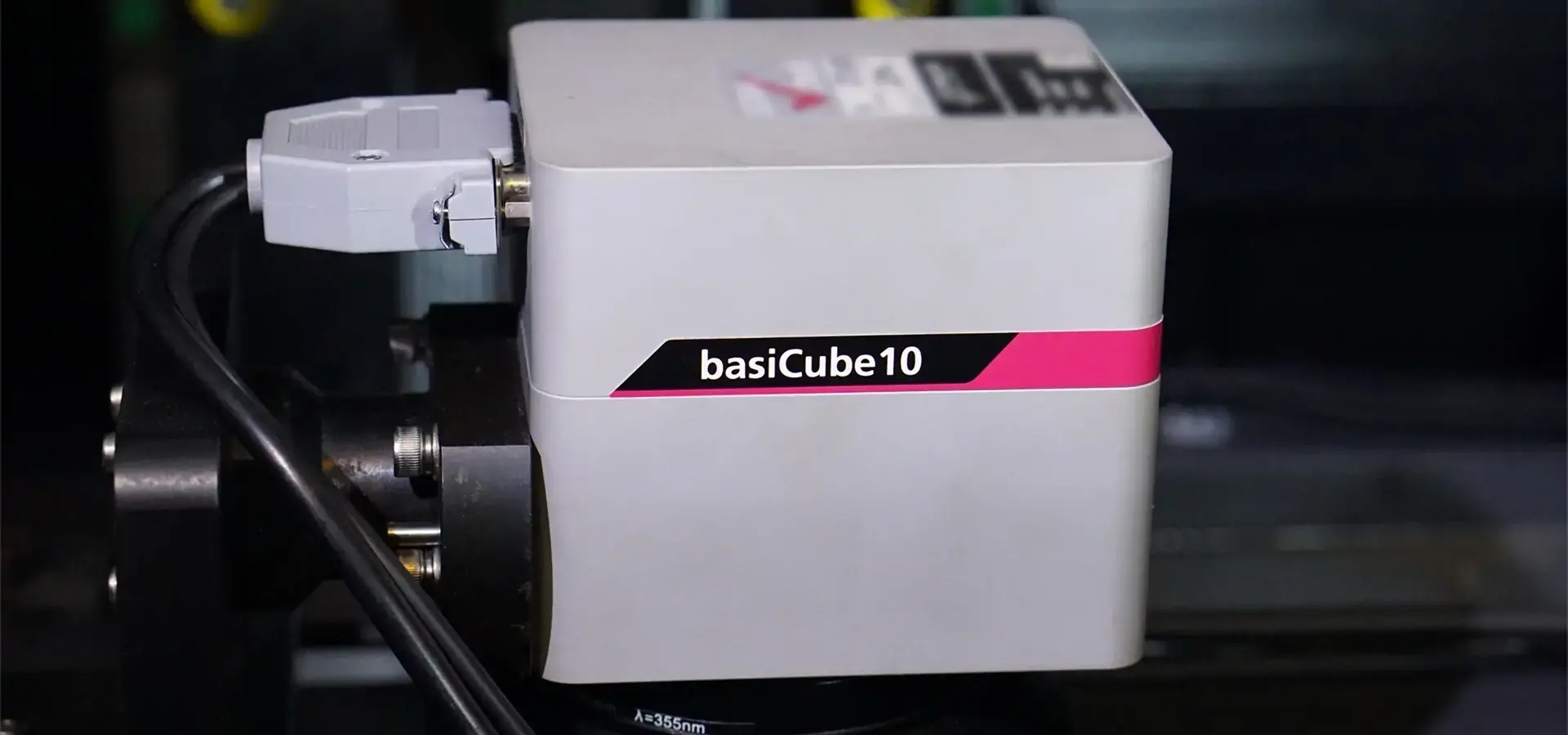
To cure liquid photopolymer resin layer by layer, Industrial SLA 3D Printer systems typically use 355 nm UV laser sources controlled by precision optical scanning systems. Direct exposure to high-energy UV laser radiation can potentially cause serious eye injuries, including retinal and corneal damage. The level of risk depends on laser power, exposure duration, and distance from the source. Precision galvanometer systems and laser sources enable accurate and high-speed laser scanning. The galvanometer system controls beam positioning, while the laser source provides the energy required to selectively cure photopolymer resin during the SLA printing process.
Mechanical and Electrical Safety Concerns
High-precision motion systems using industrial servo motors, precision linear guides, and calibrated mechanical components enable accurate platform movement. Overall positioning accuracy depends on the complete mechanical structure, calibration process, and control system. The resin recoating mechanism moves across the build area at controlled heights to distribute a uniform resin layer. Any obstruction, excessive resin buildup, or detached part can cause mechanical interference and affect print reliability. Large-format SLA systems require stable installation surfaces, sufficient maintenance space, and proper positioning to ensure safe operation and consistent print performance.
Electrical systems in industrial SLA equipment must comply with applicable electrical safety standards, such as NFPA 70 requirements in the United States. Industrial SLA equipment should incorporate appropriate electrical protection systems, emergency stop functions, and safety components that comply with applicable standards. Temperature control systems help maintain stable resin viscosity during printing, especially in environments where temperature fluctuations may affect curing behavior and print consistency.
Regulatory Frameworks and Industry Standards
Equipment supplied to global markets may need to comply with applicable regulations and standards required for CE marking. For European markets, compliance may involve applicable machinery, electrical safety, and electromagnetic compatibility requirements depending on equipment design. In the United States, OSHA requirements such as Hazard Communication (29 CFR 1910.1200) require employers to communicate chemical hazards, while respiratory protection programs under 29 CFR 1910.134 may apply when exposure assessments indicate respiratory risks. RoHS guidelines limit the use of dangerous materials in electrical parts, and REACH rules control the registration and authorisation of chemicals along the supply chain.
Companies producing medical and dental applications with Industrial SLA technology, such as surgical guides or anatomical models, need to ensure that their manufacturing processes align with applicable quality management requirements, including ISO 13485 and relevant regulatory frameworks. Aerospace suppliers often follow AS9100 quality management requirements, which emphasize process control, traceability, and documentation throughout manufacturing operations. Automotive suppliers may reference quality management frameworks such as IATF 16949 when additive manufacturing processes are integrated into automotive product development or production workflows. These industry-specific requirements extend basic safety practices into broader quality management and production control systems.
👉 Explore how Industrial SLA technology is applied in real production environments through our Industrial SLA 3D printing application cases.
Core Safety & Compliance Requirements Manufacturers Must Implement
Material Storage, Handling, and Disposal Protocols
Effective resin management begins with controlled storage conditions based on resin manufacturer recommendations, helping prevent premature curing, viscosity changes, and material degradation. Inventory tracking systems record material lot numbers and expiration dates, which are important for traceability in regulated industries such as medical and aerospace manufacturing. Secondary containment systems can help limit the impact of accidental spills from resin containers or storage vessels. Specific containment requirements should follow applicable local safety regulations.
When handling uncured photopolymer resins, operators should use appropriate chemical-resistant PPE, including nitrile gloves, safety glasses with side protection, and protective clothing.
To prevent material contamination, waste resin and contaminated supports should be collected in approved containers labeled according to resin type and disposal requirements. In the United States, EPA RCRA regulations may apply to resin waste management depending on waste classification and local requirements. Some facilities cure leftover resin to reduce liquid handling risks, though cured waste may still be subject to environmental regulations depending on the region.
Machine Safety Features and Protective Systems
Advanced stereolithography equipment integrates multiple protective layers, preventing operator exposure to hazards during operation. Laser safety interlocks stop laser emission when access panels are opened, while safety switches monitor enclosure status to ensure safe operation. Optical protection systems, including safety covers and UV-filtering viewing windows, allow operators to monitor printing while reducing exposure risks.
Emergency stop buttons provide rapid interruption of hazardous machine functions, including motion systems and laser emission, according to the equipment safety design. Advanced control software continuously monitors machine status and detects abnormal conditions related to motion, laser operation, or recoating processes. Automated safety responses help reduce potential equipment damage and operational risks when abnormal conditions occur. Temperature monitoring systems track ambient and resin conditions to prevent overheating and maintain stable printing conditions.
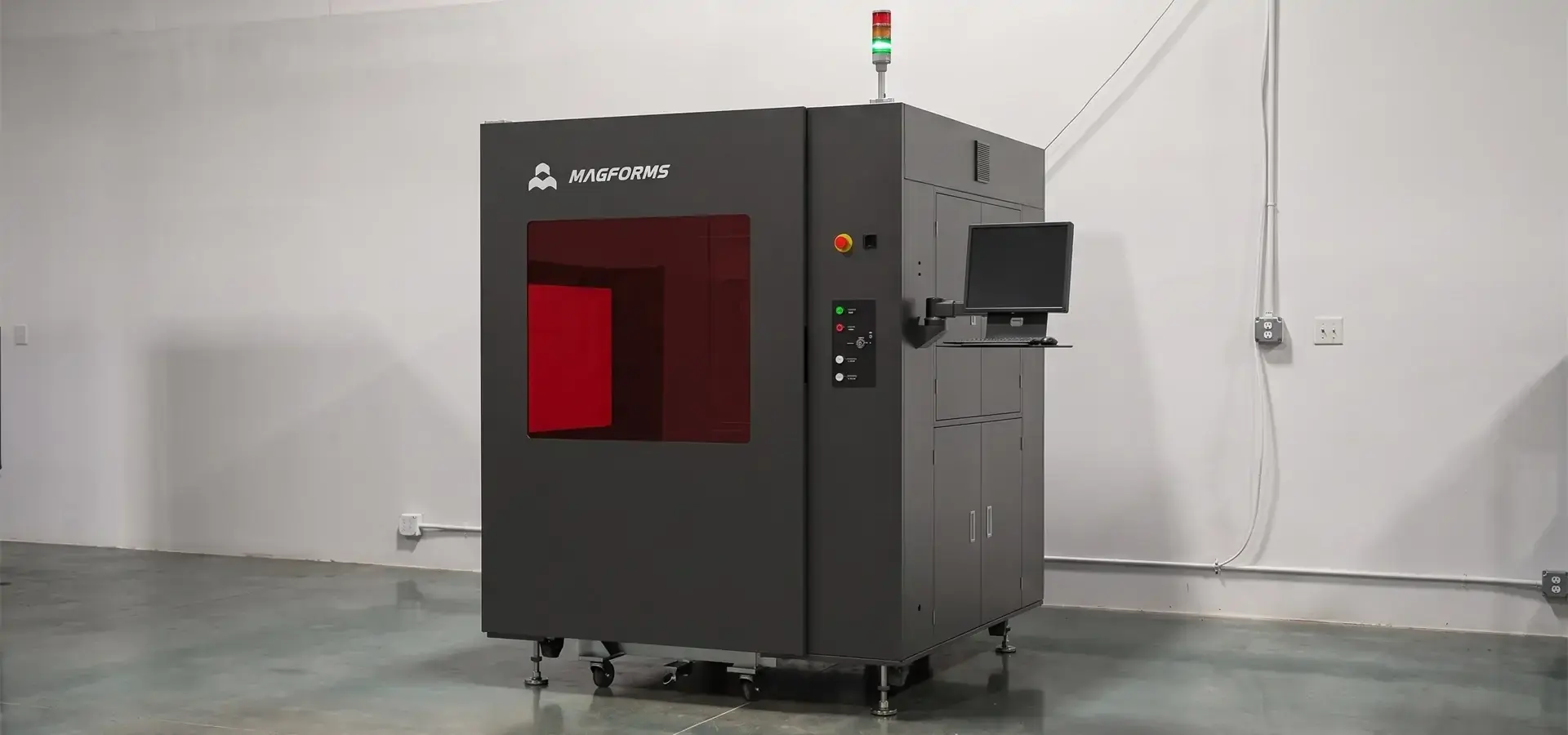
👉 Explore Magforms Helios-P800 Industrial SLA 3D Printer
Operator Training and Standard Operating Procedures
Comprehensive operator training programs cover machine operation, resin handling, emergency procedures, and applicable safety requirements. Training duration depends on machine complexity, application requirements, and operator responsibilities. Basic training typically covers equipment operation, resin handling, and safety procedures, while technical personnel require additional training in maintenance and troubleshooting. Regulated industries such as aerospace and medical manufacturing may require periodic training reviews to maintain operator competency.
SOPs should cover key production steps, including equipment inspection, resin preparation, build file verification, post-processing procedures, and shutdown operations. Job hazard analyses identify specific risks associated with each operation and define appropriate control measures. During processes such as sanding or grinding cured parts, appropriate respiratory protection should be considered based on workplace exposure assessments and ventilation conditions. SOPs include visual instructions for PPE usage, part removal procedures, and quality inspection criteria. Accident reporting systems track near misses and safety incidents, supporting continuous improvement processes.
Preventive Maintenance and Calibration
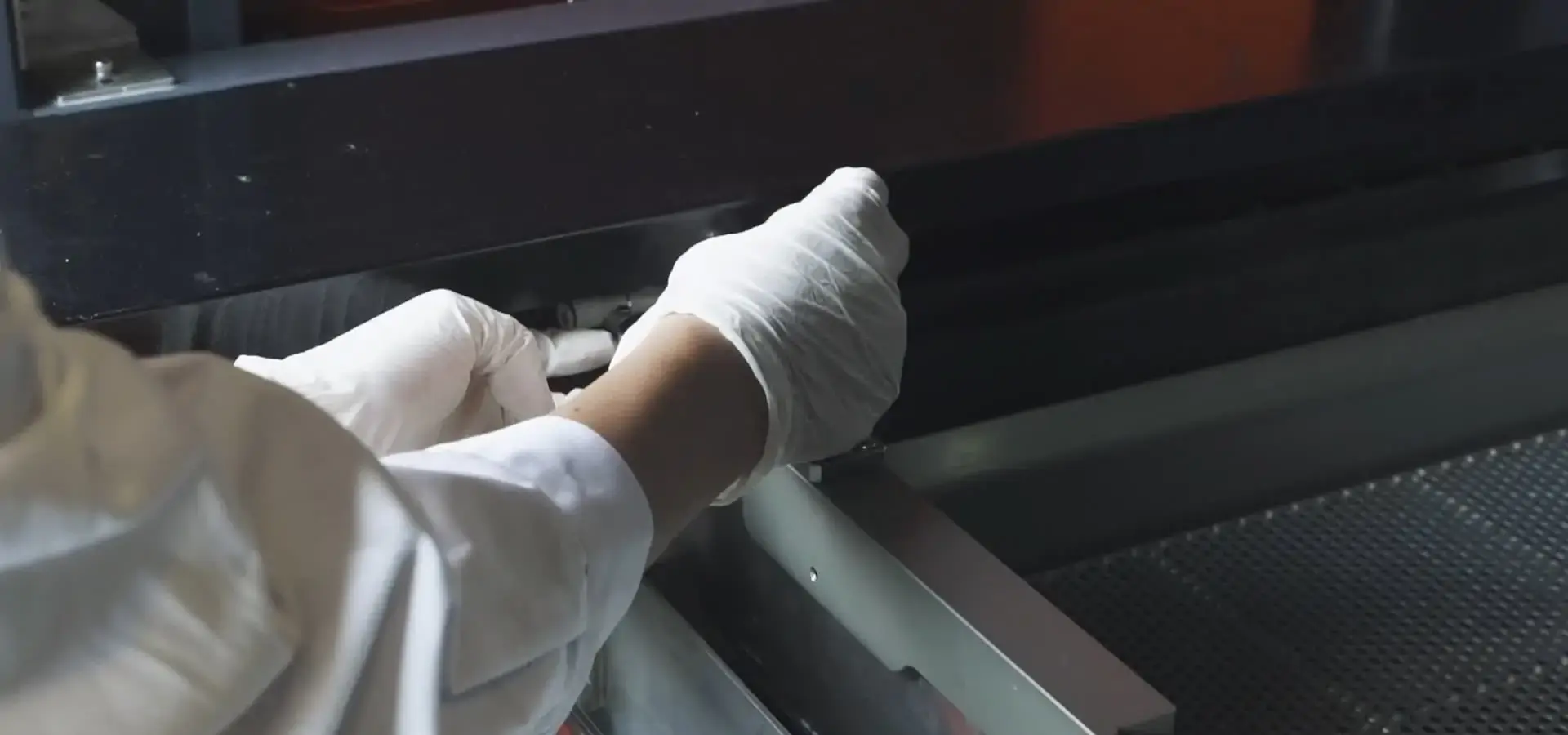
A structured maintenance program prevents equipment failures while maintaining print quality, dimensional accuracy, and operational reliability. Maintenance schedules should include inspection of optical components, resin levels, recoating systems, mechanical parts, emergency stops, and safety interlocks according to manufacturer recommendations. Scheduled maintenance should include inspection of ventilation components, platform calibration, and laser output verification according to equipment requirements.
Helios-P800's precision motion components require regular inspection to prevent positioning errors and mechanical wear during long-term operation. Maintenance plans for laser sources depend on the type of laser. For example, Industrial SLA laser systems typically require periodic inspection of optical alignment, laser output performance, and cooling systems to maintain stable curing accuracy over time.
Documenting maintenance activities for Industrial SLA 3D Printer systems creates compliance records that support regulatory audits, quality management, and safety investigations. Calibration records for measurement tools, including laser power meters and dimensional inspection equipment, support accuracy verification and quality control processes.
Comparing Safety and Compliance: Industrial SLA vs Other 3D Printing Technologies
Chemical Handling: SLA Resins vs FDM Filaments
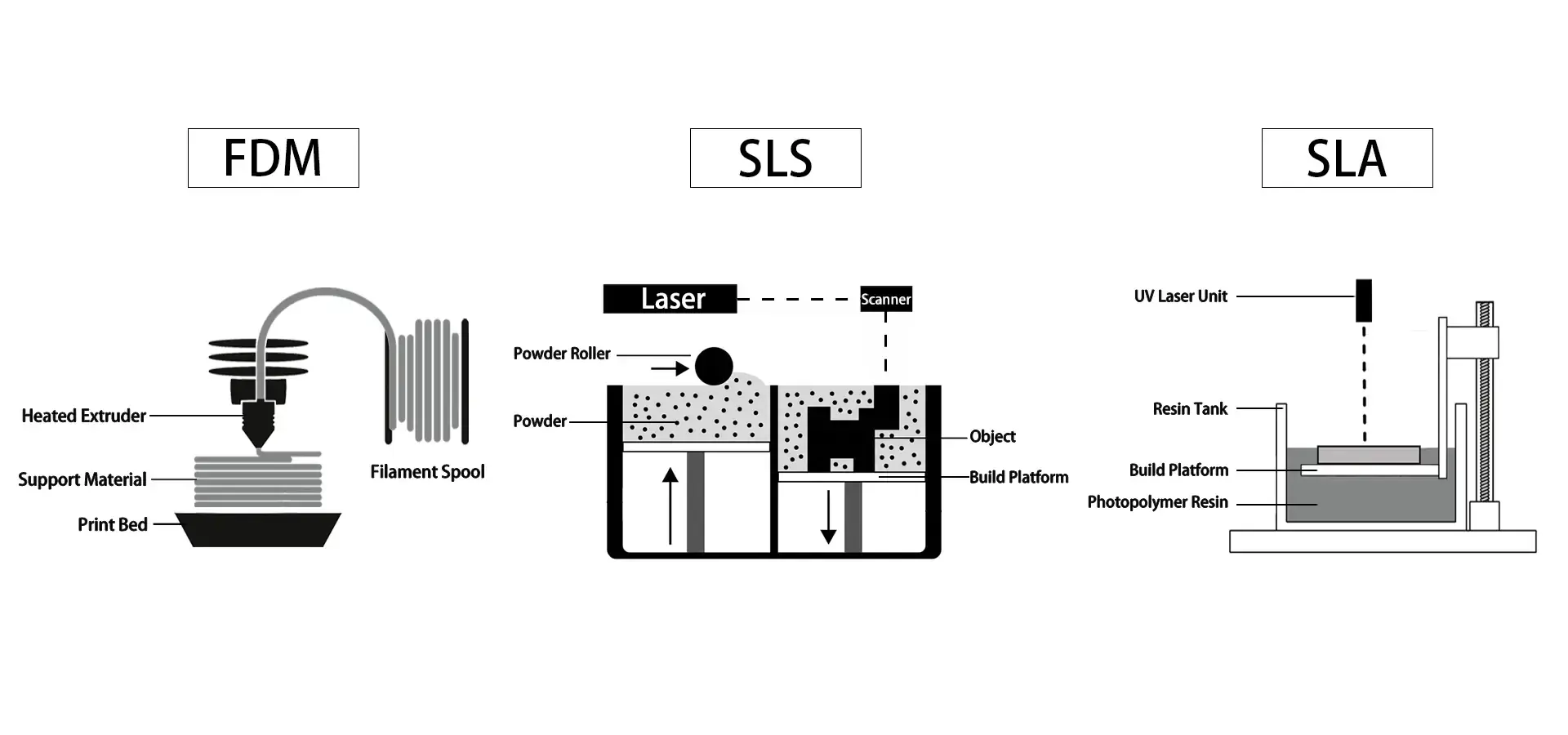
Fused deposition modeling (FDM) thermoplastic filaments and stereolithography liquid photopolymer resins involve different material handling considerations and operational risks. Resin exposure risks may occur during material loading, printing preparation, part removal, cleaning, and post-processing activities. In contrast, FDM systems mainly involve thermal hazards from heated nozzles and build platforms, while certain thermoplastics may require ventilation considerations due to emissions during printing.
SLA systems compatible with a wide range of photopolymer resins designed for 355 nm laser curing provide greater material flexibility, although each new resin requires validation through SDS review, hardware compatibility testing, and print performance verification. Standard filaments have established parameters, but engineering-grade FDM materials often demand tighter moisture control and process management.
Laser Safety: SLA vs SLS Technologies
High-power lasers are used in both stereolithography and selective laser sintering (SLS), but the safety standards are very different. Industrial SLA systems using 355 nm UV lasers require appropriate optical shielding and safety systems designed for the specific laser wavelength and power level. SLS systems typically use infrared laser sources and require different optical protection and powder handling controls compared with SLA systems. Some SLS applications involving combustible powders may require additional powder management, ventilation, or explosion prevention measures depending on material characteristics and regulations.
Laser classification helps determine required enclosure design, safety controls, and operational procedures. It is important to distinguish between the laser source classification and the complete equipment classification. While the internal UV laser source may belong to a higher laser classification, fully enclosed industrial SLA systems with appropriate safety interlocks can achieve safer equipment classifications depending on certification requirements. In contrast, open-architecture research systems with higher accessible laser classes require designated laser safety officers, warning signage, and controlled access areas.
Material Waste and Environmental Compliance
With SLA technology, supports, failed prints, and cleaning agents all produce liquid resin waste that needs to be thrown away safely. Waste handling costs vary significantly depending on local regulations, waste classification, transportation requirements, and disposal providers. Variable laser spot technology can optimize scanning strategies and, in suitable applications, reduce support material usage by 20–35%, directly lowering hazardous waste generation and disposal costs.
FDM systems generate solid thermoplastic waste that may be recyclable in certain workflows, but degraded mechanical properties after repeated processing typically limit reuse to non-essential tasks. Unfused SLS powder can often be partially recycled depending on the material type, machine design, and manufacturer recommendations. Recycling ratios vary significantly between applications. Waste volume and recyclability are therefore increasingly critical factors in both total cost of ownership and sustainability compliance.
Leveraging Latest Industrial SLA 3D Printer Technologies for Enhanced Safety
Automated Resin Management Systems
Some advanced stereolithography platforms incorporate automated resin management systems that help maintain consistent material levels and reduce the need for frequent manual handling. These systems can minimize operator contact with uncured resin and improve production consistency. Temperature monitoring and resin management systems help maintain stable processing conditions during extended builds. When combined with digital material tracking, these automated handling systems also streamline safety and compliance documentation.
Enhanced Ventilation and Filtration
Industrial-grade ventilation systems designed for photopolymer processing may combine different filtration methods to address VOCs and airborne particles separately. Activated carbon filtration can help reduce volatile organic compounds (VOCs), while HEPA filtration may capture airborne particles generated during sanding or finishing processes.
Ventilation requirements depend on resin chemistry, production volume, room layout, and local occupational safety regulations. Properly designed ventilation systems should maintain airborne contaminant levels within applicable exposure limits. Continuous air quality monitoring with audible alarms alerts operators when ventilation performance degrades, preventing unsafe exposure levels.
Smart Monitoring and Predictive Maintenance
Some industrial additive manufacturing systems integrate IoT connectivity and data monitoring capabilities to track operational parameters and identify potential maintenance needs before failures occur. Deviations in laser output, motor performance, or positioning accuracy can signal emerging issues, enabling timely intervention. Remote diagnostic capabilities allow technical support teams to troubleshoot issues, often resolving problems through software adjustments without on-site service visits. Predictive maintenance extends equipment lifespan, reduces unexpected downtime, and prevents safety incidents caused by failed components.
Safety Certifications and Third-Party Validation
Procurement decisions should prioritize equipment bearing recognized safety certifications from accredited testing laboratories. CE marking demonstrates compliance with applicable European requirements, while UL or ETL certification may support compliance for North American markets depending on product category and regional requirements. Third-party testing can verify safety functions such as protective interlocks, electrical safety performance, and applicable material compliance requirements.
Procurement Best Practices for Compliant and Safe Industrial SLA 3D Printers
Evaluating Safety Features During Equipment Selection
Procurement specifications should explicitly detail required safety features beyond basic regulatory compliance. Comprehensive safety evaluation criteria include:
Enclosure integrity: Verify full coverage preventing access to laser paths during operation, with robust interlocks on all access points tested to withstand repeated cycling without degradation.
Emergency controls: Test emergency stop accessibility from all normal operator positions, confirm immediate cessation of hazardous motion and laser emission, and verify automatic restart prevention requiring deliberate reset procedures.
Material handling aids: Evaluate features that minimize manual resin contact and improve resin recovery efficiency.
Optical protection validation: Request documentation confirming that viewing windows and protective covers provide appropriate UV shielding for the system's laser wavelength. Aging testing demonstrates long-term performance, as UV-blocking coatings can degrade with prolonged exposure.
These features integrate safety into fundamental equipment design rather than relying solely on operator discipline and procedural controls. Well-engineered systems make safe operation the easiest operating mode, while unsafe actions require deliberate override, defeating multiple protection layers.
Assessing Supplier Support and Service Capabilities
Equipment reliability directly impacts safety—unexpected failures during operation create hazardous conditions requiring immediate response. Supplier evaluation should verify:
Technical support responsiveness: Responsive technical support is an important factor when selecting an Industrial SLA 3D Printer supplier. Fast communication and effective troubleshooting help minimize production interruptions and maintain stable operation. Geographic service coverage and local spare parts inventory determine realistic repair timelines.
Training program comprehensiveness: Effective operator training reduces both safety incidents and production errors. Assess curriculum depth, hands-on practice opportunities, certification testing rigor, and continuing education offerings supporting skill development as technology evolves.
Documentation quality: Complete operational manuals, maintenance procedures, safety guidelines, and troubleshooting references in the operator's native languages prevent misunderstandings compromising safety.
Long-term parts availability: The use of industrial-grade components from established global suppliers ensures sustained reliability and simplifies long-term maintenance. Supplier commitment to long-term support helps extend equipment usability and reduces the risk of premature replacement.
The integration of materials expertise with equipment engineering—as seen in companies originating from 3D printing materials specialization—provides unique advantages. Deep understanding of resin chemistry, curing kinetics, and material stress behavior enables optimization that generic equipment manufacturers cannot match, delivering higher dimensional accuracy and print success rates while reducing trial-and-error waste generation.
Total Cost of Ownership Analysis Including Compliance
A complete cost analysis should consider:
Costs of materials and compatibility: Material expenses are heavily influenced by resin sourcing flexibility. Open material compatibility avoids vendor lock-in and the premium pricing of closed ecosystems, directly lowering long-term material costs.
Costs of getting rid of waste: As discussed in the waste comparison, the 20–35% reduction in support material from variable spot technology also translates directly into lower ongoing waste disposal costs.
Maintenance and replacement parts: Predictive maintenance strategies can help reduce unexpected downtime by identifying abnormal operating conditions earlier and allowing maintenance teams to take preventive action. But more advanced tracking systems might have monthly fees that need to be weighed against the benefits of dependability.
Compliance costs: Equipment with built-in, internationally compliant safety features reduces the need for facility modifications and add-on protective measures, lowering overall compliance-related expenses.
Energy use: Energy consumption varies by system size and build volume. Industrial SLA systems incorporate heating elements to maintain stable resin viscosity, which contributes to overall power draw. In cold environments, this thermal management can represent a meaningful portion of operational energy costs.
Validating Performance Through Sample Testing
Before buying expensive equipment, producers should make sure that sample parts are made using real production materials and operating settings. Sample testing proves:
Dimensional accuracy should be verified through measurement and testing using representative production parts rather than relying only on published specifications.
Surface finish quality should be evaluated using application-specific parts, especially for transparent components or prototypes requiring post-processing and finishing.
Material compatibility with needed resin formulations—testing with real engineering resins, flexible materials, or high-temperature formulations shows any problems with processing or compatibility limits before committing to buy.
Production throughput is possible in real-world settings; Laser scanning speed is only one factor affecting overall build time. Actual production efficiency also depends on part geometry, layer thickness, support requirements, resin properties, and machine workflow optimization.
Testing sample parts also provides an opportunity to evaluate the supplier's technical support responsiveness.
Conclusion
To be successful at manufacturing with stereolithography additive systems, safety and compliance must be built into every step of the process, from buying the tools to doing the daily work of production. Because SLA technology has chemical, optical, and mechanical risks, it needs engineered controls, strict procedures, and constant watchfulness. Compliance can be supported through equipment with appropriate safety systems, controlled material handling processes, and effective production management.
FAQ
1. What safety certifications should industrial SLA equipment possess?
Equipment should carry CE marking for European markets, UL or ETL listing for North American installations, and comply with ISO 12100 machinery safety standards. Medical and aerospace applications may require additional ISO 13485 or AS9100 certifications demonstrating quality management systems integration. Request documentation from accredited testing laboratories rather than manufacturer self-certification.
2. How often should stereolithography equipment undergo safety inspections?
Inspection frequency depends on equipment design, production intensity, and manufacturer recommendations. Monthly maintenance includes calibration verification and consumable replacement. Annual comprehensive inspections by qualified technicians validate continued compliance with safety standards and manufacturer specifications.
3. What personal protective equipment do SLA operators require?
Minimum PPE typically includes chemical-resistant gloves, safety glasses with side shields, and protective clothing; respirators may be needed based on exposure assessments.
4. Can resin waste from SLA printing be safely disposed of in regular trash?
Uncured resin waste may require controlled disposal procedures depending on local environmental regulations and waste classification. Some manufacturers cure waste resin to a solid form using UV exposure before disposal, converting liquid hazardous waste to less-regulated solid waste streams, though local regulations vary.
Partner with Magforms for Compliant Industrial SLA 3D Printer Solutions
Magforms delivers integrated stereolithography systems engineered for safety, compliance, and production reliability. Helios-P800 incorporates industrial-grade optical, galvanometer, and motion components designed for stable long-term production. Our open material architecture reduces long-term costs, and our materials expertise ensures optimized processing.
With 22 patents, 30 registered trademarks, and experience serving 300+ global enterprises across aerospace, medical, automotive, and electronics sectors, we understand industry-specific compliance requirements. Our professional after-sales team responds within 24 hours, minimizing production disruptions and maintaining regulatory compliance throughout equipment lifecycles.
Whether you're establishing a 3D printing service bureau, enhancing automotive prototyping capabilities, or scaling medical device production, contact our team at info@magforms.com. Discover how partnering with an experienced Industrial SLA 3D Printer manufacturer reduces compliance burden while delivering the precision, reliability, and safety your operations demand.
References
1. American National Standards Institute. (2020). Safe Use of Lasers in Manufacturing Environments (ANSI Z136.1-2020). Laser Institute of America.
2. Environmental Protection Agency. (2019). Hazardous Waste Management System: Identification and Listing of Hazardous Waste (40 CFR Part 261). Federal Register.
3. International Organization for Standardization. (2021). Additive Manufacturing—General Principles—Fundamentals and Vocabulary (ISO/ASTM 52900:2021). ISO Standards Catalogue.
4. National Fire Protection Association. (2021). Flammable and Combustible Liquids Code (NFPA 30). NFPA Publications.
5. Occupational Safety and Health Administration. (2018). Hazard Communication Standard: Safety Data Sheets (29 CFR 1910.1200). OSHA Technical Manual.
6. Wohlers Associates. (2022). Wohlers Report 2022: 3D Printing and Additive Manufacturing Global State of the Industry. Wohlers Associates Inc.

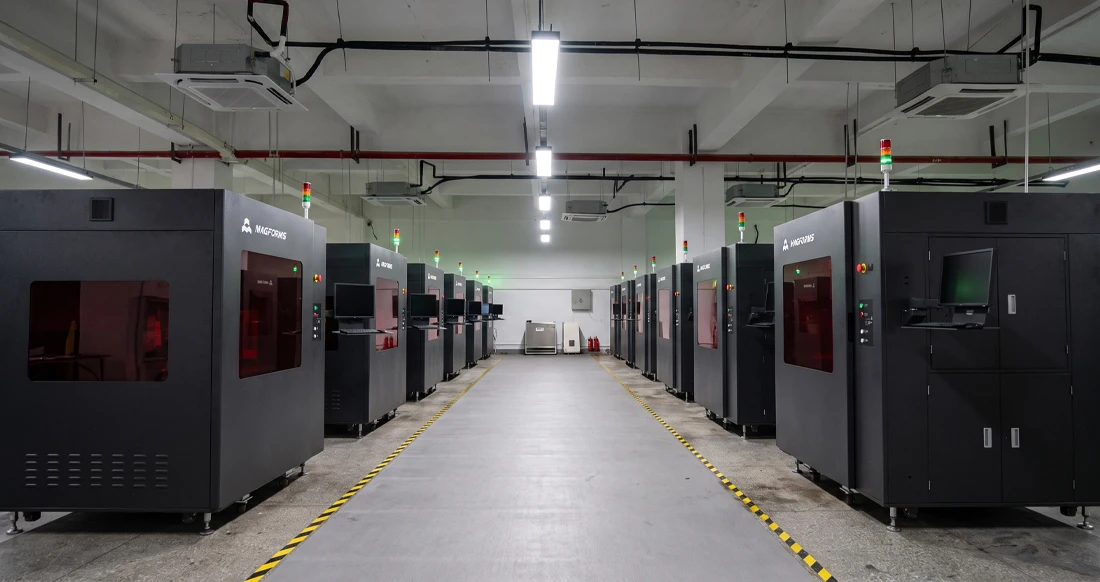
Magforms makes design and manufacture easier.
Popular Blogs
-
 Industry InsightsManufacturing Industry
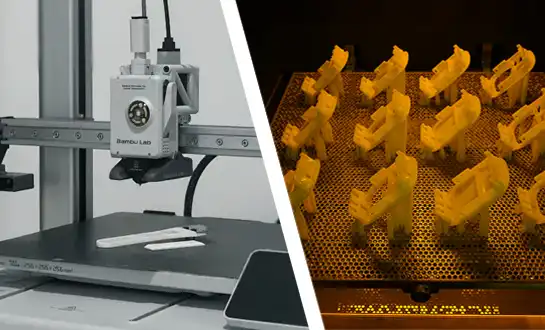
FDM vs. SLA Printer: Which Technology Is Right for Your Project?
-
 Industry InsightsManufacturing Industry
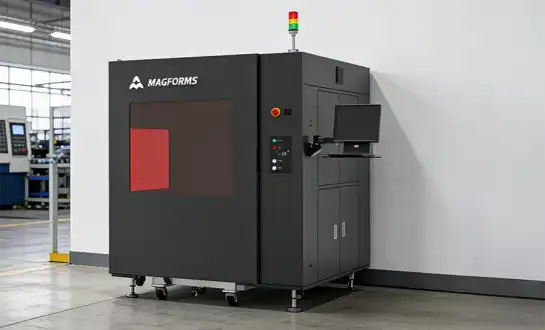
Top 5 Applications of Industrial 3D Printers in Manufacturing Today
-
 Industry InsightsManufacturing Industry
Why Stereolithography 3D Printers Are Unmatched for Microfluidic Device Prototyping?