Open vs. Closed Material Systems in Industrial SLA 3D Printer Selection
When buying an industrial SLA 3D printer, one of the most important choices you'll have to make is between open and closed material systems. This pick will have a big impact on your business freedom, cost structure, and the regularity of your production. Open systems let you use resins from other companies, which could lower the cost per litre and let you try out different materials. Closed systems force you to use resins that are allowed by the maker, but they offer proven performance and reliable results. Procurement managers can better align equipment purchases with long-term business goals and production needs when they understand these trade-offs.
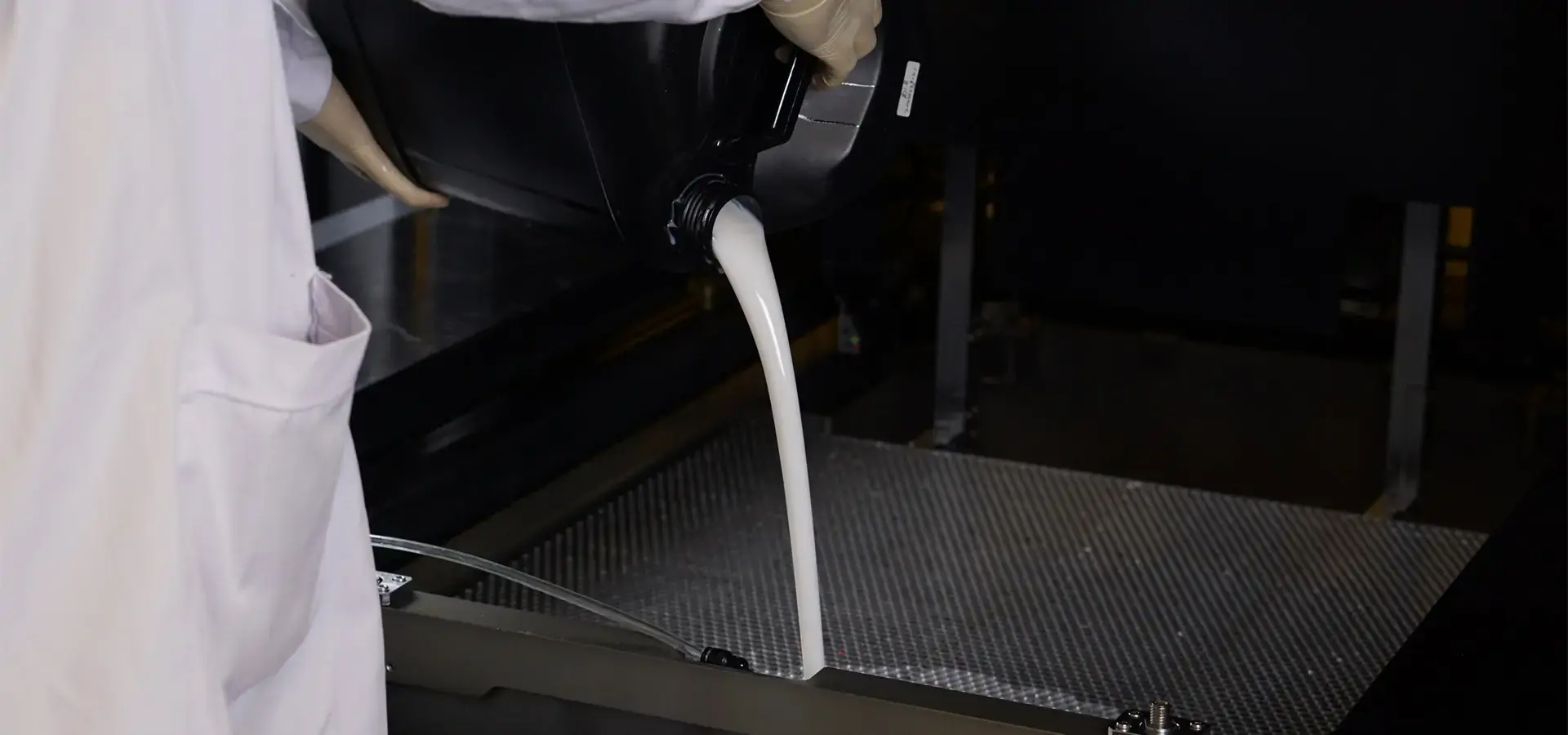
Understanding Open and Closed Material Systems in Industrial SLA 3D Printers
Defining Open Material Systems
With open material systems, users can freely choose photopolymer resins from a number of different suppliers. These printers don't have any way to authenticate proprietary materials, like RFID chips or software locks. If you buy an open-architecture commercial SLA 3D printer, you can try out new formulas, compare bulk prices from different sources, and quickly adjust to new material technologies. Magforms designs its industrial SLA 3D printers with an open material approach, allowing compatibility with a wide range of 355 nm photopolymer resins. Material validation and parameter optimization are recommended to achieve the best printing performance for different resin formulations. This approach reduces dependency on a single material supplier and gives your engineering teams the power to choose the best materials based on specific application needs instead of buying limits.
Defining Closed Material Systems
Closed systems only let you choose resins that have been approved by the maker. Often, these printers have electronic verification systems that stop materials that aren't supposed to run from doing so. Manufacturers defend this method by stressing consistent quality and the best way to pair a printer with a material. Closed systems can make it easier to choose materials and cut down on testing that goes wrong, but they also make you dependent on a single supply chain. Buying teams are always worried about things like price rises, not being able to get materials when there are supply problems, and not having many choices when certain mechanical or heat qualities are needed for changing project needs.
How Material Systems Impact SLA Printing Performance
The part's accuracy, surface finish, and mechanical strength are directly affected by the interaction between photopolymer resin characteristics and laser processing parameters. Tight tuning is possible with closed systems because the makers of both the hardware and the products are in charge. For each approved resin, manufacturers typically optimize parameters such as laser power, scanning speed, hatch spacing, and scanning strategies to achieve stable printing performance. Setting these settings in open systems takes more skill on the part of the user, but this freedom is very helpful when you need specialized materials such as biocompatible resins, high-temperature resistant resins, or flexible elastomeric materials. Magforms solves this problem by giving customers a wide range of material shapes and quick technical support. This helps them get the best results with different photopolymer resin formulations while still retaining the freedom that comes with open platforms.
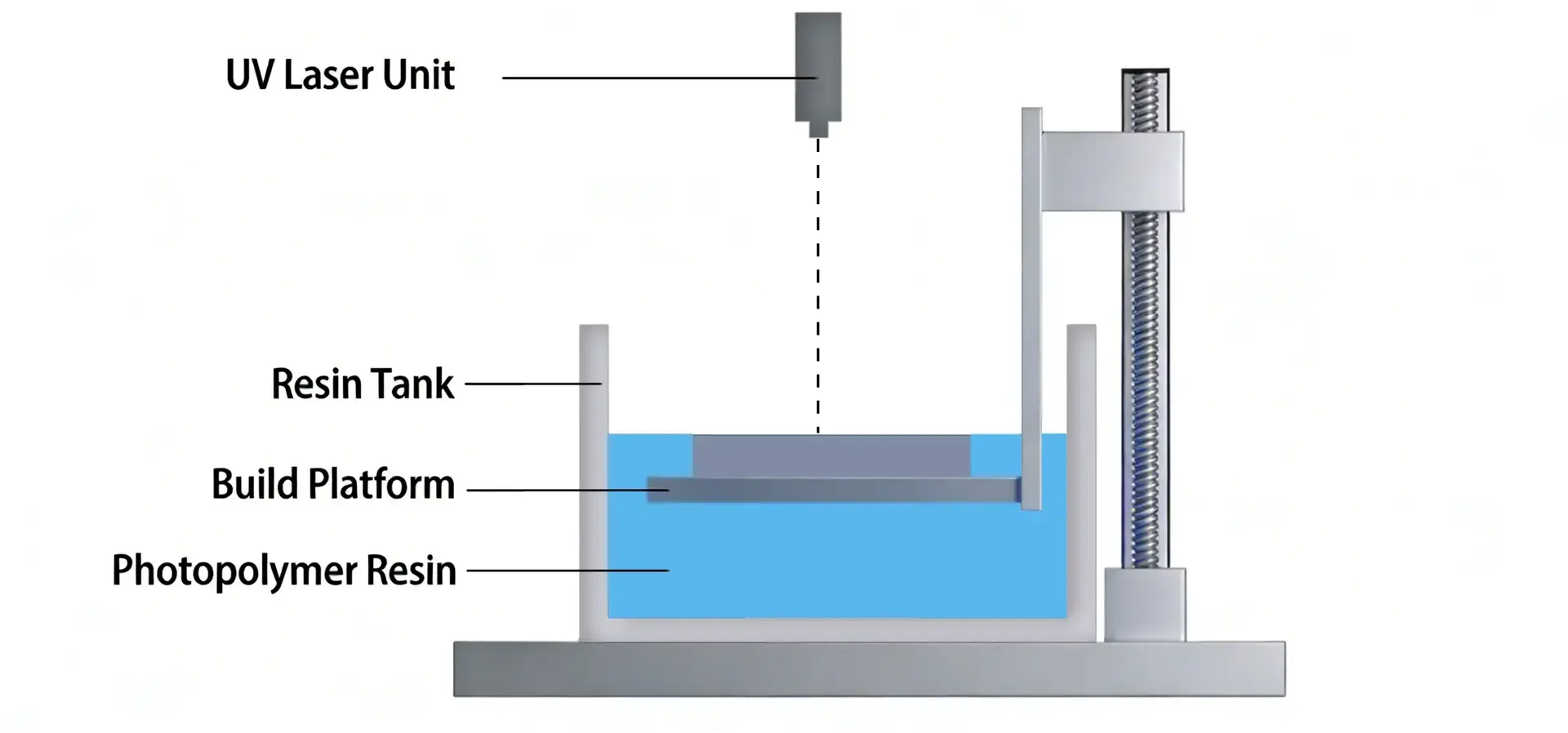
👉 Learn more about SLA 3D printing technology and how laser-based stereolithography works.
Key Considerations When Choosing Between Open vs. Closed Material Systems
Material Compatibility and Availability
Open-architecture printers can work with more photopolymer chemicals, which is important for fields that need specific properties. For aerospace parts, you might need heat-resistant resins that can handle high deflection temperatures. For medical device prototyping, you'll need biocompatible materials that have been approved for skin contact. Most compatible 355 nm photopolymer resins can be used with Magforms industrial SLA 3D printers without hardware modifications, while printing parameters may require optimization depending on resin characteristics. This flexibility keeps production from slowing down when your R&D team develops or evaluates a new resin formulation or when a main seller experiences temporary shortages. The built-in temperature management system helps maintain stable resin conditions and consistent viscosity control across different compatible formulations. This makes sure that the print quality is always the same, no matter where the material comes from.
There aren't as many options with closed platforms, but the efficiency has been proven. Each material is put through a lot of tests before it is approved, which lowers the chance that the print will not work. But this controlled approach makes it harder to come up with new ideas. When car companies need to make changes quickly using new composite-filled resins or clear materials that are very clear, closed systems might not give them choices in a fast manner. Magforms' industrial SLA 3D printers are optimized for applications such as transparent resin printing, using precise laser scanning technology and stable process control to achieve high-quality surface finishes. It achieves high success rates and few mistakes by using advanced laser scanning algorithms and precise galvanometer control.
Cost Analysis and Procurement Strategies
The prices of materials have a big effect on the total costs of ownership. Competitive buying is possible with open systems, which let buyers talk to various sellers about bulk prices. This adaptability is especially helpful for 3D printing service bureaus that have to meet the needs of a wide range of clients. Due to proprietary formulations and the way the captive market works, closed-system resins usually have higher prices. Over several years of operation, material cost differences can become significant, especially for high-volume production environments where resin consumption is high.
Along with the prices of materials, upkeep costs should also be carefully looked at. When switching between brands of resin, open systems may need to be calibrated more often, which could add more hours to the technician's schedule. Closed systems make this process easier, but they might charge more for service contracts. These worries are eased by Magforms' professional after-sales team, which replies within 24 hours and keeps downtime to a minimum, no matter what material is chosen. When compared to private closed-system options, the company's low price and long-lasting tools make for a better return on investment.
Technical Performance Comparison
The success of industrial additive manufacturing depends on how accurate, fast, and reliable it is. German Scanlab galvanometers and AOC lasers are integrated into Magforms' industrial SLA 3D printers, providing precise optical scanning control and stable positioning performance. SL800 achieves dimensional accuracy of ±0.15 mm for parts with dimensions below 100 mm and ±0.15% × L for larger parts, depending on part geometry, resin characteristics, and process parameters. Using 0.5–0.6 mm spots for fast filling scanning and 0.15–0.2 mm micro-spots for complex outlines, the variable laser spot technology changes the beam width on the fly. This new technology makes printing 30–50% faster than with older stereolithography systems, but the surface quality stays high, and there aren't many layer lines.
The optimized scanning system improves printing strategies and helps maintain stable throughput during long-term production. Because Magforms engineers consider resin curing behavior and internal stress management during the printing process, these performance benefits stay the same across different photopolymer resin formulations. The result is less bending and more accurate measurements, no matter if you use resins made in-house or ones made by a third party. This level of flexibility is very important when designing complicated shapes for car interior parts or when making small batches of aircraft connectors, where changes in tolerances lead to expensive rejects.
Industrial Applications and Use Cases of Open vs. Closed Material Systems
Aerospace and Automotive Sector Requirements
To meet strict government standards, aerospace makers need materials to be able to be tracked and certified. Closed systems can simplify compliance documentation by providing validated material data and, in some cases, batch tracking information. This audit trail makes it easier to get approval when making test parts that are important for flying. However, open systems are invaluable in the early stages of development, when engineers need to test new heat-resistant formulations or fiber-reinforced composites that aren't available in closed ecosystems yet.
Open-material flexibility is very helpful for automotive rapid prototyping. When design teams make samples of customised interior trim or comfortable dashboards, they often need engineering resins that simulate the appearance and selected performance characteristics of production materials such as polypropylene or ABS. Magforms' industrial SLA 3D printers let you try these things out without having to worry about breaking any contracts. This speeds up development cycles and makes you less reliant on outside service providers. The equipment maintains stable production through a rigid mechanical structure, low-expansion marble platform, and precision HIWIN linear guide system. This means that output stays the same during long production runs, whether 50 prototype dashboards are being made or connector designs are being tested over and over again.
👉 Explore real-world Industrial SLA 3D printing applications and customer success stories from automotive, medical, and manufacturing industries.
Medical and Dental Applications
A lot of orthodontic models and surgery guide samples are made every month by dental laboratories using stereolithography technology. Because of biocompatibility approvals and government rules, closed systems control this space. But dentistry labs that are on the cutting edge are using open-platform printers more and more to get biocompatible resins that have been tested according to relevant ISO 10993 requirements.
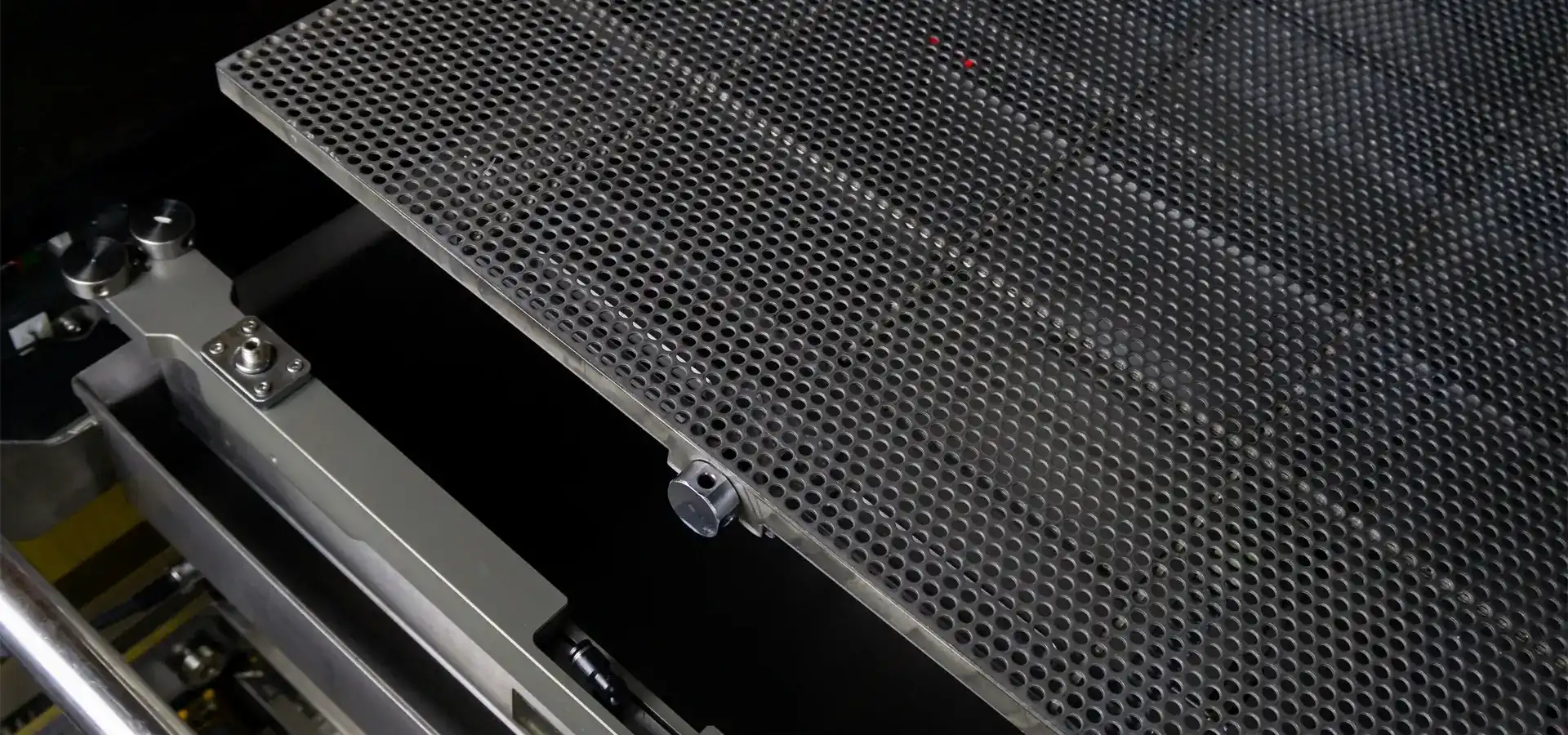
Medical gadget development needs a lot of different skills. For surgical instrument prototypes, engineers may require rigid materials with heat resistance suitable for functional testing and evaluation. For orthopaedic implant mock-ups, materials that can behave like bone are needed. Open-material industrial SLA 3D printers make it easy to find resins that meet all of these different needs. Magforms' products have laser safety screens and eye protection caps that meet international safety standards, which is very important in medical settings. The easy-to-use platform design with curved support rods speeds up resin draining, which cuts down on post-processing time. This is a big time-saver when producing orthodontic models, surgical guides, or anatomical models.
Manufacturing and Rapid Prototyping Flexibility
3D printing service providers that work with a lot of different industries need materials that are as flexible as possible so they can meet the needs of all their clients. In just one production week, one bureau could make heat-resistant jigs for factories, transparent display models for consumer electronics companies, and flexible gaskets for industrial equipment. With open systems, you don't have to keep up with multiple printer types for different types of materials. This makes operations more efficient and cuts down on capital costs.
Rapid material iteration is especially helpful for the development of consumer products. Designers need to look at surface textures, snap-fit tolerances, and aesthetic finishes for different photopolymer resin formulations when developing housings for wearable tech or headphones. Magform's open-architecture approach lets them do this research without being limited by contracts, and the high accuracy of their equipment makes sure that prototypes are a good representation of the final injection-molded parts. Because a good surface finish makes post-processing easier, it takes less time from when the print is finished to when it is tested to see if it works. This directly shortens the product development cycle.
Maintenance, Support, and Supplier Considerations When Selecting Material Systems
Routine Maintenance Requirements
When using open-system printers, operators need to be more careful about how they handle resin and calibrate the system. When switching resin suppliers or formulations, you might need to clean the vat, change the laser settings, and make test prints to make sure everything is right. These tasks take time from output but give you options. Standardised processes and automatic material identification make maintenance easier for closed systems, but they may require repair times that are tied to specific supplies.
Magforms' industrial SLA 3D printers have Panasonic servo motors in the platform, recoater, and liquid level systems. These motors provide very accurate positioning and last a long time. Optical protection components help shield sensitive optical systems and maintain long-term scanning stability. The strong building of the equipment, which includes Schneider electrical parts and top-notch mechanical systems, keeps breakdowns from happening out of the blue. When problems happen, the company's technical support team provides timely assistance to help reduce production downtime.
Evaluating Supplier Reliability and Support
Stable suppliers have a direct effect on the long-term success of an operation. Closed-system makers that don't have a big footprint in the market run the risk of ending material lines or leaving the market altogether, leaving customers without supplies. Diversified supply chains made possible by open systems reduce this risk. If one resin provider has problems, there are still other sources that can be used.
Magforms gives you the best of both worlds by combining the freedom of an open platform with strong manufacturer support. With 22 patents and multiple registered brands, the company shows that it is committed to staying ahead of technology and coming up with new ideas all the time. Its products have been used by over 300 businesses in more than 30 countries, so they work. By taking part in industry shows in Europe, Asia, and North America, you can get in touch with professional experts who know what the needs of the local market are. With this global reach and helpful customer service, procurement managers are sure that the partnership will last for a long time.
Warranty and After-Sales Service Considerations
When you use non-approved materials, you might not be covered by your closed-system warranty. This means that you could lose money if you try using different resins. Open-system guarantees usually cover how well the hardware works and not the materials used, but makers may not cover damage caused by formulas that are acidic or don't work with each other.
Magforms offers full support after the sale, no matter what resin is chosen, though the company naturally suggests using its specially designed materials for the best results. The engineering team helps with material qualification testing, which means they help customers make sure that third-party resins meet the needs of their applications. This way of working together cuts down on the costs of trial and error while keeping operating freedom. The iBuild 2.0 control software is clean and easy to use. It makes troubleshooting easier and allows remote diagnostics, which means that technical teams can quickly fix problems without having to go to the site.
Making the Decision: Which Material System is the Best Fit?
Aligning Material Systems With Business Objectives
Companies that want to keep costs low and come up with new products usually like open systems. Startups and flexible makers can benefit from being able to try out new resin technologies without being limited by contracts. Companies that work with a lot of different industries need to be able to switch materials based on what the client wants. This is why open platforms are a good business strategy.
On the other hand, companies that want to standardise their processes and follow the rules may prefer closed systems. Manufacturer-approved resins offer uniformity, which is important in high-volume production settings where material performance differences pose a big risk. Many people who used to support closed systems now know that current open-platform industrial SLA 3D printers, like those from Magforms, offer the same level of stability thanks to improved hardware and software integration. This means that material freedom is not as risky as most people think.
Evaluating Purchasing Models and Scalability
Buying equipment directly works best for businesses that are already up and running and know how much they will be making. Companies that are testing additive manufacturing or managing tight cash flow may consider leasing arrangements. When you buy in bulk through open systems, you save even more money, which is especially helpful for service bureaus that process a lot of resin. Total cost of ownership should be modelled over three to five years by procurement teams. This should include material costs, maintenance contracts, and the equipment's potential resale value.
Scalability issues go beyond the economics of a single machine. Adding capacity with open-system printers gives you strategic freedom as production needs rise. You can give different kinds of materials to different machines based on the jobs of different clients without having to keep up separate printer environments. This scalable method is supported by Magforms' equipment, which works consistently across all of its products, from laboratory-scale SLA systems to large-format industrial models such as SL800 designed for automotive, aerospace, and manufacturing applications.
Decision Framework and Final Checklist
Procurement teams should assess several critical factors before finalizing material system choices:
Material Requirements Diversity: Do your applications demand specialized resins unavailable in closed ecosystems? Industries like medical device prototyping and advanced manufacturing often answer yes, making open systems essential. Conversely, dental labs producing standard orthodontic models may find closed systems sufficient.
Cost Sensitivity: Calculate per-part material costs using both proprietary and third-party resins. For high-volume operations, even small per-liter differences compound into substantial annual savings. Balance these savings against potential calibration and testing expenses associated with material switching.
Technical Expertise Availability: Open systems reward knowledgeable operators who can optimize parameters for different resins. Organizations with skilled technicians gain maximum value from material flexibility. Companies lacking in-house expertise may initially prefer closed systems, but should consider that Magforms provides comprehensive training and technical support to bridge knowledge gaps.
Supplier Relationship Strategy: Evaluate whether single-vendor dependency aligns with your procurement philosophy. Supply chain diversification reduces risk, particularly for businesses operating internationally or in regions with uncertain logistics.
Regulatory Environment: Aerospace, medical, and automotive sectors face varying certification requirements. Determine whether material traceability documentation from closed systems simplifies compliance or whether open-system flexibility allows you to select pre-certified biocompatible or aerospace-grade resins from specialized suppliers.
Future Production Evolution: Consider how your manufacturing needs may change. Product portfolios expand, customer requirements evolve, and new materials emerge continuously. Open-platform industrial SLA 3D printers provide strategic agility to adapt without capital re-investment.
Conclusion
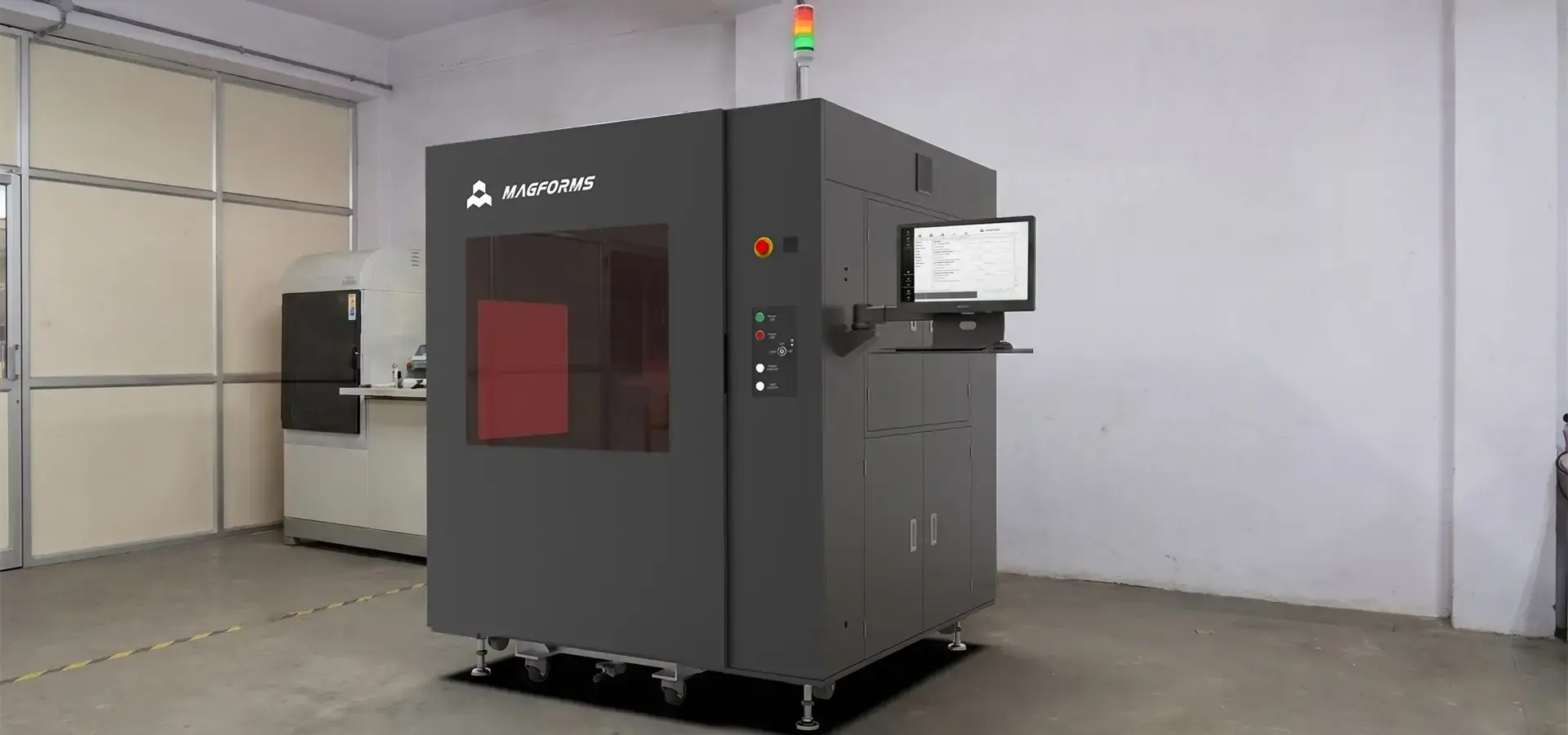
Choosing between open and closed material systems has a big impact on your ability to use additive manufacturing and your ability to be flexible in the long run. Cost control, access to new materials, and supply chain diversification are some of the strategic benefits that open systems offer. These benefits are especially good for service providers, businesses that do a lot of research and development, and organisations that need specific resin qualities. Magforms SL800 industrial SLA 3D printer combines open-platform material flexibility with enterprise-grade reliability through precise laser scanning, stable mechanical design, and professional technical support. This lets customers use a wide range of materials without compromising performance consistency or accuracy in measurements.
FAQ
1. What are the main differences between open and closed material systems?
Open material systems allow users to source compatible resins from any supplier without restrictions, providing flexibility and cost advantages. Closed systems limit material choices to manufacturer-approved options, ensuring validated performance and simplified quality control but creating vendor dependency.
2. Do open-system printers sacrifice print quality compared with closed systems?
Modern open-platform industrial SLA 3D printers like those from Magforms deliver consistent print quality through advanced hardware integration and optimized process control. Features such as German Scanlab galvanometers, variable laser spot technology, and self-learning scanning systems ensure high precision regardless of resin brand.
3. How do material system choices impact the total cost of ownership?
Open systems can reduce material costs by allowing users to compare suppliers and select suitable resin options based on application requirements. Closed systems impose premium material pricing but streamline operations. Comprehensive analysis should include equipment costs, material expenses, maintenance, and productivity factors.
4. Can open-system printers meet aerospace and medical regulatory requirements?
Yes, open systems can comply with stringent standards when users select appropriately certified resins. Material traceability depends on resin supplier documentation rather than printer architecture. Magforms equipment supports rigorous quality control processes necessary for regulated industries through exceptional dimensional accuracy and stable performance.
Partner With a Trusted Industrial SLA 3D Printer Supplier for Open-System Advantages
Magforms delivers proven open-platform industrial SLA 3D printers combining material versatility with exceptional reliability. Our equipment serves over 300 enterprises globally across aerospace, automotive, medical, and manufacturing sectors, backed by 22 patents demonstrating continuous innovation commitment. The integration of premium components—including AOC lasers, German Scanlab galvanometers, and Panasonic servo motors—ensures dimensional accuracy within ±0.1 mm while supporting most 355 nm resins. Variable laser spot technology accelerates production by 30–50% compared with conventional systems, and built-in temperature control maintains consistent print quality across diverse materials. Contact our team at info@magforms.com to discuss how our industrial SLA 3D printer solutions align with your specific production requirements and procurement objectives, enabling strategic flexibility without compromising performance or quality standards.
References
1. Gibson, I., Rosen, D., & Stucker, B. (2021). Additive Manufacturing Technologies: 3D Printing, Rapid Prototyping, and Direct Digital Manufacturing (3rd ed.). Springer.
2. Wohlers, T., Campbell, R. I., Diegel, O., Kowen, J., & Mostow, N. (2022). Wohlers Report 2022: 3D Printing and Additive Manufacturing Global State of the Industry. Wohlers Associates.
3. Melchels, F. P. W., Feijen, J., & Grijpma, D. W. (2020). "A Review on Stereolithography and Its Applications in Biomedical Engineering." Biomaterials, 31(24), 6121-6130.
4. Stansbury, J. W., & Idacavage, M. J. (2019). "3D Printing With Polymers: Challenges Among Expanding Options and Opportunities." Dental Materials, 32(1), 54-64.
5. Baumann, F. E., Sekulla, A., & Hassler, J. (2021). "Material Strategies for Multi-Material Additive Manufacturing: A Comprehensive Review." Virtual and Physical Prototyping, 16(3), 285-315.
6. Ligon, S. C., Liska, R., Stampfl, J., Gurr, M., & Mülhaupt, R. (2020). "Polymers for 3D Printing and Customized Additive Manufacturing." Chemical Reviews, 117(15), 10212-10290.

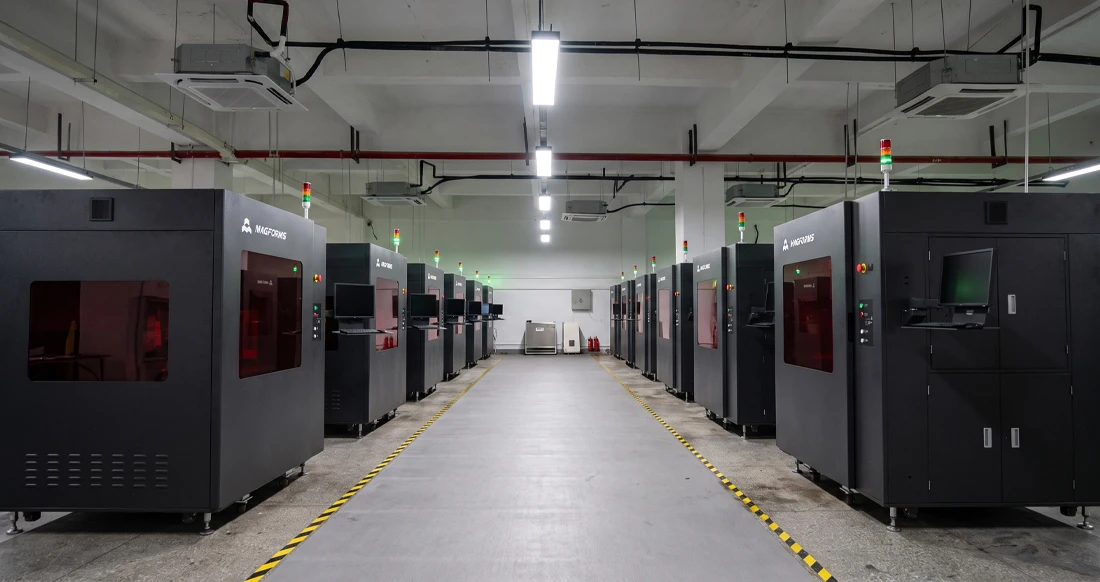
Magforms makes design and manufacture easier.
Popular Blogs
-
 Industry InsightsManufacturing Industry
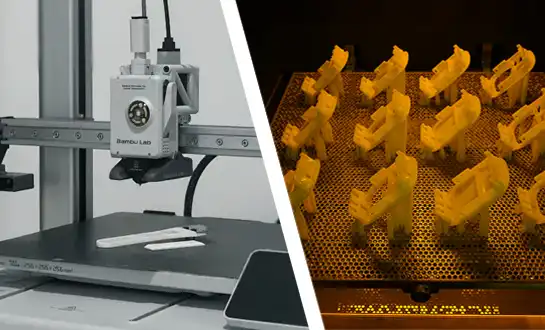
FDM vs. SLA Printer: Which Technology Is Right for Your Project?
-
 Industry InsightsManufacturing Industry
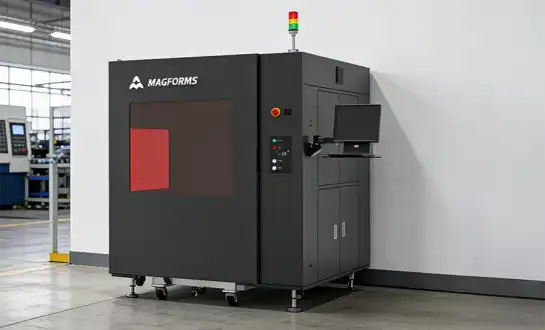
Top 5 Applications of Industrial 3D Printers in Manufacturing Today
-
 Industry InsightsManufacturing Industry
Why Stereolithography 3D Printers Are Unmatched for Microfluidic Device Prototyping?