Troubleshooting Layer Separation in Industrial SLA 3D Printer Printing Process
In an Industrial SLA 3D Printer, layer separation occurs when successive photopolymer resin layers fail to bond properly during the photopolymerization process. This can cause printed parts to delaminate, crack horizontally, or come completely apart. Because this flaw affects both the structural integrity and the accuracy of the dimensions of parts, it is necessary to fix it in order to keep production processes running smoothly. To deal with layer separation, you need to understand photopolymer resin chemistry, laser exposure parameters, and machine calibration, and how to calibrate your equipment so that each layer sticks and links together perfectly during the build process.
Understanding Layer Separation in Industrial SLA 3D Printing
How Stereolithography Curing Works
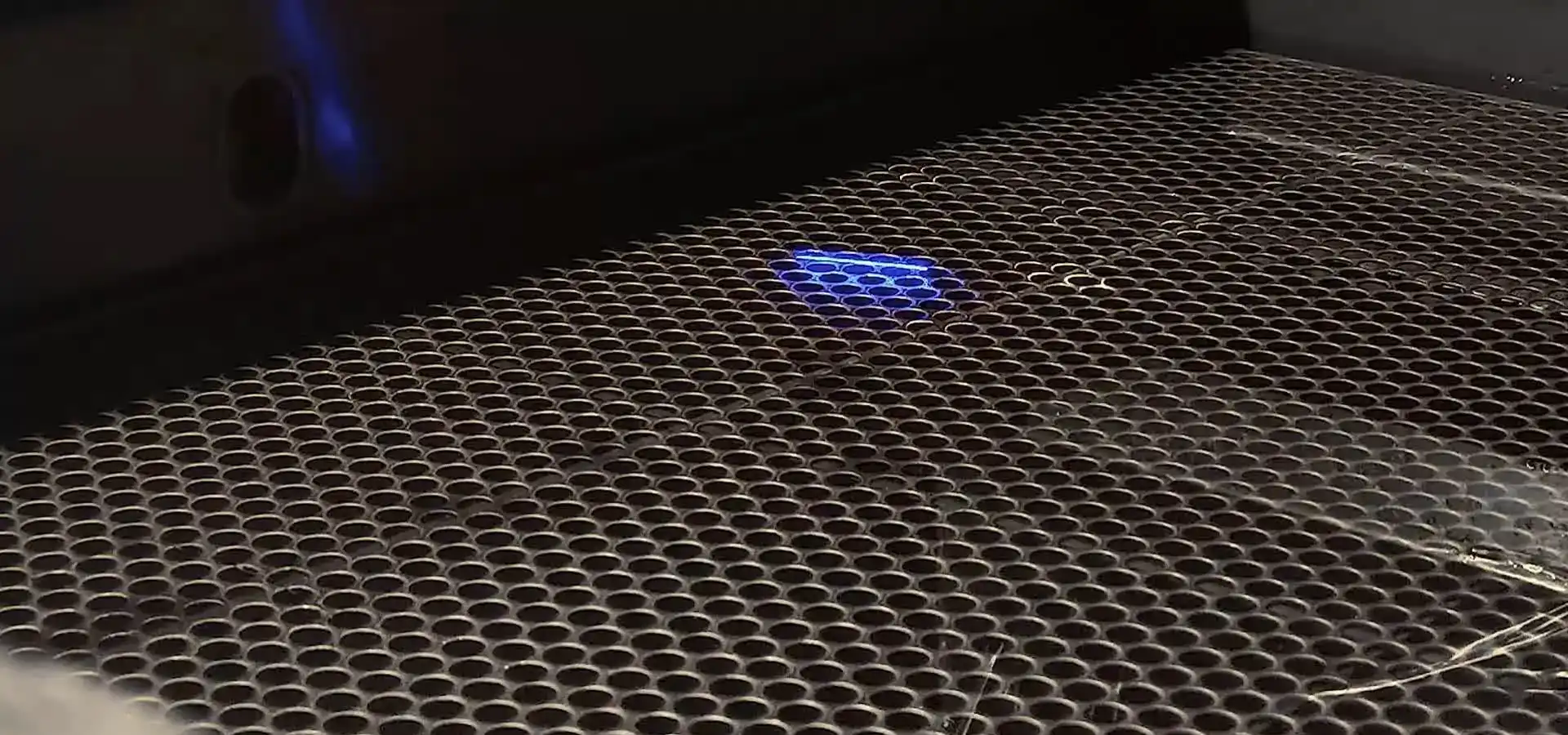
A powerful laser is pointed into a vat of liquid reactive plastic by an Industrial SLA 3D Printer. The laser follows the cross-sectional pattern of each layer, which initiates a photochemical reaction that converts the liquid resin into a cross-linked solid polymer network. Once a layer is fully cured, the build platform moves down by an exact amount, usually 0.05 mm to 0.15 mm, and a recoater blade spreads a fresh, uniform photopolymer resin layer over the cured surface. The laser then cures the next layer, which is chemically joined to the layer below by continuing to polymerize at the contact.
Why Layer Adhesion Matters
To do interlayer bonding right, you need to make sure that the cure depth and interlayer penetration depth are sufficient. When laser energy penetrates into the previously cured layer within a controlled overcure region, it sets off reactive groups again and entangles molecules, creating a strong bond. If there isn't enough entry depth, curing isn't complete, or solidification happens too early, weak surfaces can form that are easily cracked by mechanical stress or temperature changes. These flaws show up as straight lines that run through the part. During post-processing or functional testing, they can sometimes cause the whole section to fail.
Impact on Production and Costs
Layer separation causes a lot of problems with operations. Parts that are rejected lose expensive plastic, take up machine time, and cause projects to run late. When working with aerospace or medical equipment, where microns are used to measure tolerances and material tracking is necessary, a single bad batch can lead to expensive re-validation processes. Production managers are under more and more pressure to quickly find and fix the problems at their roots. This makes having reliable tools and skilled technical help very important.
👉 What is SLA 3D printing technology
Key Causes of Layer Separation in Industrial SLA 3D Printers
Resin Quality and Compatibility Issues
Photopolymer plastics break down over time when they are exposed to light, high temperatures, or water. Degraded resin is less reactive, doesn't cure all the way, and doesn't stick well to other layers. Using aged or improperly stored resin leads to reduced photoreactivity and inconsistent curing behavior, resulting in random layer adhesion failures. If manufacturers choose a system with an open material platform compatible with most standard 355 nm photopolymer resins without proprietary restrictions, they can get high-quality materials from reliable suppliers and try them in small batches to make sure they work with the system before starting big production runs.
Incorrect Exposure and Layer Thickness Settings
For each resin formulation, the laser exposure time and layer thickness must be carefully set. When layers aren't exposed long enough, they only partly cure and don't cross-link enough to safely attach to other layers. Overexposure can lead to excessive curing, resulting in dimensional shrinkage and internal stress accumulation on the inside, which pulls the layers apart as it cools. Cure depth overlap is also affected by layer thickness. Thicker layers require higher energy input or longer exposure time to ensure sufficient cure penetration. An Industrial SLA 3D Printer with variable laser spot technology changes the size of the beam on the fly, using larger spot sizes (0.5–0.6 mm) for rapid infill curing and smaller spots (0.15–0.2 mm) for fine feature detailing. This makes the best use of speed and bonding quality for all shapes.
👉 Industrial SLA 3D Printer types and solutions
Environmental Temperature and Humidity
The viscosity of the resin is highly sensitive to environmental conditions. Resin viscosity increases in low-temperature environments, which slows the flow needed to make even layers and traps air bubbles that weaken the bonds between layers. High humidity can introduce moisture into hygroscopic photopolymers, which reduces polymerization efficiency and may result in microporous structures with weak interlayer adhesion. Modern stereolithography systems have temperature control units built in that keep the resin's fluidity at its best no matter what the outside temperature is. This stops flaws caused by viscosity and keeps layer formation consistent over long print jobs.
Equipment Calibration and Component Wear
Laser power output naturally decreases as the source's useful life approaches an end. This lowers the energy density and leads to undercuring. Galvanometer calibration drift can distort the laser spot geometry, causing elliptical beam deformation and reducing scanning positioning accuracy. When recoater blades get worn, they leave behind resin films that aren't all the same thickness. This leads to uneven drying and weak places. When you choose high-quality equipment, like AOC solid-state lasers, German Scanlab galvanometers, and Panasonic servo motors with positioning accuracy within ±8 μm, calibration drift happens much less often and isn't as bad. This means that print quality stays the same over thousands of hours of use.
Effective Solutions to Prevent and Fix Layer Separation
Optimize Print Parameters for Material Characteristics
To get full polymerization and strong interlayer bonding, each type of resin needs a different exposure setting. By making test prints with varying exposure grids, you can find the laser power, scan speed, and layer thickness that work best with a certain material. Self-learning scanning algorithms in modern industrial systems look at past prints and make changes to settings automatically over time. This makes success rates better and lessens the need for human input. If you compare this smart optimization to standard parameter sets, it can speed up printing by up to 20% while keeping or improving the quality of the binding.
Implement Rigorous Material Handling Protocols
When you store and handle resin the right way, it doesn't break down, which can cause layers to separate. UV light and heat sources should be kept away from photopolymer materials, which should be kept in dark, sealed cases. Resin viscosity and reaction should be checked on a regular basis, and batches that show signs of age should be thrown away before they cause print failures. Magforms provides matched resin and printer combinations that have been thoroughly tried for compatibility. This takes away the guessing and risk that come with getting materials from a third party.
Maintain Consistent Environmental Controls
Setting up the Industrial SLA 3D Printer in a climate-controlled area with steady humidity (40–60% RH) and temperature (20–25°C) reduces changes in the environment. Systems with heating elements built into the resin vat keep the material in the right density range even when temperatures change with the seasons. This keeps the layers from spreading out unevenly and hardening unevenly. These temperature control features are especially helpful for businesses that print all night or that don't have separate HVAC systems for their work areas.
Establish Preventative Maintenance Schedules
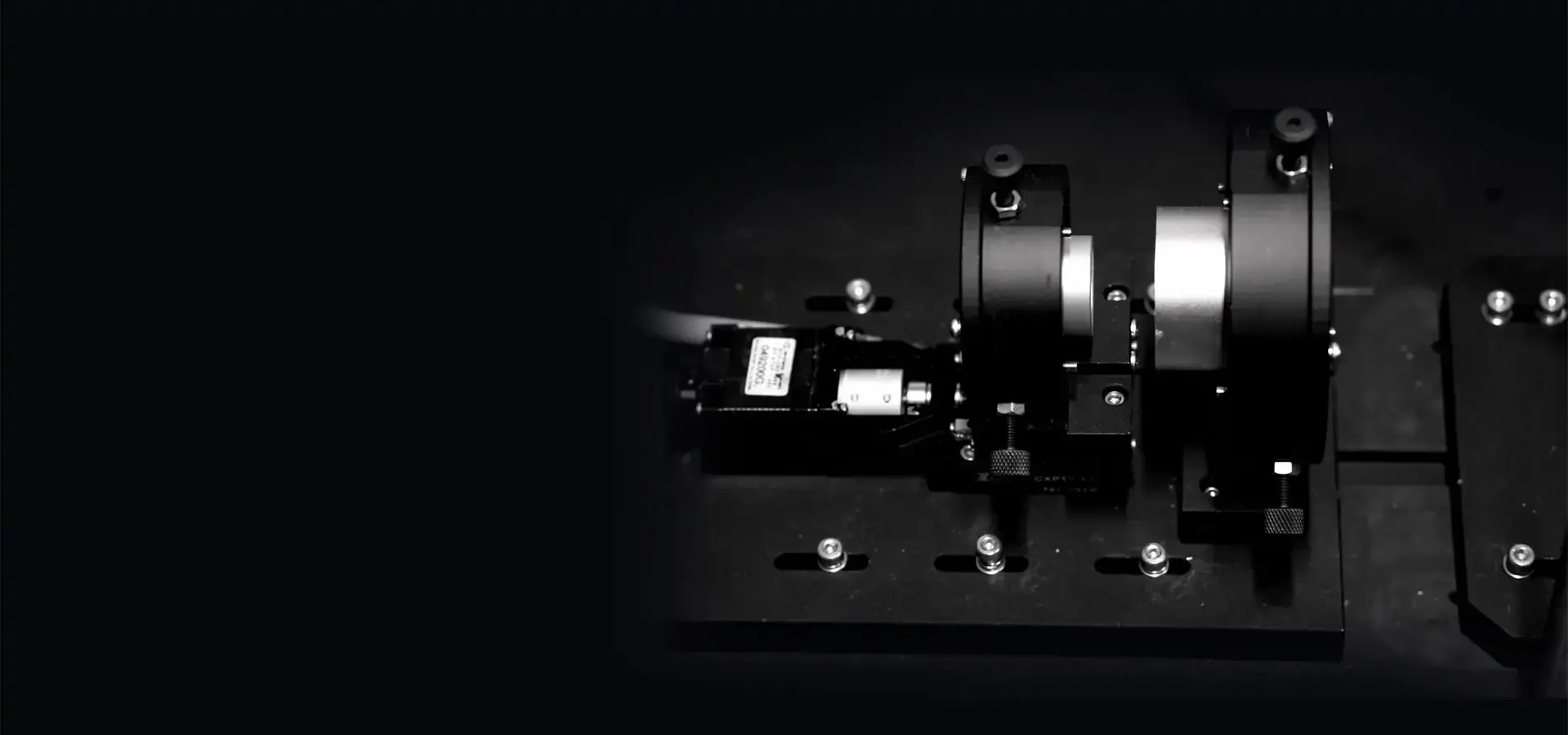
Precision and reliability are ensured through regular maintenance, which helps prevent interlayer adhesion failures. Once a week, clean the resin tanks to get rid of any hardened dust that might get in the way of laser penetration. If you can see edge wear on the recoater blades, you should check them and replace them. To account for source decline, calibrate the laser's power every three months following the steps suggested by the maker. Every month, make sure the galvanometer is aligned and the optical path is clean. Magforms supports these efforts with a dedicated after-sales team that answers all customer questions within 24 hours and offers online troubleshooting, on-site service visits, and full technical training to make sure that equipment is always running at its best.
Real-World Troubleshooting Example
A medium-sized car prototyping shop had problems with layer separation in big dashboard parts made with high-temperature resin over and over again. An investigation showed that changes in the outdoor temperature during night shifts caused the viscosity of the resin to change by almost 30%, which stopped the layer from spreading evenly. Getting an Industrial SLA 3D Printer with built-in heat management and switching to a temperature-stabilized resin recipe got rid of the flaws. This cut the number of scraps from 18% to less than 2%, which helped the shop meet tight deadlines for client design reviews.
For more automotive applications, manufacturers can also explore how Industrial SLA 3D Printer for Automotive Prototyping helps engineering teams improve design validation, accelerate iteration cycles, and reduce tooling costs before mass production.
Comparing Industrial SLA 3D Printing With Other Technologies Regarding Layer Separation
Stereolithography vs. Selective Laser Sintering
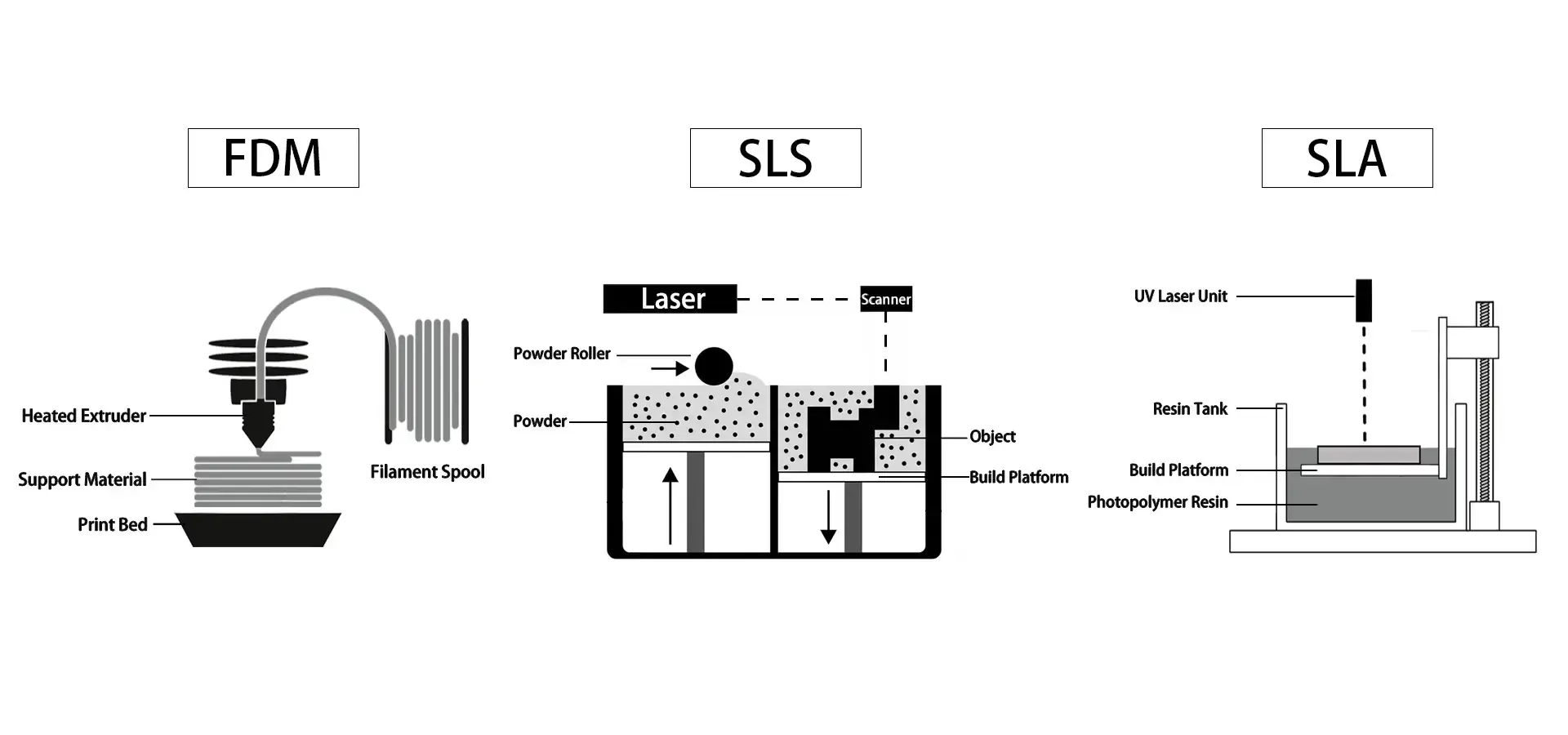
Selective Laser Sintering (SLS) uses a laser to selectively fuse powder particles in a heated build chamber. In SLS, layer attachment depends on thermal fusion, where powder particles are selectively sintered and bonded to underlying layers. While SLS parts have great isotropic strength, the technology usually makes surfaces that are harder and specs for sizes that aren't as tight as with SLA. In SLS, layer separation is usually caused by a powder bed that isn't heated enough or powder that is dirty. In stereolithography, photochemical bonding problems cause layers to separate. Industrial SLA 3D Printer technology works best for things like housings for electronics or dental models that need a surface finish like an injection mold and fine feature resolution.
Stereolithography vs. Fused Deposition Modeling
Fused Deposition Modeling (FDM) builds parts by extruding solid thermoplastic filament through a heated nozzle. Layer adhesion depends on thermal fusion between extruded filaments and layers that are next to each other. Parts made with FDM often have uneven strength because the layers don't fuse together completely along the Z-axis. Surface finish quality is also limited by layer lines and stair-stepping flaws that can be seen. The photopolymerization process in SLA produces chemically cross-linked layers with high isotropic consistency with nearly uniform mechanical properties and smooth side walls (Ra < 1 μm). This makes it the best choice for making visual samples, master patterns for casting, and functional parts that need to be very precise.
Technological Advances Reducing Layer Separation
New improvements to stereolithography tools directly address problems with layer bonding. Better temperature control methods keep the curing environment stable throughout the build volume. Integrated monitoring systems track laser output in real time and let workers know when it starts to drop before it affects the quality of the prints. Variable spot-size modules make the best use of energy to quickly fill in large areas and accurately reproduce small details. This increases output by 30–50% without lowering bond strength. Because of these improvements, the Industrial SLA 3D Printer is now the best choice for makers who want speed and dependability in high-stakes production settings.
Best Practices for Procurement to Minimize Layer Separation Risks
Evaluate Critical Technical Specifications
When looking for an Industrial SLA 3D Printer, pay close attention to the specs that affect how well the layers stick together and the overall print quality. To ensure uniform layer thickness control, the accuracy of the build platform's placement should be at least ±10 µm. The even interlayer curing quality depends on laser spot uniformity and beam profile stability. Systems that use precise galvanometers, like the German Scanlab, make circular spots that are almost perfect and treat evenly across the whole build area. Temperature control features, such as heated resin vats and air management in the room, stop changes in viscosity that make it harder for layers to stick together and spread out. Magforms equipment comes with these important features already installed: Panasonic servo motors for precise platform control (±8 μm), Scanlab galvanometers paired with AOC lasers for stable spot geometry, and built-in heat regulation to keep resin performing at its best.
Assess Material Flexibility and Support
When buyers buy proprietary material systems, they are stuck with expensive supplies and few formulation choices. An open material platform that supports most 355 nm wavelength photopolymer resins gives you the freedom to find cheap materials, try out new formulas for specific uses, and keep your supply chain running smoothly without having to rely on a single source. Magforms combines an unlimited material system with a deep understanding of plastic chemistry. They help customers get the best results in a wide range of situations, from making clear optical parts to making samples for high-temperature engineering. They do this by giving them advice on material selection and compatibility testing.
Prioritize After-Sales Service and Technical Support
When equipment breaks down, money is lost and goals are missed. To keep production going, you need reliable after-sales support, such as quick expert help, easy access to extra parts, and preventative maintenance programs. Magforms has a large, well-trained support team that can figure out problems online and send field service techs to fix them on the spot. With over 300 business customers around the world and presence at important industry shows in Europe and Asia, Magforms has built a strong service system that makes sure customers get help quickly no matter where they are. In addition to selling equipment, this dedication to customer satisfaction includes thorough training programs that teach operators and techs how to fix problems so that layer separation and other common print flaws are kept to a minimum.
Consider Total Cost of Ownership
The price you pay for an Industrial SLA 3D Printer at first is only one part of the total cost of ownership. Costs for things like resin, recoater blades, and optical parts that need to be replaced, as well as maintenance, operator training, and possible downtime for fixes, should all be taken into account. It costs more up front to buy equipment with high-quality parts like HIWIN linear guides, Schneider electrical systems, and Philips UV-blocking lights, but it lasts longer, doesn't break down as often, and costs less to scrap over its lifetime. Magforms uses decades of knowledge in the field to design systems that are both high-performing and affordable. These systems offer B2B clients a good return on investment (ROI) through high print success rates, reduced material waste, and longer maintenance cycles.
Conclusion
In stereolithography printing, layer separation is caused by a lot of different factors, including the properties of the material, the process settings, the surroundings, and the accuracy of the equipment. To fix these problems and keep them from happening, you need to know about the photopolymerization science behind SLA technology, use strict process controls, and choose equipment that is designed to keep cure conditions stable during long production runs. When looking at Industrial SLA 3D Printer choices, procurement teams should favor systems that offer accurate laser control, reliable temperature management, open material compatibility, and full support after the sale. Manufacturers can reduce the risks of layer separation and get the constant, high-quality output they need to be successful in today's tough markets by working with experienced providers who combine knowledge of materials with advanced hardware design.
Partner with Magforms for Reliable Industrial SLA 3D Printer Solutions
Additive systems that offer uncompromising quality without stopping production are needed in manufacturing processes. Magforms is an expert in Industrial SLA 3D Printer technology that is designed to get rid of layer separation by carefully choosing components, controlling the process intelligently, and providing excellent customer service. Our integrated method combines our own resin formulations with gear that is designed for 355 nm photopolymerization. This makes sure that the material and machine work well together in a way that is hard for competitors to match. Magforms gives proven knowledge to every job. They have 22 patents, 30 filed trademarks, and more than 300 businesses around the world as customers. Within 24 hours of receiving your question, our after-sales team will get back to you. They offer online monitoring, on-site service, and operator training to make sure your production runs smoothly. Magforms gives you a variety of ways to buy their products, such as direct purchase, rental, and customized service agreements. This way, you can get the small system you need for testing or the large system you need for mass production. Get in touch with our experts at info@magforms.com to talk about your unique needs and find out how working with a reliable Industrial SLA 3D Printer source can change the way you make things.
References
1. Gibson, I., Rosen, D., & Stucker, B. (2021). Additive Manufacturing Technologies: 3D Printing, Rapid Prototyping, and Direct Digital Manufacturing (3rd ed.). Springer International Publishing.
2. Jacobs, P. F. (1992). Rapid Prototyping & Manufacturing: Fundamentals of Stereolithography. Society of Manufacturing Engineers.
3. Wendel, B., Rietzel, D., Kühnlein, F., Feulner, R., Hülder, G., & Schmachtenberg, E. (2008). Additive processing of polymers. Macromolecular Materials and Engineering, 293(10), 799-809.
4. Stansbury, J. W., & Idacavage, M. J. (2016). 3D printing with polymers: Challenges among expanding options and opportunities. Dental Materials, 32(1), 54-64.
5. Melchels, F. P., Feijen, J., & Grijpma, D. W. (2010). A review on stereolithography and its applications in biomedical engineering. Biomaterials, 31(24), 6121-6130.
6. Quan, H., Zhang, T., Xu, H., Luo, S., Nie, J., & Zhu, X. (2020). Photo-curing 3D printing technique and its challenges. Bioactive Materials, 5(1), 110-115.

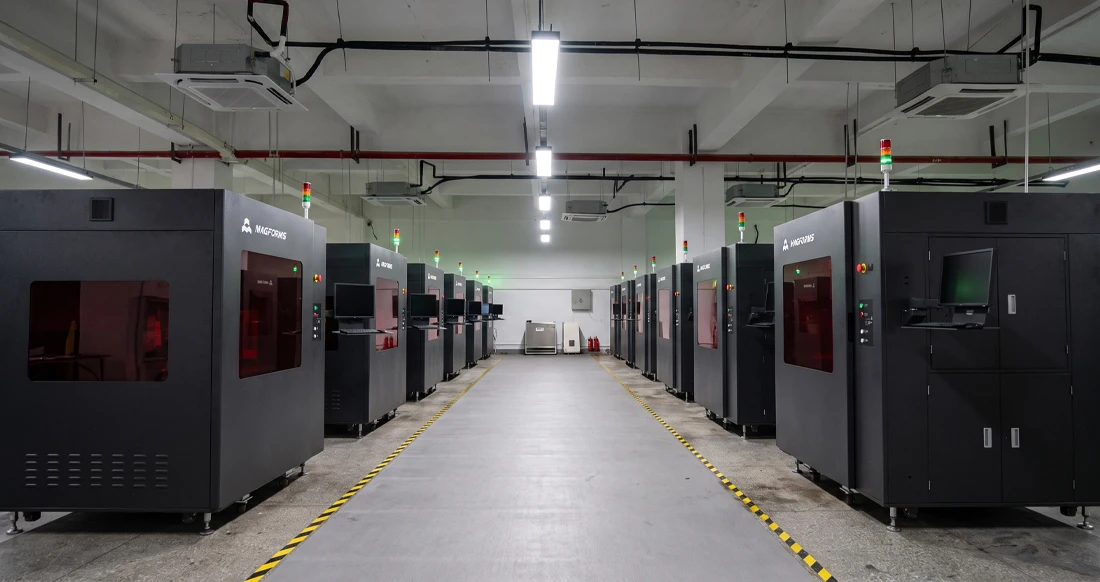
Magforms makes design and manufacture easier.
Popular Blogs
-
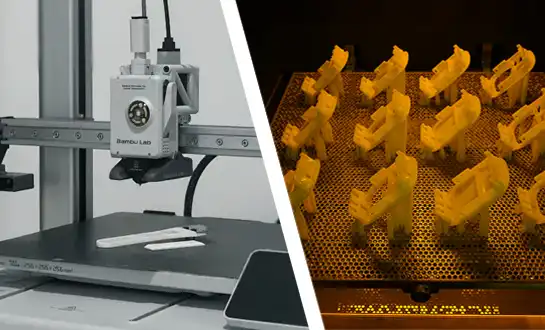 Industry InsightsManufacturing Industry
FDM vs. SLA Printer: Which Technology Is Right for Your Project?
-
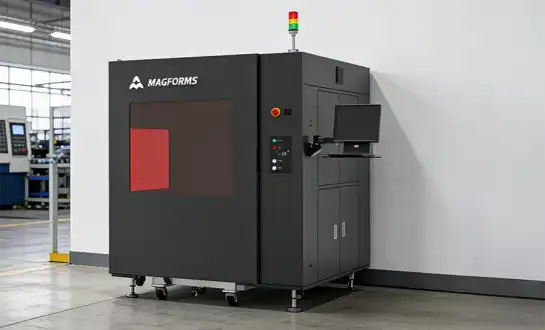 Industry InsightsManufacturing Industry
Top 5 Applications of Industrial 3D Printers in Manufacturing Today
-
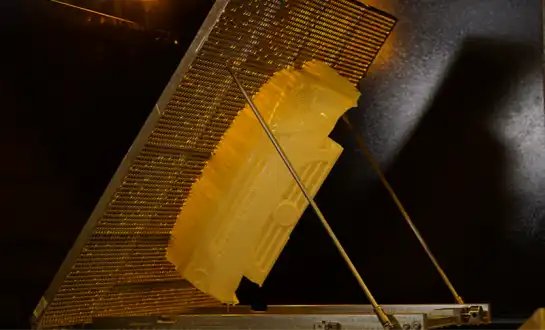 Industry InsightsManufacturing Industry
Why Stereolithography 3D Printers Are Unmatched for Microfluidic Device Prototyping?