Industrial SLA 3D Printer SL800: Real-World Engineering Application Cases
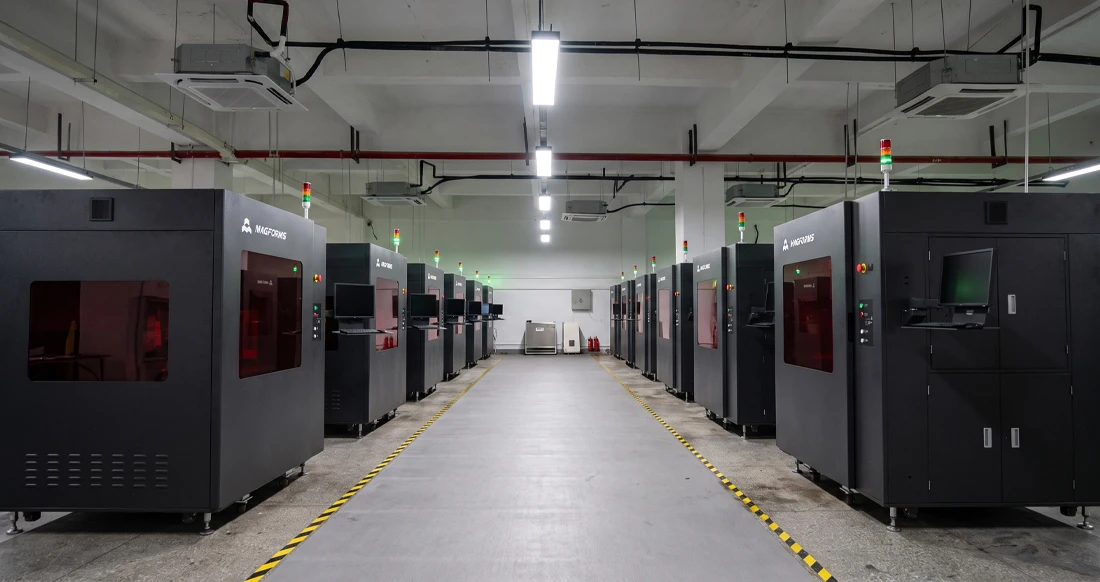
The SL800 is a big step forward in stereolithography additive manufacturing. It delivers high accuracy and high-speed performance for demanding engineering applications. This industrial SLA 3d printer uses laser-based stereolithography photopolymerization, combined with Scanlab galvanometer systems and AOC laser modules, to produce large-format parts with high dimensional accuracy at micron-level precision. The SL800 is made to work in a lot of different industries, from testing aircraft parts to making dental aligners. It solves some of the biggest problems that traditional manufacturing processes have, like unstable dimensions, wasted materials, and long wait times. Its open resin compatibility and changeable spot-size technology let production teams find the best balance between speed and surface quality. This makes it an essential tool for fast prototyping and small-batch production.
Understanding Industrial SLA 3D Printing and the SL800 Technology
Stereolithography remains one of the most widely used methods when high surface quality and dimensional accuracy are required in additive manufacturing. In contrast to fused deposition modeling or selective laser sintering, SLA systems use precisely controlled laser energy to selectively cure liquid photopolymer resin layer by layer. This produces parts with more uniform mechanical behavior compared to FDM in most practical applications, along with smooth surfaces that require minimal post-processing. This idea is reflected in the SL800, which also includes new features that solve long-standing problems in the business.
👉Learn more about Stereolithography technology principles in industrial applications.
Core Specifications That Define Performance
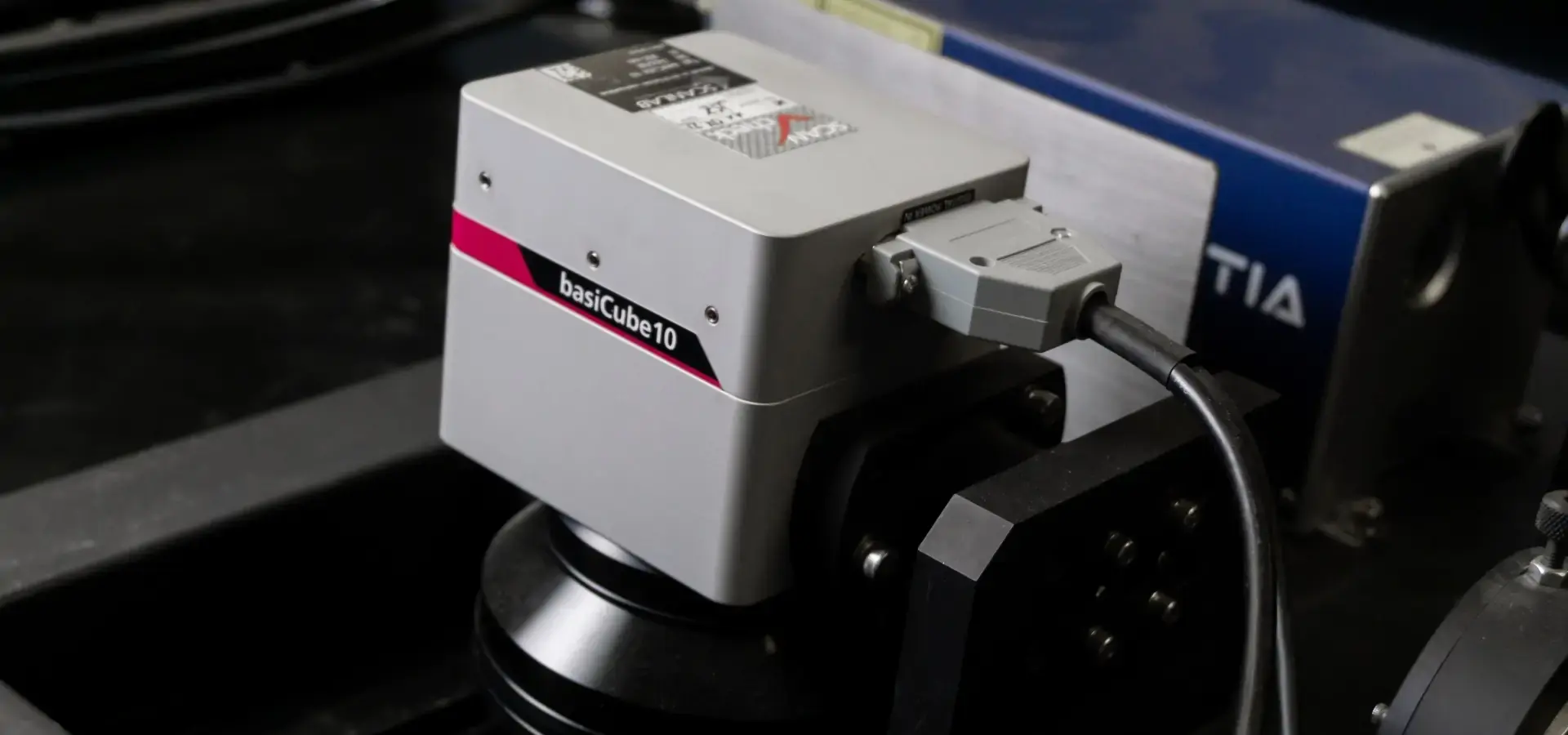
Panasonic servo motors allow the SL800 to place itself on the build platform with an accuracy of ±8 μm, and the Scanlab galvanometer can achieve scanning speeds of up to 12 m/s for high-speed vector positioning. This industrial SLA 3D printing system uses variable laser spot control, adjusting between 0.15–0.2 mm micro spot diameters for fine details and 0.5–0.6 mm spot diameters for rapid area filling. This makes build times 30–50% faster than with traditional systems. The printer's optimized scanning system refines toolpaths based on previous job parameters and process data, making the machine up to 20% more efficient over long periods of use. In industrial production environments, different Industrial SLA 3D printing systems are often evaluated based on speed, accuracy, and scalability.
Built-in temperature control keeps the resin's thickness at the right level even when the temperature changes outside. This keeps layer bonding problems from happening, which can stop overnight production runs. The marble platform base and 2 mm-thick metal housing panels keep the printer cool during multi-day print jobs. The HIWIN linear guides make sure that the Z-axis moves smoothly, which is important for tall parts.
Material Versatility for Engineering Applications
The open material system can handle most 355 nm resins without closed material authentication systems or proprietary resin restrictions. This lets procurement teams find cheaper options or try out different formulas. This feature is very important for businesses that are making custom material profiles, like clear resins for light guides in cars, high-temperature mixes for parts under the hood, or safe choices for surgery guides. The SL800 performs well in transparent resin applications, producing parts with high optical clarity that, after polishing, can approximate the visual quality of injection-molded polycarbonate in suitable post-processing conditions.
Real-World Engineering Applications of the SL800 Industrial SLA 3D Printer
Manufacturers in a wide range of industries have started using this stereolithography method to speed up the innovation process and fix certain output problems. The case studies below show how planned rollout can lead to measurable ROI and operational gains.
Automotive Prototyping and Tooling Production
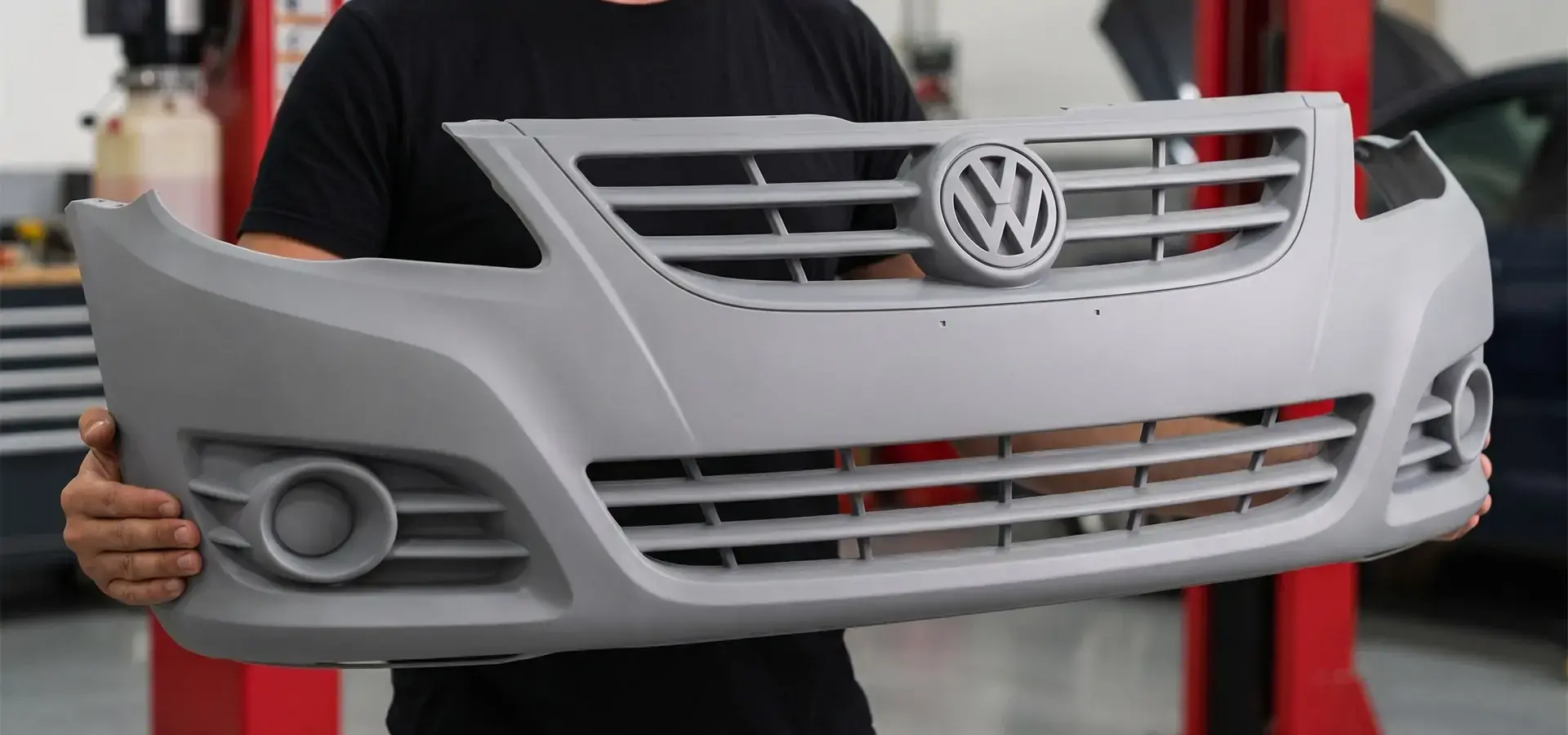
With the SL800 system, a Midwest automotive supplier reduced the time required to produce a panel prototype from six weeks to four days. The improvement was largely driven by faster iteration cycles enabled by the SL800 industrial SLA platform. The team prints full-size air vent parts straight from CAD files, which lets OEM partners review designs the same week. Because the printer has a big build volume, it can make bumper mounting brackets and center panel parts all at once, reducing the need for multi-part assembly. Variable spot technology makes sure that the finishes on the surfaces that can be seen are as good as those on injection-molded parts, while the support structures inside print quickly at a lower resolution.
The business also makes vacuum-forming molds for inner trim pieces. Parts printed in high-temperature resin can withstand thermoforming cycles around or above 80°C depending on resin formulation, with reduced risk of warping. This means that the mold can be used 50 or more times before it needs to be replaced, which saves 60% of the cost of machined metal tooling for short-run production.
Aerospace Component Validation
The SL800 is used by an aerospace company to produce inspection tools and assembly jigs for composite layup work. The industrial SLA 3d printer makes complex curved surfaces that fit the geometry of airframes to within ±0.1 mm, which can be checked with a CMM. These fixtures help workers place things correctly during hand-layup processes, which cuts down on mistakes that cost a lot to fix.
The German Scanlab galvanometer and AOC laser work together to give very accurate measurements that are needed to make sure that brackets and cable routing clips fit and form correctly. Before committing to five-axis CNC cutting of flight-qualified metal parts, engineers print multiple versions of the design over the course of 48 hours to find interference problems. This approach for front-loaded evaluation has cut engineering change orders for new platforms by 40%.
Medical Device and Dental Applications
The SL800 was adopted by a group of dentistry labs to make making orthodontic aligners faster and easier. Every overnight build, the printer makes more than 60 patient-specific arch models, and each one typically requires high sub-0.1 mm accuracy to ensure proper aligner fit. The controlled exposure modulation helps reduce visible layer transitions on curved surfaces, which cuts the time it takes to finish each model by hand from 15 minutes to less than three minutes.
In surgery planning, a company that makes medical devices prints anatomical models from CT scans of patients. This lets doctors practice difficult procedures and choose the best implant sizes. The industrial SLA 3d printer uses varying internal lattice structures to simulate differences in bone density, which gives physical feedback during drilling models. This app has helped cut down on time spent in the operating room and improve patient results in hip reconstruction cases.
Consumer Electronics and Wearable Prototyping
The SL800's micro-spot feature is used by a wearable tech company to make prototypes of smartwatch bezels with built-in button mechanisms and snap-fit limits of less than 0.15 mm. Every month, the team tries more than 30 different design changes by adding coatings and finishes to see how well they can be made before making the injection mold tooling. Being able to print clear light lines with prisms inside them lets you evaluate the optical performance of LED light guide structures while they are being put together.
Because the printer works with bendable resins, it is possible to try wristband fastening methods and ergonomic shapes using human factors criteria. Time-to-market is cut by three months compared to standard prototype processes because prototypes go straight to focus group testing without the need for any extra tooling.
Comparing the SL800 with Alternative Industrial 3D Printing Technologies
To make good purchasing choices, you need to know how the different types of additive manufacturing fit with the needs of the production. Many technologies say they can be used in engineering, but when they are put to the test in real life, performance gaps show up.
Resolution and Surface Quality Advantages
When compared to fused deposition modeling systems, the SL800 has a better surface finish, with Ra values of less than 1 μm on the vertical sides compared to 10–20 μm for FDM. Because of this difference, cosmetic samples don't need extra cutting or a lot of sanding, which directly cuts down on labor costs. The laser-cured resin creates isotropic mechanical properties, which means that the tensile strength stays the same along all directions. This is very important for practical testing, since FDM's weak spots between layers cause the prototypes to fail too soon.
Selective laser sintering lets you make things out of powder without using support structures, which can be helpful for some shapes. The SL800's liquid resin method, on the other hand, makes fine details like threads, text, and grid structures more visible, which is important for making small parts for medical and electronic devices. To make SLS parts look good, they need to be bead blasted. On the other hand, SLA parts usually only need to be cleaned with rubbing alcohol before they can be painted or coated.
Build Volume and Material Economics
Digital light processing printers with LCD screens can expose layers faster, but they have less build space and Z-height. The SL800's laser scanning design covers 800 mm build platforms quickly and accurately, even at the edges. This level of consistency is difficult to achieve with DLP systems, which may experience light uniformity variation at the edges depending on optical calibration and projection lens design, affecting dimensional consistency in large-format parts.
Material prices for industrial SLA 3d printer should be looked at in more depth than just per-liter pricing. The SL800's open resin system lets users buy from different sources, while private cartridge systems force users to buy from a single source, which raises costs by 40–70%. Industry cost-of-ownership studies show that material variety saves mid-size service offices $25,000 to $40,000 a year over the course of three years of ownership.
Operational Reliability and Maintenance
Because the SL800 uses high-quality parts like Scanlab galvanometers, Panasonic servo motors, Schneider electrical systems, and Philips UV protection lights, the average time between failures is more than 2,000 operating hours. When competing systems use general parts, they have more failures during continuous production, which causes unplanned downtime that throws off delivery plans.
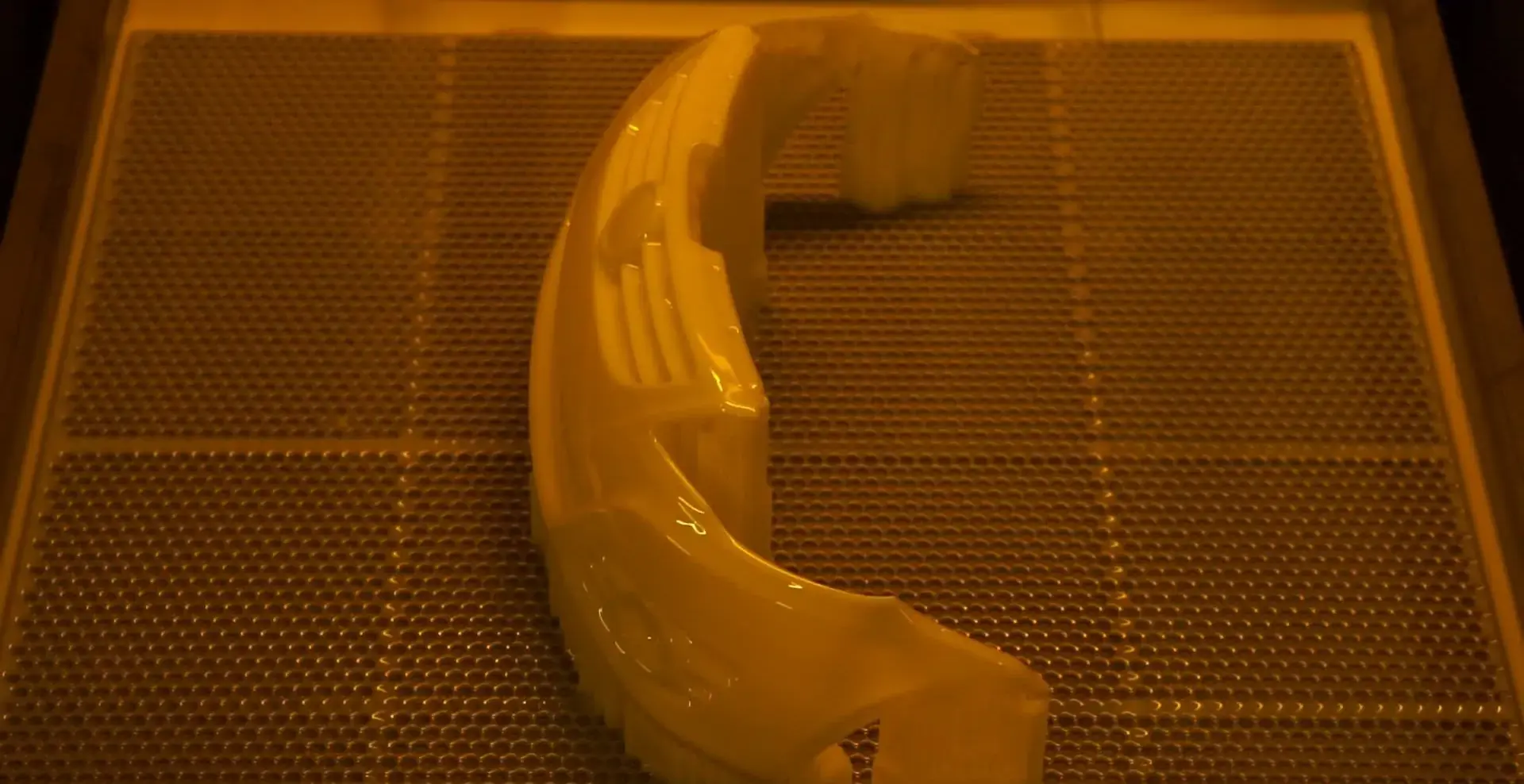
Handling resin is easier than managing powder. Support structures are optimized to improve part orientation and resin drainage efficiency on the build platform, allowing uncured resin to return to the vat efficiently. This design cuts down on waste and speeds up the transition between jobs—operators can switch resins in less than 20 minutes instead of the hours-long processes of powder screening and chamber cleaning.
Procurement Guide for Industrial SLA 3D Printers: Why Choose the SL800
When buying stereolithography tools, you need to think about the total cost of ownership, which is more than just the original investment. The SL800's design puts long-term value first by using durable parts, a variety of materials, and a strong support network.
Total Cost of Ownership Analysis
The HIWIN linear guides and lead screws in the printer have a long service life; they should be replaced after more than 10,000 working hours. This longevity cuts down on production stops caused by upkeep, which happens a lot with lower-level systems that need bearing replacements often. The AOC laser has a lifespan of more than 20,000 hours, which means that major part replacement costs can be put off. This spreads capital costs over longer periods of depreciation.
The platform's drainage design and accurate glue level control (±0.03 mm accuracy) make it possible to use less material. Cutting down on draining losses and stuck resin in support structures can cut the cost of materials for each part by 12–18%, which is a big savings on expensive specialty resins. The built-in temperature control stops print failures caused by viscosity that lose whole builds, which directly raises the material output rates.
After-Sales Support and Training Programs
Magforms has a technology support team that can respond quickly and figure out problems within 24 hours. This keeps production from stopping for days at a time when printers break down. The fact that the company started out as a materials specialist has given them application engineering skills. Support staff help with choosing the right resin, optimizing print parameters, and fixing problems with dimensional accuracy that general equipment sellers can't fix.
OEMs and distributors setting up regional service centers can take advantage of bulk buy programs that offer discounts based on volume and specialized installation services. Magforms has a network of 22 patented technologies and 30 registered brands that show their dedication to constant innovation. They make sure that their equipment works with new materials and that software updates keep it useful for longer amounts of time after the owner has bought it.
Financing Options for Strategic Deployment
Leasing plans set up payments that are in line with how much money the 3D printing services make, which makes managing cash flow easier as the capabilities grow. Distributors benefit from sale inventory programs because they lower the amount of money they need to pay up front and help them build customer bases in their area. These adaptable purchase models make it easier for small and tiny businesses to get into the markets for high-precision manufacturing.
By taking part in foreign industry shows in Europe and Asia, the company can check how well its equipment works through live demos and inspections of sample parts. Potential buyers can check the claimed accuracy by measuring demonstration parts with a CMM. This builds trust before they make a purchase decision.
Best Practices for Maximizing SL800 Performance in Industrial Settings
To get reliable results from stereolithography tools, you need to follow strict operating procedures and keep it in good shape. The following steps will make sure that the SL800 works as well as it's supposed to for as long as it's used.
Calibration and Preventive Maintenance
Precision number signs are used once a week to level the platform and keep it in the exact parallelism needed for large-area prints. Every 200 hours of use, the recoater blade should be checked for resin buildup and edge damage. Worn blades cause uneven layer spreading, which shows up as flaws on the surface. Using lint-free wipes recommended by the maker to clean the optical path stops laser power loss that lowers cure depth and measurement accuracy.
Verification of the temperature control system makes sure that the build room always has the same temperature and humidity. Seasonal changes in temperature affect the thickness of resin and how quickly it cures. Keeping the chamber temperature between 24 and 28°C improves print success rates for all types of materials. The low thermal expansion rate of the marble platform keeps measurement drift to a minimum during multi-day builds. However, precise straightedges are used to check the platform's flatness on a regular basis to ensure ongoing accuracy.
Print Parameter Optimization Strategies
To match laser exposure settings to specific resin formulas for the industrial SLA 3d printer, test builds are needed to check the accuracy of the dimensions and the mechanical qualities. Overexposure makes parts that are flimsy and have holes that are too small, while underexposure makes layers not stick together well and limits the growth of dimensions. The SL800's variable spot technology lets you tune the infill, contour, and support factors separately. By adjusting each zone, you can get the fastest results without lowering the quality of the surface.
Support structure placement has a big effect on the quality of the part and the time it takes to handle it afterward. Placing contact points on non-essential surfaces protects the look of areas, and using thick supports on overhanging parts stops them from sagging and printing problems. For important projects, the Magforms iBuild 2.0 software lets you balance the ease of automation with the need for engineering judgment through auto-support creation and human override.
Troubleshooting Common Printing Challenges
Layer delamination usually means that the laser power isn't strong enough or that the plastic is dirty. Using a power meter to check the laser's output shows when it needs to be recalibrated or when parts need to be replaced. When you filter resin through 100-micron mesh screens, you get rid of the cured particles that cause spot flaws and galvanometer mistakes.
Large flat parts warp because of uneven heat forces that happen when the layers harden. Adding drainage holes lowers the amount of stored air that creates suction forces when layers separate. This makes the bonding better without making the support denser. By changing the peel speed and recoat delay times, you can work with thick resins that need longer flow times to cover all the layers properly.
If the dimensions are off by more than ±0.1%, the galvanometer needs to be calibrated using precision test targets. The Scanlab system can keep the circle spot geometry across the whole build platform as long as the beams are lined up correctly and the mirrors are clean. Factory specs are kept up to date with professional calibration every three months while production loads are constant.
Conclusion
The SL800 industrial SLA 3d printer has clear benefits for engineering companies that need accuracy, dependability, and the ability to work with different types of materials. Its high-quality parts, like Scanlab galvanometers, AOC lasers, and Panasonic servos, make it stable in use, which cuts down on unplanned downtime and loss. Variable spot technology and self-learning scanning algorithms can speed up the process by 30–50% without lowering the quality of the surface. This has a direct effect on project timelines and production capacity. Real-world applications in the automobile, aircraft, medical, and electronics industries show a clear return on investment (ROI) through lower tooling costs, faster design validation, and the removal of extra finishing steps. The SL800's open material system and responsive technical support infrastructure make it a valuable tool for companies that want to take prototyping in-house and rely less on outside service centers.
FAQ
How does the SL800's dimensional accuracy compare with other industrial SLA printers?
When it comes to accuracy, the SL800 is as good as or better than rival systems, with ±0.1 mm for parts under 100 mm and ±0.1% for larger parts. The German Scanlab galvanometer helps maintain consistent spot geometry across the build platform, supporting dimensional accuracy across large-format builds. This keeps the edges from distorting like they do on cheaper printers. With Panasonic servo motors, the Z-axis platform positioning system can achieve accuracy within ±8 μm, which makes sure that layers are registered correctly during multi-day builds.
What materials work best for high-strength functional parts?
Most 355 nm industrial resins can be used with the printer. These include ABS-like, PP-like, and high-temperature formulas that can handle heat deflection temperatures above 100°C. The mechanical needs determine the choice of material. Tensile testing according to ASTM D638 and bending testing according to ASTM D790 are used to check the quality of possible resins. Magforms has a background in materials engineering, which lets them make custom resin profiles for uses that need certain qualities like chemical protection or shore hardness.
Are bulk purchase discounts available for manufacturing facilities?
Orders of more than one machine are discounted at a volume rate, and extra support services like on-site installation, operator training, and longer insurance coverage are available. Customized procurement packages that match equipment delivery with facility growth timelines are helpful for OEMs and distributors. Get in touch with Magforms to talk about financing options and agreements with area distributors that lower the total cost of ownership.
Transform Your Manufacturing with Proven Stereolithography Technology
Every time the SL800 industrial SLA 3d printer is used, Magforms adds decades of experience with materials and precise engineering to the job. Our team knows how important it is for hardware performance and material features to work together because we make both the hardware and the plastic. This means that we can implement ideas faster and get better results the first time. The SL800's open material design and luxury component integration get rid of the problems with cost control and reliability that get in the way of production scaling. No matter if you run a fast prototyping service center, an automotive research and development facility, or a business that makes medical devices, our application engineers can help you find solutions that meet your unique throughput and precision needs. Contact info@magforms.com to set up a time to see how the equipment works, ask for a review of a sample part, or to talk about bulk purchasing plans for industrial SLA 3d printer supplier partnerships. Take the next step toward getting rid of production problems and shortening the time it takes to get a product to market. Our technical support team will get back to you within 24 hours to make sure your operations don't stop.
References
1. Gibson, I., Rosen, D., & Stucker, B. (2021). Additive Manufacturing Technologies: 3D Printing, Rapid Prototyping, and Direct Digital Manufacturing. Springer International Publishing.
2. Jacobs, P. F. (2019). Stereolithography and Other RP&M Technologies: From Rapid Prototyping to Rapid Tooling. Society of Manufacturing Engineers.
3. Chua, C. K., & Leong, K. F. (2020). 3D Printing and Additive Manufacturing: Principles and Applications. World Scientific Publishing.
4. Kruth, J. P., Wang, X., Laoui, T., & Froyen, L. (2018). "Lasers and Materials in Selective Laser Sintering and Stereolithography." Assembly Automation, 23(4), 357-371.
5. Melchels, F. P., Feijen, J., & Grijpma, D. W. (2020). "A Review on Stereolithography and Its Applications in Biomedical Engineering." Biomaterials, 31(24), 6121-6130.
6. Stansbury, J. W., & Idacavage, M. J. (2019). "3D Printing with Polymers: Challenges Among Expanding Options and Opportunities." Dental Materials, 32(1), 54-64.

Magforms makes design and manufacture easier.
Popular Blogs
-
 Industry InsightsManufacturing Industry
FDM vs. SLA Printer: Which Technology Is Right for Your Project?
-
 Industry InsightsManufacturing Industry
Top 5 Applications of Industrial 3D Printers in Manufacturing Today
-
 Industry InsightsManufacturing Industry
Why Stereolithography 3D Printers Are Unmatched for Microfluidic Device Prototyping?