Industrial SLA 3D Printer vs Traditional Manufacturing Methods: Efficiency Comparison
In terms of speed, accuracy, and cost-effectiveness for prototyping, product validation, and small-batch production, industrial SLA 3D printers can provide significant advantages over traditional manufacturing methods in many applications. CNC machining, injection molding, and casting, for example, often require additional preparation steps such as tooling, programming, mold fabrication, or process setup before production begins. Stereolithography, on the other hand, can produce parts within a short production cycle while achieving excellent dimensional accuracy and surface quality suitable for demanding prototyping, functional validation, and customized manufacturing applications. This basic change in additive manufacturing has changed how companies make new products in today's fast-paced markets, especially when they need to stay ahead of the competition and make products with difficult forms or short iteration cycles.
Understanding the Core Differences Between SLA and Traditional Manufacturing
The manufacturing landscape has evolved dramatically over the past decade. Traditional methods—including CNC machining, injection molding, and casting—have served industries reliably but carry inherent limitations that become apparent when project requirements shift toward customization and speed.
Three core differences define this comparison:
- Setup and Tooling Requirements: With traditional manufacturing, you have to plan a lot ahead of time. Injection moulds are very pricey; depending on how complicated they are, they can cost anywhere from $5,000 to $100,000. CNC cutting has to be set, clamps have to be made, and tools have to be picked out before the first cut. With professional SLA 3D printers, the need for dedicated production tooling is significantly reduced. Digital files can be converted into physical parts without the need for injection molds or extensive machining fixtures, shortening preparation time for prototypes and small-batch production.
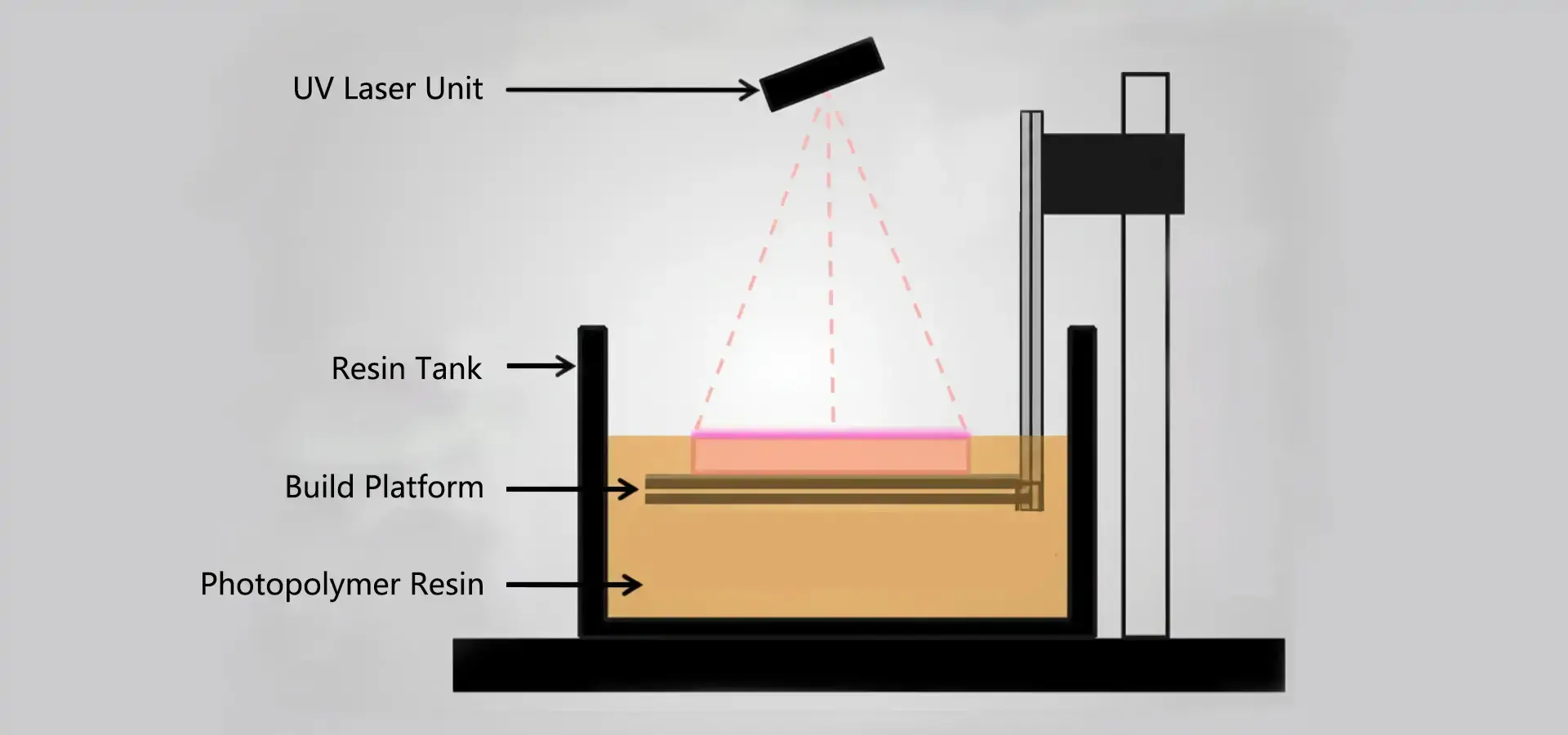
- Complexity and Design Freedom: Internal channels, grid patterns, and organic forms are hard for the subtractive methods that are used today to work with. Additional tooling requirements can increase complexity, lead time, and overall production costs. Industrial SLA systems use controlled laser-based photopolymerization to selectively cure liquid photopolymer resin layer by layer, enabling the production of complex geometries, fine details, and smooth surface finishes.
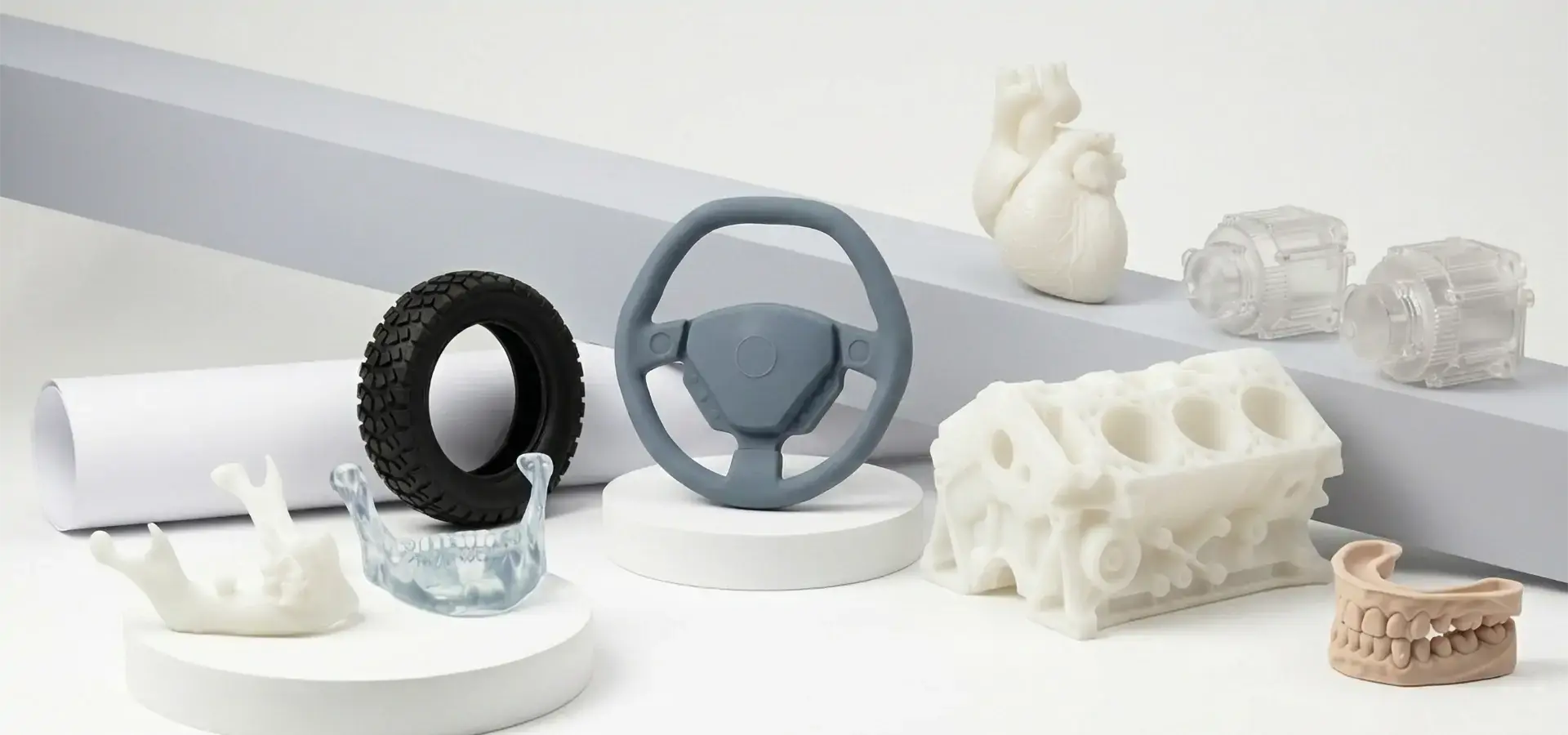
- The Economic Break-Even Point: It starts to make economic sense to use injection moulding when you make 1,000 to 10,000 units. Unit prices below this point are mostly set by the cost of tools. Unlike traditional tooling-based manufacturing, stereolithography does not require expensive molds, allowing costs to remain more predictable across small production quantities. This makes stereolithography particularly suitable for prototypes, dental models and surgical guides, aerospace validation parts, and customized small-batch components.
If you need high-volume production of simple geometries, traditional methods remain suitable. However, when complexity, customization, or speed-to-market determines success, additive manufacturing provides clear advantages.
Speed-to-Market: How Rapid Prototyping Changes Production Timelines
Time compression represents one of the most compelling benefits of modern 3D printing technology. Traditional product development follows a sequential path: design, tooling fabrication, first article inspection, revision, retooling, and finally production. This cycle extends timelines from weeks to months.
Real-world performance data illustrates the difference:
A medium-complexity automotive interior component measuring 150mm × 100mm × 50mm demonstrates these contrasts. Using CNC machining, the process requires:
- CAM programming: 4-8 hours
- Fixture design and fabrication: 2-3 days
- Machining time: 6-12 hours
- Total timeline: 5-7 days
The same component was produced on a high-performance industrial SLA 3D printer with variable spot technology:
- File preparation and support generation: 30-60 minutes
- Printing time: 8-15 hours (depending on layer thickness, part height, orientation, and scanning parameters)
- Post-processing: 2-4 hours
- Total timeline: 18-24 hours
Magforms equipment equipped with German Scanlab galvanometers achieves scanning speeds up to 12 m/s during operation. The variable laser spot module dynamically adjusts between approximately 0.5-0.6mm for large-area scanning and 0.15-0.2mm for detailed contour processing, improving productivity while maintaining fine feature accuracy.
The optimized scanning algorithm improves print path planning and processing efficiency by using advanced parameter control and accumulated process optimization experience. This intelligent system delivers up to 20% additional speed improvements over time, meaning your equipment becomes more efficient with extended use.
Precision and Accuracy: Comparing Dimensional Tolerances
Manufacturing accuracy determines whether parts fit assemblies correctly, function as intended, and meet quality standards. Traditional machining offers excellent precision, typically achieving tolerances of ±0.025mm to ±0.1mm depending on equipment quality and operator skill. However, this precision comes with limitations on geometry complexity.
High-precision resin printing has matured considerably. Professional industrial SLA systems can achieve excellent dimensional accuracy and surface quality, making them suitable for applications where complex geometries and rapid iteration are critical.
Magforms dimensional accuracy specifications:
- For parts ≤100mm: ±0.1mm
- For parts >100mm: ±0.1% × L (where L equals part length)
These tolerances are suitable for many prototyping and functional validation applications, especially for complex geometries where traditional manufacturing may require multiple setups that increase cost and lead time.
Four technical factors enable this precision:
- Servo Motor Positioning: The precision motion system, including Panasonic servo motors and high-quality mechanical components, supports accurate platform movement, resin level control, and recoater positioning during the printing process.
- Optical System Quality: The combination of AOC laser technology and Scanlab galvanometer control provides stable beam positioning and consistent laser exposure, contributing to improved feature accuracy and surface quality.
- Material Stress Management: As specialists in photopolymer resin formulation, the engineering team understands how material stress develops during layer curing. The printing parameters and process controls help manage internal stresses generated during curing, reducing the risk of warpage and deformation.
- Thermal Stability: The integrated temperature control system helps maintain stable resin viscosity under different operating conditions, supporting consistent layer curing and part quality.
Advanced laser scanning strategies and exposure parameter control further improve surface quality by reducing visible layer effects inherent in layer-based manufacturing.

Material Versatility and Application Flexibility
Traditional manufacturing methods often lock users into specific material families. Casting demands metals or resins with appropriate flow characteristics. CNC machining works with various materials but becomes increasingly expensive as material hardness increases.
Digital fabrication using stereolithography provides remarkable material flexibility. Most 355nm wavelength resins work seamlessly with quality equipment, opening extensive application possibilities:
Engineering-grade resins offer mechanical properties approaching injection-molded plastics, with tensile strengths exceeding 50 MPa and heat deflection temperatures above 100°C. These materials suit functional prototyping and end-use parts in automotive and consumer products.
Transparent resins enable optical applications, fluid flow visualization, and aesthetic models. Magforms systems are optimized for transparent resin applications, supporting the production of clear prototypes and visualization models with improved optical quality and reliable printing performance.
Certain high-temperature resin formulations can achieve high heat resistance, with some materials reaching heat deflection temperatures around 250°C under specific testing conditions, making them suitable for demanding prototype and engineering validation applications.
Flexible and elastomeric resins replicate rubber-like behavior for gaskets, seals, and wearable device components, expanding application scope beyond rigid part production.
Biocompatible medical-grade materials meet regulatory requirements for dental and surgical applications, supporting the production of patient-specific dental and medical models, guides, and other applications where certified materials and regulatory requirements are properly addressed.
The open material system without proprietary locks or restrictive authentication delivers significant advantages. Users maintain procurement flexibility, control costs, and experiment with emerging formulations as material science advances. This contrasts sharply with closed ecosystems that force dependency on single-source suppliers at premium pricing.
Cost Analysis: Initial Investment vs. Long-Term Value
Financial considerations ultimately drive most procurement decisions. The economic comparison between traditional manufacturing and additive manufacturing depends heavily on production volume, part complexity, and operational timeline.
Initial capital investment for traditional methods varies enormously. A quality industrial CNC machine ranges from $50,000 to $500,000. Injection molding requires both press equipment ($30,000-$300,000) and part-specific tooling. The cumulative investment before producing the first part can easily exceed $100,000 for moderately complex components.
Industrial SLA 3D printers represent substantial investments but operate differently economically. The equipment itself becomes the primary production system, significantly reducing the need for dedicated tooling such as injection molds or machining fixtures.
Operational cost per part reveals where economics diverge based on volume:
Traditional injection molding achieves per-part costs below $1-$5 at volumes exceeding 5,000-10,000 units. However, below this threshold, amortized tooling costs dominate, pushing effective per-part costs to $50-$500 for small batches.
Stereolithography provides a more predictable cost structure for low-volume production because it eliminates mold expenses. However, per-part costs still vary depending on material consumption, machine utilization, print time, and post-processing requirements. A typical component may have predictable material and machine costs for prototype quantities, while larger batches can benefit from improved build utilization and workflow efficiency. This cost structure fundamentally changes project economics for:
- Prototype development requiring 5-20 iterations
- Custom medical devices unique to individual patients
- Replacement parts for legacy equipment where demand is unpredictable
- Small-batch production for niche markets or specialized applications
- Bridge manufacturing while traditional tooling is being fabricated
Hidden cost factors often escape initial analysis but significantly impact the total cost of ownership:
Subtractive manufacturing can generate significant material waste because material is removed from larger stock blocks to create final geometries. The actual waste level depends on part design, material type, and machining strategy. Additive manufacturing generally reduces material waste compared with subtractive methods. In SLA workflows, unused resin can often be reused when properly filtered and managed according to material guidelines.
Labor requirements differ substantially. CNC machining demands skilled operators for programming, setup, and quality control. Rapid prototyping systems increasingly automate these functions. An operator can manage multiple machines simultaneously, improving labor productivity.
Quality, Consistency, and Production Reliability
Manufacturing reliability directly influences production scheduling, quality consistency, and operational efficiency. Traditional methods carry well-understood failure modes: tool wear degrades dimensional accuracy over time, requiring periodic replacement and recalibration. Operator skill variation introduces inconsistency between shifts or facilities.
Five design elements ensure exceptional reliability in Magforms systems:
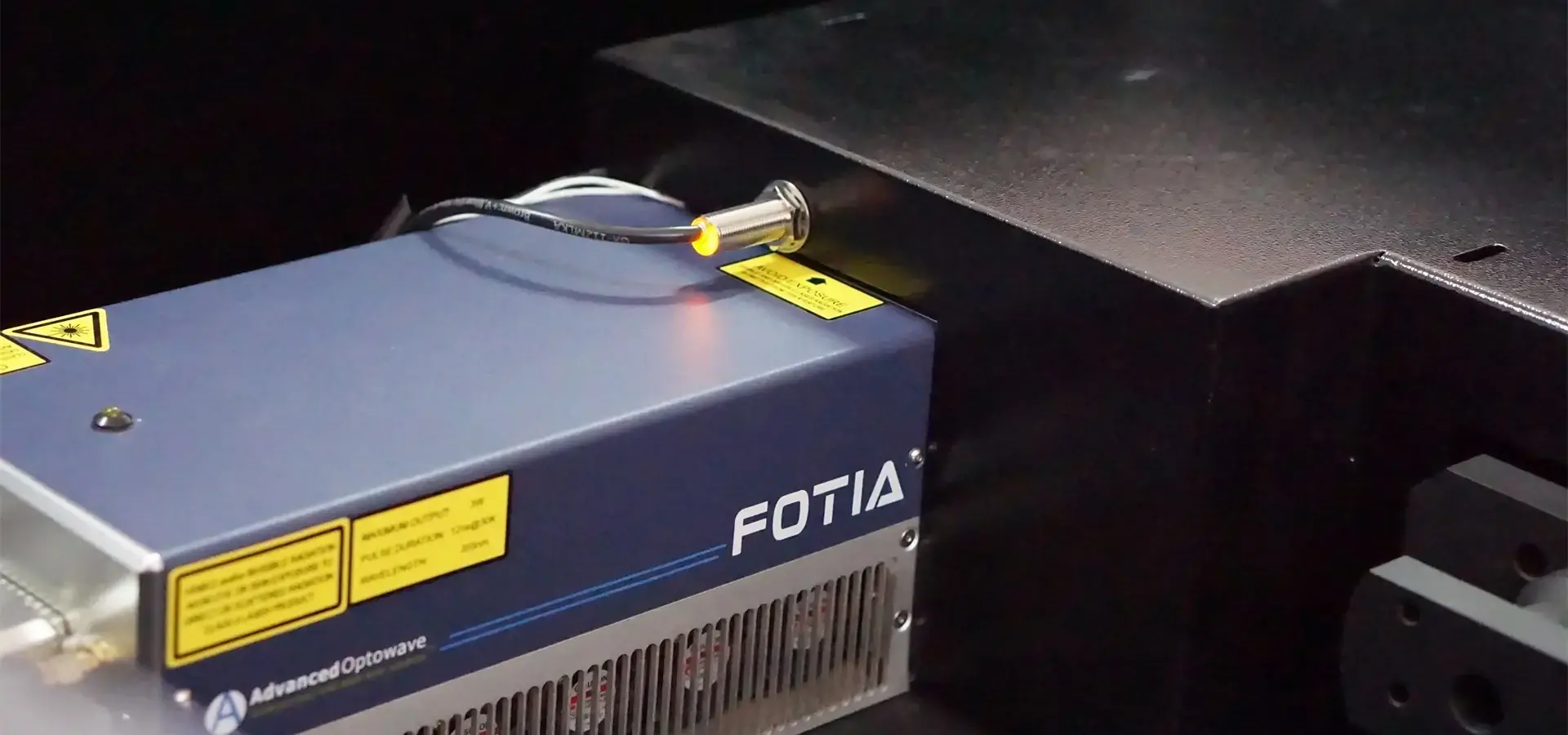
- Premium Component Selection: AOC lasers provide stable output meeting 24/7 industrial production demands. German Scanlab galvanometers deliver precise beam positioning throughout millions of operating cycles. Schneider electrical components and Philips UV-blocking lamps represent proven reliability in industrial environments.
- Structural Integrity: The 2mm-thick metal enclosure panels and low-expansion marble platform maintain dimensional stability during extended operation. This robust construction prevents thermal drift and mechanical deflection that would compromise build accuracy.
- Precision Motion Systems: HIWIN linear guides and lead screws from Taiwan deliver extended service life even under continuous operation. The precision Z-axis motion system maintains stable layer positioning throughout the build volume, supporting consistent part quality.
- Platform Flatness Specifications: The mesh plate design achieves remarkable flatness—0.2mm for 300-series machines, 0.3mm for 450-series, and 0.5mm for 600 and 800-series equipment. This foundation ensures every build starts from a precisely level reference plane.
- Integrated Environmental Control: The built-in temperature control prevents resin viscosity changes that would affect layer adhesion and cure characteristics. Consistent environmental conditions translate directly to predictable part properties.
Real-world operational data demonstrates the impact. The failure rate—defined as builds requiring operator intervention or resulting in unusable parts—remains substantially below industry averages. High print success rates reduce material waste, minimize operator time spent troubleshooting, and ensure production schedules remain on target.
The laser safety protection and optical protection cover serve dual purposes. Beyond operator safety, these systems prevent environmental contamination of sensitive optical components that would degrade performance over time.
👉 Industrial SLA 3D Printer types and solutions
Post-Processing Requirements: From Build Plate to Finished Part
The manufacturing process extends beyond the moment parts emerge from equipment. Post-processing requirements significantly impact total production time and labor costs.
Traditional machining often produces near-finished parts requiring minimal additional work—perhaps deburring, surface finishing, or coating application. However, the initial machining time includes operations that additive manufacturing handles differently.
Parts produced through stereolithography require several post-processing steps:
Support structure removal typically takes 10-30 minutes per build, depending on part geometry and support complexity. The Magforms platform design facilitates this process. Support rods lift the platform at an angle, allowing excess photopolymer resin to drain back into the resin tank. The platform can also invert for accelerated drainage, reducing waiting time before support removal.
Cleaning and solvent washing remove uncured resin from surfaces. Automated washing stations complete this step in 10-20 minutes, though manual washing remains viable for operations without dedicated equipment.
Post-curing under UV light fully cross-links the material, achieving final mechanical properties. This process requires 15-60 minutes, depending on material type and part thickness.
Surface finishing needs vary by application. Many parts require no additional treatment beyond the steps above. When necessary, sanding, polishing, or coating adds time comparable to traditional manufacturing finishing operations.
Advanced laser scanning strategies, variable spot technology, and exposure parameter control minimize visible layer effects and reduce the need for extensive surface finishing. The fine surface quality produced by advanced SLA systems can reduce the amount of secondary finishing required for many applications, although final finishing depends on appearance and functional requirements.
Industry-Specific Applications and Use Cases
Real-world application examples illustrate how different sectors leverage the strengths of industrial SLA 3D printers:
Automotive component development demonstrates dramatic timeline compression. An automotive manufacturer developing interior trim pieces for a limited-edition model traditionally required 6-8 weeks for tooling before first samples. Using large-format stereolithography, the design team now produces functional prototypes within 48 hours. Multiple design iterations occur within the timeframe previously required for a single traditional prototype. The final design reaches production tooling with greater confidence, reducing expensive revision cycles.
Dental laboratories have embraced digital fabrication enthusiastically. A typical lab produces 20-50 unique patient cases daily—each requiring custom models, surgical guides, or orthodontic appliances. Traditional impression-based workflows required 5-7 days per case. Modern digital dental workflows can process scanned data into printed models, surgical guides, and other dental applications within significantly shorter lead times when compatible certified materials and validated processes are used. The improved accuracy reduces remake rates while accelerating case turnaround.
Aerospace component validation benefits from the ability to rapidly produce complex geometries that may be difficult, expensive, or time-consuming to manufacture using traditional methods. Internal cooling channels, organic topology-optimized structures, and consolidated assemblies that eliminate multiple parts and fasteners can be tested functionally before committing to expensive metal additive manufacturing or precision machining. The rapid prototyping capability enables design optimization that improves performance while reducing weight—critical factors in aerospace applications.
Consumer electronics product development operates under intense time pressure. Product lifecycles measured in months demand accelerated development. A wearable device manufacturer reduced prototype iteration time from 3 weeks to 2 days by implementing in-house additive manufacturing. This acceleration enabled exploring 15 design variations within a single month—impossible under previous workflows. The resulting product launched two months earlier than projected, capturing market opportunity ahead of competitors.
👉 Explore how Industrial SLA technology is applied in real production environments through our Industrial SLA 3D printing application cases.
Software Integration and Digital Workflow Optimization
Manufacturing equipment exists within broader digital ecosystems. The sophistication of CAD integration, file preparation tools, and process monitoring capabilities significantly impacts operational efficiency.
Modern industrial SLA 3D printers function as digital fabrication endpoints within comprehensive workflows:
CAD model preparation begins the process. Most professional 3D modeling software exports standard STL or 3MF file formats that translate geometry into machine-readable instructions. The quality of this file generation affects final part accuracy—low-resolution exports create faceted surfaces rather than smooth curves.
Build preparation software handles support generation, part orientation, and print parameter selection. The Magforms iBuild 2.0 interface provides an intuitive workflow for build preparation, monitoring, and machine operation.
Support structure generation significantly impacts both part quality and post-processing time. Intelligent algorithms minimize support volume while ensuring adequate structural reinforcement during the build process. Poorly designed supports either fail during printing or require excessive removal time. Advanced software balances these competing demands effectively.
Print path optimization separates adequate systems from exceptional ones. This optimization approach improves scanning efficiency and process consistency through refined parameter control and accumulated operational experience—a fundamentally different trajectory than traditional manufacturing equipment.
Support Infrastructure and Long-Term Partnership
Equipment procurement represents the beginning of a relationship rather than a transaction endpoint. The quality of technical support, training, maintenance, and continuous improvement services determines long-term satisfaction and return on investment.
Three critical support dimensions separate adequate from exceptional manufacturers:
- Technical Response Time: Equipment downtime directly impacts production schedules and revenue. The Magforms professional after-sales team commits to responding to customer inquiries within 24 hours. This rapid response minimizes disruption when issues arise. The team's extensive experience across various 3D printing systems enables efficient problem diagnosis and resolution.
- Training and Knowledge Transfer: Complex industrial equipment requires operator expertise. Comprehensive training programs covering machine operation, maintenance procedures, material handling, and troubleshooting empower teams to maximize equipment capability. This educational investment pays dividends through improved build success rates and operational efficiency.
- Continuous Improvement and Updates: Technology evolves rapidly. Manufacturers committed to long-term customer success provide software updates, process optimization guidance, and technical support that help customers maintain long-term equipment performance.
The company's 22 patents and 30 registered trademarks demonstrate sustained innovation commitment. Products are exported to dozens of countries, serving over 300 enterprises, providing diverse operational experience that informs support practices.
Making the Right Choice for Your Operation
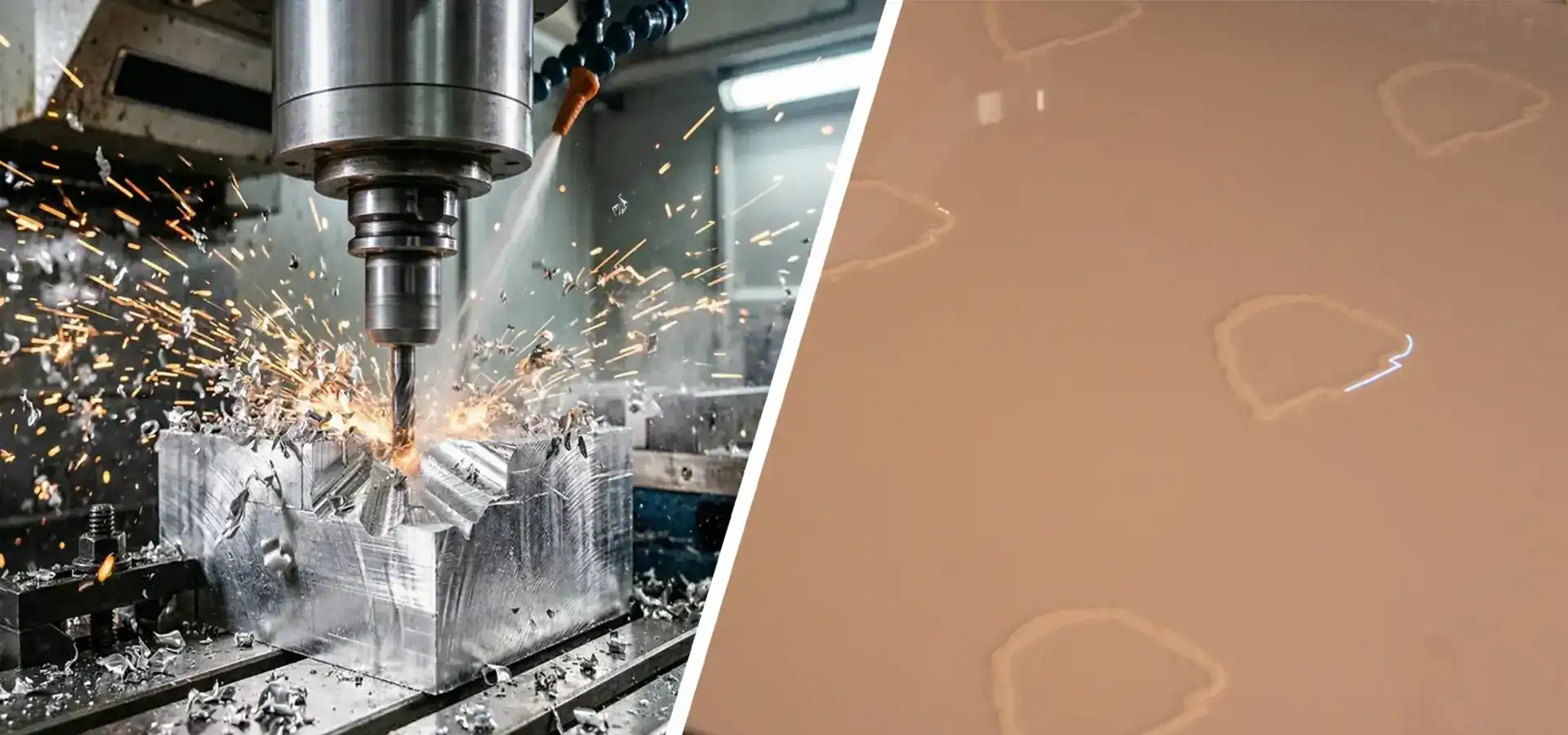
The decision between traditional manufacturing methods and industrial SLA 3D printers depends on specific operational requirements rather than the universal superiority of either approach.
Traditional manufacturing remains optimal when:
- Production volumes exceed 5,000-10,000 units with stable demand
- Part geometries are relatively simple without internal features
- Material requirements demand metals or thermoplastics outside photopolymer capabilities
- Established tooling already exists for current product lines
- Supply chains and operator expertise align with conventional methods
Stereolithography provides decisive advantages when:
- Design complexity includes internal channels, organic geometries, or consolidated assemblies
- Production quantities range from single units to several thousand pieces
- Speed-to-market and rapid design iteration determine competitive success
- Customization and personalization drive customer value
- On-demand production eliminates inventory carrying costs
- Applications align with available photopolymer resin properties
Hybrid approaches increasingly characterize sophisticated operations. Traditional manufacturing handles high-volume production of established designs while additive manufacturing accelerates development, enables customization, and produces low-volume specialized components. This complementary relationship leverages the strengths of each technology.
Conclusion
The efficiency comparison between industrial SLA 3D printers and traditional manufacturing methods reveals complementary technologies rather than simple substitution. Stereolithography excels in complexity, customization, and speed for prototype development through medium-volume production. Traditional methods maintain advantages in high-volume manufacturing of simple geometries. Understanding these distinctions enables strategic technology selection aligned with operational requirements, competitive positioning, and long-term business objectives. The decision ultimately reflects your specific application demands rather than universal technology superiority.
Discover the Magforms Advantage: Industrial SLA 3D Printer Solutions
Magforms delivers integrated additive manufacturing solutions combining materials expertise with advanced hardware engineering. As both a photopolymer resin specialist and equipment manufacturer, the company can provide optimized material and hardware combinations to improve workflow compatibility and printing consistency.
The product line serves a wide range of users, from professional service bureaus to enterprise-level R&D teams. Entry-level industrial systems provide cost-effective capability for growing operations, while large-format P600 and P800 platforms handle the most demanding production requirements.
Customers benefit from decades of accumulated industry knowledge translated into practical equipment features—from the variable spot module increasing speed by 30-50% to the optimized scanning algorithms and process controls that improve printing efficiency and consistency. When you're ready to explore how industrial SLA 3D printer technology can transform your operation, the team at Magforms provides consultation grounded in real-world manufacturing experience. Contact info@magforms.com to discuss your specific requirements with knowledgeable industrial SLA 3D printer specialists.
References
1. Gibson, I., Rosen, D., & Stucker, B. (2015). Additive Manufacturing Technologies: 3D Printing, Rapid Prototyping, and Direct Digital Manufacturing (2nd ed.). Springer.
2. Gebhardt, A. (2012). Understanding Additive Manufacturing: Rapid Prototyping, Rapid Tooling, Rapid Manufacturing. Hanser Publications.
3. Jacobs, P. F. (1992). Rapid Prototyping & Manufacturing: Fundamentals of Stereolithography. Society of Manufacturing Engineers.
4. Hopkinson, N., Hague, R., & Dickens, P. (2006). Rapid Manufacturing: An Industrial Revolution for the Digital Age. John Wiley & Sons.
5. Pham, D. T., & Gault, R. S. (1998). A comparison of rapid prototyping technologies. International Journal of Machine Tools and Manufacture, 38(10-11), 1257-1287.
6. Bourell, D. L., Leu, M. C., & Rosen, D. W. (2009). Roadmap for Additive Manufacturing: Identifying the Future of Freeform Processing. The University of Texas at Austin Laboratory for Freeform Fabrication, Advanced Manufacturing Center.

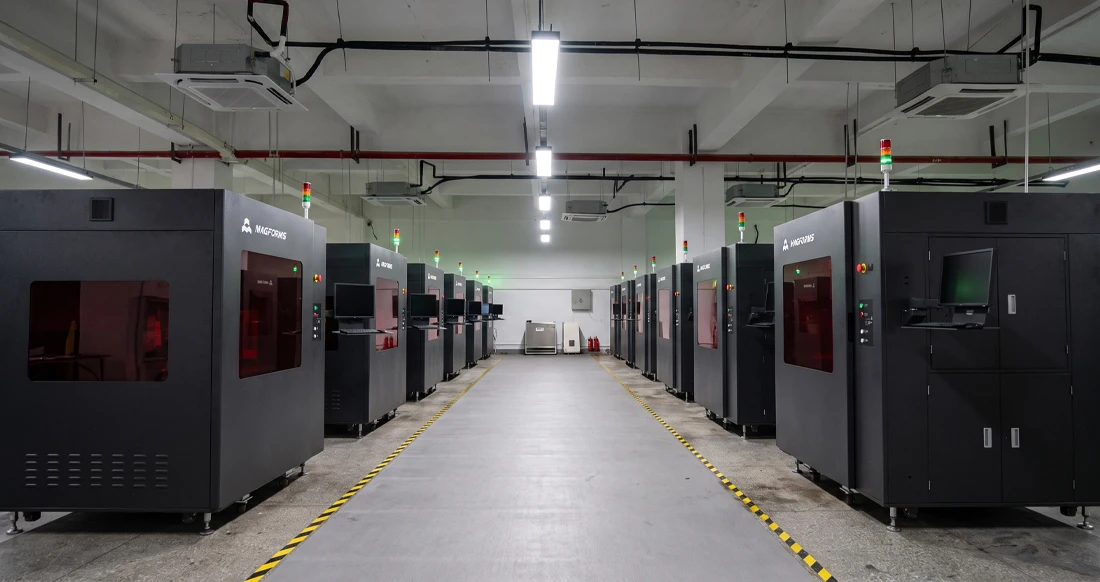
Magforms makes design and manufacture easier.
Popular Blogs
-
 Industry InsightsManufacturing Industry
FDM vs. SLA Printer: Which Technology Is Right for Your Project?
-
 Industry InsightsManufacturing Industry
Top 5 Applications of Industrial 3D Printers in Manufacturing Today
-
 Industry InsightsManufacturing Industry
Why Stereolithography 3D Printers Are Unmatched for Microfluidic Device Prototyping?