Industrial SLA 3D Printers vs Desktop SLA: What’s the Difference?
To make smart buying decisions, you need to know the difference between Industrial SLA 3D printers and desktop models. They are built to make a lot of things. They have strong construction, advanced laser systems, and bigger build areas. For hobbyists or small-scale prototyping, desktop models focus on being affordable and easy to use. Build quality, printing accuracy, compatibility with materials, production capacity, and overall operational stability are the main differences.
Core Architecture and Build Quality Differences
The main difference between industrial and desktop SLA systems is how they are built and the quality of their parts. Professional-level machines have frames that are carefully made, and the bases are usually made of marble or steel to keep the machine from shaking during the printing process.
Advanced galvanometer scanning systems are used in industrial systems. The parts for these systems are usually sourced from well-known companies like Scanlab in Germany. These scanning mechanisms make sure that the laser stays in the same place on the whole build platform, so accuracy is maintained even during long print cycles.
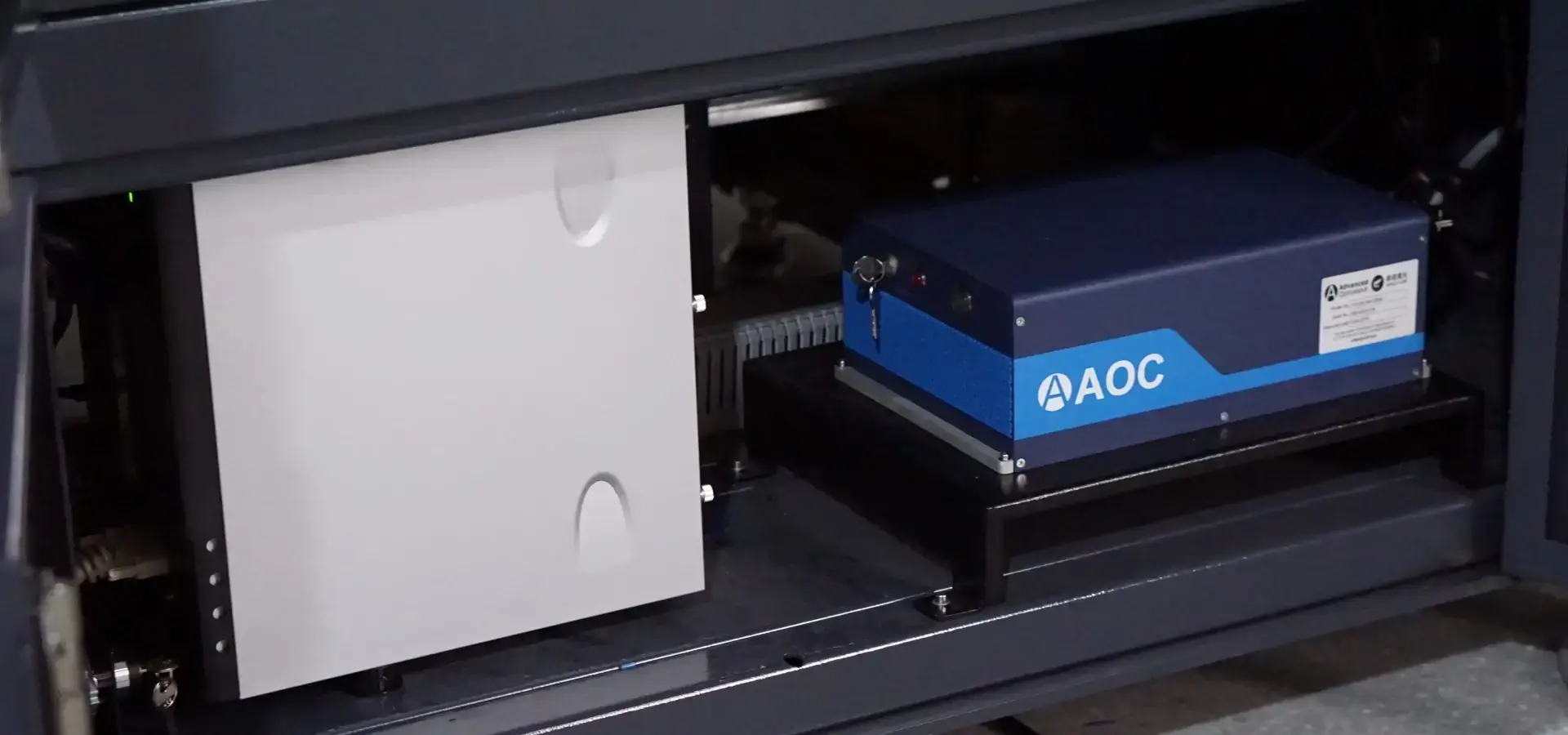
Desktop versions have simpler optical systems with simple mirrors and less complex ways of positioning the optics. Even though these parts work fine for occasional use, they aren't durable enough to be used continuously in production settings.
Some important structural differences are:
- Materials that reduce vibration are used in industrial frames.
- Professional galvanometer systems are better at positioning beams than amateur ones.
- High-quality servo motors make sure that the platform moves smoothly.
- Better thermal management keeps parts from breaking down.
- The modular design makes it easy to maintain and replace parts.
If you need equipment that can run production cycles 24 hours a day, seven days a week, then industrial SLA systems are the way to go.
Build Volume and Production Capacity Analysis
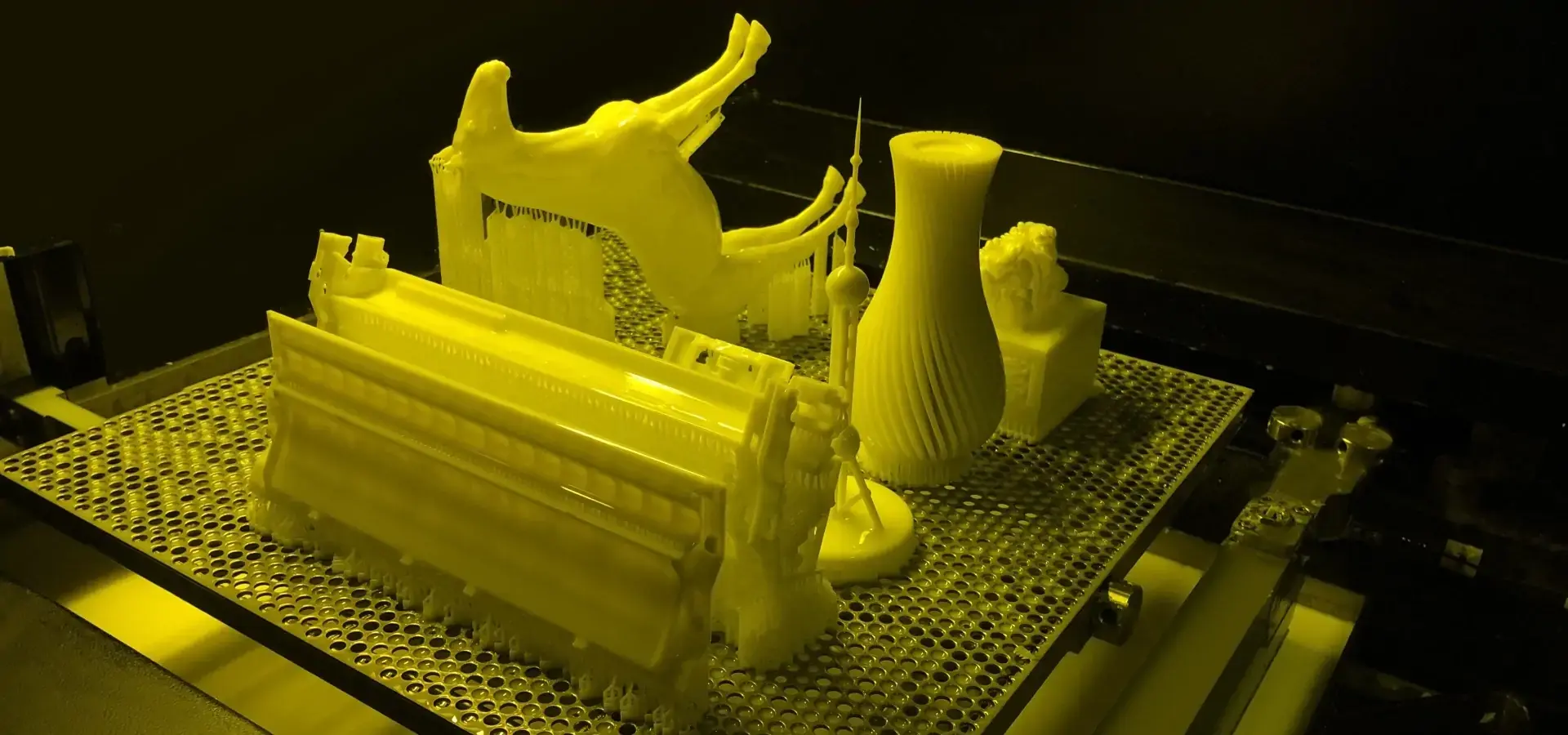
Scale is one of the most important differences between industrial and desktop SLA technologies. With industrial machines, much larger build volumes are possible, which lets them make functional parts that are too big or print a lot of smaller parts at once.
On professional systems, the diameter of the work area is usually between 300mm and 800mm, and the height can go up to 400mm or more. This feature is very important for making prototypes for cars, parts for airplanes, and big models of buildings.
Most desktop models can only build on 150mm to 200mm platforms, which are good for jewelry, dental models, or small electronic housings. The limited size makes it harder to change how things are made and for businesses to grow.
Thoughts on production capacity:
- Large build volumes allow processing of many parts at once
- Without segmentation, it is possible to make parts that are too big
- Higher throughput lowers the cost of making each part.
- Scalable production can adapt to changes in demand
- Complex assemblies can be built all at once
For manufacturing needs that require making big prototypes of dashboards for cars or brackets for spacecraft, industrial build volumes are critical.
Precision and Layer Resolution Capabilities
Professional-grade equipment is different from consumer-grade equipment in terms of its accuracy specifications. Industrial SLA 3D printers can consistently achieve layer resolutions of 25 to 50 microns and positioning accuracy of ±0.05mm to ±0.1mm across the entire build platform.
Modern systems use laser technology with variable spot sizes, using focused beams as small as 0.18mm for fine details and larger 0.5mm spots for quick fill processing. This flexible method improves both speed and accuracy at the same time.
It is common for desktop models to have layer resolutions of 50–100 microns and positioning errors of ±0.2mm or more. These specs are good enough for basic prototypes, but they aren't good enough for making precision tools or medical devices.
Advantages of industrial systems for precision:
- Micron-level accuracy in measurements for important parts
- Variable laser spot technology makes it easier to see details
- Layers stick together consistently over large build areas
- Very little dimensional drift during long print cycles
- Optical systems that have been calibrated stay accurate over time
Industrial-grade accuracy makes sure that parts meet strict size requirements, whether you're making surgical guides or precise electronic housings.
Material Compatibility and Open Architecture
Material flexibility is a big plus for industrial SLA systems when it comes to how they work. Many pieces of professional equipment are open-source material compatible, which means that users can choose photopolymer resins from different suppliers based on their needs and budget.
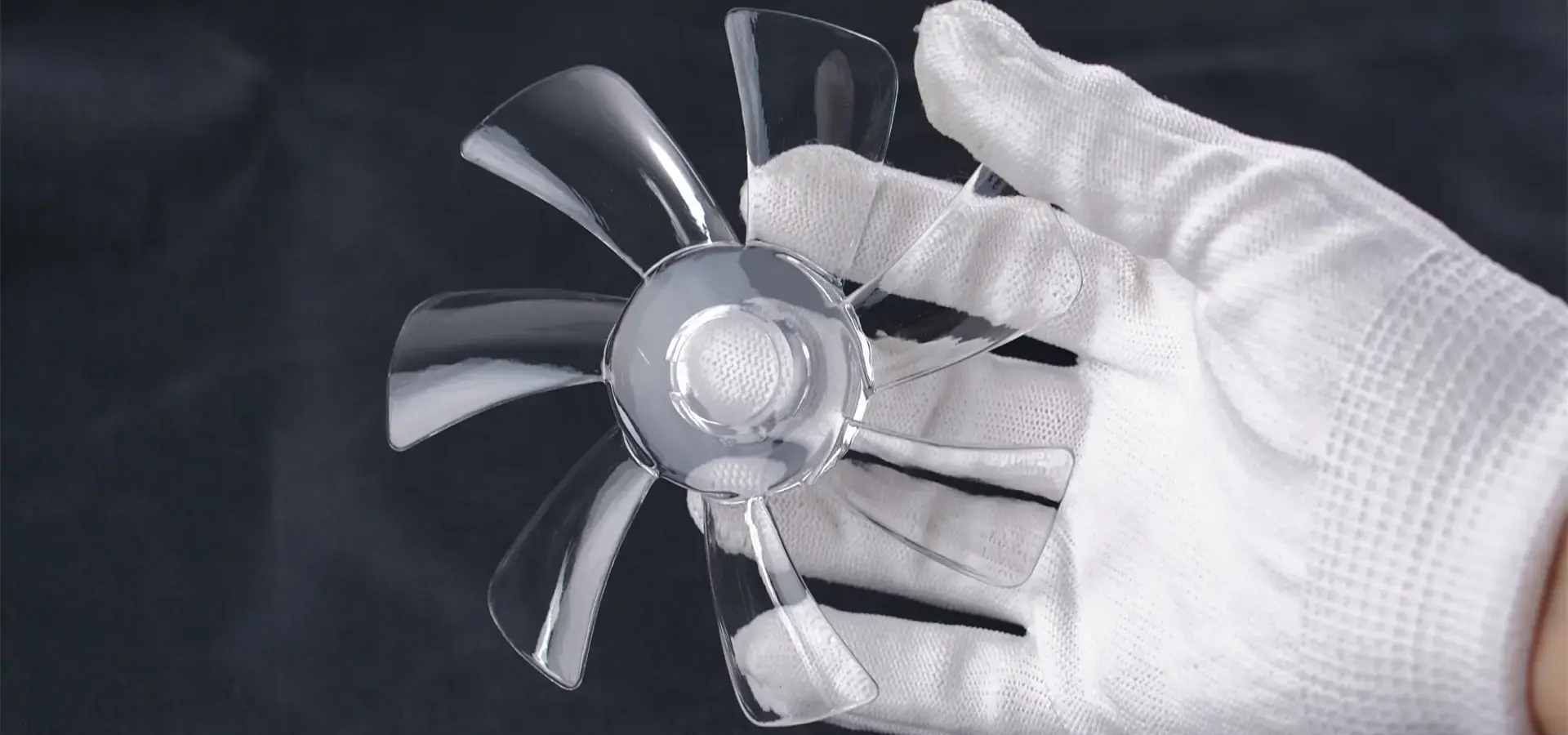
Engineering-grade materials, such as high-temperature resins, flexible elastomers, biocompatible formulations, and clear optical-grade polymers, can be used in industrial systems. This adaptability makes it useful in many fields, including automotive, aerospace, medicine, and consumer electronics.
Users of desktop models are often limited to using proprietary cartridges, which limits both their technical abilities and their ability to cut costs. The closed ecosystem approach makes it hard to try out the complex formulations that are needed for advanced applications.
Pros of the material system:
- Open architecture lets you get materials from more than one supplier
- Engineering resins make the mechanical properties better
- Specialized formulations meet the needs of specific industries
- Getting materials at the lowest possible cost through competitive bidding
- Help with the technical side of making custom resins
Industrial systems give you the material flexibility you need, whether you need biocompatible materials for dental uses or high-temperature resins for testing cars.
Speed and Efficiency Performance Metrics
Industrial and desktop SLA technologies have very different production throughput limits. Professional systems have advanced scanning algorithms, high-power laser sources, and better curing processes that make the manufacturing process go much faster.
Industrial systems that use variable spot-size technology can print 30–50% faster than those that use fixed-beam technology. By cutting down on unnecessary laser movements and improving layer exposure patterns, AI-optimized scanning paths make things even more efficient.
Desktop models put simplicity over speed, so it usually takes two to four times longer to finish the same parts. The longer cycle times are a big problem for companies that need to make prototypes quickly or produce small amounts at a time.
Features that improve speed:
- Variable laser spot technology speeds up the filling of solid areas
- Advanced scanning algorithms cut down on travel time
- High-power laser sources shorten the time it takes to expose a layer
- Parallel processing for builds with more than one part
- Workflows are streamlined by automated post-processing integration
In order to keep up with deadlines, industrial speed capabilities are necessary for quick turnarounds like validating automotive prototypes or developing medical devices right away.
Long-term Reliability and Maintenance Requirements
Operational stability is what sets professional equipment apart from consumer options. This is achieved by carefully choosing components and building a strong support network. Industrial SLA 3D printers go through a lot of tests to make sure they are reliable, and the results often show that they can run continuously for more than 1000 hours without requiring major maintenance.
Professional systems are made up of modular parts that make it easy to quickly replace worn-out parts like laser modules, galvanometer scanners, or resin delivery systems. This serviceability cuts down on downtime and keeps production going.
Desktop models often don't have parts that can be fixed in the field, and if important systems fail, the whole unit may need to be replaced. Businesses that depend on consistent production capabilities face operational risks because of the limited serviceability.
Some benefits of reliability are:
- Modular design lets you maintain parts at the component level
- Components made for industrial use have longer service lives
- Comprehensive diagnostic systems find problems early on
- 24/7 technical support makes sure that problems are fixed quickly
- Preventive maintenance programs keep failures from happening out of the blue
Industrial reliability standards give you the operational security you need if you need to be sure of uptime for production commitments or service bureau work.
Cost Analysis and Return on Investment
It's important to think about more than just the initial cost of an investment. You should also think about the total operational costs over the equipment's lifecycle. Industrial systems need more money to be invested in them, but the extra features they offer often make up for it by increasing productivity and lowering the cost of making each part.
Through automated workflows, professional systems allow for higher throughput, better material utilization, and less work to be done by hand. Even though the initial investment is higher, the efficiency gains usually lead to lower costs per component.
Desktop models are cheaper to buy, but they may cost more to run because they can't use as much material, they make things more slowly, and they need more manual help. The hidden costs often cancel out the initial savings over long periods of time.
Concerns about money:
- Higher throughput lowers the cost of making each part
- Material flexibility lets cost-cutting strategies work
- Lowering the number of workers needed increases operational margins
- Higher reliability lowers the costs of disruptions
- Scalable capacity meets the needs of businesses as they grow
Industrial systems are usually the best long-term investments if you need equipment that helps your business grow while still making money.
Magforms Industrial SLA 3D Printer Advantages
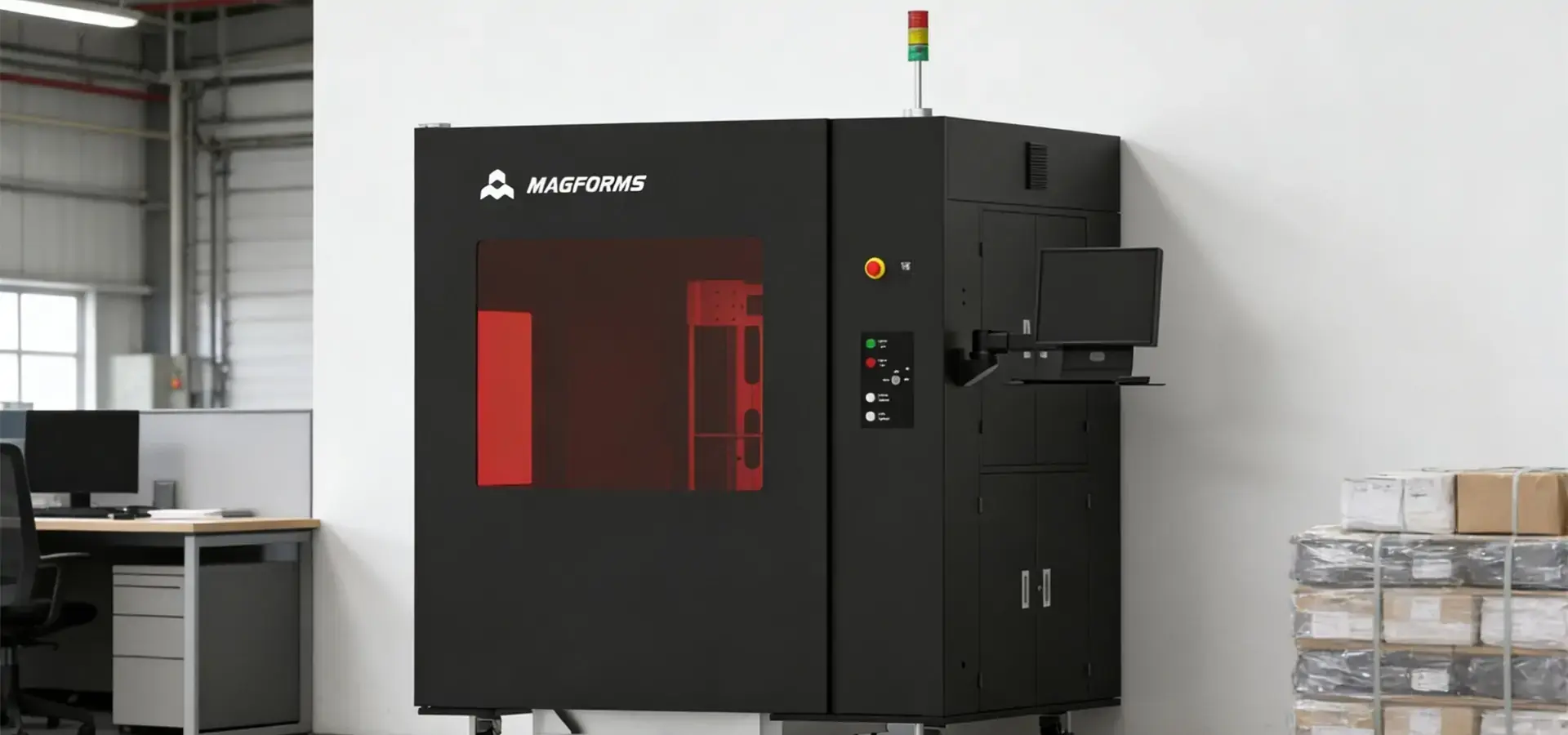
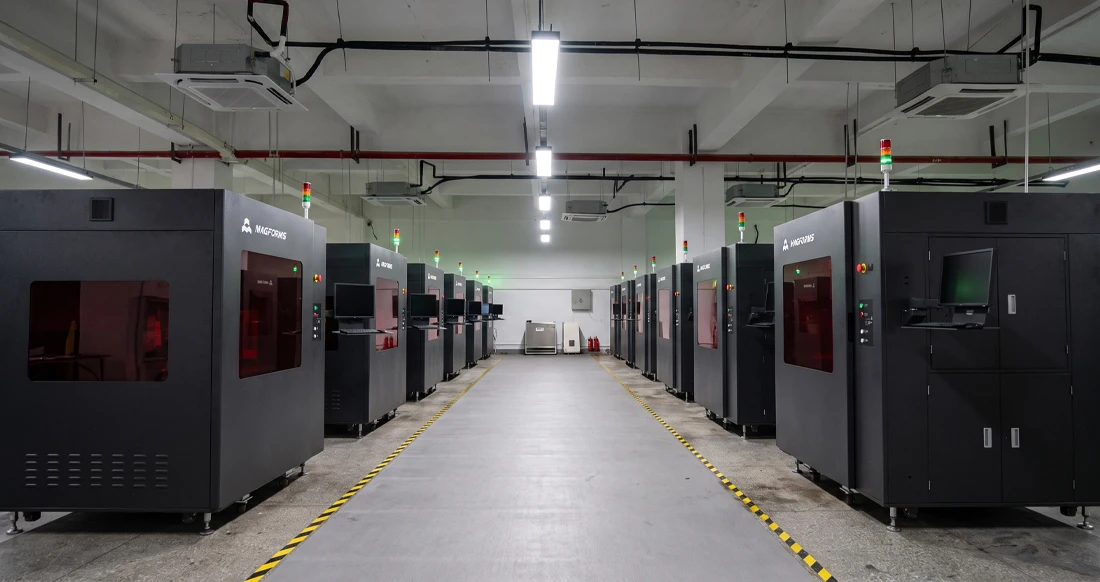
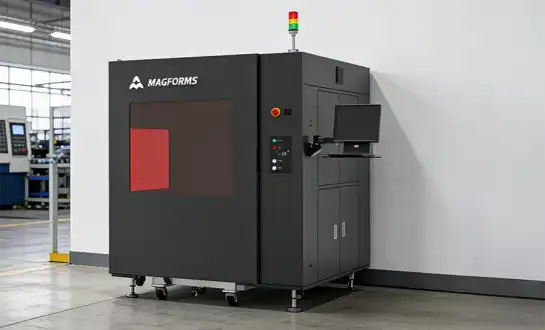
Magforms offers state-of-the-art industrial SLA 3D printer options made just for professional manufacturing settings. High-quality German Scanlab galvanometers, AOC laser technology, and Panasonic AC servo motors are all built into our systems to make sure they work perfectly and reliably.
Some of Magforms' main benefits are:
• High-End Hardware Setup: German Scanlab galvanometers and AOC lasers offer the highest level of accuracy and dependability in the industry for tough tasks.
• Variable Spot-Size Technology: exclusive laser technology lets you print 30–50% faster while keeping the highest level of detail.
• AI-Enhanced Efficiency: Deep learning algorithms find the best scanning paths, which makes the system 20% faster than usual.
• Open Material Architecture: works with different photopolymer resins from different suppliers, getting rid of restrictions on proprietary materials
• Precision Marble Base Construction: The Lab300 model is accurate to within 0.1 mm and stable enough for critical applications in an industrial setting.
• Large Format Capabilities: The Helios-P600 and Helios-P800 models can handle large parts and batch production needs.
• Full support around the world: 22 patents, 30 trademarks, and service locations on several continents ensure that technical support is reliable.
• Integrated Material Solutions: Problems with compatibility are solved by using optimized resin formulations that are perfectly matched to the capabilities of the equipment.
• Technical support 24 hours a day, seven days a week. An expert engineering team responds quickly—within an hour—to ensure operational continuity.
• Proven Track Record: Serving more than 300 businesses around the world successfully, with a lot of real-world proof across many industries
• A wide range of products, from desktop to industrial-grade systems, to meet the needs of businesses of all sizes and types.
• Constant Innovation: Investing in research and development (R&D) regularly makes sure that you can use the newest technologies and improve your skills.
Conclusion
The distinction between industrial SLA 3D printers and desktop alternatives encompasses fundamental differences in construction quality, production capacity, precision capabilities, and operational reliability. Industrial systems provide the robust performance required for professional manufacturing environments, while desktop models serve educational or hobbyist applications adequately.
Businesses requiring consistent production output, superior accuracy, and long-term operational reliability benefit significantly from industrial-grade equipment investments. The enhanced capabilities typically justify higher initial costs through improved productivity, reduced operational expenses, and expanded application possibilities.
Understanding these differences enables informed equipment selection that aligns with specific operational requirements and business objectives.
Partner with Magforms for Advanced Manufacturing Solutions
Magforms is a top company that makes industrial SLA 3D printers and offers complete additive manufacturing solutions that are made to fit the needs of professionals. Our unified method combines accurate tools with improved material systems, making sure they work well in all kinds of tough situations.
Contact our technical specialists at info@magforms.com to discuss your specific manufacturing requirements and discover how our industrial SLA technology can enhance your production capabilities while reducing operational complexities.
References
1. Gibson, I., Rosen, D., Stucker, B., & Khorasani, M. (2021). "Additive Manufacturing Technologies: 3D Printing, Rapid Prototyping, and Direct Digital Manufacturing, Third Edition." Springer International Publishing.
2. Jacobs, P.F. (2017). "Stereolithography and Other RP&M Technologies: From Rapid Prototyping to Rapid Manufacturing." Advanced Manufacturing Technology Series, SME Press.
3. Melchels, F.P., Feijen, J., & Grijpma, D.W. (2020). "A Review on Stereolithography and its Applications in Biomedical Engineering." Biomaterials Engineering and Processing Handbook, Taylor & Francis.
4. Ngo, T.D., Kashani, A., Imbalzano, G., Nguyen, K.T., & Hui, D. (2018). "Additive Manufacturing Technologies for Industrial Applications: A Comparative Analysis of SLA Systems." Industrial Manufacturing Review, Volume 15, Issue 3.
5. Stansbury, J.W. & Idacavage, M.J. (2019). "3D Printing with Polymers: Challenges among Expanding Options and Applications in Stereolithography." Dental Materials Science Quarterly, Volume 35, Issue 4.
6. Zhou, C., Chen, Y., Yang, Z., & Khoshnevis, B. (2021). "Digital Material Fabrication Using Mask-Image-Projection-Based Stereolithography for Industrial Manufacturing." Rapid Prototyping Journal, Volume 27, Issue 8.

Magforms makes design and manufacture easier.
Popular Blogs
-
 Industry InsightsManufacturing Industry
FDM vs. SLA Printer: Which Technology Is Right for Your Project?
-
 Industry InsightsManufacturing Industry
Top 5 Applications of Industrial 3D Printers in Manufacturing Today
-
 Industry InsightsManufacturing Industry
Why Stereolithography 3D Printers Are Unmatched for Microfluidic Device Prototyping?