Best 3D Printer for Footwear Prototyping? Is P13 Pro the Right Choice
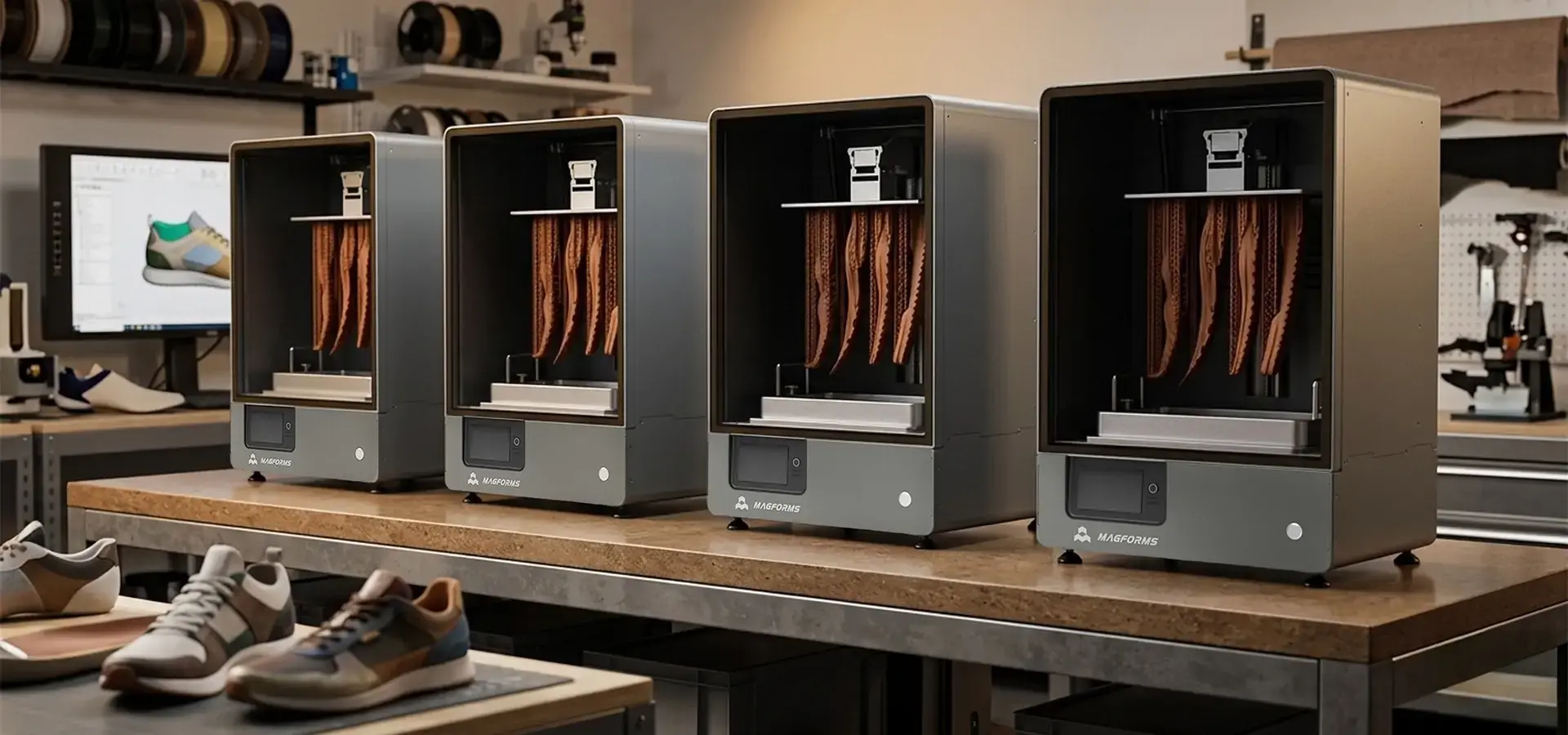
When looking at solutions for making shoes and industrial prototypes, Magforms' P13 Pro stands out as a solution that was designed to solve problems that have been around for a long time. This industrial-grade LCD-based resin 3D printer meets the most critical requirements of companies that make shoes, design products, and offer development services. These businesses need accuracy, speed, and dependability in settings where small batches are made. With a build space designed to make shoe lasts and technical specs that get rid of frequent failure points in older machines, the P13 Pro makes a real difference in the quality of the work and how efficiently it is done. It can print 12 full shoe lasts in one session, and the system delivers high XY resolution down to 10 μm and dimensional accuracy of ±0.05 mm, making this 3D printer suitable for businesses that are switching from outsourcing development to producing their own products.
Understanding the Requirements of Footwear and Industrial Prototyping
There are special development problems in the footwear business that can't be solved with general-purpose tools. When you're making a shoe last, you have to keep very close measurements across very complicated organic shapes. Even small changes can affect how well the shoe fits and feels. Traditional CNC making of lasts takes a long time and costs too much for small production runs, which slows down the development of new seasonal collections. The problems that come up with industrial prototyping uses in fields like medical device development, housings for consumer electronics, and car parts are similar.
To make things, production teams need tools that can copy fine surface textures, complex internal structures, and useful mechanical parts with significantly reduced material waste compared to subtractive manufacturing processes such as CNC machining. When making things that will be inspected for dimensions or tested for functionality, environmental safety during printing is very important. Aside from scientific specs, procurement decision-makers also look at the total cost of ownership when choosing tools. Mid-range printers have a high failure rate, which wastes resin materials, increases failed print iterations, and causes delivery dates to be missed.
People who buy proprietary materials are stuck with expensive products, and when equipment breaks down, production lines sit idle because there isn't enough after-sales support. Because of this, there is a need for unified solutions that include dependable hardware, material compatibility, and quick technical help networks.
Key Technical Demands in Prototyping Workflows
For any 3D printer used in functional prototyping, accuracy in measurements is critical. Parts must be made exactly as shown in the CAD file, with enough room for error to allow for fit tests and mechanical proof. The quality of the surface finish has a direct effect on both how the part looks and how well it can be used as a model for other processes. Print speed determines how fast iterations happen during the design improvement stages, and batch capacity determines whether it is cheaper to make things in-house or hire someone else to do it. Teams can fit the properties of resins to the needs of the application, ranging from engineering-grade photopolymer resins designed to simulate ABS-like or rigid polymer behavior for mechanical testing to flexible materials for developing wearable products. Stable temperature within the build chamber and resin vat stops layer bonding problems and warping in tall vertical prints. These linked needs explain why general consumer-grade equipment never meets professional production standards, even when the specs look the same on the surface.
Common Pain Points With Existing Solutions
A lot of businesses have trouble with equipment that performs well during demonstrations but fails to maintain consistency in real production environments. Layer lines can be seen when lightweight frame designs cause vibrations that need a lot of post-processing. When heating systems aren't up to par, workers have to prepare things by hand in cold weather, which costs more and makes the process less consistent. Because proprietary slicing software only lets you change a few parameters, it can't be optimized for certain material formulas or part shapes. People don't believe what suppliers say because stated specs don't always match up with real-world performance. Technical help teams that don't know the unique needs of an application offer general troubleshooting that loses time that could be used for production. Because of these experiences, procurement teams look for proven performance proof and complete after-sales environments when they are looking to buy new equipment.
Magforms P13 Pro: Engineered for Footwear and Functional Prototyping
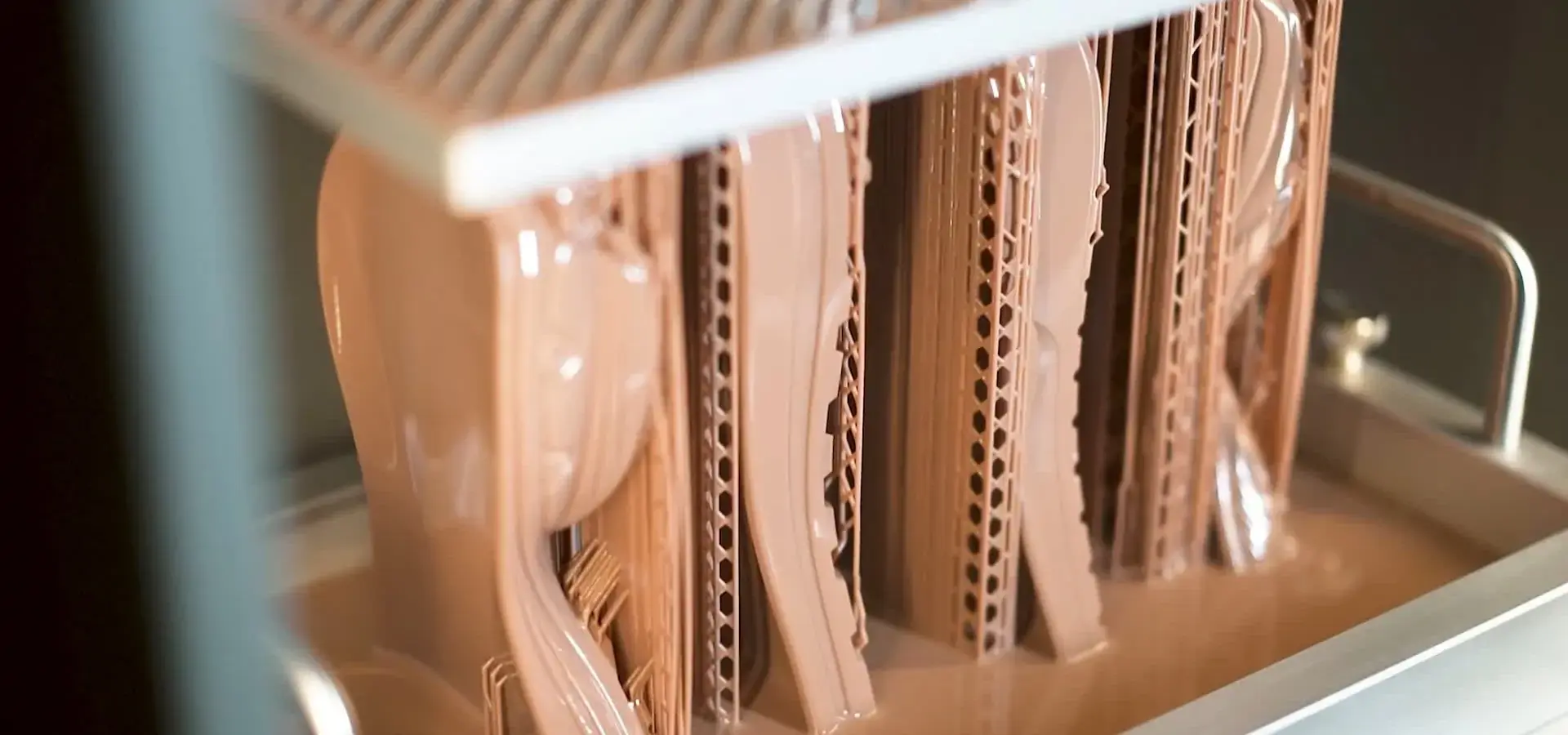
Magforms made the P13 Pro in response to known problems in the industry. It has a 302 × 162 × 380 mm build volume that meets the unique needs of making shoe lasts. This setup lets you print 12 separate shoe lasts that are 98 × 36 × 268 mm each in a single batch cycle that you don't have to watch. This changes the costs of production for making small-run and custom shoes. The 380 mm Z-axis height of this equipment makes it different from similar high-volume machines. It can handle tall boot lasts and large shoe forms without having to separate and put together parts. This printer has more vertical space than most mid-format resin 3D printers in its class, which gets rid of a common problem in specialized footwear uses. Print speed that shortens iteration cycles during design improvement phases is shown by the fact that a 300 mm tall model can be produced in approximately 3 hours and 15 minutes under optimized conditions (e.g., 0.2 mm layer height), which reflects high-speed resin 3D printer performance rather than standard precision settings.
Precision Engineering for Dimensional Accuracy
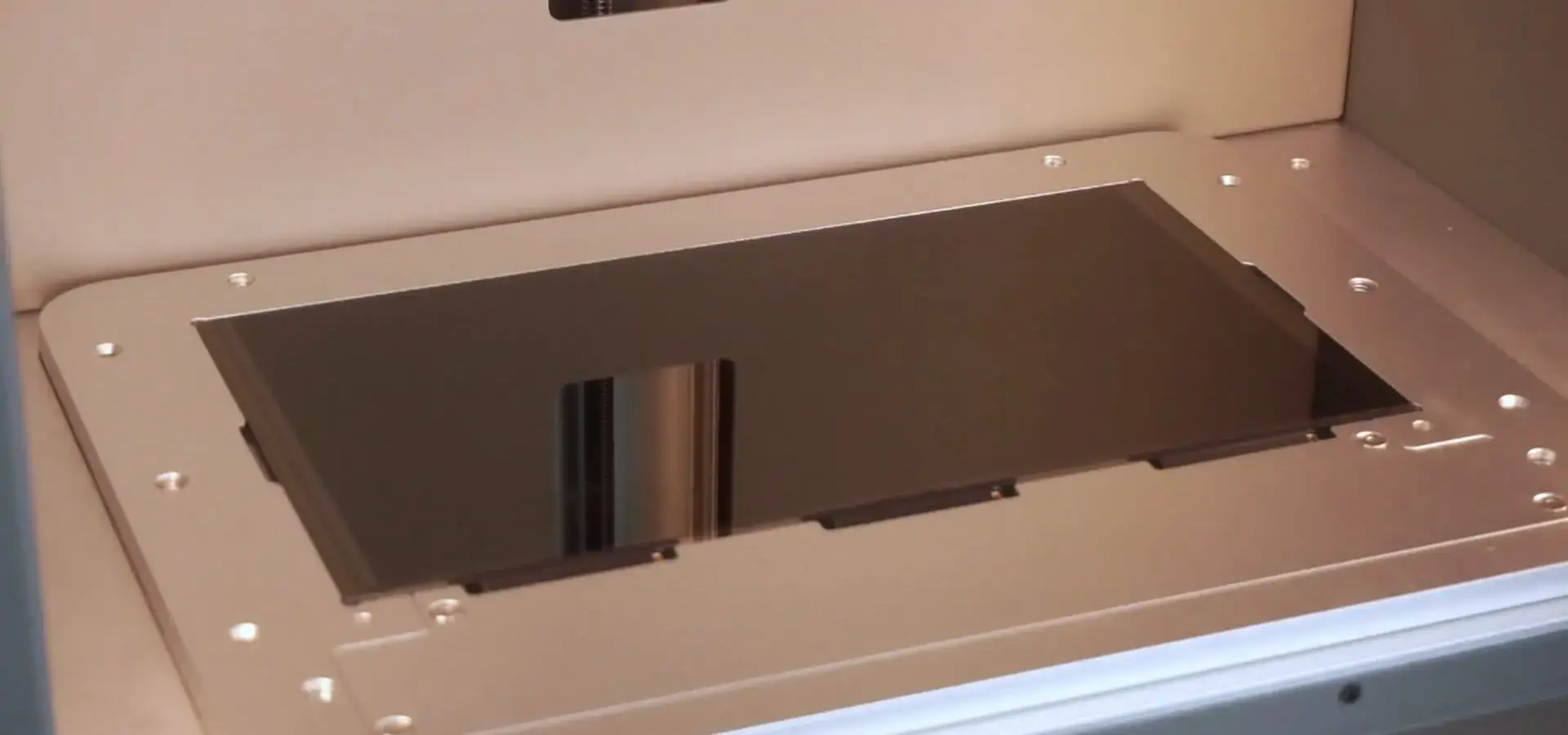
Advanced grayscale pixel management in the P13 Pro's imaging system makes it possible for up to 10 μm XY pixel resolution, which reduces visible pixelation compared to lower-resolution LCD 3D printers, though final surface quality also depends on exposure settings and resin properties. This level of detail copying is very important when making shoe lasts that have small differences in shape that affect how well they fit. A high-uniformity, well-collimated light source improves curing consistency and edge definition across the build platform, lowering the surface striations that usually need a lot of sanding and finishing work. On 100 mm standard models, the accuracy of the dimensions is ±0.05 mm, which is a level of tolerance that lets printed parts be used directly for practical testing and validation. This accuracy comes from changes that were made to many parts at the same time, rather than upgrades to single components. The 58-kilogram full-metal chassis provides mass damping that reduces print flaws caused by vibrations. Industrial P-grade dual linear guide rails ensure 7 μm parallel motion accuracy throughout the Z-axis trip range. An industrial-grade high-precision lead screw makes sure that layers stay in place during long print jobs. This gets rid of the placement mistakes that add up over time and cause measurement drift in tall vertical parts.
Material Compatibility and Process Stability
Managing the temperature has a direct effect on how well the material works and how many prints come out well. With heating ports on both sides of the build chamber, the P13 Pro has a dual heating system that evens out the temperature and gets rid of cold spots and differences in material stiffness. This environment with a steady temperature doesn't depend on the outside weather, so it can be used consistently in places that don't have climate control systems. Operators no longer need external resin preheating methods such as water baths or manual warming methods such as external heating tools. This makes the process more consistent and speeds up work. Magforms gives the P13 Pro special process parameter packages for optimized resin formulations and validated material profiles. These profiles include years of material development experience that can be used with just one click. This unified approach to tools and supplies gets rid of the need for trial-and-error tuning that comes with using general printer settings with third-party materials. This leads to a measurable drop in failure rates, less waste of materials, and a faster time to quality output for new users. The 91 imported LEDs in the industrial-grade light source make sure that the light is evenly spread across the whole build plate. A high number of LEDs stops the uneven cure patterns that make printed parts weak in some places, and better cooling keeps the light output stable during long print sessions. These choices in design that focus on stability make light sources last longer and require less upkeep, which cuts down on downtime.
Operational Excellence Through Thoughtful Design
Production tools need to be both technically advanced and easy to use, especially in small teams where workers have to do a lot of different things. The P13 Pro takes this into account by making design choices that make daily tasks easier. The built-in constant-temperature heating system gets rid of the need to preheat the resin before printing, which saves 15 to 30 minutes per print job and makes the process more consistent. An air filtration system built into the build room filters and reduces volatile organic compound (VOC) emissions and resin odors, keeping the work area comfortable in shared spaces where air flow may be limited. The up-and-down push-pull door design makes it easy to operate with one hand. This is in contrast to split-cover designs, which require taking out and storing loose pieces that take up room. When the door opens, hidden lighting illuminates the building room instantly, making it easy to see for checking and managing materials without the need for separate work lights. These seemingly small details add up to big time savings and less operator tiredness over the course of several daily print runs.
User-Centric Material Management
The resin vat design includes useful features that are often missed when making tools. Built-in handles and a spilling spout make moving and cleaning up materials easier. Markings for the maximum amount stop overfilling, which can lead to spills when the platform is put in place. Four positioning pins at the bottom of the vat make sure that it stays in place, so you don't have to measure and adjust it as you do with free-positioning systems. Overnight production runs are possible thanks to the large-capacity resin vat, which supports extended print jobs without mid-cycle refilling allows for longer prints without having to be refilled in the middle of the cycle. Long-term running costs are directly affected by how easy it is to do maintenance. The P13 Pro has a one-button resin vat cleaning feature that takes care of a messy process that used to be done by hand. This cuts down on material waste and contamination between resin types. To change an imaging screen, all that needs to be done is to remove the binding tape. This saves time because multiple parts don't have to be taken apart. The automatic leveling and simple four-screw build plate connection method make setup and calibration easy for workers who don't have special training.
Intelligent Control and Customization
The 5.0-inch color touchscreen makes it easy to see all of the parameters and move around the print setting and tracking features. Through the printer interface, operators can directly change the printing settings and Z-axis motion speeds. This lets them optimize in real time without having to go back to external slicing software. With just one click, you can import material profiles that have already been set up, and the system's many customization tools let advanced users fine-tune process parameters for specific uses. The P13 Pro is good for both new users who want solid performance right out of the box and experienced users who need precise process control because it has a good mix between easy-to-use default settings and deep customization options. Teams can create unique process recipes that give them a competitive edge in niche production areas by being able to save custom parameter sets.
Real-World Applications Across Industries
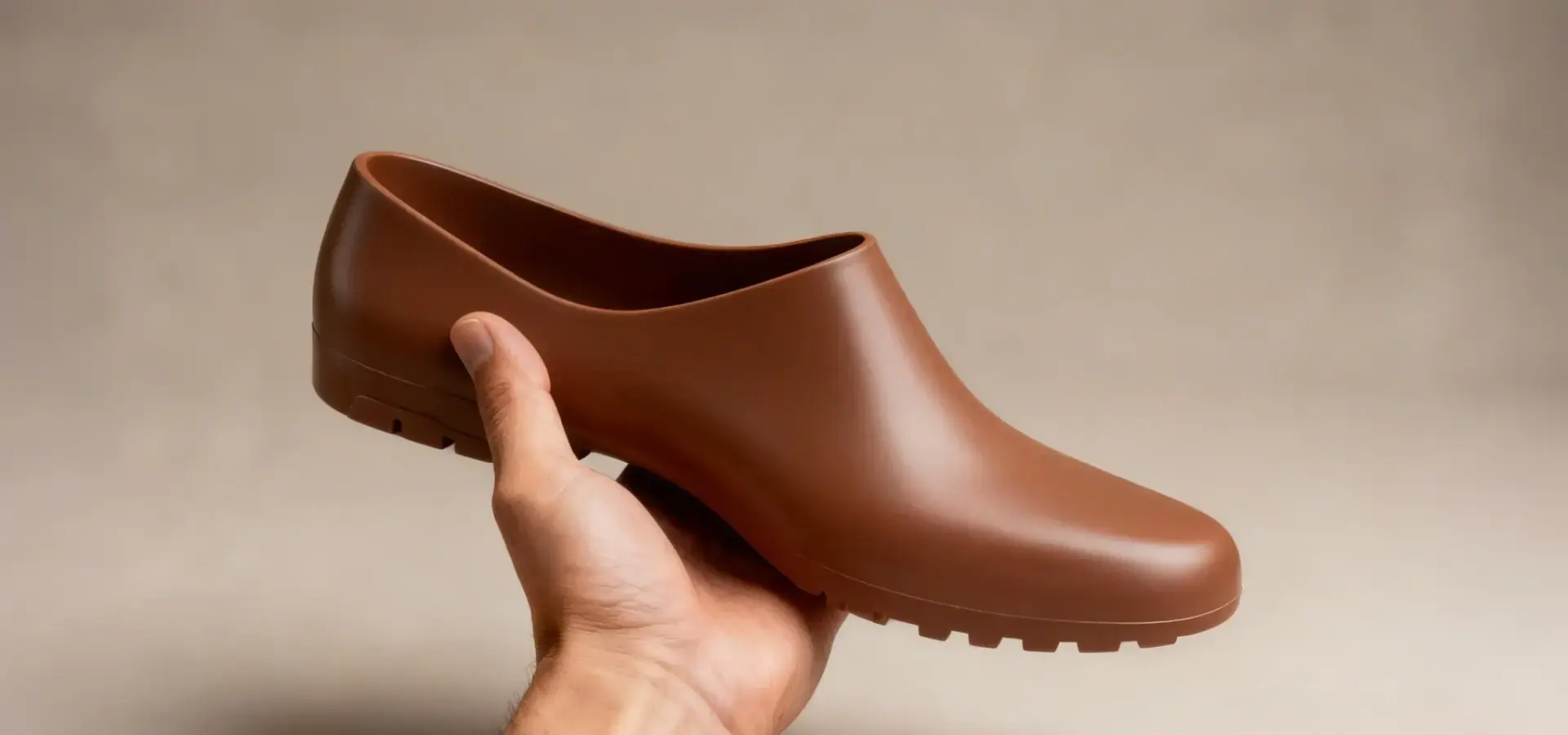
Footwear brands and contract manufacturers use the P13 Pro 3D printer to shorten the time it takes to make products, from idea sketches to physical samples. Being able to print full-size shoe lasts overnight lets designers check the fit and style the next morning, going through several different design versions in just one week. This ability to make quick prototypes is especially useful for limited-edition items and custom orthopedic shoes that can't be made with standard lasts because the economics don't make sense to spend on tooling. Suppliers of auto parts use the equipment's accurate measurements to test working prototypes.
Before they are made into injection molding tools, interior trim pieces, custom connectors, and specialized clamps printed on the P13 Pro are put together in real vehicles to make sure they fit and work properly. Printing with engineering-grade resins that offer controlled thermal and mechanical performance lets you do real proof testing instead of just making models that look good. Consumer electronics businesses use the printer's ability to reproduce fine surface details to make test housings and parts for wearable tech. 10 μm resolution and optimal material compatibility make it possible to get a smooth finish. This cuts down on post-processing time, which speeds up the review of ergonomic designs and aesthetic finishes.
Medical device makers make surgery guide prototypes and oral model bases that are accurate enough for clinical validation studies. This helps with the development of personalized healthcare products. The P13 Pro's ability to handle large groups of jobs and dependability are important for 3D printing service companies that have to handle a wide range of client projects with different technical needs. Using pre-configured settings to quickly switch between types of materials speeds up the process of working through mixed-order lines. Low failure rates and steady output quality cut down on the need for buffer space and repeats, which helps service businesses make more money in markets that are very competitive.
Why Magforms Delivers Measurable Business Value
Magforms demonstrates domain expertise in resin 3D printing systems and material science, as shown by its 22 patents and 30 filed trademarks. The basis of intellectual property allows for constant product innovation that meets new application needs instead of just meeting rival standards. The company's unified approach to developing materials and equipment gets rid of the connectivity worries that come up when users mix third-party supplies with printer gear. Magforms keeps up with the needs of a wide range of application settings and users by exporting its goods to dozens of countries and working with more than 300 businesses around the world.
By going to industry shows in Europe, Asia, and other places, you can get direct feedback from customers that helps you decide what products to make next. Technical training programs and skilled workshops help transfer technology, so customers can get the most out of their tools instead of ignoring advanced features because they don't know how to use them. The company has been in the business for a long time and has a lot of experience with a wide range of applications, including making shoes, prototypes for cars, medical devices, and market goods.
This cross-industry view lets technical support teams give useful advice based on similar use cases instead of general ways to fix problems. When buying, teams look at the total cost of ownership. Technical help that responds quickly and limits downtime has a big economic value that goes beyond the initial purchase price. Magforms offers a complete solution that includes printing tools, improved material formulations, and a system for providing help after the sale. This connected ecosystem takes care of the whole customer journey, from the first review to years of production. Instead of just selling tools, it builds long-term relationships.
Conclusion
The P13 Pro 3D printer demonstrates how purpose-built equipment that was made for a specific job can meet real production needs that regular printers can't. Its boots-optimized build volume, high-resolution output and consistent dimensional accuracy, batch production capability, and operating stability all work together to fix known problems in prototyping processes. Taking a combined approach to hardware, materials, and process factors lowers the technical risk and learning curve that frequently cause new production technology to take longer to show a return on investment (ROI). The P13 Pro offers real improvements in output quality, production speed, and total cost of ownership for companies that are looking to do prototyping in-house or upgrading from equipment that isn't working well.
FAQ
1. What makes the P13 Pro specifically suitable for footwear prototyping compared to other printers?
The 302 × 162 × 380 mm build space and 380 mm build height are perfect for making shoe lasts, and 12 lasts can be made in a batch. This range of sizes and capacities covers all normal shoe sizes, even tall boots, without the need for part division.
2. How does dimensional accuracy affect functional prototyping applications?
Because 100 mm models are accurate to within ±0.05 mm, printed parts can be used as working test pieces instead of just visual sketches. This level of accuracy lets you test the fit, make sure the mechanics work, and use the parts as mold templates without having to do a lot of extra work afterward.
3. What ongoing costs should I expect beyond the initial equipment purchase?
The main costs for consumables are photopolymer resin materials and replacing image screens on a regular basis. The large vat volume and low failure rate keep material waste to a minimum, and the strong mechanical parts mean that upkeep is done less often than with lighter-duty equipment.
4. Can the P13 Pro handle engineering-grade materials for functional testing?
The two-heating method and compatibility with different materials make it possible to use different types of resins, even engineering formulas. Magforms gives you the best process settings for the materials you're using, so you don't have to worry about tuning the P13 Pro for third-party products.
Partner With Magforms for Your Production Prototyping Needs
With the P13 Pro and full technical support, Magforms is ready to help you make the switch to efficient in-house development. Our team knows the problems that shoe designers, product design companies, and contract makers face when they need to find reliable production tools. You are welcome to talk to our experts about your application needs. They can give you a sample evaluation, process suggestions, and a total cost analysis. Get in touch with us at info@magforms.com to look into your P13 Pro supplier choices, get full specs, or set up a demonstration of the equipment. Let us show you how integrating materials, using precise tools, and getting help quickly can make your prototyping processes better.
References
1. Industrial Additive Manufacturing: Technology Assessment and Process Optimization for Production Applications, Journal of Manufacturing Science and Engineering, 2022
2. Stereolithography Accuracy Factors in Medical and Dental Device Prototyping, Additive Manufacturing Research Quarterly, 2021
3. Economic Analysis of In-House vs. Outsourced Prototyping in Footwear Development, International Journal of Fashion Technology, 2023
4. Material Compatibility and Process Parameter Optimization in SLA Systems, Polymer Processing Technology Review, 2022
5. Temperature Control Effects on Dimensional Accuracy in Resin-Based 3D Printing, Precision Manufacturing Conference Proceedings, 2023
6. Batch Production Strategies for Small-Run Manufacturing Using Additive Technologies, Production Engineering and Management, 2022

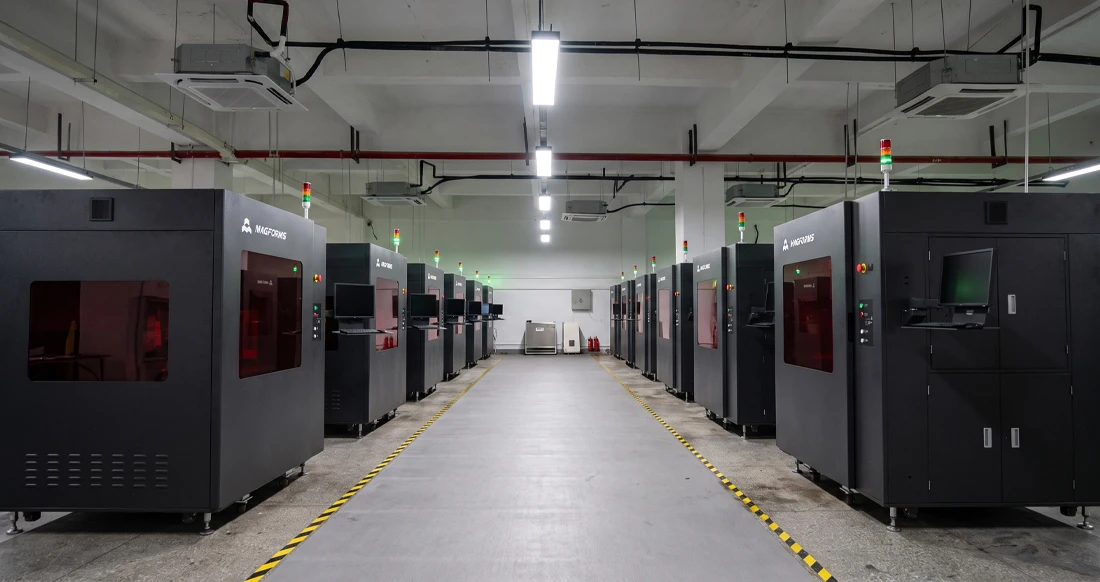
Magforms makes design and manufacture easier.
Popular Blogs
-
 Industry InsightsManufacturing Industry
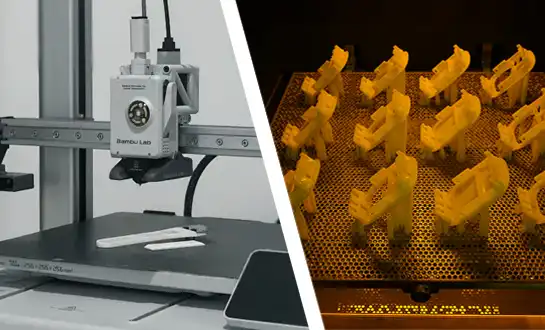
FDM vs. SLA Printer: Which Technology Is Right for Your Project?
-
 Industry InsightsManufacturing Industry
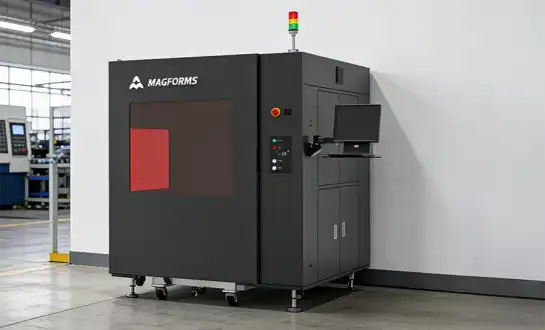
Top 5 Applications of Industrial 3D Printers in Manufacturing Today
-
 Industry InsightsManufacturing Industry
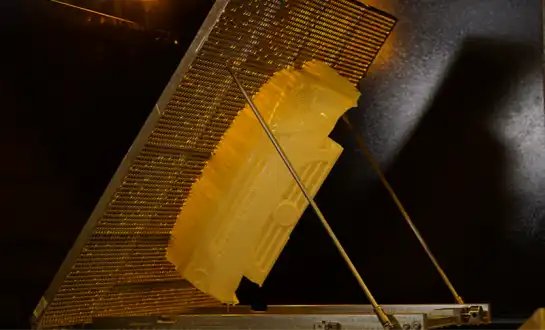
Why Stereolithography 3D Printers Are Unmatched for Microfluidic Device Prototyping?