Is the P10 Pro Worth It for Professional 3D Printing Needs?
When evaluating industrial resin 3D printer solutions, procurement teams across the medical, aerospace, automotive, and service office industries must strike the best balance among accuracy, reliability, and cost-effectiveness. The Magforms P10 Pro LCD-based resin 3D printer directly addresses these challenges by offering micron-level accuracy, a 99% print success rate, and user-centered design features made for a wide range of industrial uses. This machine has a competitive build volume of 228 × 128 × 250 mm and an amazing printing speed—it can complete a 250 mm Z-height print in less than three hours—making it a good choice for businesses that need regular output but don't want to pay the high prices that come with legacy brands. The question isn't whether or not the P10 Pro performs professionally; it's whether or not its built-in benefits fit with your production process and return on investment goals.
Build Volume and Speed: Meeting Production Demands Efficiently
For 3D printing businesses to be successful, they need machines that can handle projects of different sizes without slowing down the process. The P10 Pro stands out from other 10-inch printers because of smart engineering choices that have a direct effect on daily productivity.
Maximized Vertical Printing Capacity
With a height of 250 mm, this resin 3D printer system works better than most in its size class and gives you about 25% more vertical room than normal 10-inch models. The full build envelope of 228 × 128 × 250 mm has real operational benefits. For example, automotive teams can prototype full-sized dashboard parts in a single run, dental labs can make multiple aligner models at the same time, and companies that make consumer electronics can nest complex assemblies without having to split designs. Some 3D printing service providers have reported that they cut their weekly print runs by 18% after moving to the P10 Pro. They said that this was because they had to do fewer batch setups and made better use of their space. Multiple pressure-release holes built into the build platform lower resin suction forces during layer separation. This not only makes the print smoother but alsohelps reduce mechanical load on the Z-axis drive system, contributing to longer component lifespan, which is very important for companies that run continuous production plans.
Accelerated Throughput Without Quality Compromise
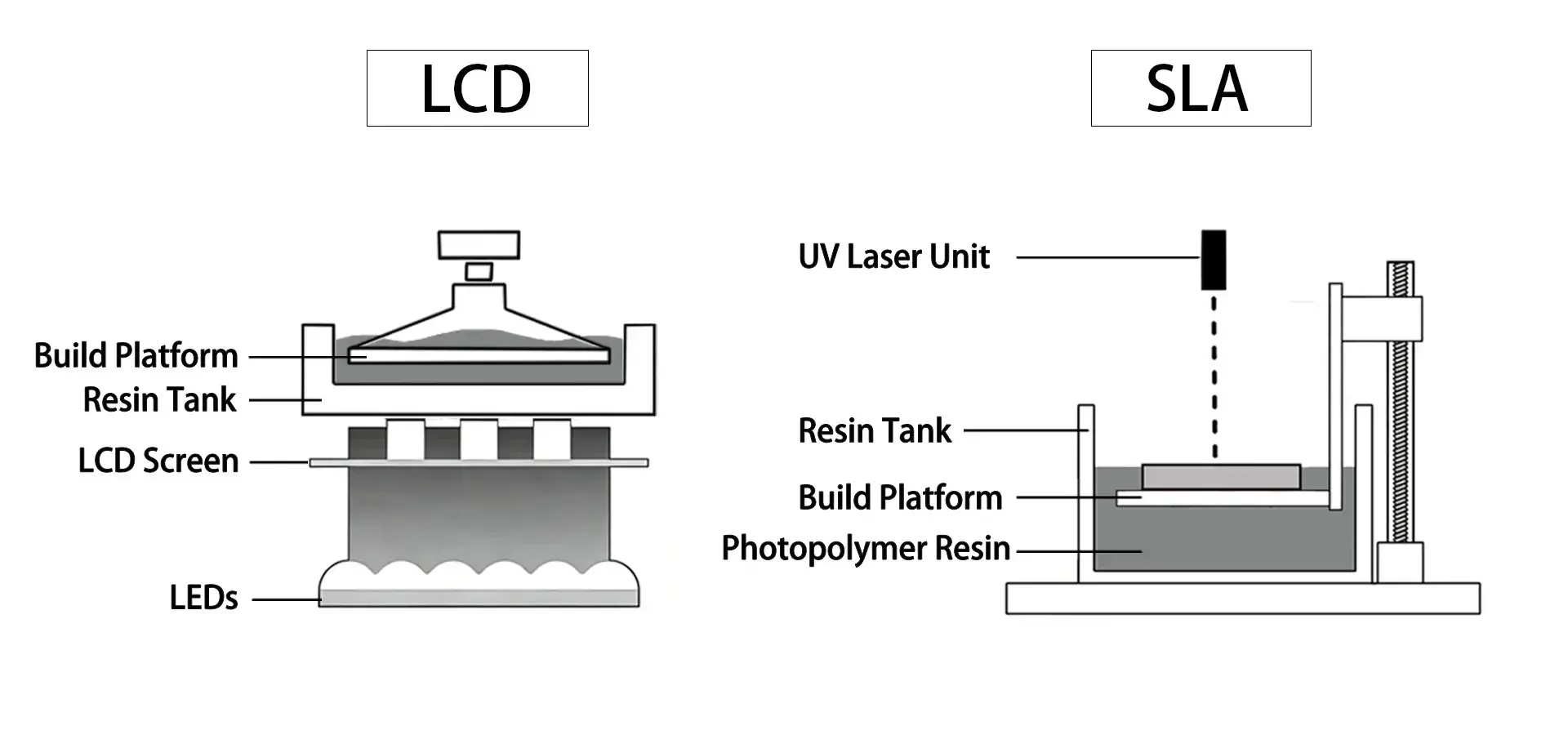
Without dependability, speed means nothing. The P10 Pro resin 3D printer has both thanks to its improved light source technology and smart parameter management. At 0.2 mm layer height, finishing a 250 mm-tall model in just 2 hours and 52 minutes is a big improvement over traditional laser-based SLA systems, which often require longer scan times for similar build heights to do the same work. The collimated LED array light source improves curing efficiency by reducing light divergence and ensuring uniform exposure across the LCD mask and making sure that the whole build area is exposed evenly. This feature is especially helpful for manufacturers who need to make quick samples for client review cycles. Cutting iteration time from days to hours can make or break a small business's chances of winning a competitive bid. The layer thickness can be changed from 0.01 mm to 0.2 mm, which gives you options. For example, dental uses that need very smooth surfaces can choose thinner layers, while jig and fixture production can choose thicker sets to save time.
Precision Engineering: Achieving Micron-Level Accuracy
Professional equipment is different from amateur tools in P10 Pro terms of surface quality and dimensional accuracy. Advanced imaging technology and mechanical accuracy are used in the P10 Pro to meet the tight limits needed in the medical and aircraft industries.
Pixel-Level Surface Refinement
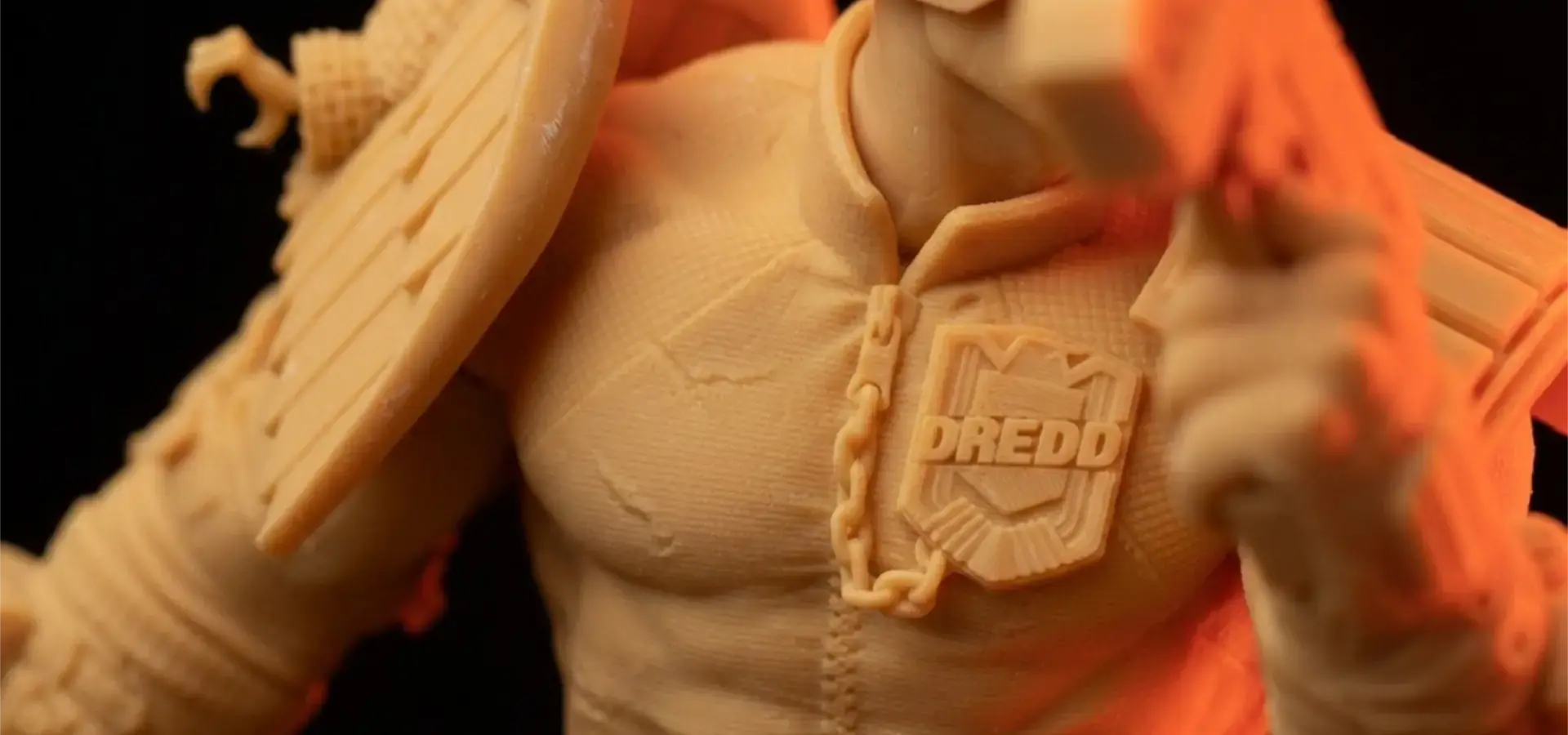
With a 29.7 μm XY pixel size and system-level optical precision of approximately 14.85 μm under calibration conditions. The 29.7 μm pixel size makes it possible to show fine features like skin texture on character models, gemstone facets on jewelry samples, and text that can be read at 0.5 mm. A shoe designer we talked to liked how the resin 3D printer caught the subtle hexagonal pattern of a sneaker bottom design, which other machines had only been able to approximate. This level of detail comes from the low light divergence angle, which ensures that curing boundaries remain well-defined and stops the "blooming" effect that happens when light leaks outside of the intended cure zones. The P10 Pro can print with the same level of accuracy (within ±0.05 mm) as DLP systems that cost three times as much. This means it can be used for tasks like making surgery guides, where even small changes in size can ruin parts.
Hardware-Material Synergy for Consistent Results
Magforms' unified method for developing both tools and materials gets rid of the need to guess about compatibility. The optimized, resin-specific parameter files loaded onto the P10 Pro make sure that the hardware's capabilities match perfectly with the material's properties. This solves a problem that service bureaus often complain about: they don't want to do endless test prints when moving resins. The industrial P-grade dual linear guides keep the travel parallelism within 5 μm, and the smooth Z-axis movement of the lead screw makes it possible to see smaller surface details and lowers the risk of layer moving. A build base that is flat within ±0.02 mm is directly linked to successful first-layer adhesion, which is a key factor since most print problems happen in the first 20 layers. The copper-tube forced-air cooling system keeps the light source and screen from breaking down due to heat, which can make them last longer and cost more than $1,200 to replace on competing models.
Reliability and Stability: Minimizing Production Downtime
When equipment breaks down during important production runs, it costs more than just buying new parts. It also puts client relationships and contract deliveries at risk. The P10 Pro has two sets of security features that work together to give you a 99% success rate when printing on different kinds of material.
Environmental Control for Consistent Performance
The sealed, air-heated build room solves one of the most important problems in resin printing, which is that the resin is sensitive to its surroundings. Even small changes in temperature, like 5°C, can change the viscosity changes in photopolymer resin can result in layer delamination or incomplete curing. The P10 Pro supports operations in non-climate-controlled workshops by keeping internal conditions stable, no matter how the outside temperature changes. These workshops are popular in small manufacturing facilities and new service offices where installing HVAC upgrades would be too expensive. A medical device development lab in Texas said that their old open-frame printer needed space heaters in the winter, which added $200 a month to the cost of running the business and caused 15% of the printers to break down. When they put in the P10 Pro, their winter failure rate dropped to 2%, and their energy costs went down because the heating system worked better.
Structural Integrity: Preventing Vibration Artifacts
At 25 kg, the strong frame construction reduces flaws caused by vibrations, such as ripple patterns or "water wave" effects that damage surface finishes. This mass naturally protects against external disturbances like close machinery working, foot traffic, or building tremors that would weaken lighter machines. It's especially clear when prints are very tall, because small movements add up to positional mistakes on the order of millimeters at the top levels. Aerospace component makers who work near machine centers say that the P10 Pro keeps its measurements accurate even in places with a lot of shaking, which makes other printers useless. The increased intensity and consistency of the industrial-grade array light source make it even more reliable by making sure that all the resin cures, even when the P10 Pro material profiles or print parameters are demanding, like those that need to be heated or are flexible.
User Experience Design: Streamlining Daily Operations
When the design of equipment makes workers angry and slows down work, technical specs don't mean as much. Magforms put ergonomics and ease of use at the top of their list when making the P10 Pro. As a result, it has features that make training faster and upkeep easier.
Tool-Free Component Access
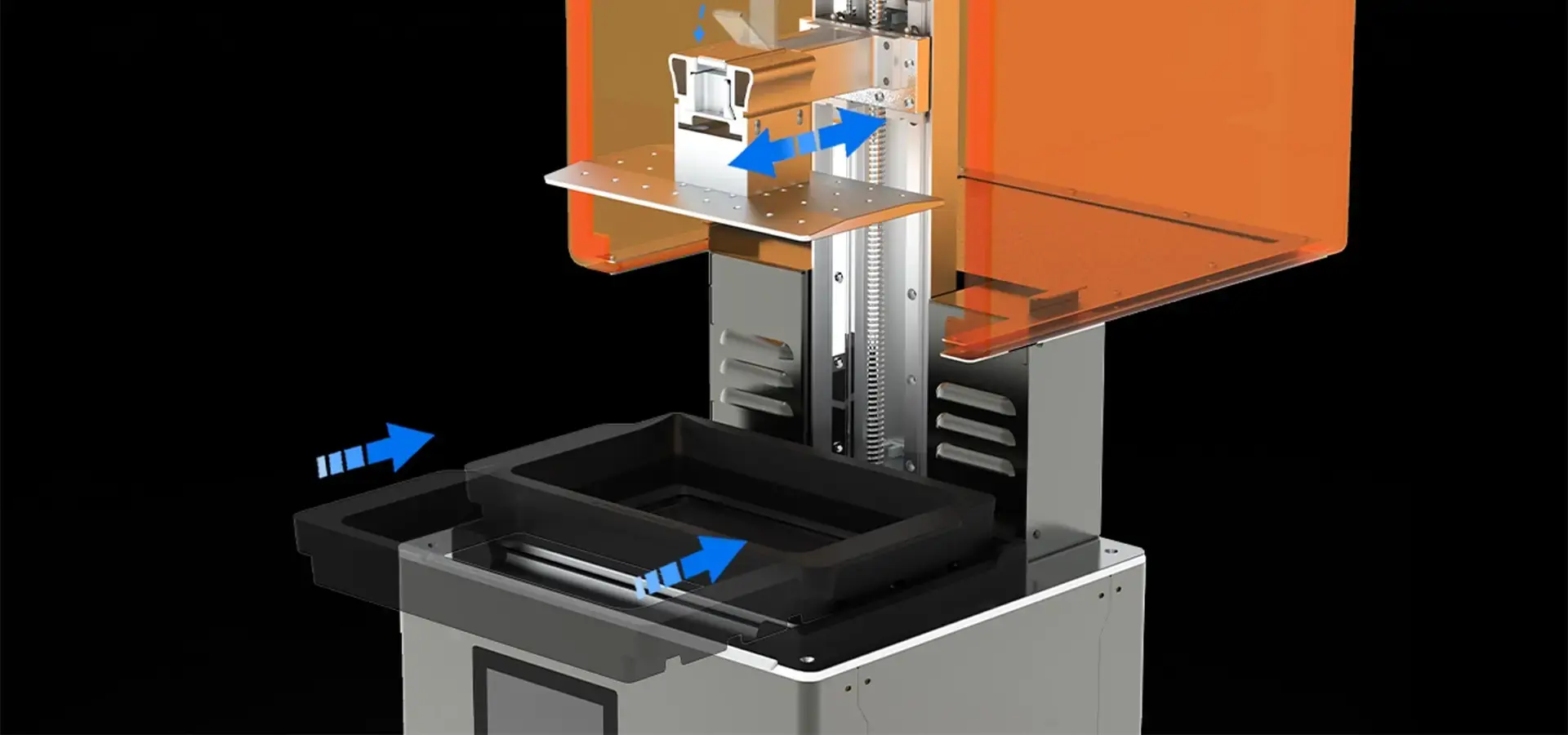
The push-and-pull installation system of the resin tray gets rid of the need for tedious screw adjustments. This makes material swaps possible in less than 30 seconds, which saves service companies a lot of time when they have to handle multiple client jobs with different resin needs. In the same way, the press-lock fixing on the build platform lets you quickly remove it for part gathering without having to look for hex keys or worry about threads coming loose. These small changes add up to big productivity gains: a cultural goods studio found that tool-free design saved them 45 minutes a day across all five of their printers, which is the same as adding one more billable print job every week. The resin vat is easy to use because it has handles, a pouring spout, marks for the maximum capacity, and exact positioning pins that make installation easier by getting rid of the need to guess how to line it up. For overnight production runs, its 1.1 kg volume allows for longer prints without having to be refilled in the middle of the process.
Intelligent Control Systems Enhancing Flexibility
The 5.0-inch color tablet makes it easy to change print settings, and the flexible parameter setup lets you change exposure times and Z-axis speeds in real time without stopping jobs. This feature is very helpful when operators notice small over-curing or under-exposure early on in a print—they can make changes right away instead of wasting time and materials finishing a part that isn't right. Each suitable material comes with its own set of process parameter packages that can be imported with just one click. This makes it easier for staff to switch between engineering resins, clear formulas, and flexible materials without needing to learn new skills. The P10 Pro can print even when it's not linked to the internet. It has 4 GB of built-in storage that can hold multiple stored files, so USB drives don't have to stay connected. This means that accidentally disconnecting them won't damage print data. The resin vat cleaning function that can be used with just one click and the easily changeable forming screen that is held in place by adhesive tape are two more examples of how careful design lowers operating friction.
Workplace Comfort Features
The built-in air filtration system takes in smells of resin, keeping shared workshops, where air flow may be limited, bearable. It's easy to use the vertical slide door design, which is especially helpful in places with a diverse staff, and it saves room compared to detachable light shields that need storage areas. The longer handle shape makes it easier on the body during frequent access rounds. These comfort-focused features handle parts of professional use that are often forgotten: equipment that makes people tired or uncomfortable will eventually be used less, no matter how well it works technically.
Cost-Effectiveness and ROI Considerations
All companies, from small startups that are bootstrapping themselves to large makers spending capital equipment funds, have to make decisions about what to buy based on their budgets. The P10 Pro offers professional-level performance at a price that small businesses can afford, and it has features that make it worth the investment for bigger businesses.
Breaking the Price-Performance Barrier
Traditional high-end foreign brands have high prices that are partly based on how well they perform and partly on how they position themselves as a brand. An imported system that is close to the P10 Pro usually costs 40–60% more than it does and has the same level of accuracy and throughput. This cost is made worse by the fact that proprietary materials keep specialty resins from other companies from selling at prices lower than $90-$140 per kilogram for Magforms formulas that are the same. A 3D printing service with three machines thought that moving to the P10 Pro ecosystem would save them more than $12,000 a year in material costs, with no drop in customer P10 Pro happiness. This cost structure is especially good for small product design studios and new service companies because it lets them get professional tools for around $8,000 to $12,000. This is instead of having to spend $18,000 to $25,000, which would delay starting a business or growing it.
Total Ownership Cost Advantages
Buying equipment is only the initial investment. Long-term budgets are mostly made up of costs for upkeep, replacement parts, and downtime. These problems are fixed in the P10 Pro by using long-lasting parts and smart design. Compared to metal heat sink designs, the copper-tube cooling system makes the light source and screen last 30–40% longer, which means that expensive repairs are put off. The 99% success rate cuts down on material waste. For example, using 10 liters of resin a year saves between $1,000 and $1,400 in costs when failure rates drop from 15% to 1%. Magforms offers full after-sales help, which includes advice on machine upkeep, software updates, and technical training. This means that customers don't have to rely on costly third-party service contracts as much. The modular, expandable design lets businesses add capabilities gradually as their needs change, guarding the value of their initial investment.
Magforms Ecosystem: Beyond Equipment Supply
When choosing workplace 3D printing tools, it's important to look at the manufacturer's wider support network and reputation in the market. Magforms stands out because it doesn't just sell tools; it takes an integrated method that meets all of your business needs. The P10 Pro's success is rooted in this comprehensive strategy.
Materials-Equipment Co-Development
Magforms creates resin formulations and printer gear at the same time, so they are fully compatible. Other companies buy materials and components separately. This gets rid of the size differences, print flaws, and unexpected downtime that come up when operations try to use third-party materials with equipment that doesn't work with them. Engineering teams can safely describe Magforms resins because the parameters have already been tested. This cuts down on the trial-and-error process that usually takes weeks and wastes hundreds of dollars' worth of material when new equipment is first set up. The P10 Pro's 99% success rate is due to the deep tuning of its hardware optics, mechanical systems, and glue chemistry. This isn't just good engineering, but systems-level integration as well.
Global Presence and Technical Expertise
Magforms has the intellectual property base needed for long-term product development, with 22 patents and 30 filed trademarks to back up its constant innovation. Over 300 businesses use products that are shipped to dozens of countries, which gives risk-averse buying teams peace of mind. By going to European and Asian industry shows, you can keep in touch with a wide range of users and get their feedback directly. This helps you make product changes that address real, practical problems. Technical training programs and professional classes, especially those that help countries in the Belt and Road Initiative, show that you care about your customers' success in more ways than just making sales. Years of working in the field have given them a deep understanding of the complex needs of aircraft, medical, automotive, and consumer electronics uses.
Conclusion
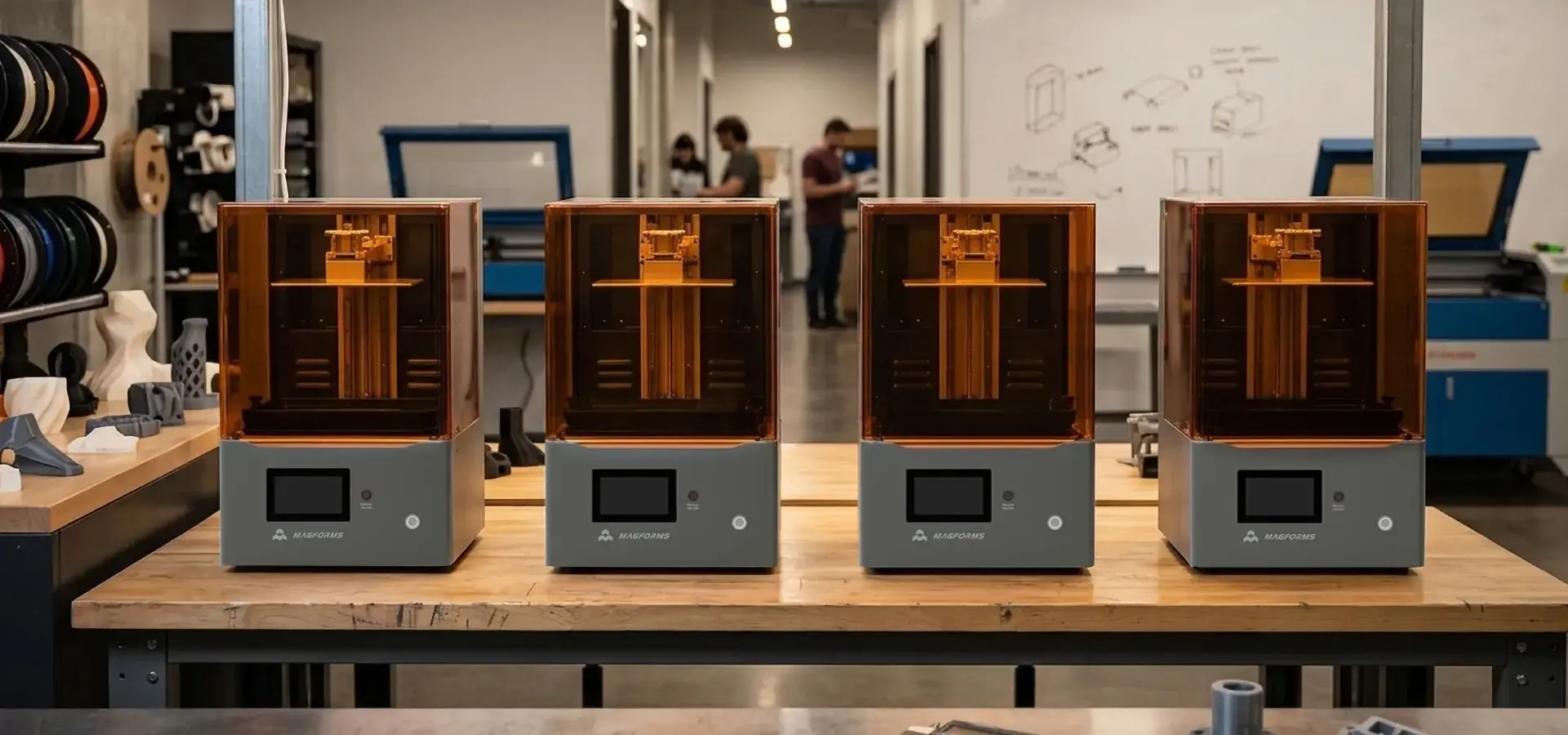
The P10 Pro resin 3D printer is a well-balanced professional 3D printing solution that solves one of the biggest problems procurement leaders face: getting reliable, high-precision results without having to pay a lot for a premium brand or use only certain materials. Its 228 × 128 × 250 mm build volume, 14.85 μm resolution, 99% success rate, and user-centered design features all work together to give it real practical benefits, such as shorter iteration cycles and less waste. The Magforms ecosystem's method of combining materials and tools, along with its large amount of intellectual property and global market presence, gives businesses the support they need to be successful in the long run. The P10 Pro is a great, affordable way to start professional-grade resin 3D printing. It could be used to equip a new service center, grow an existing car R&D department, or increase the output capacity of a dental lab.
FAQ
1. What industries benefit most from the P10 Pro's capabilities?
Precision connectors and complex geometries are made on this machine for the aerospace industry. It also makes dashboard prototypes and custom interior parts for cars. It also makes surgical guides, aligner models, and implant prototypes for dentistry and medicine. It also makes shells for wearable tech devices and internal structures for implants. It also makes shoe molds and accessory prototypes for shoes. It works well with any application that needs micron-level accuracy and consistency that you can count on. The P10 Pro is designed to meet these diverse needs.
2. How does the P10 Pro handle different resin types?
The air-heated, sealed build room keeps the conditions fixed so that engineering, clear, high-temperature, and flexible resin formulas can be used. With just one click, optimized parameter packages for each resin can be imported, significantly reduces the need for extensive manual parameter testing when swapping materials. While Magforms' co-developed resins make sure that everything works together, the system can also handle third-party formulas with custom parameter settings.
3. What training is required for operators?
The easy-to-use 5.0-inch tablet, tool-free access to parts, and one-click features make training a lot easier. After two to three days of hands-on use, most users are proficient. Magforms offers technical training classes and manuals to help people learn how to use advanced features and fix problems.
Partner with Magforms for Your Professional 3D Printing Needs
Magforms offers integrated solutions that combine cutting-edge P10 Pro printer technology with exactly matched resin formulas. This gets rid of the problems that come up with multi-vendor setups when it comes to compatibility. Our 22 patents and work with over 300 businesses around the world show that every system we make is based on solid technology and is in demand. If procurement teams are looking for a P10 Pro provider that offers full after-sales support, such as machine repair, software upgrades, and application consulting, they will find that our approach is very responsive to their needs. Please email our technical support team at info@magforms.com to talk about your unique application needs, ask for sample parts that show the print quality, or set up equipment demos. We'll help you figure out if the P10 Pro fits with your long-term business goals, expected return on investment, and production process.
References
1. Gibson, I., Rosen, D., & Stucker, B. (2021). Additive Manufacturing Technologies: 3D Printing, Rapid Prototyping, and Direct Digital Manufacturing. Springer.
2. Chua, C. K., & Leong, K. F. (2017). 3D Printing and Additive Manufacturing: Principles and Applications. World Scientific Publishing.
3. Ngo, T. D., Kashani, A., Imbalzano, G., Nguyen, K. T., & Hui, D. (2018). Additive manufacturing for precision medicine applications. Composites Part B: Engineering, 143, 161-170.
4. Quan, Z., Wu, A., Keefe, M., Qin, X., Yu, J., Suhr, J., & Chou, T. W. (2015). Additive manufacturing of multi-directional preforms for composites. Materials Today, 18(9), 503-512.
5. Stansbury, J. W., & Idacavage, M. J. (2016). 3D printing with polymers: Challenges among expanding options. Dental Materials, 32(1), 54-64.
6. Wohlers, T., & Gornet, T. (2016). History of Additive Manufacturing. Wohlers Report: 3D Printing and Additive Manufacturing State of the Industry.

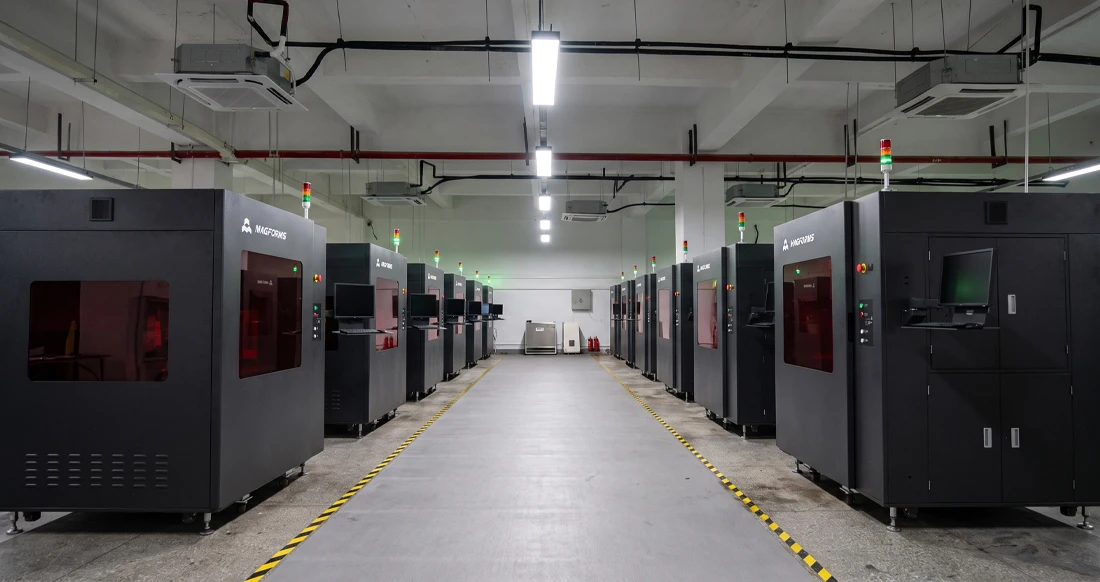
Magforms makes design and manufacture easier.
Popular Blogs
-
 Industry InsightsManufacturing Industry
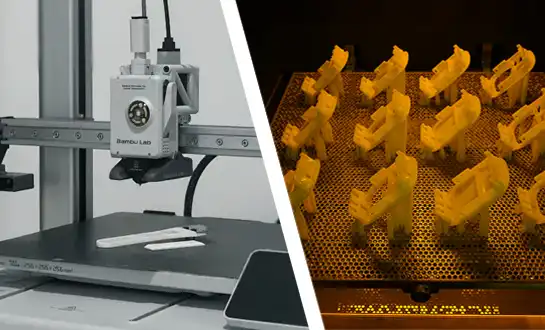
FDM vs. SLA Printer: Which Technology Is Right for Your Project?
-
 Industry InsightsManufacturing Industry
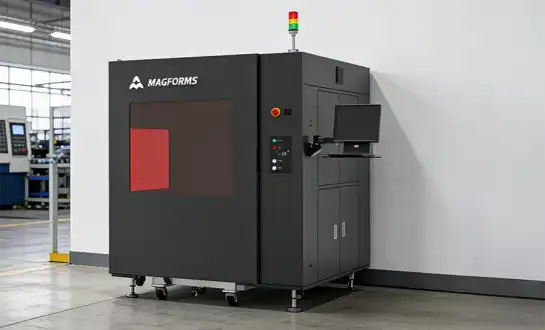
Top 5 Applications of Industrial 3D Printers in Manufacturing Today
-
 Industry InsightsManufacturing Industry
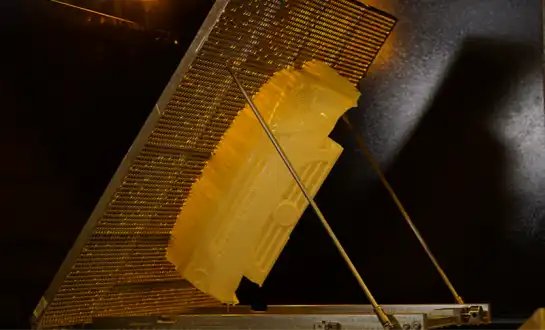
Why Stereolithography 3D Printers Are Unmatched for Microfluidic Device Prototyping?