What is the resolution of most 3D printers?
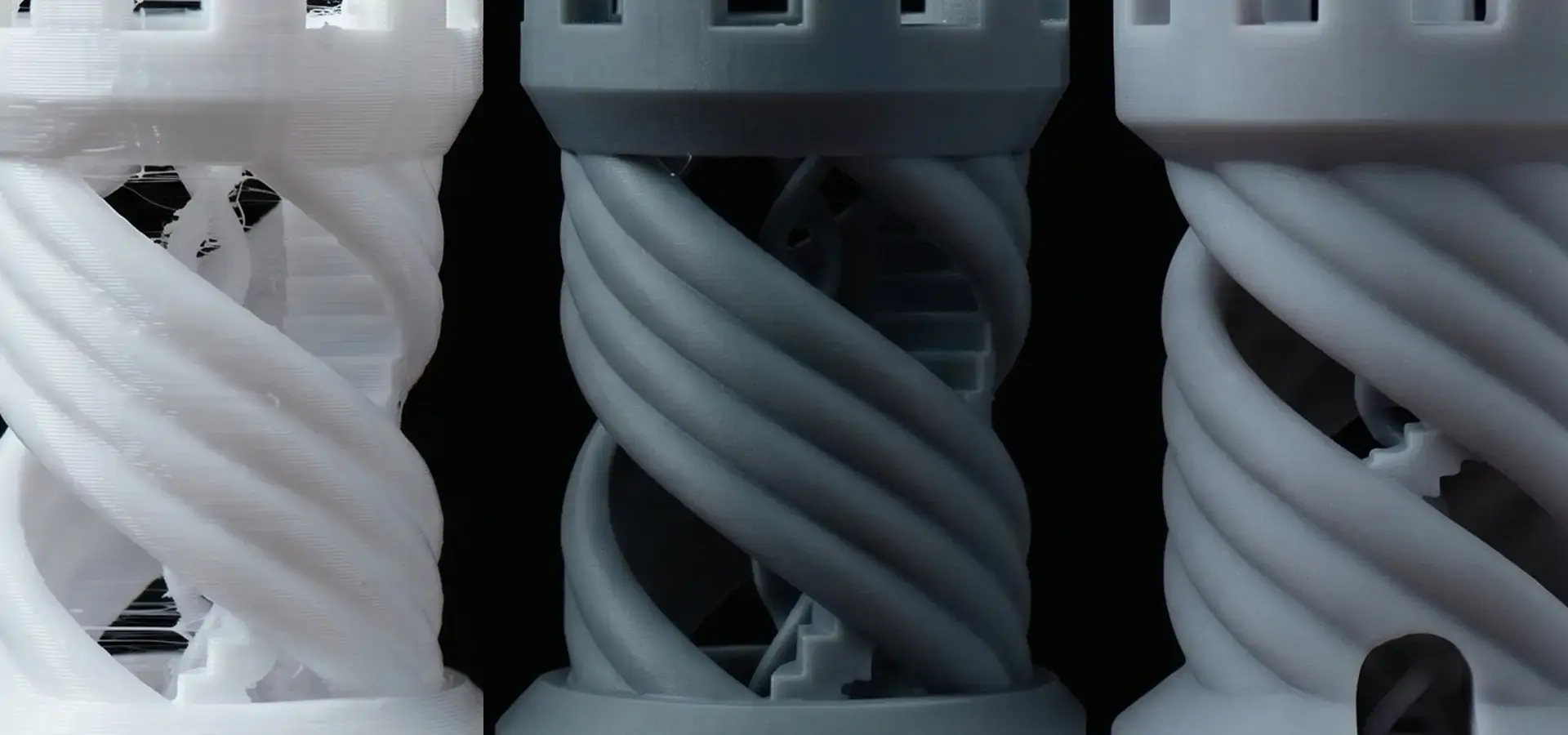
Most consumer FDM 3D printers typically achieve effective XY feature resolution around 50 to 100 microns, depending on nozzle diameter, extrusion control, and motion system accuracy. Resin-based printers such as SLA and LCD systems generally offer higher XY precision due to photopolymerization-based curing.This level of accuracy completely changes High resolution 3D printer what can be manufactured. It makes it possible for microfluidics to have complex internal channels, consumer electronics housings to have smooth, curved surfaces, and dental implants to be made with perfect margins that fit exactly in the patient's mouth without any hand finishing. Every step of your output process is affected by resolution. Less precise tools make layer lines that can be seen, which means a lot of cleaning and polishing is needed, which costs more and takes longer to deliver. Different resolutions on the build platform cause parts in the same batch to have different sizes, which leads to failed assemblies and wasted materials. Picking tools with stable, tested resolution is a strategic choice that impacts your product quality image, operational efficiency, and, in the end, your bottom-line profits.
Understanding 3D Printer Resolution: What Does It Mean and Why It Matters
Defining Resolution Parameters
In additive manufacturing, print fidelity is commonly described through multiple parameters that collectively determine geometric accuracy. XY resolution in resin 3D printing refers to the minimum feature size defined either by the pixel size in LCD/DLP systems or by the laser spot diameter and scanning precision in SLA systems. However, real-world accuracy is also influenced by optical uniformity, resin characteristics, and calibration stability. Z-axis resolution, commonly referred to as layer height, influences vertical surface stepping and overall surface finish. However, perceived smoothness is also affected by resin curing behavior and anti-aliasing algorithms in slicing software. On the other hand, placement accuracy shows how exactly the mechanical system can move and stay in place over thousands of layer cycles.
How Resolution Affects Part Quality
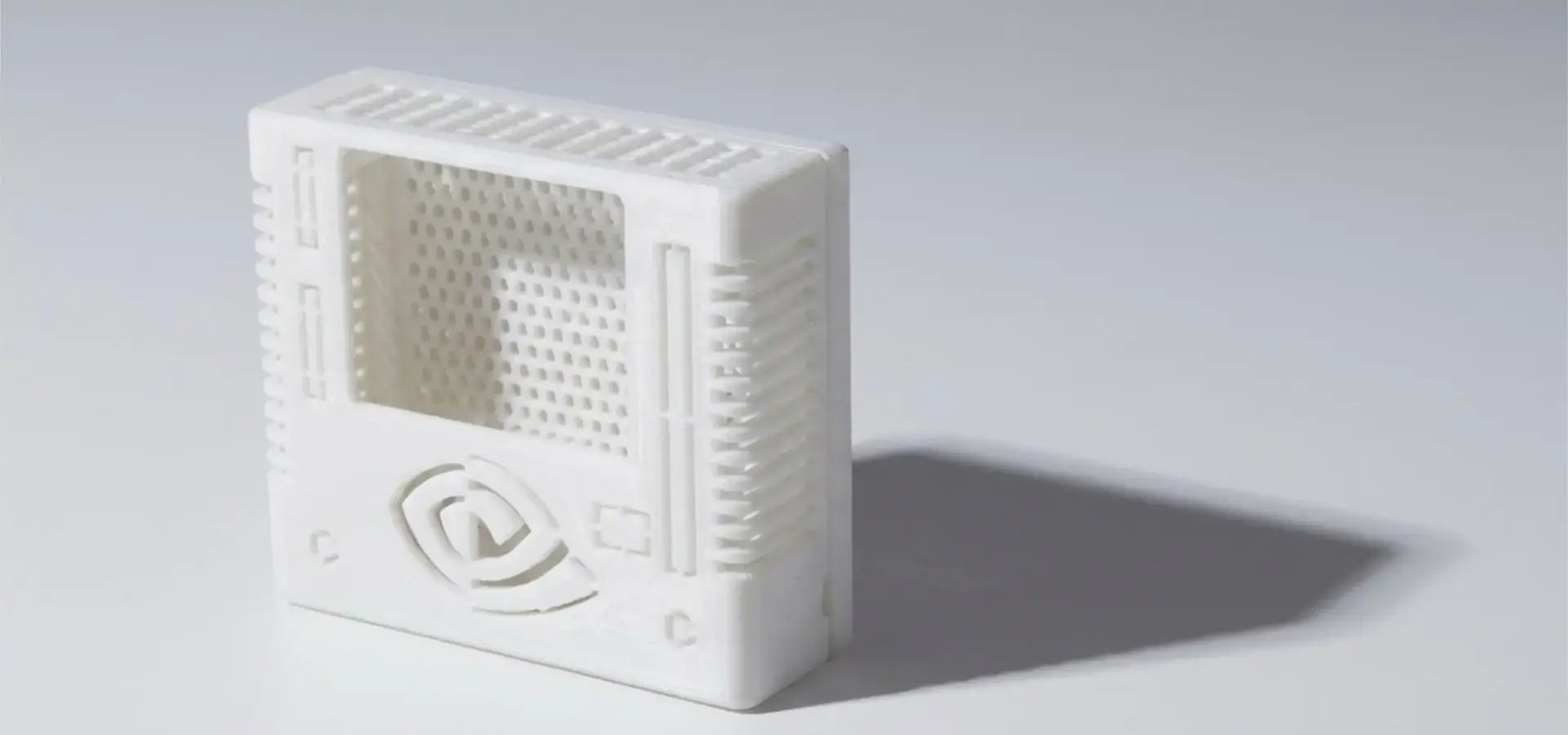
Print precision shows up in real ways in a variety of work situations. A 30-micron difference in crown margin lines causes poor seating and patient pain in dental applications, necessitating remakes that slow down treatment and hurt the laboratory's image. Prototypes of car interior trim that have obvious stair-stepping fail visual approval reviews, which extend the cost of development cycles. Aerospace joints need press-fit specs of within ±0.05mm, which can't be made on machines that aren't repeatable down to the micron level. Instead, expensive CNC machining has to be used. When resolution isn't high enough, consumer electronics companies that are developing casings for wearable tech have to deal with certain problems. Snap-fit parts that are 0.8 mm thick might print 0.1 mm too weak or too thick, which could break the assembly or require cutting by hand on hundreds of test units. When text and images are smaller than 1 mm, they turn into blobs that can't be read instead of clear branding elements. When going from validating prototypes to pre-production batches, these seemingly small errors in accuracy add up to big problems with quality control.
Industrial Versus Consumer Equipment
Consumer-grade desktop units and industrial high-resolution 3D printer systems don't just make claims about how much better they are; the differences can be seen and measured. Entry-level FDM printers typically achieve effective feature resolution in the range of 100 to 300 microns, primarily influenced by nozzle diameter, extrusion consistency, layer adhesion, and motion system precision. Industrial SLA systems can achieve laser spot sizes and effective feature resolutions down to approximately 25 microns or lower in SLA systems, while LCD systems are typically limited by pixel size and optical magnification factors., depending on optical design and calibration conditions. The stability of the build platform is very different. Consumer machines with a single linear rod have Z-wobble that causes banding flaws, but industrial dual-rail ball screw systems keep repeatability in the single-digit micron range over ongoing multi-day print jobs. Material fit is another line that divides people. Desktop resin printers usually only work with photopolymers made by the maker, which have limited mechanical qualities and limit the types of jobs that can be done. Industrial platforms can handle engineering-grade resins, such as high-temperature materials with a heat deflection temperature of more than 200°C, different types of flexible shore hardness, and ceramic-filled composites—necessary for functional prototyping that needs to pass environmental testing procedures. High-resolution 3D printer before investing in production tools.
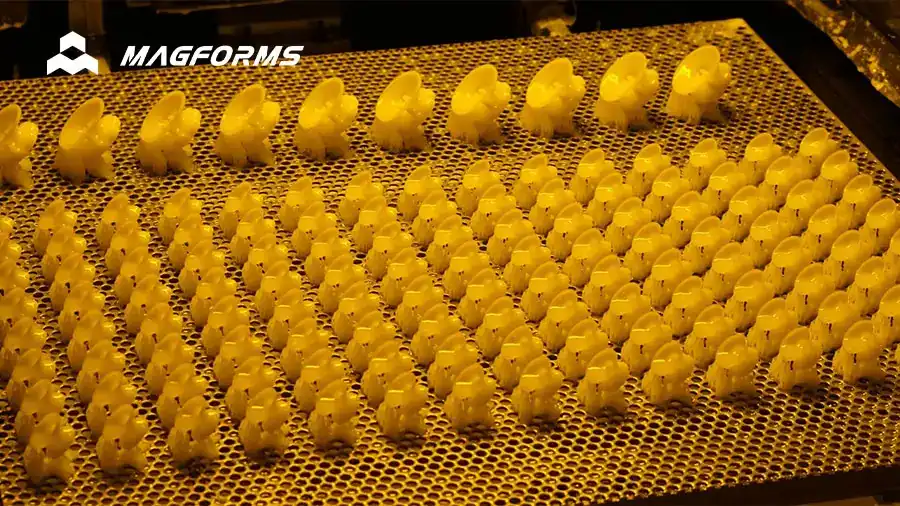 |
Industrial-Grade Solutions Industrial High-Precision 3D Printer Selection Guide (2026) How do you identify a truly industrial-grade 3D printer? This guide breaks down key purchasing criteria including system stability, optical architecture, and material compatibility. |
Benefits and Applications of High-Resolution 3D Printers for B2B Clients
Advantages of Driving Industrial Adoption
When you buy high-precision additive manufacturing equipment, your operations will run more smoothly, which makes the extra money you spend on it worth it. Less post-processing work means lower labor costs. For example, parts from a high-resolution 3D printer with an average roughness value of 1.5 microns need very little sanding, while parts with an average roughness value of 15 microns need a lot of hand finishing. When you're making lots of 50 to 100 dentist models or jewelry masters every week, this time-saving benefit becomes very big, and you might not need as many finishing stations after all. As the quality of the measurements gets better, less material is wasted, and more parts are made again. When automotive makers use micron-level printing instead of traditional FDM methods for testing custom internal parts, they report 40% fewer design iteration cycles, speeding up the time it takes for new vehicle platforms to hit the market. When the print accuracy is within ±30 microns of the CAD nominal dimensions, medical device manufacturers can get first-article approval rates of over 90%, compared to 60% approval rates from lower-resolution equipment that needs geometry compensation strategies that use a lot of engineering resources. Another strategic benefit is being able to make complicated shapes without using a lot of support structures. Advanced slicing algorithms designed for high-resolution resin printing reduce the number of support contact points and cross-sectional area, making it possible to print delicate lattice structures for improving the weight of aircraft parts or detailed filigree in custom jewelry. Because of this feature, you can now serve more high-value applications that your competitors can't because they don't have the technical High resolution 3D printer resources to do so.
Industry-Specific Applications
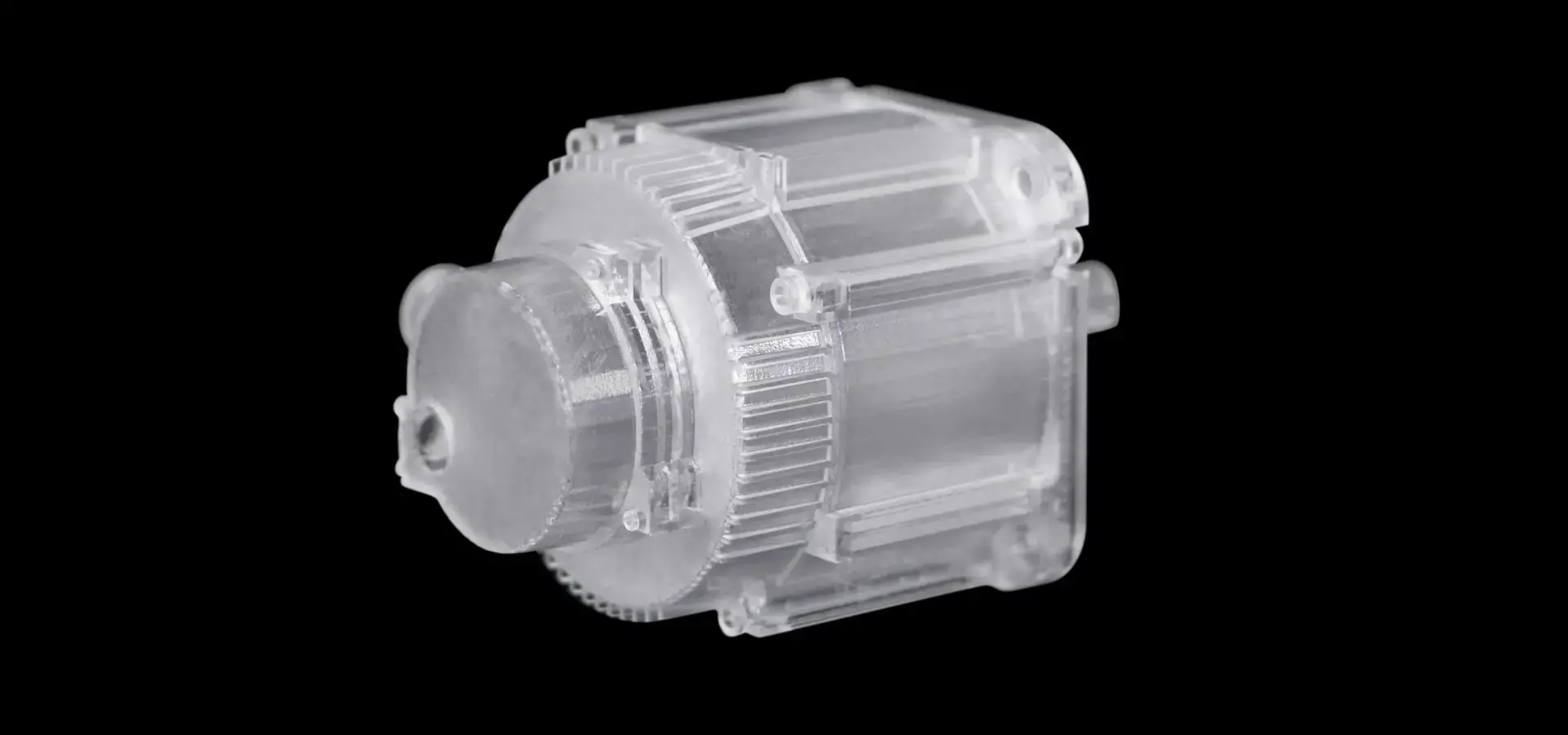
Dental and Medical Device Manufacturing: Orthodontic aligner molds need to be accurate to within 50 microns across the entire arch geometry, surgical drill guides need to place implants within 0.2mm of their planned paths, and crown models need to have margin definitions that are clear enough for technicians to see preparation lines without magnification. Dental labs can offer more services like premium implantology and orthodontics as long as their equipment meets these professional standards, letting them keep up the output they need to make money. Jewelry and Investment Casting: The quality of the master design affects how well the final castings turn out and how much work is needed to finish the metal. A high-resolution 3D printer that uses castable wax resins can make 0.15mm point details and micro-pavé settings that come out of burnout with no ash residue, getting rid of the porosity flaws that lead to rejection during quality control. With this level of accuracy, jewelry makers can make detailed custom patterns that used to have to be carved by hand, opening up new premium market segments and reducing the need for skilled artisans. Precision Engineering and Aerospace: For aerospace uses, component prototyping needs material qualities that match production plastics and exact measurements to make sure the parts fit together properly before investing in injection mold tools. High-temperature engineering resins printed at a 25-micron resolution make it possible to try snap-fit connections, gasket sealing surfaces, and aerodynamic fairings in real-world settings to make sure they work properly. This evaluation feature cuts down on the need for expensive changes to the tools that are found after the first injection molding samples show problems with assembly interference.
How to Choose the Best High-Resolution 3D Printer for Your Business Needs
Critical Evaluation Criteria
To choose the right tools, you need to carefully evaluate them across some performance aspects. As a starting point, resolution specs should be checked to see if the published XY resolution shows the real pixel size or the possible laser spot capability, as some makers say that normal resin formulas can't reach the optimal values. Check the Z-axis mechanical design, making sure that it uses dual linear rails and ball screws instead of single-rod systems, which can cause banding flaws that damage the surface finish when they move. Build space is more than just the number of dimensions it can hold. Larger platforms need better light uniformity to keep the quality the same across the whole area—instead of believing marketing claims, look at the technical paperwork for measured uniformity percentages. Print speed specifications need to be understood in the context of the job at hand: a system that projects whole layers has a higher throughput than laser-scanning options when making many parts at once, but scanning methods may be faster for single large parts with large solid cross-sections. Material compatibility is an important strategy buying issue that will have long-term cost effects. Equipment that only lets users use private resin mixtures locks your business into single-source supply chains that charge more and might not be available when the supply chain goes down. Platforms that support open-material architectures and allow users to change the exposure parameters offer operational flexibility, allowing the qualification of cost-effective third-party materials while keeping validated profiles for specialty engineering resins when the needs of the application require specific mechanical properties.
Calculating Return on Investment
To justify buying expensive tools, you need to do more than just easy payback calculations; you need to do quantitative financial modeling. Think about how faster print speeds and less post-processing work can increase throughput—for example, if switching to a high-resolution 3D printer cuts out 15 minutes of hand finishing per part for 200 units per month, that's 600 hours of technician pay saved each year. Include perks that improve quality, like lower remake rates: lowering failure rates from 12% to 3% on parts that cost an average of $45 each saves $9,720 a year at a rate of 200 units per month. Precision improvements that allow for more capacity often make investments worth making even if they don't lead to higher operating efficiency. If dental labs can print at the micron level, they can go after implant guide and orthodontic aligner markets that weren't available before, potentially bringing in an extra $150,000 or more a year from giving special services. Jewelry makers who use high-resolution equipment to make intricate custom designs can charge 30 to 50 percent more than normal stock items, directly increasing their profit margin.
Trusted Equipment Selection
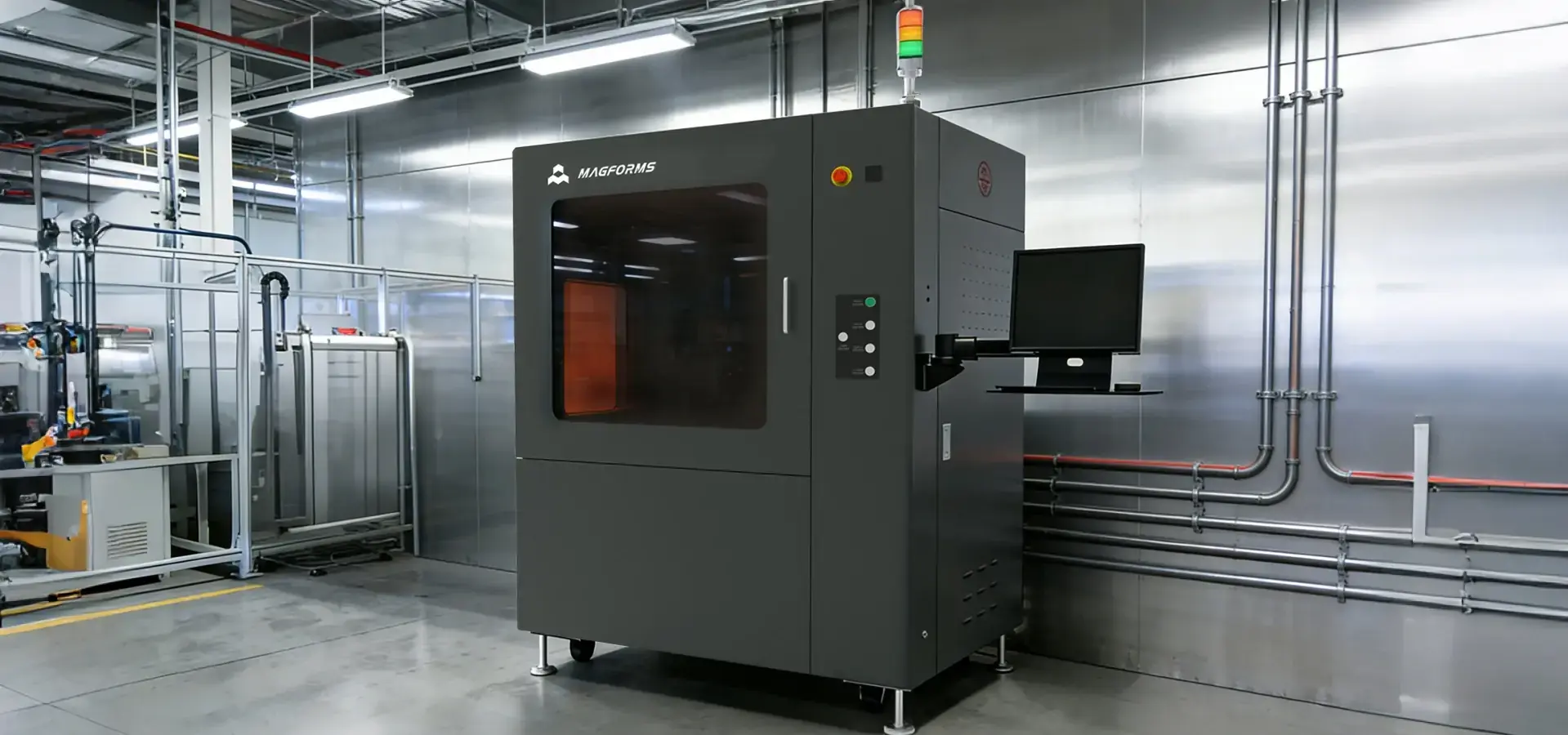
There are both well-known companies, such as high-resolution 3D printers, that have been making additive manufacturing equipment for decades, and younger companies that are coming on the scene with competitive specs and good prices. Magforms is a good example of a company that combines proven technology success with real-world operating benefits to solve real procurement problems. Their synchronized approach to material chemistry and hardware optimization gets rid of the compatibility problems that lead to changes in dimensions and unplanned downtime when using third-party products with equipment that was made for secret formulations. With varying spot-size laser technology and AI-optimized scanning paths, Magforms' equipment can print at speeds over 30% faster than the industry average, directly addressing the throughput issues that make production growth difficult. Micron-level precision in dimensions lets you reproduce fine textures and tight tolerances needed for aerospace and medical applications. System stability proven by thousands of hours of continuous operation gives you the dependability you need in production settings where equipment downtime directly affects customer delivery promises.
Procurement and After-Sales Considerations for High-Resolution 3D Printers
Strategic Sourcing Approaches
Finding technically suitable models is only part of a successful equipment buying process; you also need to build supply relationships that will support long-term operating success. Check the qualifications of the provider by looking at things like their patent portfolios to see if they can really innovate instead of just rebranding generic hardware, their trademark registrations to make sure the brand is real, and their foreign market presence to show that they are financially stable. Magforms has 22 patents and 30 filed trademarks, and it works with over 300 companies in over 100 countries, giving buyers trust in the company's technical skills and ability to keep doing business. Even for first-time sales of just one unit, bulk order options should be looked into. Suppliers with bulk pricing systems make it possible to increase production capacity without spending a lot of money. Framework deals that set prices for materials and make spare parts available protect against future changes in the supply chain. Having financing choices like lease agreements and longer payment terms can help with managing cash flow during capacity buildout phases, especially helpful for smaller service bureaus and product design companies that don't have a lot of cash on hand.
After-Sales Support Infrastructure
Reliability of equipment doesn't mean much if there isn't a fast technical support system that keeps operations running. Check to see if sellers offer direct technical support or if questions are sent to third-party wholesalers who may not have the specialized knowledge to fix problems. Response time promises are important—24-hour recognition and 72-hour resolution goals are very different from vague "reasonable effort" language, which leaves your production plan open to long periods of downtime when equipment breaks down. Long-term running costs and performance depend on how easy it is to get spare parts. Important parts like laser modules, optical systems, and resin vat consumables should always be in stock with known wait times, instead of needing to be custom-made, which can cause weeks of equipment downtime. Comprehensive service contracts that include preventative maintenance, software updates, and emergency repair covers make costs more predictable and make sure that equipment keeps working the way the manufacturer intended for as long as it is used. Training and knowledge transfer programs help operators get better faster and waste less time trying things out and seeing what works and what doesn't during initial launch. Instead of just giving you equipment manuals, look for providers that offer organized training that covers how to use the equipment, proper material handling, optimizing the slicing software, and fixing common problems. Magforms offers technical training classes and professional workshops to help people successfully adopt new technologies, especially helpful when introducing advanced skills to groups that haven't used additive manufacturing before.
Conclusion
Resolution sets the basic limits of what 3D printing tools can do, indicating which uses are still possible and which are technically impossible. Most printers have an XY resolution of 50 to 100 microns, which is fine for basic prototyping. However, a high-resolution 3D printer with 10 to 50 micron accuracy can be used for a wide range of things, from dental prosthetics to working prototypes in flight to models for jewelry. To make smart purchasing choices, you need to know about resolution specs, how they affect your specific production needs, and how the design of the equipment ensures consistent accuracy. If you judge providers by their technical innovation, the flexibility of their material environment, and their full support infrastructure, you can be sure that your investment will continue to provide practical value and not cause production problems and quality complaints.
FAQ
1. What factors determine print resolution quality?
The quality of the print resolution is affected by optical accuracy, mechanical steadiness, and the features of the material. To stop partial-cure flaws, optical devices must provide light intensity that is more than 95% consistent across the build platform. Dual linear tracks and ball screw Z-axis actuation are some of the mechanical parts that keep the micron-level setting repeatable over thousands of layer cycles. To get the desired resolution in real printed parts instead of just theoretical ones, the material viscosity, photoinitiator concentration, and polymerization shrinking traits must match up with what the hardware can do.
2. Can high-resolution printers operate without support structures?
Advanced slicing algorithms find the best places for supports to be placed for high-resolution printing. They do this by reducing the number of contact points and cross-sectional area to cut down on post-processing work while keeping the geometry stable during printing. Getting rid of all supports depends on the geometry—overhangs greater than 45 degrees still need structural bracing, no matter how high the resolution is. But precise tools make it possible for support structures to be thinner and break away easily, without leaving marks on the surface that need a lot of work to fix, especially when used with support resins that are specially made to be easy to remove.
3. How does resolution impact printing speed and cost?
Higher resolution usually makes the printing process take longer because smaller layer heights need more total layers and more laser detail drawing. Modern systems with advanced exposure strategies and high-powered light sources, on the other hand, make up for this trade-off. For example, Magforms equipment can scan 30% or more faster than the average in the industry because its scanning paths are optimized. Operational costs include material efficiency gains from less loss and rework, as well as possible labor savings from less post-processing work, usually making up for the slightly higher costs of consumables that come with luxury engineering resins.
Partner with a Trusted High-Resolution 3D Printer Manufacturer
Magforms offers tried-and-true high-resolution 3D printer options that meet the precise, stable, and high-throughput needs of tough industrial applications. Our method of integrating materials and equipment gets rid of interface problems that lead to errors in measurements and production delays. Variable spot-size laser technology and AI-optimized scanning also speed up output beyond what is possible with traditional systems. With more than 300 businesses around the world using our services and 22 patents to back them up, along with full technical training programs, Magforms is the solid base your production operations need.
We can help you find the right tools for your needs, whether you're a dental lab that wants to make implant guides, a car supplier that wants to speed up prototype iteration cycles, or a jewelry maker that wants to make intricate custom designs. Our technical team gives you hands-on demos that show micron-level accuracy with your real part geometries, taking away any doubt about buying by confirming performance.
Get in touch with our expert team at info@magforms.com to talk about your precise printing needs and find out how Magforms ' high-resolution 3D printer systems can help you make more things, cut down on costs, and reach more customers.
References
1. Gibson, I., Rosen, D., & Stucker, B. (2021). Additive Manufacturing Technologies: 3D Printing, Rapid Prototyping, and Direct Digital Manufacturing (3rd ed.). Springer.
2. Lipson, H., & Kurman, M. (2013). Fabricated: The New World of 3D Printing. John Wiley & Sons.
3. Chua, C. K., & Leong, K. F. (2017). 3D Printing and Additive Manufacturing: Principles and Applications (5th ed.). World Scientific Publishing.
4. Bourell, D. L., et al. (2020). "Materials for additive manufacturing." CIRP Annals - Manufacturing Technology, 69(2), 589-612.
5. Stansbury, J. W., & Idacavage, M. J. (2016). "3D printing with polymers: Challenges among expanding options and opportunities." Dental Materials, 32(1), 54-64.
6. Ngo, T. D., et al. (2018). "Additive manufacturing (3D printing): A review of materials, methods, applications and challenges." Composites Part B: Engineering, 143, 172-196.

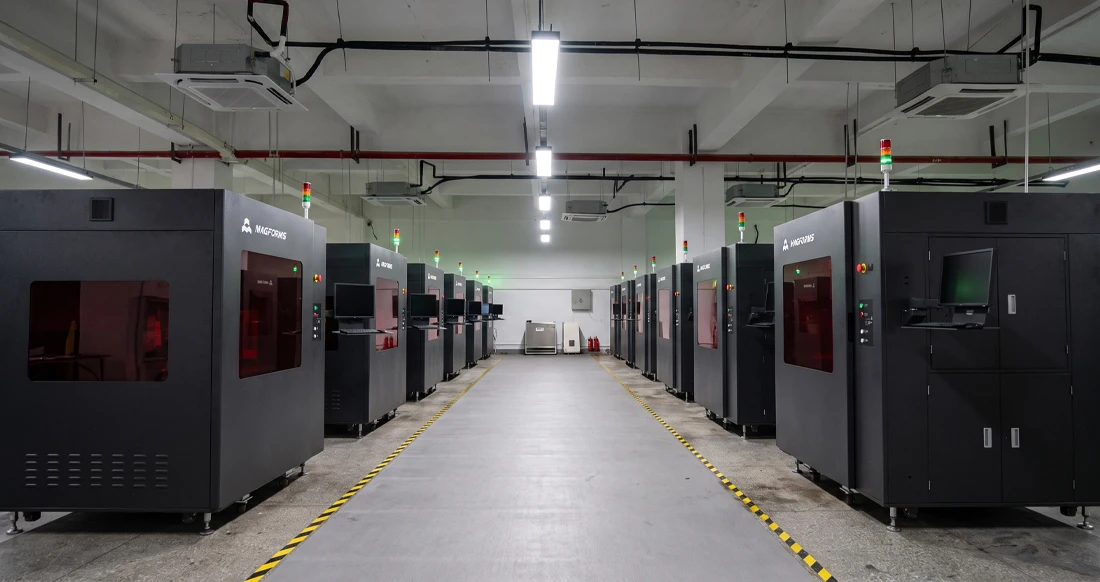
Magforms makes design and manufacture easier.
Popular Blogs
-
 Industry InsightsManufacturing Industry
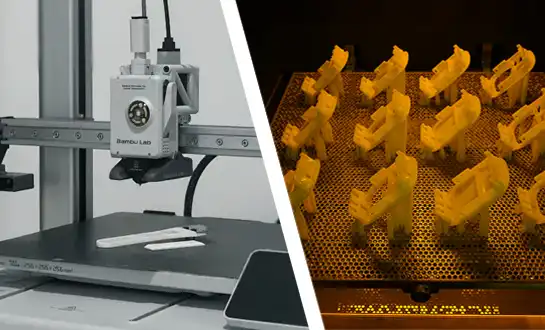
FDM vs. SLA Printer: Which Technology Is Right for Your Project?
-
 Industry InsightsManufacturing Industry
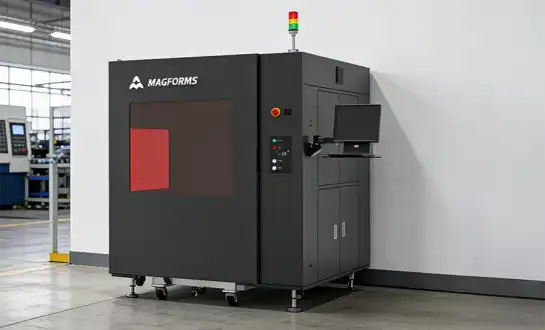
Top 5 Applications of Industrial 3D Printers in Manufacturing Today
-
 Industry InsightsManufacturing Industry
Why Stereolithography 3D Printers Are Unmatched for Microfluidic Device Prototyping?